Right now, the Earth is spinning, whether we can feel it or not. Have you ever wondered why? Understanding the science behind our rotating planet opens a fascinating window into how the universe works. As the third grade curriculum in civics and government encourages curiosity about the world, this topic provides a perfect blend of science and learning.
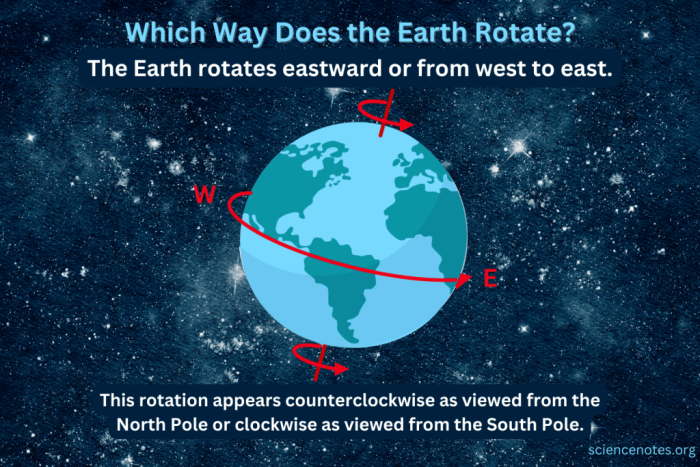
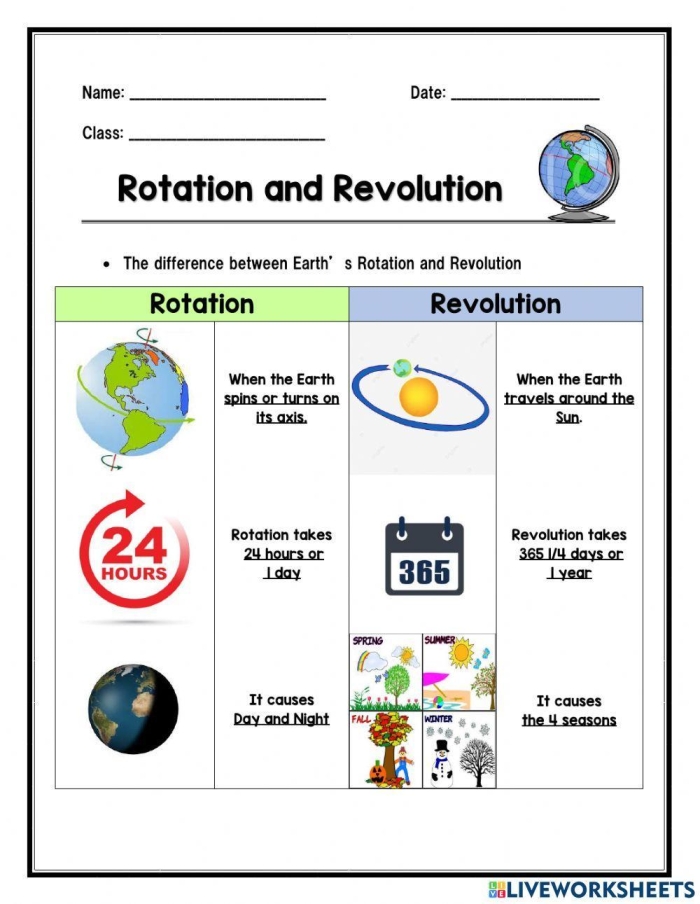
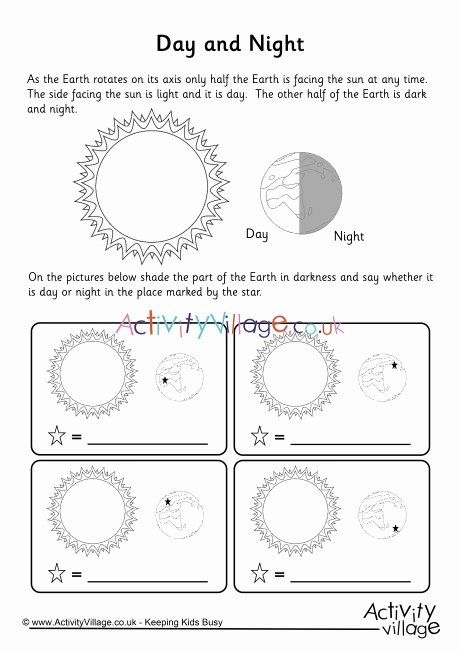
The Earth spins on its axis, an imaginary line that runs from the North Pole to the South Pole. This rotation occurs approximately every 24 hours, giving us day and night. The reason behind this spinning motion dates back billions of years to the formation of our solar system. During the early stages of the solar system, particles of dust and gas began to clump together under gravity. As these clumps came together to form larger bodies, they began to spin, and conservation of angular momentum kept that motion going. This is why our planet continues to spin today.
One interesting fact is that the speed of Earth’s rotation is fastest at the equator, where it moves at about 1,670 kilometers per hour (1,040 miles per hour). However, as you move towards the poles, the rotational speed decreases. This concept might seem challenging, but it can be easily illustrated with simple activities like spinning a basketball on your finger. The equator of the ball moves faster than the top or bottom parts.
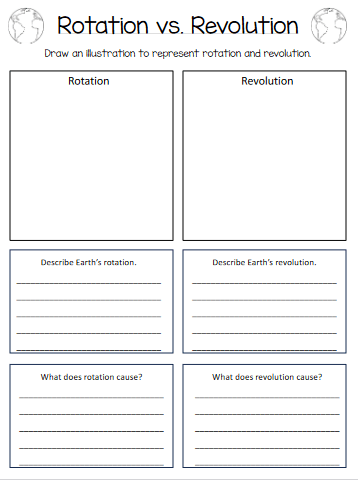
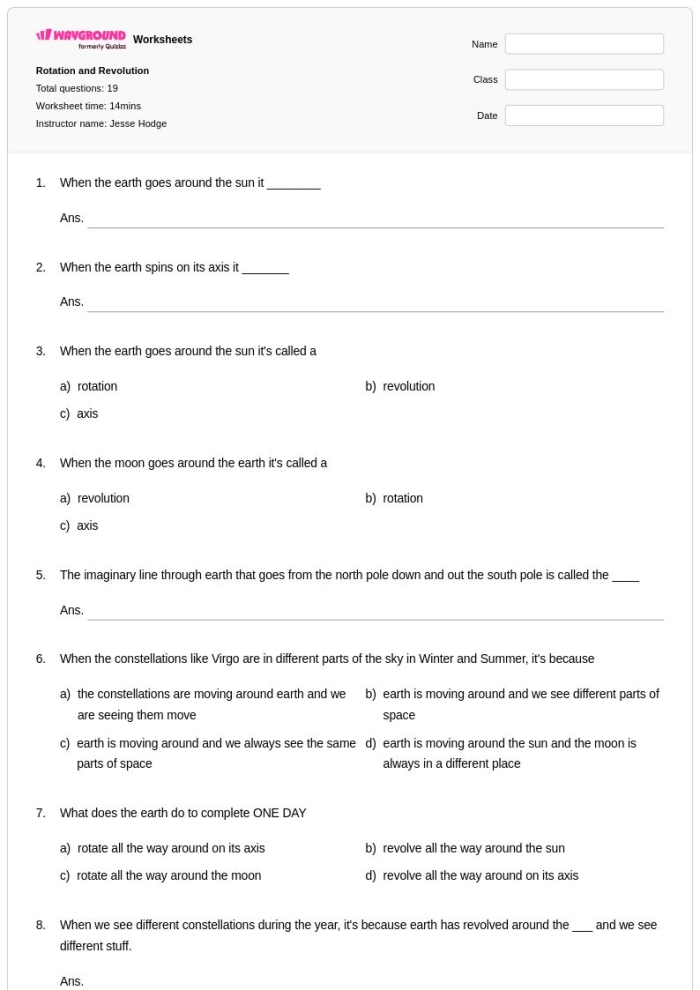
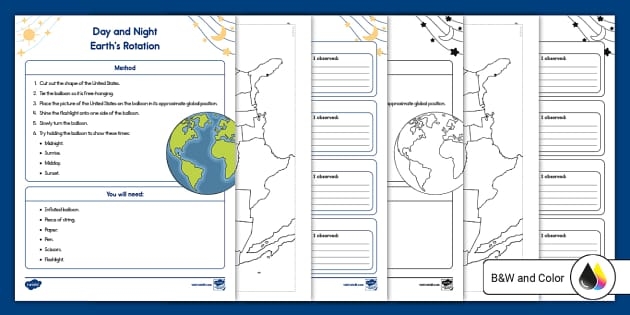
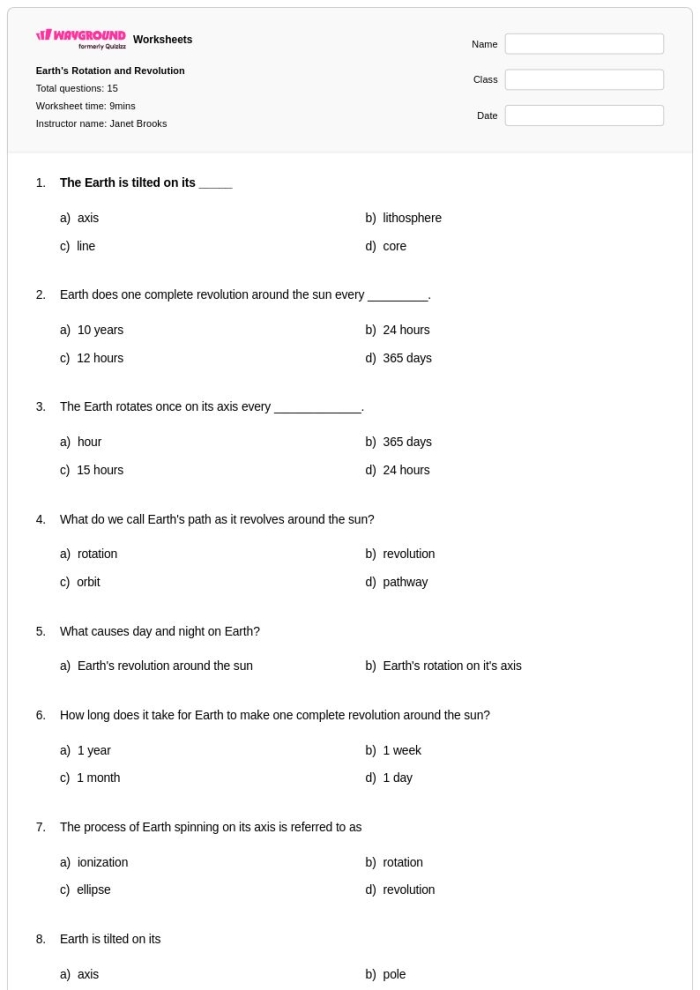
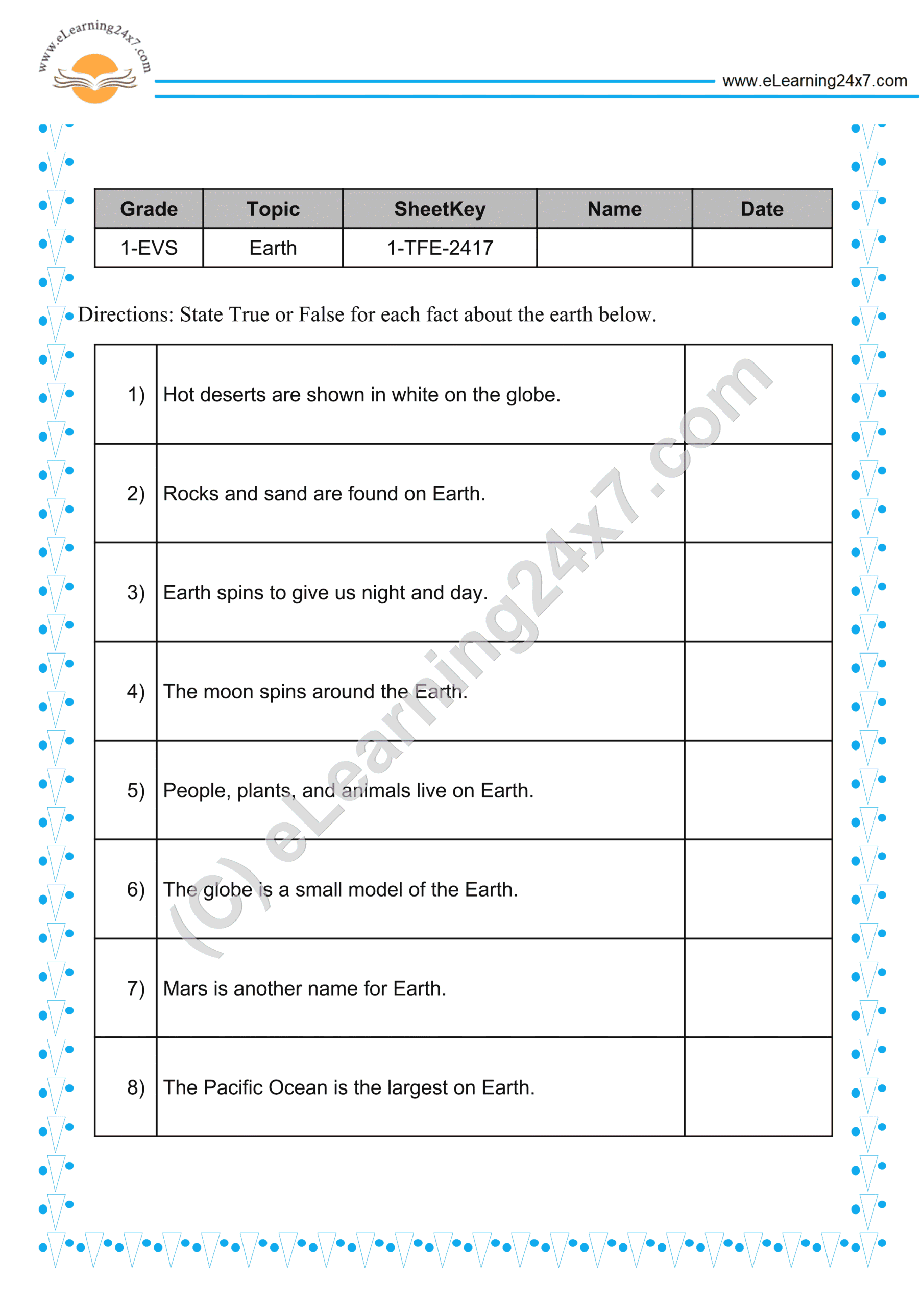
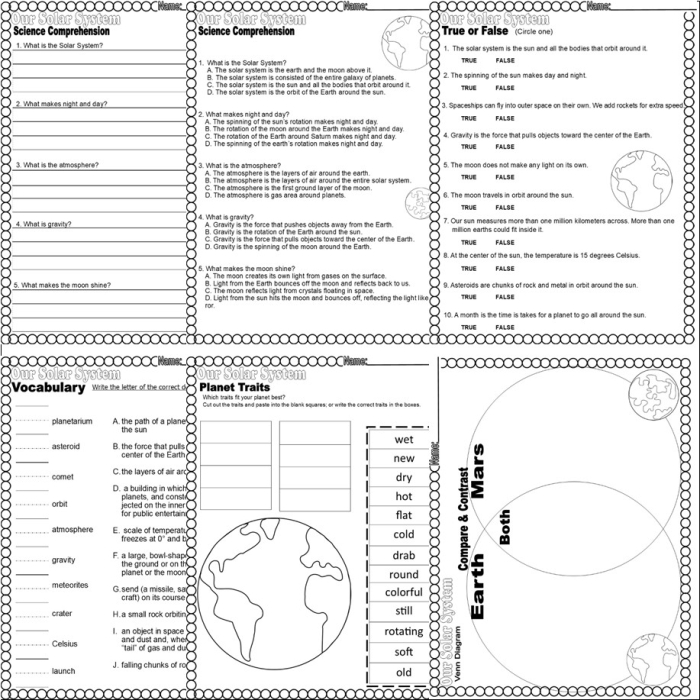
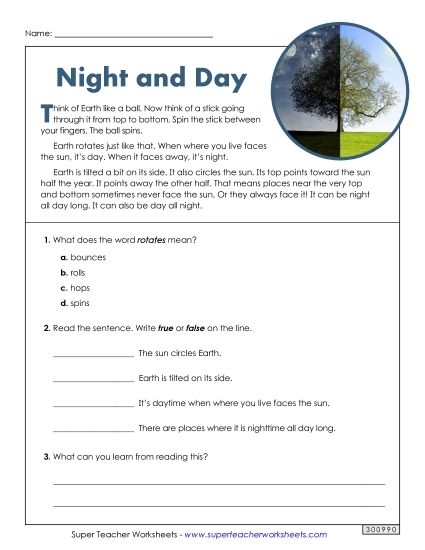
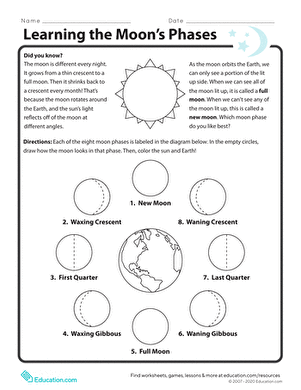
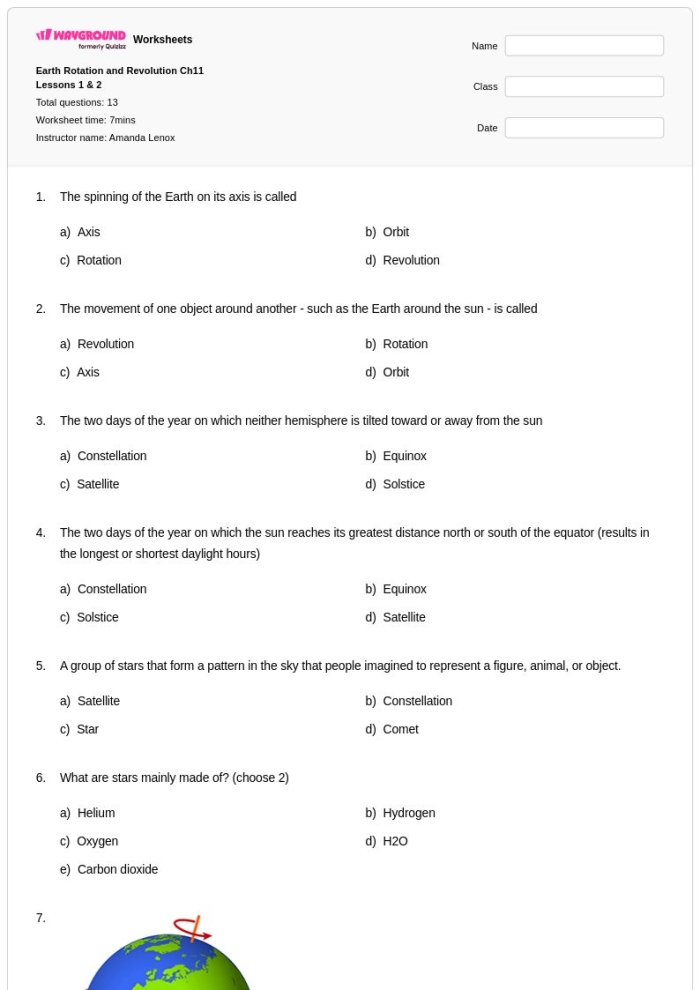
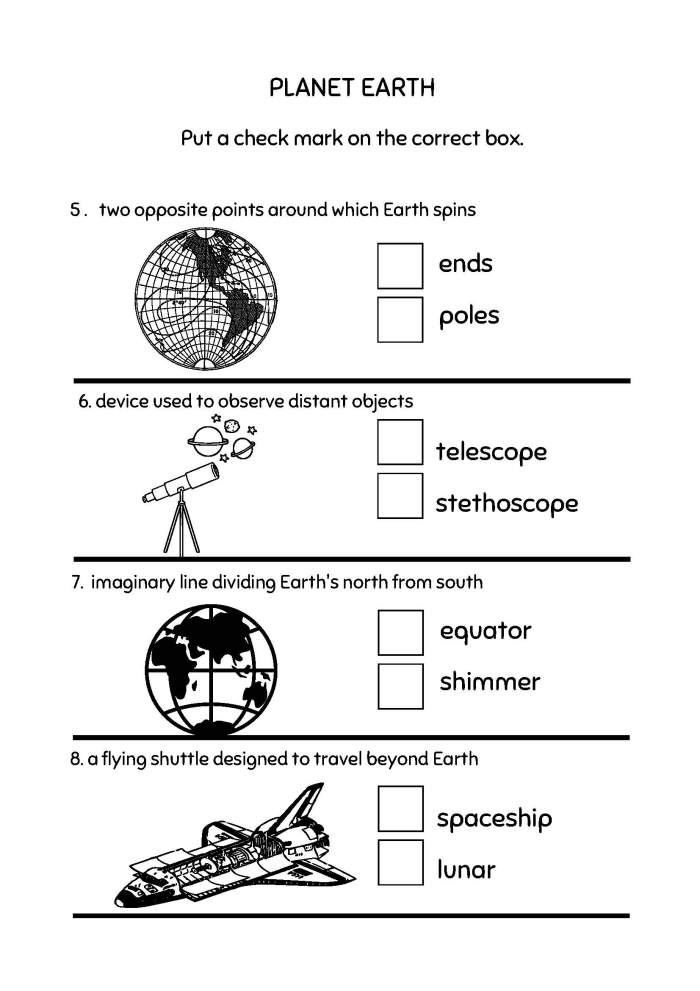
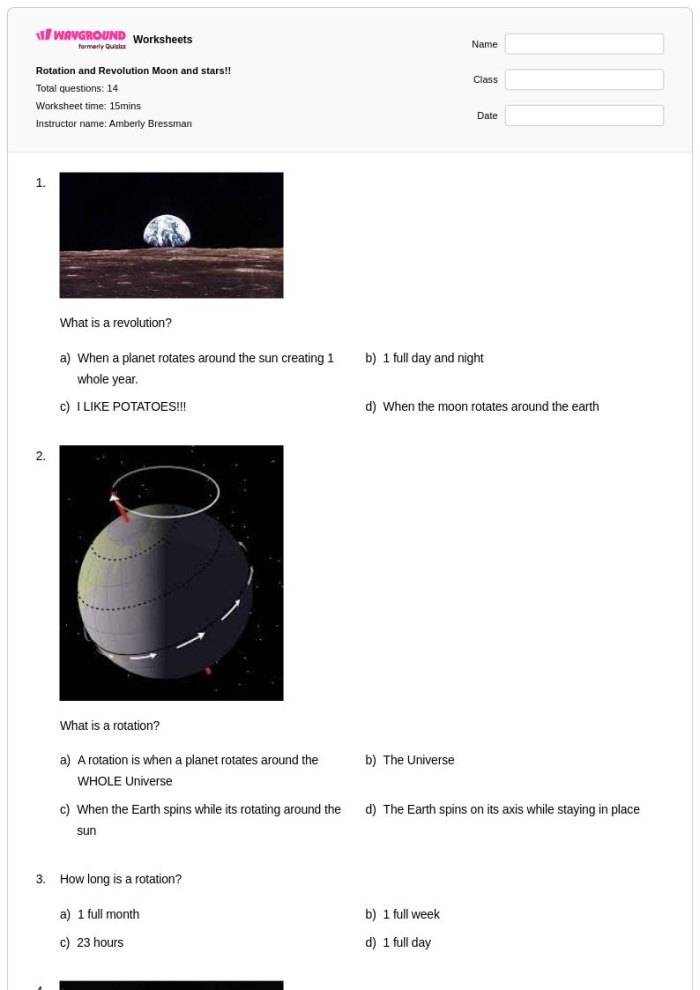
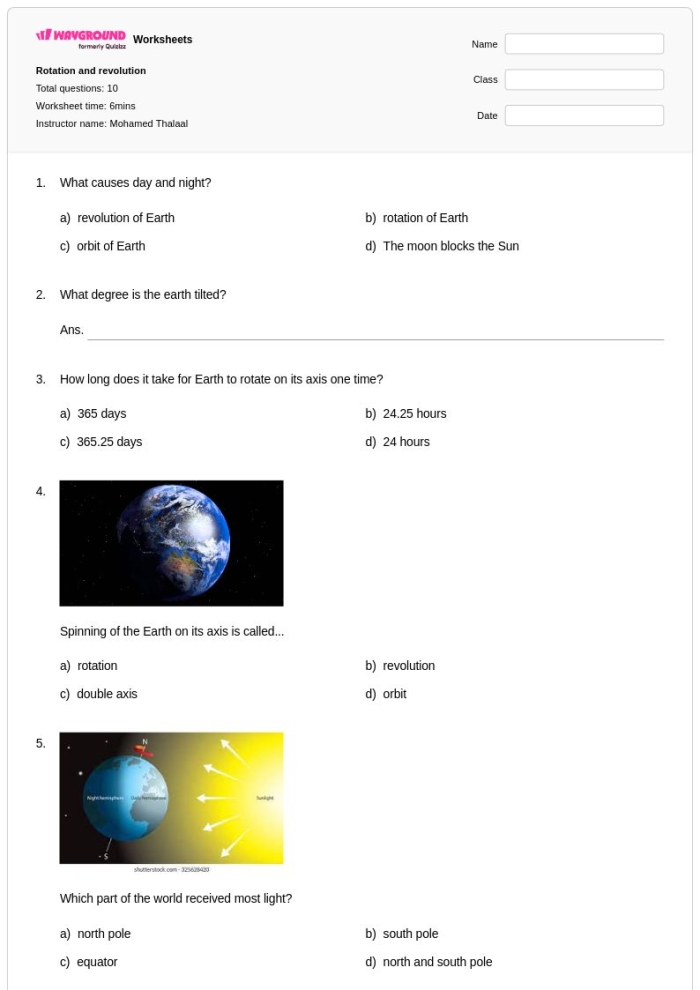
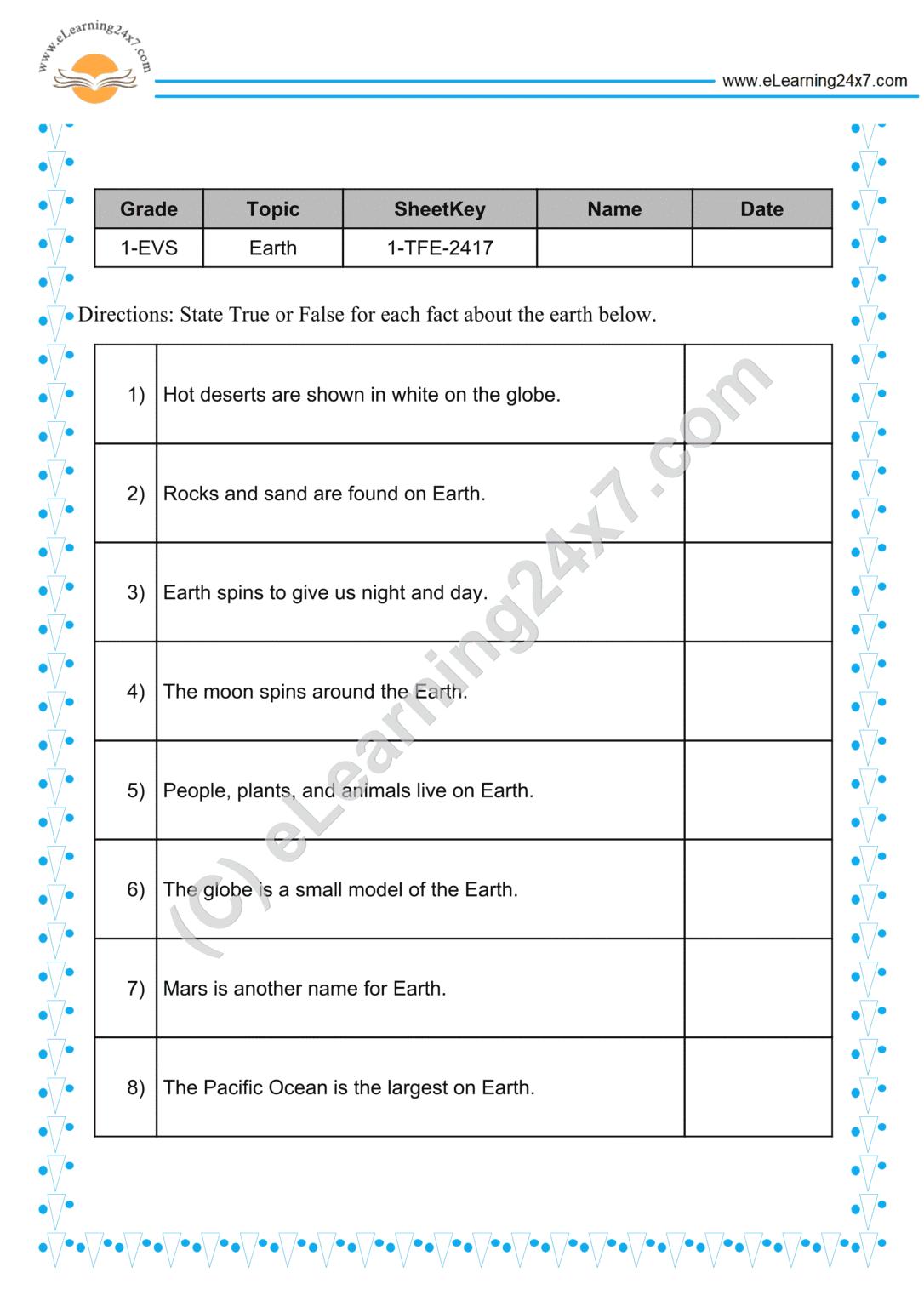
For third graders eager to explore this topic more, there are printable worksheets available that explain why the Earth spins in a fun and engaging way. These worksheets help students visualize the concepts and reinforce their understanding of how our planet operates. Engaging with this science not only satisfies curiosity but also connects to broader themes in civics and government, illustrating how our planet fits into the larger universe.
Practice with These Worksheets