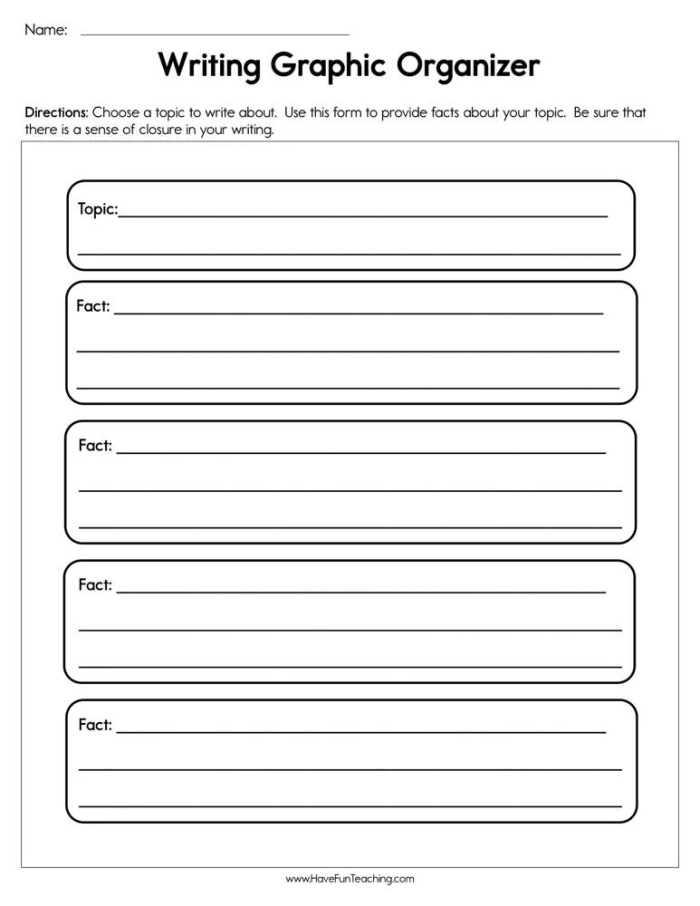
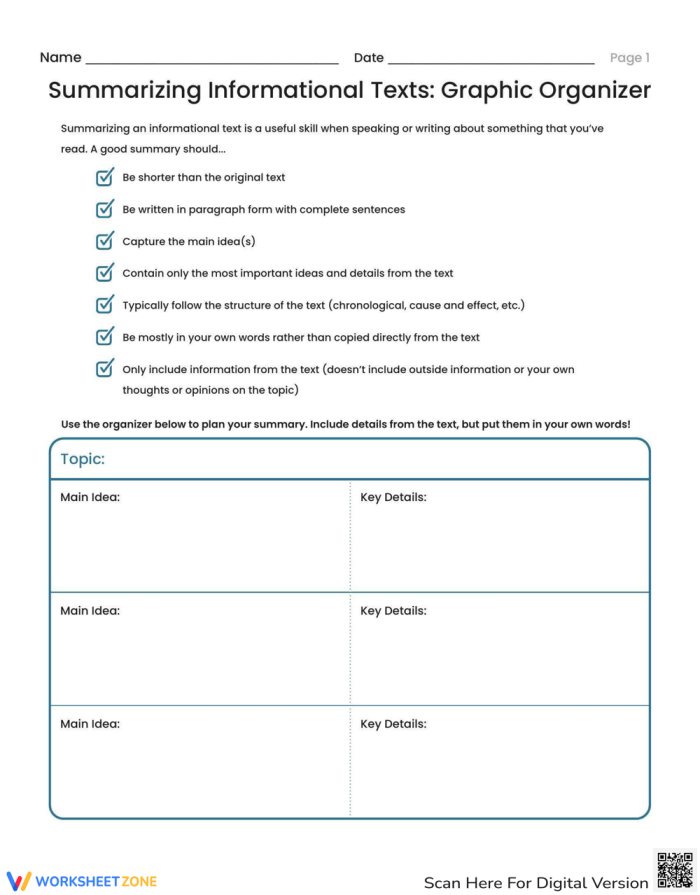
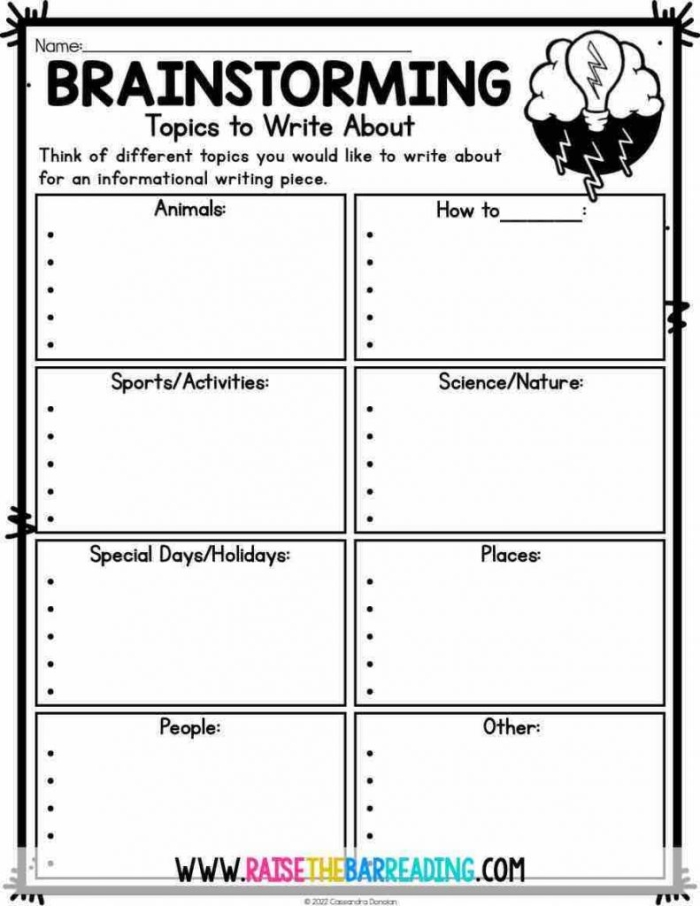
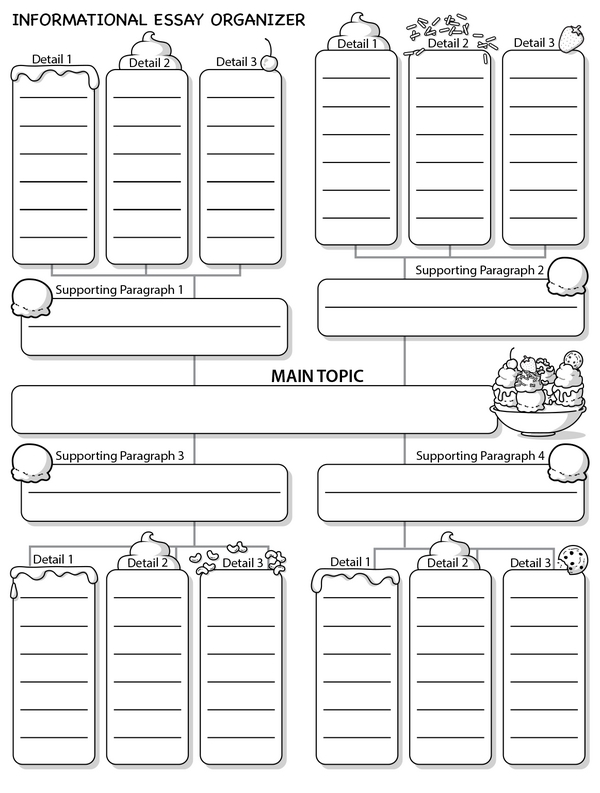
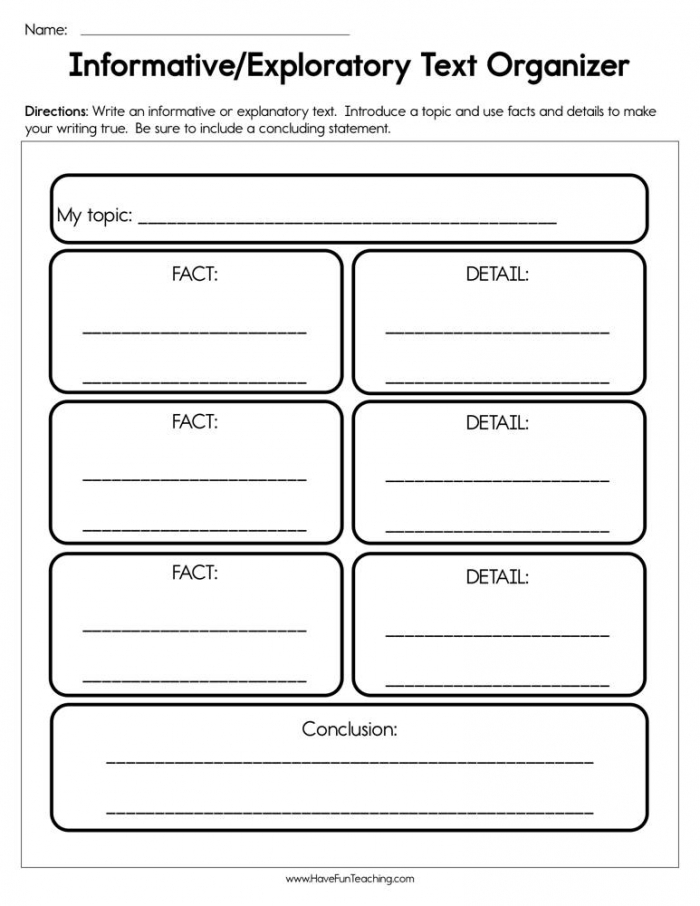
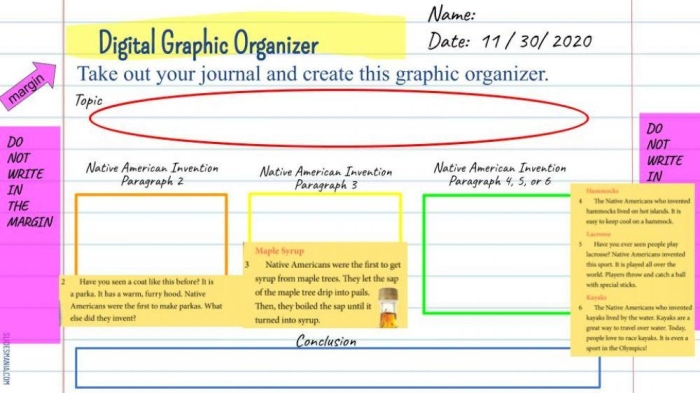
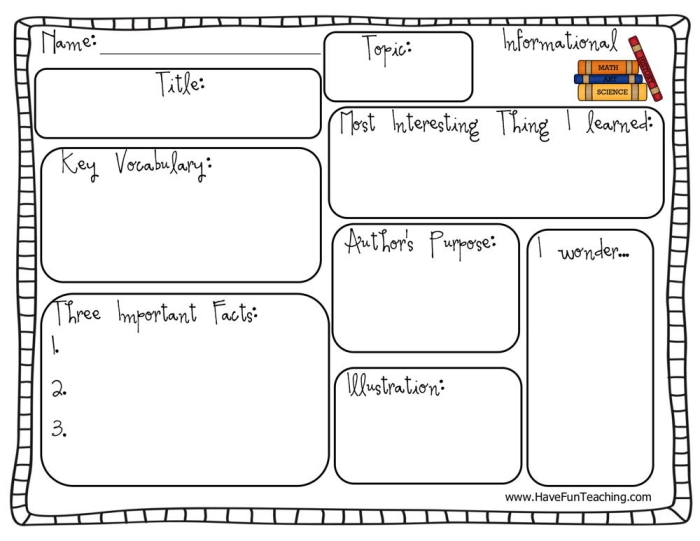
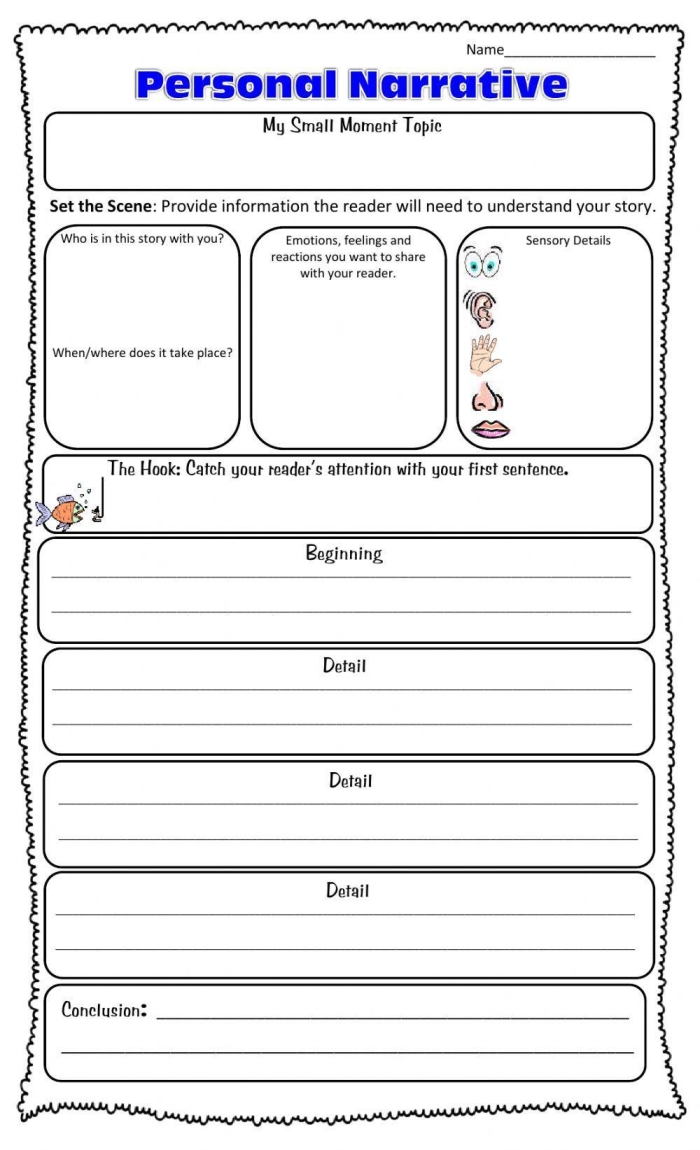
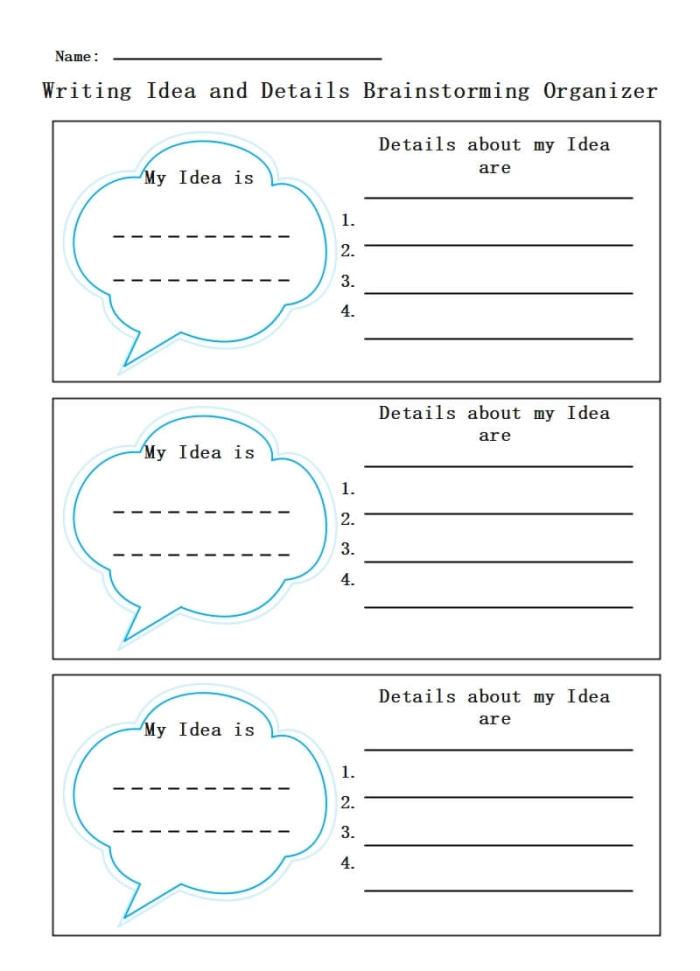
Getting sixth grade students to organize their thoughts before writing can feel like herding cats. They know they have ideas, but translating those ideas into clear, structured informational writing requires a roadmap. A graphic organizer gives them exactly that: a visual framework that breaks down the writing process into manageable pieces.
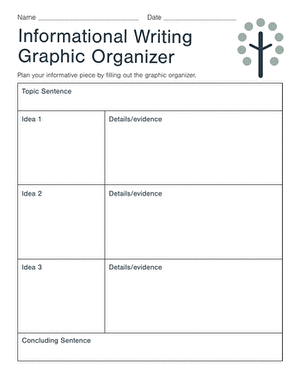
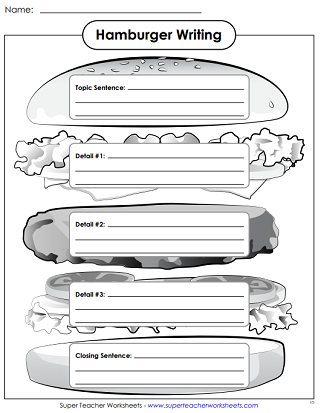
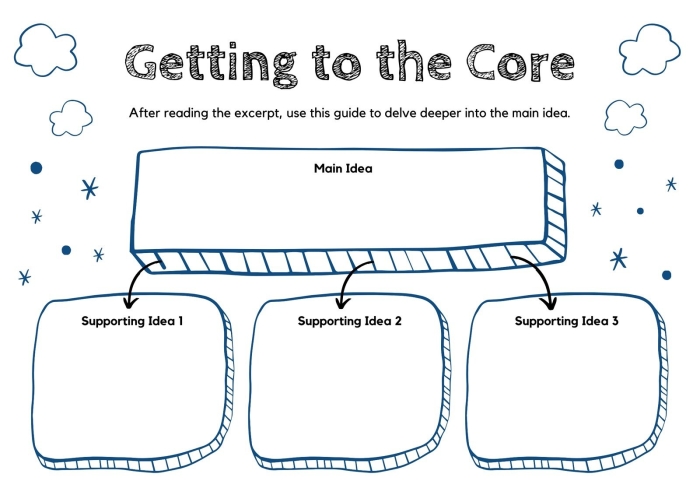
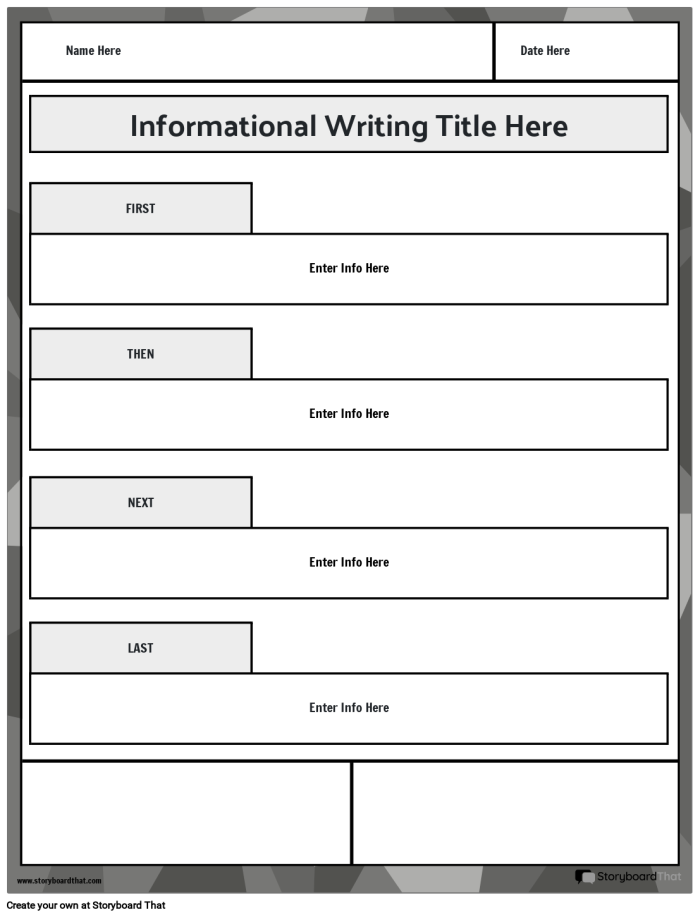
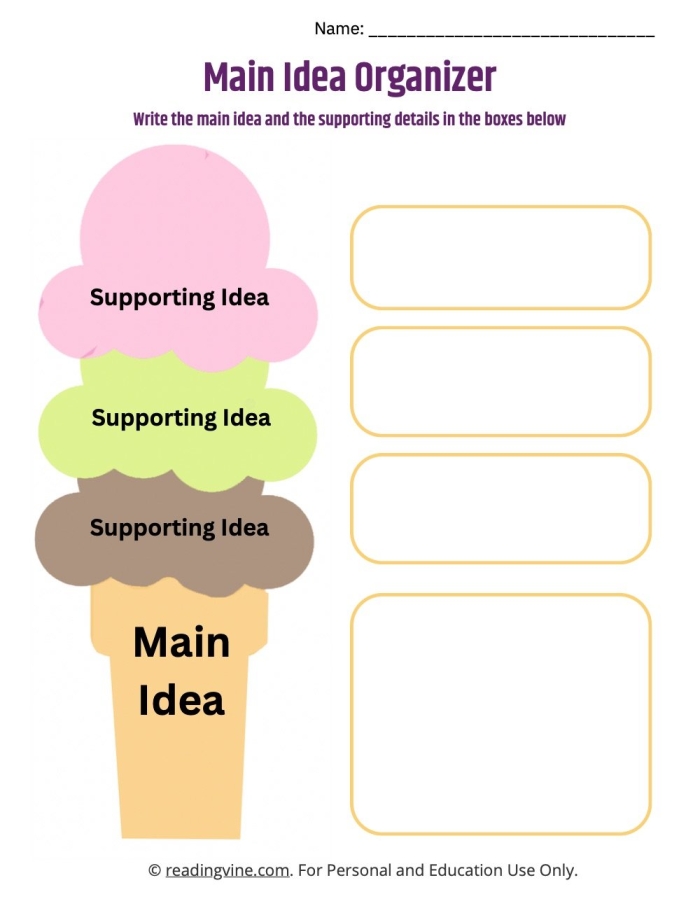
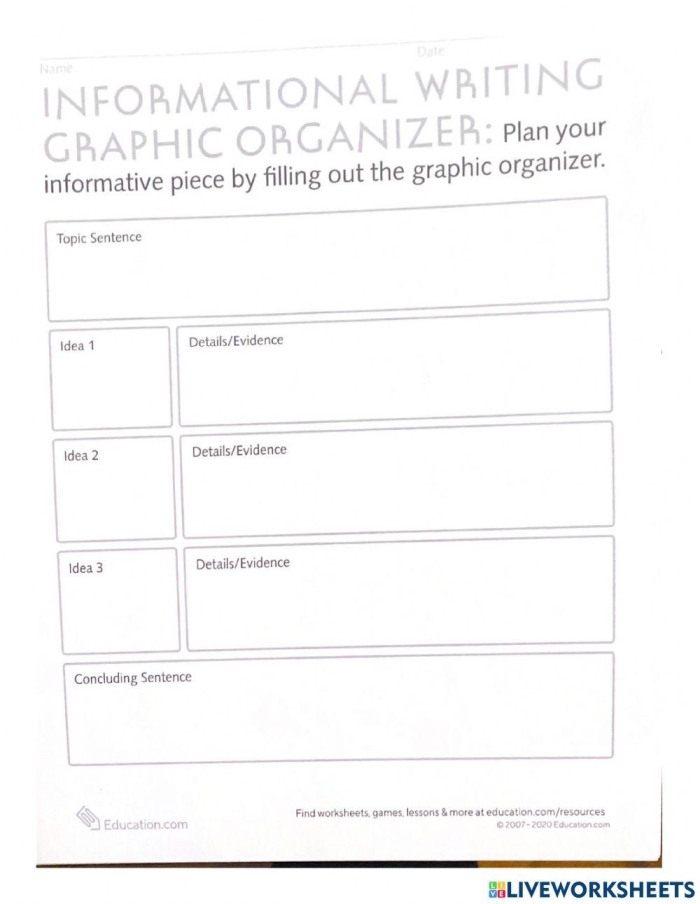
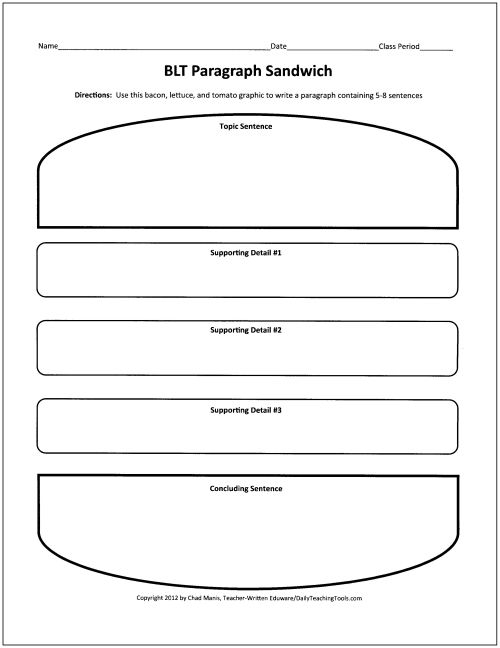
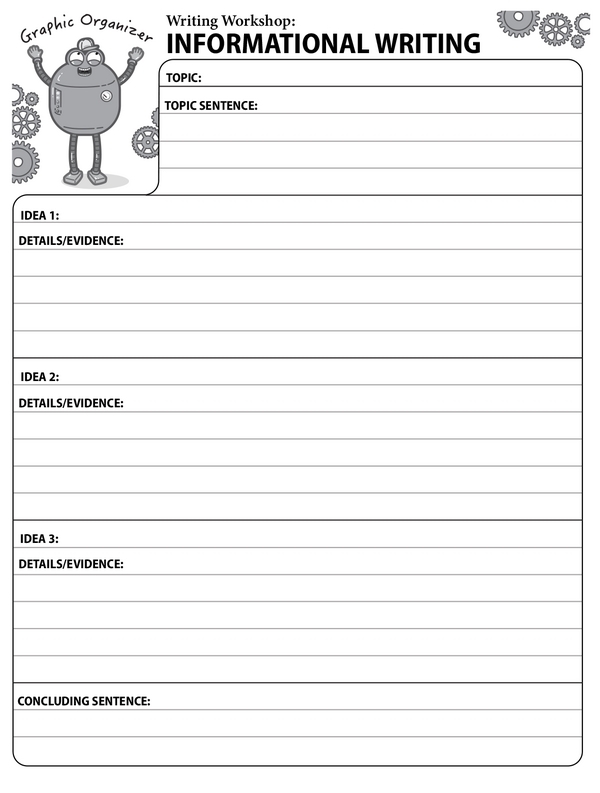
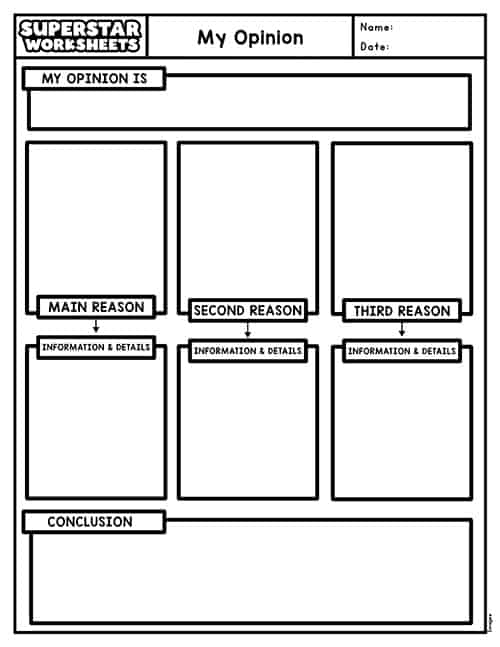
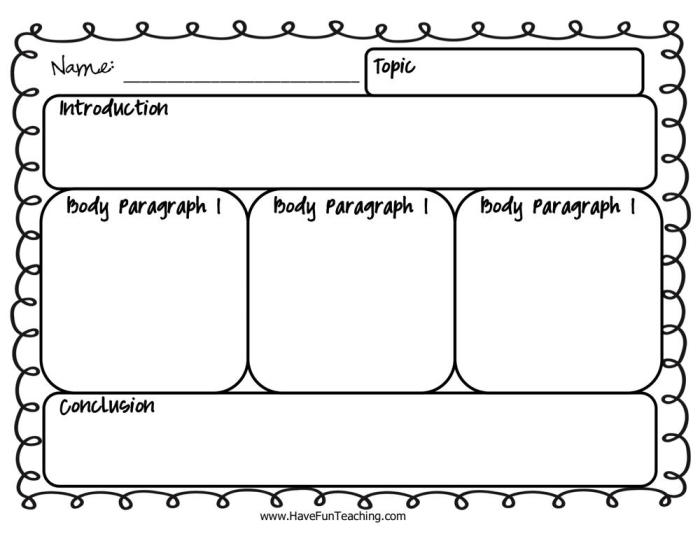
When students sit down to write informational text, they often jump straight into drafting without planning. This leads to rambling paragraphs, missing details, and unclear main ideas. A well-designed graphic organizer for informational writing solves this problem by forcing students to think through their content before putting pen to paper. They identify their topic, list key details, organize supporting facts, and plan their conclusion all in one place.
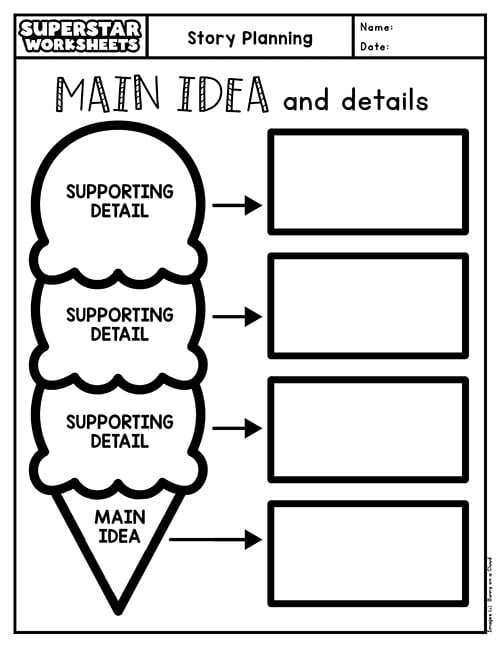
The structure of a graphic organizer mirrors the structure of good informational writing itself. Students begin by stating their main idea clearly, then brainstorm three to four supporting details with evidence for each one. This approach works particularly well in sixth grade phonics instruction, where students are refining their ability to decode complex texts and understand how information flows logically. When they create their own organized outlines, they internalize these same patterns.
Using a graphic organizer also reduces anxiety. Instead of facing a blank page, students have boxes and lines to fill in. They can focus on one section at a time. Once the organizer is complete, the actual writing becomes much faster because the thinking work is done.
Teachers can pair this tool with other sixth grade resources to create a comprehensive writing program. For instance, students might use a graphic organizer while studying pronoun usage to ensure they maintain clear references throughout their informational pieces. The organizer becomes the foundation for stronger, more coherent student writing.
Try These Printable Worksheets