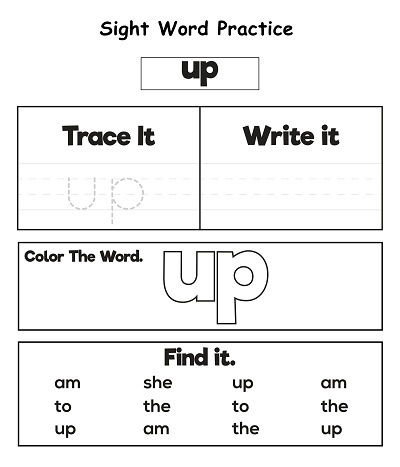
Getting preschoolers excited about reading can feel like an uphill battle, especially when they’d rather play with toys than sit with a book. The trick is finding activities that feel like play, not lessons. Interactive worksheets designed for Pre-K learners hit that sweet spot because they combine visual engagement with early literacy skills in ways that feel natural and fun.
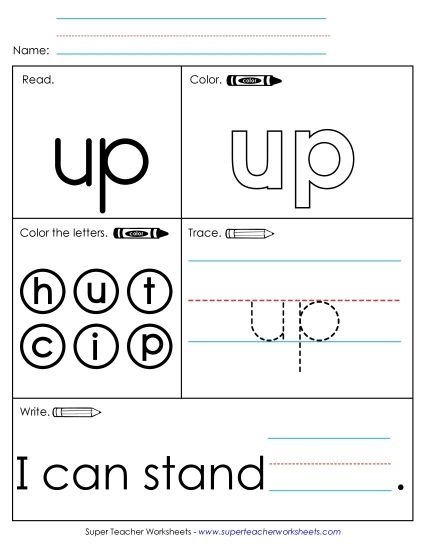
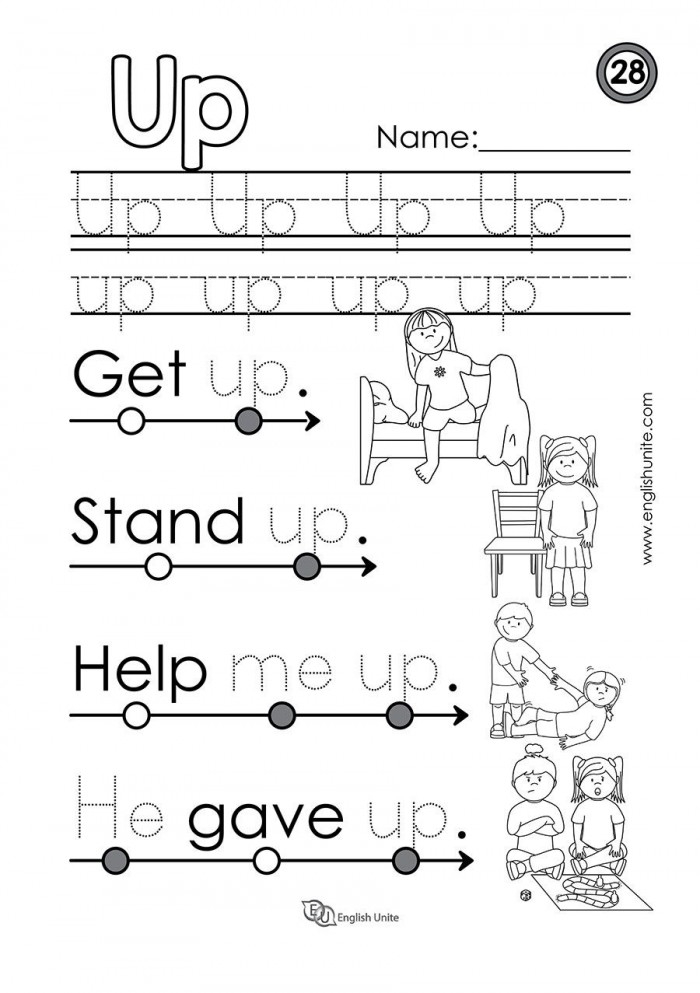
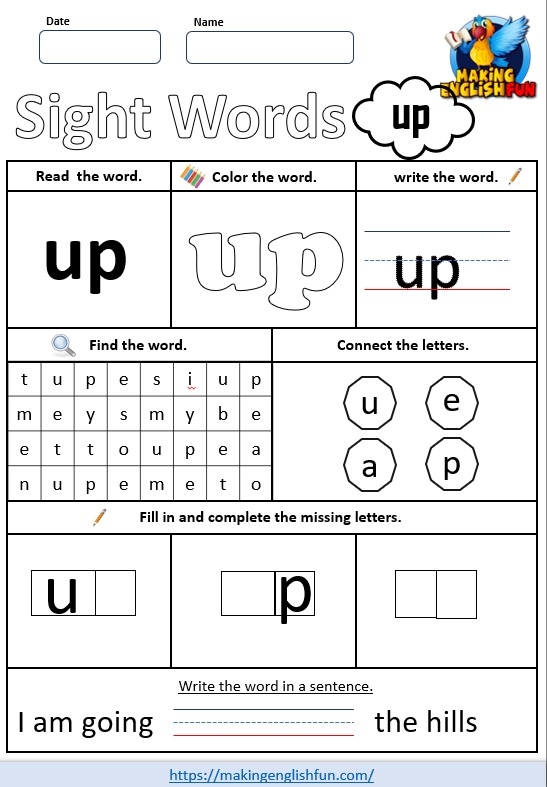
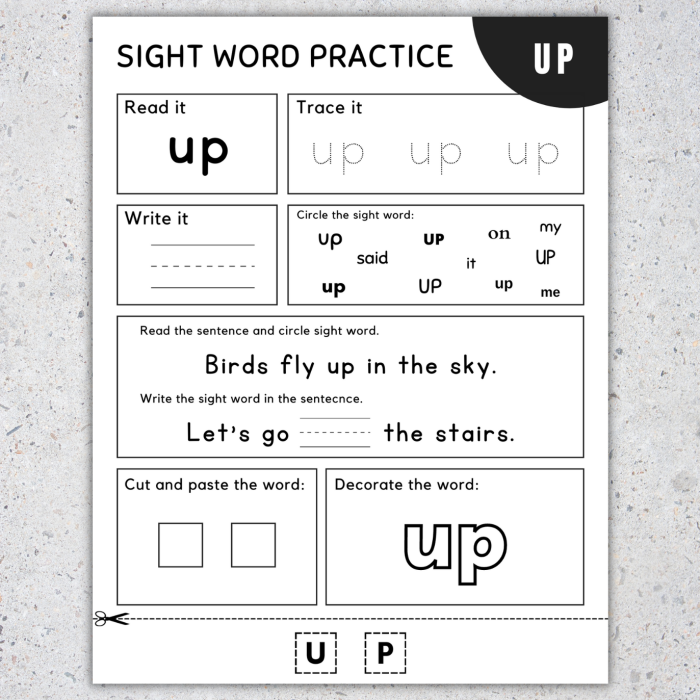
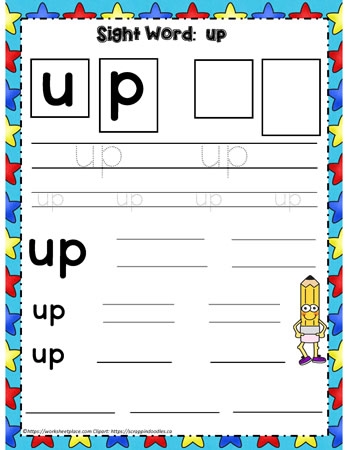
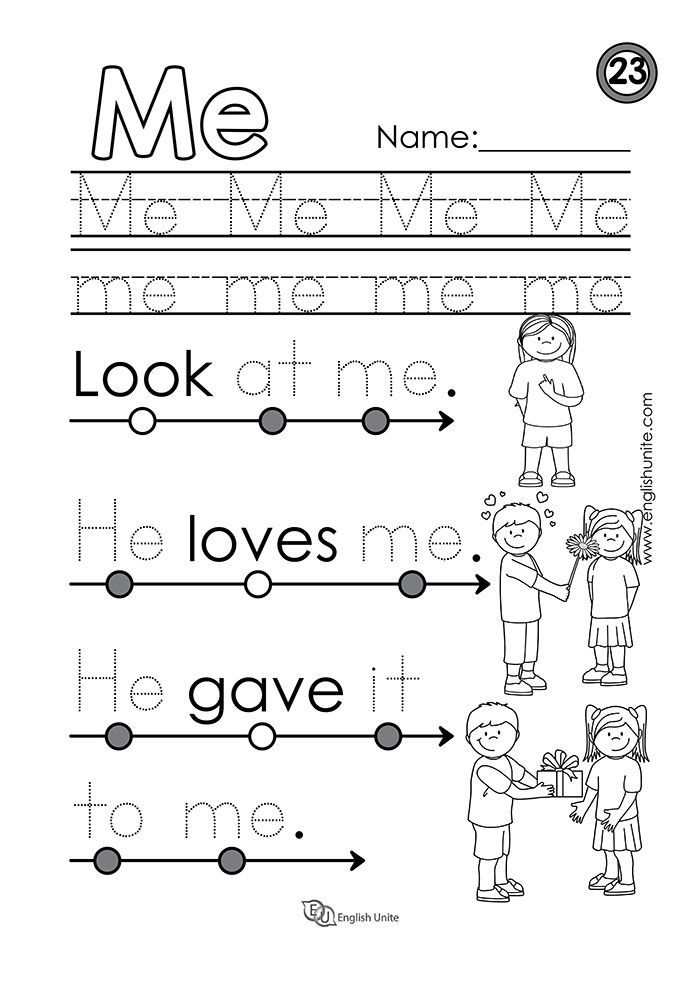
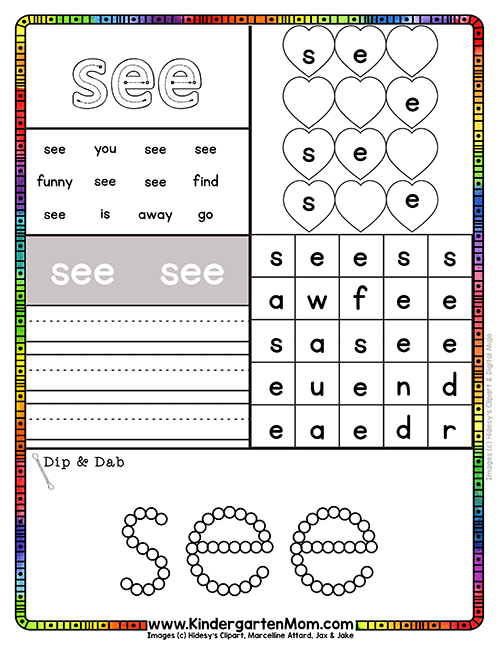
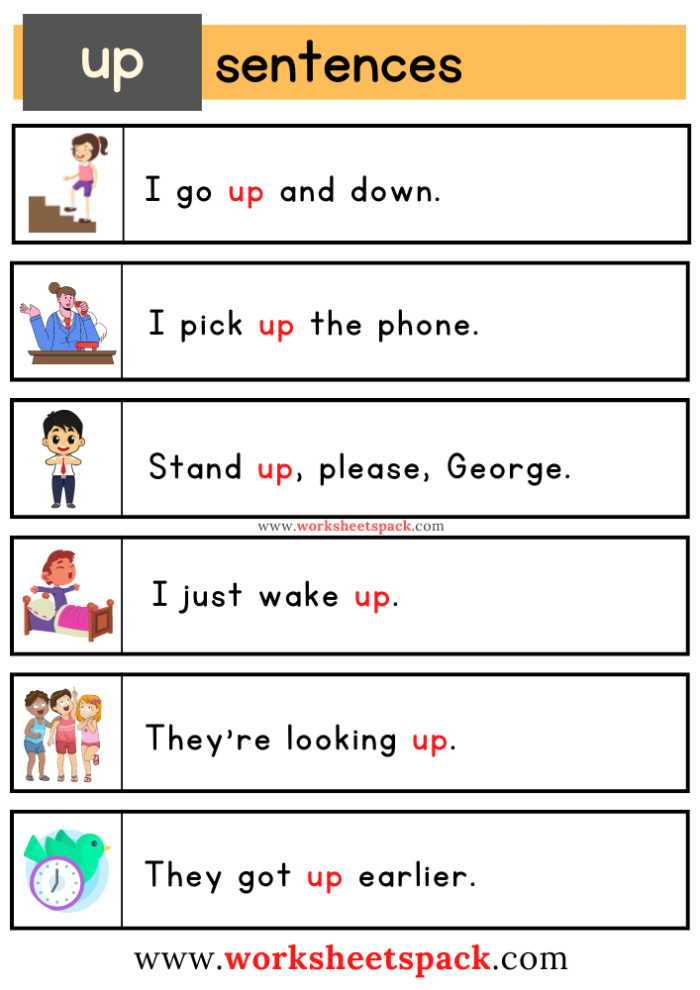
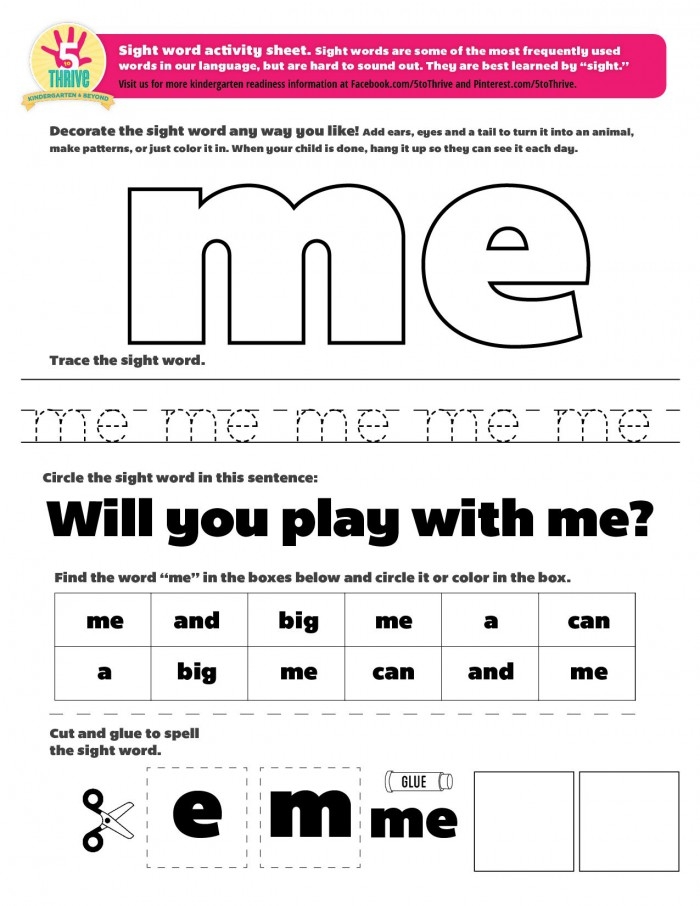
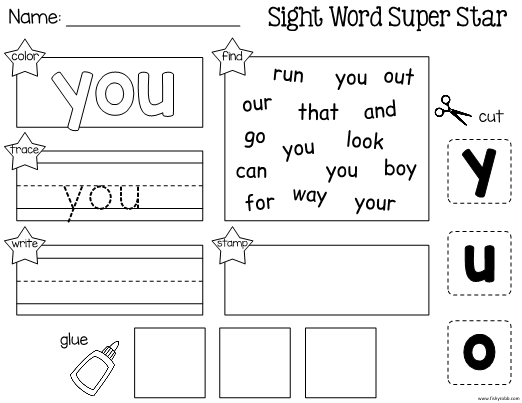
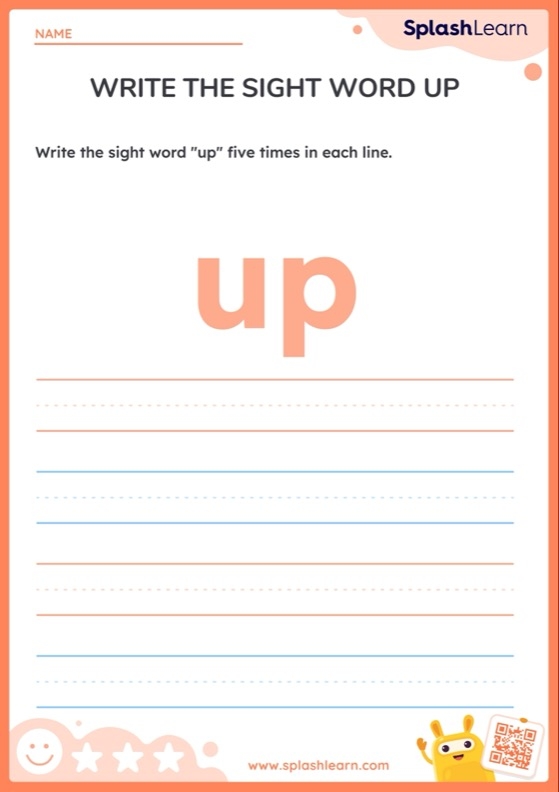
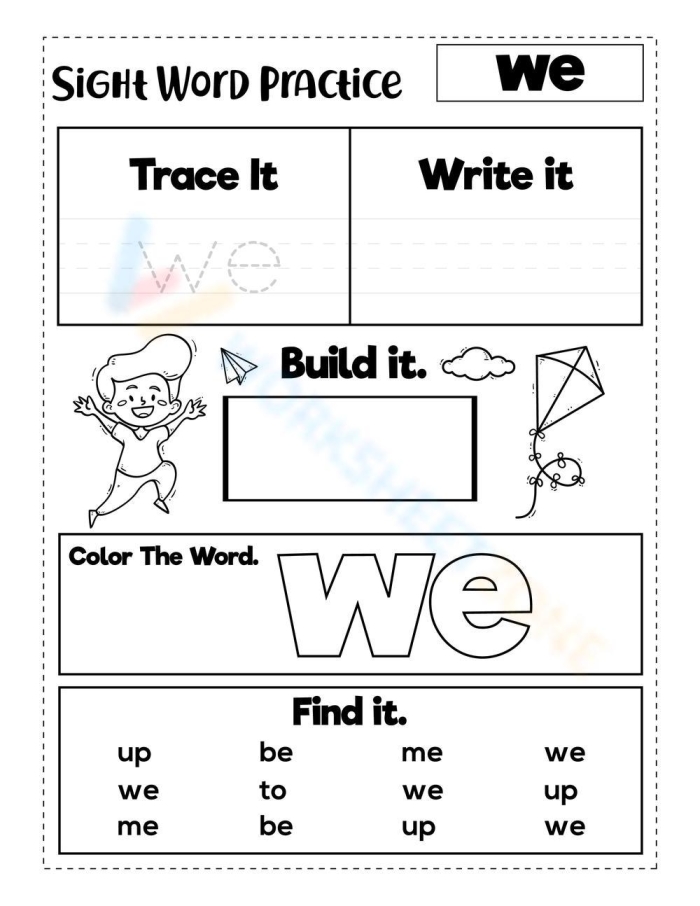
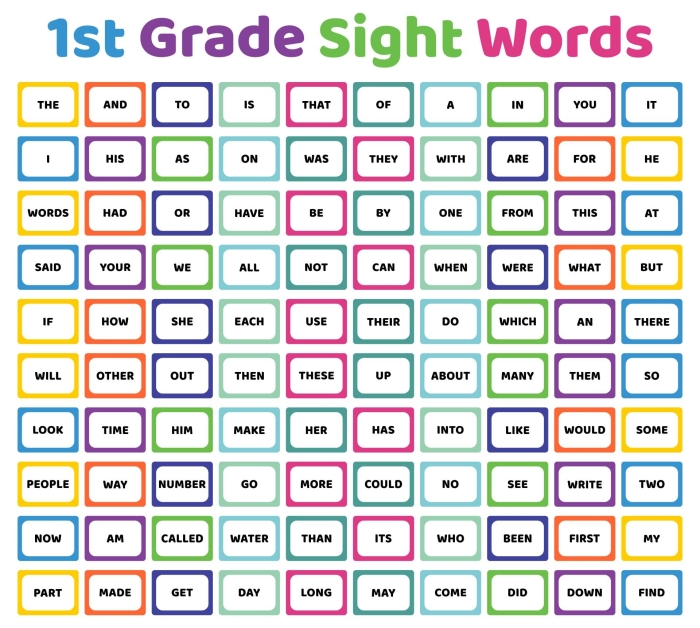
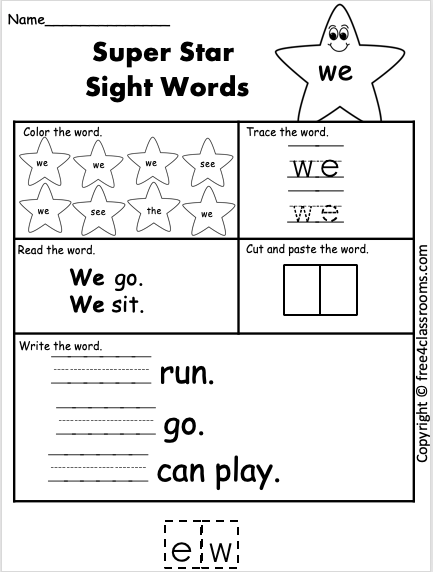
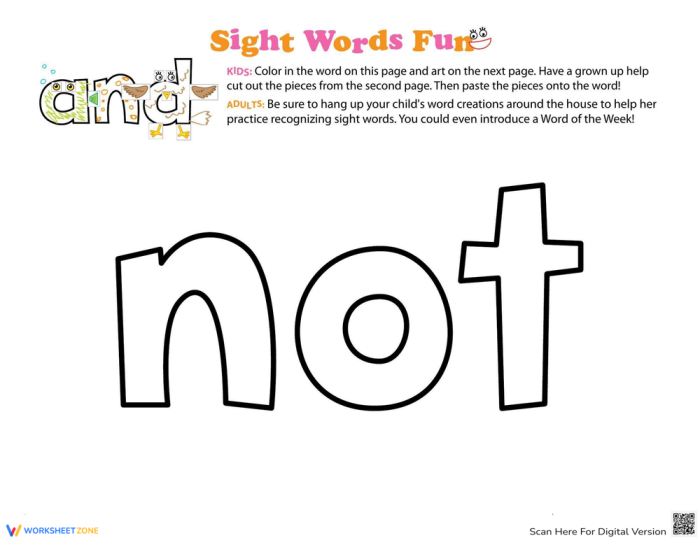
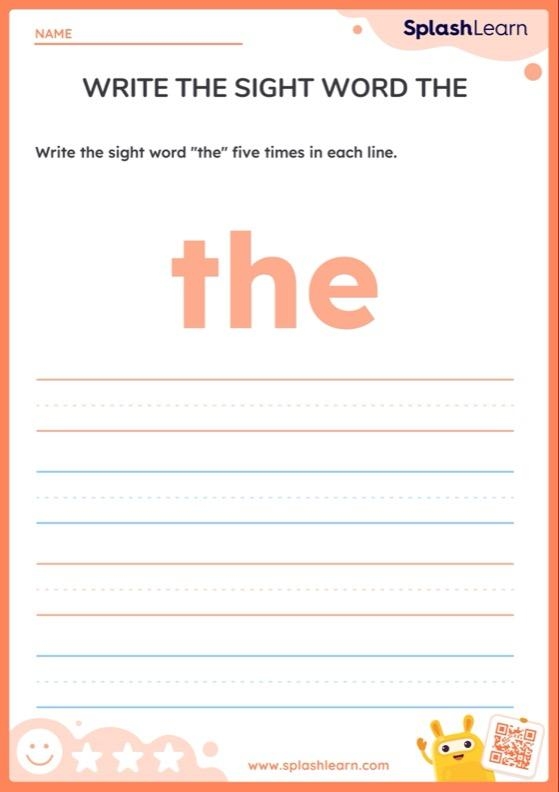
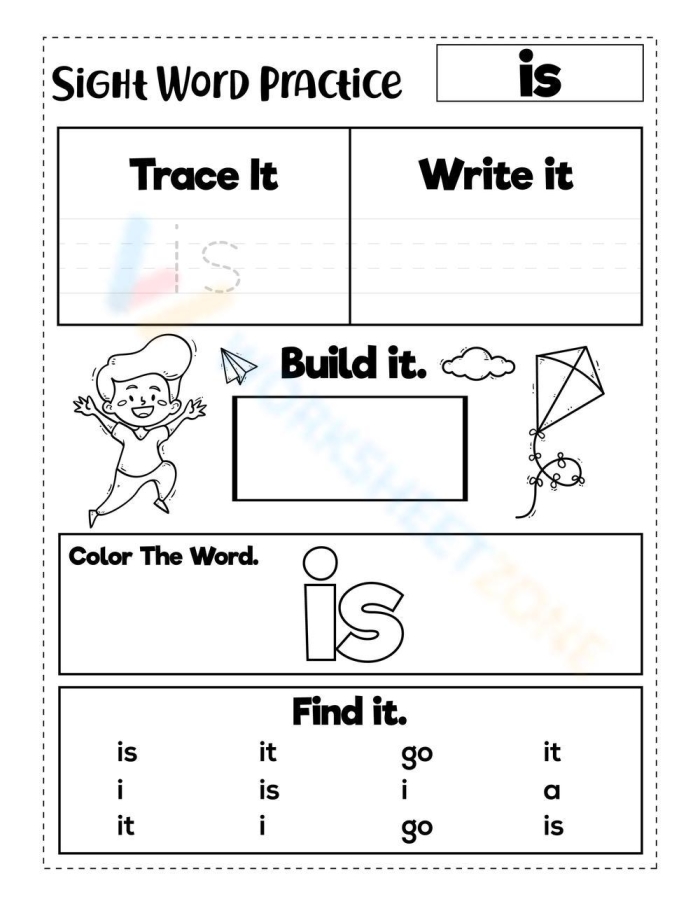
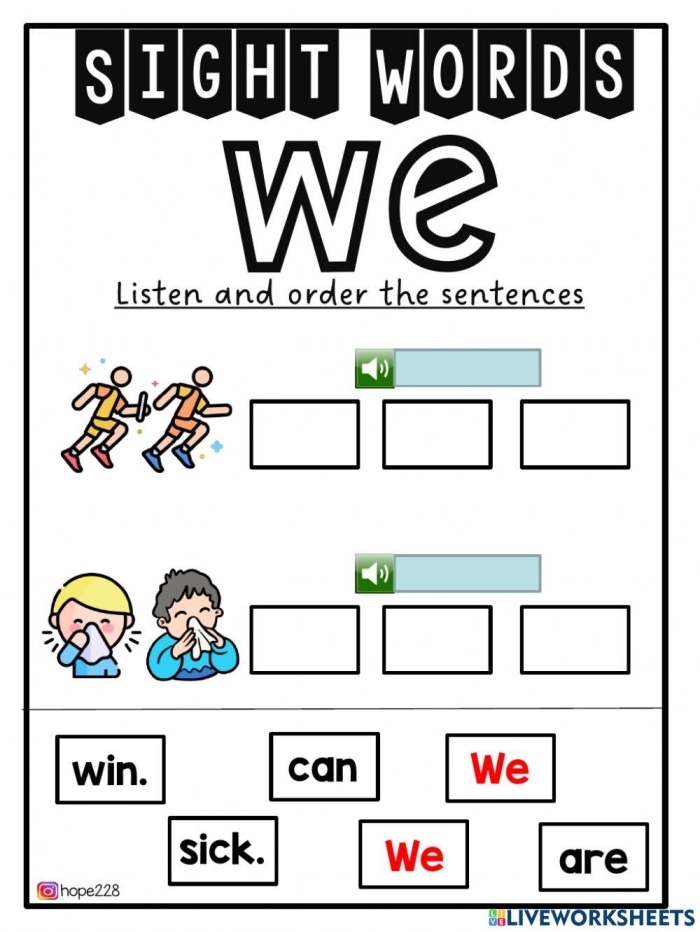
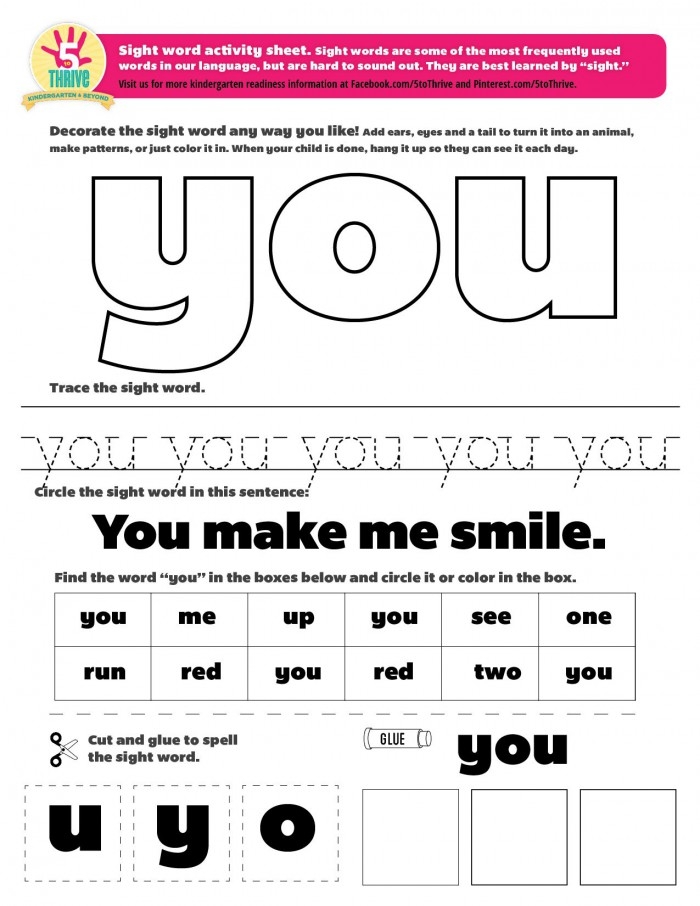
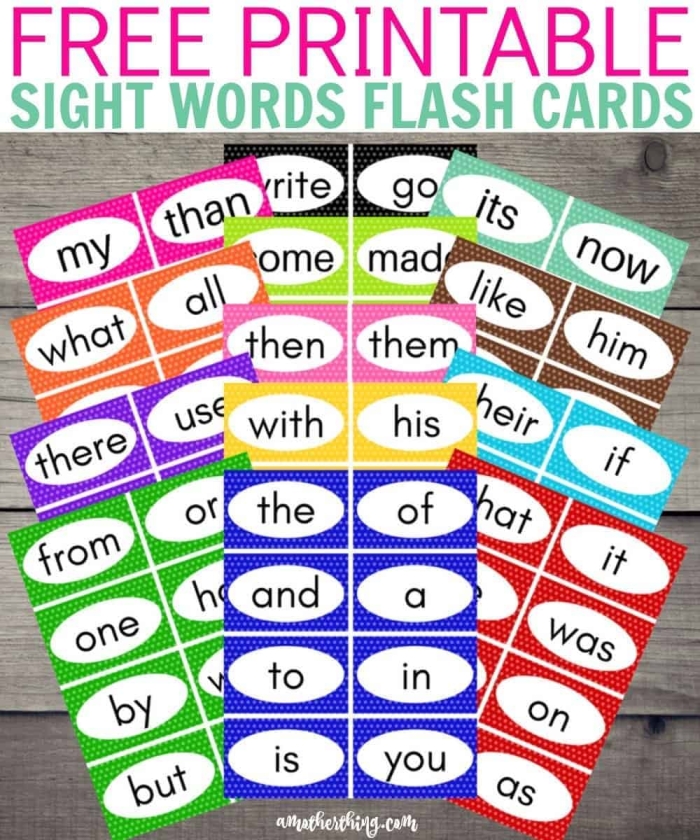
Sight words are the foundation of early reading. These are common words like “the,” “and,” “is,” and “up” that appear constantly in children’s books. Rather than memorizing them through repetition, interactive worksheets let kids discover these words through activities they actually enjoy. When a preschooler colors, traces, or matches words as part of a game-like experience, they’re building recognition without realizing they’re learning.
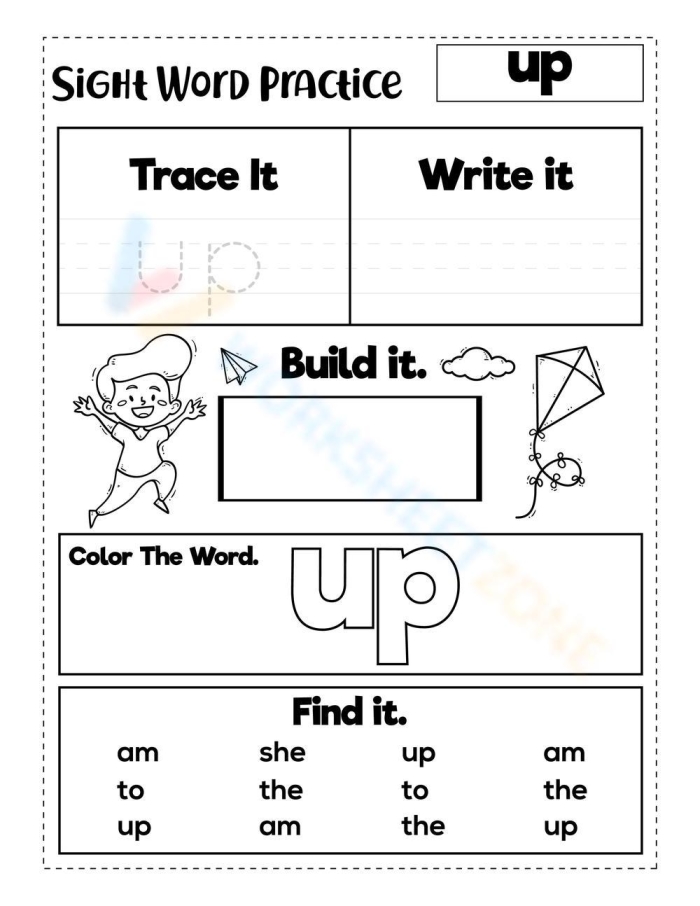
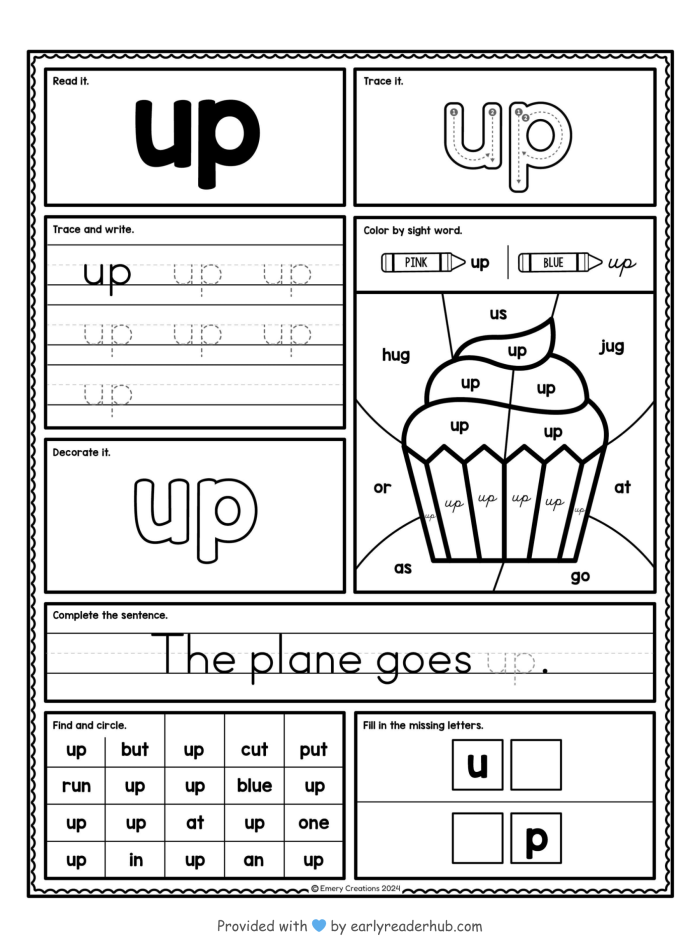
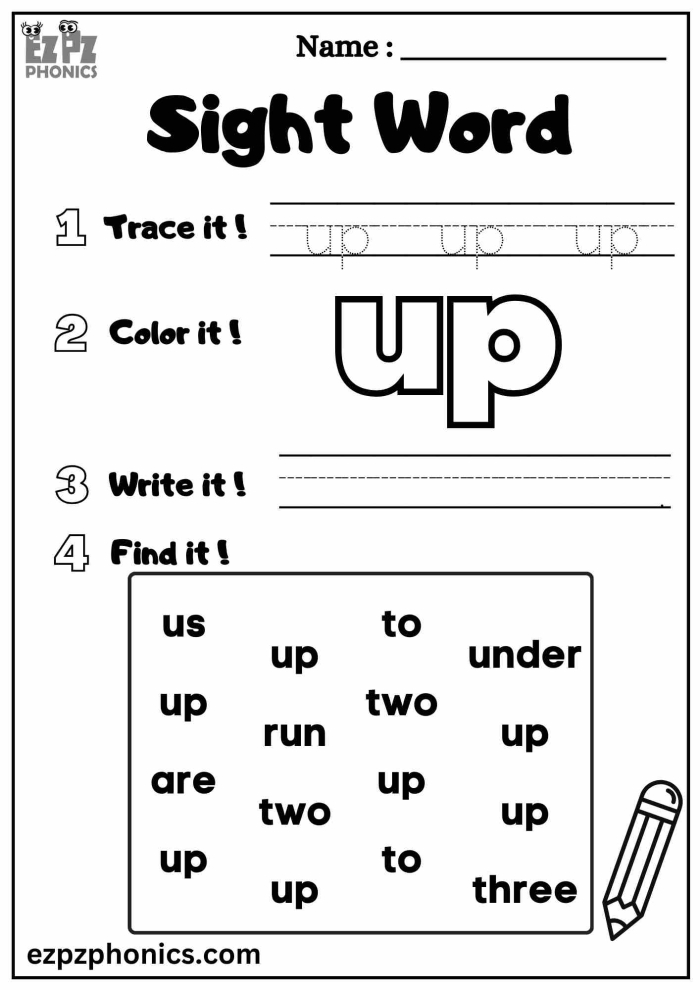
The “Spruce Up the Sight Word: Up” worksheet approach works because it anchors word recognition to an activity. Your child isn’t just reading the word “up” in isolation, they’re engaging with it through coloring, sorting, or movement-based tasks. This multi-sensory approach helps the word stick in their memory far better than flashcards alone.
What makes these worksheets particularly effective for Pre-K students is their visual-first design. Young learners still develop their fine motor skills, so worksheets that combine simple drawing tasks with word exposure work with their developmental stage rather than against it. A worksheet featuring bright illustrations alongside sight words keeps attention longer than text-heavy pages.
You can pair sight word practice with other skill-building activities too. Try combining word recognition with geometry exercises through color-by-number activities, or explore addition concepts while counting. These connections reinforce that reading and math skills work together.
The best part: your preschooler will ask to do more. When learning feels like play, kids naturally want to repeat it.
Start Practicing with These Worksheets