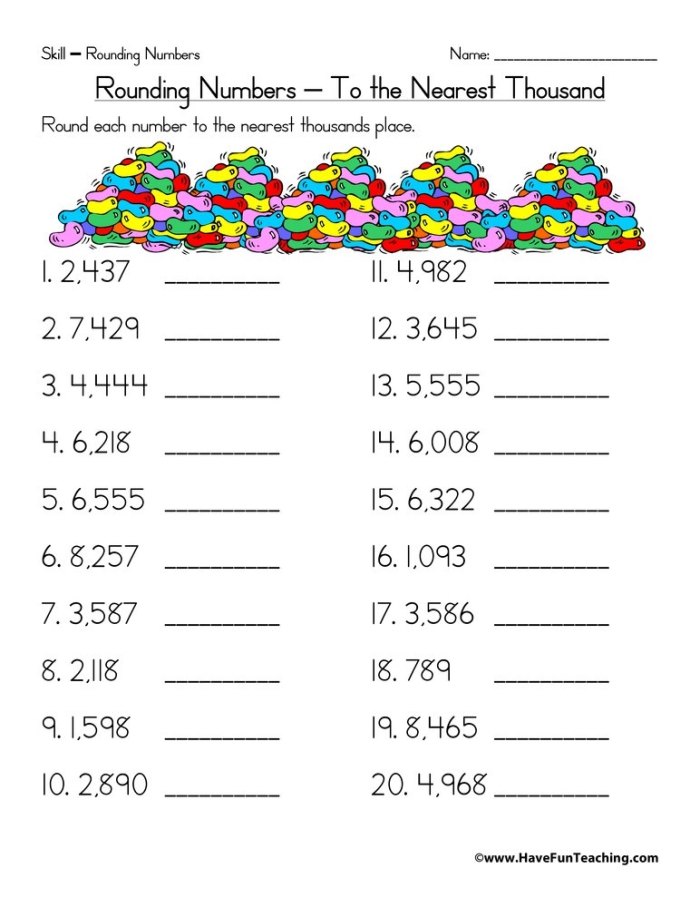
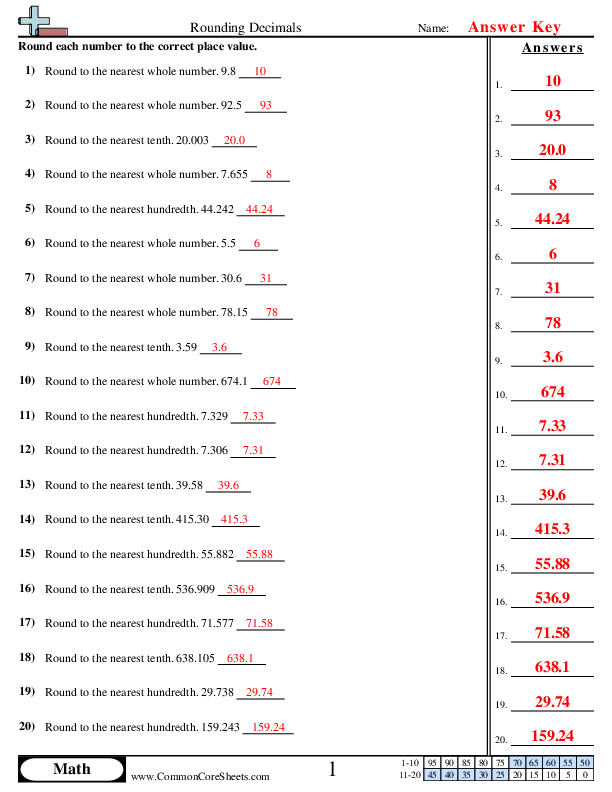
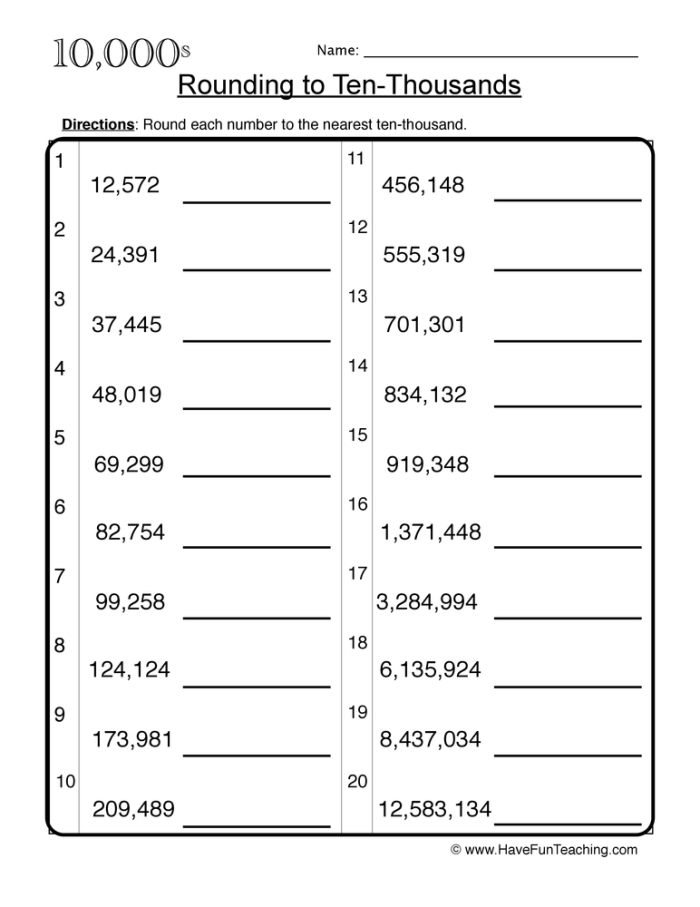
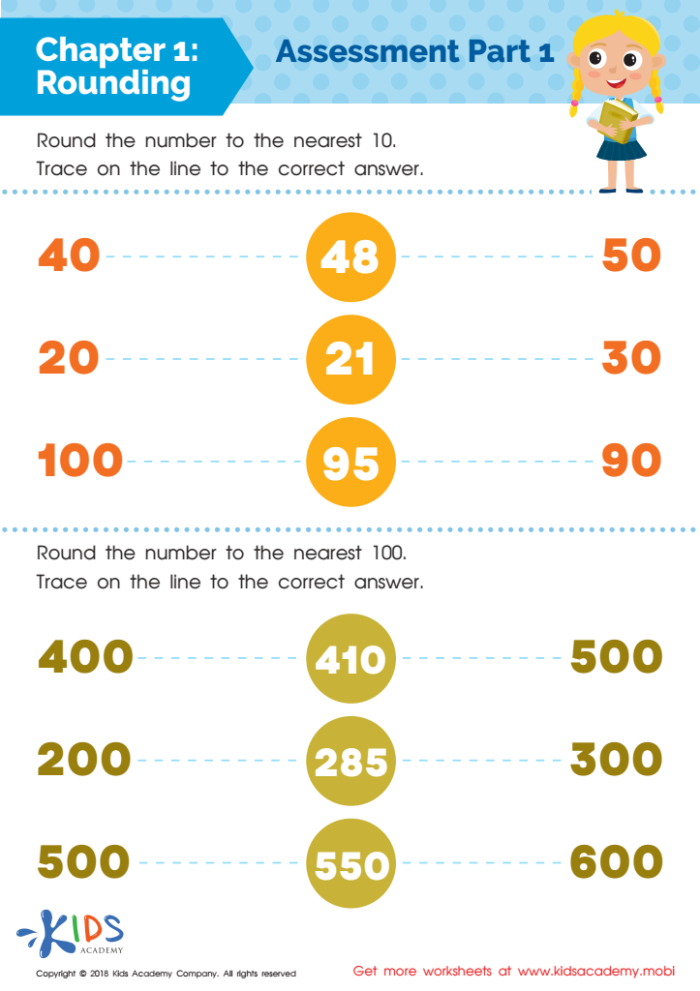
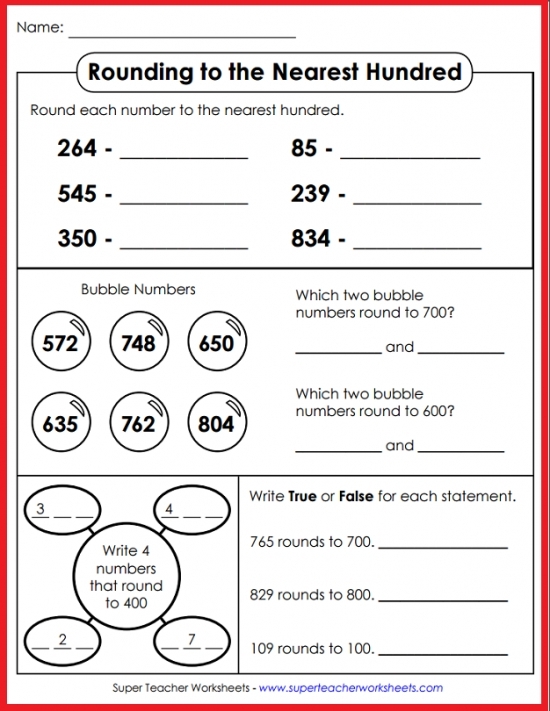
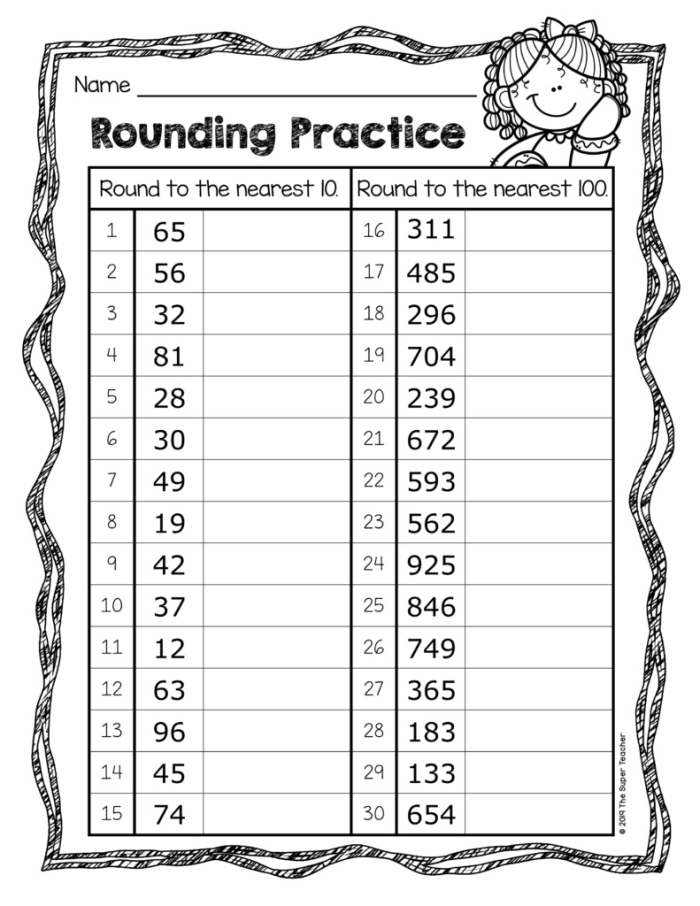
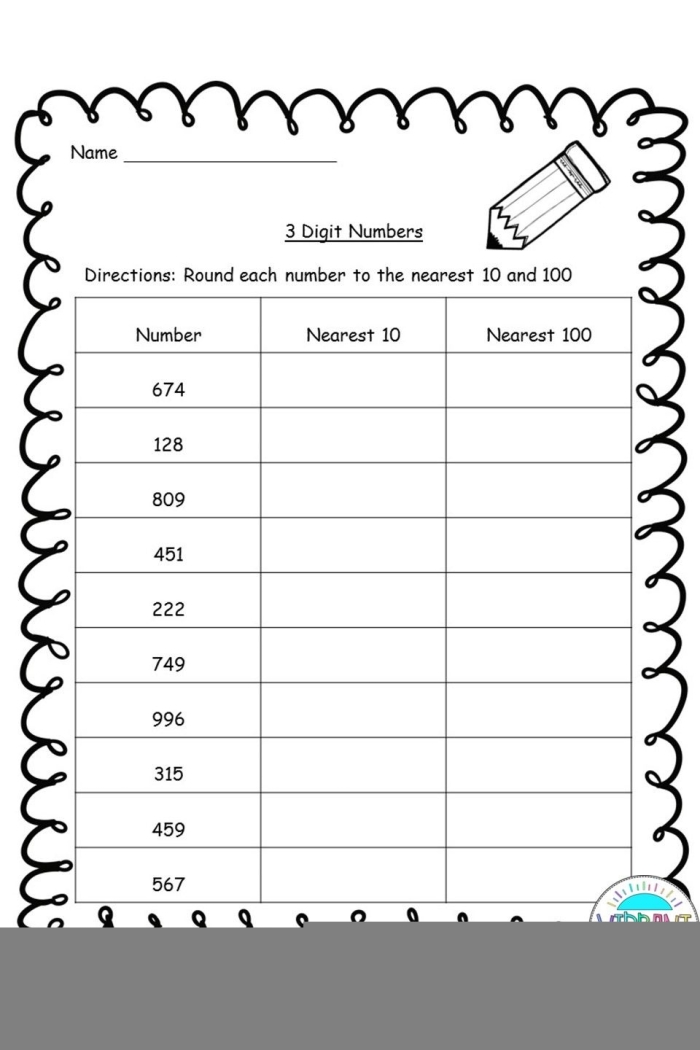
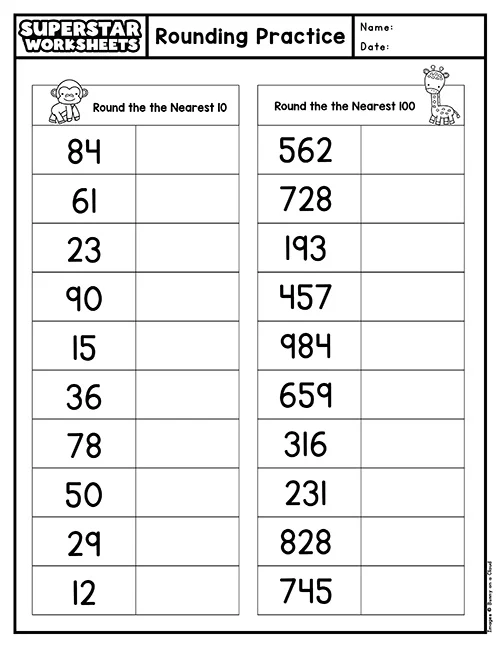
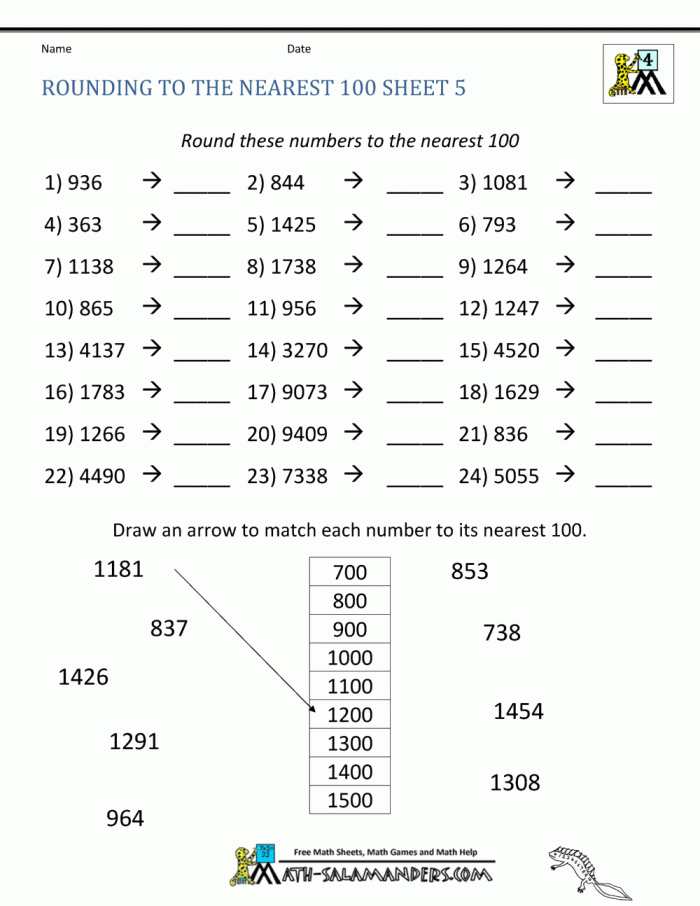
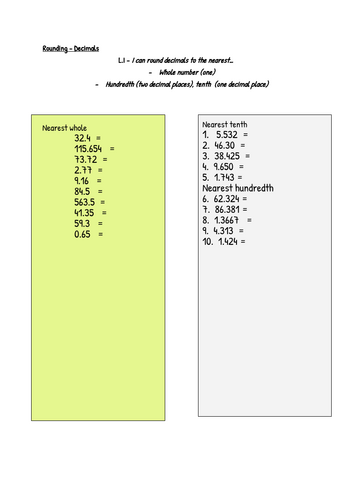
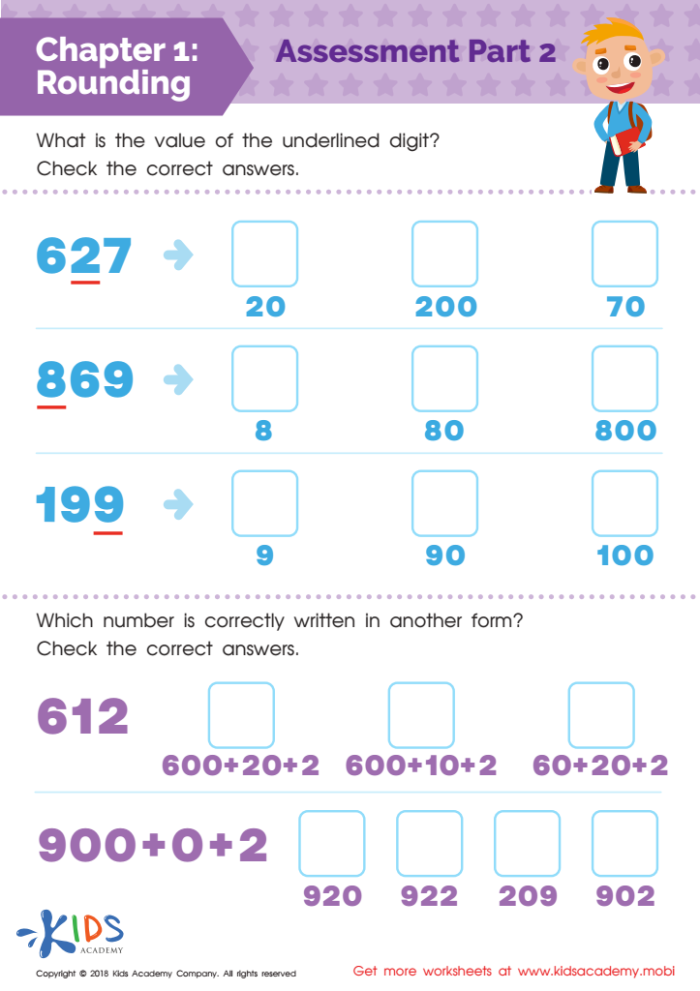
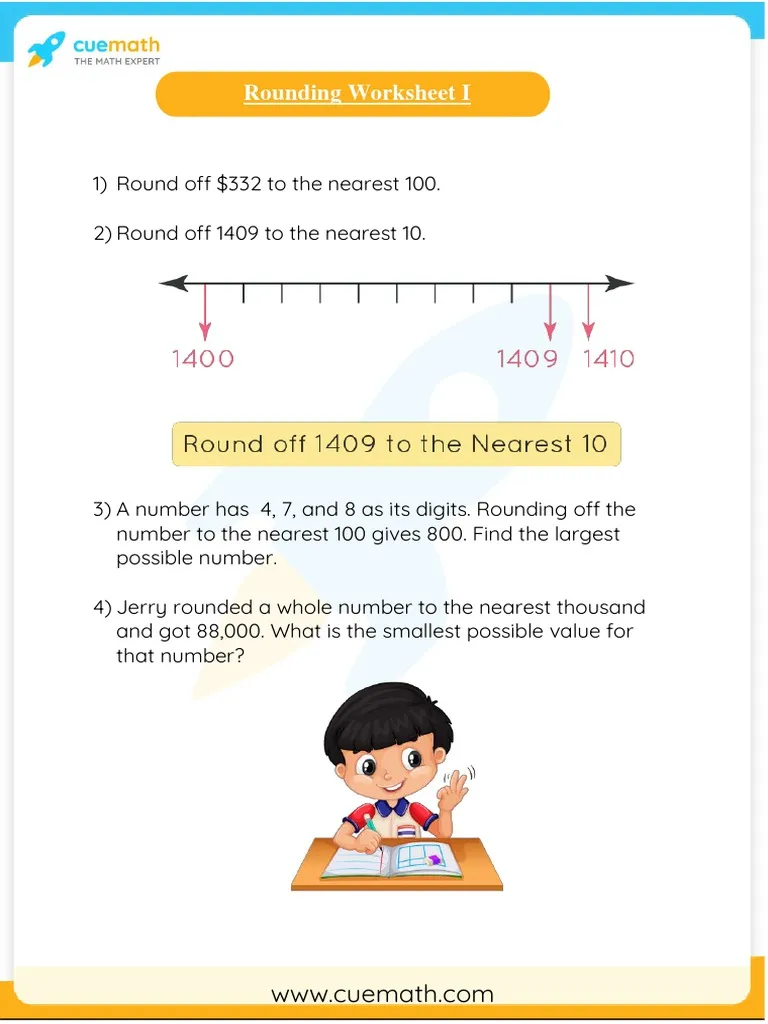
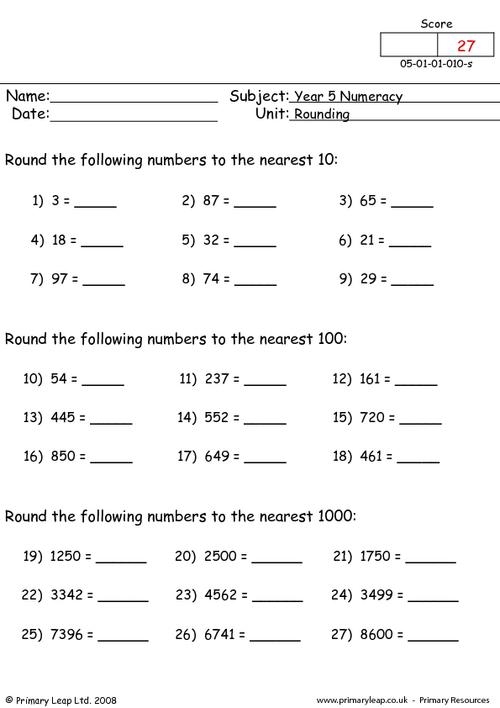
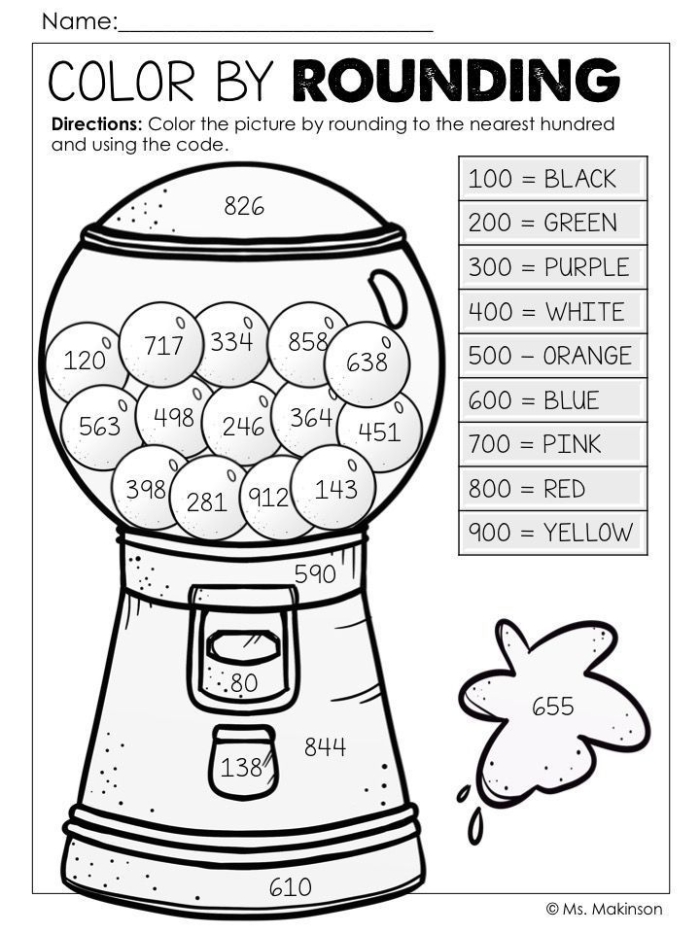
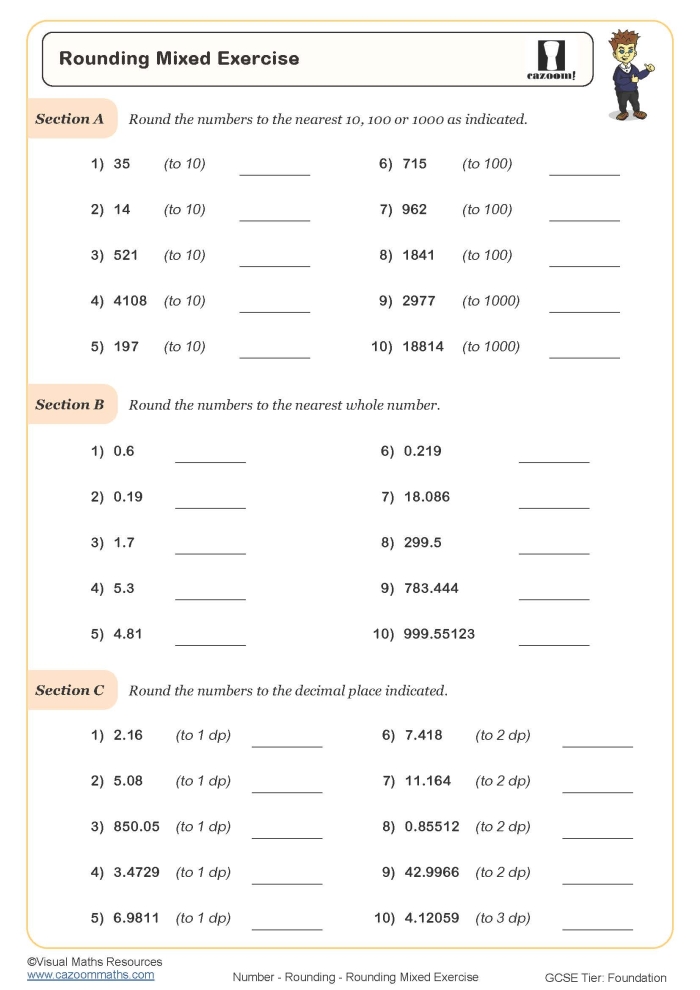
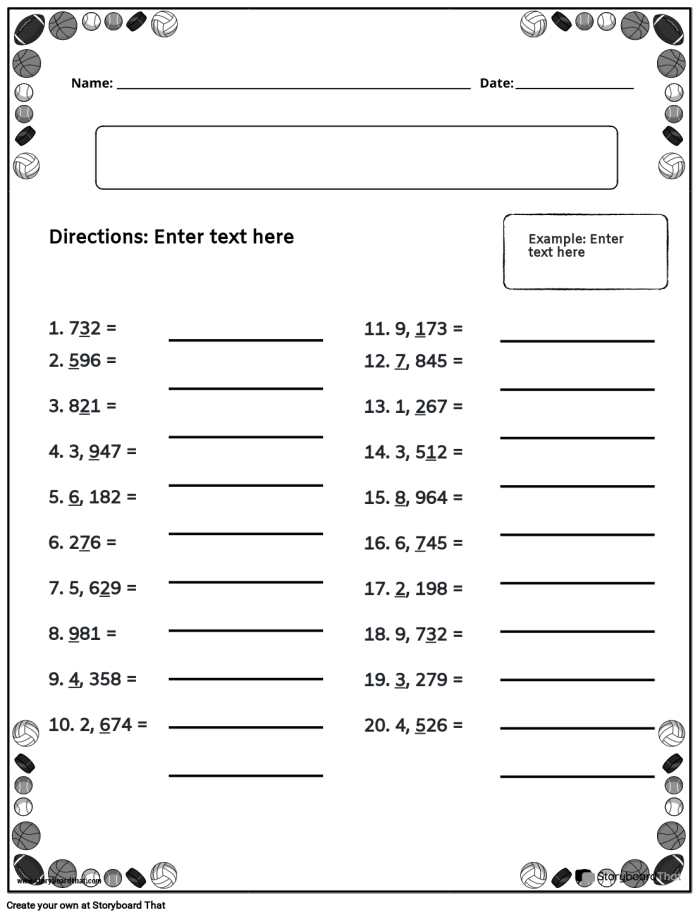
Rounding is one of those foundational skills that third grade students need to master before moving forward with more complex math concepts. A solid rounding worksheet focused on three-digit numbers gives kids the repetition they need to internalize the process, whether they’re rounding to the nearest hundreds, tens, or ones place.
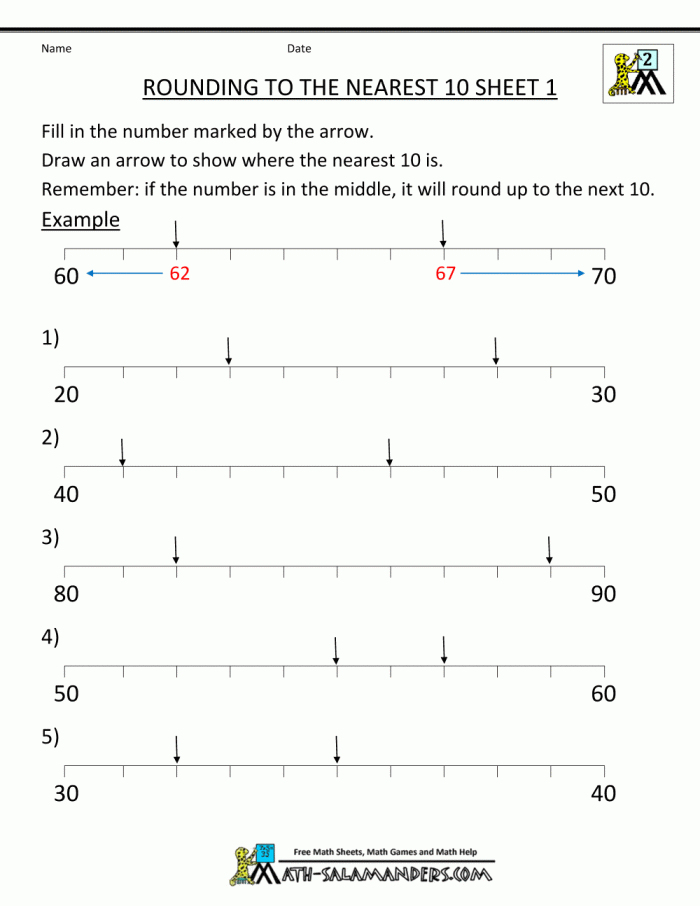
The beauty of practicing rounding at this level is that students work with numbers large enough to feel real, but not so large that the mechanics become overwhelming. When a child rounds 247 to the nearest ten, they’re not just memorizing a rule—they’re learning to think about place value and how numbers relate to one another on a number line. This foundation matters because rounding shows up everywhere in practical math: estimating costs at a store, measuring distances, or checking whether an answer makes sense.
What makes these worksheets effective is the variety they offer. By including problems that ask students to round the same number to different places, kids begin to see how context changes the answer. The number 156 becomes 200 when rounding to the nearest hundred, but stays 160 when rounding to the nearest ten. This kind of practice prevents students from developing the misconception that there’s only one “right” way to round a number.
Third grade is also when students start connecting abstract math concepts to real-world applications. Pairing rounding practice with other numbers and counting activities strengthens their overall numeracy. You might combine rounding exercises with fun with division problems or geometry basics like perimeter to show how different math skills work together.
Consistent practice with a well-designed rounding worksheet builds confidence and automaticity, making these skills stick long term.
Try These Printable Worksheets