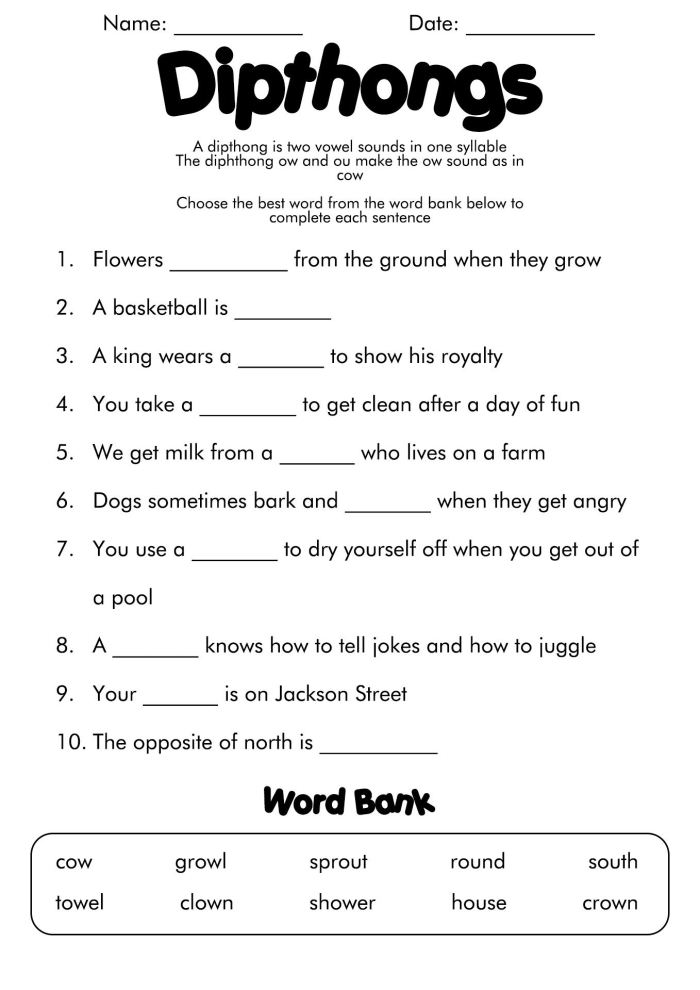
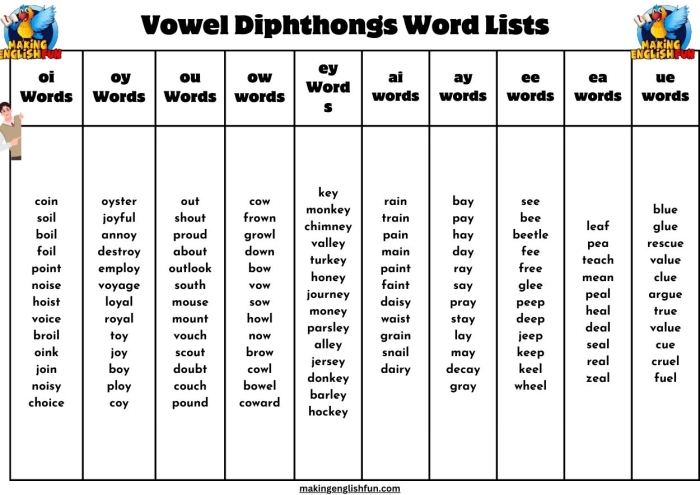
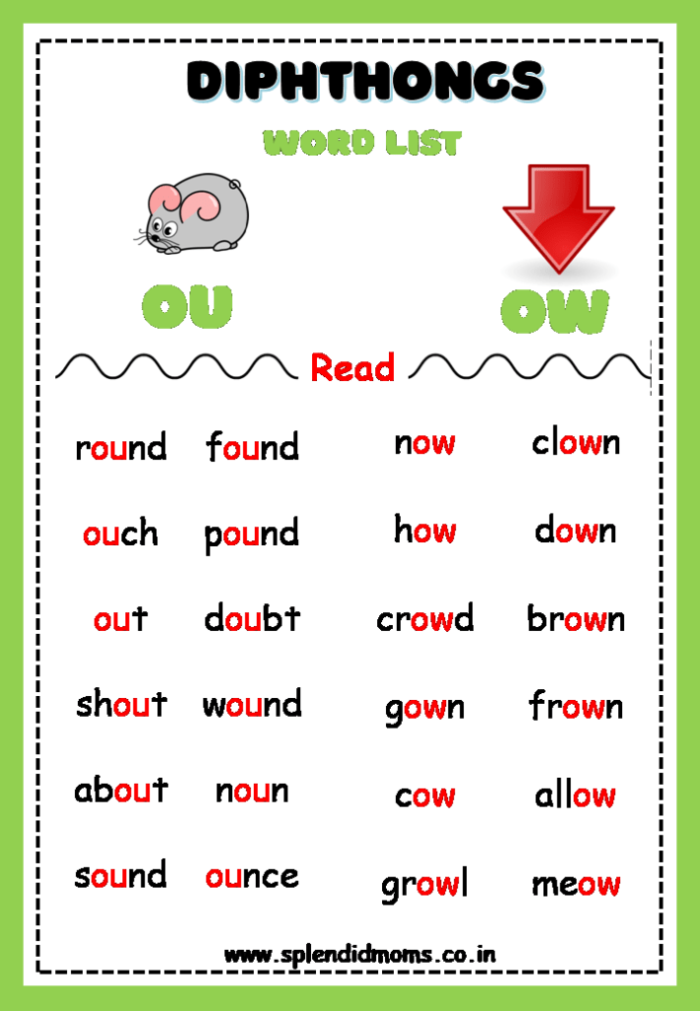
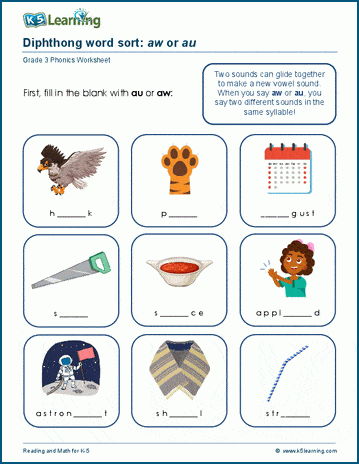
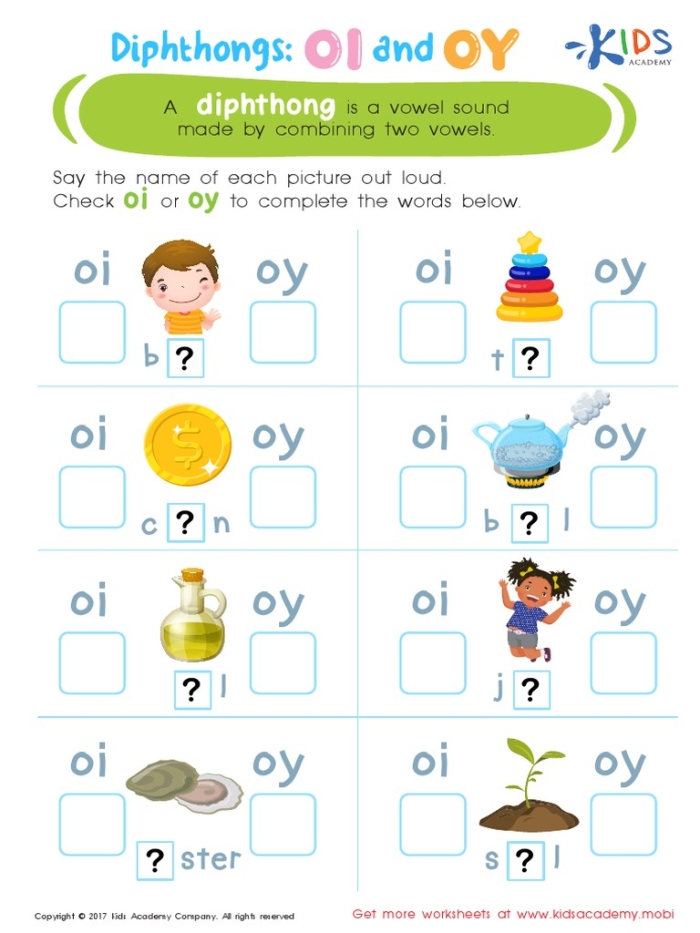
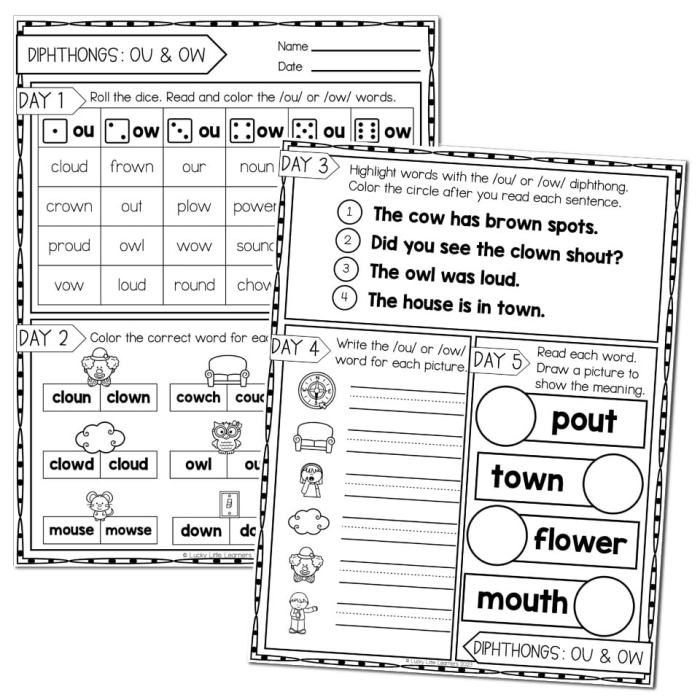
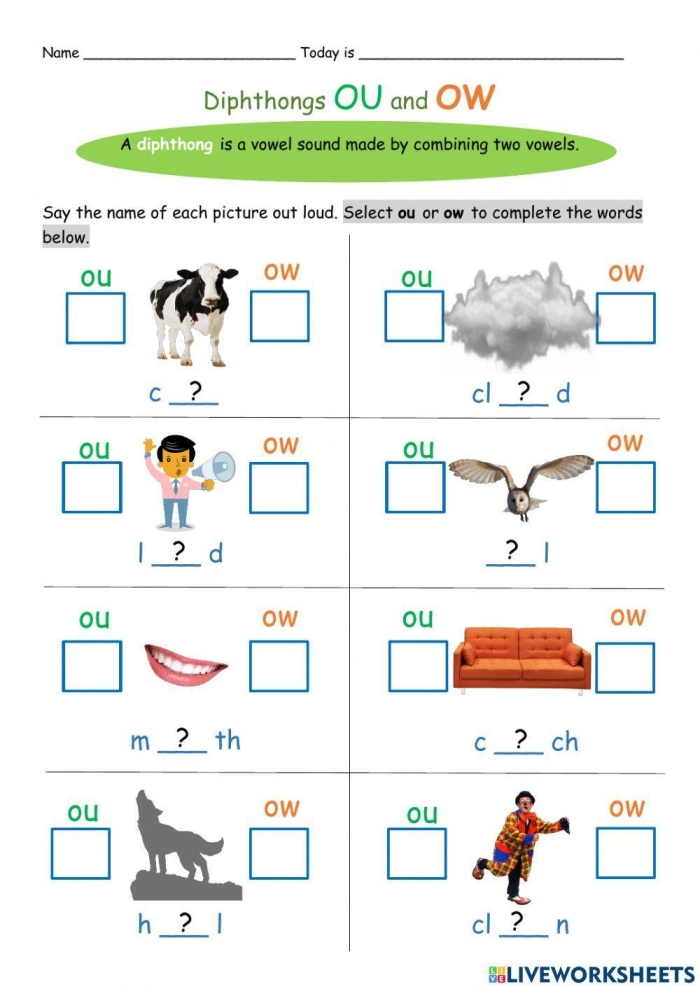
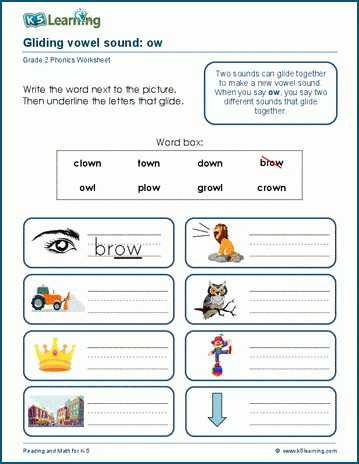
The “ow” sound trips up plenty of second graders because it shows up in two different ways. Sometimes it sounds like the “ow” in cow, a short and punchy sound. Other times it sounds like the “ow” in towel, stretched out and closer to “oh.” Your child needs to recognize both versions to read smoothly, and the good news is that consistent practice makes this click pretty quickly.
Start by reading aloud together and pointing out the “ow” pattern whenever you spot it. Books with repetitive “ow” words work best. Say the word slowly, exaggerate the sound, and have your second grader repeat it back. This builds the connection between the letters and the sounds they make in phonics instruction.
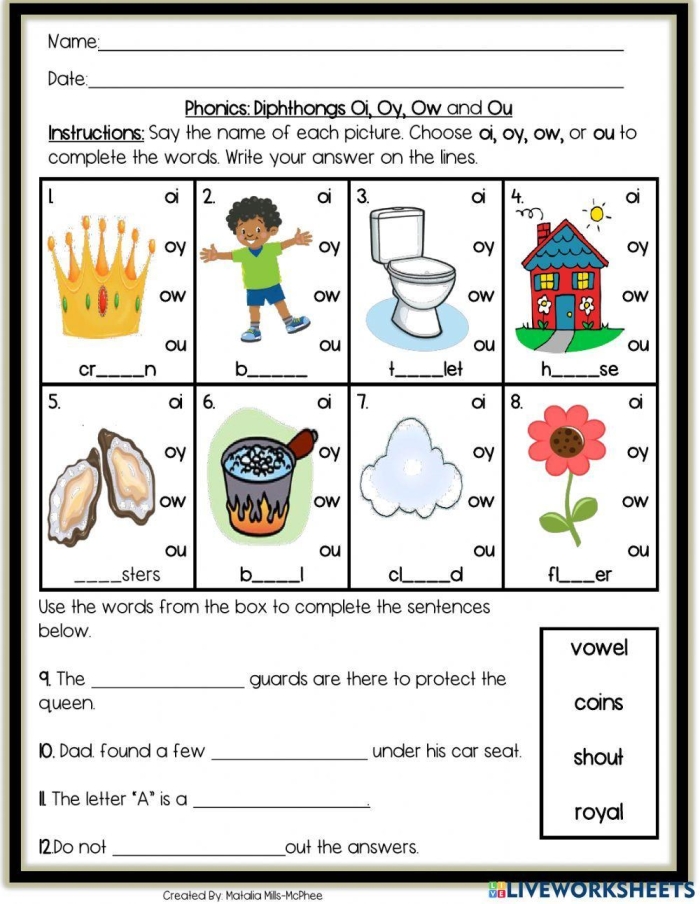
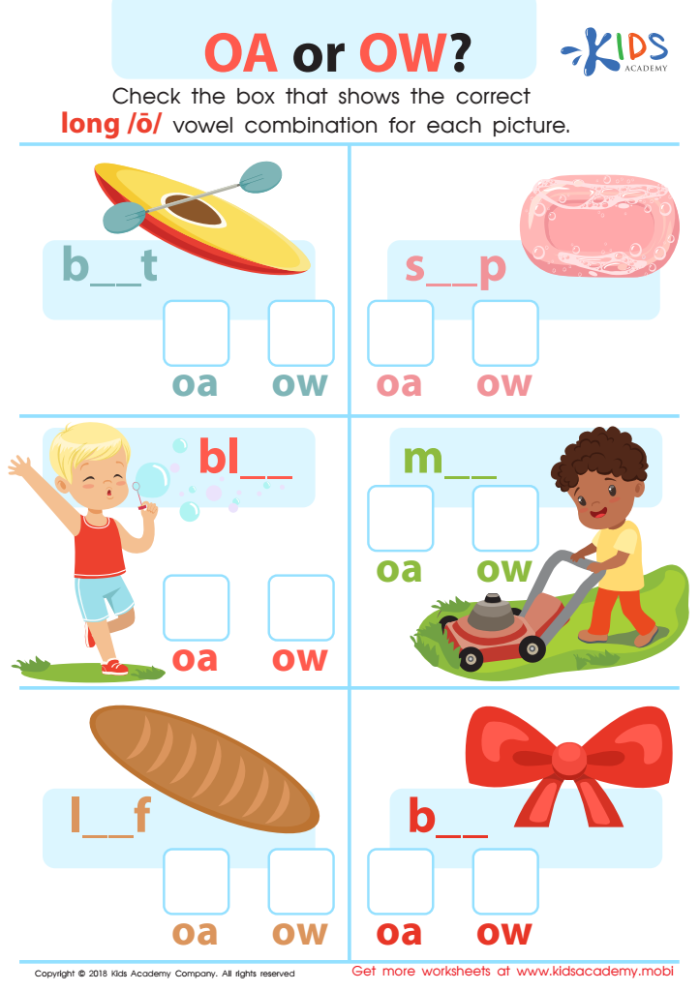
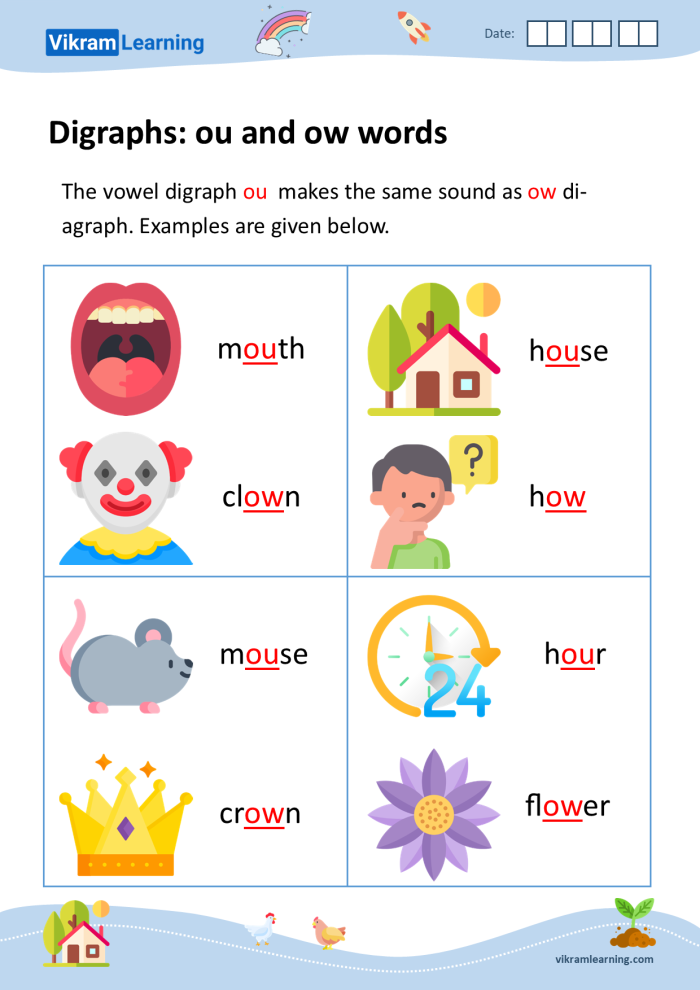
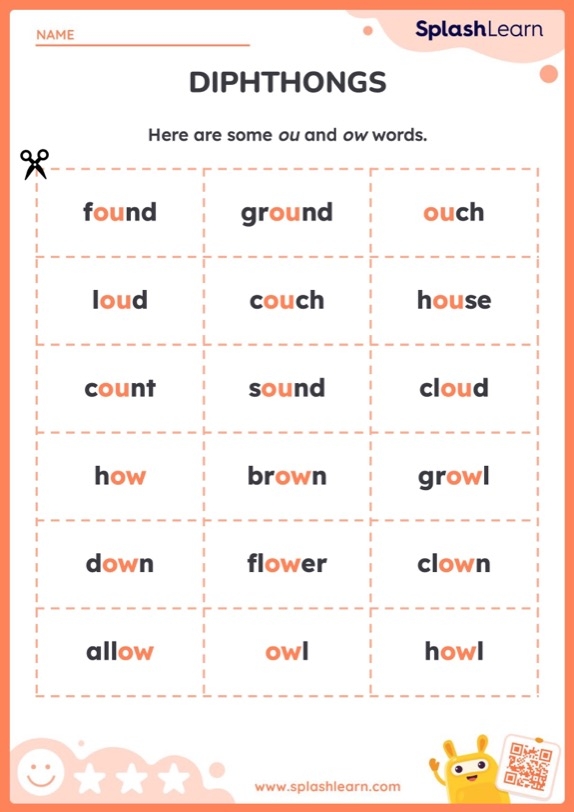
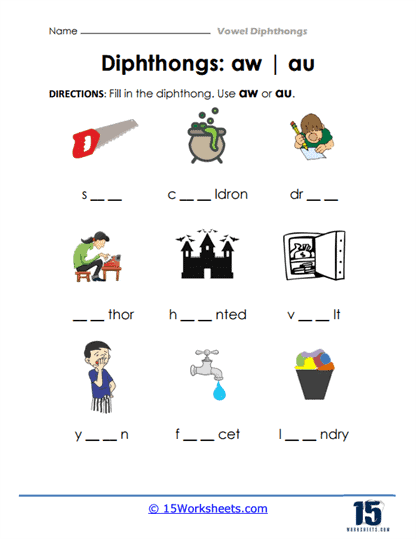
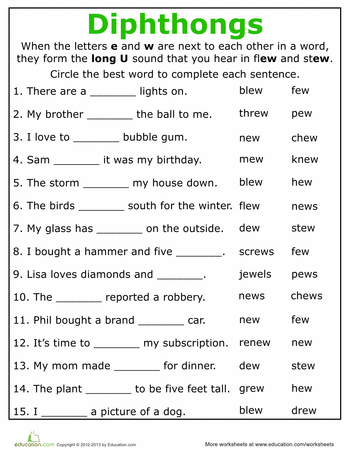
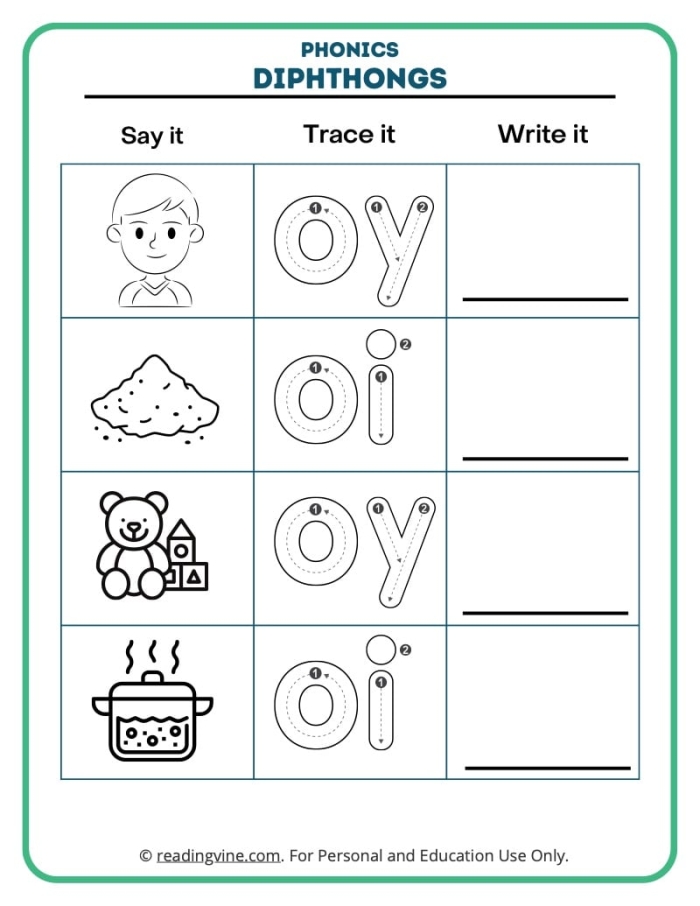
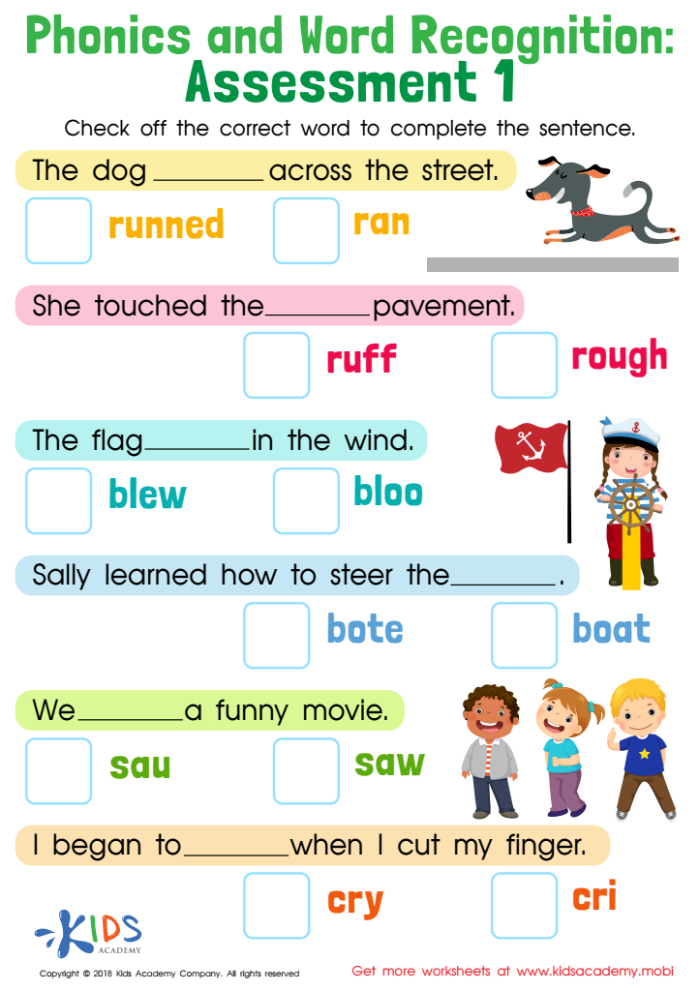
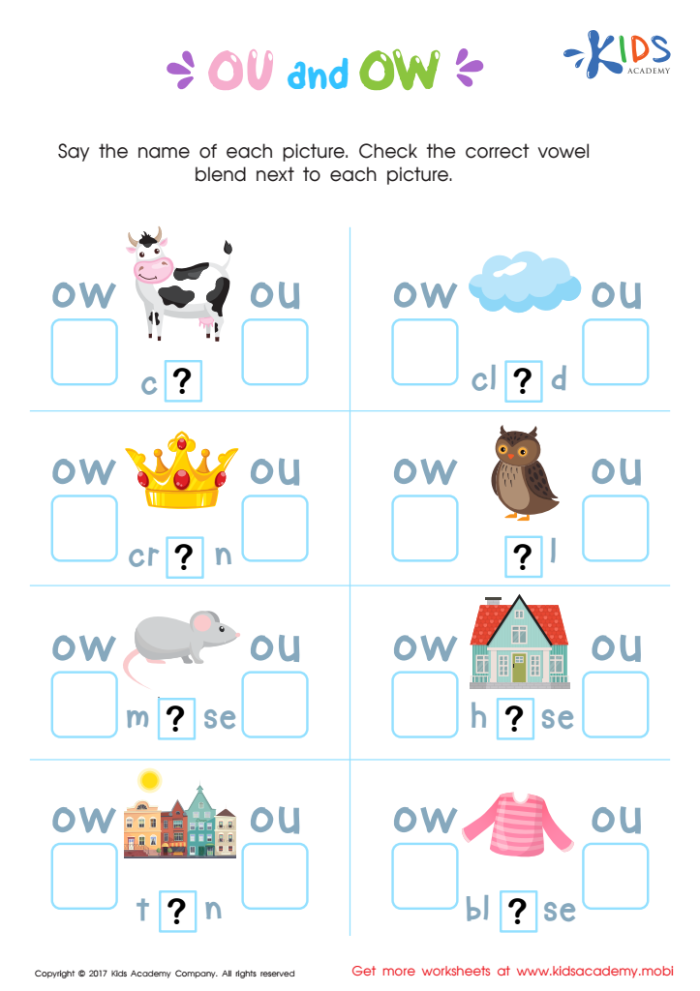
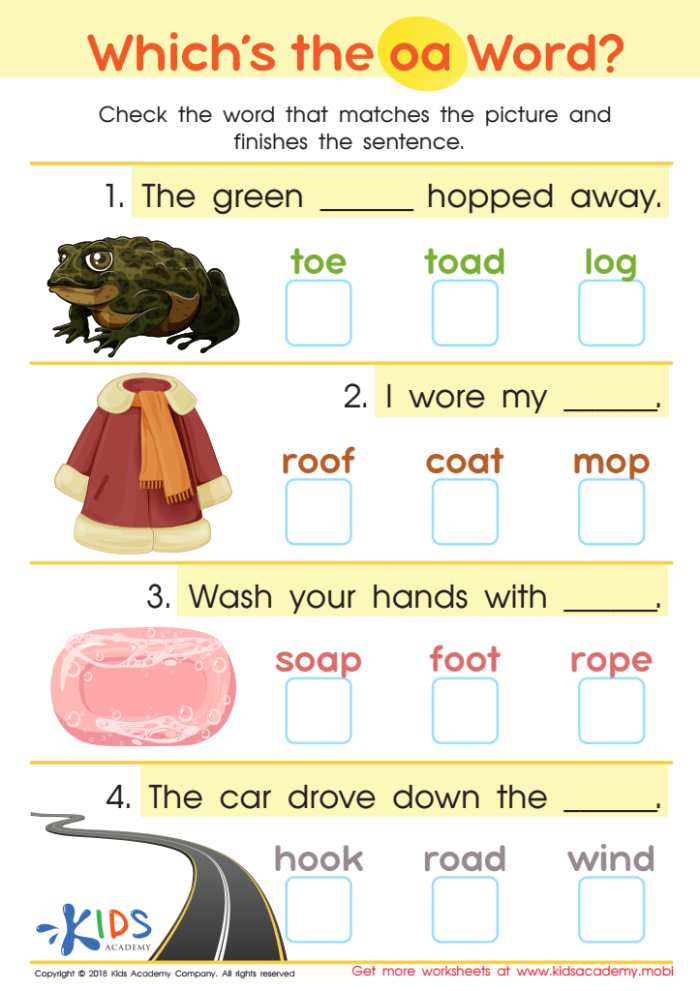
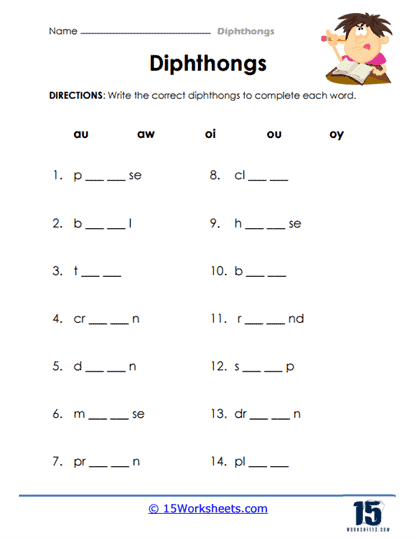
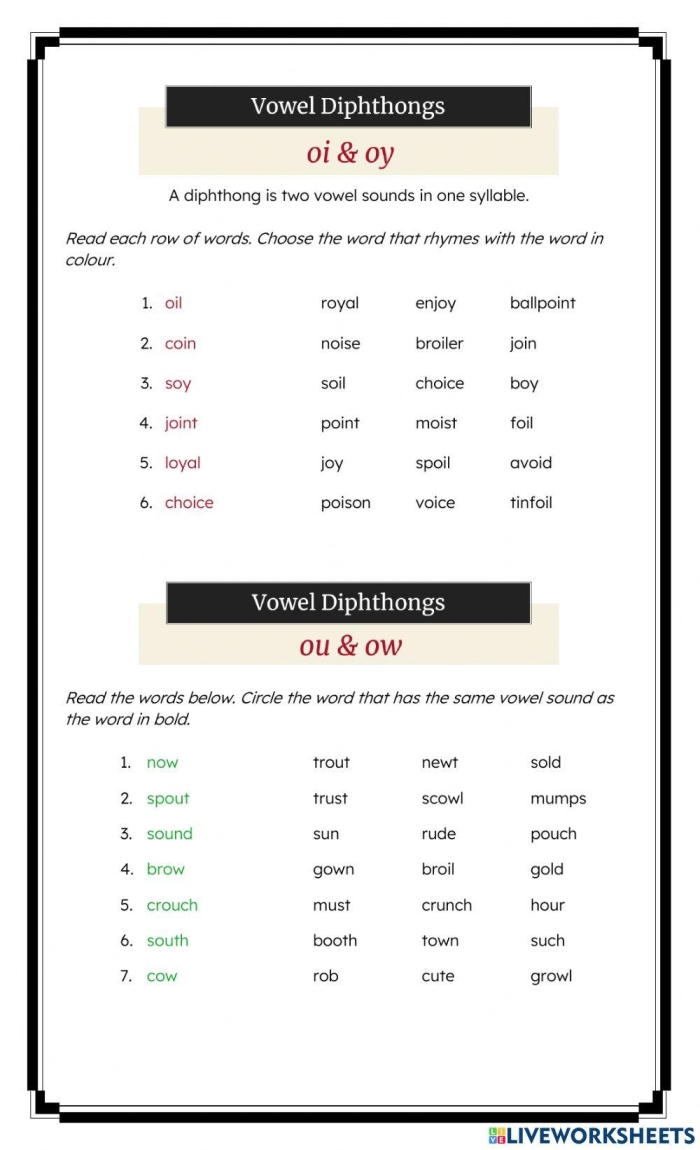
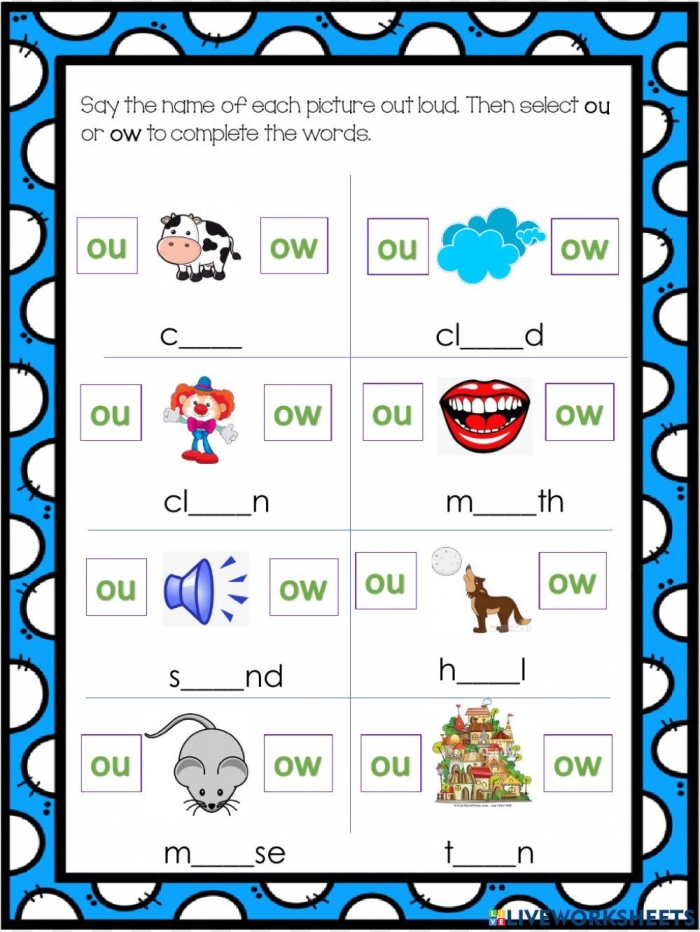
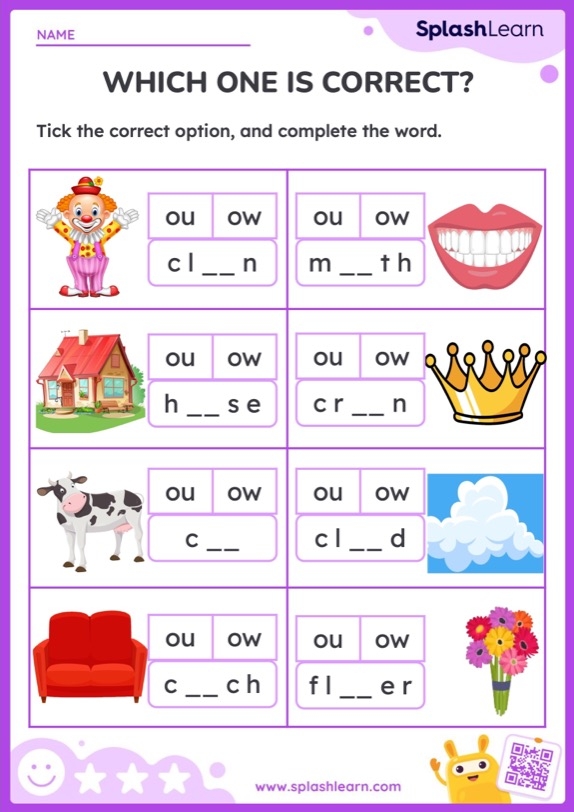
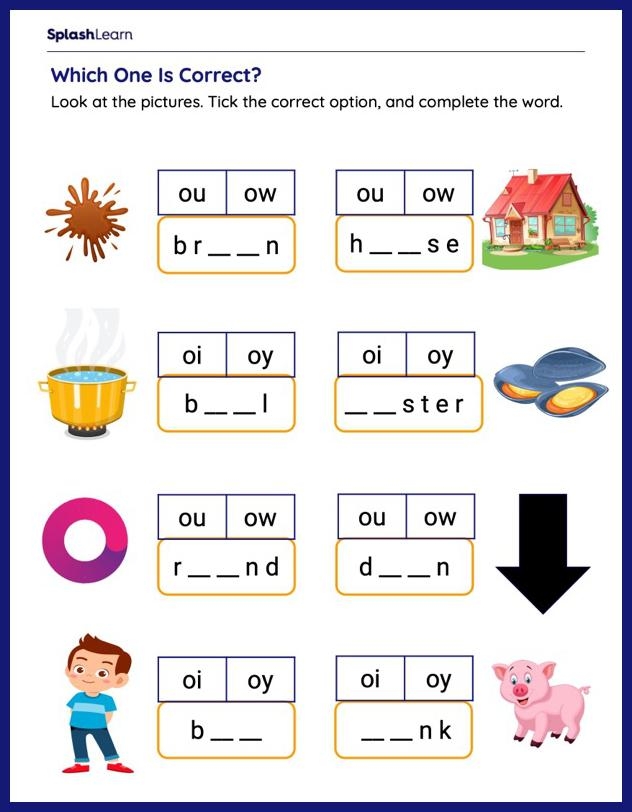
Once your child recognizes the pattern in simple words like bow, down, and now, introduce the trickier ones where “ow” sounds different, like know, show, and window. The repetition helps cement both pronunciations into memory. Worksheets designed specifically for this skill can reinforce what you’re teaching at home. Look for activities that pair words with pictures so your child connects the sound to meaning, not just memorizing letter combinations.
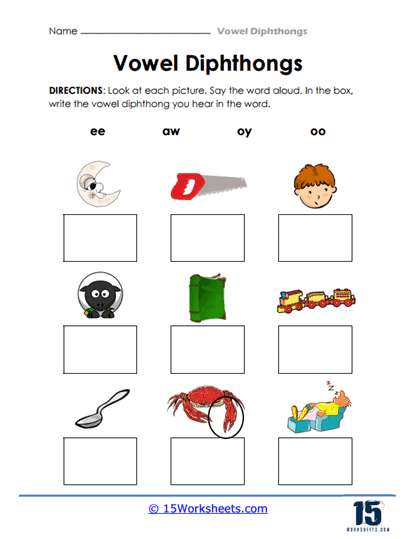
Interactive practice works better than passive reading. Try practice reading vowel diphthongs exercises that focus on “ow” words in context. You might also explore story-based phonics worksheets that embed these words into engaging narratives, making the learning feel less like drill work and more like reading for fun.
The key is patience and regular exposure. Second grade phonics moves quickly, but vowel diphthongs like “ow” deserve extra attention because they’re foundational for reading fluency. Spend ten to fifteen minutes a few times a week on focused practice, and you’ll notice your child’s confidence growing within weeks.
Grab These Worksheets Now