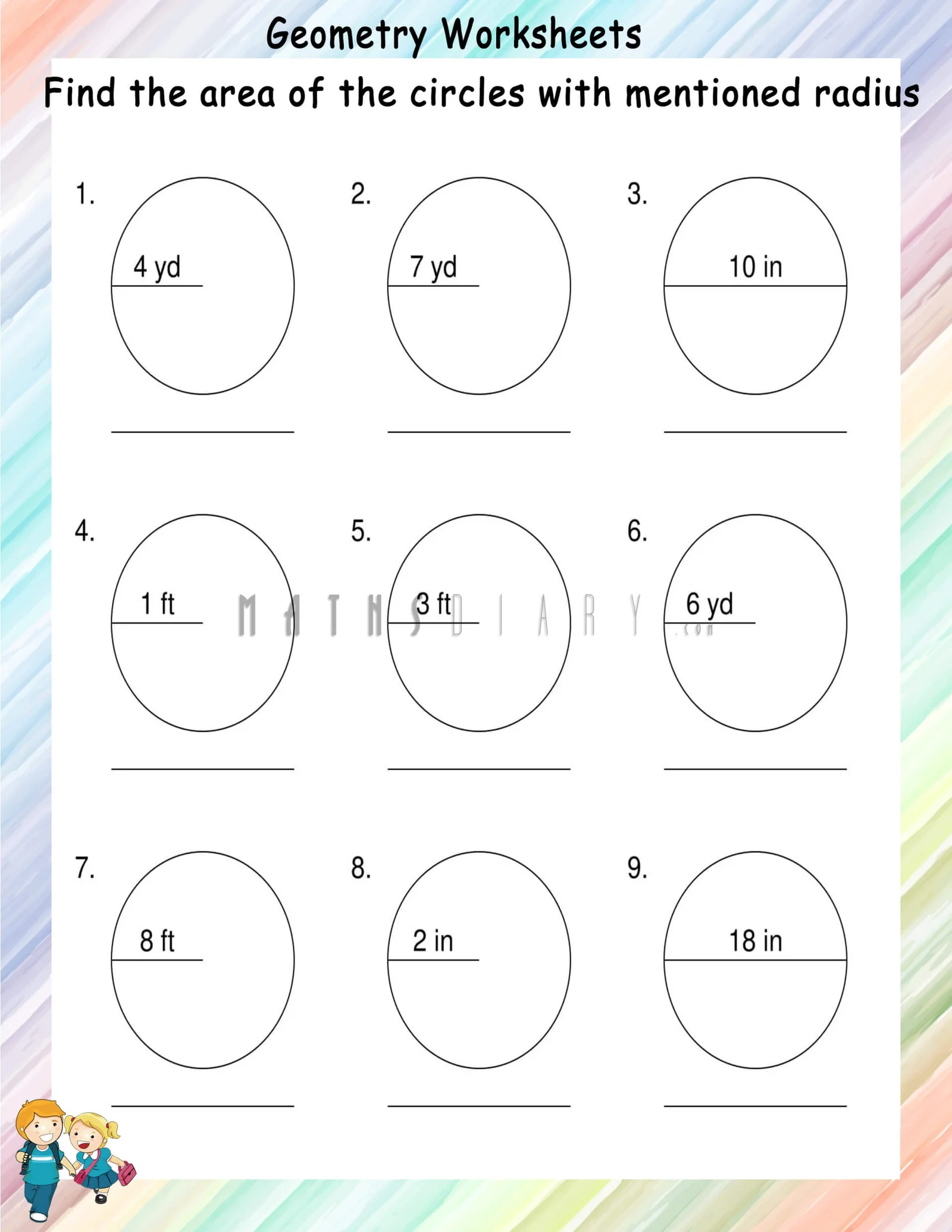
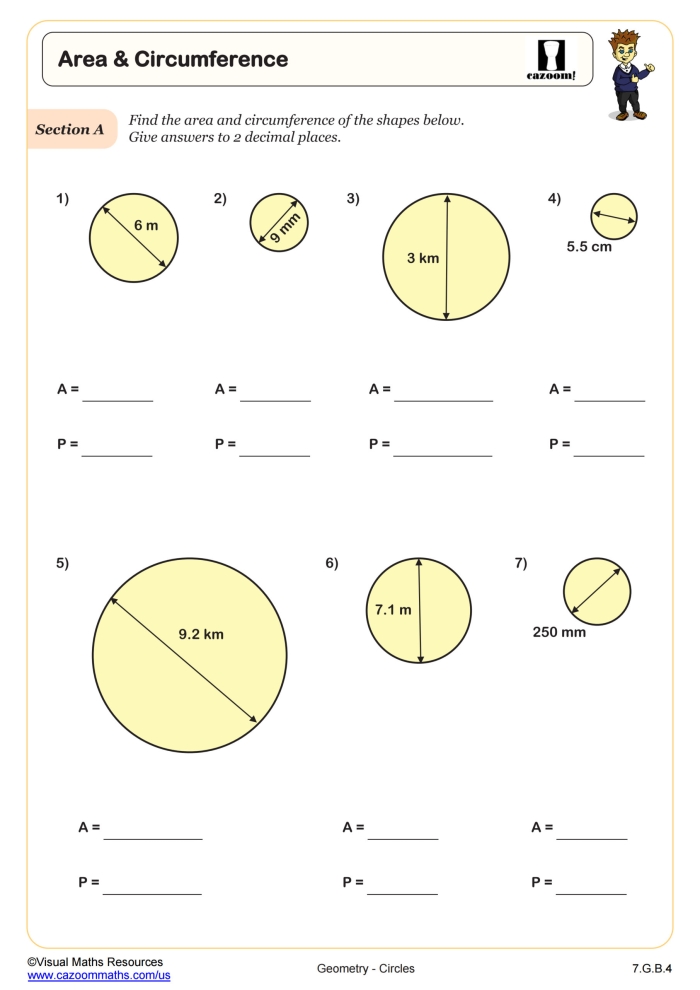
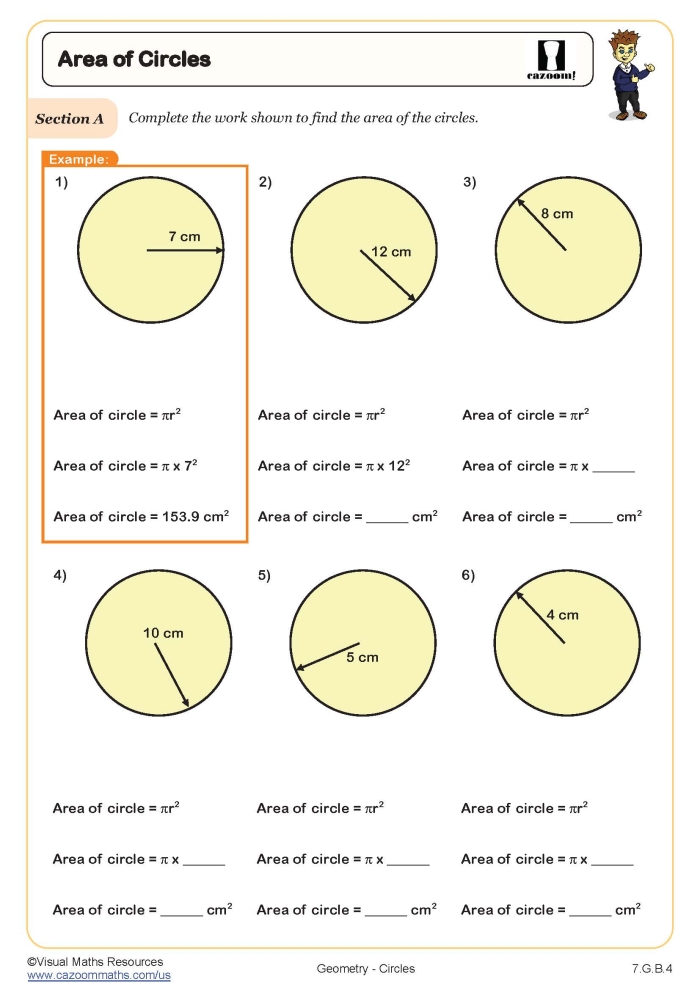
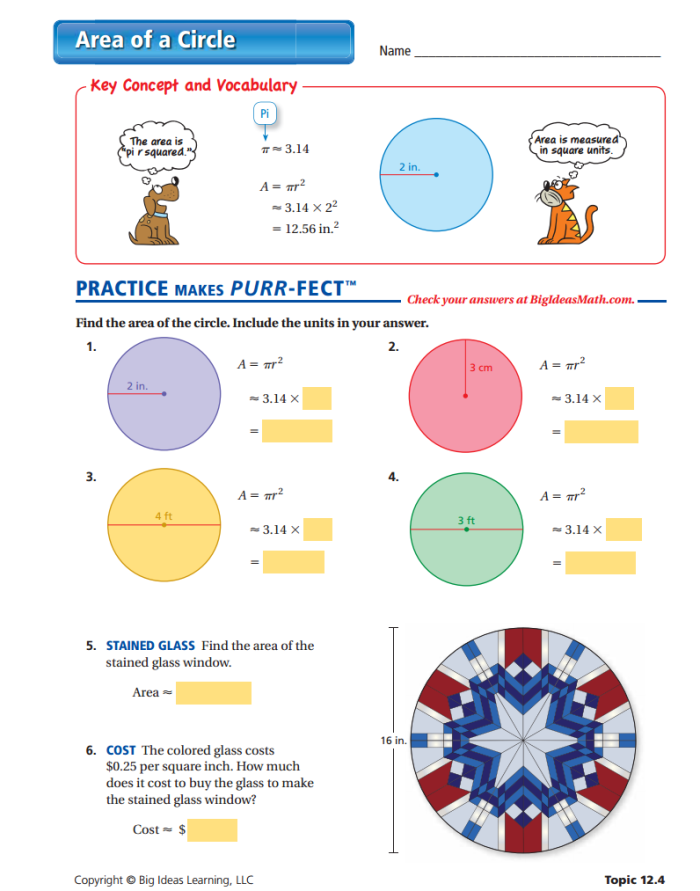
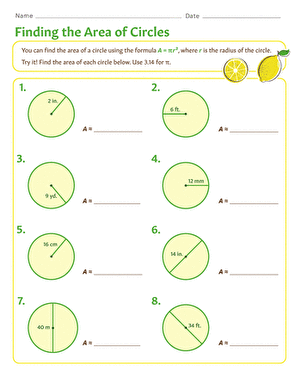
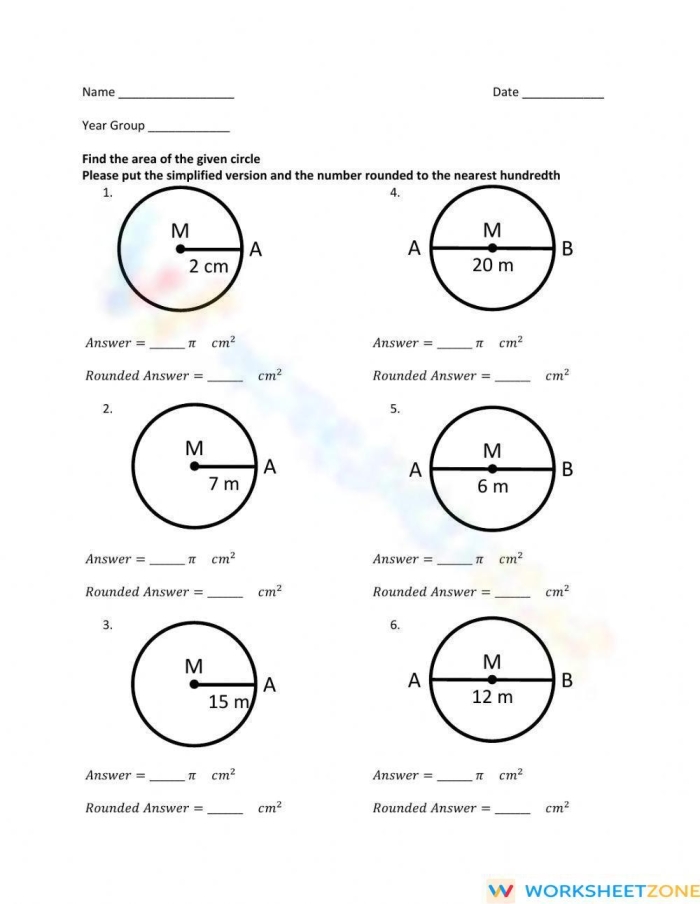
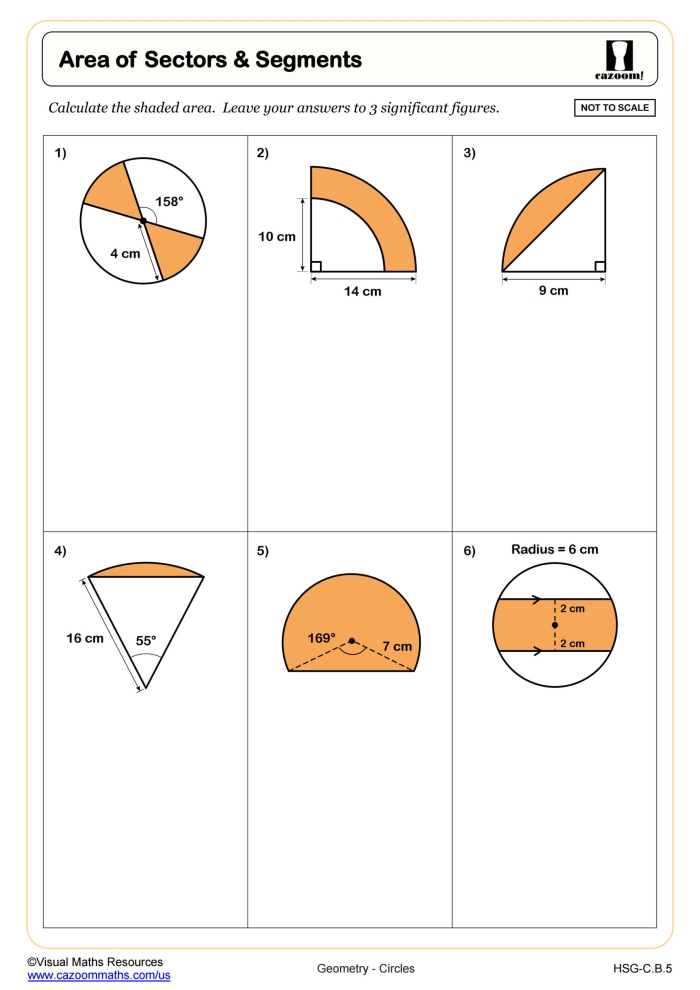
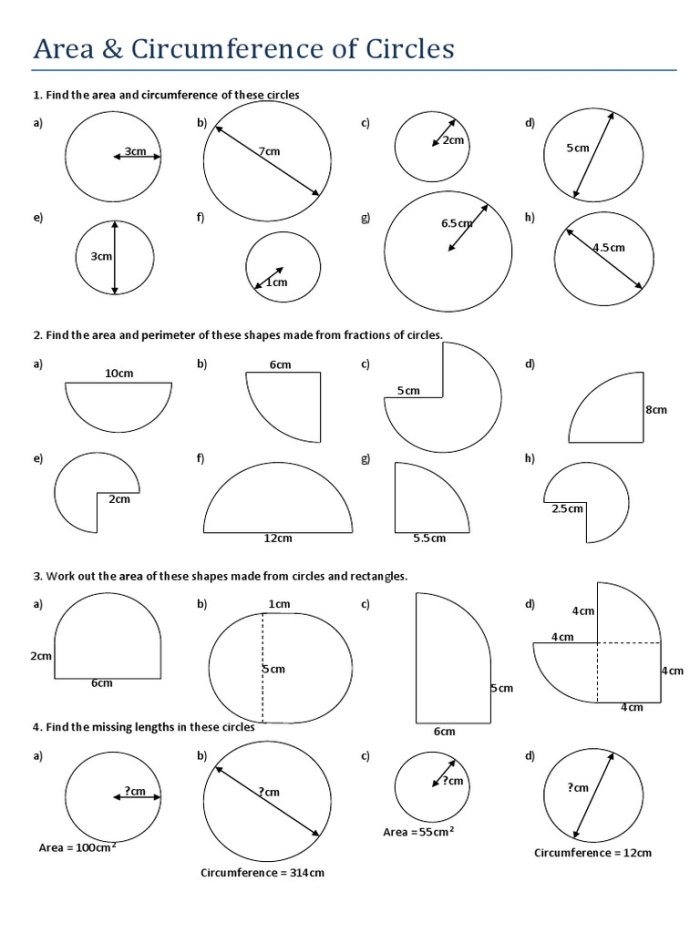
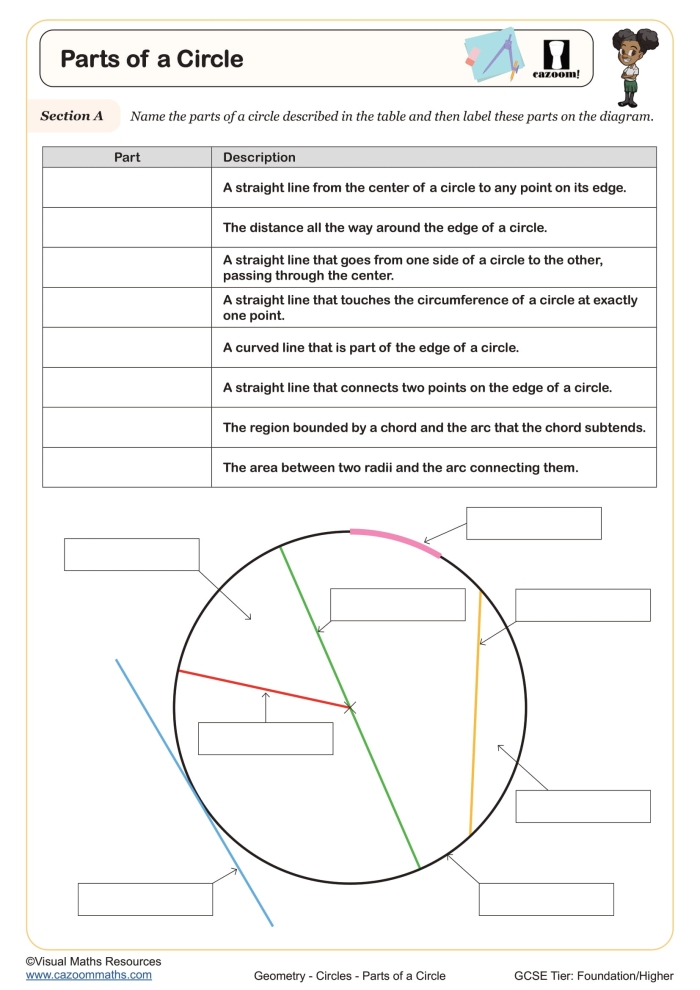
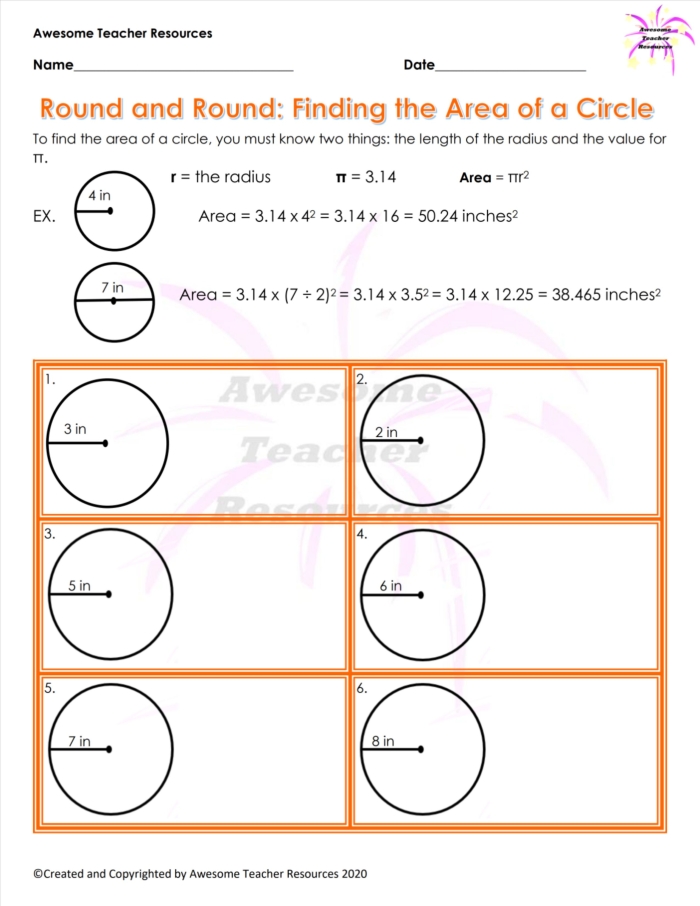
Circle geometry trips up more seventh-grade students than you might expect, especially when they first encounter the formula A = πr². The concept clicks faster when students get hands-on practice working through actual problems, not just reading explanations. That’s where a solid worksheet makes all the difference.
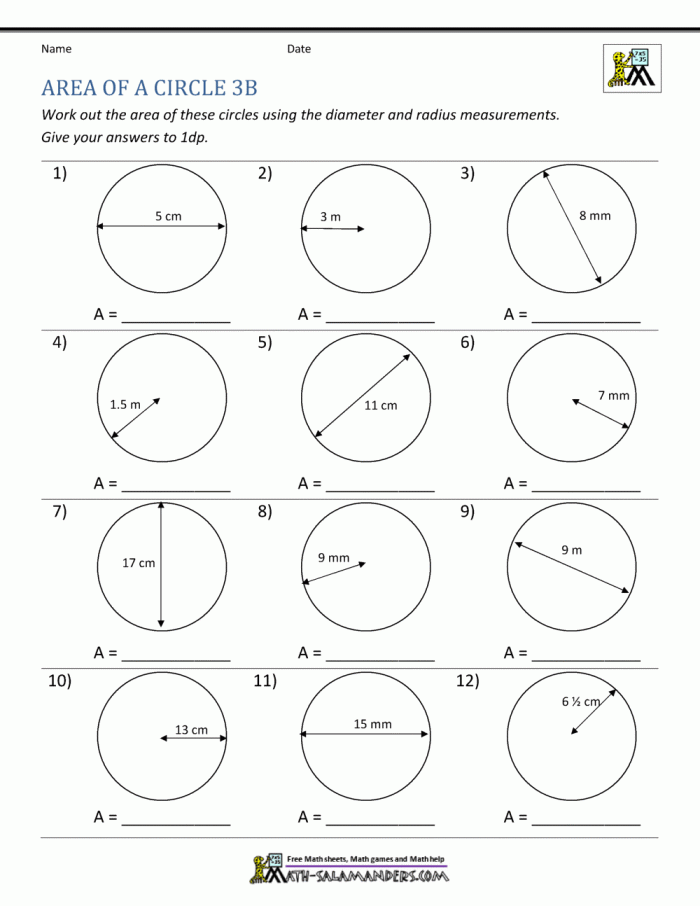
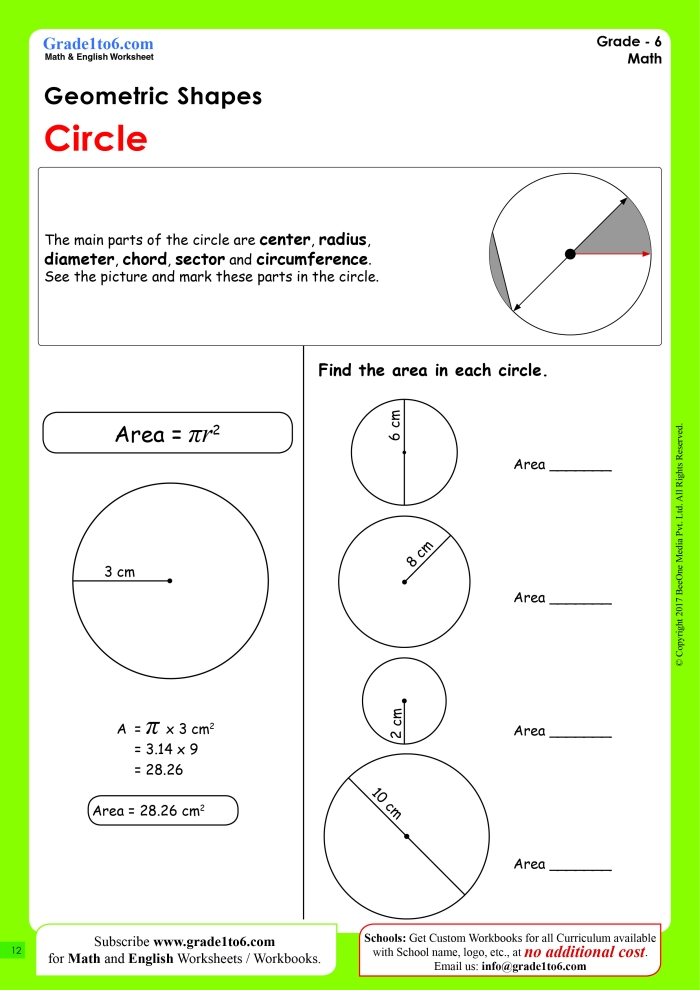
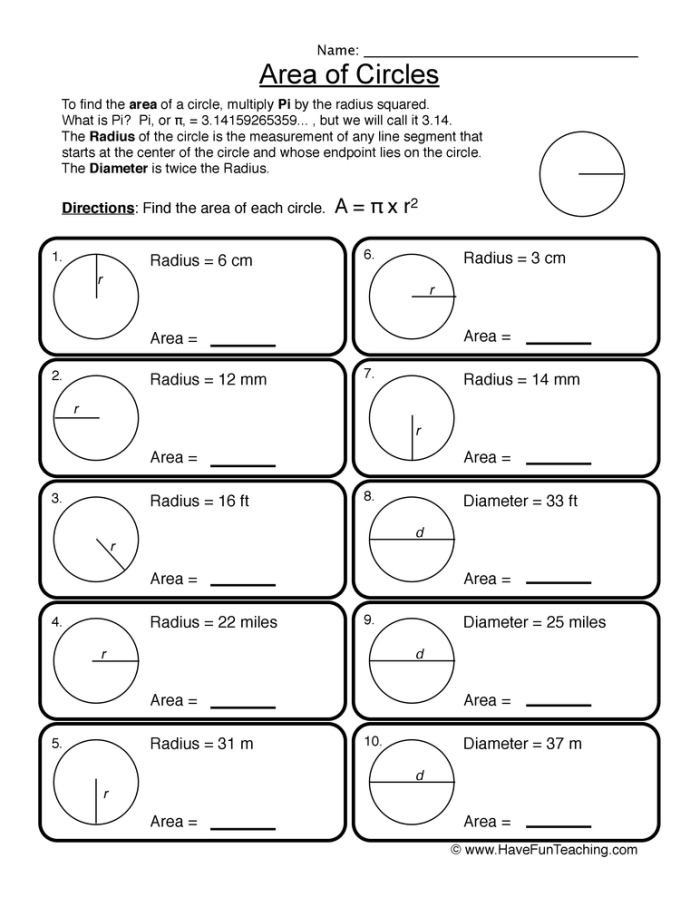
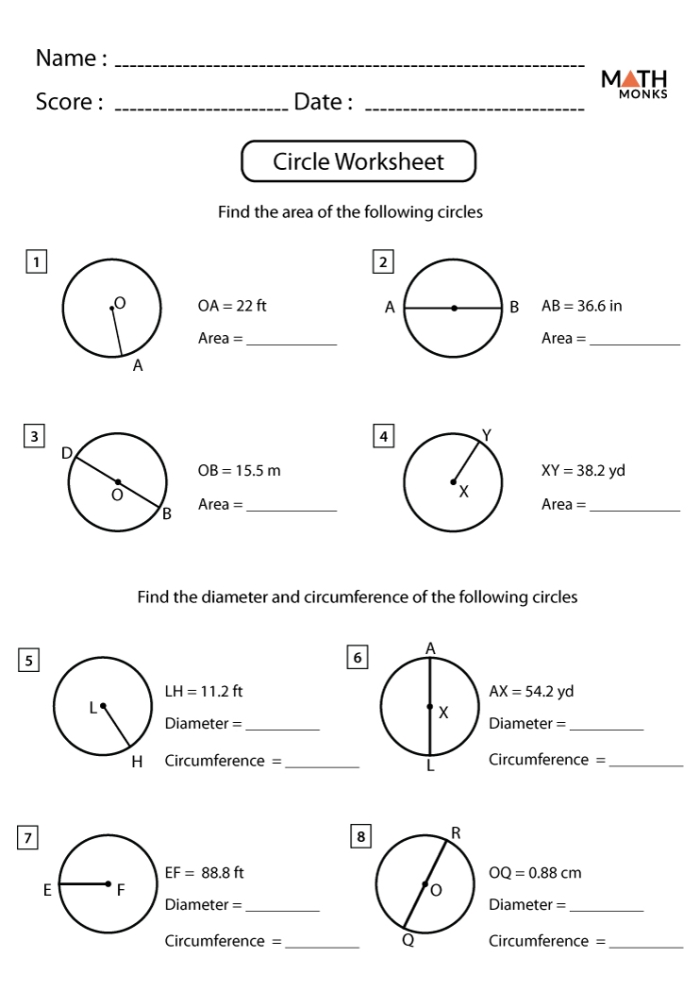
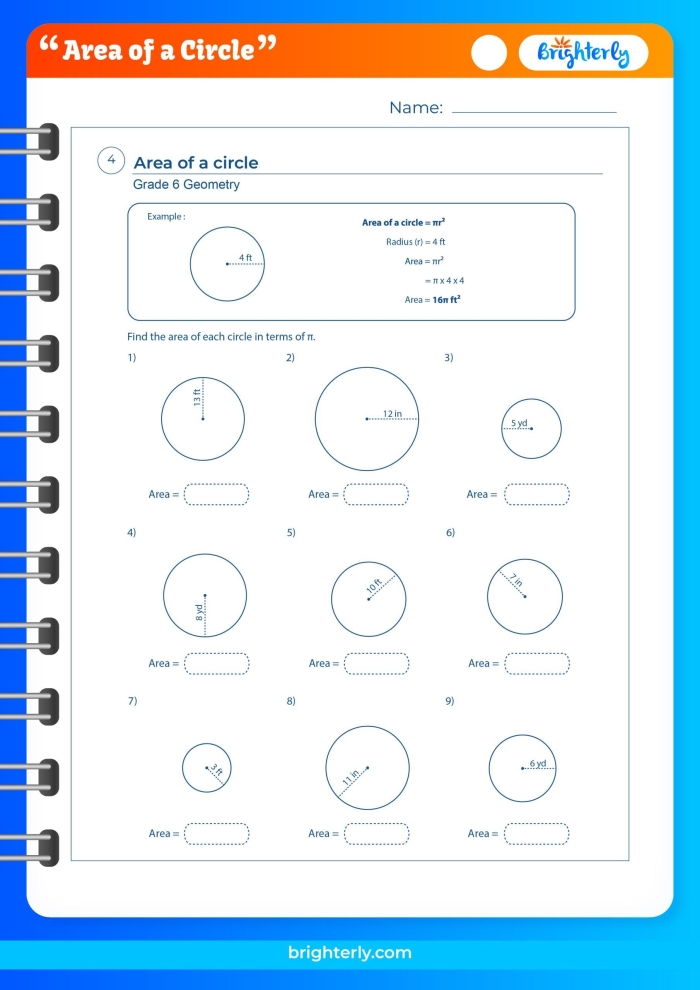
When seventh graders work with circles, they’re learning to identify the radius, square it correctly, and multiply by pi. These steps sound straightforward, but the execution requires focus. A well-designed worksheet gives students enough repetition to build confidence without becoming tedious. Each problem reinforces the same formula while varying the given information, so students learn to adapt their approach rather than memorize a single path.
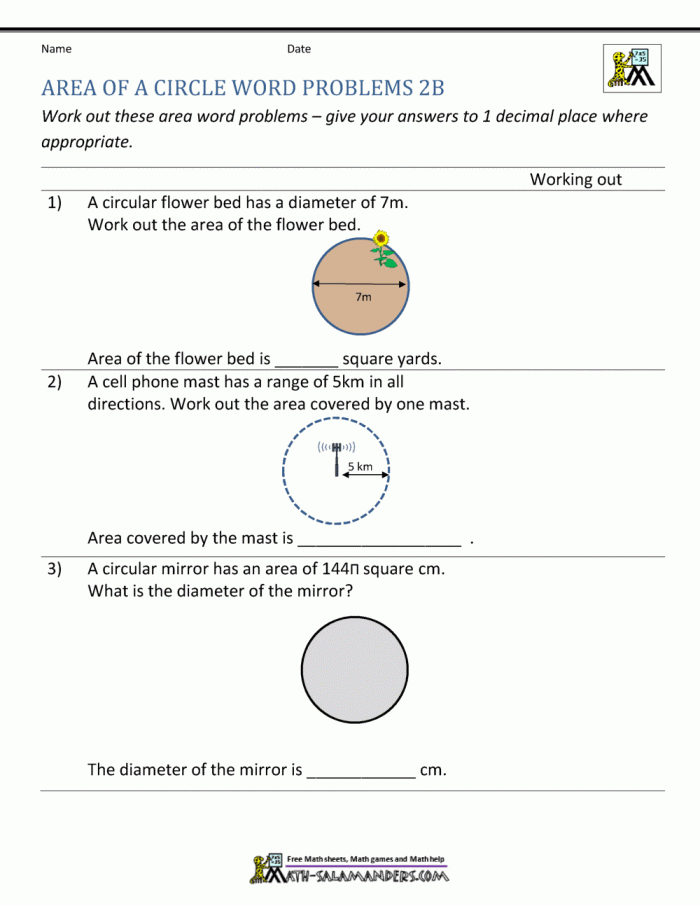
The beauty of practicing with circles is that the skill connects to real-world applications immediately. Students recognize circles in pizza slices, sports fields, and clock faces. When they calculate the area of a circular garden or a round table, the math stops feeling abstract. Worksheets that include word problems alongside straightforward calculations help bridge that gap between theory and application.
Incorporating sight words into geometry practice also strengthens reading comprehension. When students encounter directional language or measurement descriptions, they’re reinforcing vocabulary alongside mathematical skills. This dual focus matters for seventh graders developing both literacy and numeracy.
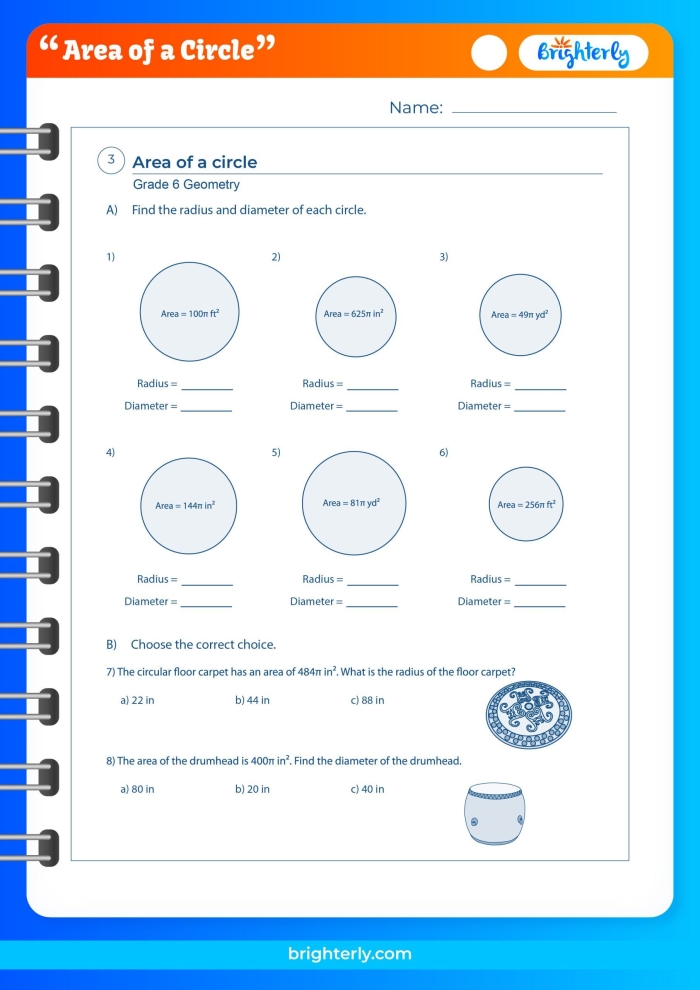
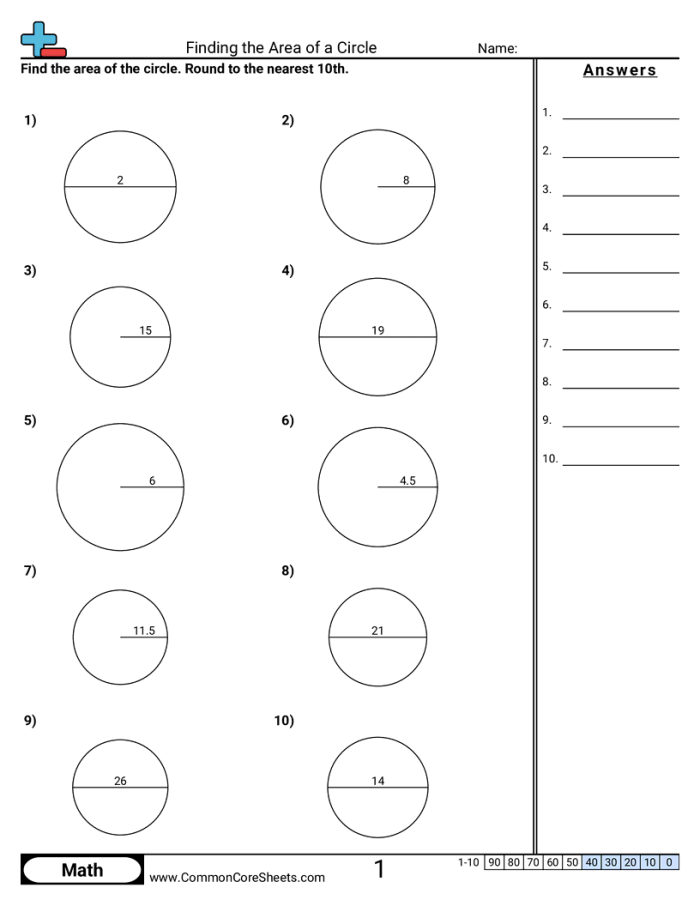
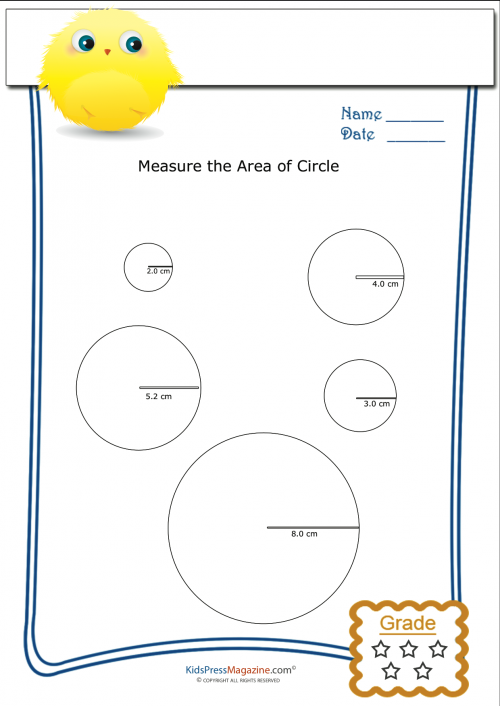
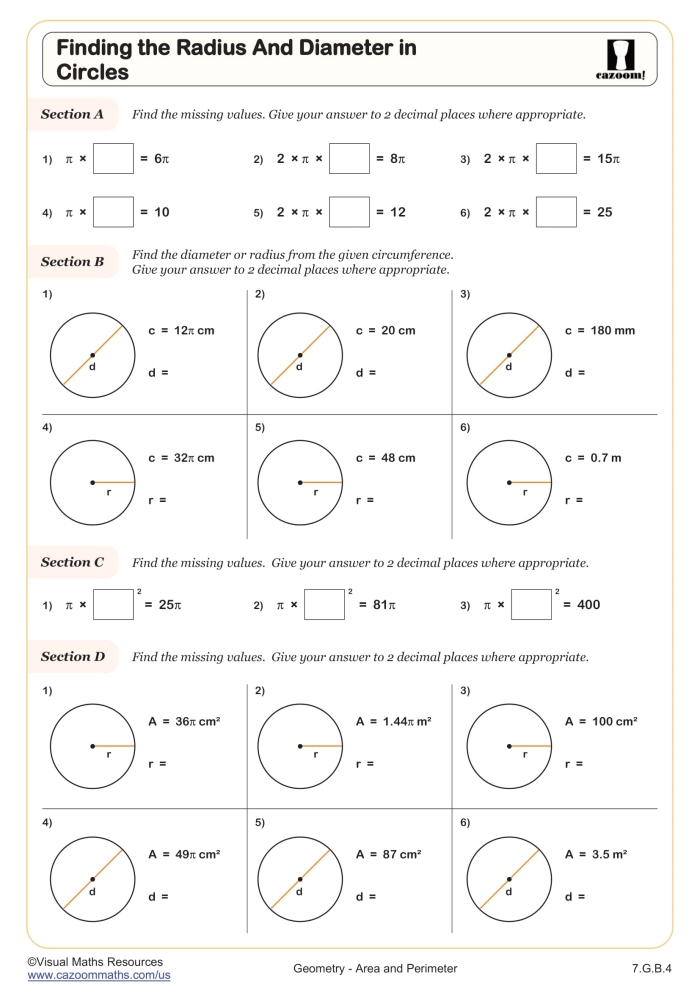
The structure of a good practice worksheet matters too. Starting with simpler problems where the radius is given directly builds momentum, then progressing to problems where students must find the radius first keeps engagement high. Finding the area of circles worksheets work best when they balance challenge with achievability, allowing students to feel successful while still pushing their understanding forward.
Beyond geometry, this type of focused practice develops problem-solving habits that transfer across subjects. When you pair geometry with reading comprehension activities, students build stronger connections between different learning areas. The repetition and structure of worksheet practice remain one of the most effective ways to solidify mathematical concepts during the seventh-grade year.
Practice with These Worksheets