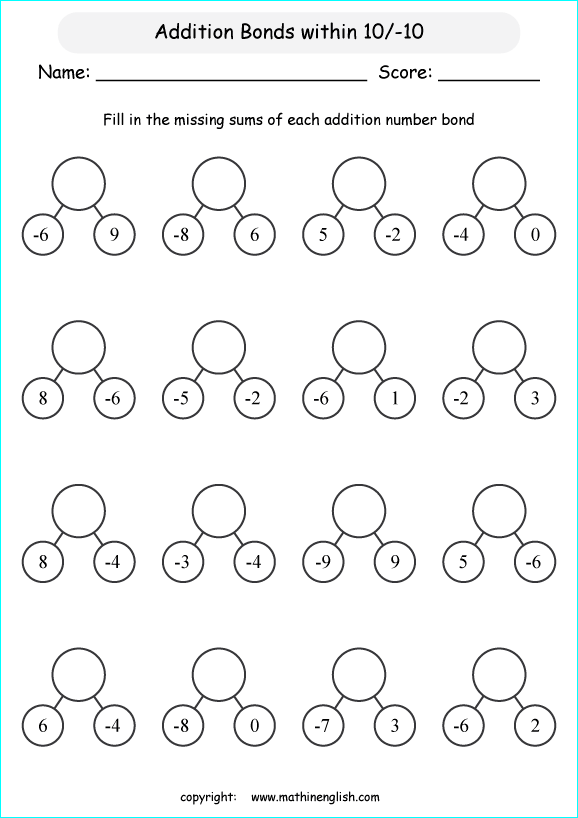
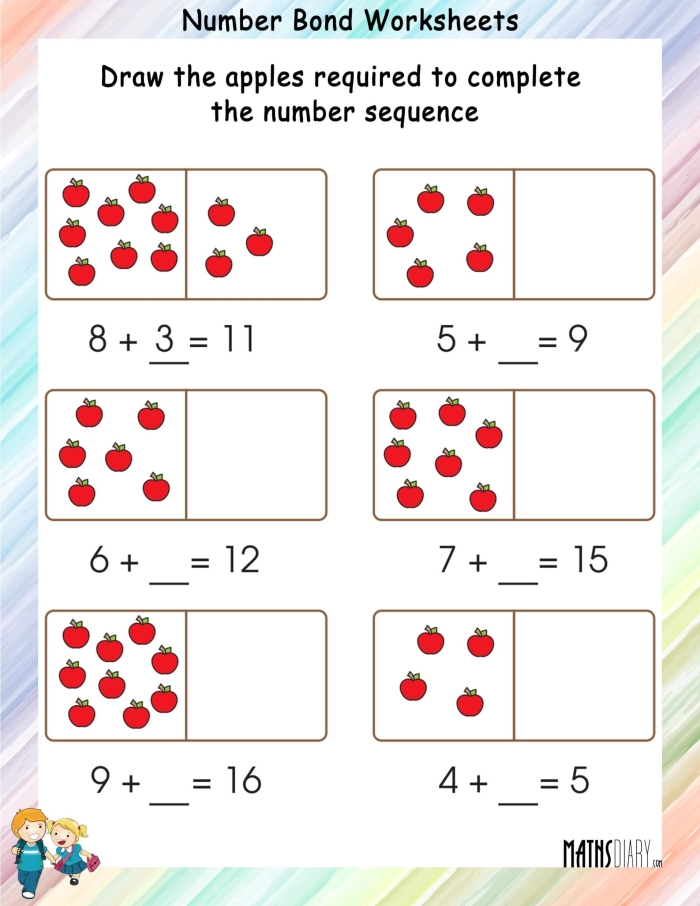
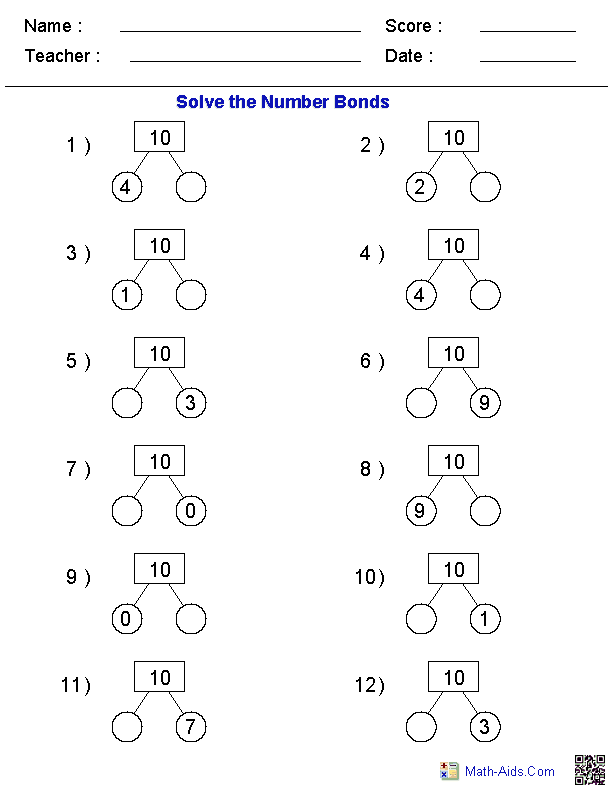
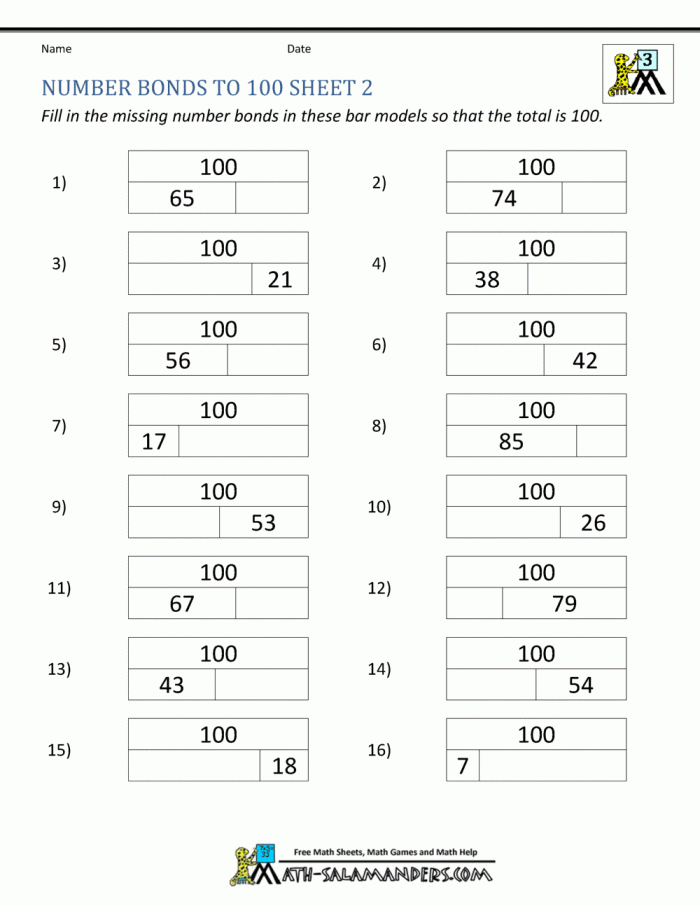
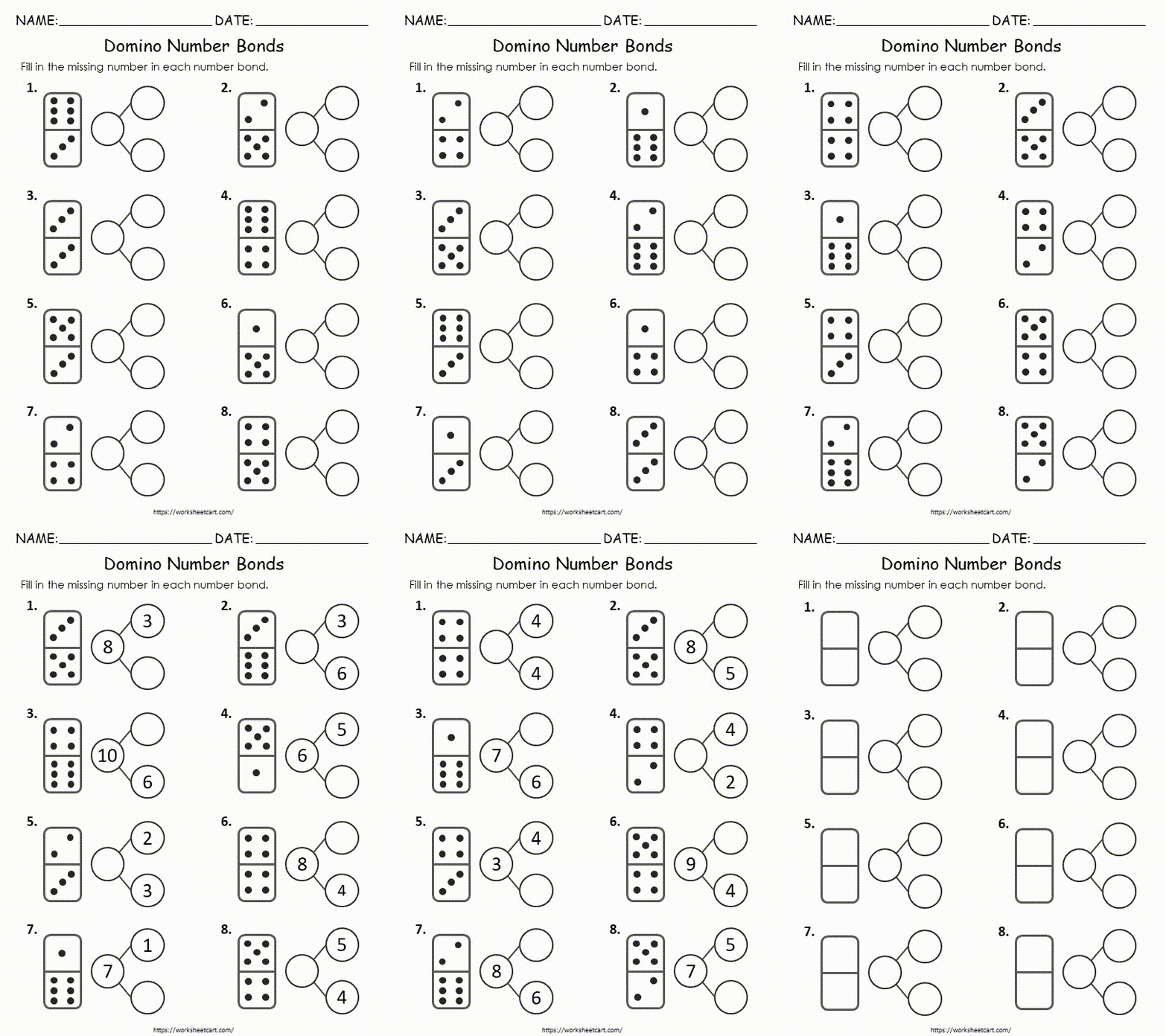
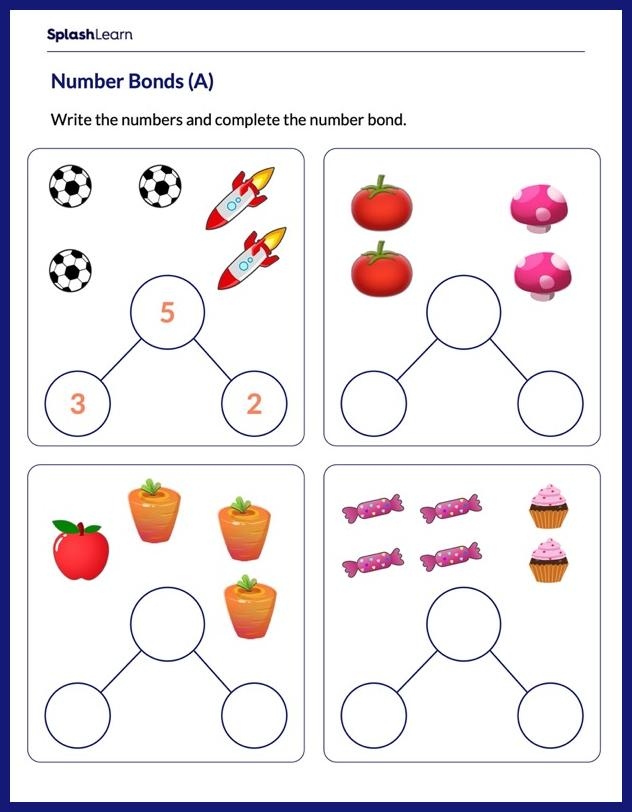
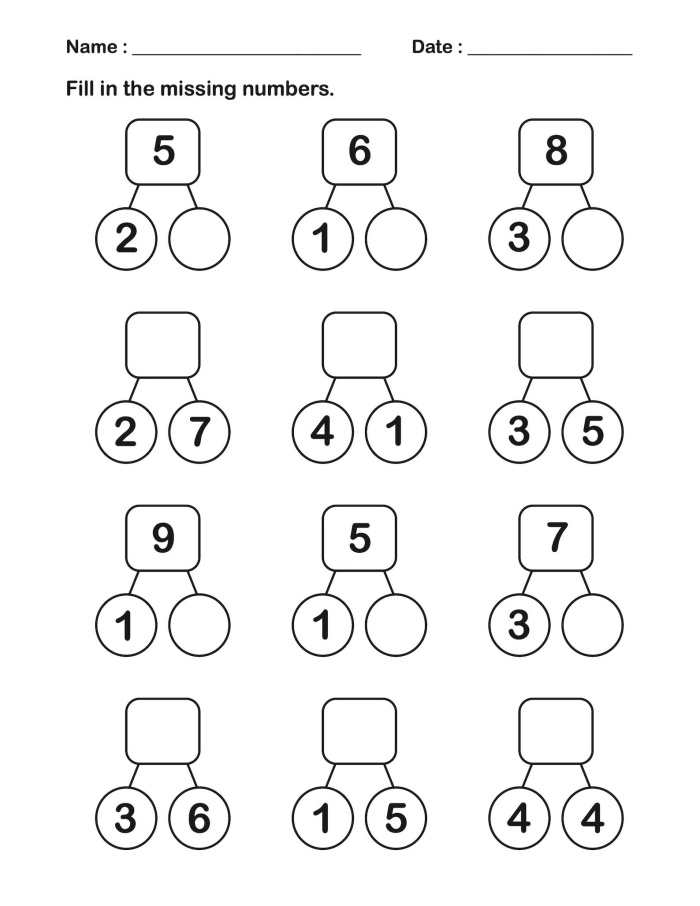
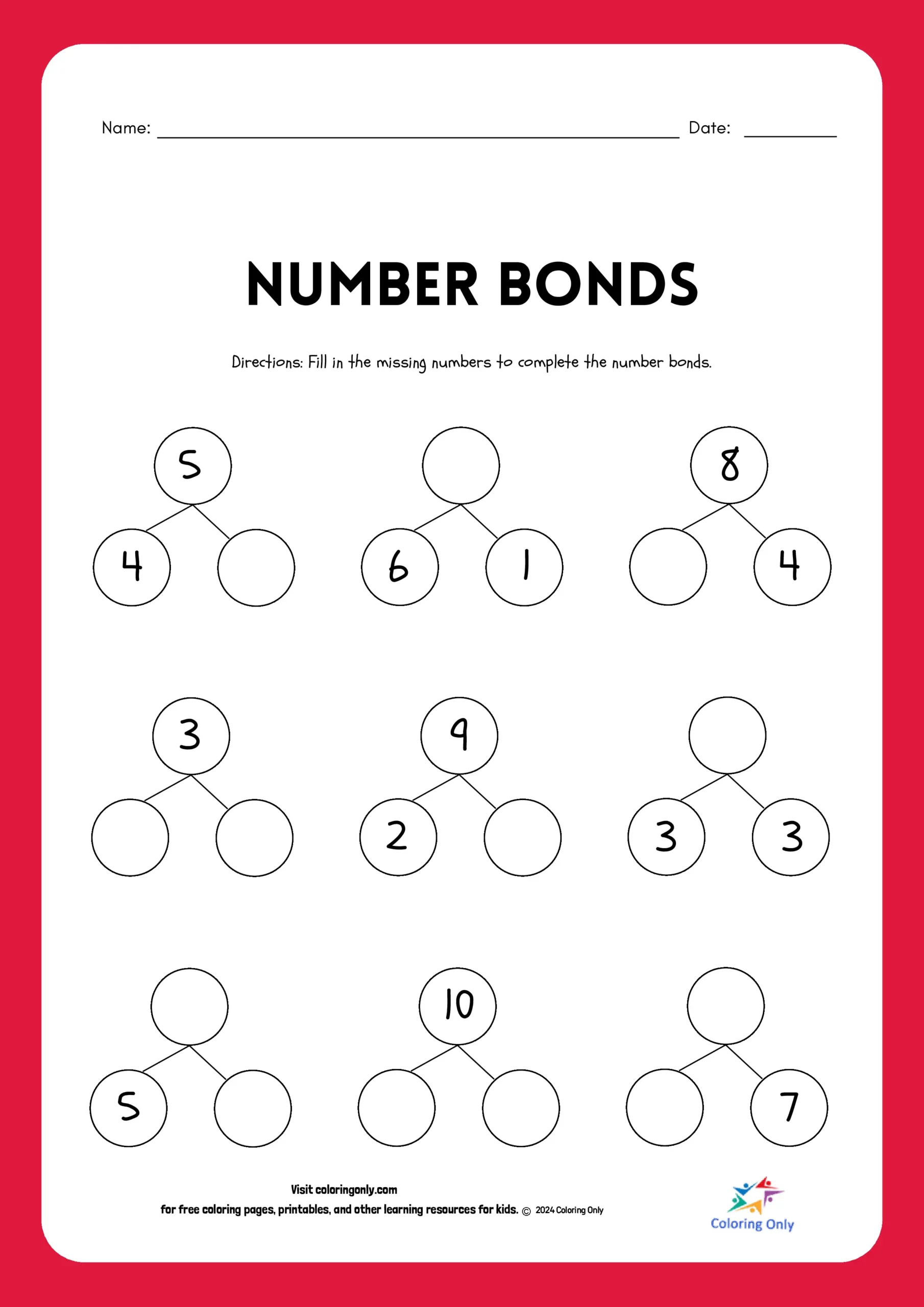
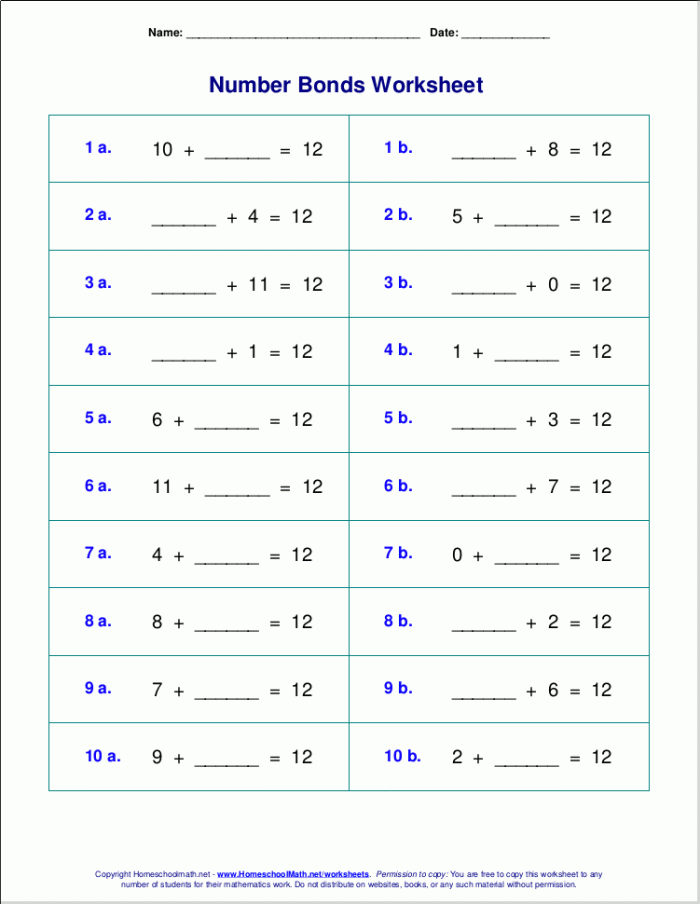
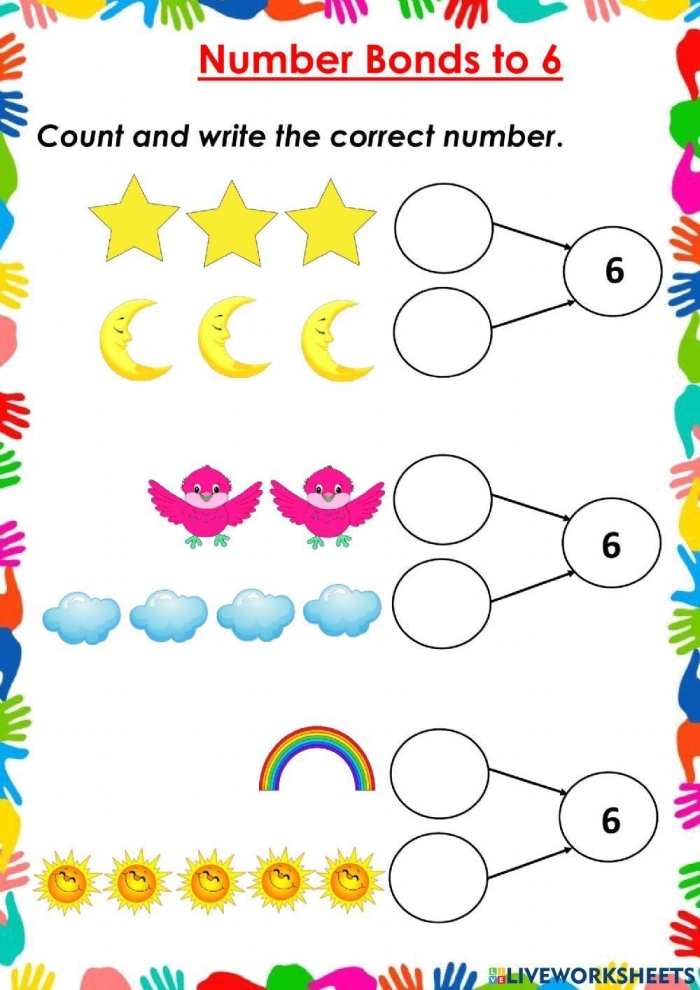
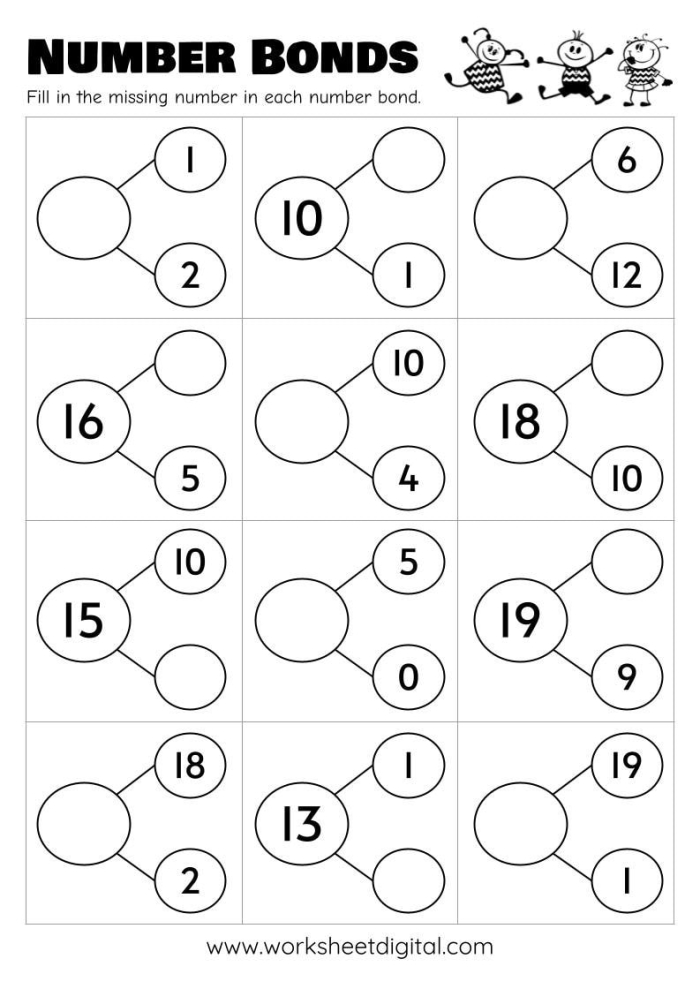
Number bonds offer a direct path for first grade students to see how addition and subtraction connect. When kids work with number bonds, they’re not just memorizing isolated facts—they’re building a mental framework that shows how numbers relate to each other.
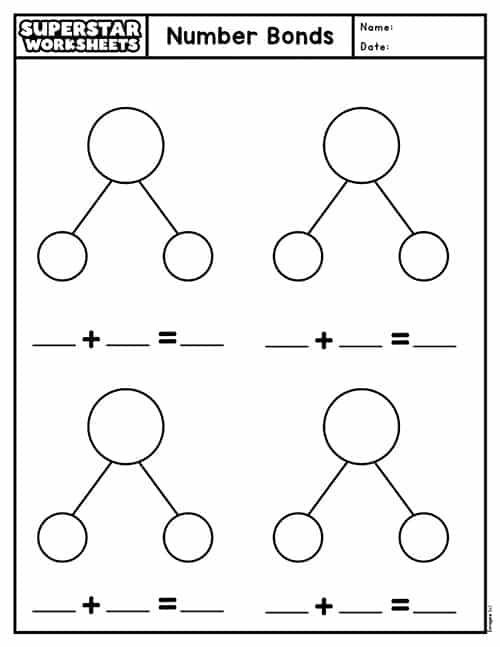
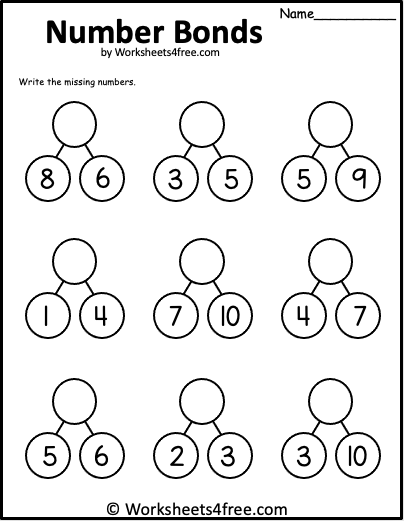
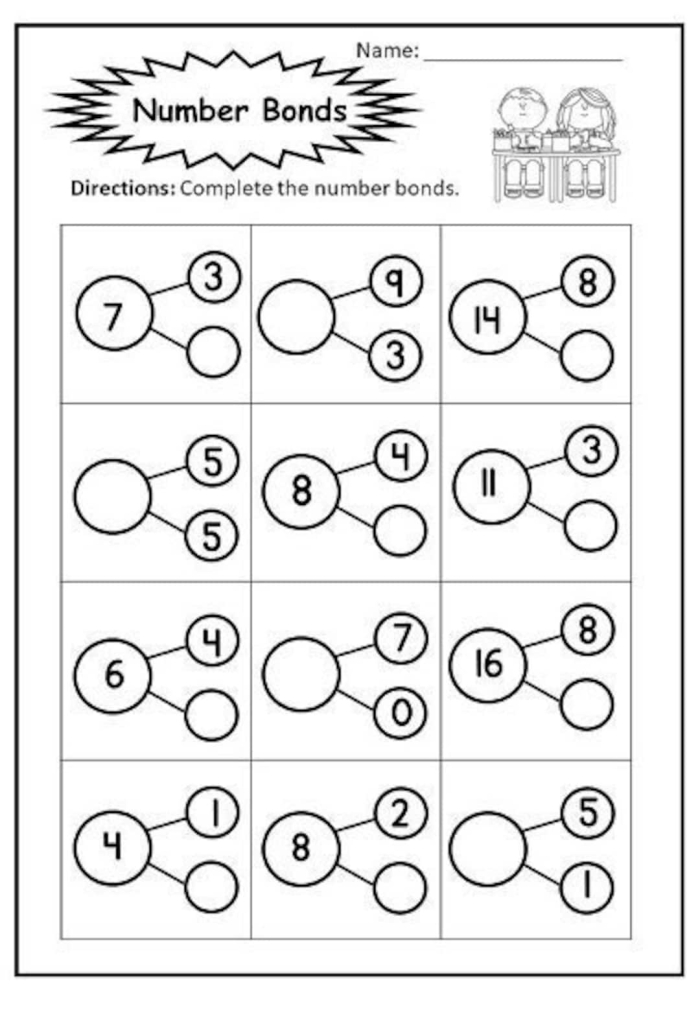
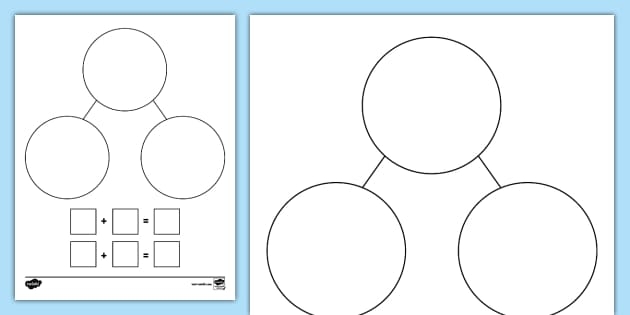
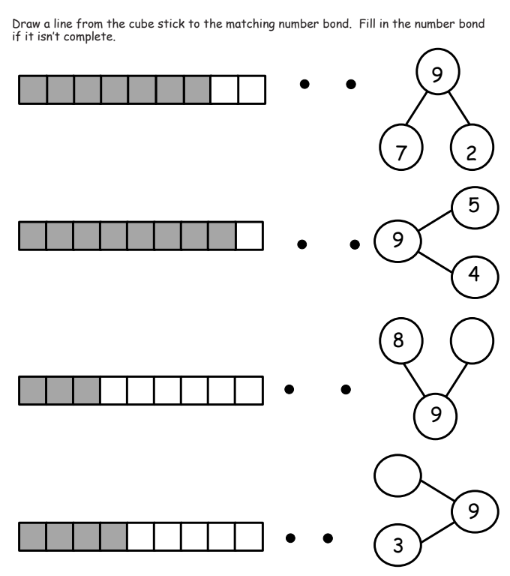
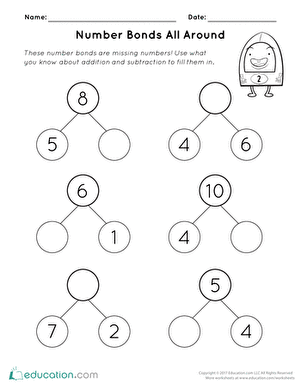
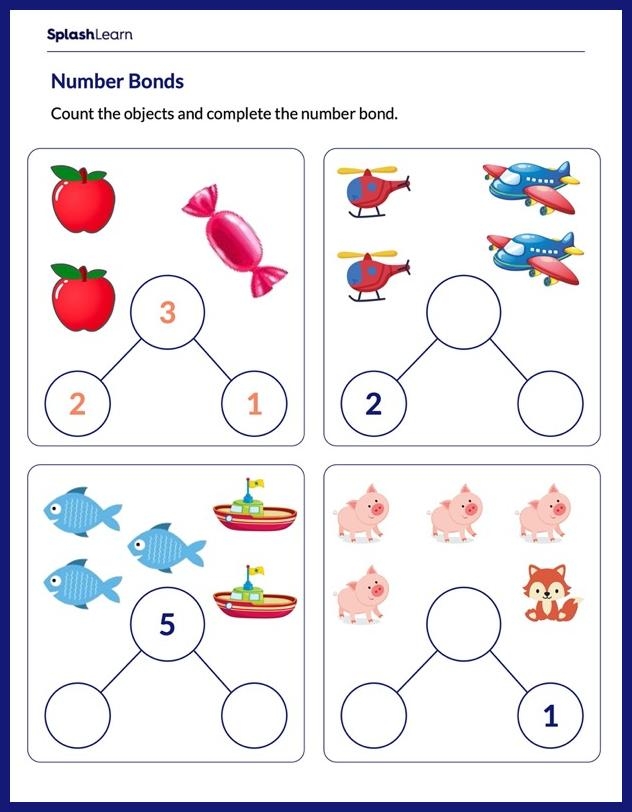
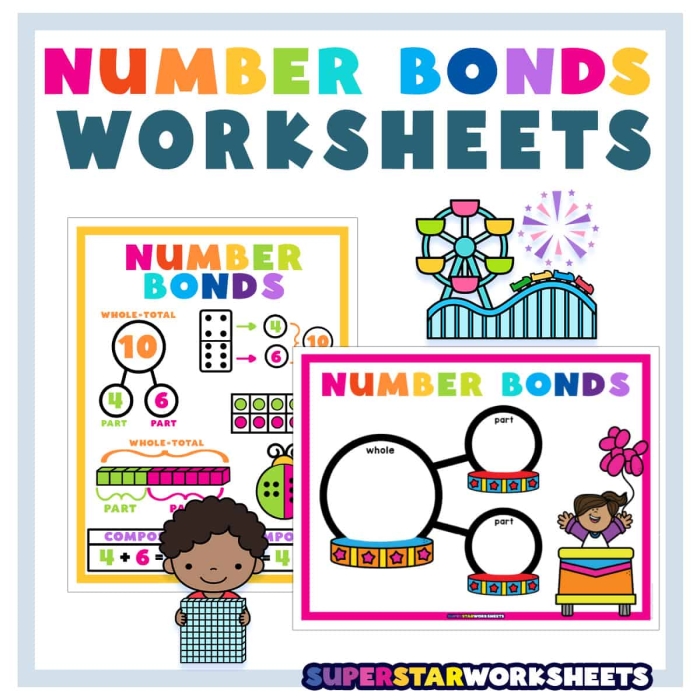
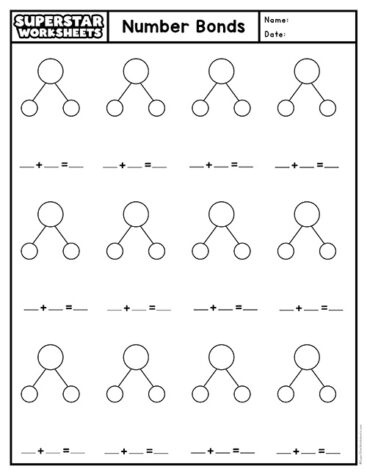
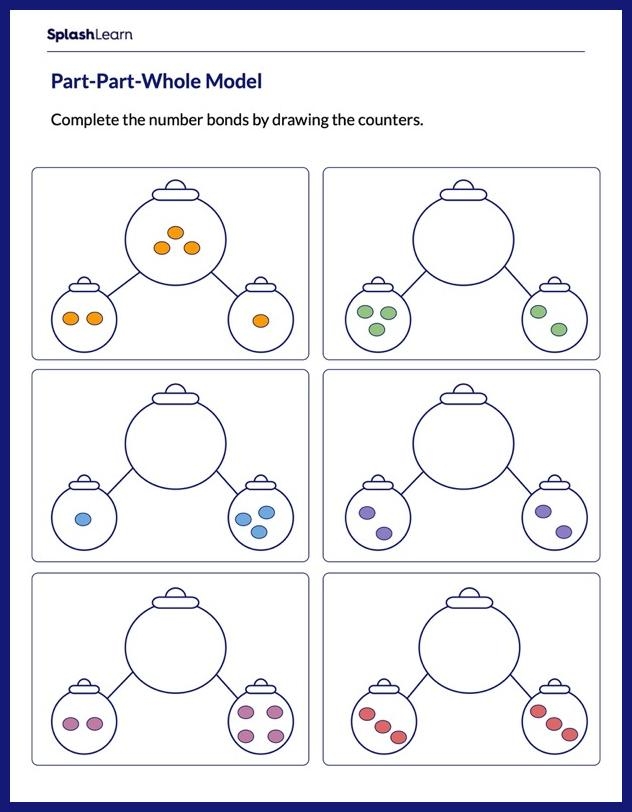
A number bond is simple in structure: a circle in the center with two or more circles branching out from it. The center circle holds the whole number, while the outer circles contain the parts. For example, if the whole is 7, the parts might be 3 and 4. This visual setup helps children understand that 3 + 4 = 7, but also that 7 – 3 = 4 and 7 – 4 = 3. All of these facts belong to the same family.
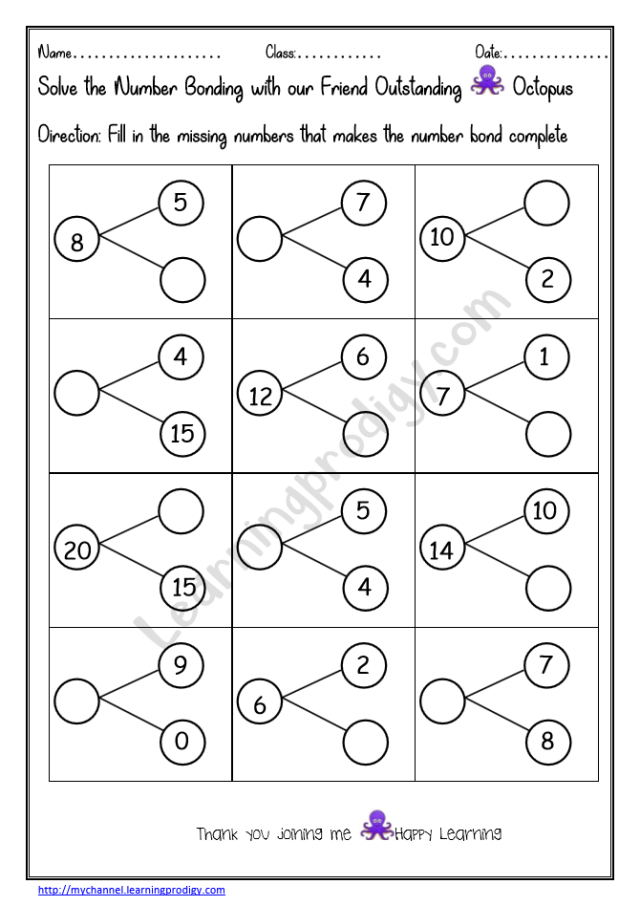
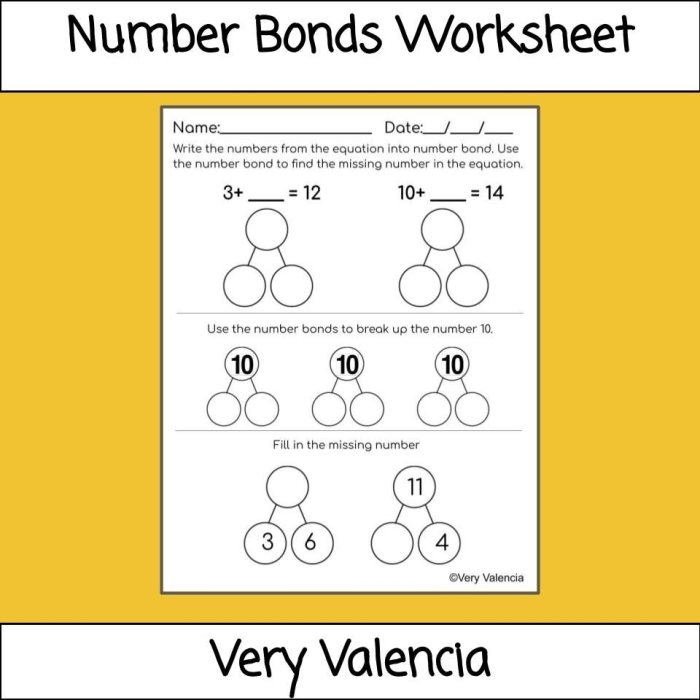
By filling in missing numbers, students experience what educators call fact families. These are sets of related equations that use the same three numbers. First graders benefit enormously from recognizing these patterns because it reduces the cognitive load of memorization. Instead of learning addition and subtraction as separate skills, children see them as inverse operations working together.
The vocabulary surrounding number bonds reinforces mathematical thinking. Terms like “whole,” “part,” and “sum” become meaningful when students can point to them on a diagram. This concrete approach to abstract concepts makes the learning stick.
Number bonds work well alongside other foundational activities. As children develop skills with number comparison and counting, number bonds deepen their understanding of how those numbers function in equations. The combination of visual learning and hands-on practice creates a stronger foundation for later math concepts.
Teachers and parents who use number bonds consistently report that students develop greater confidence with basic facts and show improved problem-solving strategies when they encounter word problems later on.
Try These Printable Worksheets