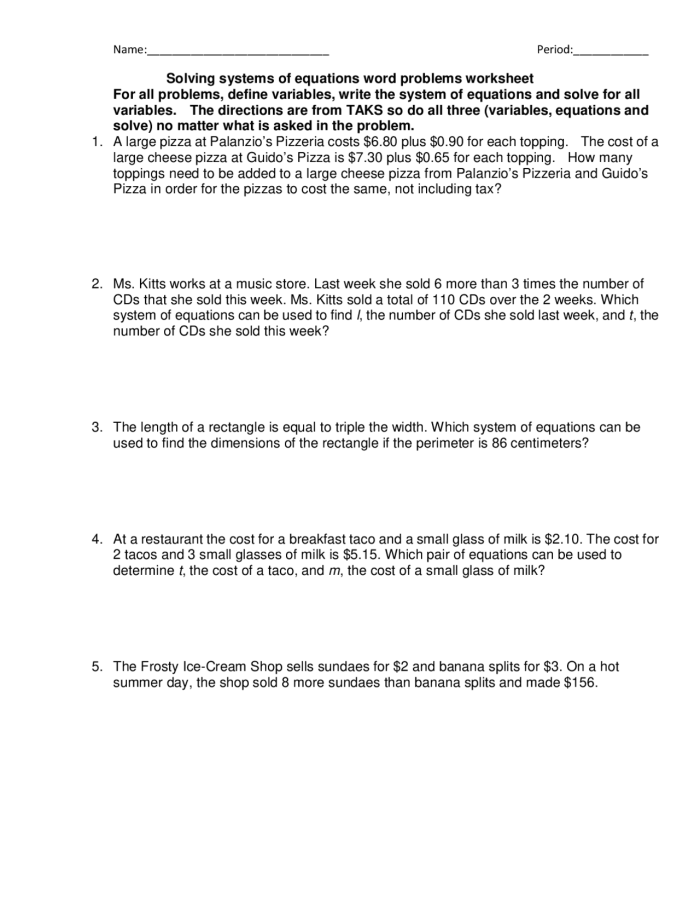
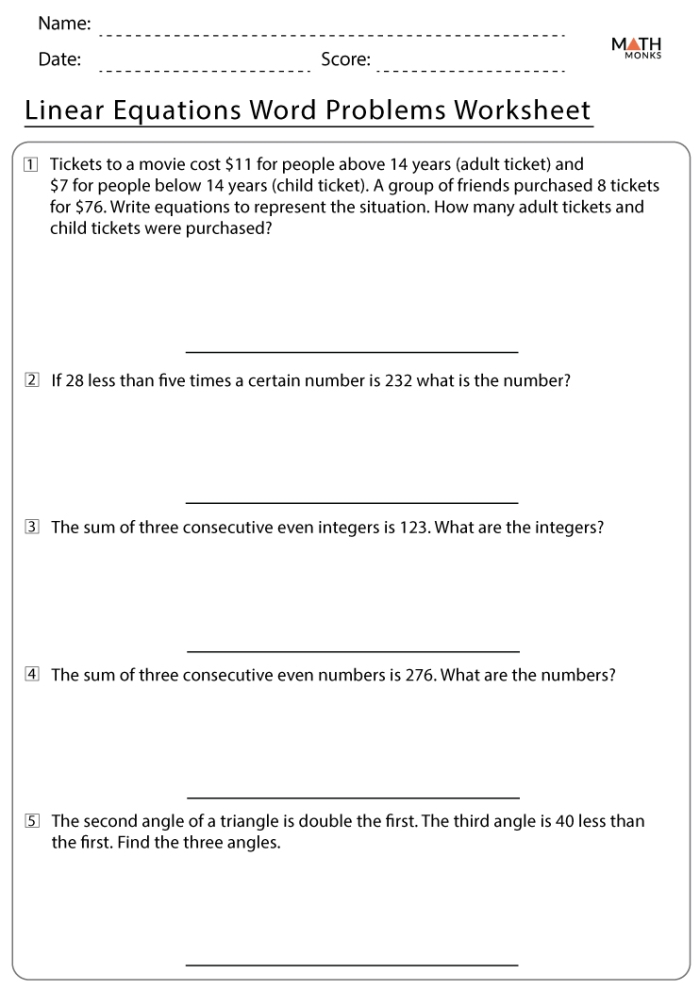
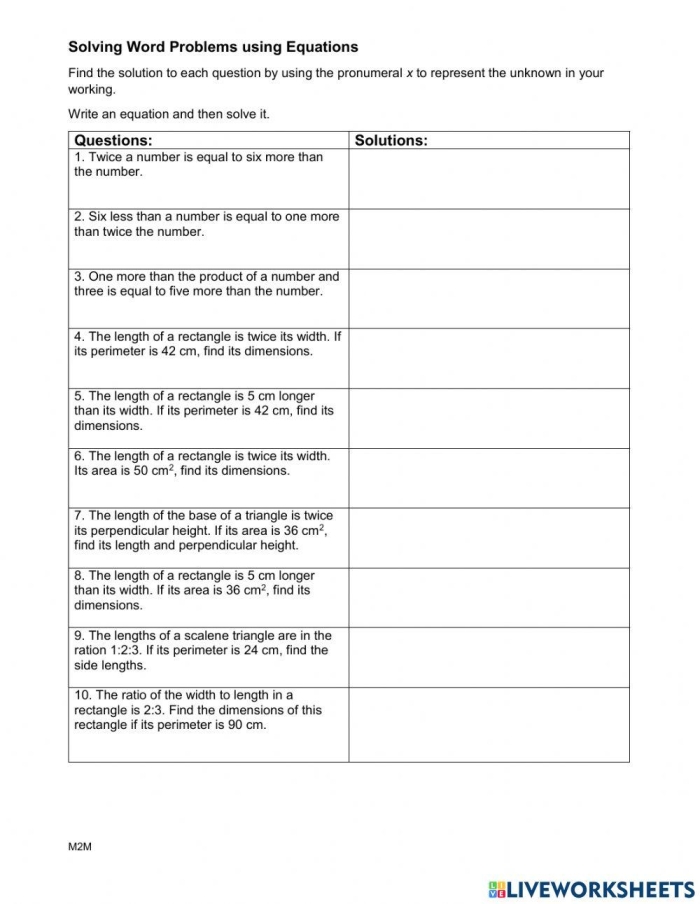
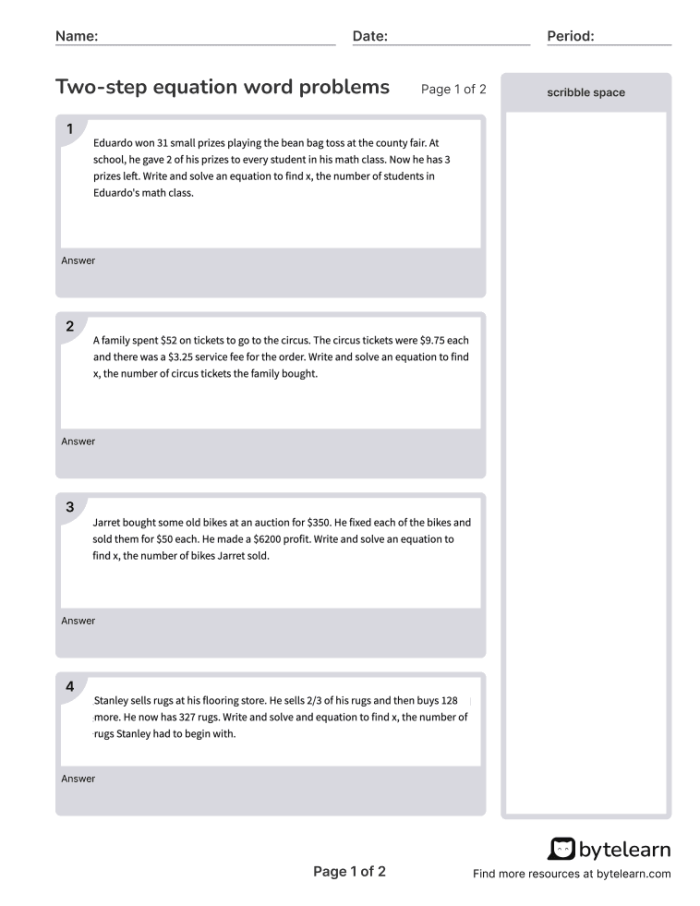
When sixth grade students encounter word problems, many freeze at the sight of text-heavy questions. The real challenge isn’t the reading itself, but translating everyday situations into equations they can actually solve. Mixed operation word problems sit at the intersection of literacy and mathematics, demanding that learners read carefully, identify what’s being asked, and apply algebraic reasoning to find answers.
The strength of using word problems lies in their authenticity. A student calculating how much money they’ll have left after buying supplies at different prices learns algebra through a scenario they can visualize. They’re not just manipulating abstract numbers; they’re solving problems that could happen tomorrow. This connection between reading comprehension and mathematical thinking is where real learning takes root.
Mixed operation problems require students to perform multiple steps: adding, subtracting, multiplying, or dividing in sequence. This mirrors how actual problems unfold in life. A sixth grader might need to figure out the cost of three items at one price plus two items at another price, then subtract a discount. Each step builds on the previous one, and students must maintain focus throughout the entire process.
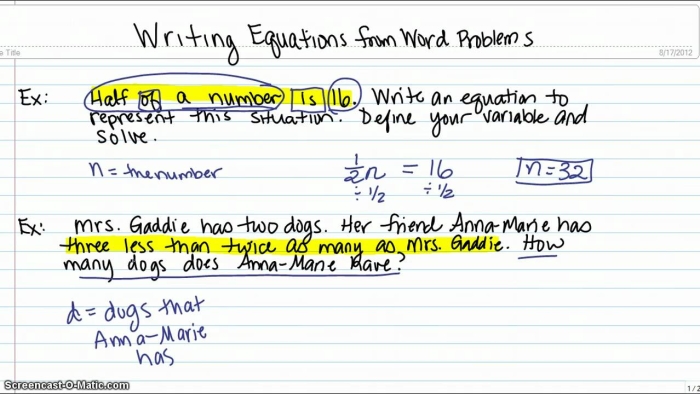
When working through these problems, learners develop stronger reading skills alongside mathematical ability. They learn to identify key information, recognize what operations are needed, and ignore irrelevant details. This skill transfers across subjects: the same careful reading required for word problems helps with analyzing narrative writing or understanding central ideas in nonfiction texts.
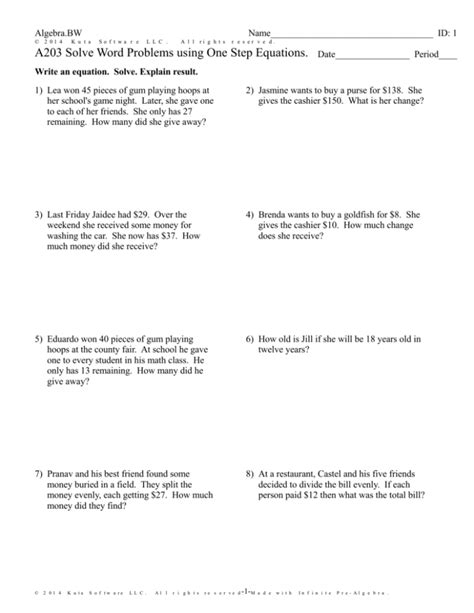
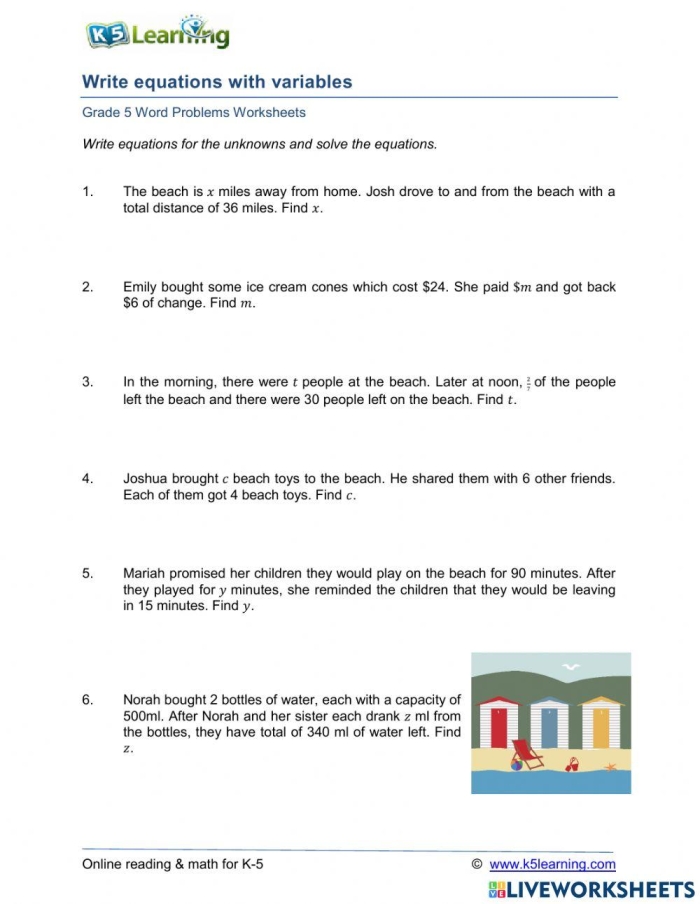
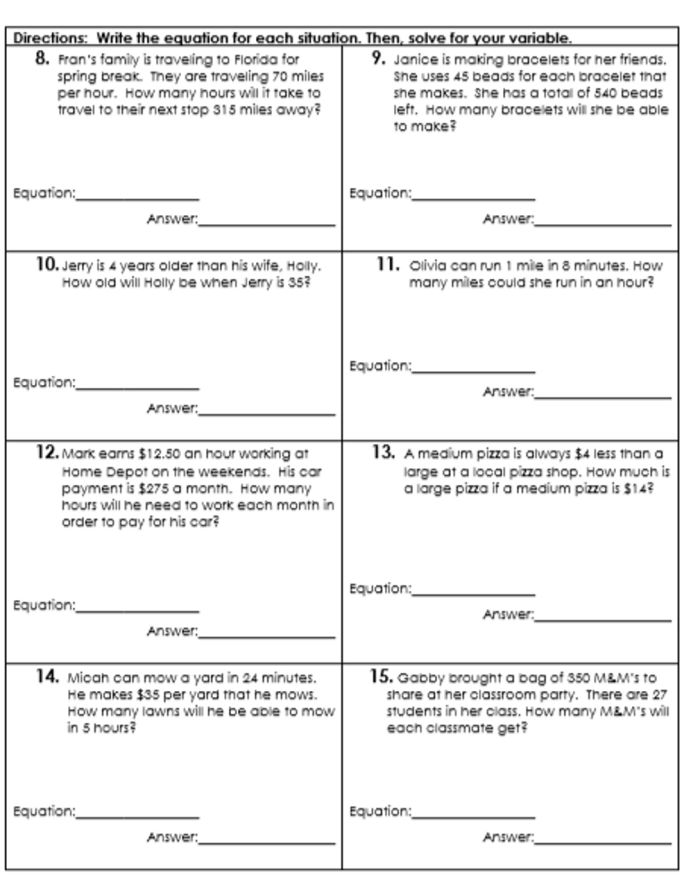
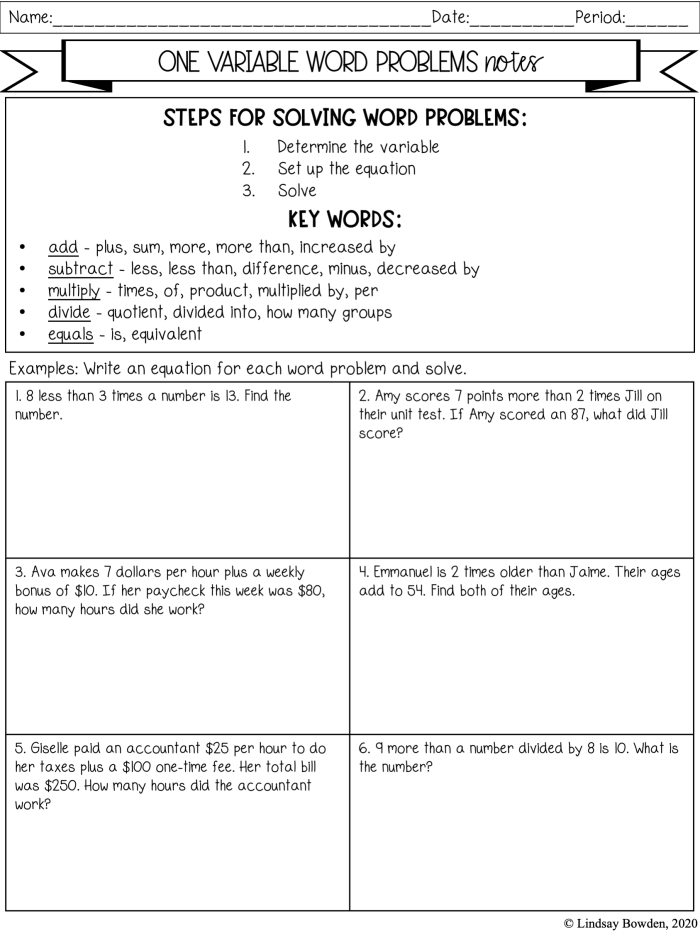
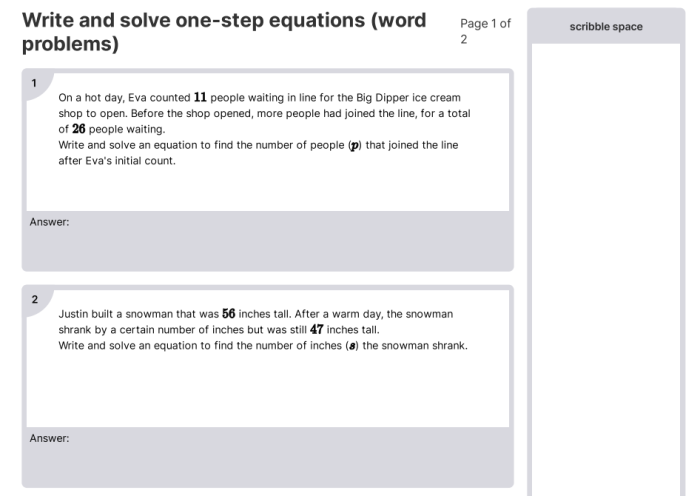
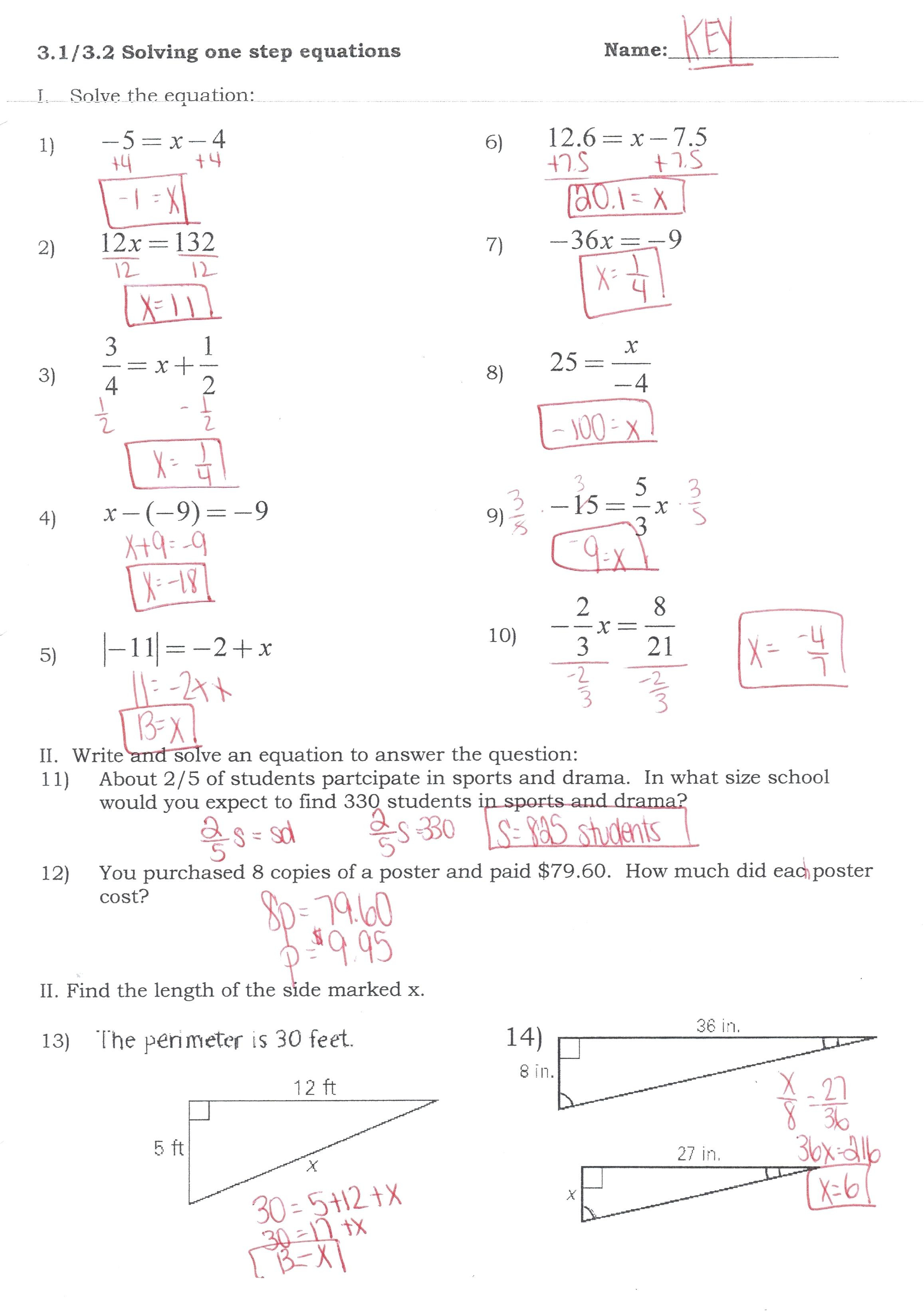
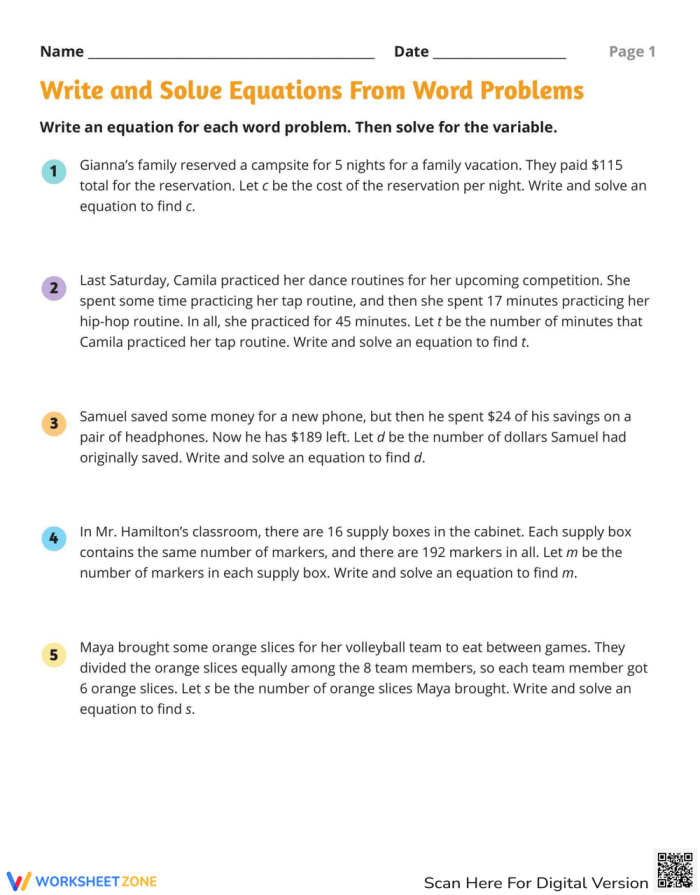
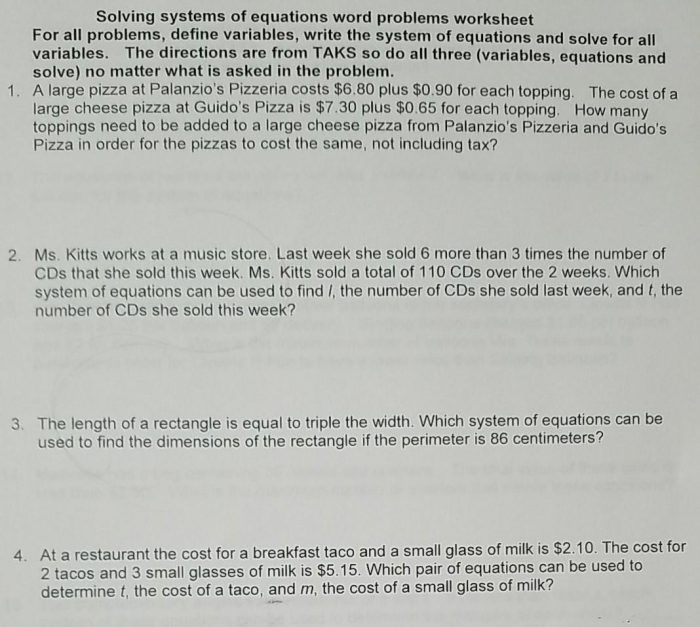
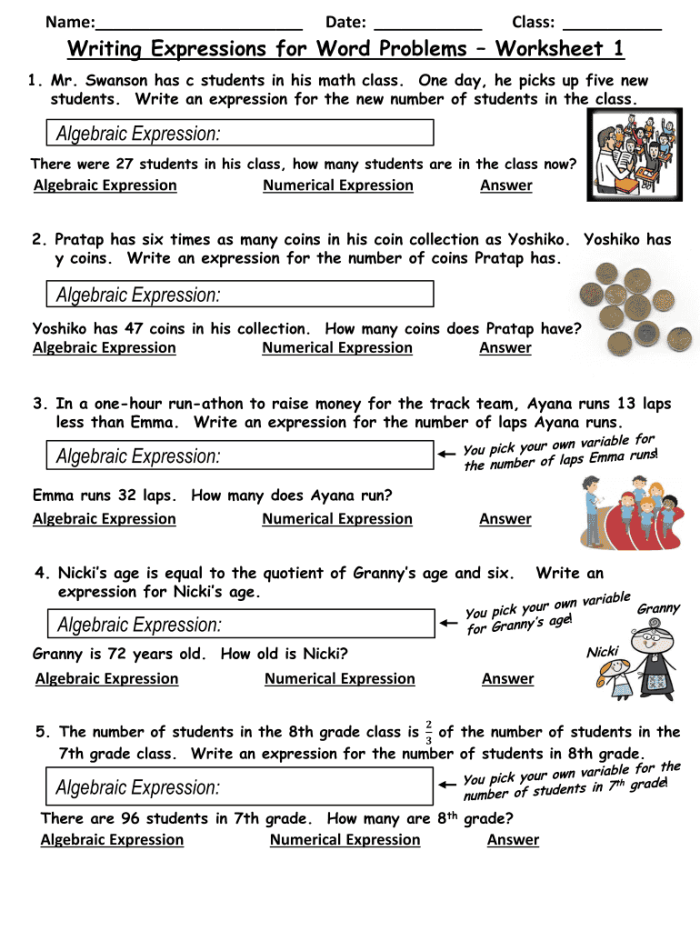
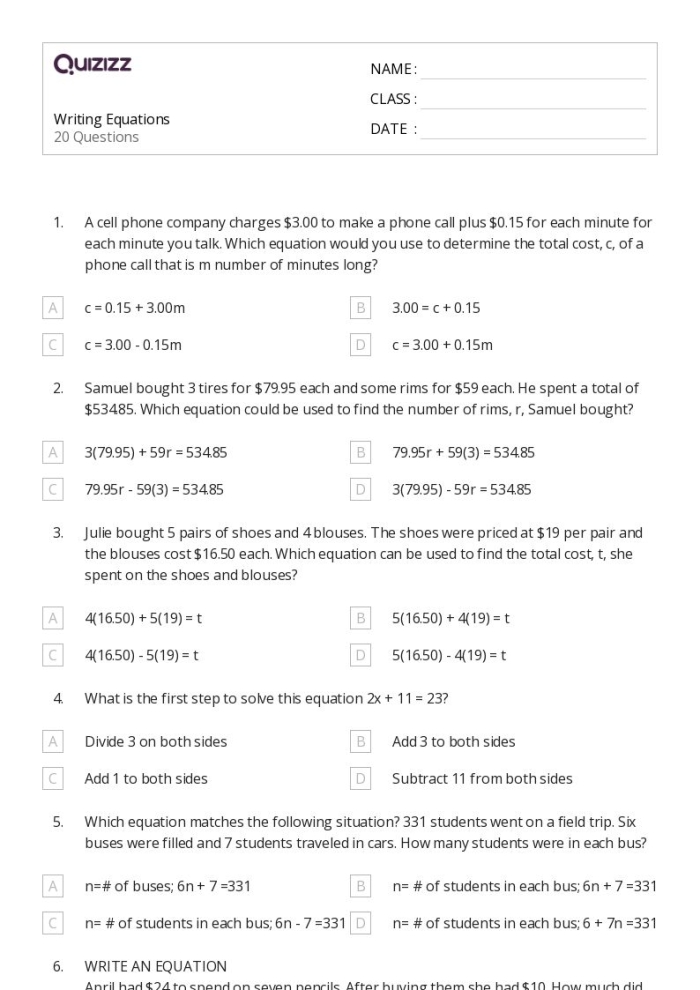
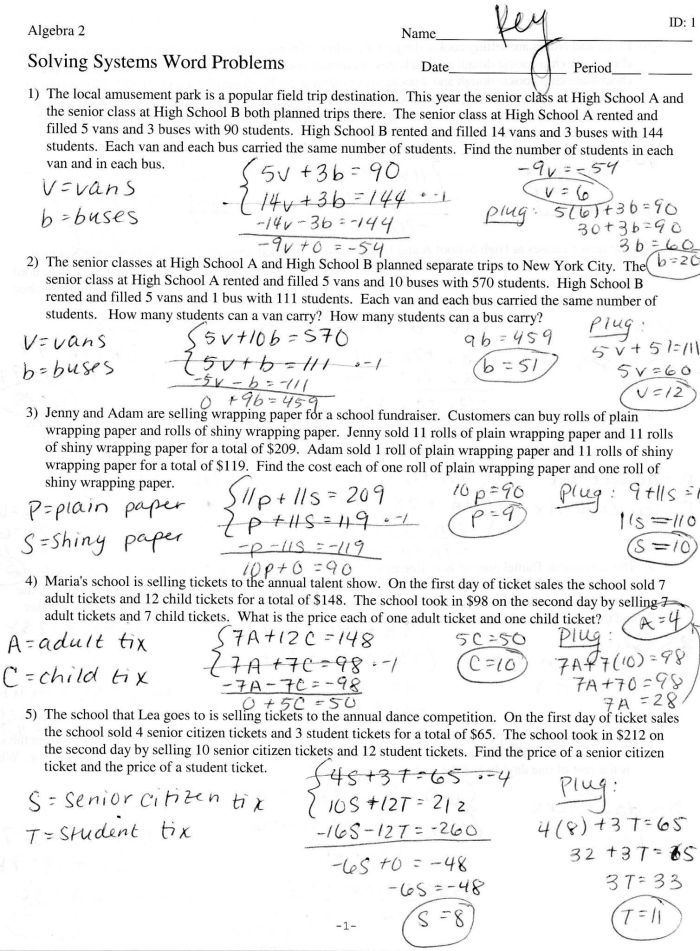
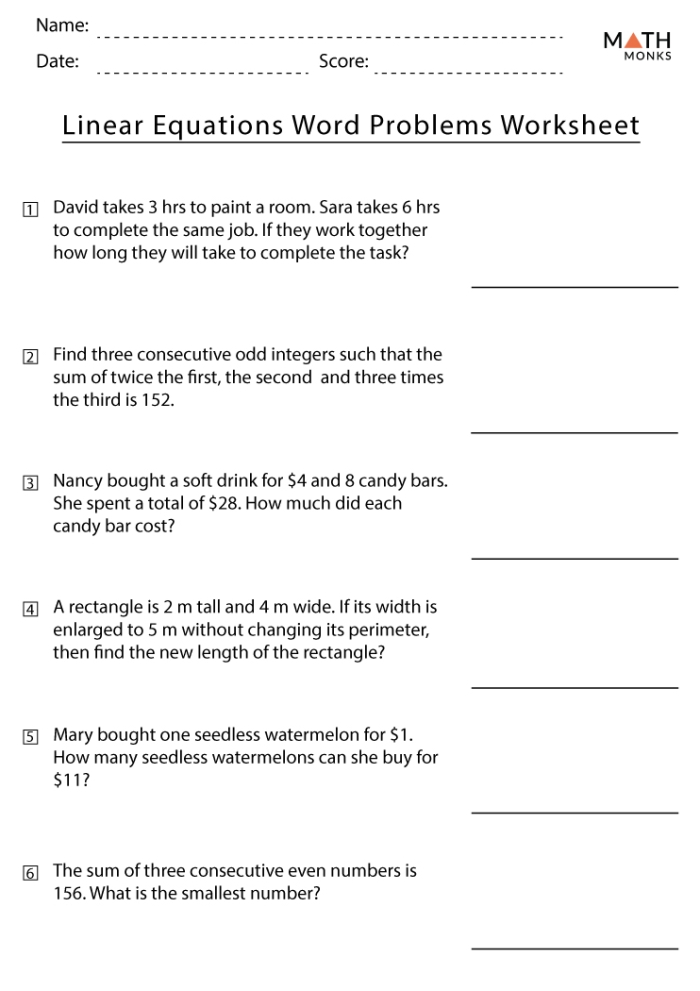
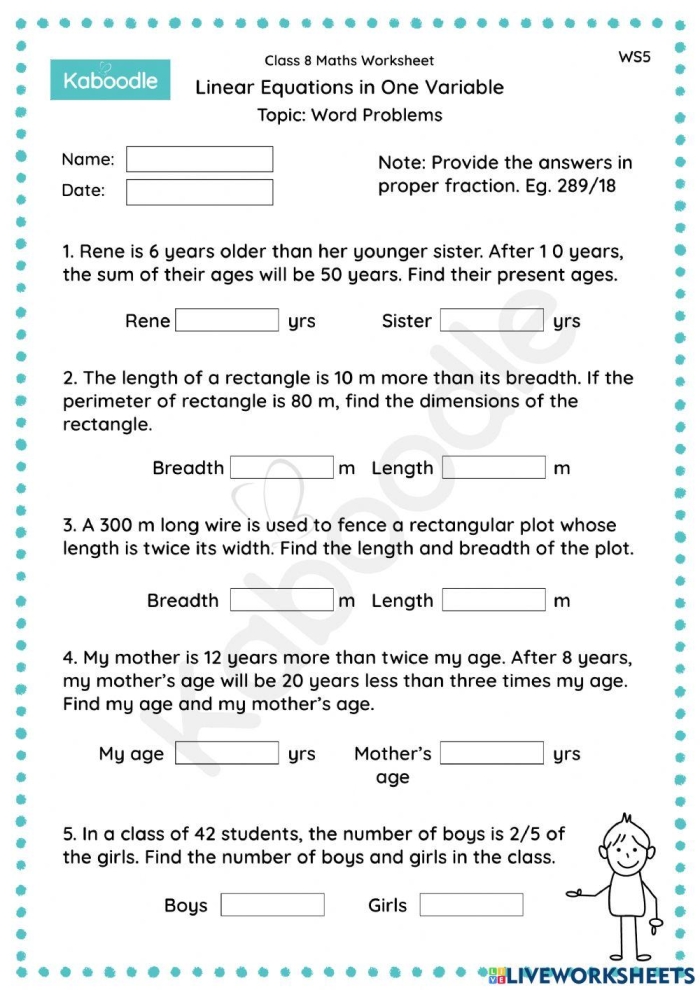
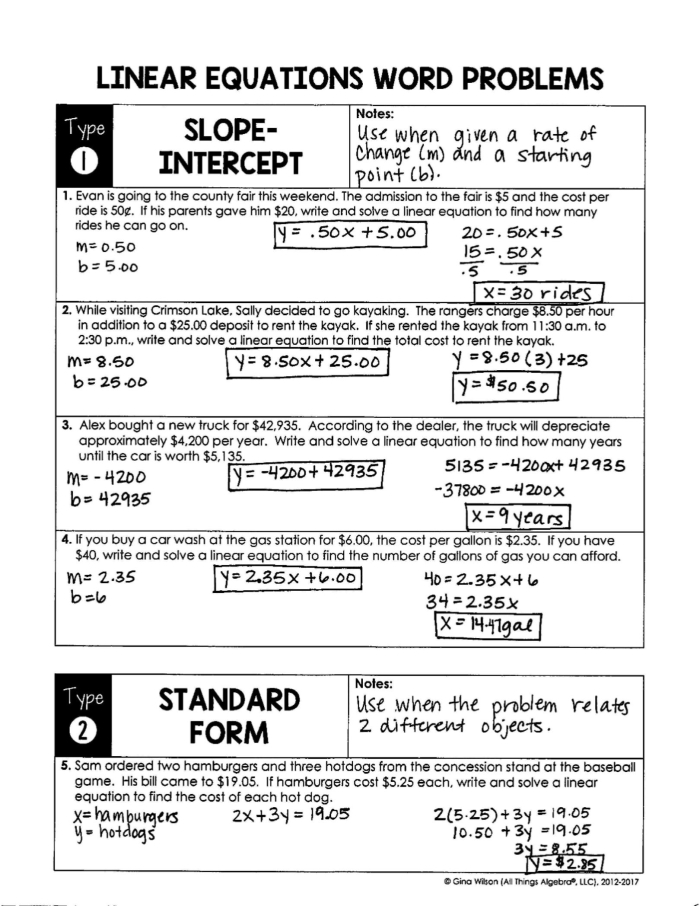
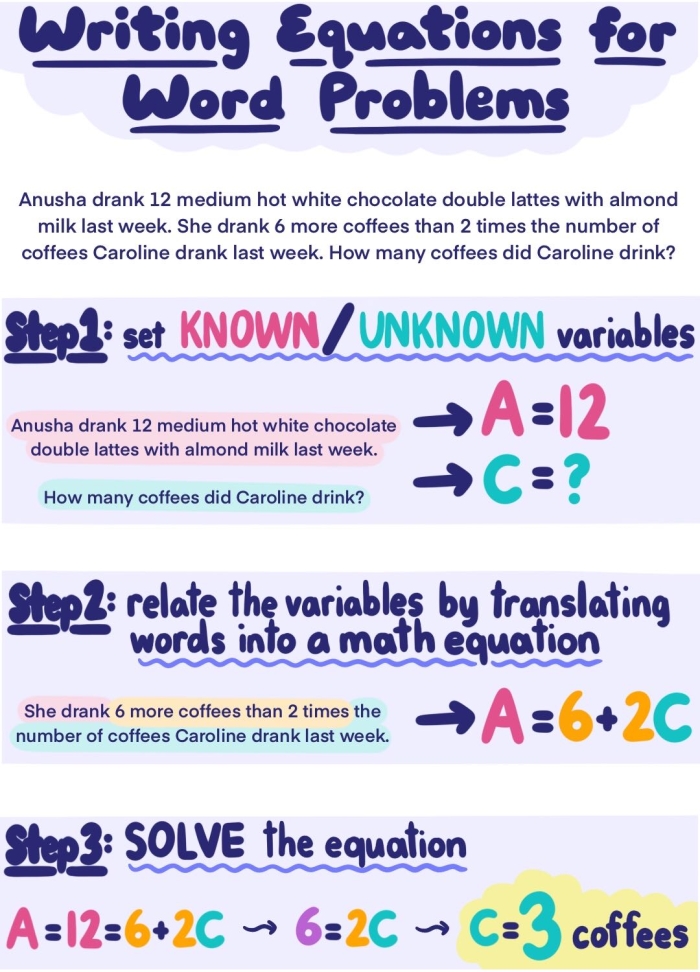
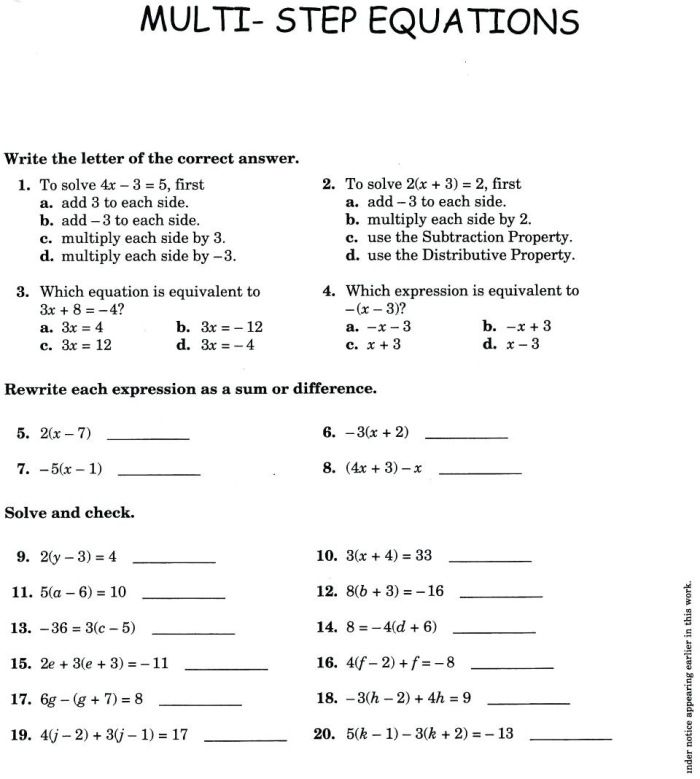
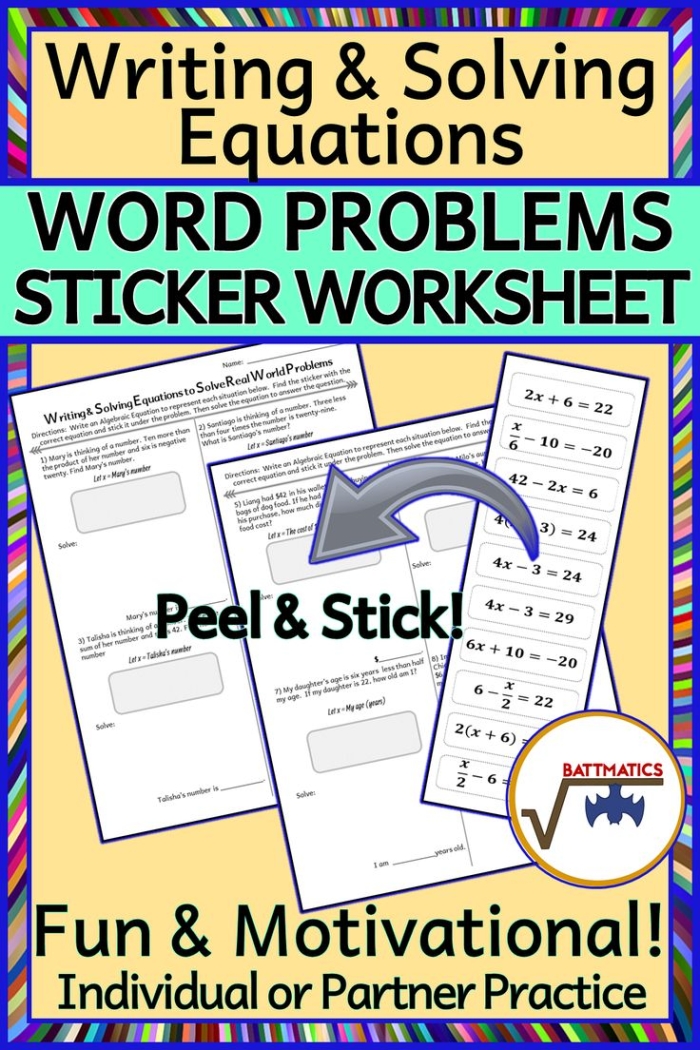
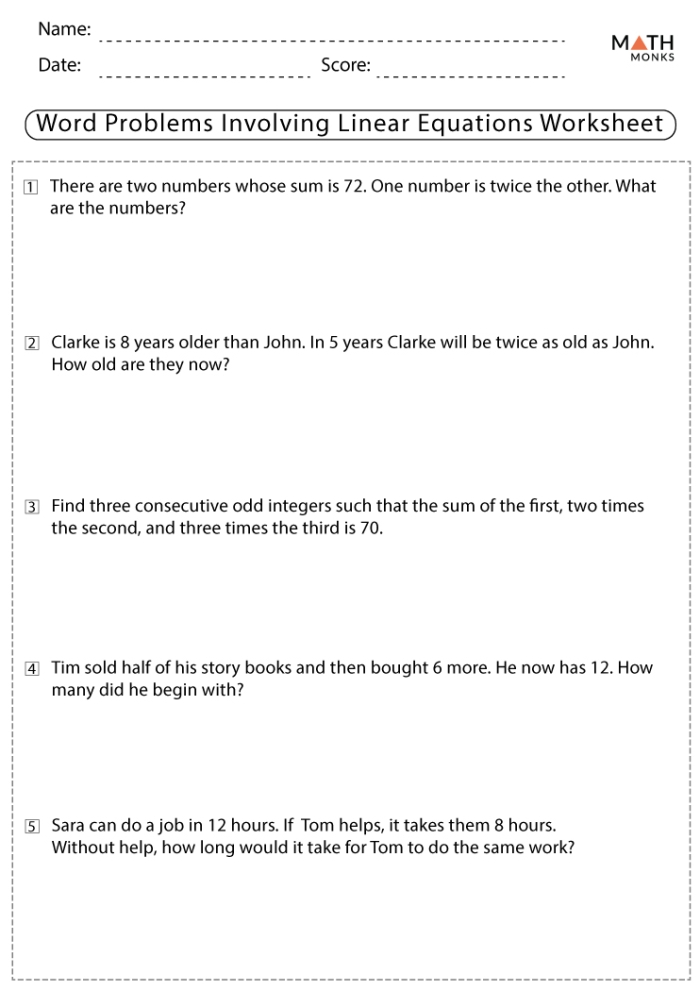
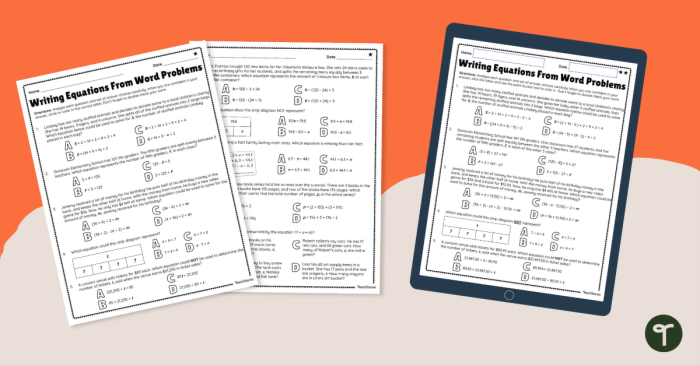
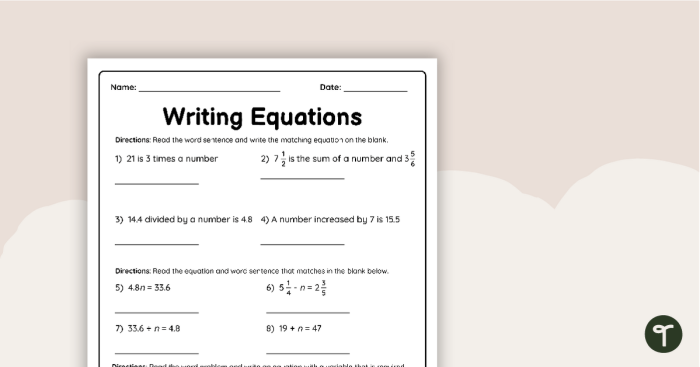
Printable worksheets with write and solve equations from word problems give teachers a practical tool for reinforcing both reading and math skills simultaneously. Students who practice regularly become confident in breaking down complex scenarios into manageable steps, a skill that extends far beyond the classroom.
Practice with These Worksheets