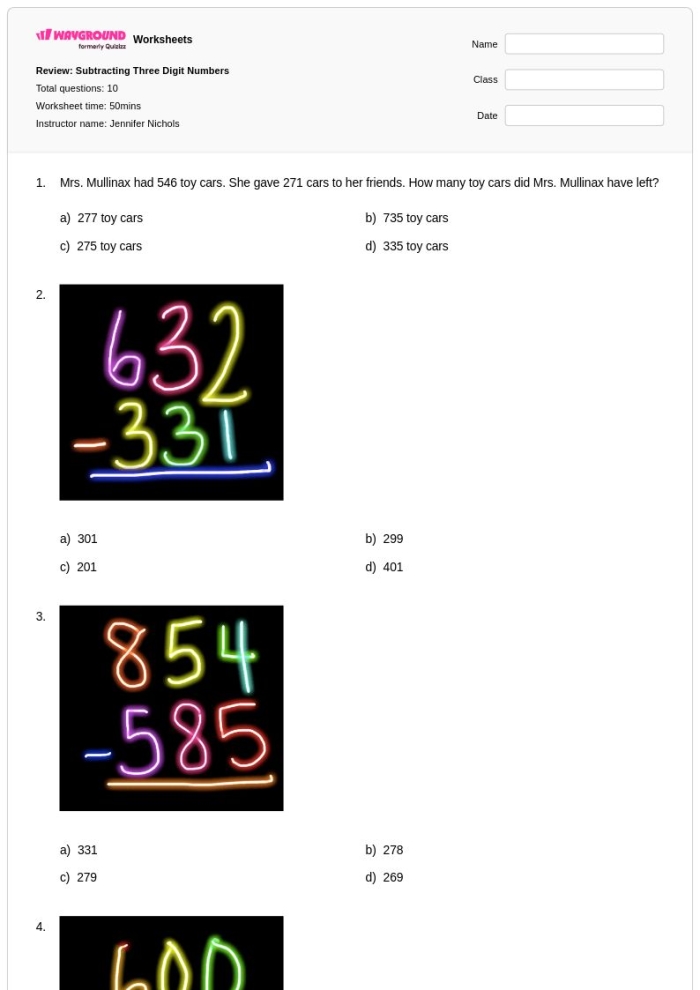
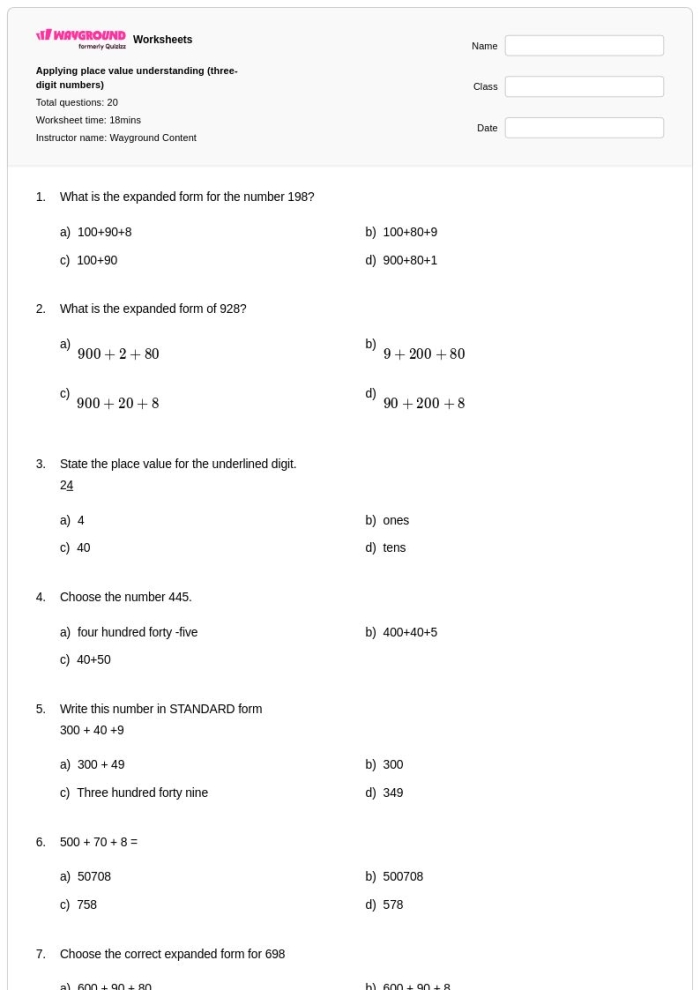
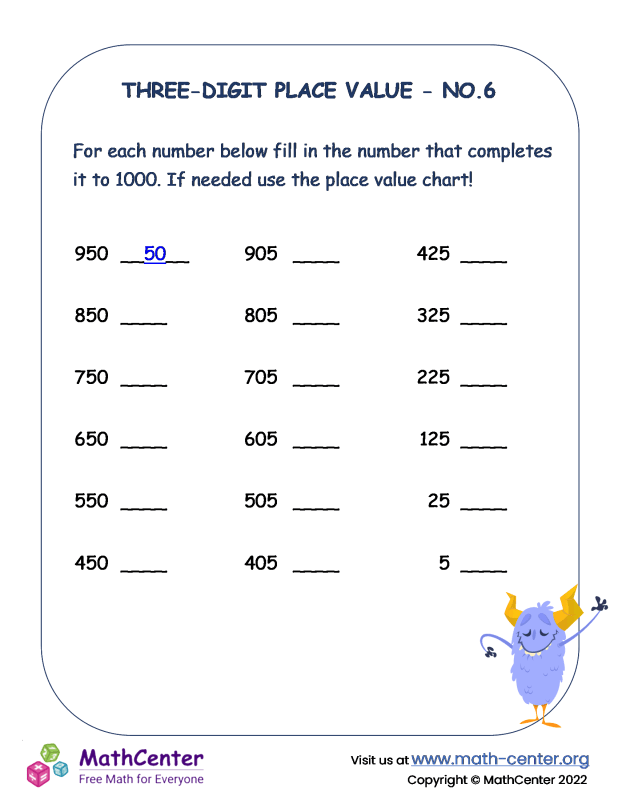
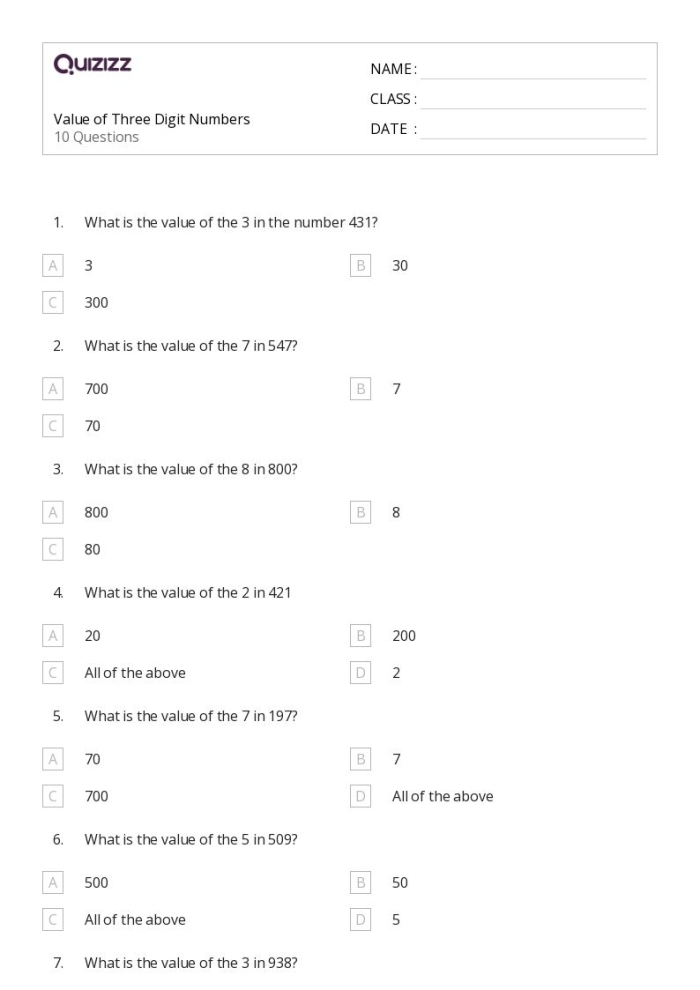
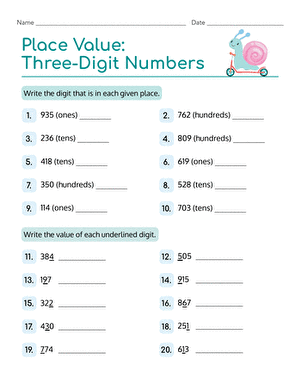
Place value becomes clearer when students work through structured practice that breaks down how numbers work. A two-part worksheet approach gives second grade learners the chance to build confidence step by step, starting with simpler recognition tasks before moving into deeper application.
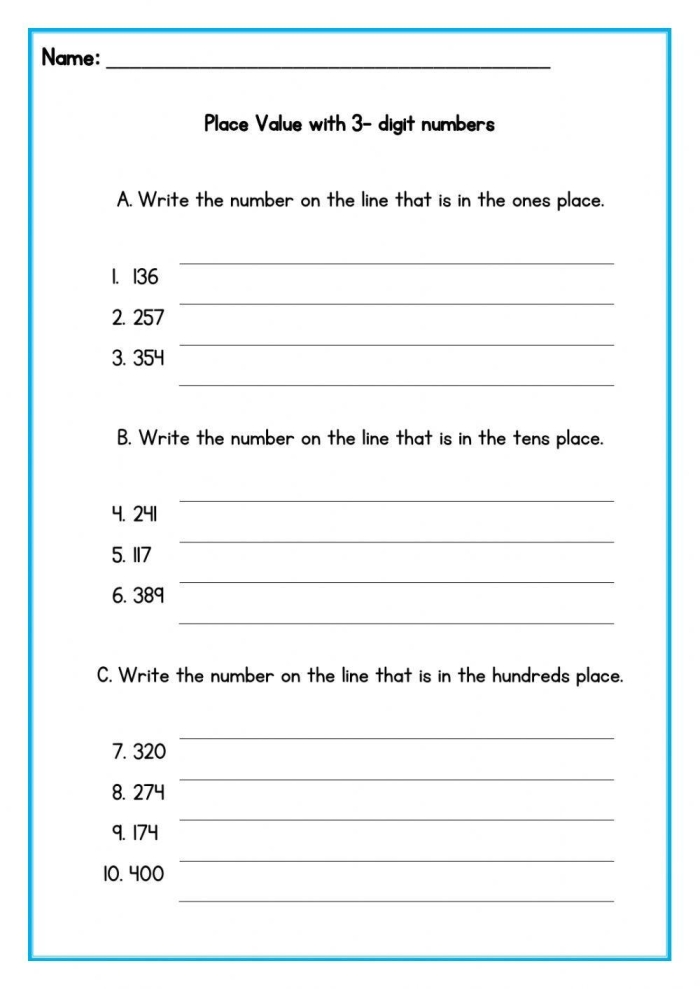
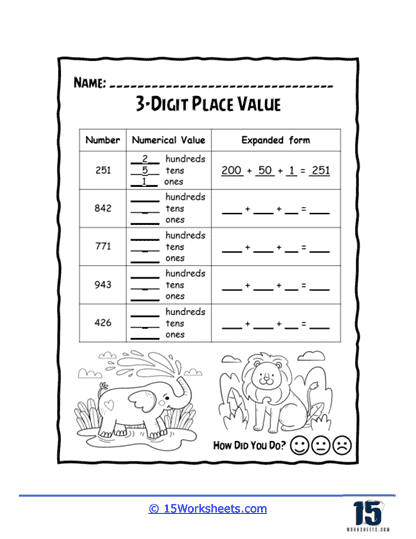
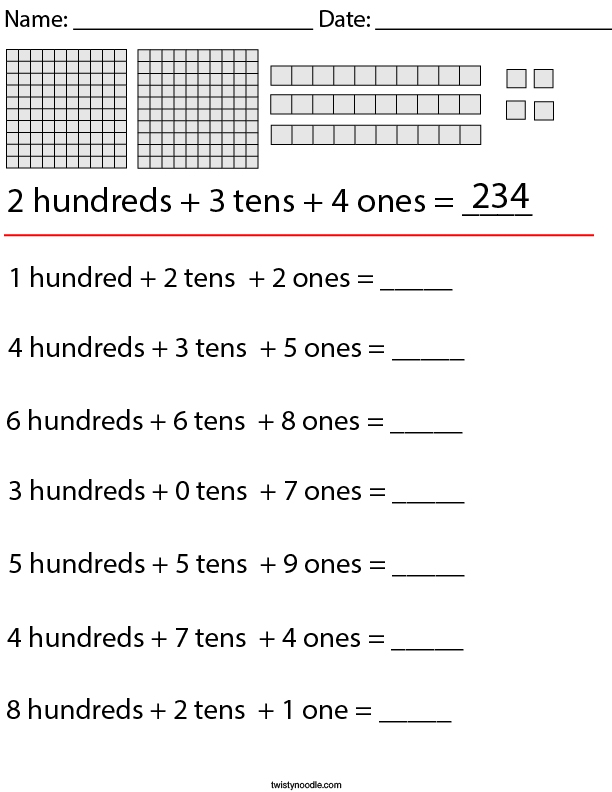
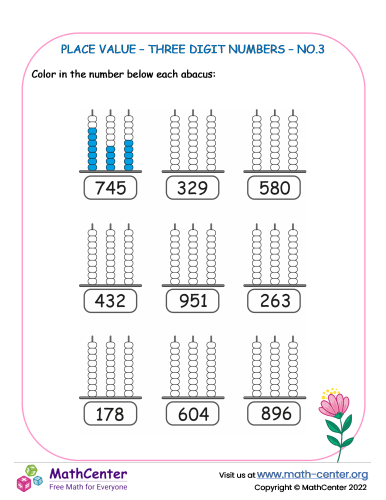
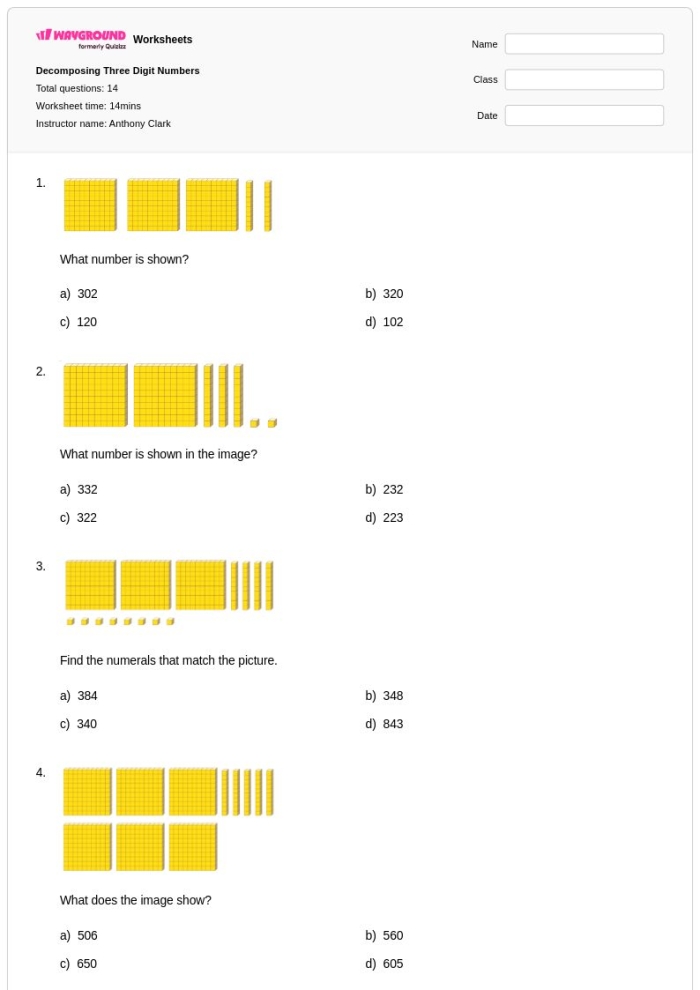
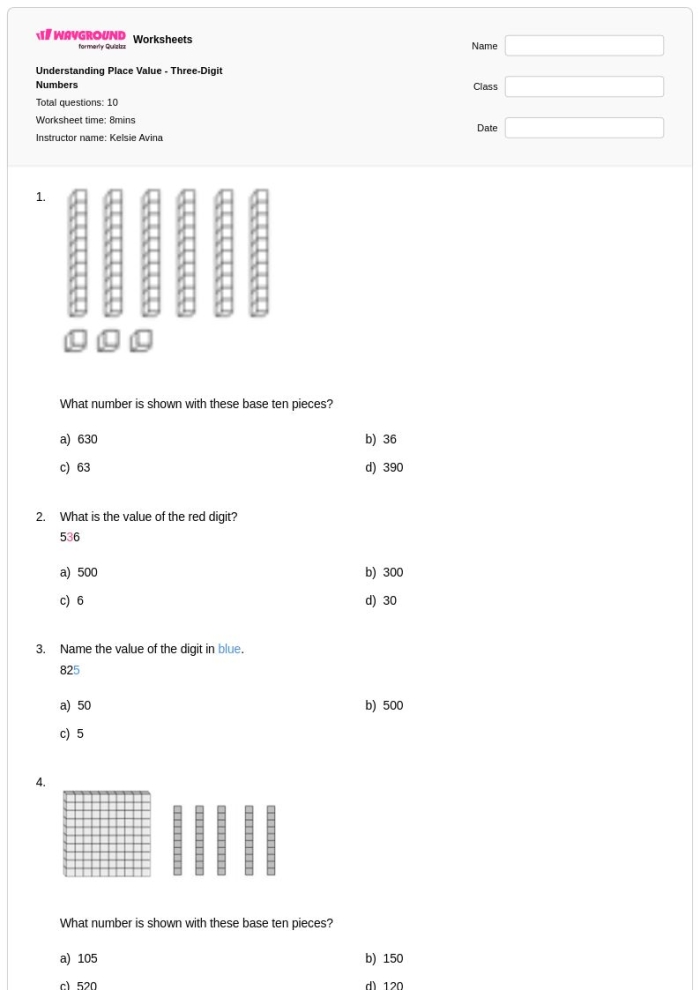
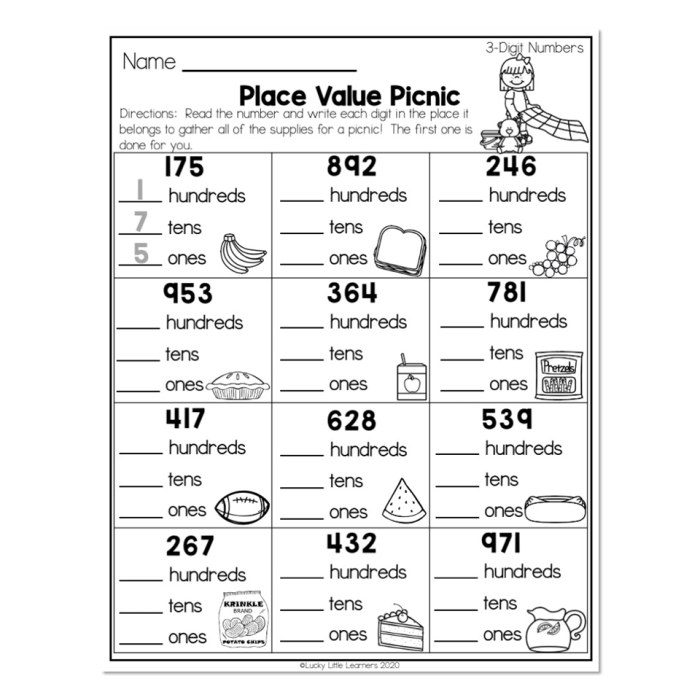
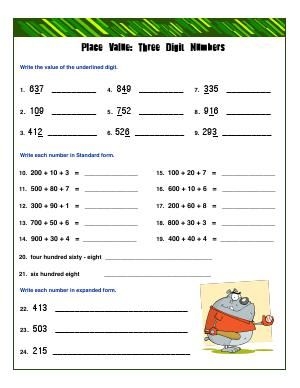
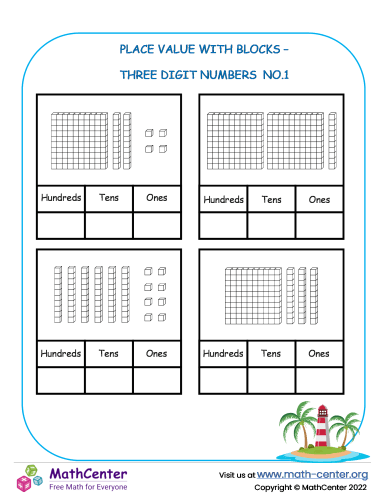
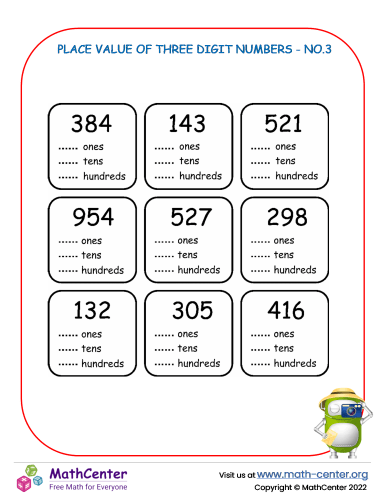
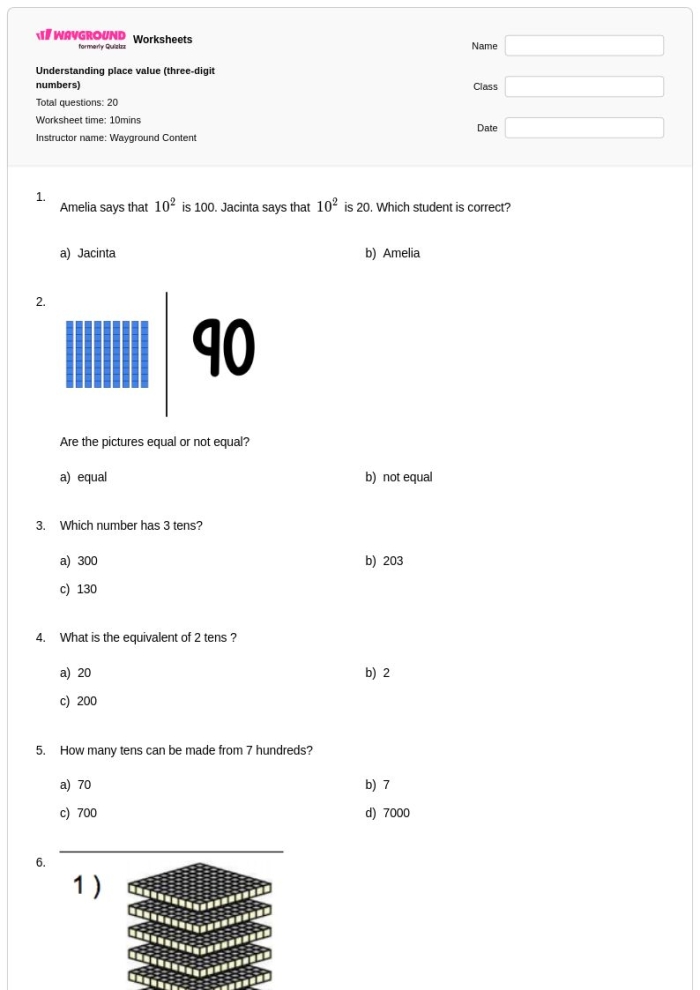
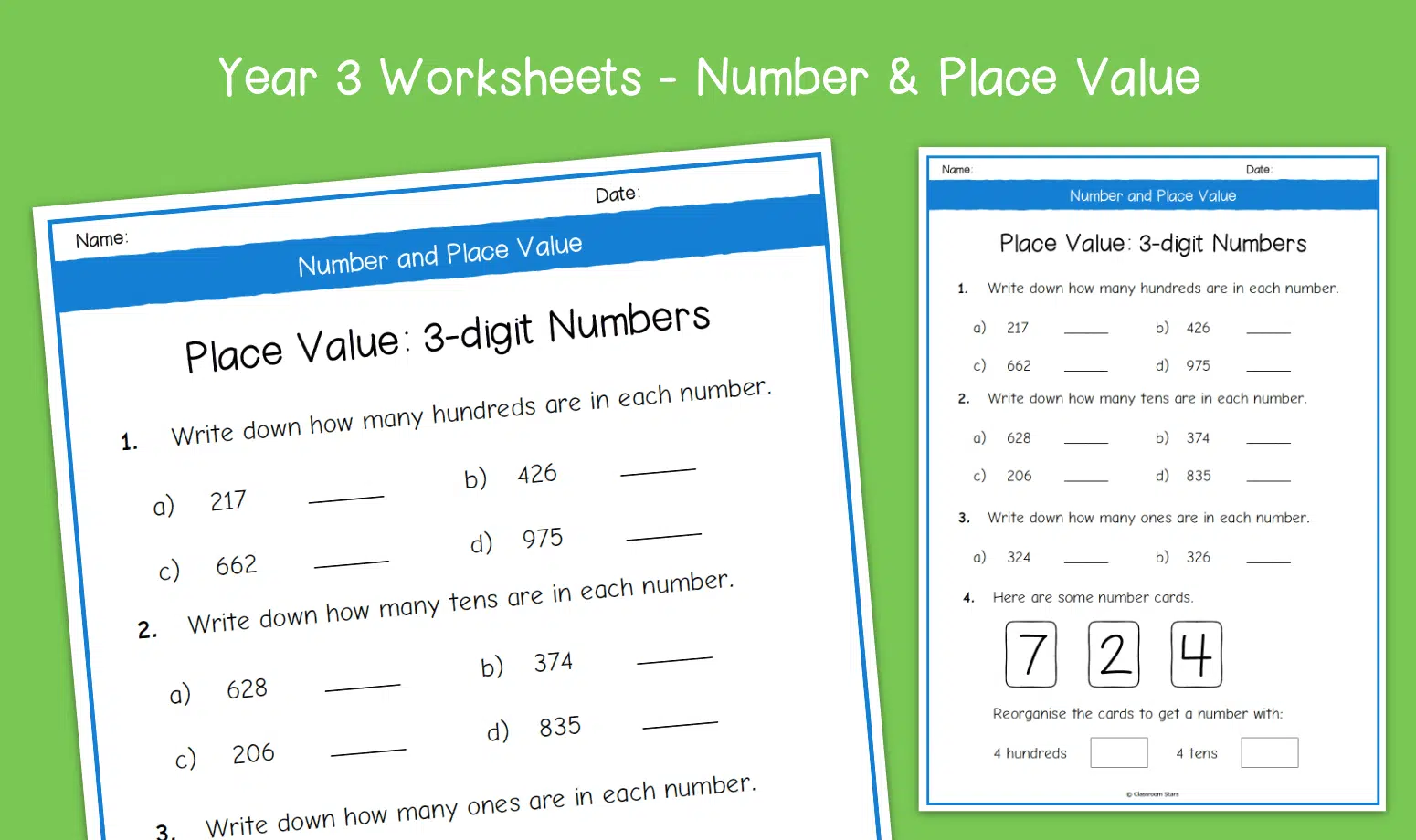
The first part of an effective place value worksheet typically focuses on identification and basic understanding. Students see three-digit numbers and practice identifying which digit represents the hundreds place, which represents the tens, and which represents the ones. This foundational work matters because many second graders still confuse the position of digits with their face value. When a child sees 324, they need to recognize that the 3 means three hundreds, not just the number three. Repetition in this section builds the mental framework they’ll rely on later.
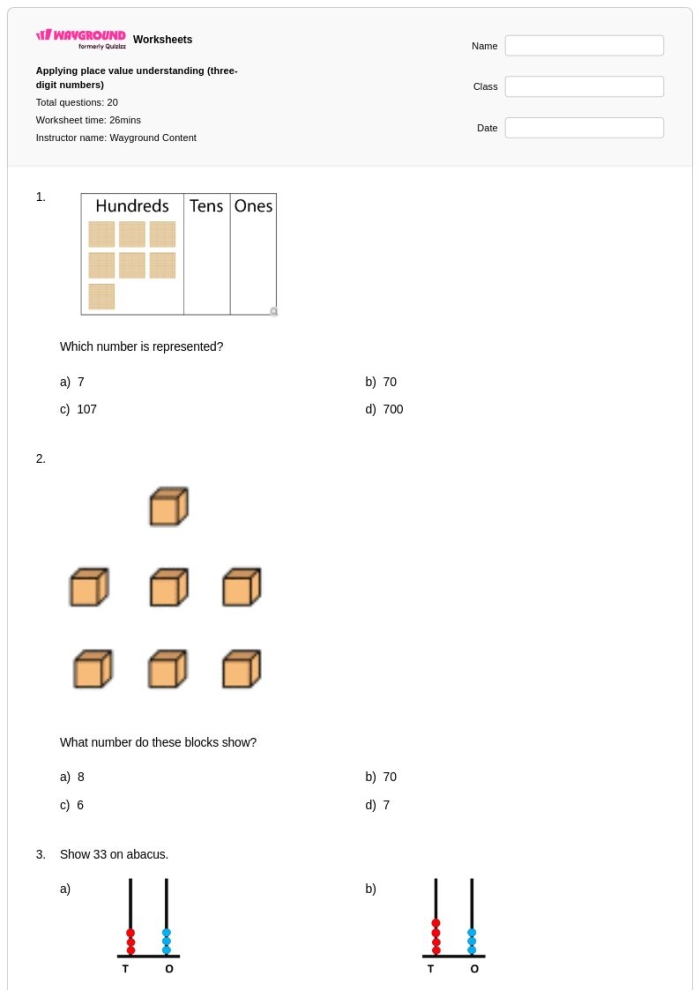
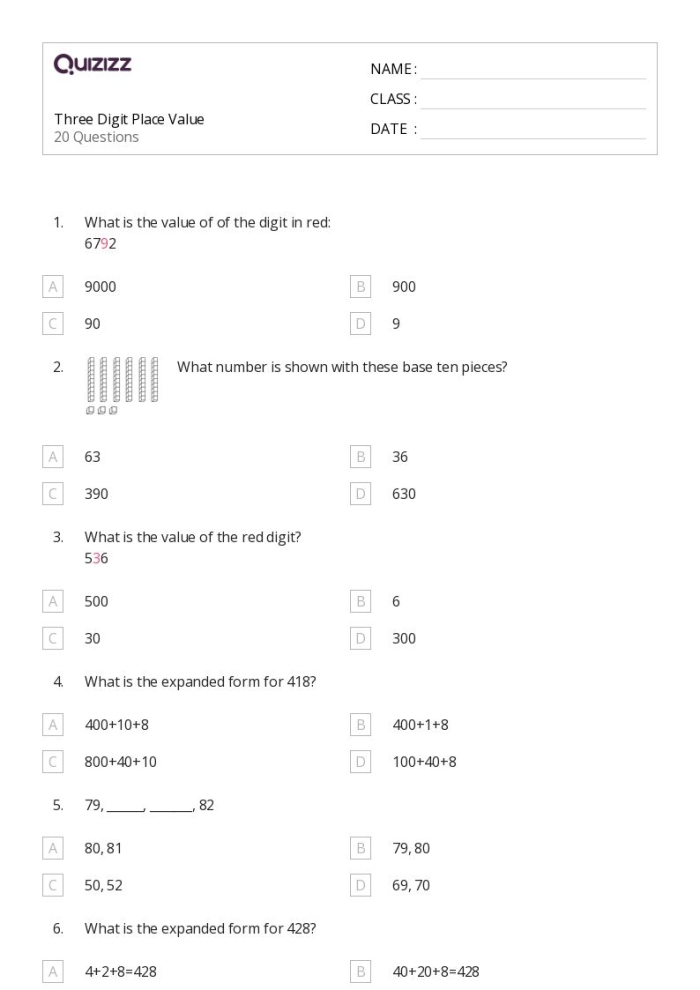
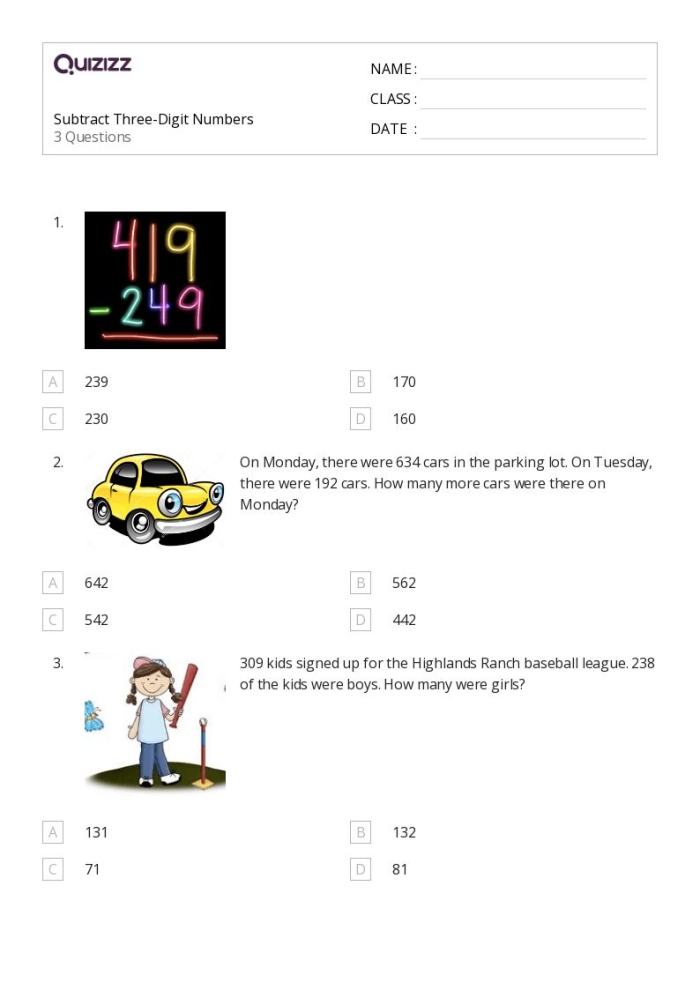
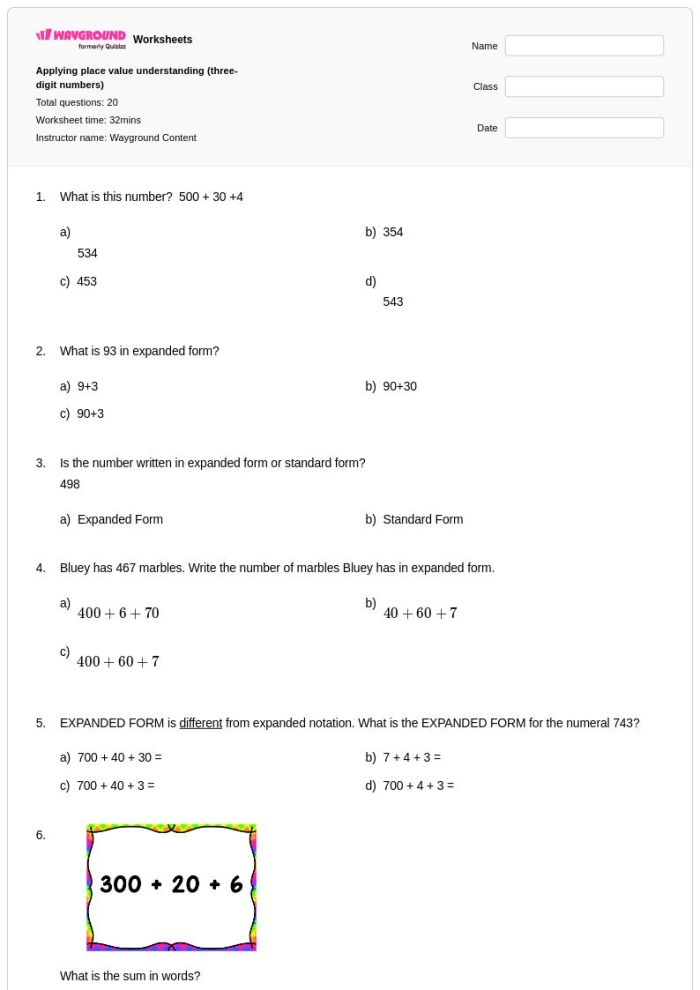
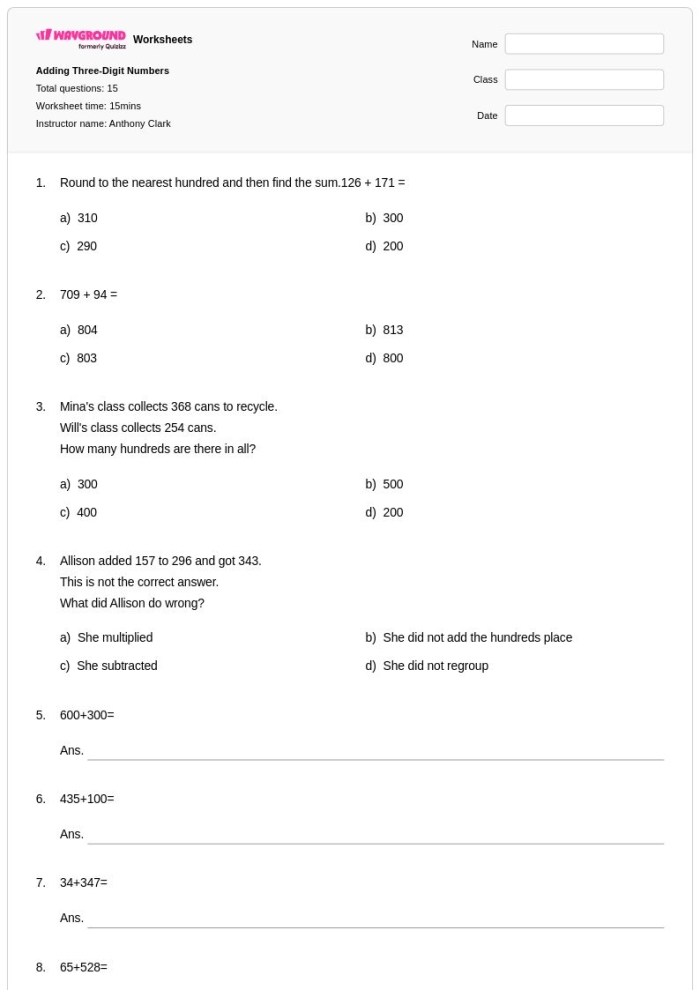
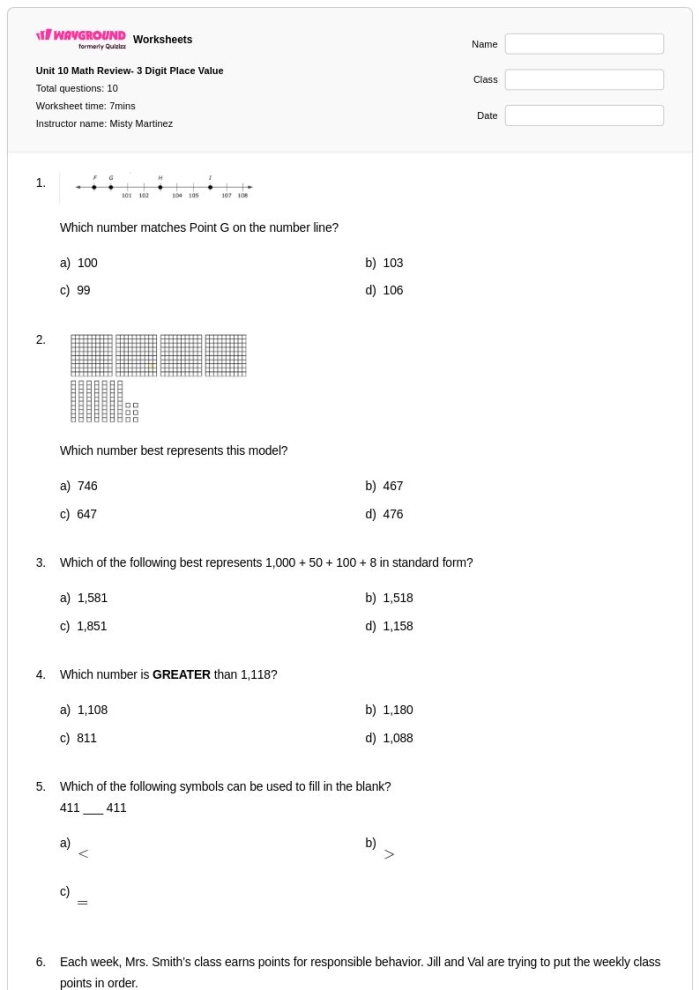
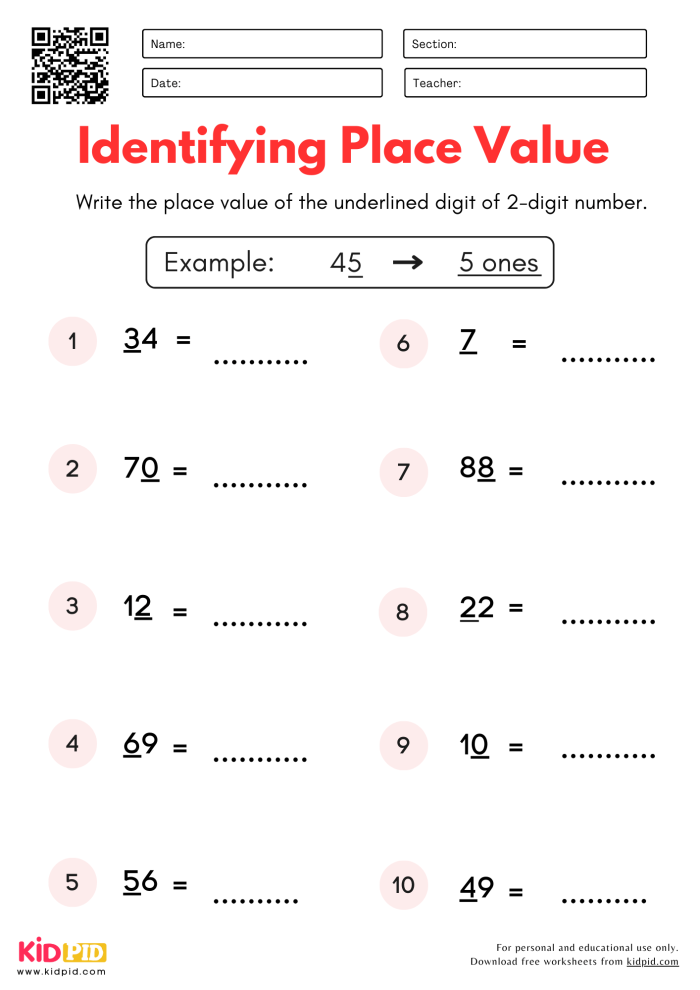
The second part pushes that understanding into practical use. Students might compare numbers, arrange them in order, or solve simple word problems that require understanding place value. This is where the concept clicks into place for many learners. When they work through two-digit word problems, they see why place value matters in real contexts.
Pairing place value practice with sight words strengthens both skills simultaneously. As students encounter familiar words like “tens,” “ones,” and “hundreds” throughout the worksheet, they reinforce their sight word recognition while learning math concepts. This dual focus works well for second grade classrooms where literacy and numeracy develop together.
The visual layout of a well-designed two-part worksheet also matters. Clear spacing, consistent formatting, and simple illustrations help students stay focused without overwhelming them. When combined with other second grade resources like shape activities, place value worksheets become part of a cohesive learning experience that reinforces multiple skills at once.
Use These Worksheets Today