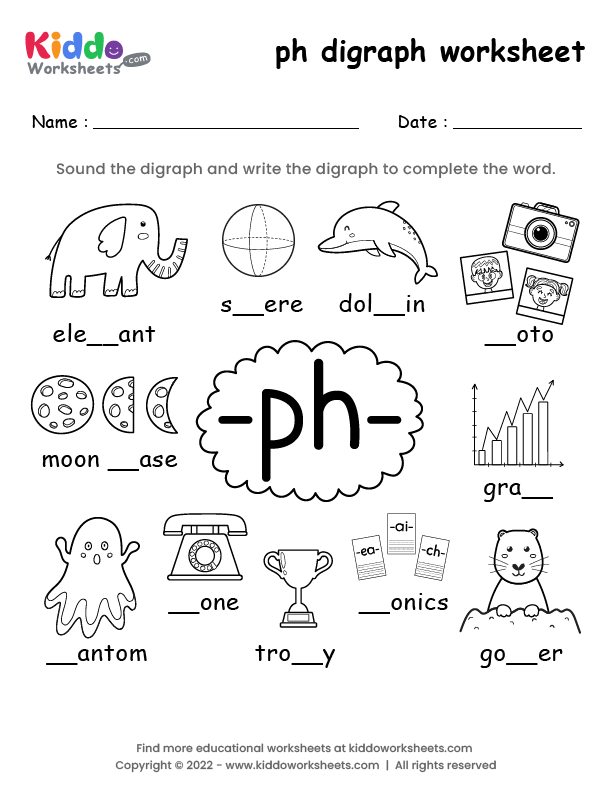
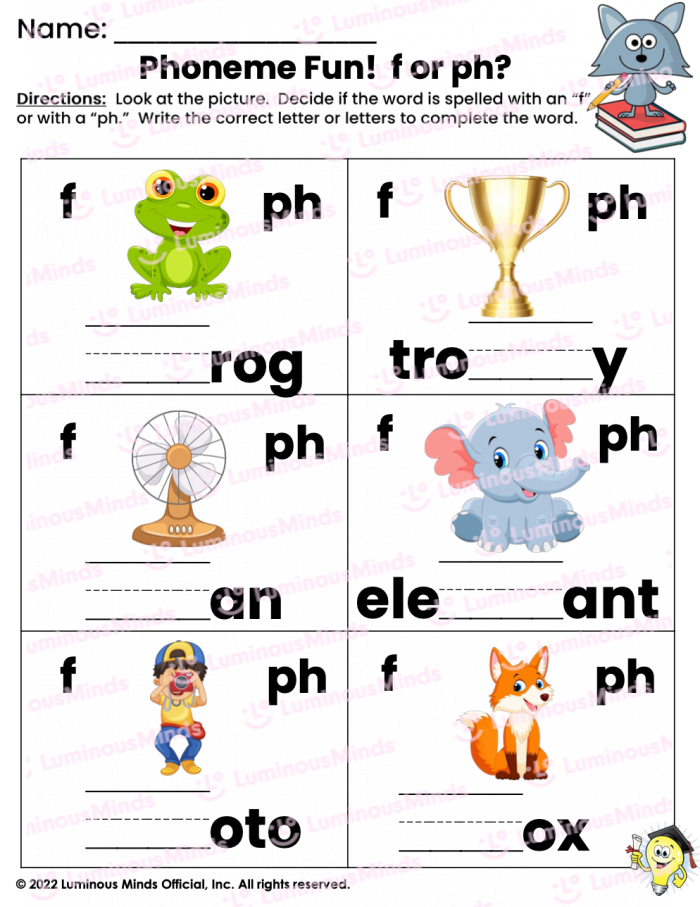
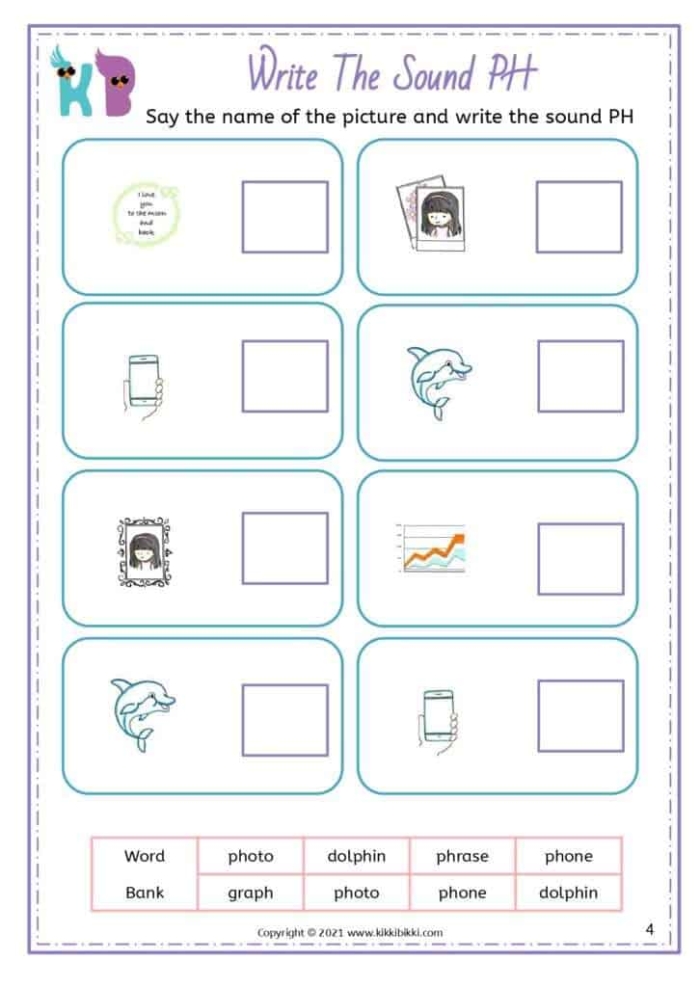
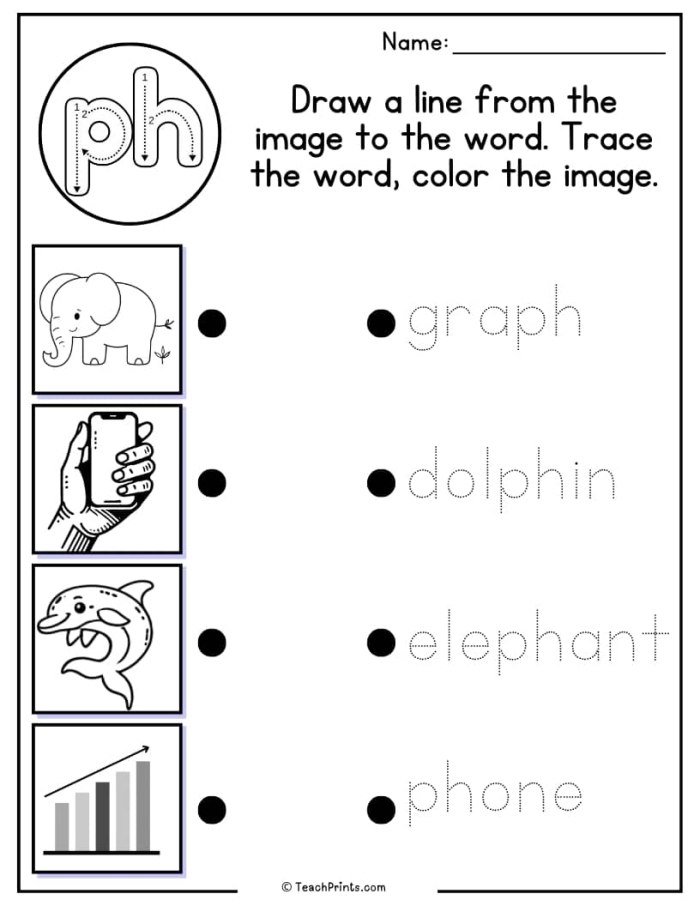
Young learners often struggle with consonant blends because these letter combinations don’t follow the usual one-sound-per-letter pattern they’re just beginning to understand. The “ph” sound presents a particular challenge since it uses two letters to create a single “f” sound, which can confuse children who are still building their phonemic awareness. A hands-on activity focused on finding words that start with the ph sound gives preschoolers, kindergarteners, and first graders the practice they need to master this tricky combination.
This type of activity works because it combines multiple learning modalities at once. Children aren’t just hearing the sound or seeing the letters in isolation. Instead, they’re actively searching for words, circling pictures, and engaging their fine motor skills while strengthening their phonetic knowledge. When kids hunt for objects like phones, photographs, and phoenixes, they begin to internalize the connection between the letter pair and its sound.
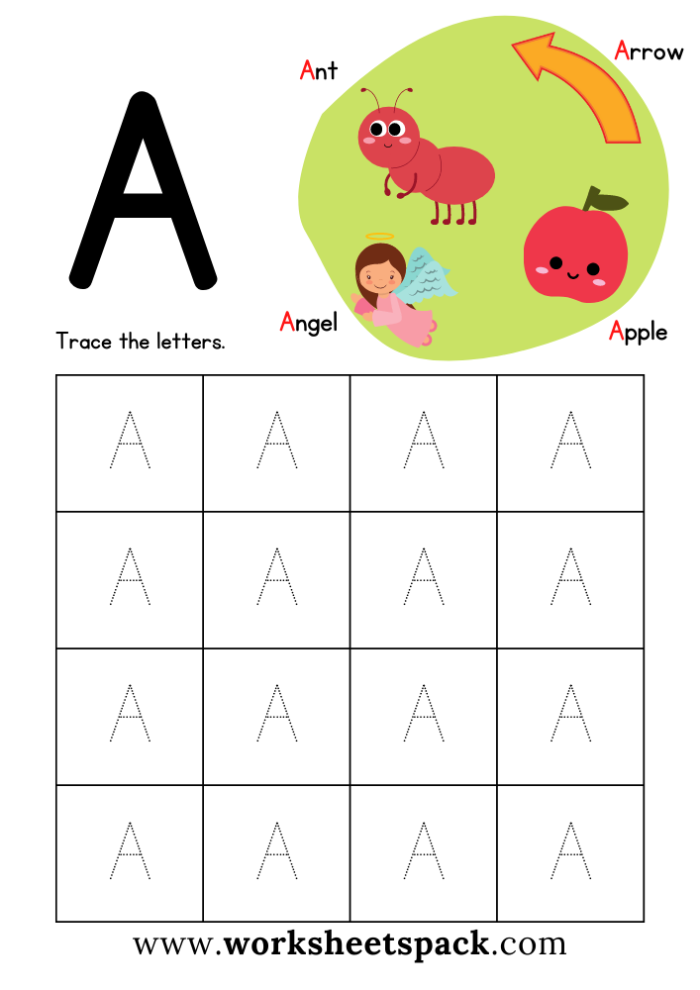
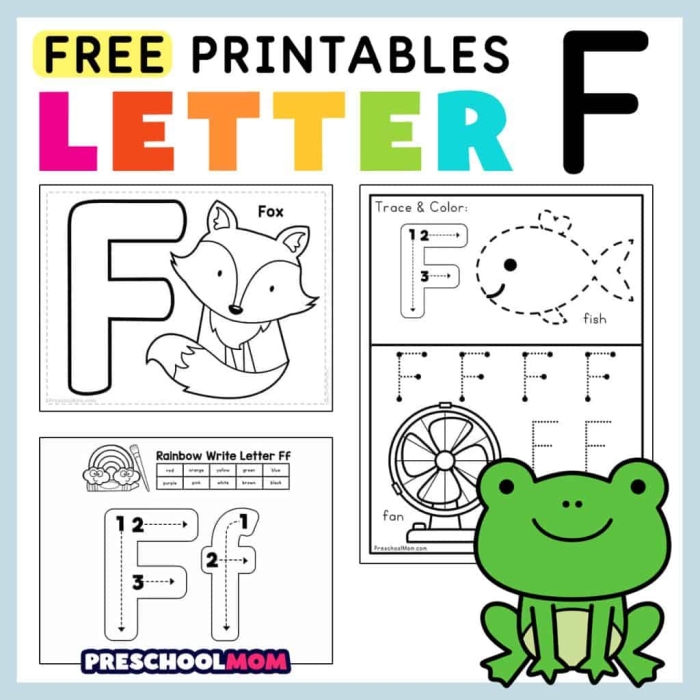
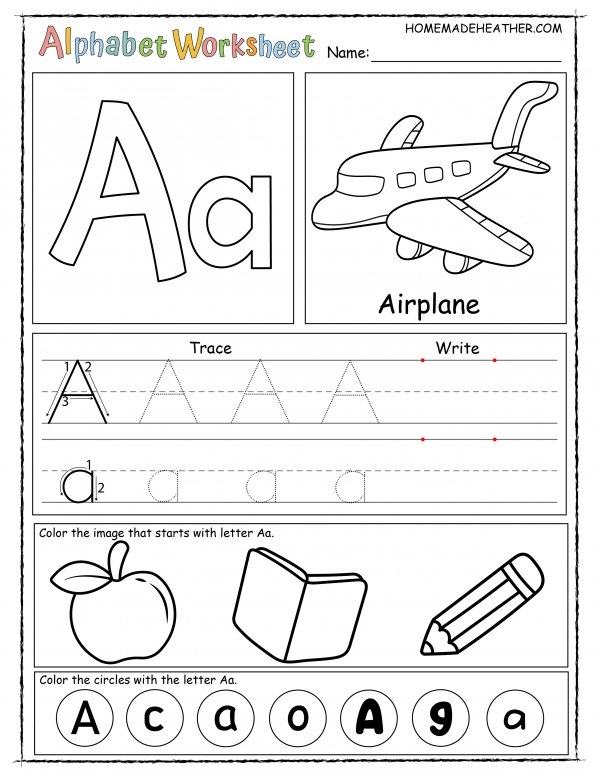
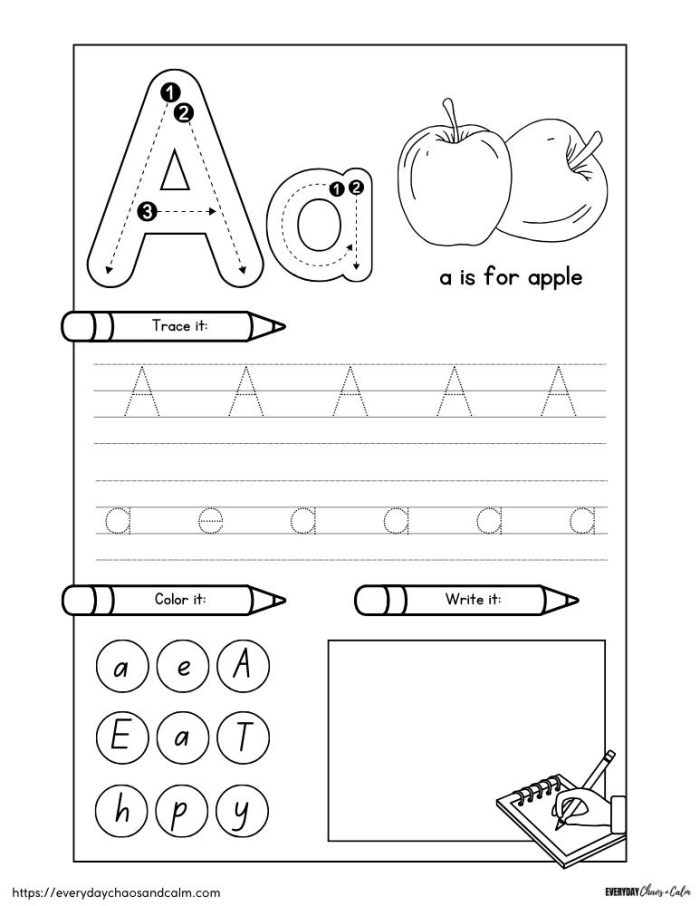
For Pre-K learners especially, pairing this activity with other foundational skills creates a richer learning experience. You might combine ph word practice with shape, line, and patterns activities to develop spatial awareness alongside letter recognition. Similarly, incorporating tracing practice for lowercase letters helps children build the muscle memory needed for writing these sounds.
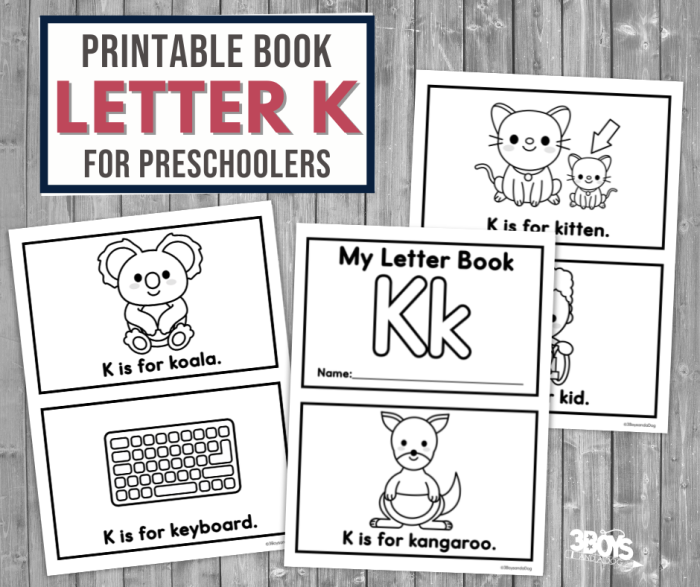
The beauty of a letter book approach is its flexibility. Teachers and parents can use it as a standalone lesson, a literacy center activity, or part of a larger unit on consonant blends. When children have a dedicated space to collect and explore ph words, they develop ownership over their learning. They start noticing these words in everyday life, pointing them out during read-alouds or conversations. This awareness is exactly what early literacy development requires.
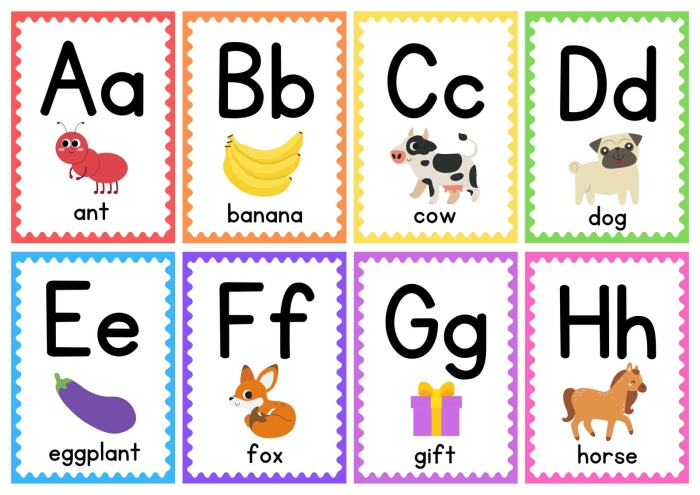
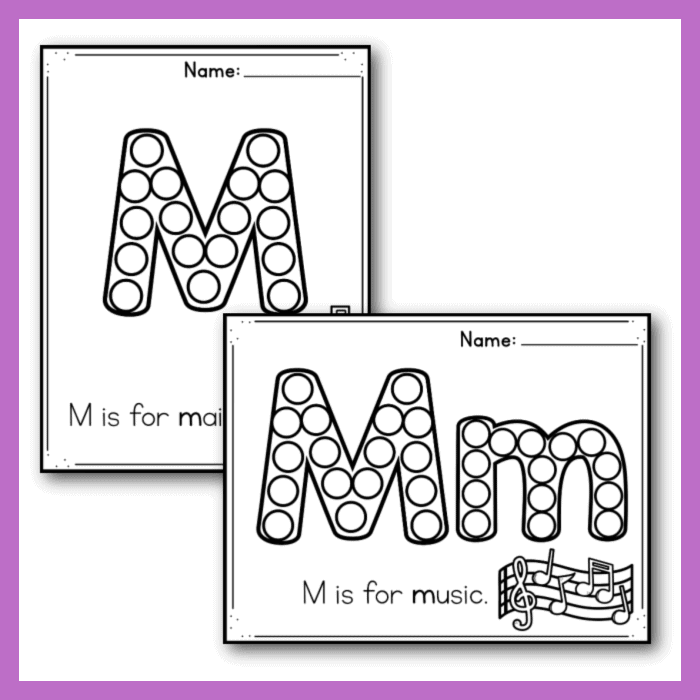
Consider supplementing ph activities with related letter exploration, such as working through letter books for other sounds, to build a comprehensive phonics foundation. Consistent, playful exposure to letter sounds creates confident early readers.
Grab These Worksheets Now