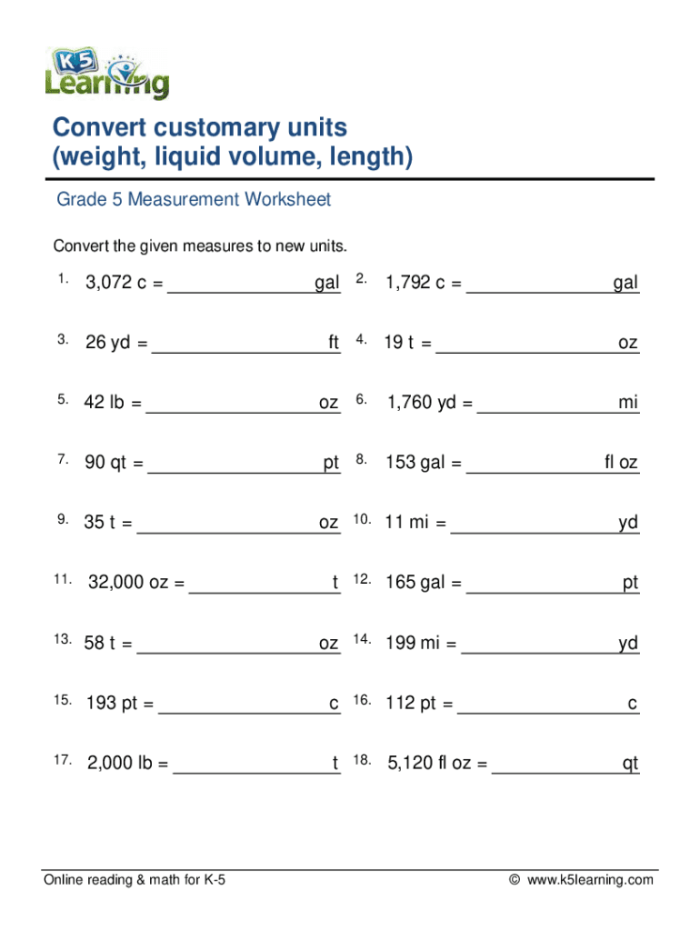
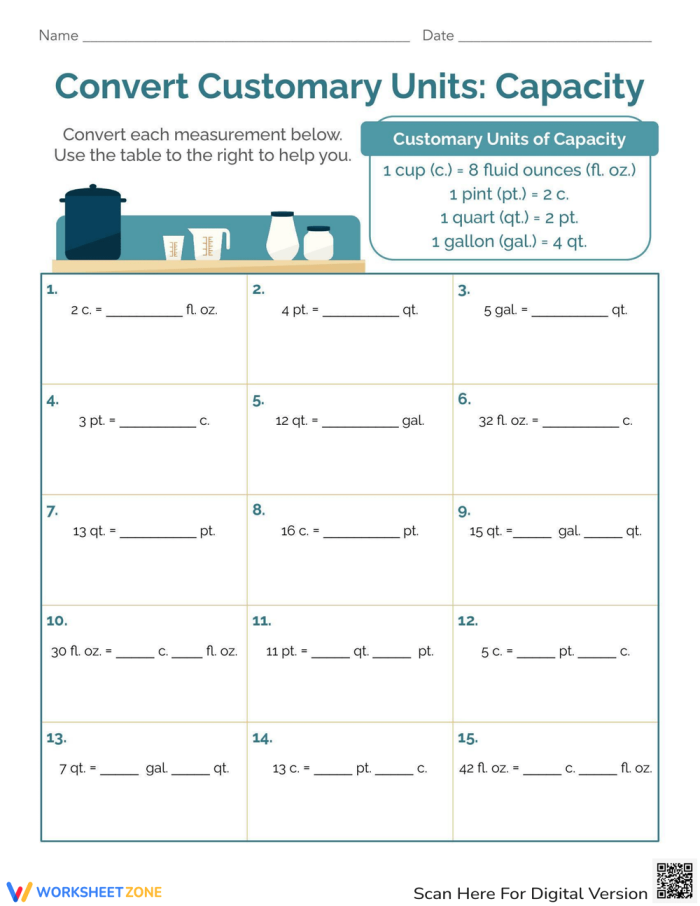
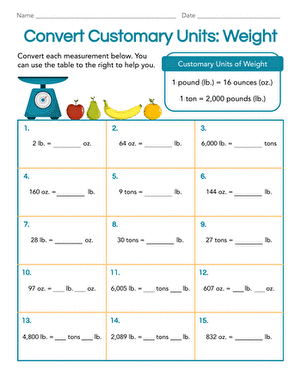
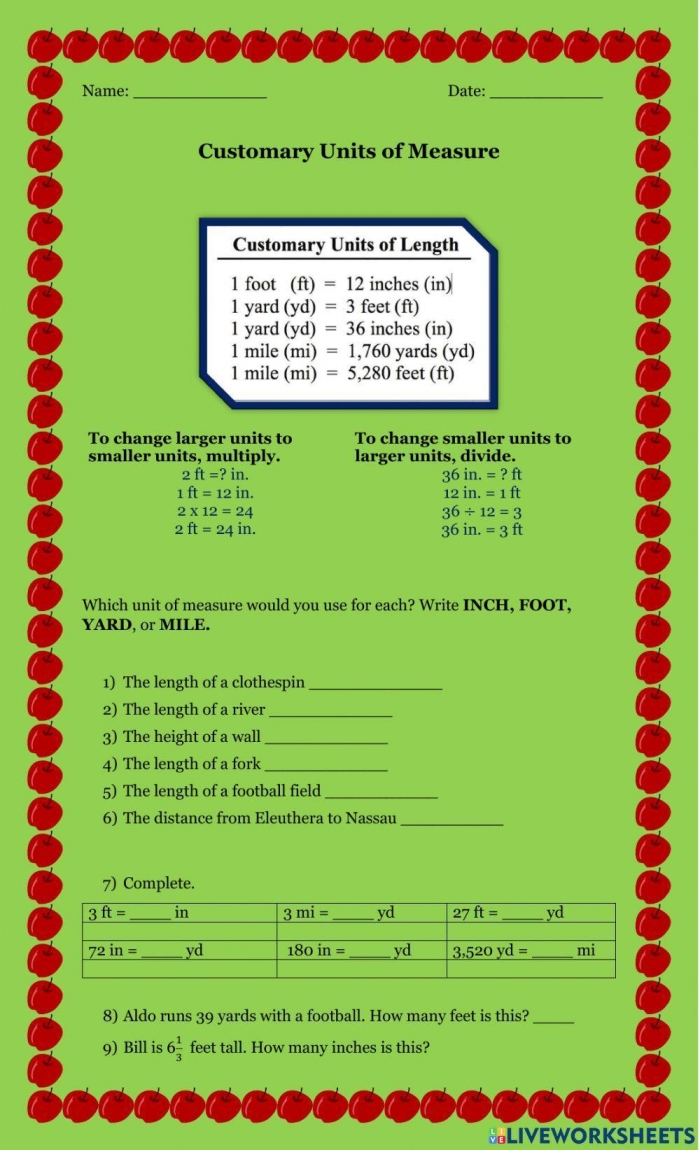
Weight conversion trips up more fifth graders than you might expect. Students understand that a pound exists, and they know ounces are smaller, but when asked to convert between them, confusion sets in. A solid measurement worksheet that focuses on converting customary units of weight can change that, turning abstract relationships into concrete practice.
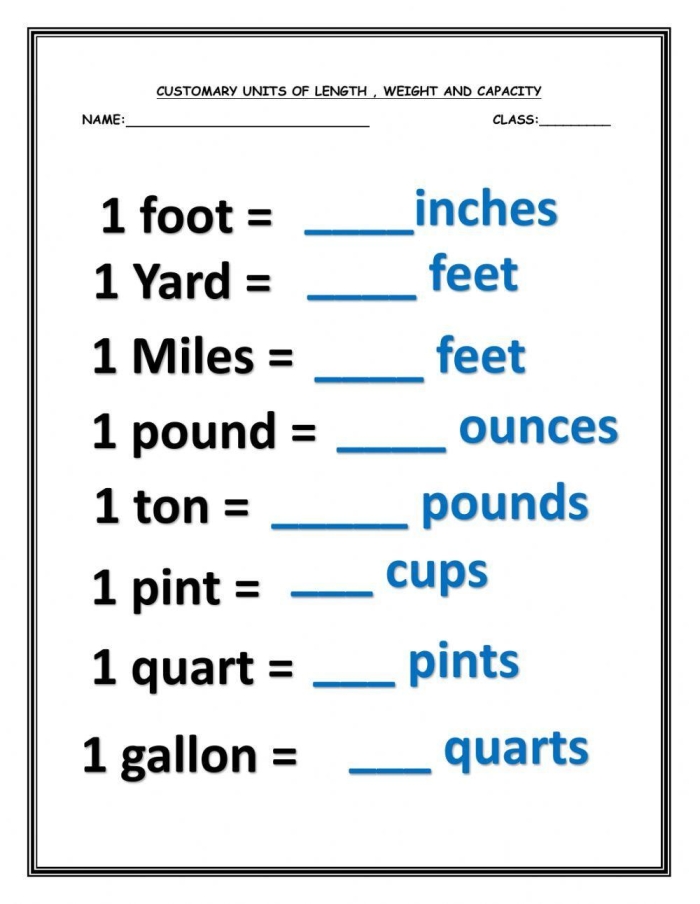
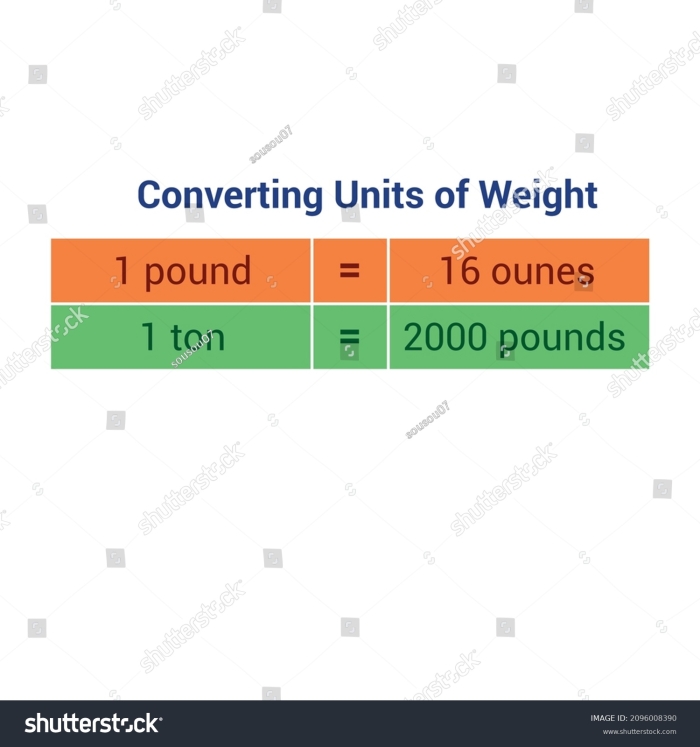
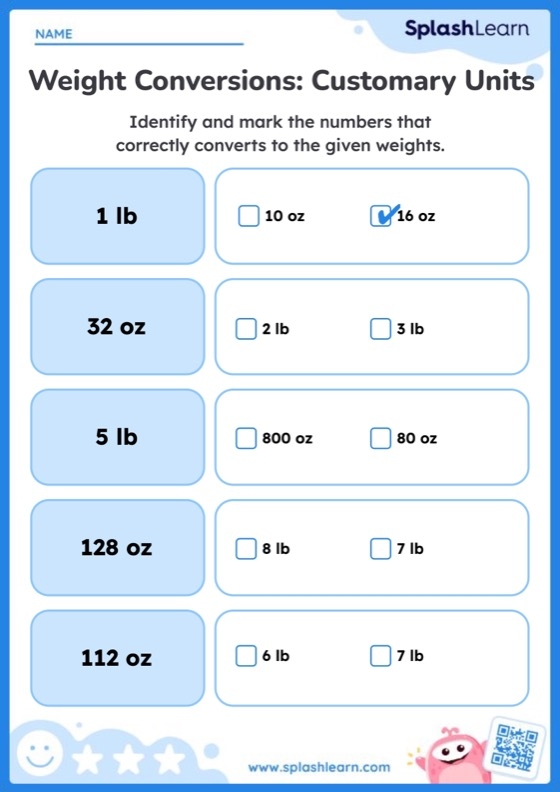
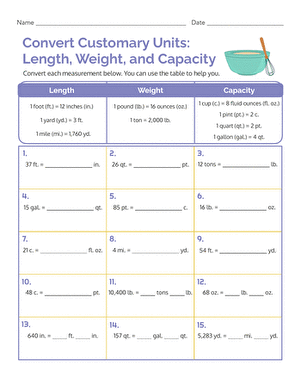
The customary weight system in the United States relies on three main units: ounces, pounds, and tons. One pound equals 16 ounces, and one ton equals 2,000 pounds. These aren’t intuitive numbers like the metric system’s base-10 structure, which means students need repeated exposure and hands-on practice to internalize them. When fifth graders work through conversion problems on a worksheet, they’re building the mental anchors they’ll need for future math and science work.
A well-designed worksheet moves students beyond simple memorization. Instead of just asking “How many ounces are in 3 pounds?” it presents real-world scenarios. A student might calculate the total weight of ingredients for a recipe, or determine whether a package marked in ounces fits within a pound-based limit. This contextual approach helps them see why these conversions matter outside the classroom.
Fifth-grade geometry worksheets often incorporate measurement concepts alongside spatial reasoning. When students practice converting weight units, they’re reinforcing math skills that connect to other areas. If your student is also working on adding decimals or solving one and two-step equations, they’ll notice how these skills overlap. Converting 2.5 pounds to ounces, for instance, requires decimal multiplication alongside unit knowledge.
The best measurement worksheets include a mix of difficulty levels. Early problems might ask for straightforward conversions, while later ones require two-step thinking or comparison between units. This scaffolding ensures students build confidence before tackling more complex problems.
Hands-On Worksheet Activities