This worksheet gives second grade students a structured way to practice reading comprehension while learning about one of nature’s most unusual animals. The platypus makes for a compelling subject because it challenges students to think critically about how different sources present the same topic in different ways.
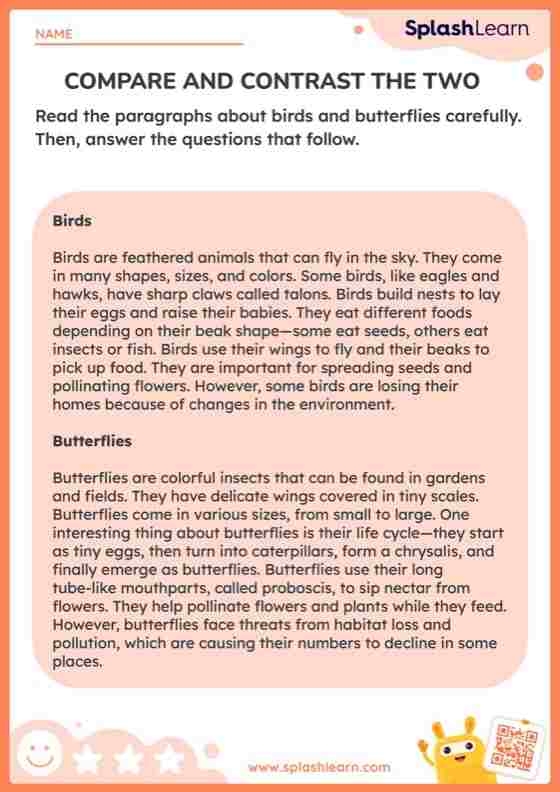
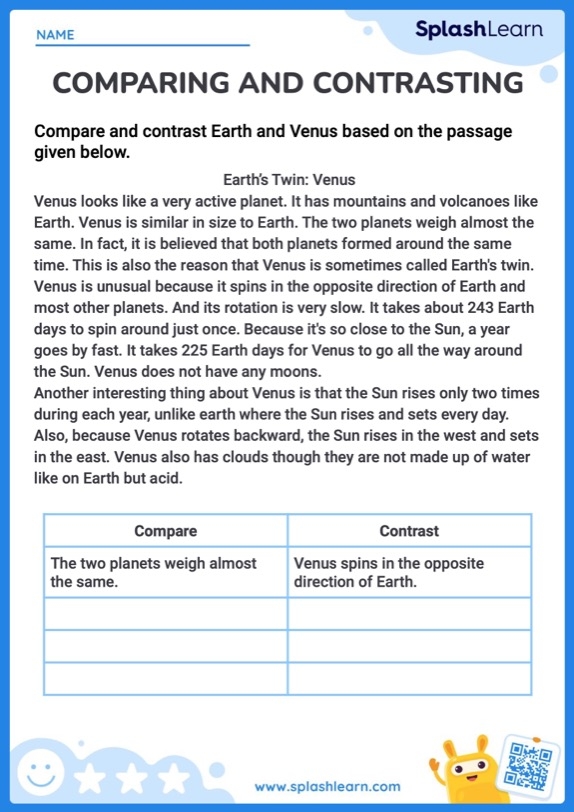
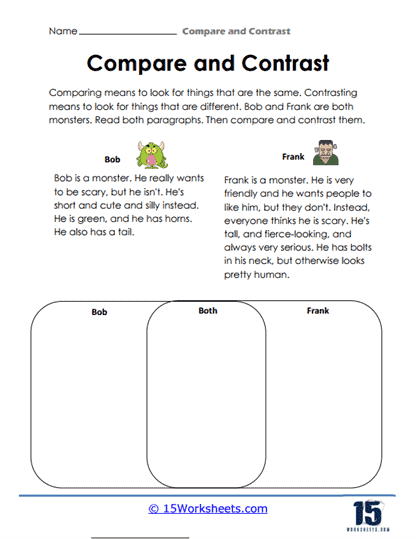
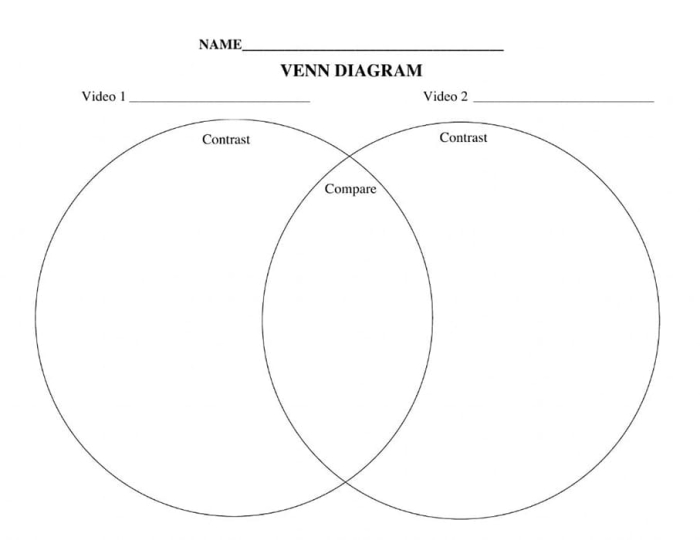
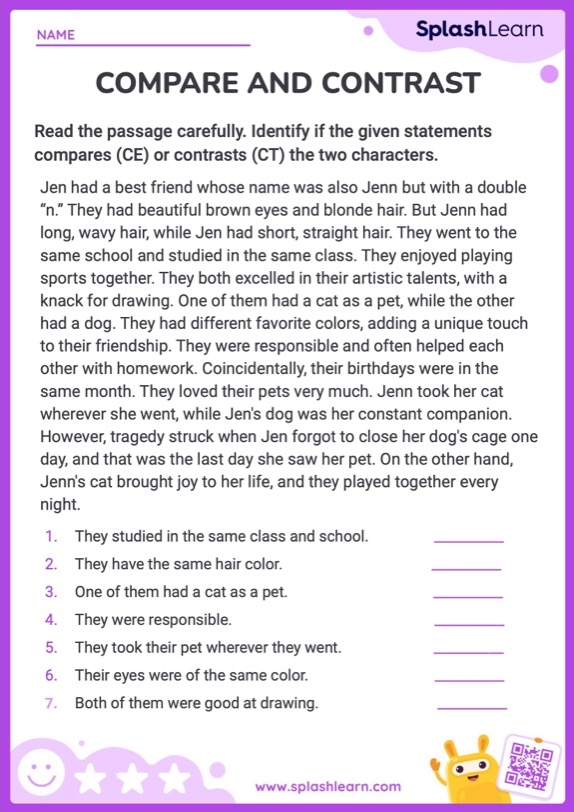
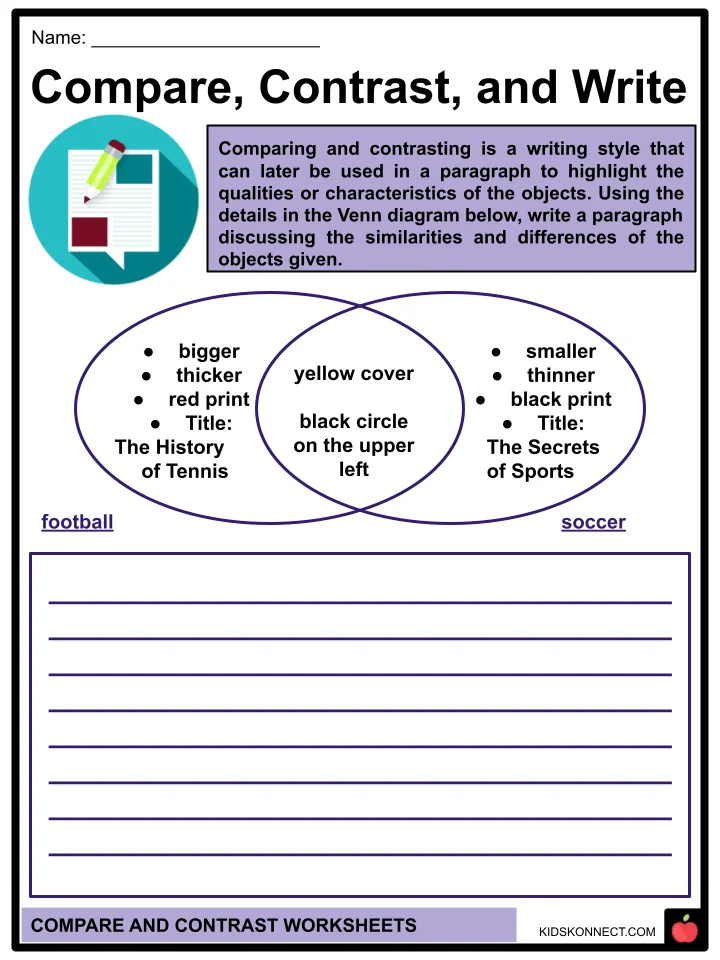
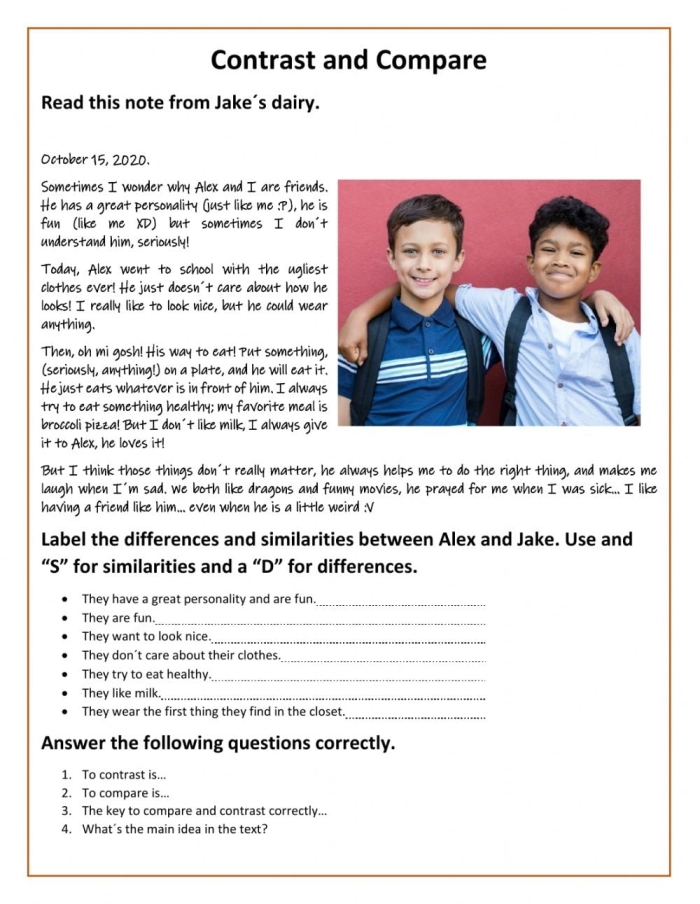
The core activity involves reading two separate passages about the platypus, then working through comparison and contrast questions. Students identify what both passages say about the animal, what makes each passage unique, and what the main idea of each text actually is. This approach builds reading skills that transfer across all subjects, not just science.
What makes this exercise effective for second graders is the scaffolding it provides. Rather than asking students to pull information from a single dense paragraph, they work with two shorter texts side by side. This format reduces cognitive load while still requiring them to synthesize information. The platypus itself is naturally interesting to young readers because of its unusual features: a duck-like bill, beaver-like tail, and the fact that it lays eggs despite being a mammal.
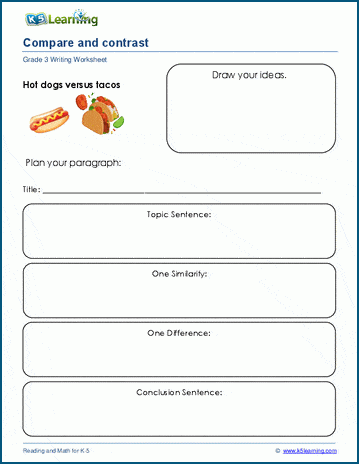
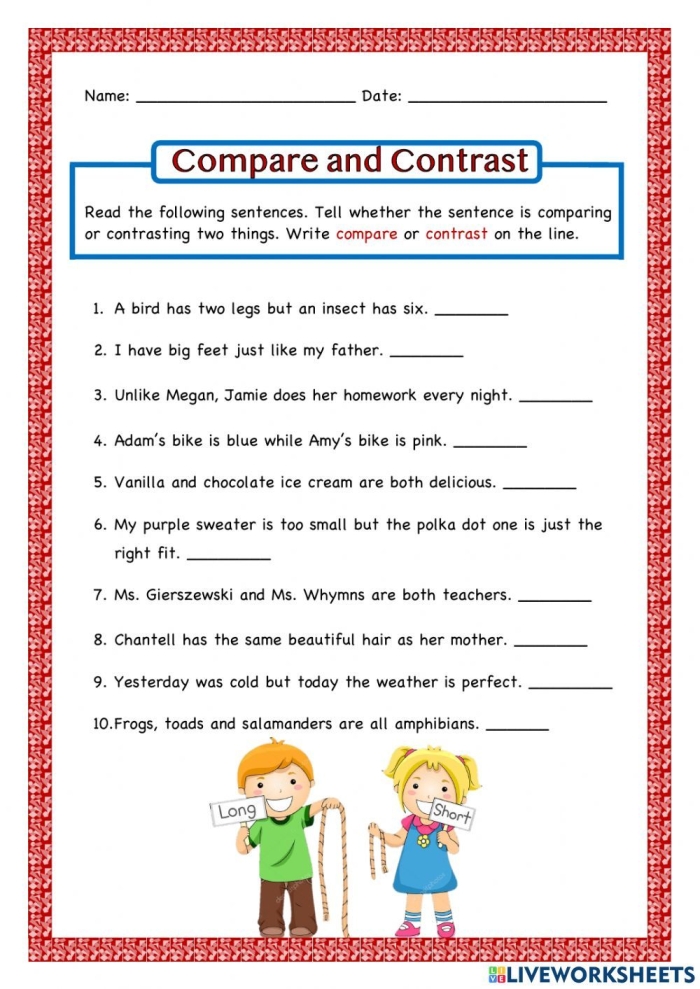
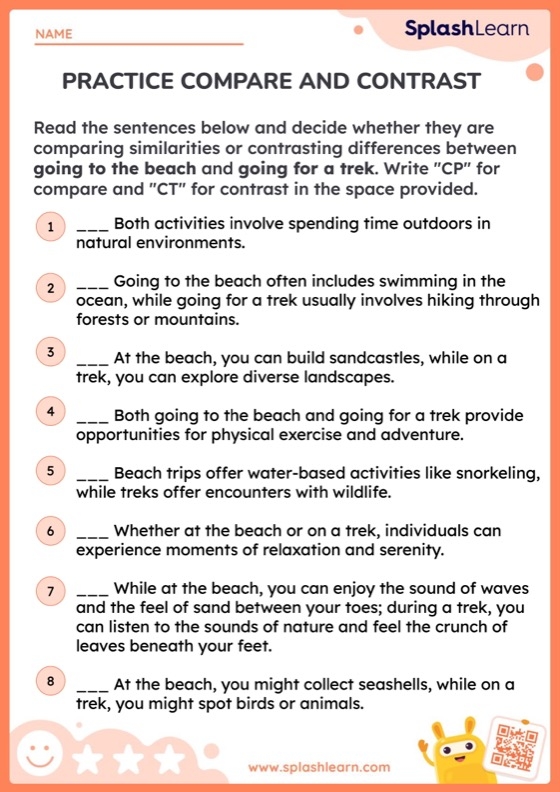
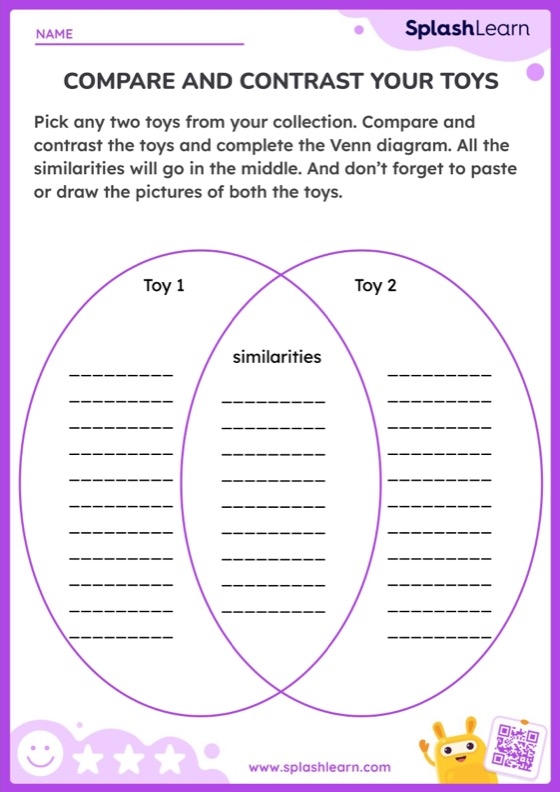
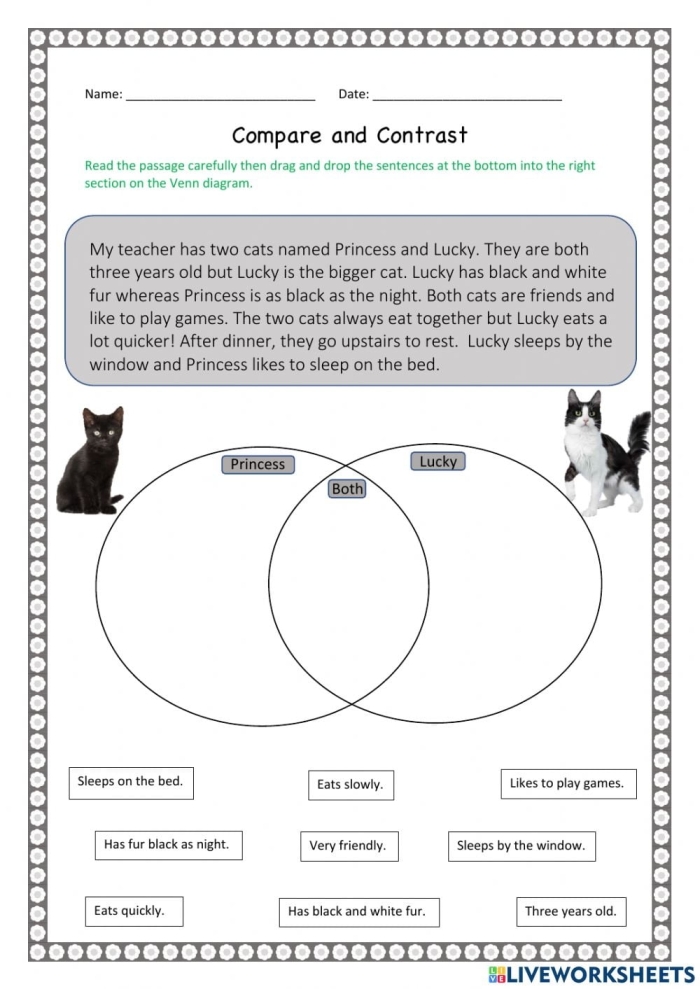
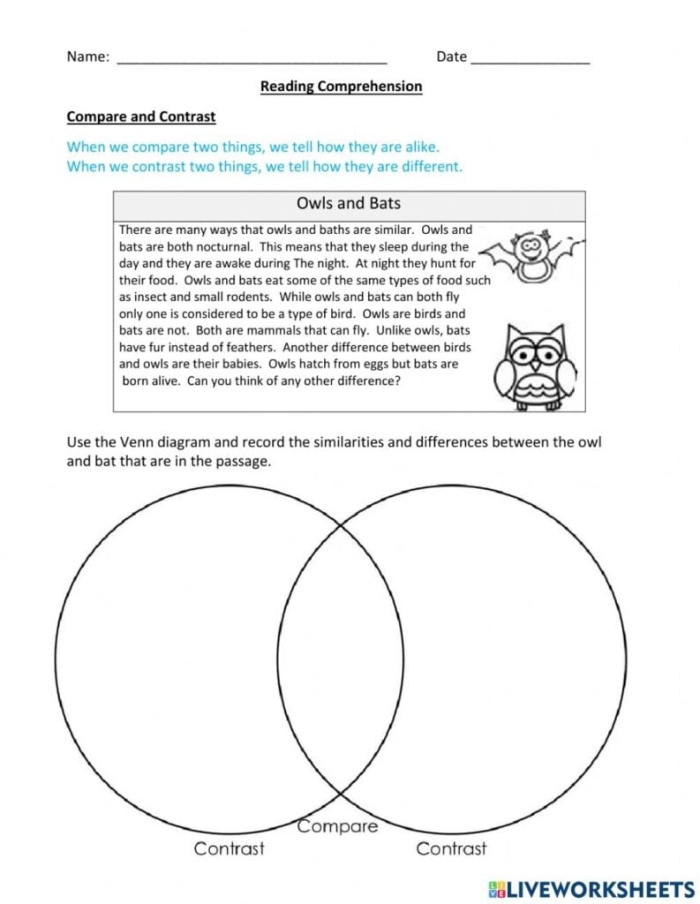
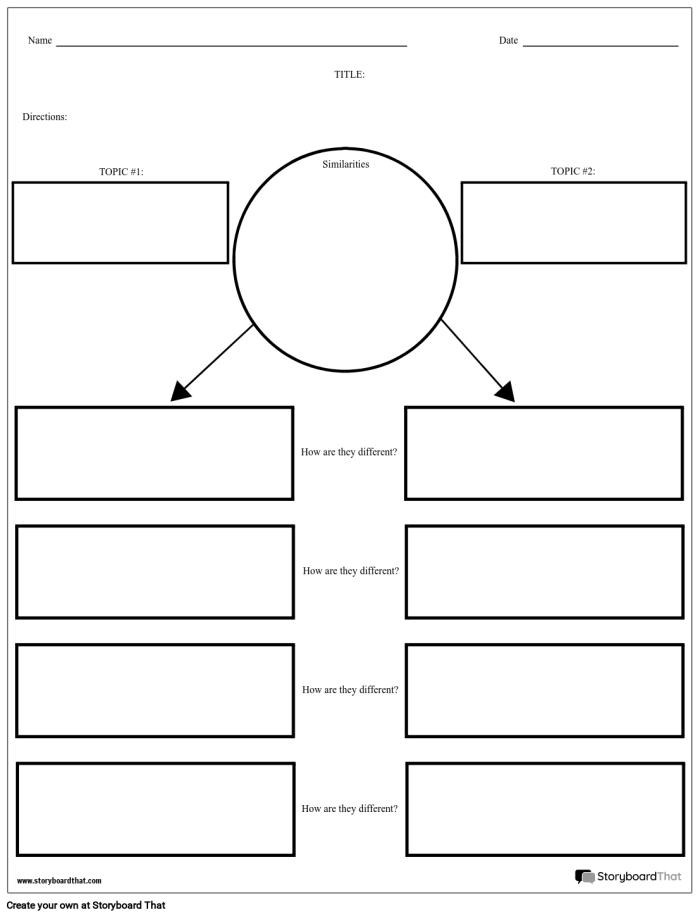
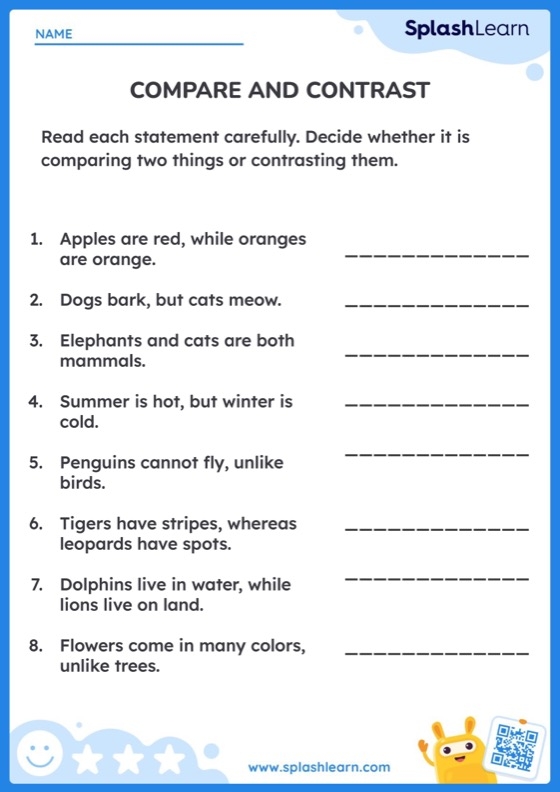
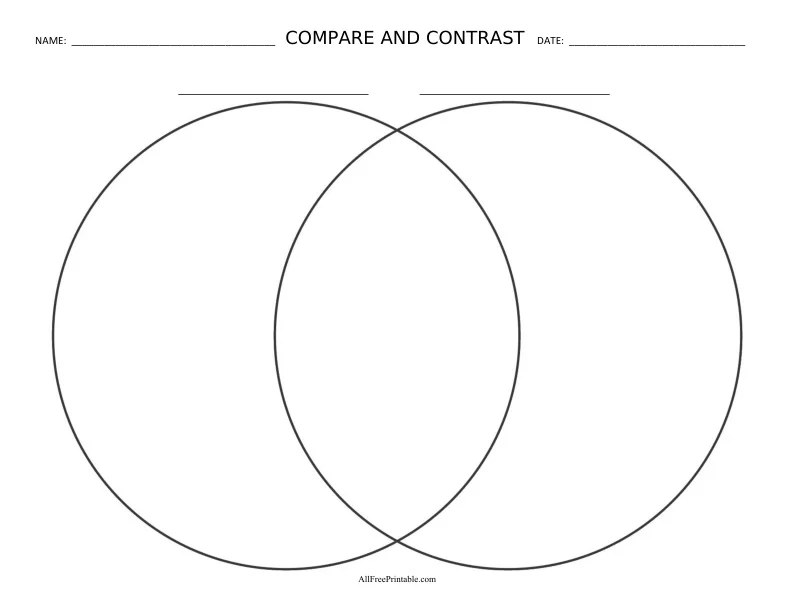
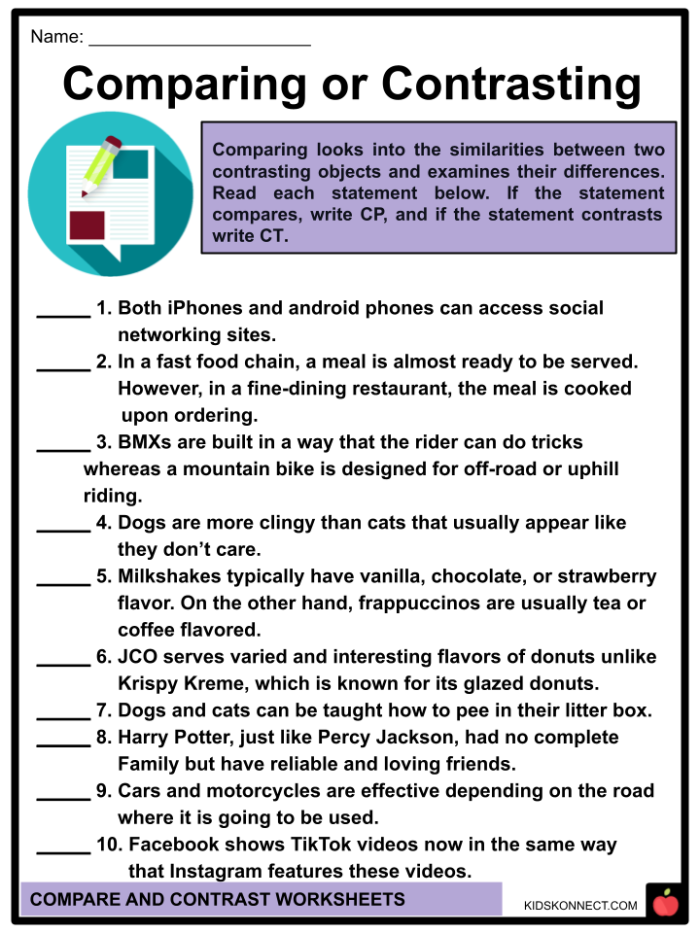
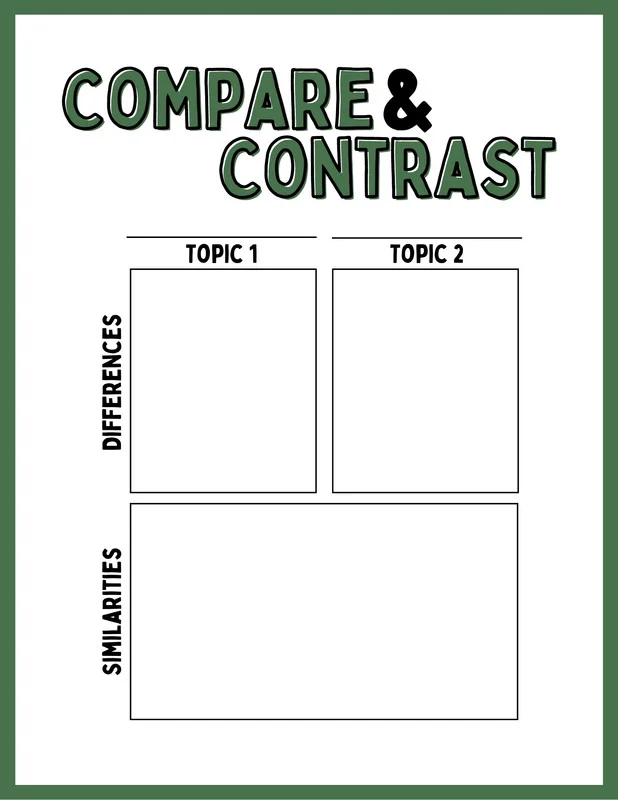
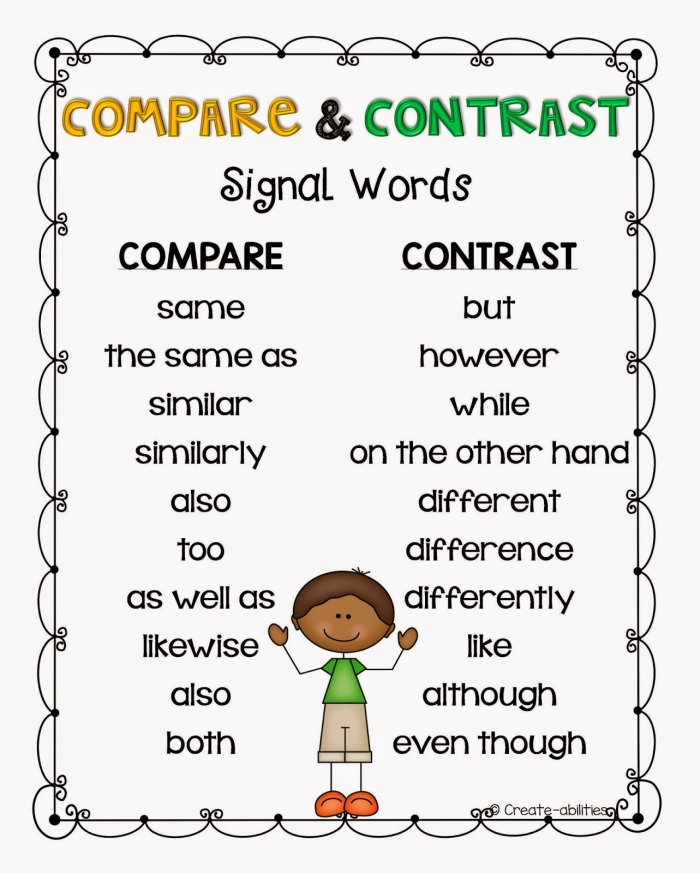
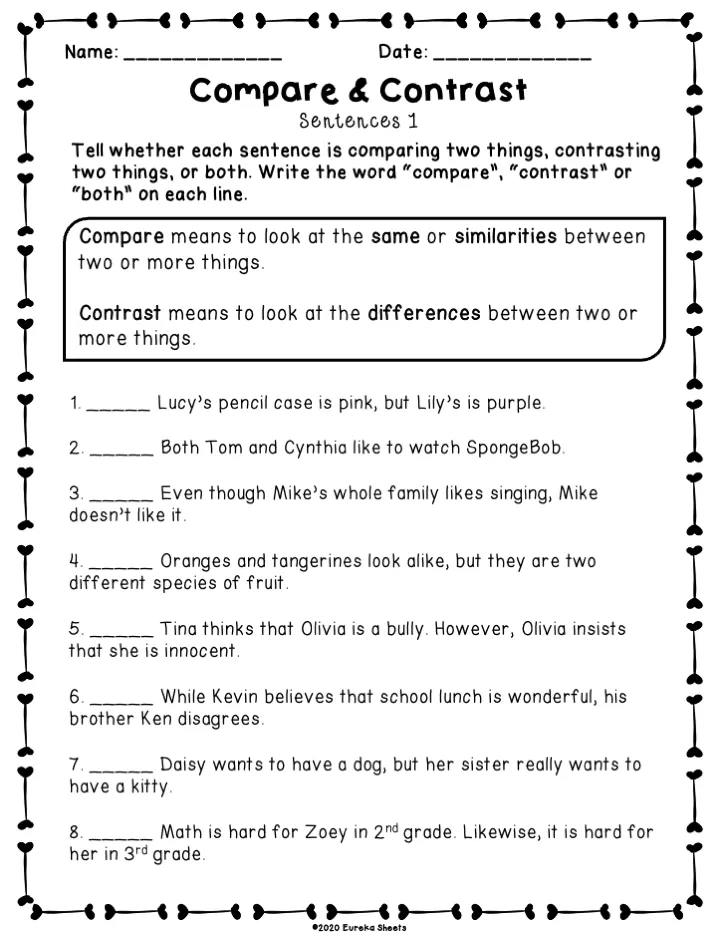
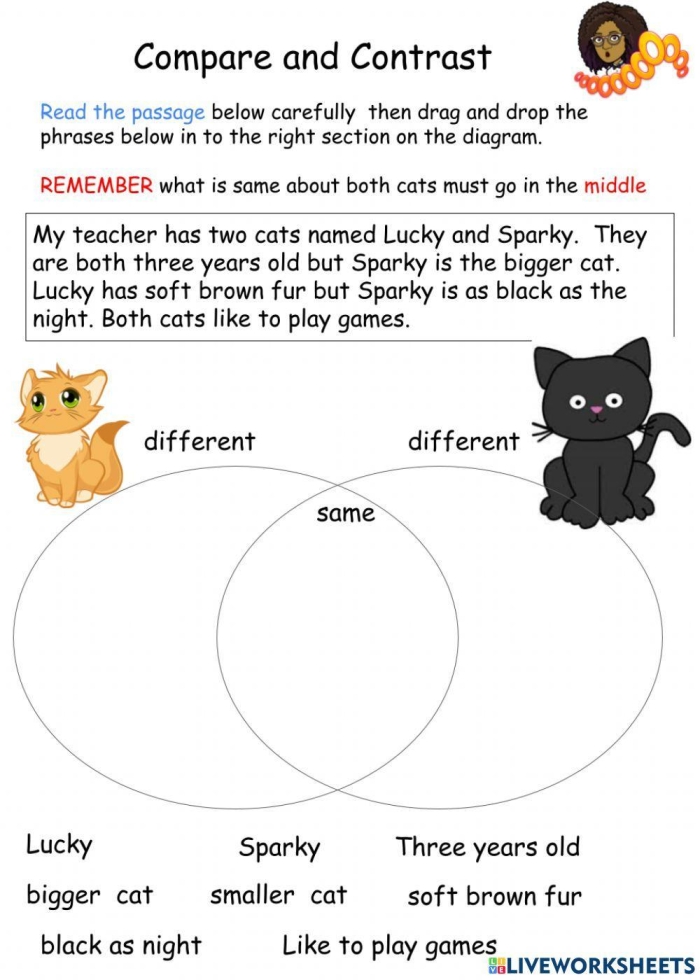
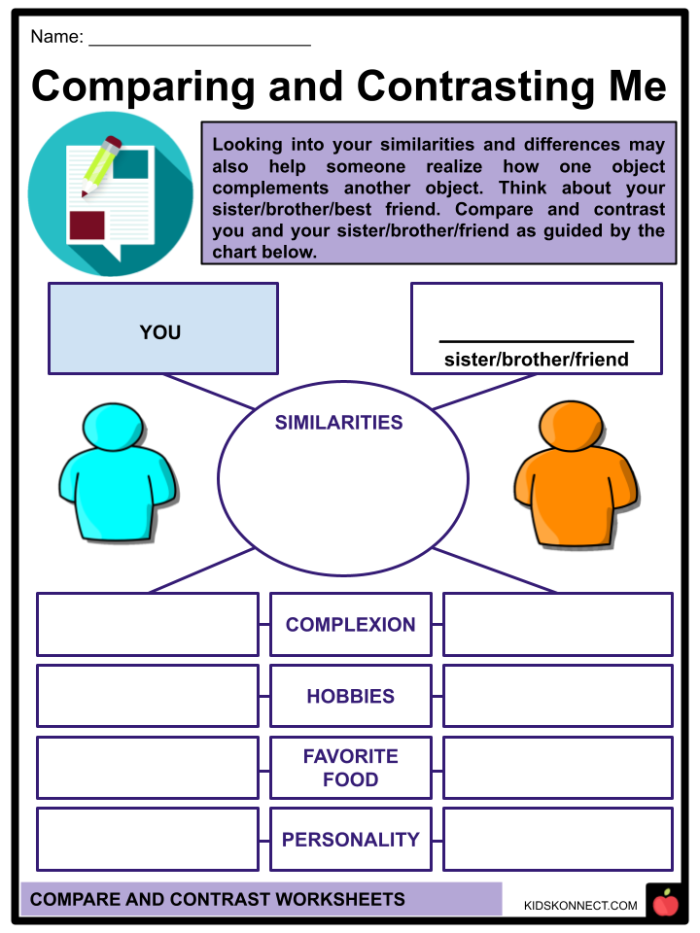
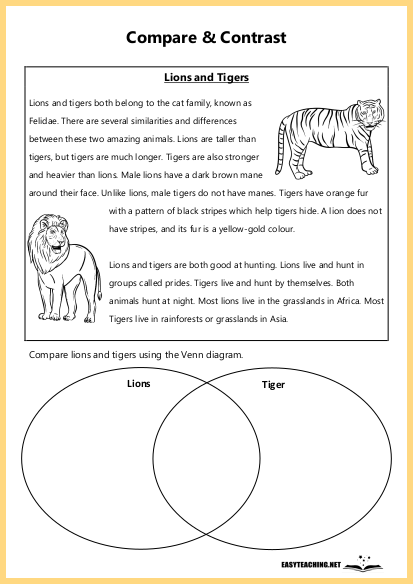
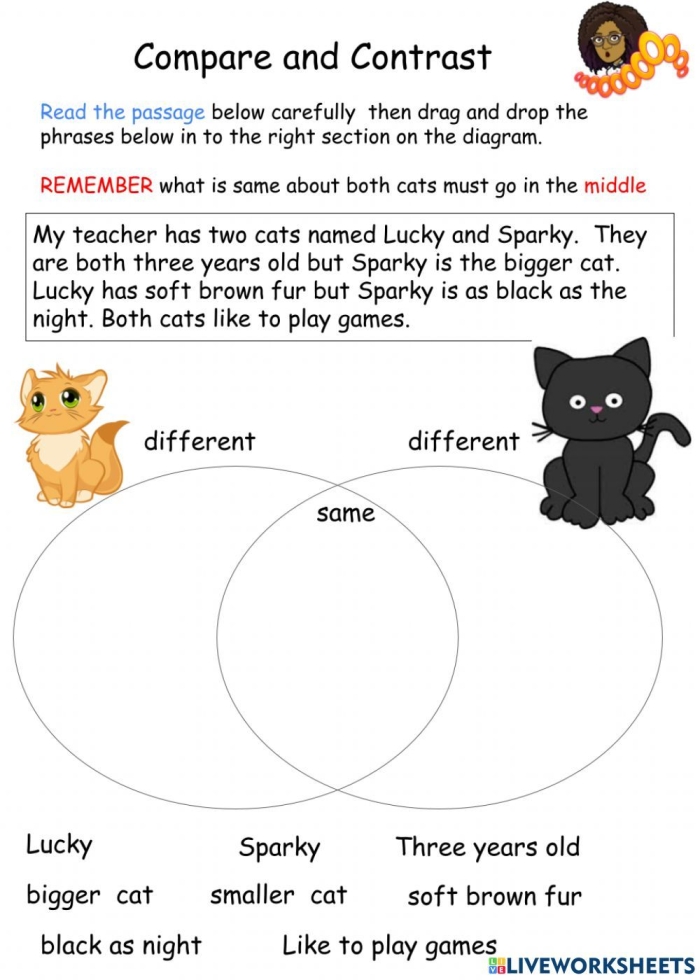
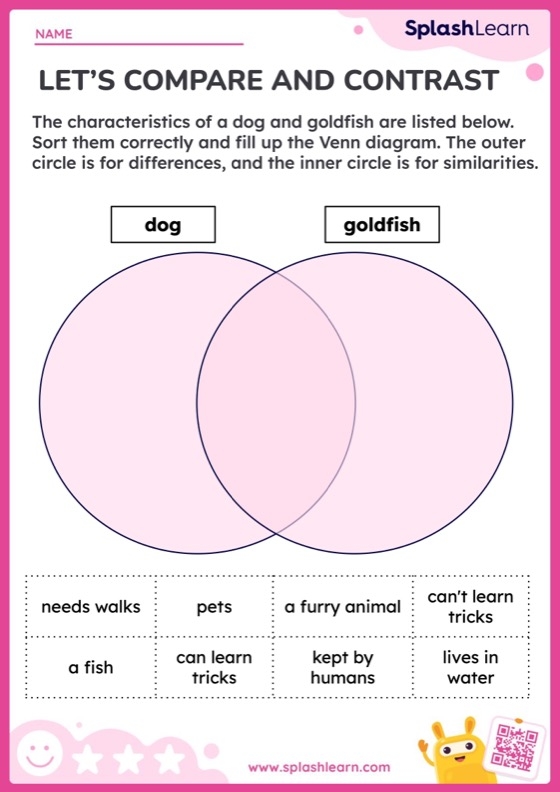
The comparison and contrast component teaches students to look for similarities and differences systematically. They might notice that one passage focuses on the platypus’s physical traits while another emphasizes its habitat or behavior. Recognizing these distinctions helps students understand that authors make choices about what to include based on their purpose.
For teachers building geometry and reading lessons together, this worksheet pairs well with other second grade materials. Students working on place value activities or grammar exercises benefit from varied content that keeps them engaged across different skill areas.
The worksheet ultimately prepares students for more advanced reading tasks by establishing habits of careful text analysis early.
Use These Worksheets Today