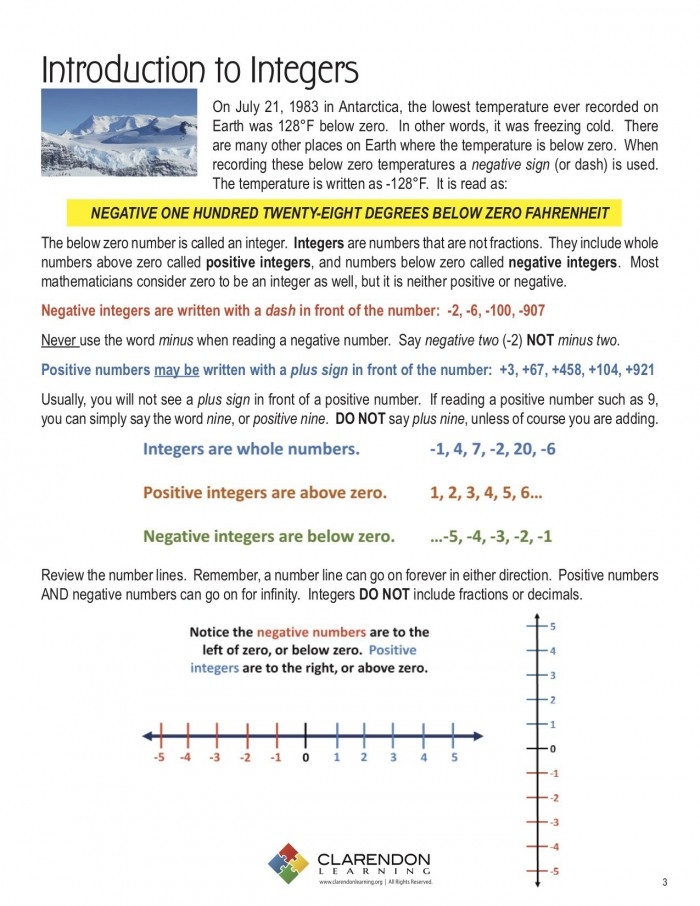
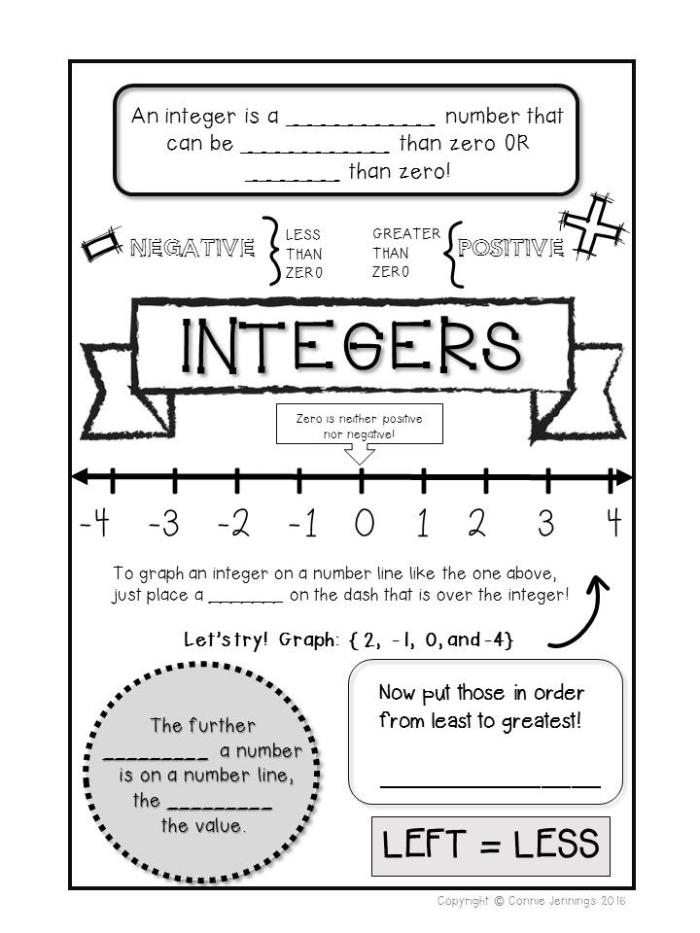
Integers are one of the first number systems that sixth grade students encounter when moving beyond basic arithmetic, and they’re far more useful than they might initially appear. Unlike whole numbers, which only include zero and positive values, integers expand your mathematical toolkit by including negative numbers as well. This means integers cover all whole numbers, their negative counterparts, and zero, giving you a complete way to represent quantities in both directions.
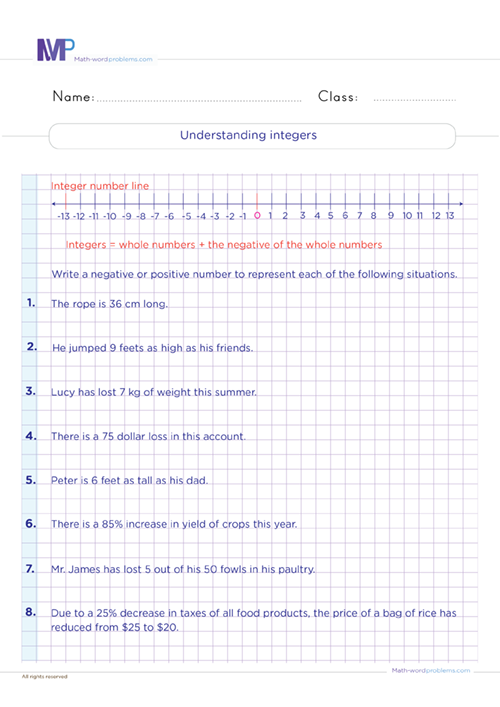
You probably use integers every day without realizing it. Temperature readings below zero, bank account balances that dip into overdraft, or elevators descending below ground level all rely on negative integers to make sense. When you’re playing a game where you lose points, that’s an integer calculation. When you owe someone money, that’s another practical application of negative numbers. Understanding how integers work opens up your ability to solve real problems that the positive numbers alone cannot adequately describe.
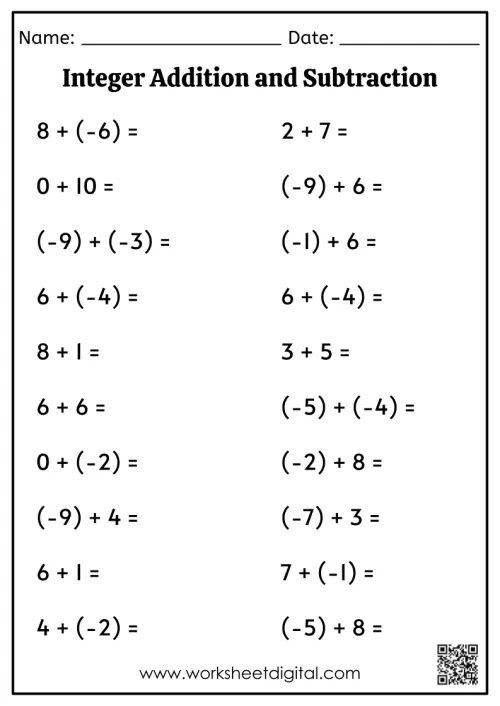
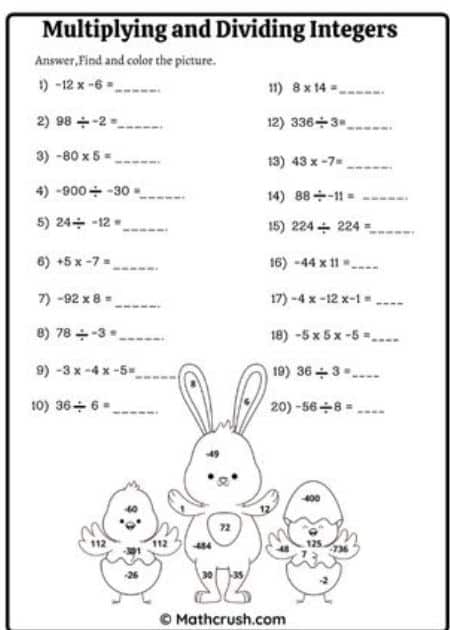
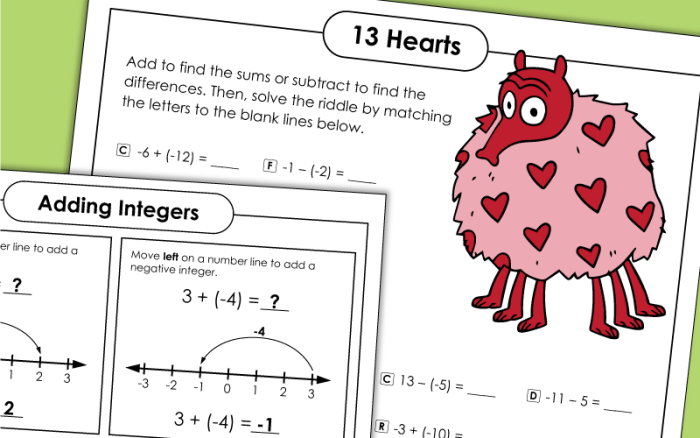
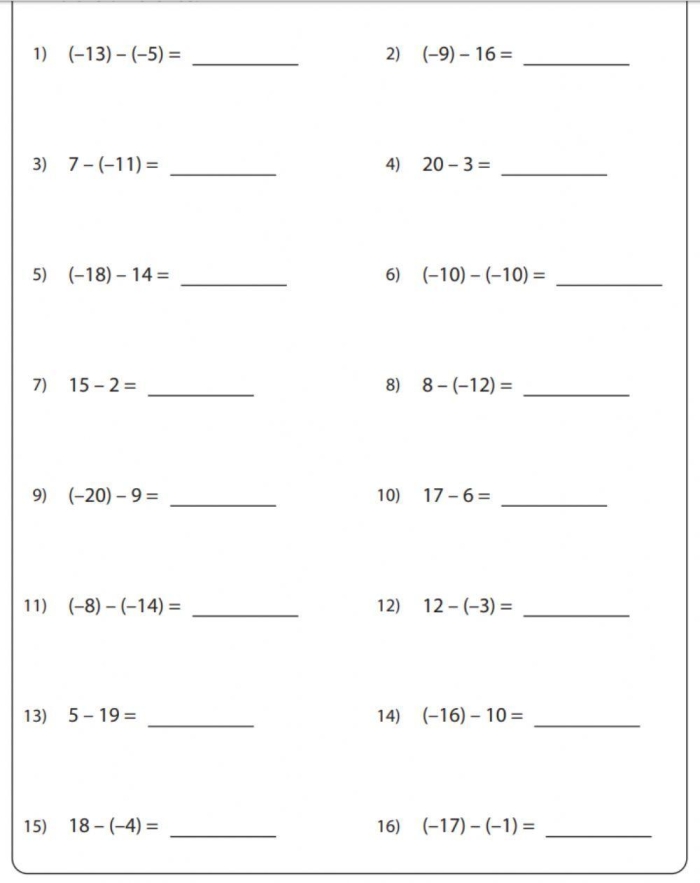
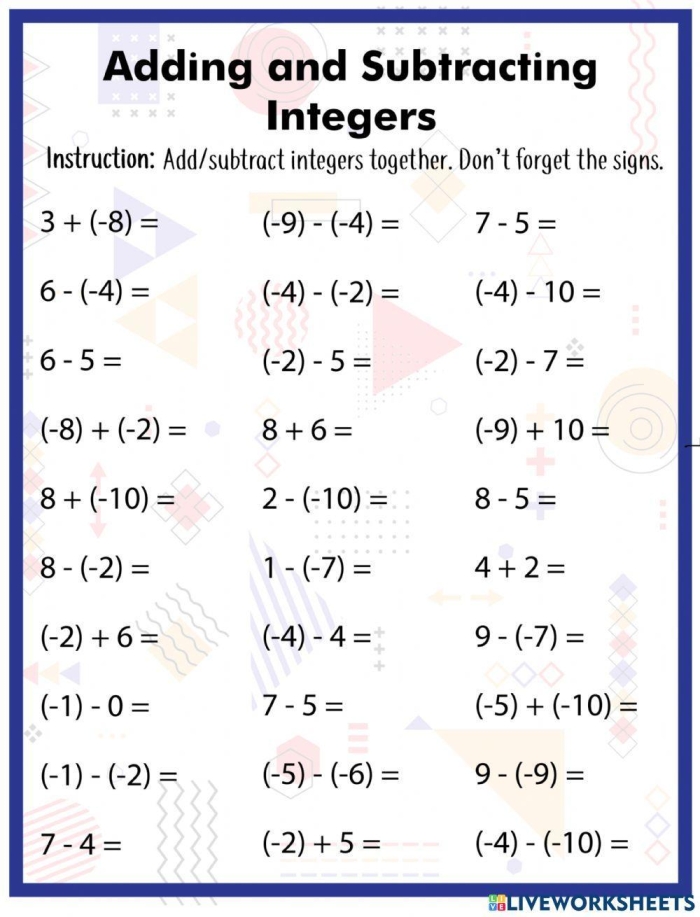
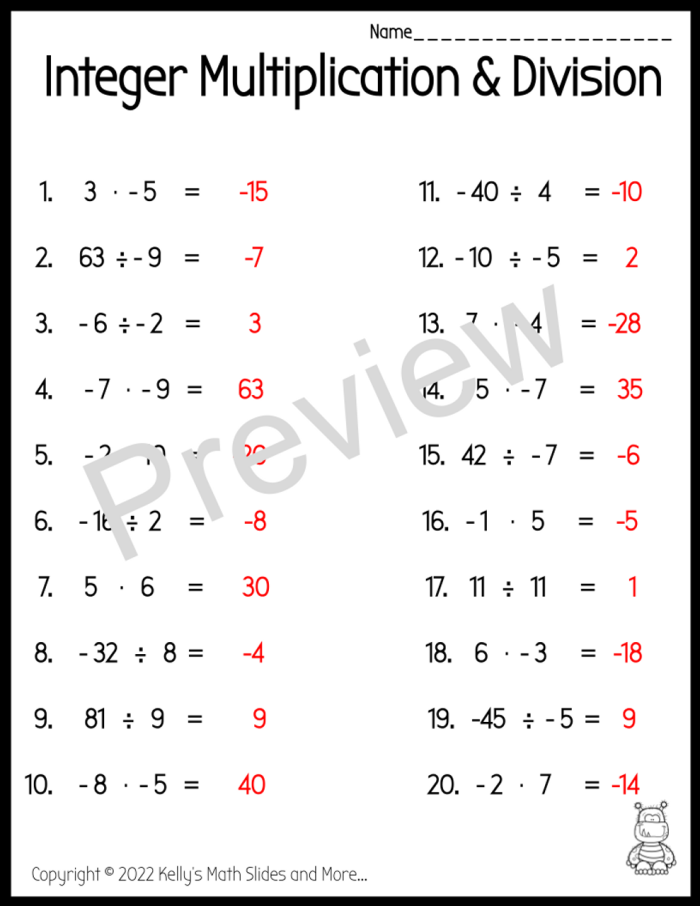
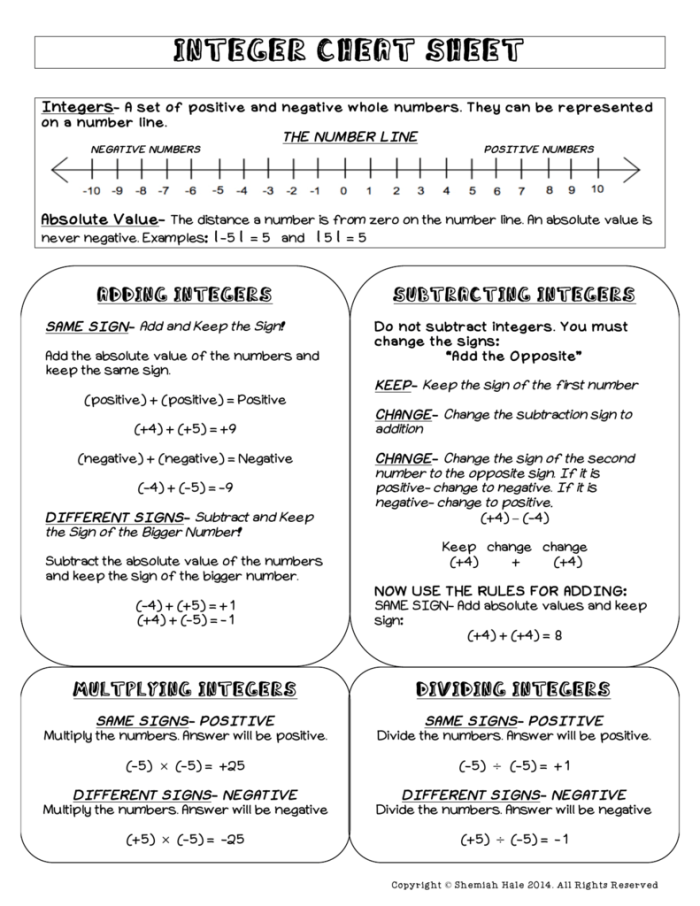
Learning to work with integers means grasping how they behave in addition, subtraction, multiplication, and division. The rules shift slightly when negatives enter the picture. Adding a negative number feels like subtraction, and multiplying two negative numbers produces a positive result. These patterns might seem strange at first, but they follow a logical structure once you see them in action.
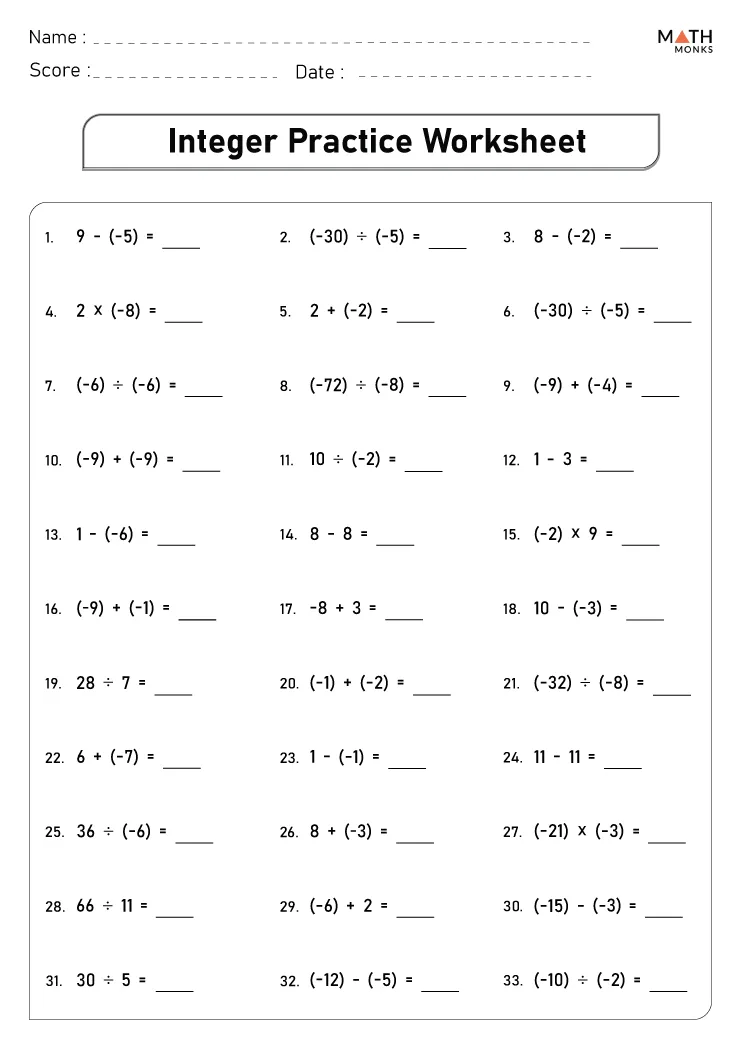
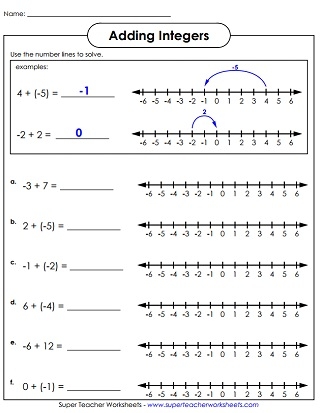
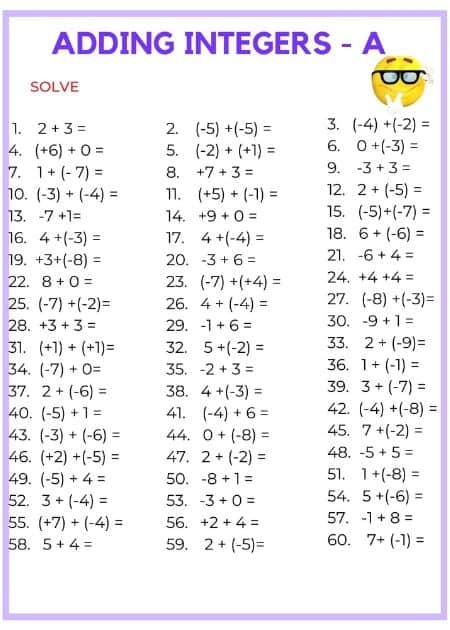
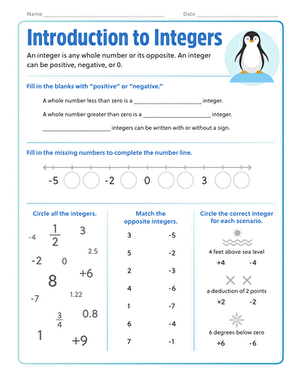
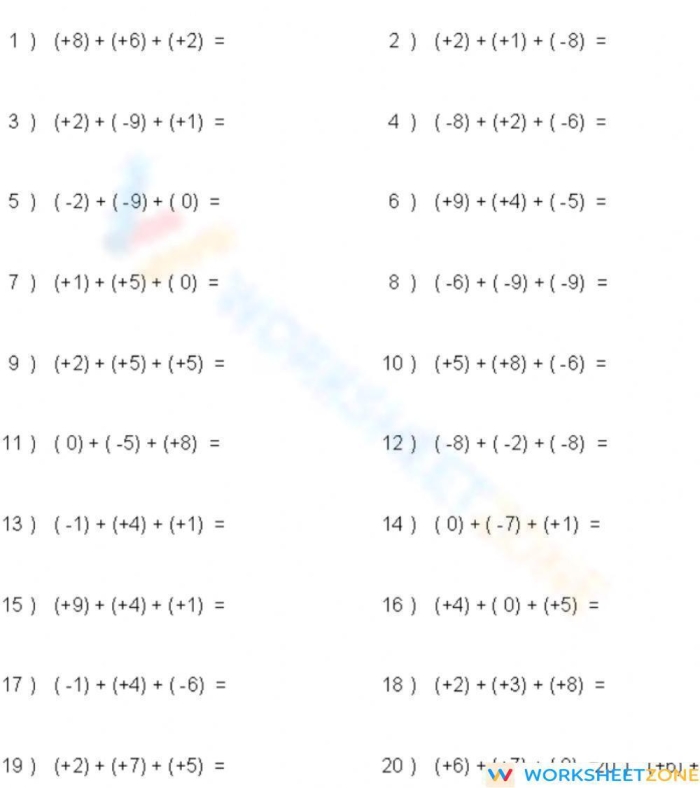
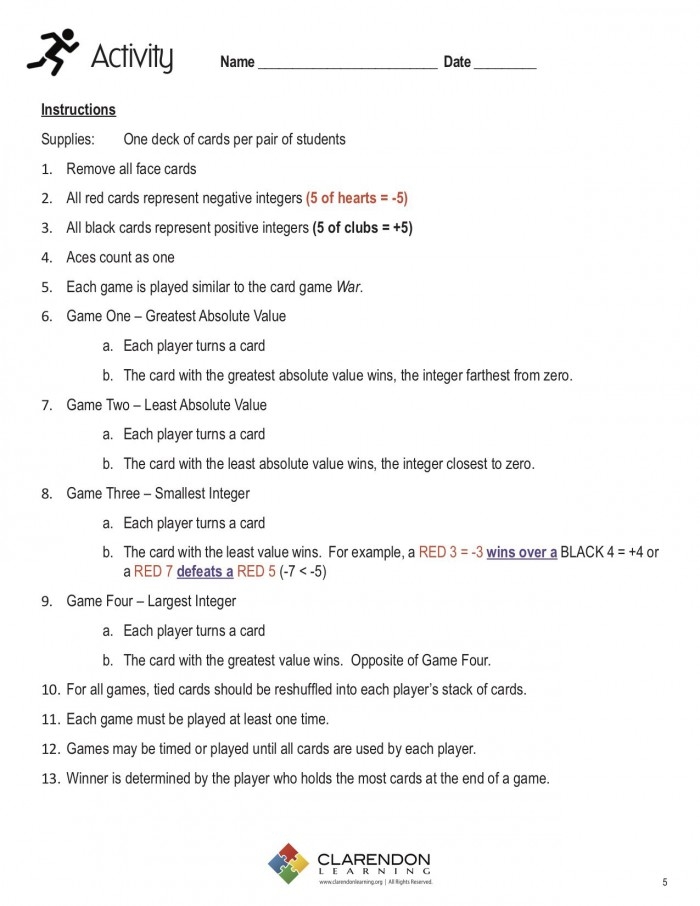
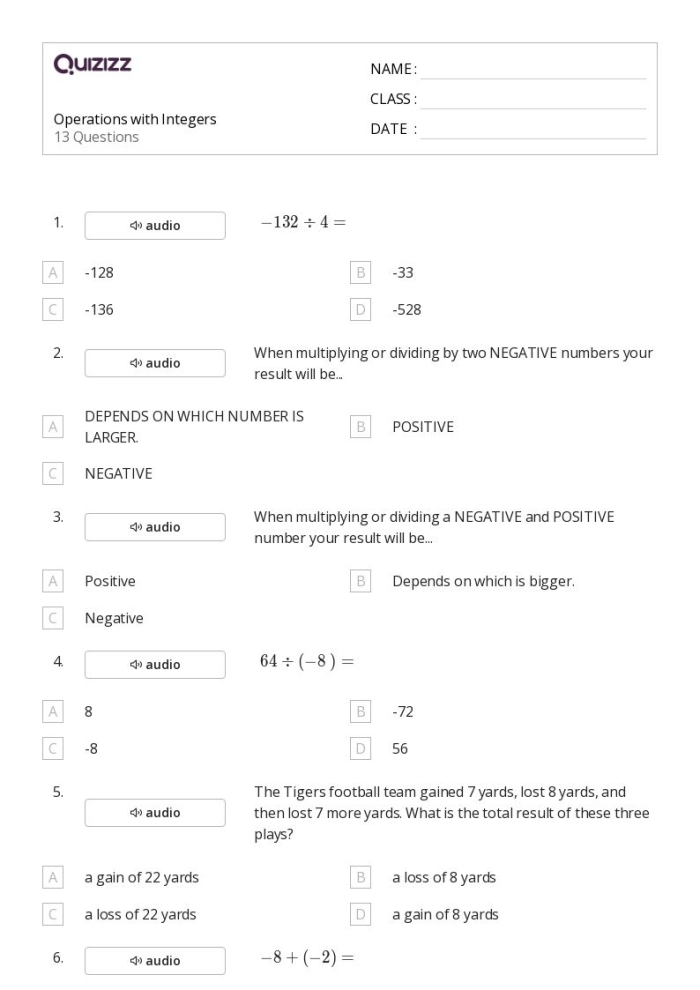
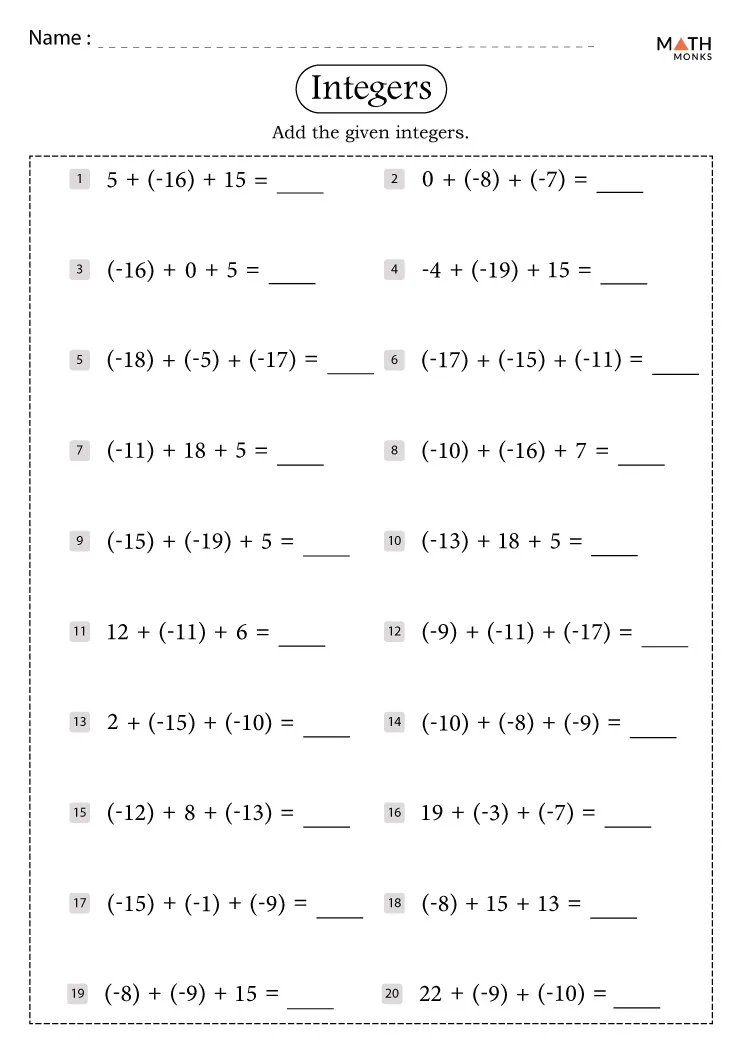
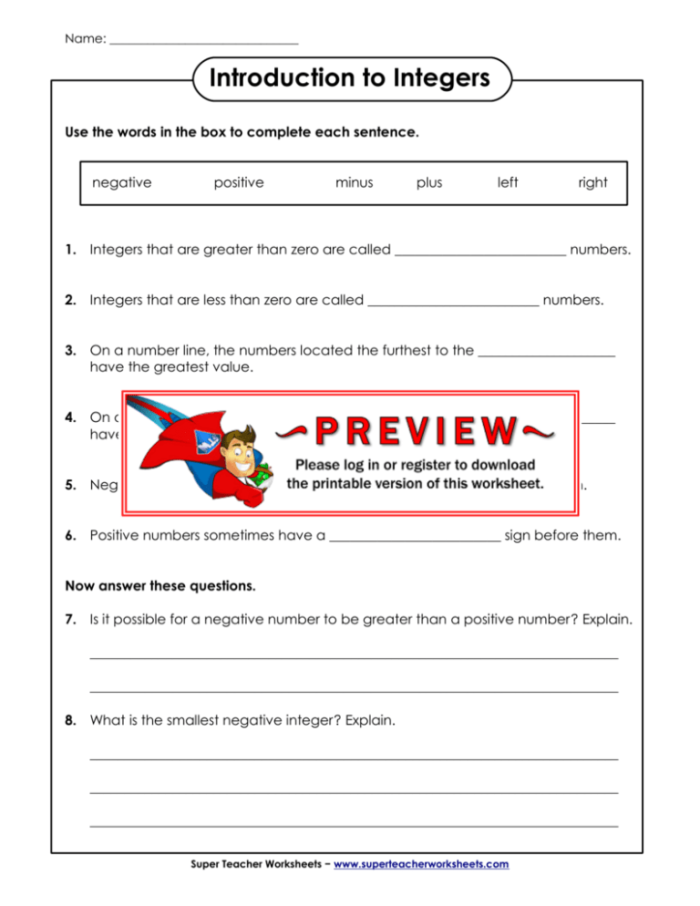
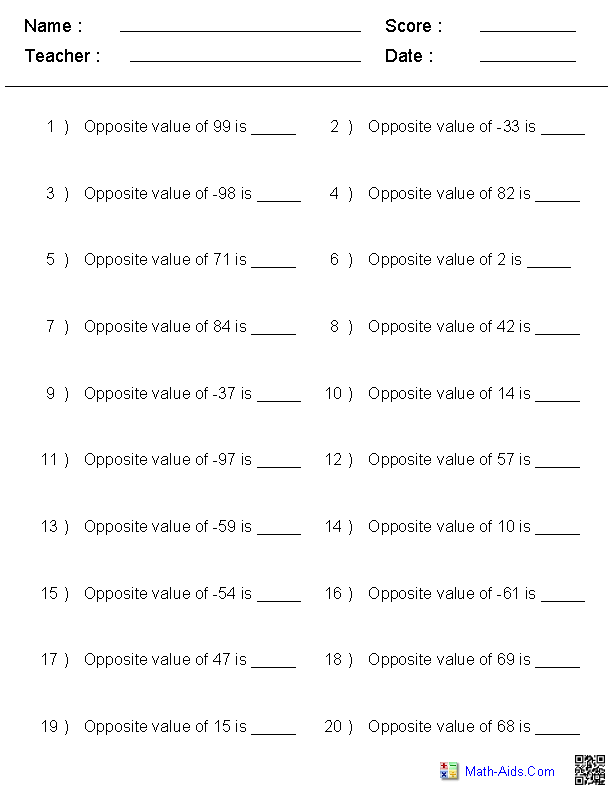
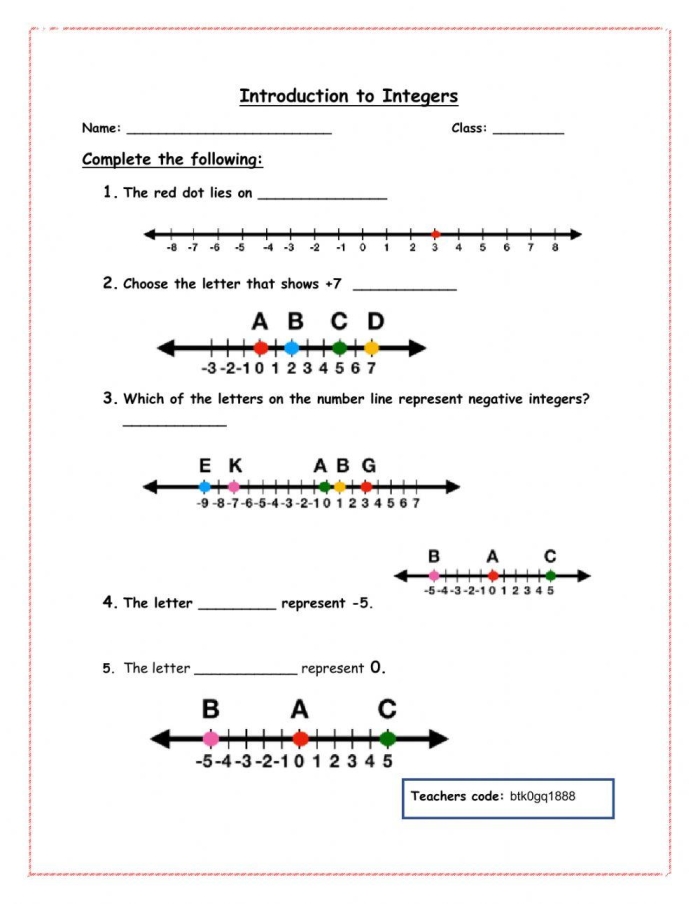
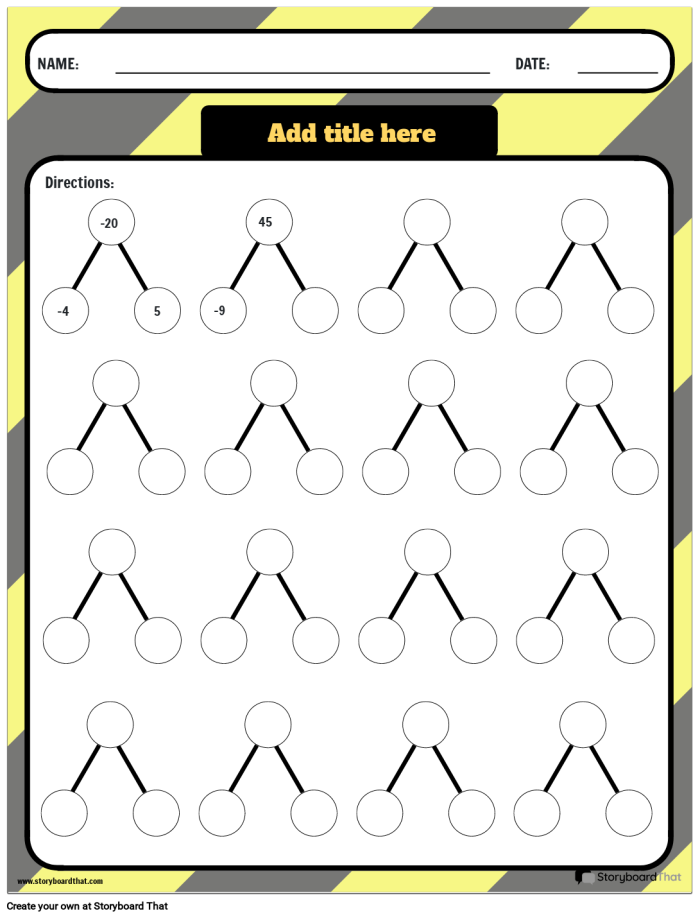
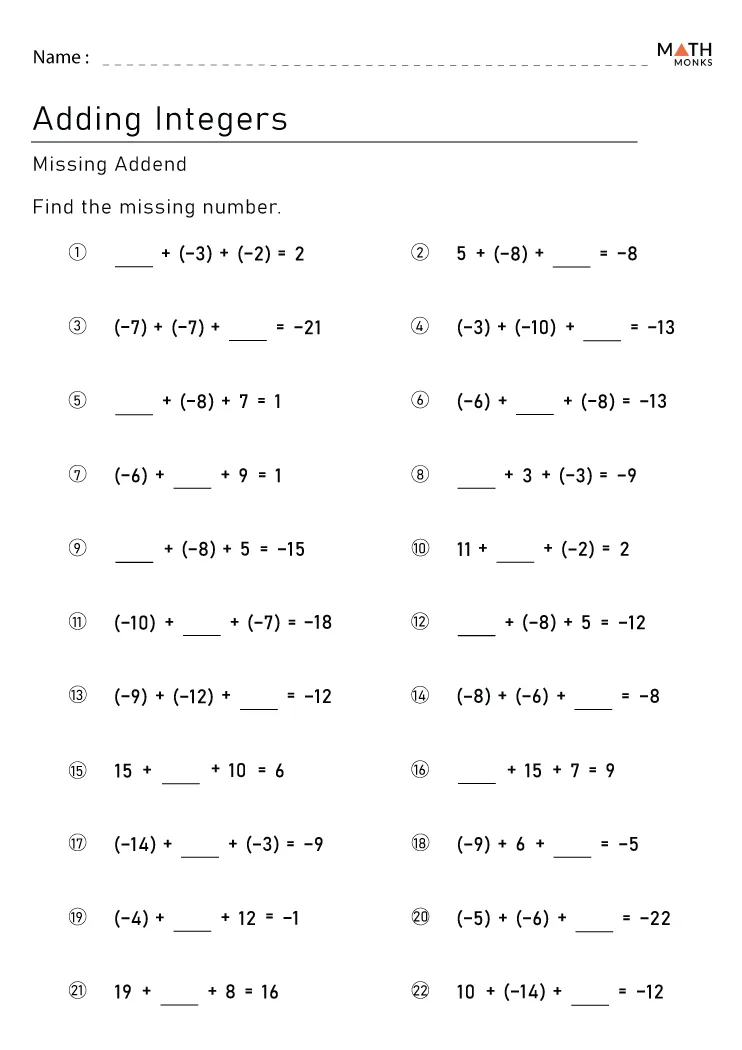
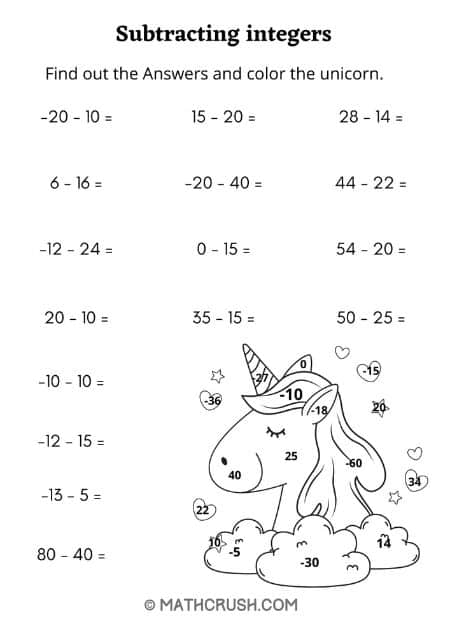
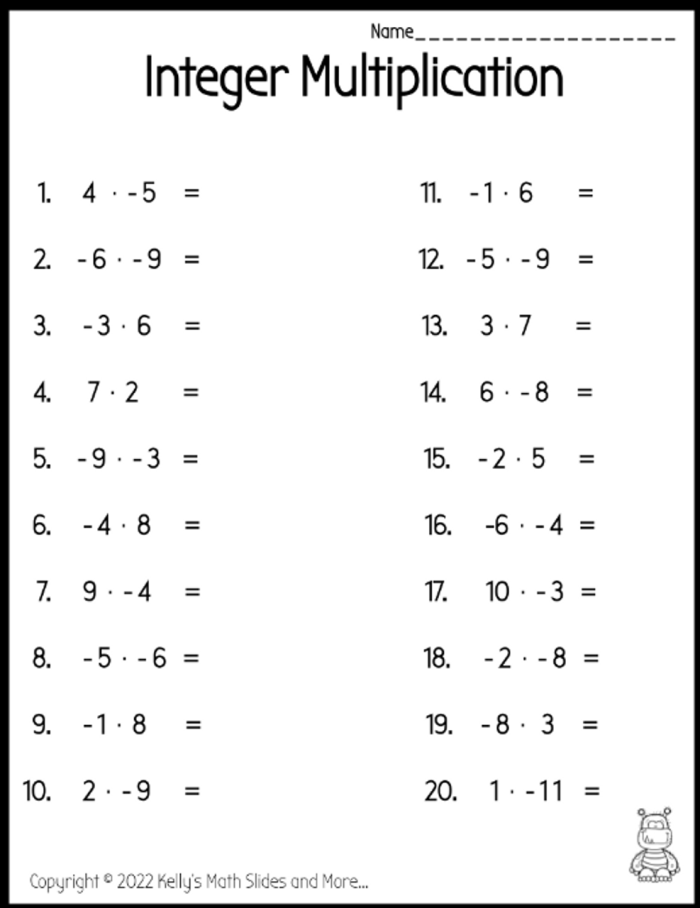
To build confidence with integers, working through practice problems makes all the difference. An introduction to integers worksheet gives you the chance to apply these concepts repeatedly until they stick. You can also strengthen your overall math vocabulary by exploring how to determine the meaning of words using synonyms in context, which helps you understand mathematical language more clearly.
Once you’re comfortable with integers, you’re ready to tackle more advanced topics like writing inequalities and solving one-step equations with mixed operations. These skills build directly on integer fundamentals, making your early practice essential for future success.
Hands-On Worksheet Activities