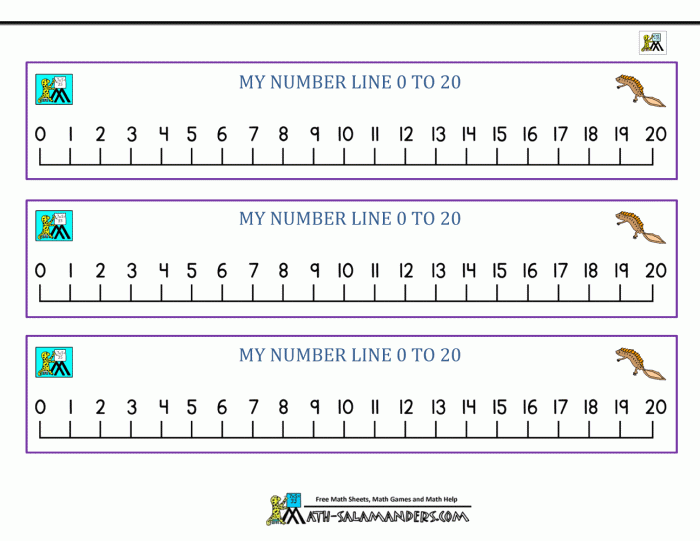
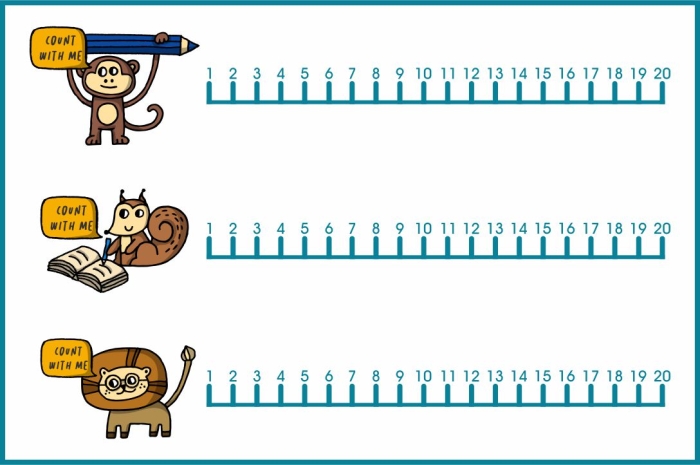
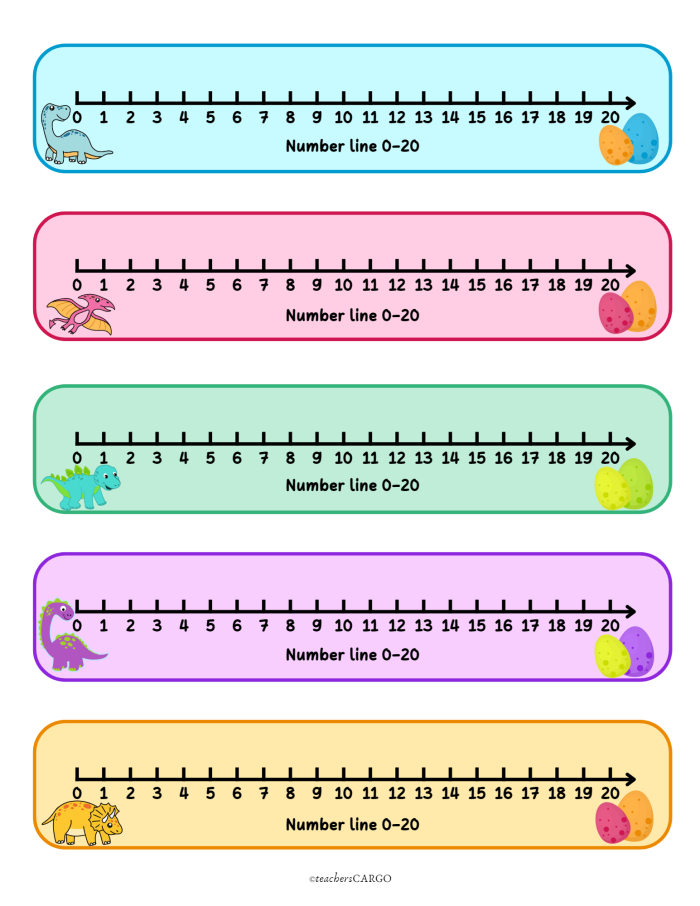
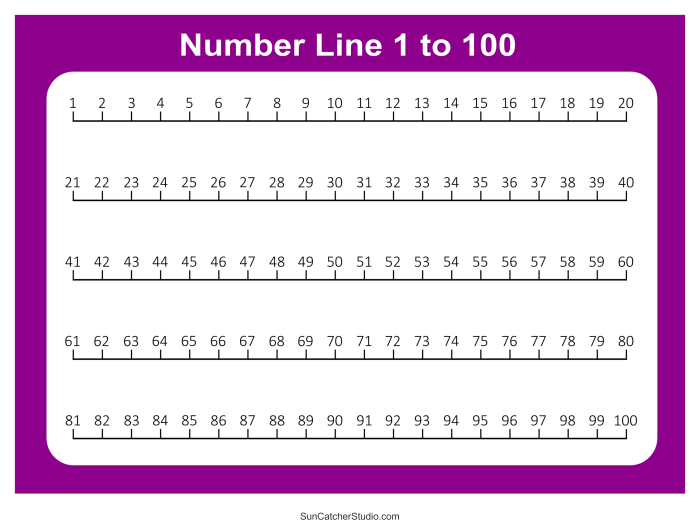
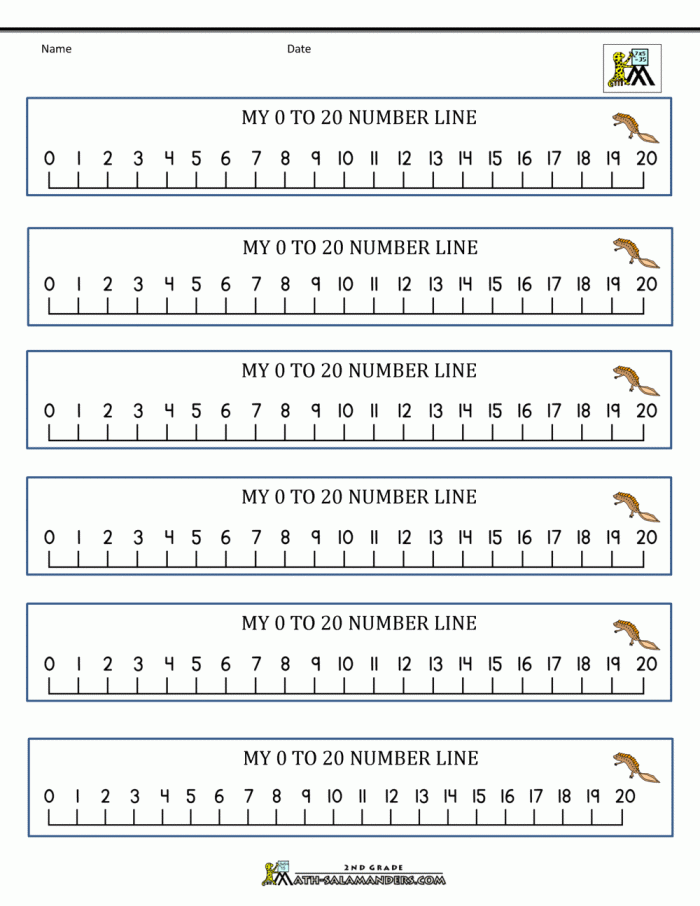
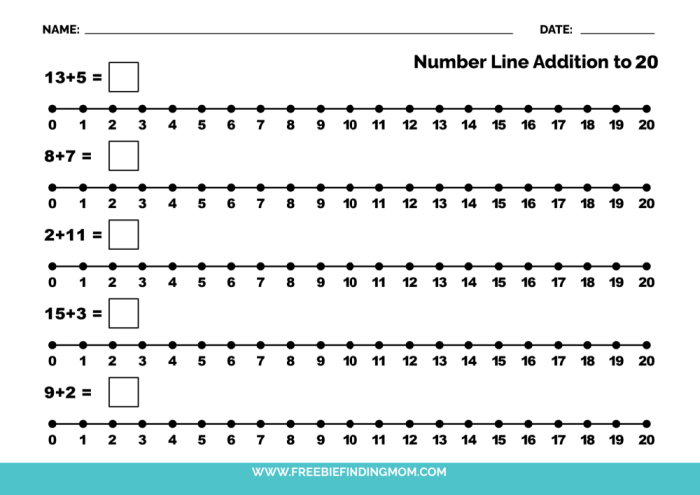
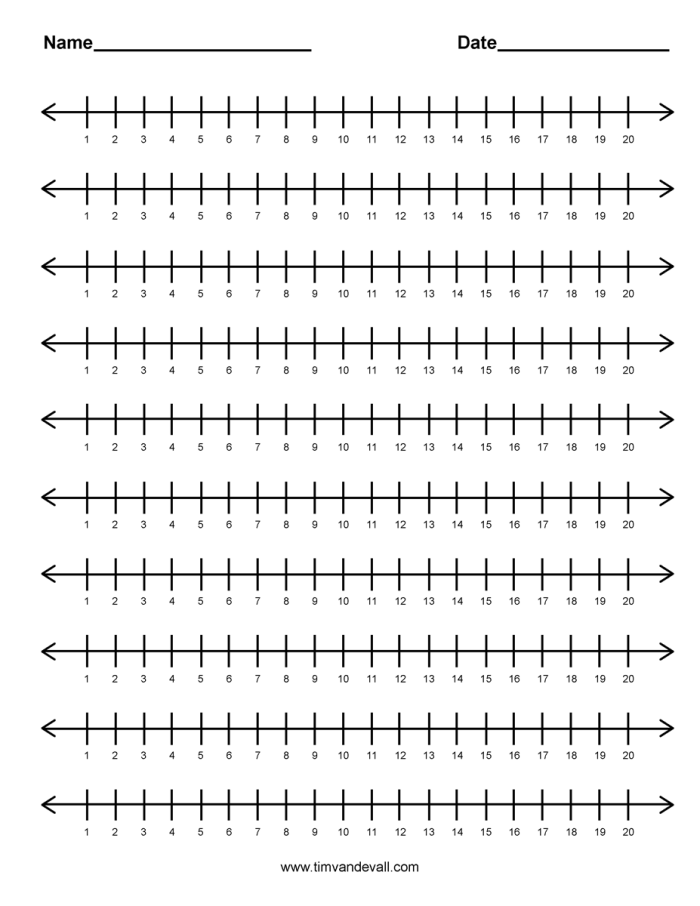
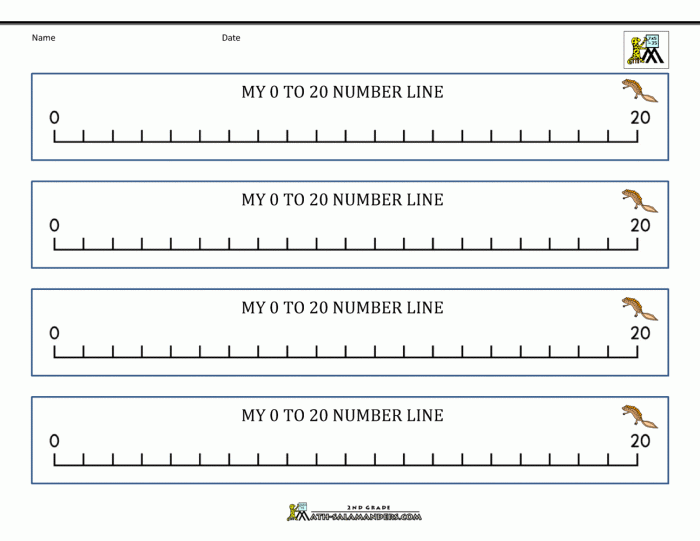
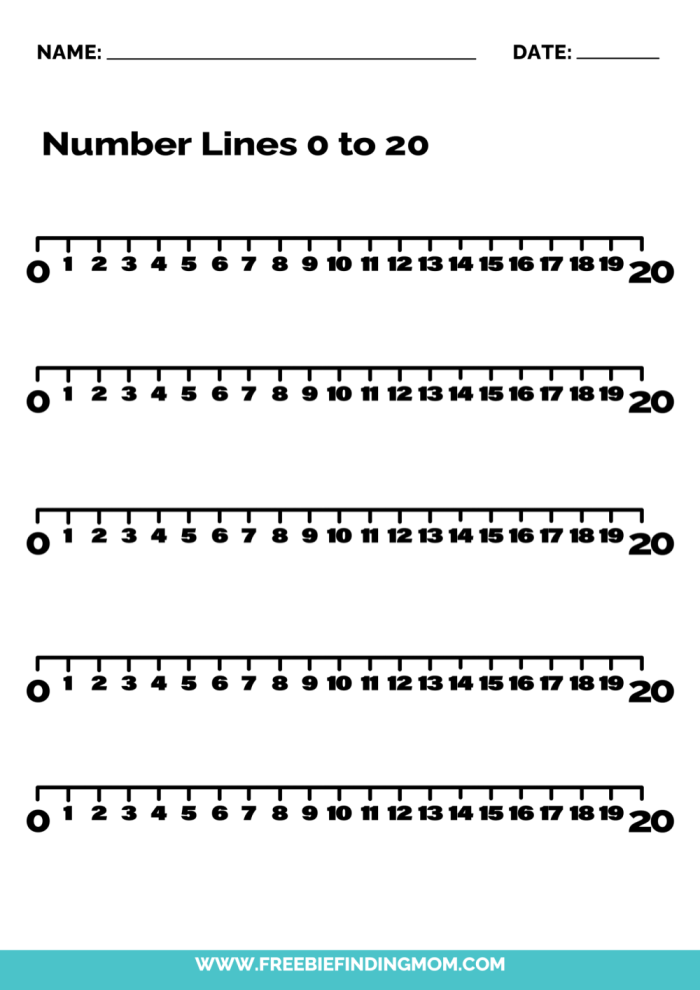
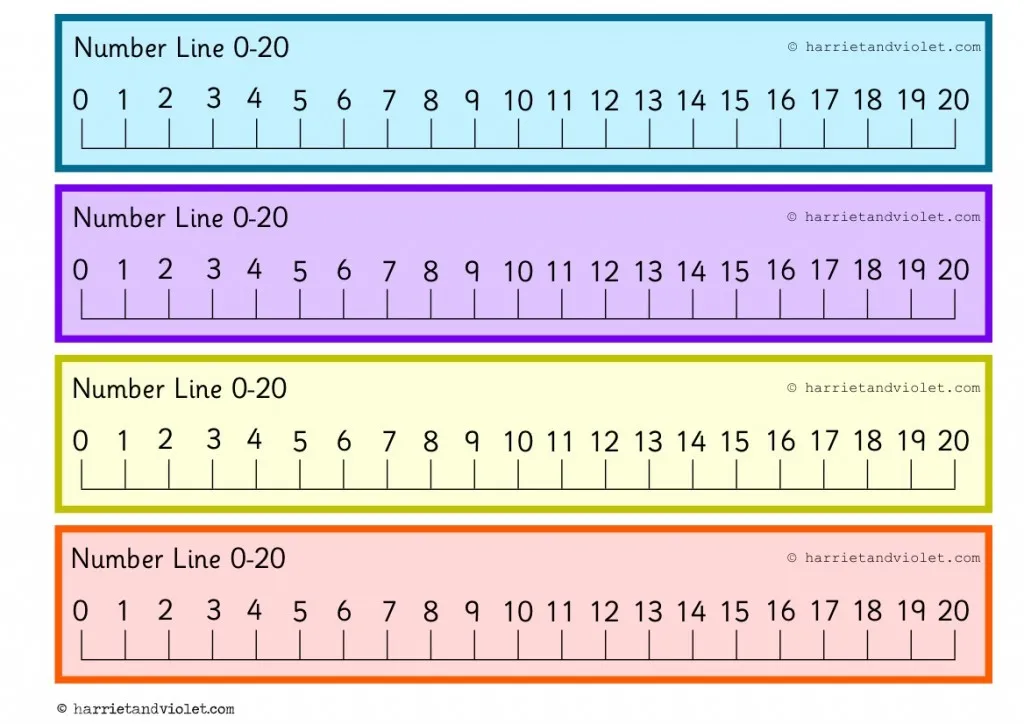
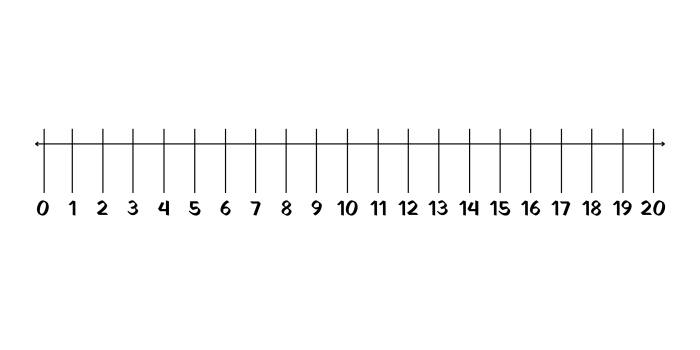
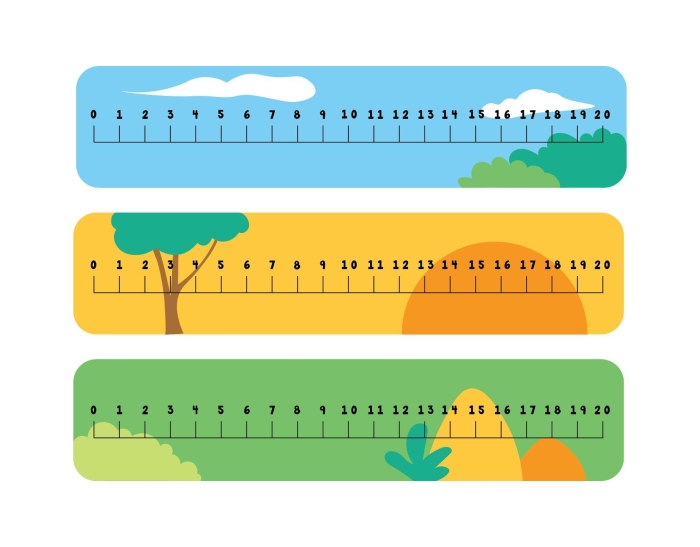
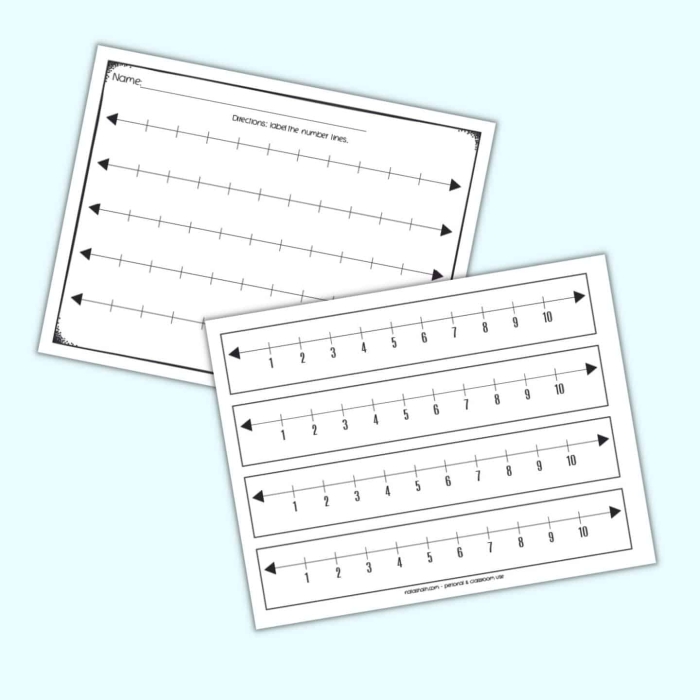
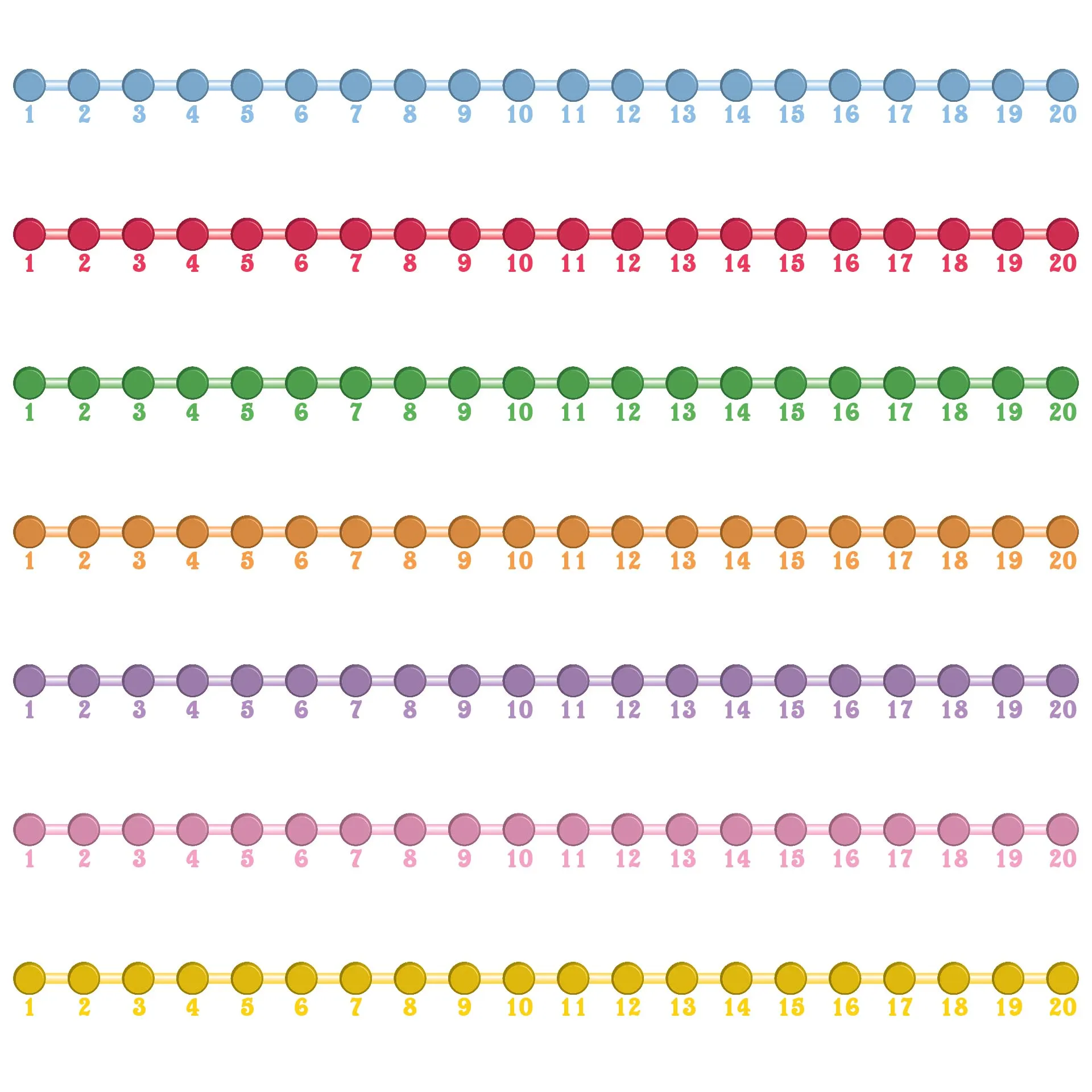
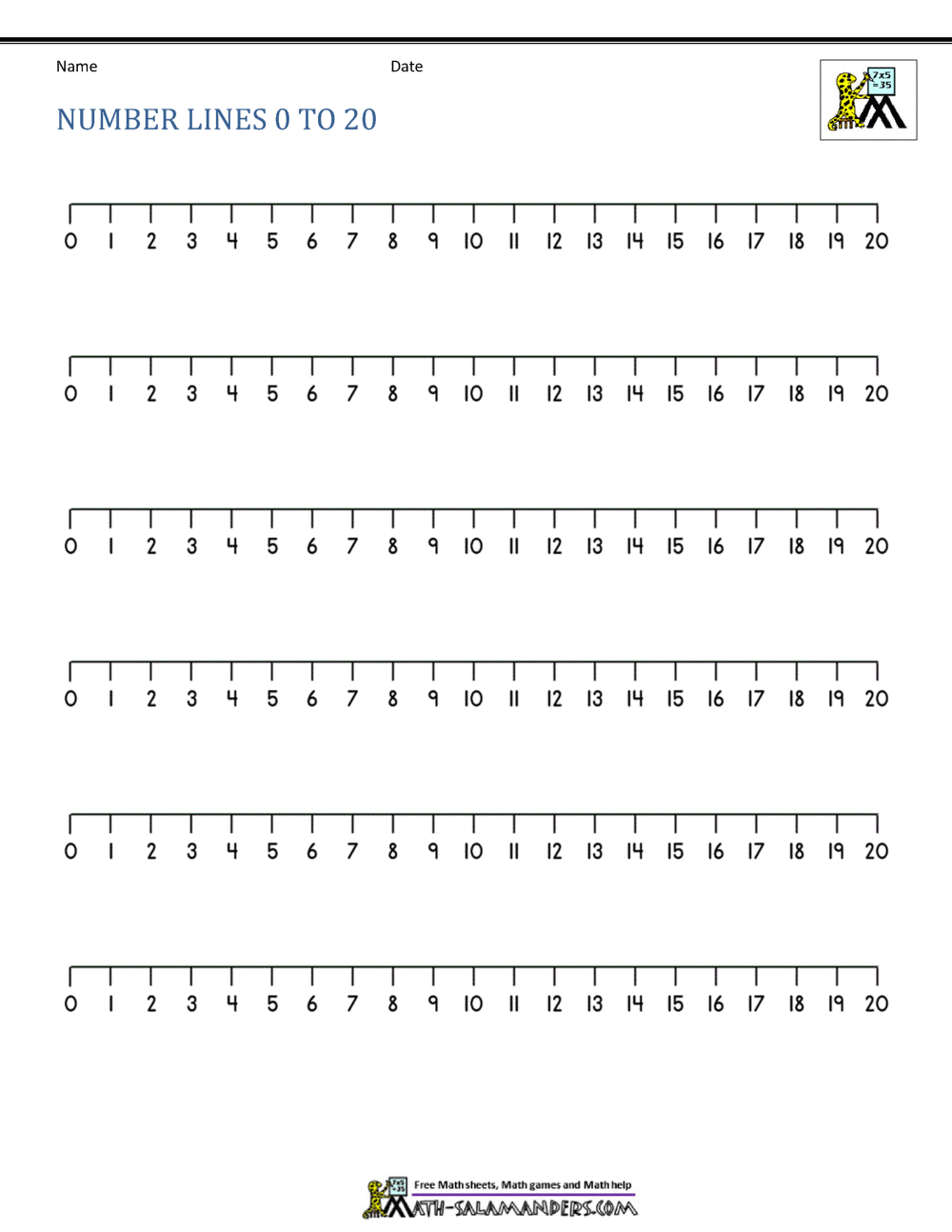
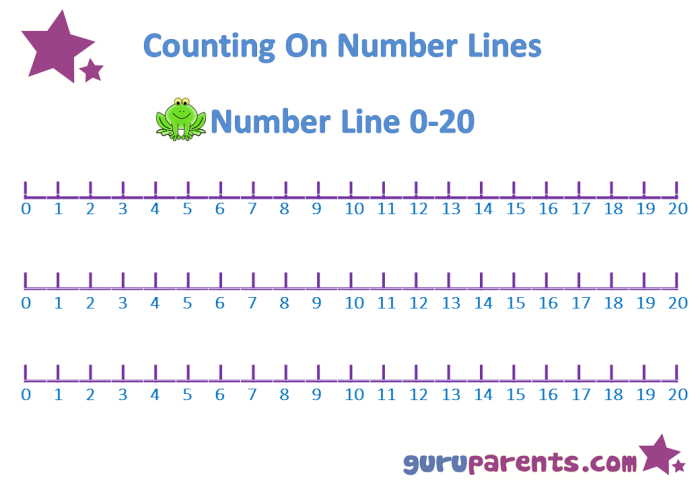
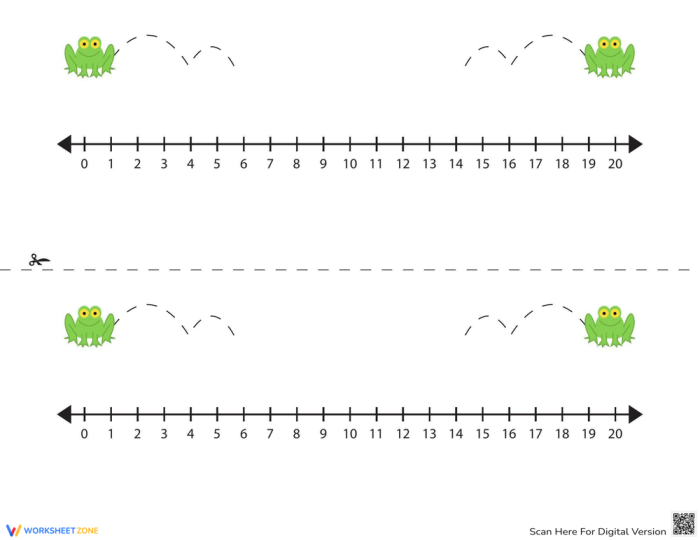
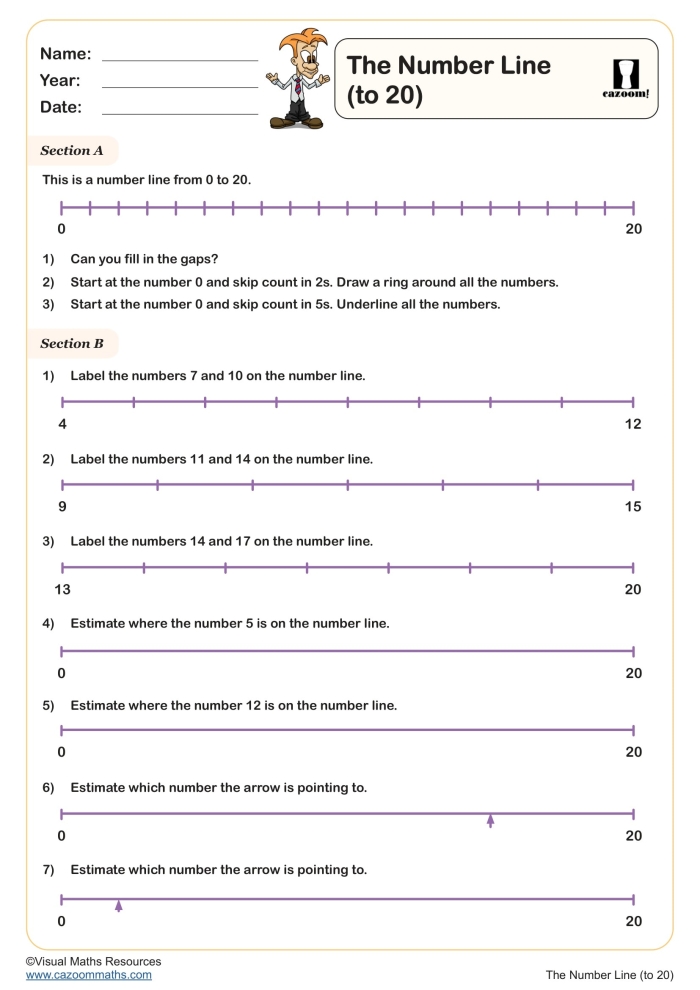
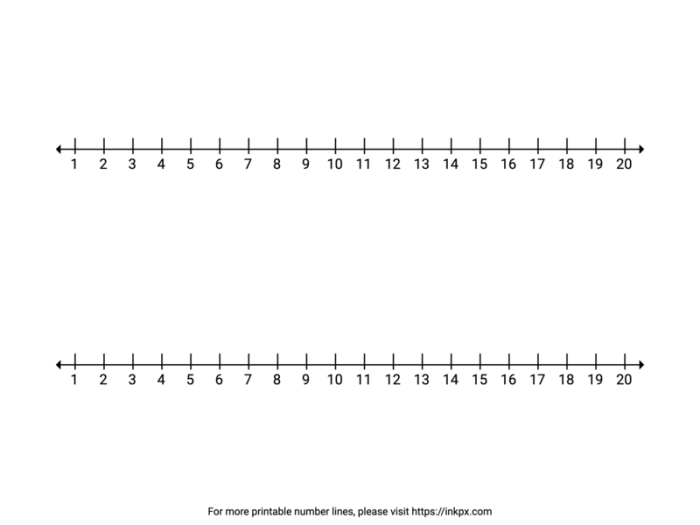
A number line from 1 to 20 becomes one of the most practical tools you can hand to a first grader who’s learning to add and subtract. Rather than relying on fingers or counting objects, kids can physically move along the line, making the abstract concept of addition and subtraction concrete and visible.
When a child sees a number line laid out horizontally, they understand that numbers have a sequence and a direction. Starting at one number and jumping forward shows addition. Starting at a larger number and jumping backward shows subtraction. This visual representation helps first graders grasp what these operations actually mean, beyond just memorizing facts.
The beauty of this approach is that it works for any problem within 20. If your student needs to solve 7 + 5, they find 7 on the line and count five spaces forward. For 12 – 3, they locate 12 and count three spaces back. The line does the heavy lifting of organization, leaving mental energy for the actual counting and reasoning.
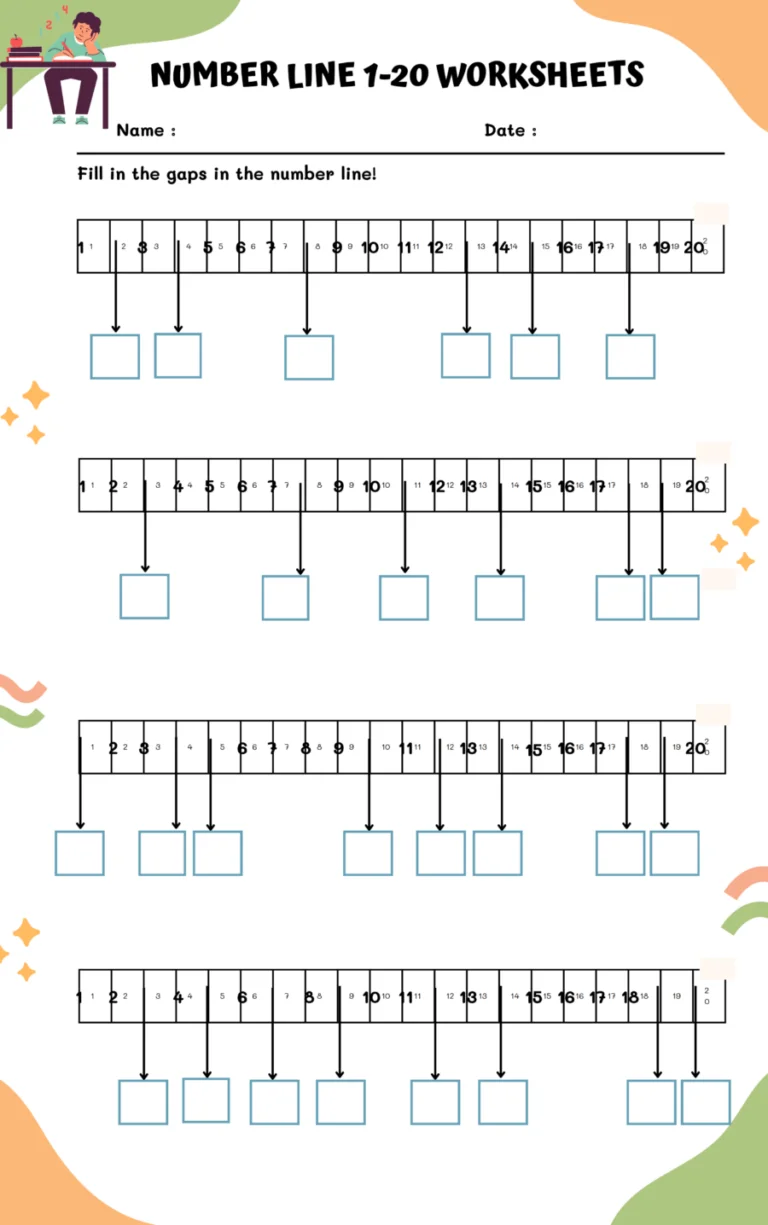
Using a printable number line 1-20 worksheet lets students practice repeatedly without wearing out a physical manipulative. You can pair this with other foundational skills, like understanding before, after, and between numbers to strengthen overall number sense.
What makes this tool particularly effective is that it bridges the gap between concrete and abstract thinking. First graders aren’t quite ready to solve problems purely in their heads, but they’re ready to move beyond counting on their fingers. A number line meets them exactly where they are developmentally, giving them a strategy they can rely on until fluency develops naturally.
Worksheet Practice Section