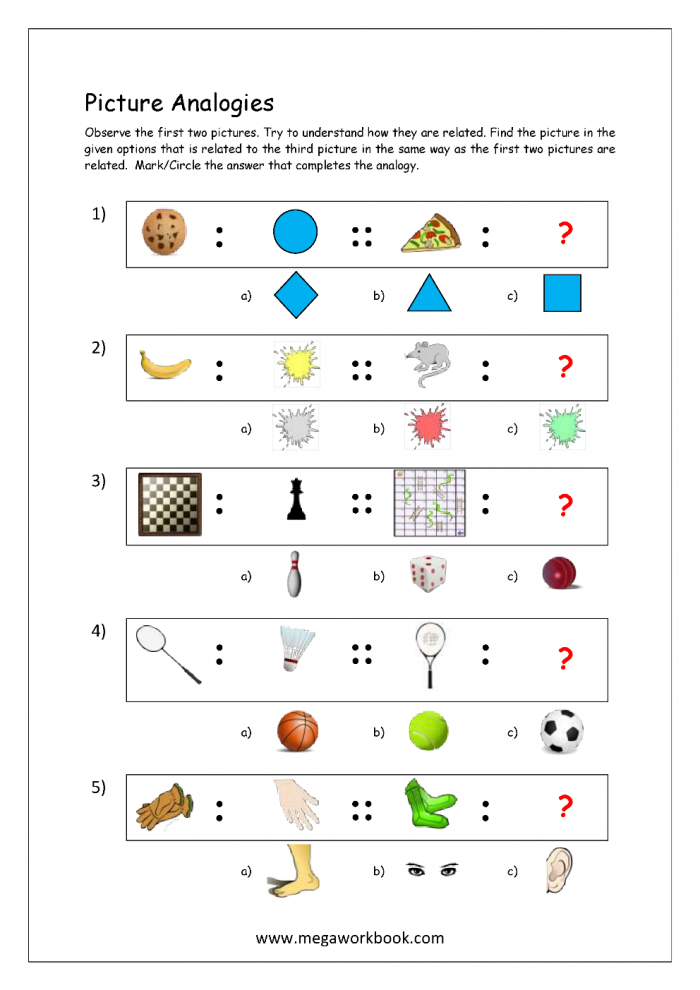
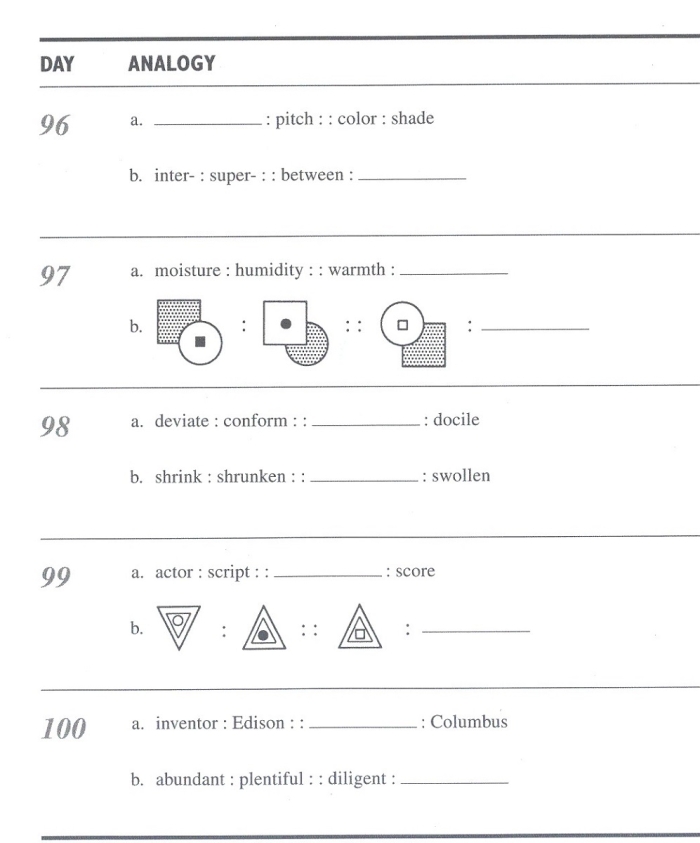
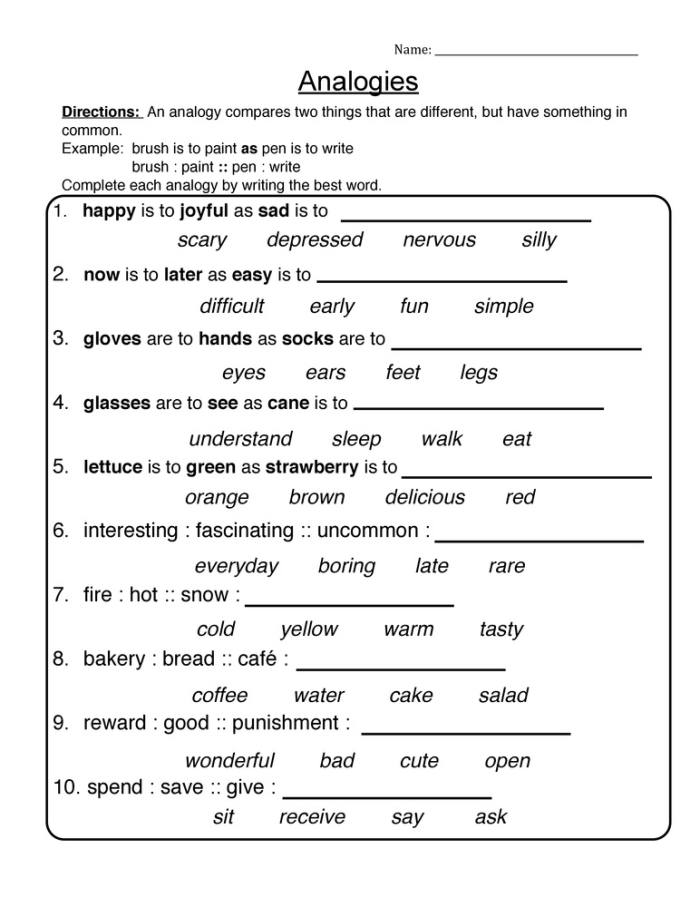
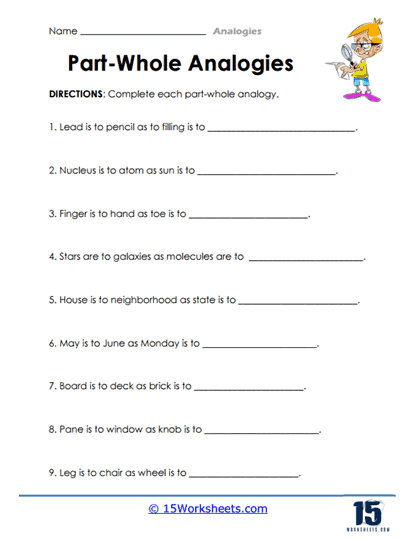
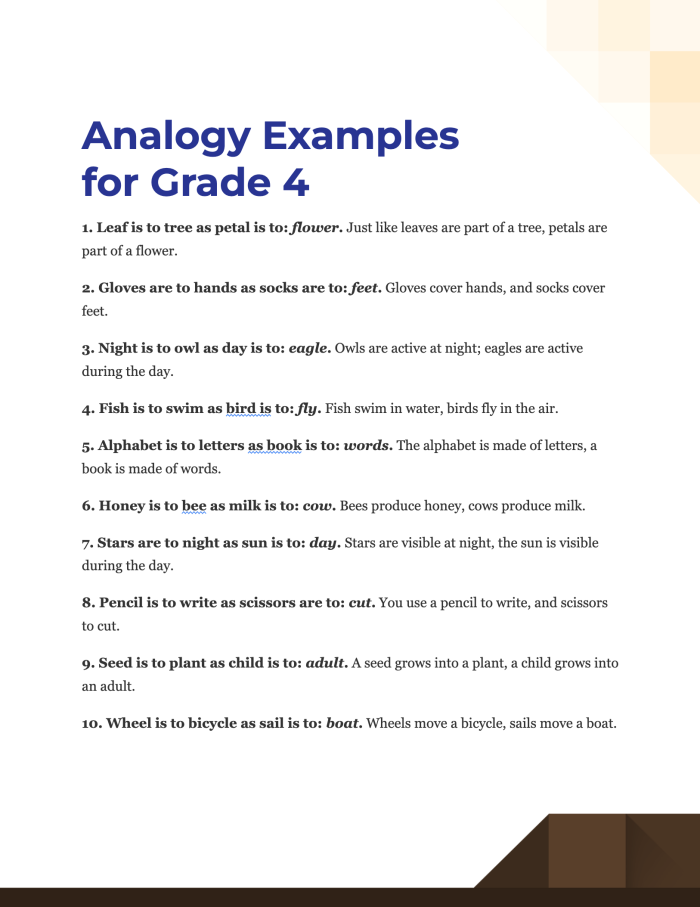
Analogies are one of those reading skills that seem simple on the surface but actually unlock deeper thinking. When your third grader learns to spot relationships between unlike things, they’re building mental bridges that strengthen both reading comprehension and writing ability.
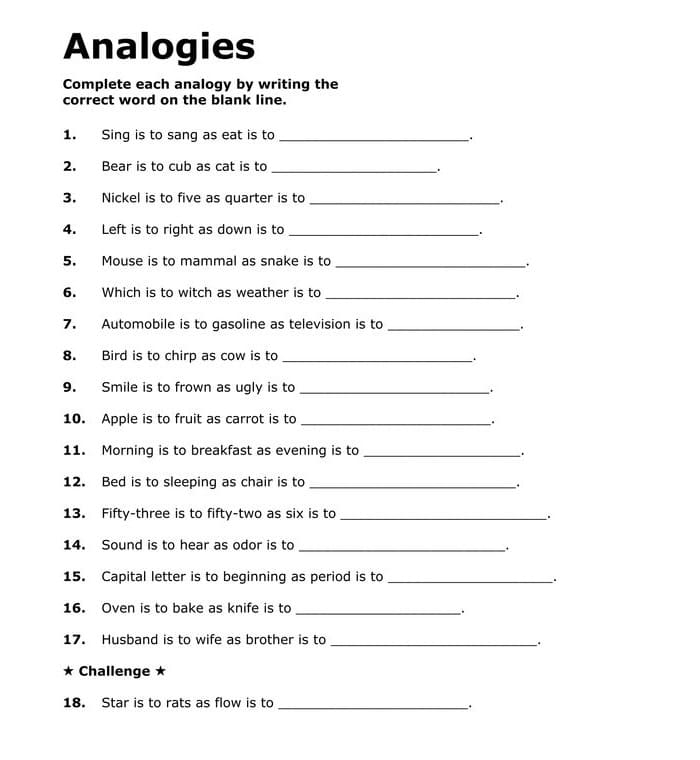
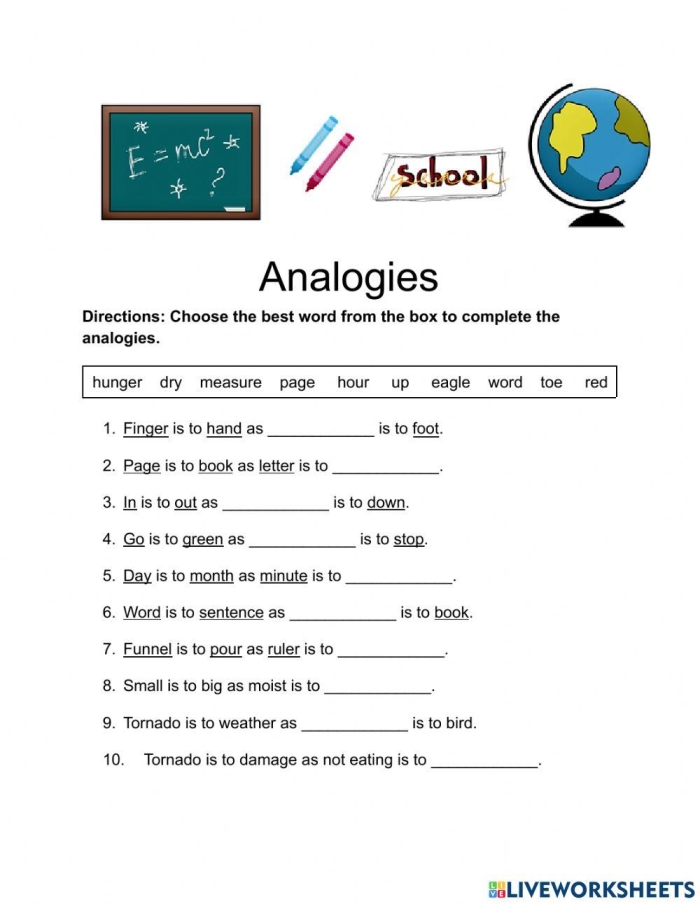
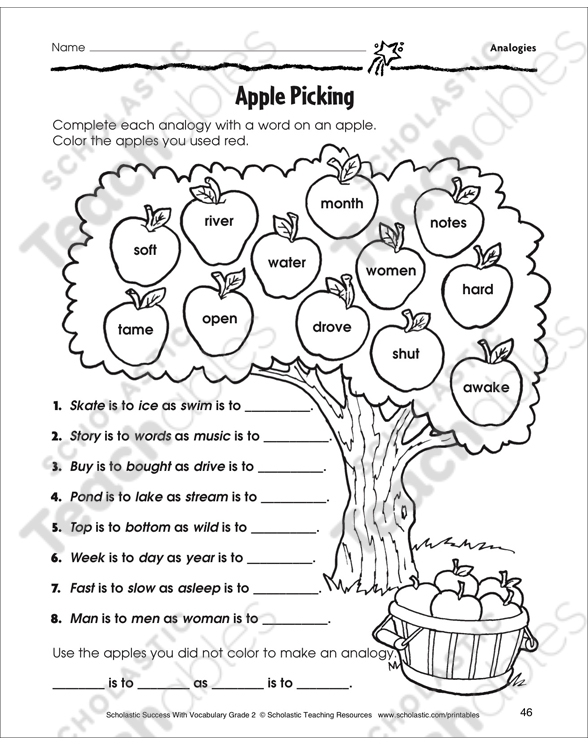
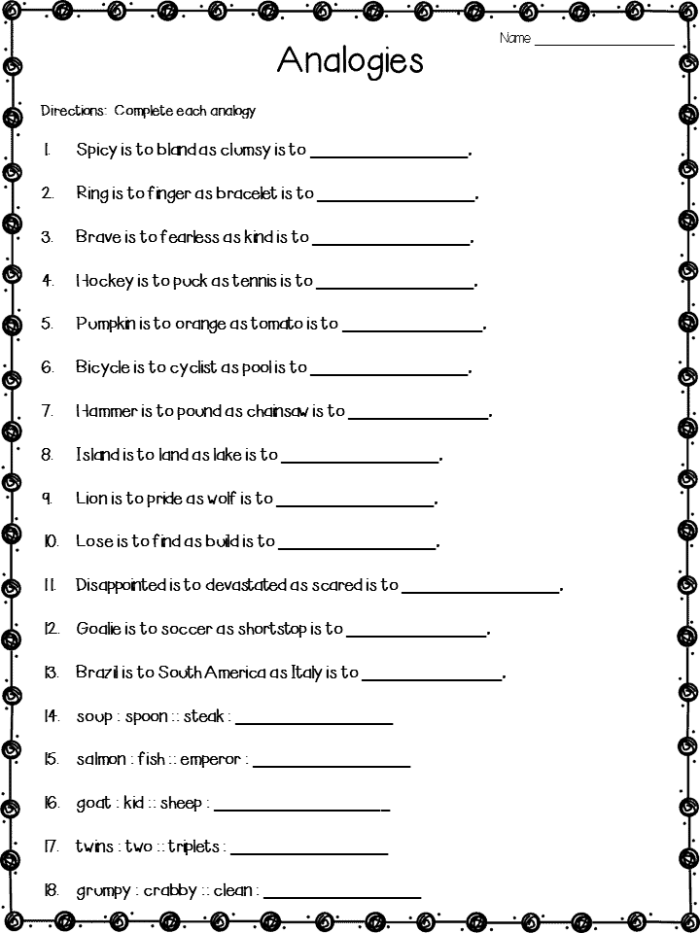
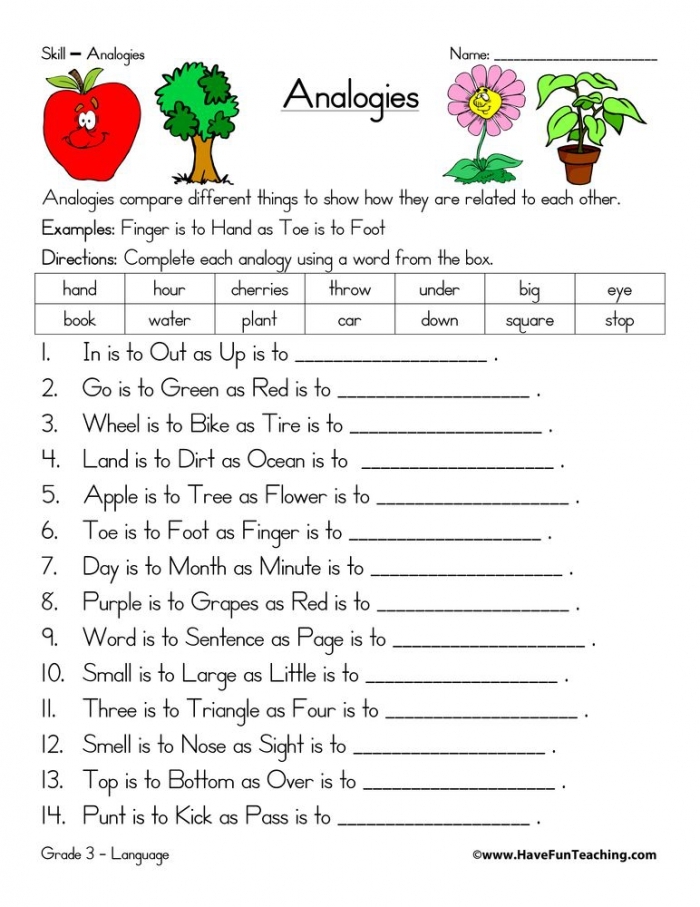
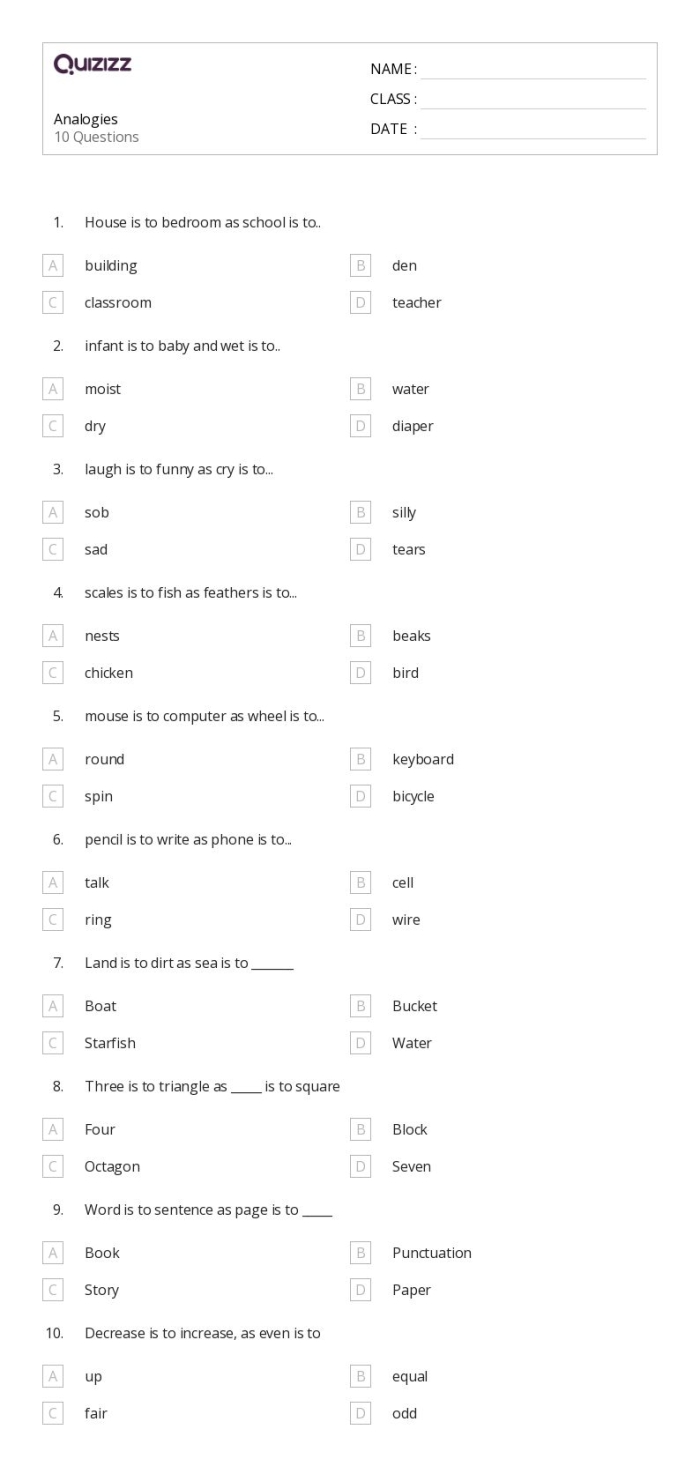
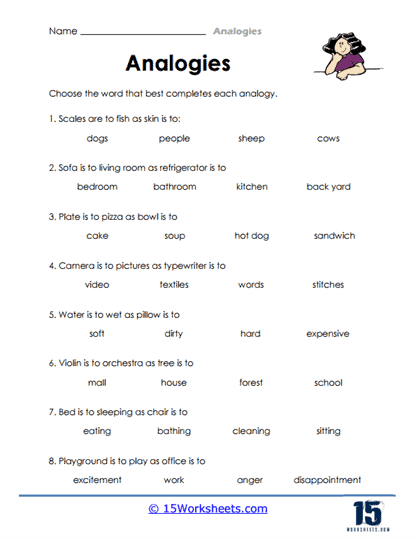
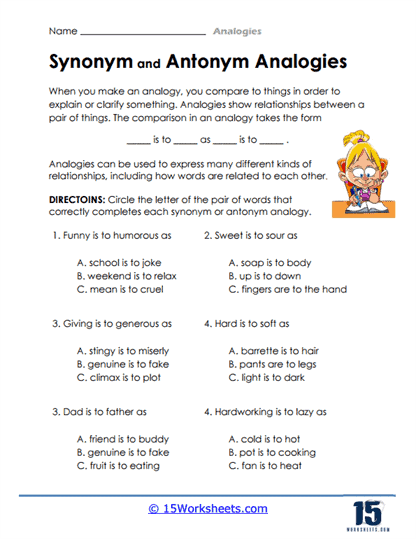
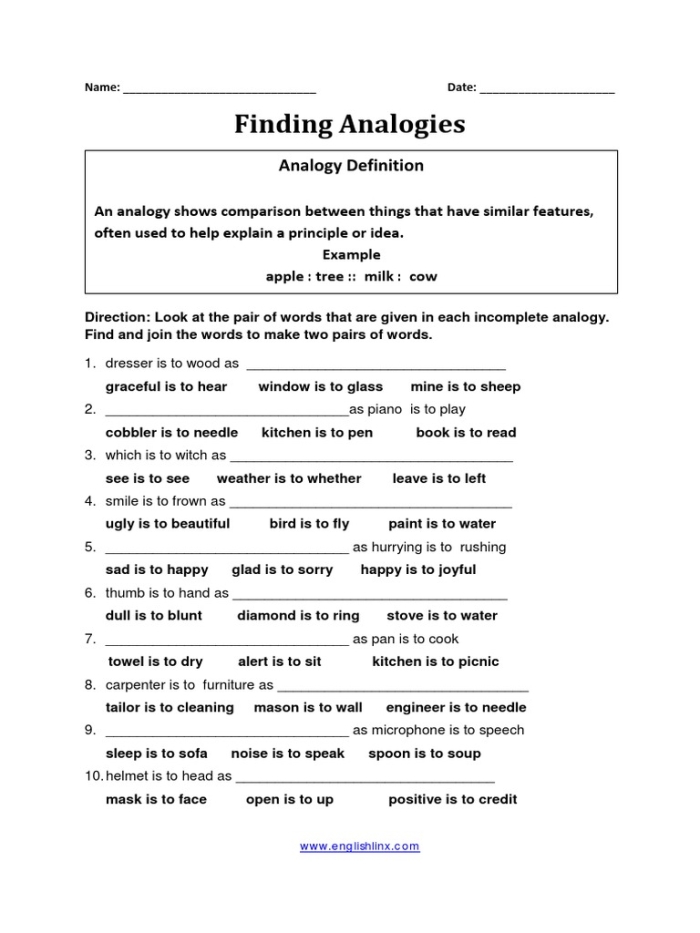
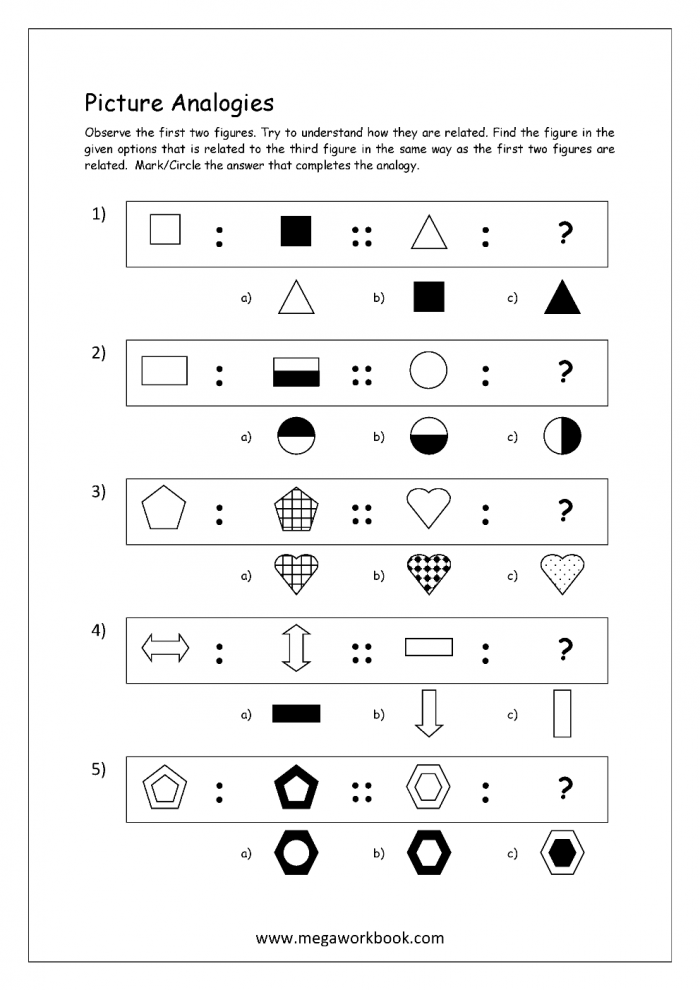
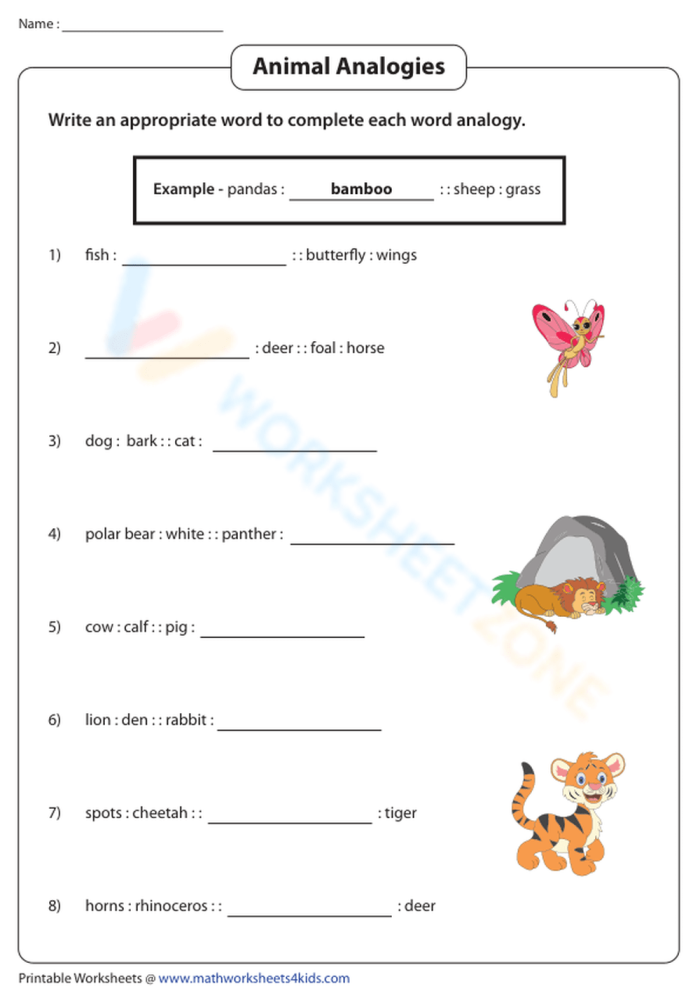
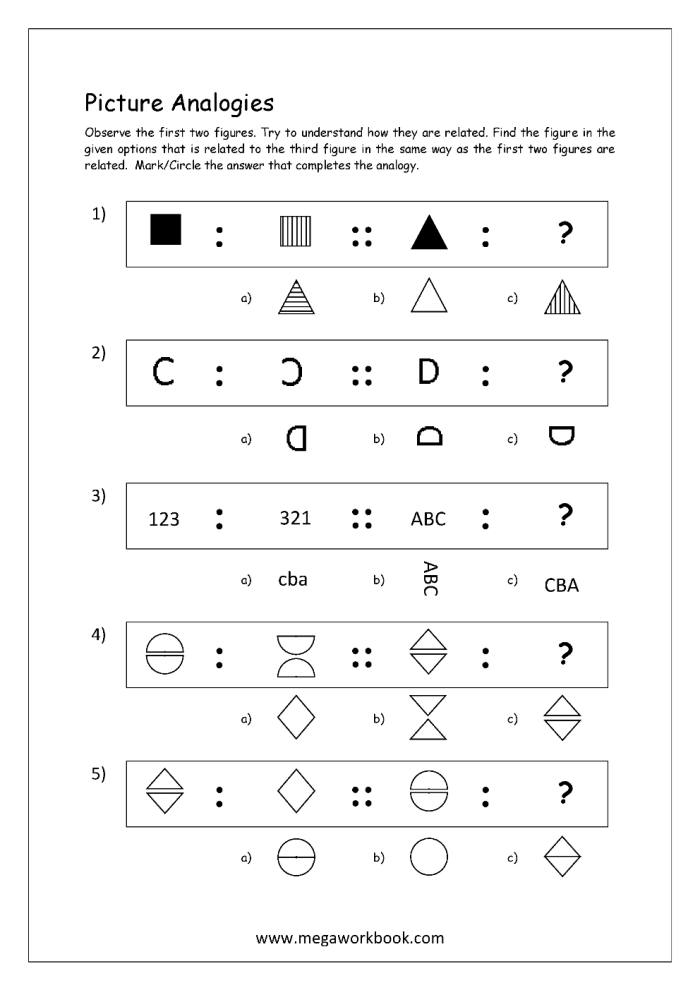
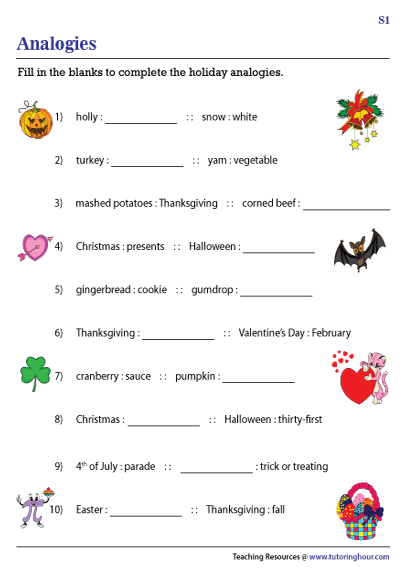
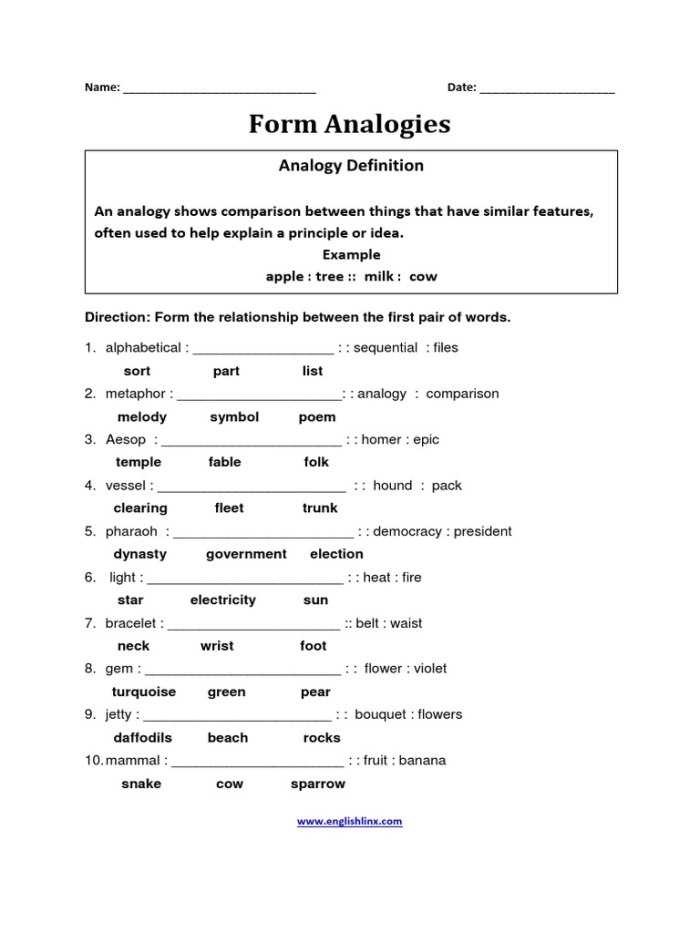
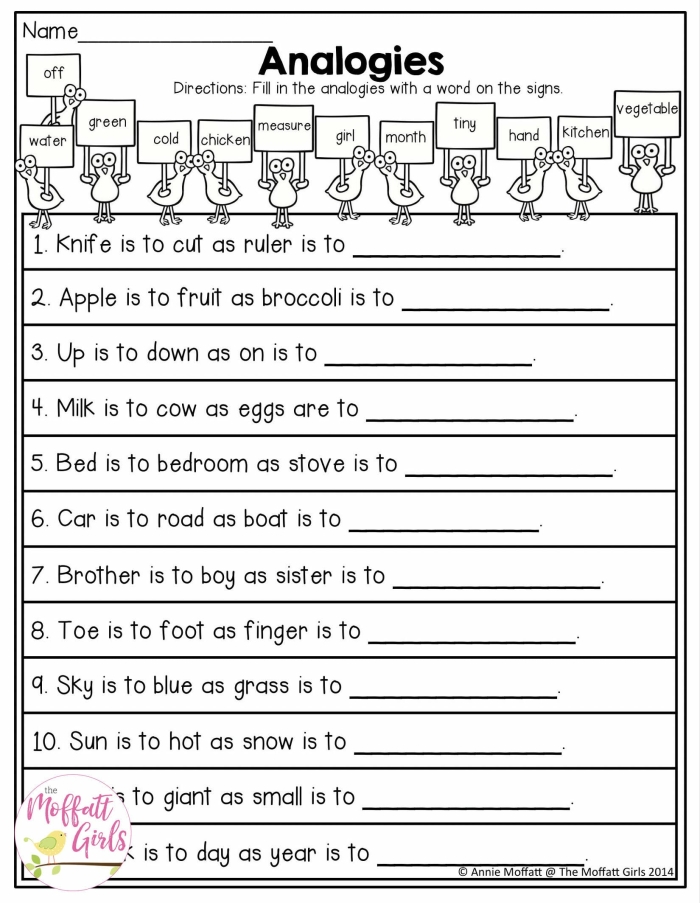
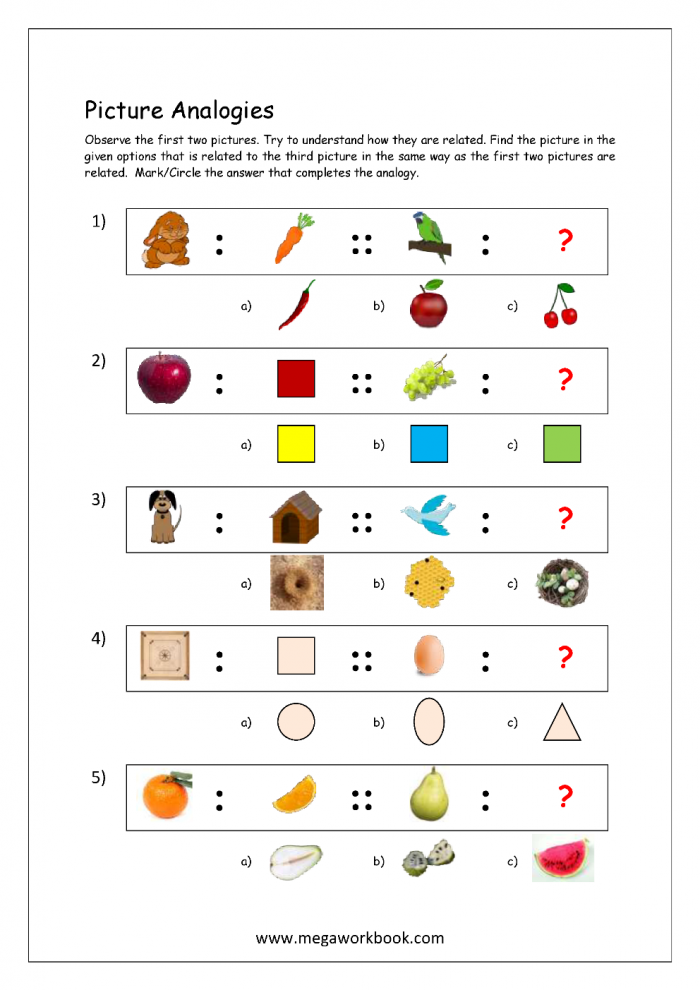
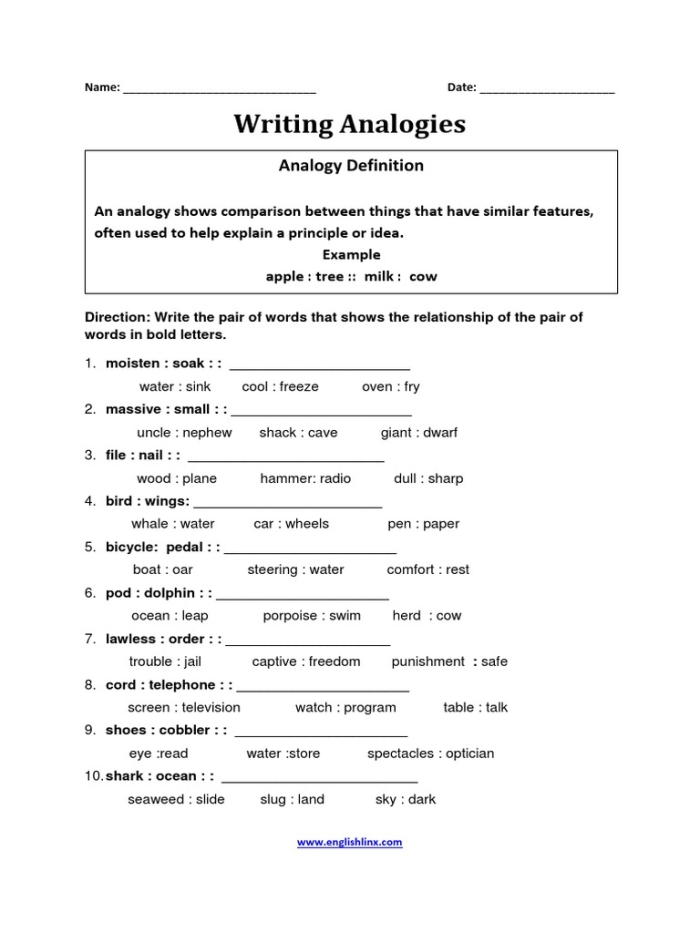
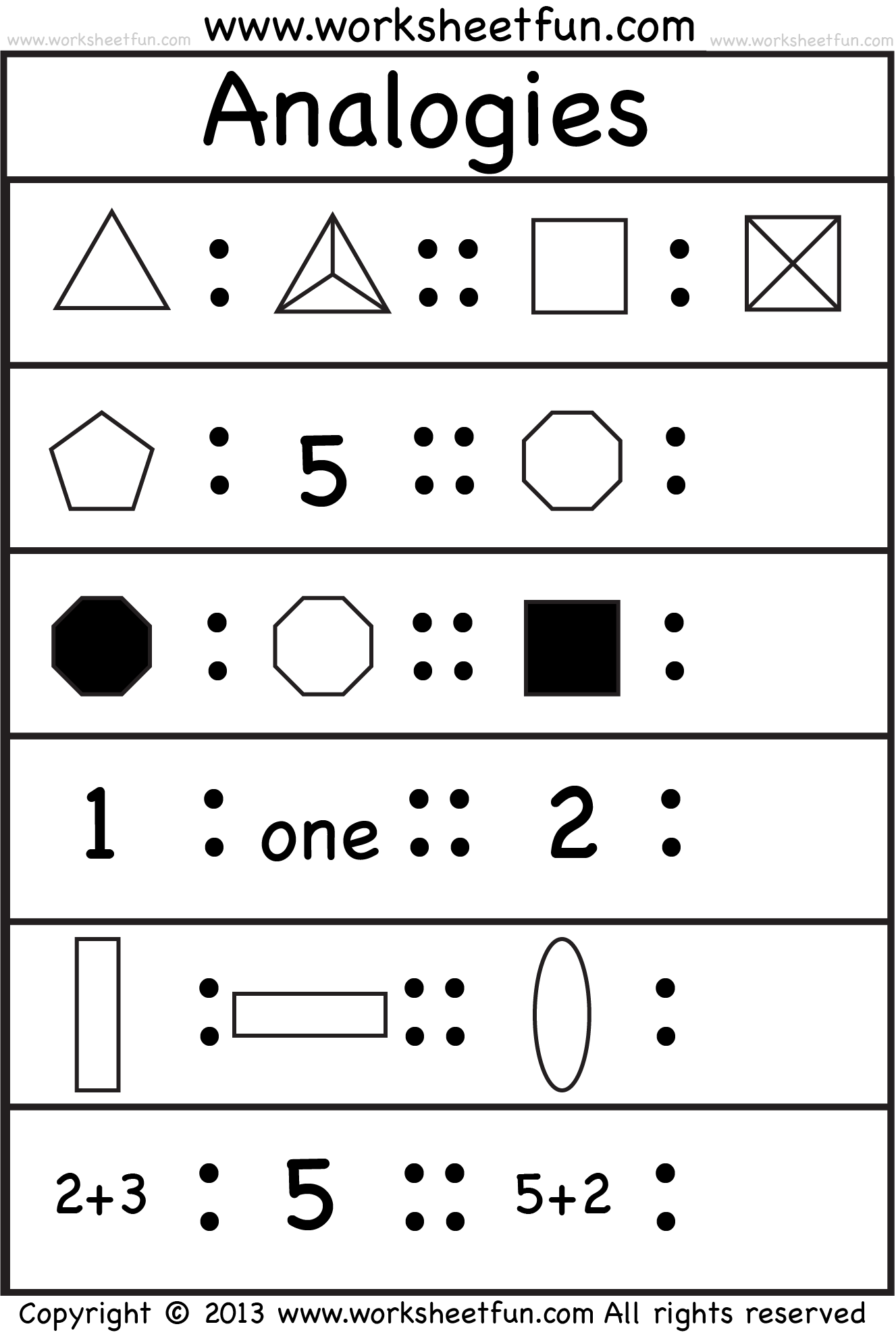
An analogies worksheet works by presenting pairs of words and asking students to identify what connects them. For example, “cat is to meow as dog is to ___.” The child must recognize that both animals make sounds, then apply that pattern to complete the analogy. This kind of reasoning goes beyond memorization. It requires your child to think about how things relate to each other, which is exactly what strong readers do when they interpret text.
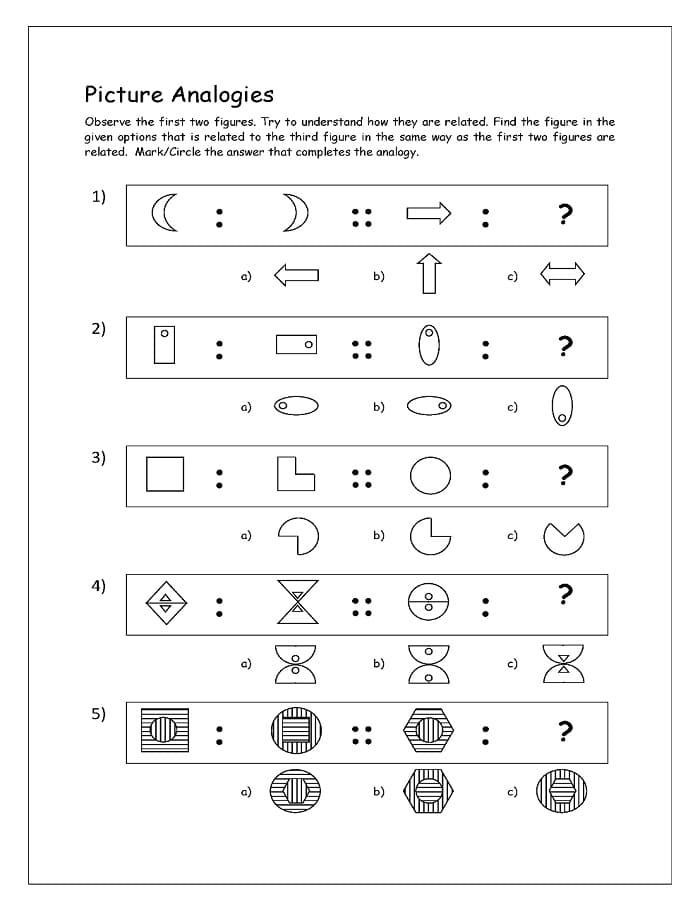
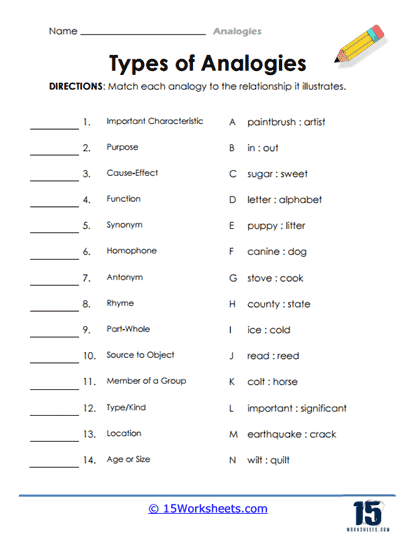
Third grade is the perfect time to introduce this concept. At this age, children have built enough vocabulary and life experience to make meaningful connections, yet they still benefit from guided practice. Working through an analogies worksheet with your third grader gives you a chance to see how they think. You might notice they struggle with certain types of relationships, like cause-and-effect or part-to-whole connections. That feedback tells you where to focus more attention.
The writing benefits are equally important. When children understand how words relate to each other, they make better word choices in their own writing. They’re less likely to use vague language because they’ve practiced thinking precisely about meaning and connection. This same skill helps them improve their descriptive writing and avoid repetition.
Pairing analogies work with other reading exercises creates a well-rounded practice routine. You might combine an analogies worksheet with activities like figurative language practice or exploring multiple meaning words, both of which sharpen similar analytical thinking skills.
Start with simpler analogies and gradually increase the difficulty as your third grader gains confidence. Regular practice makes the pattern recognition automatic, freeing up mental energy for deeper comprehension.
Start Practicing with These Worksheets