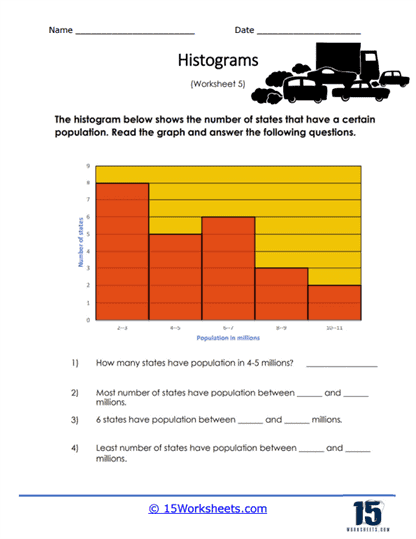
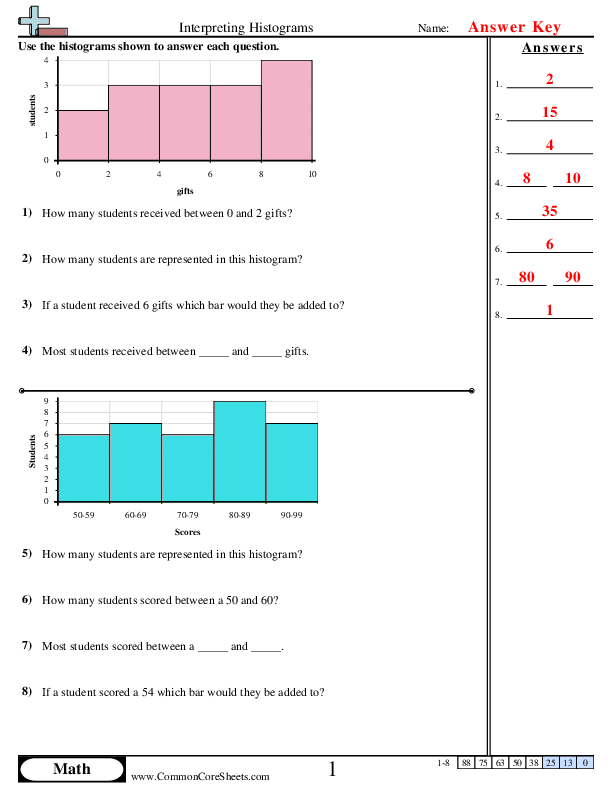
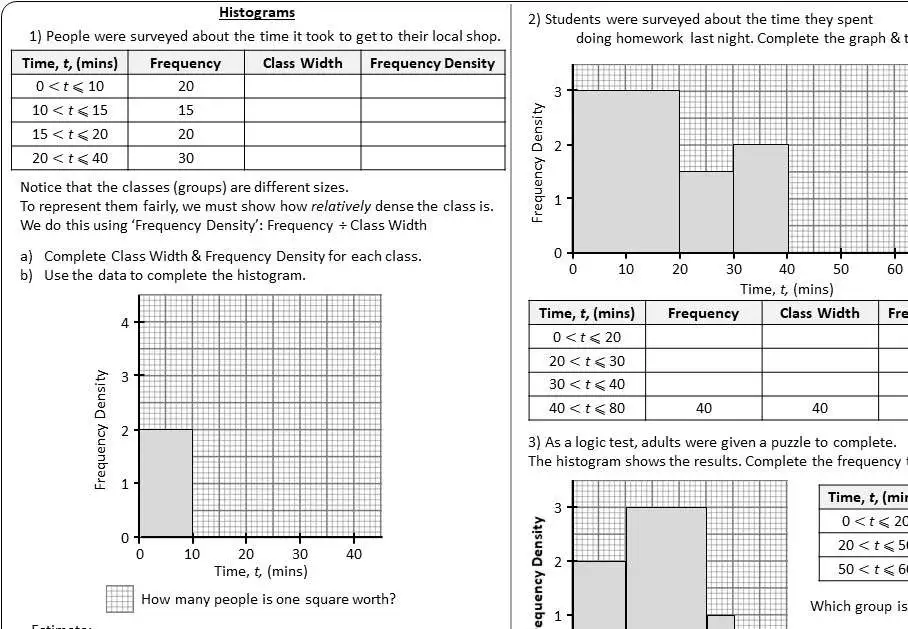
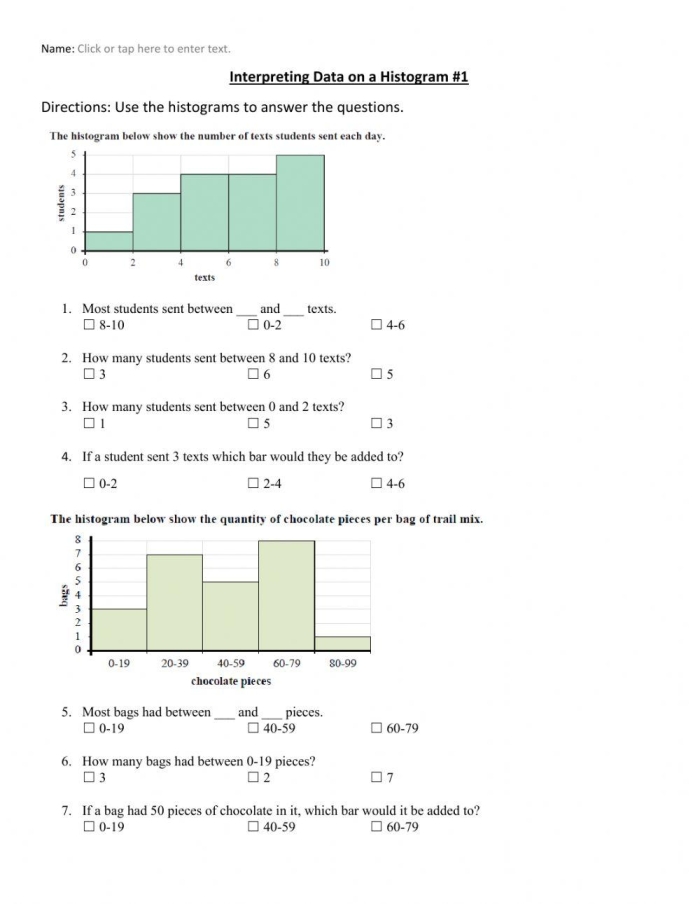
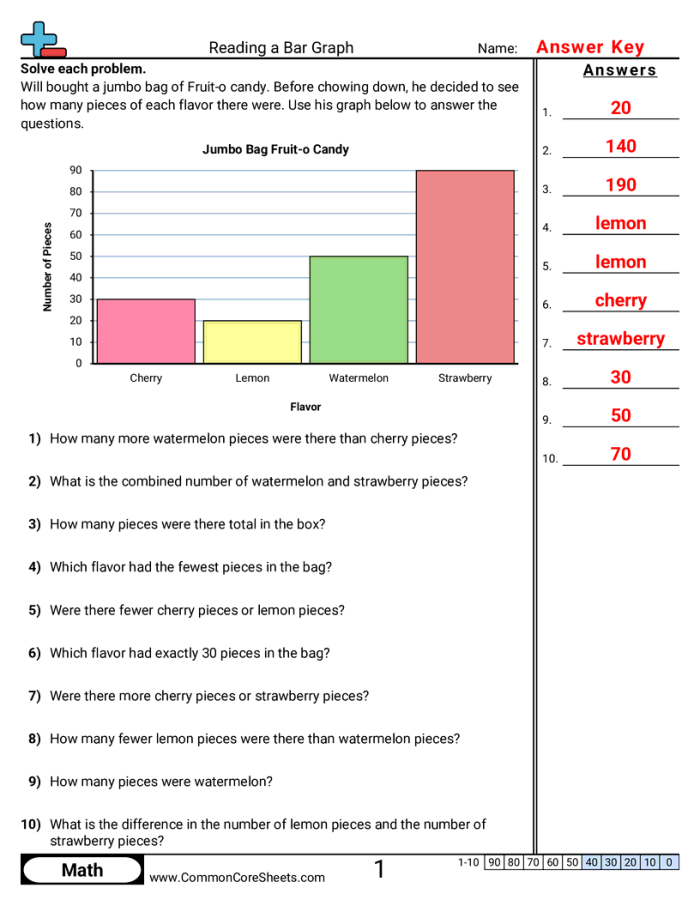
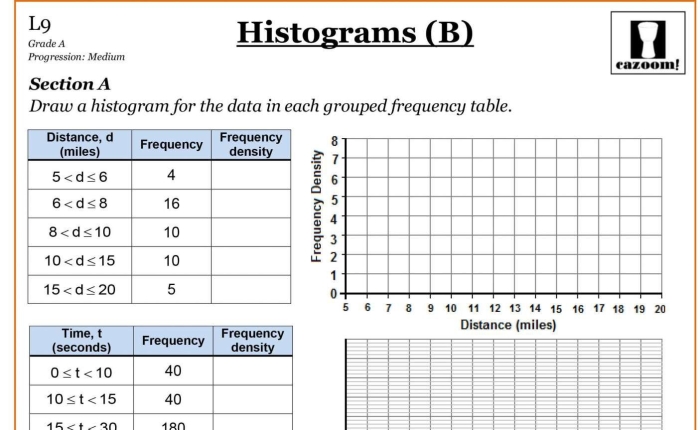
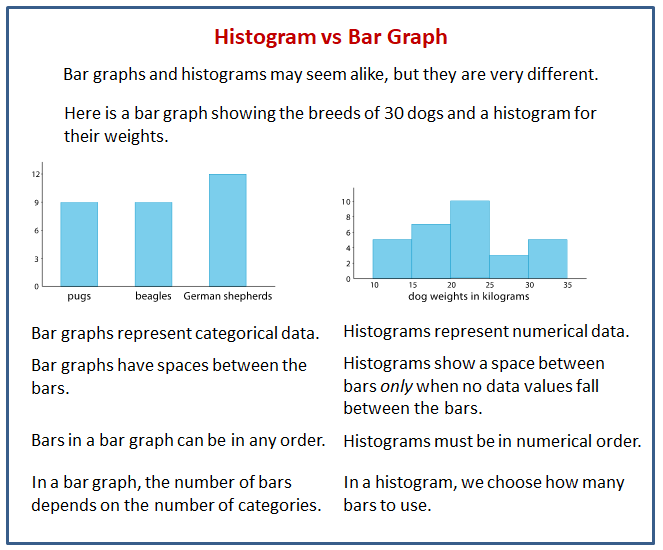
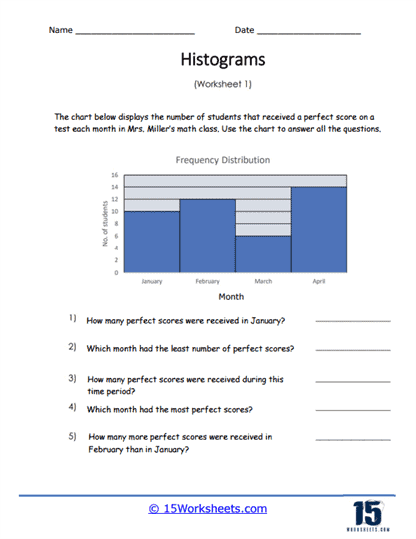
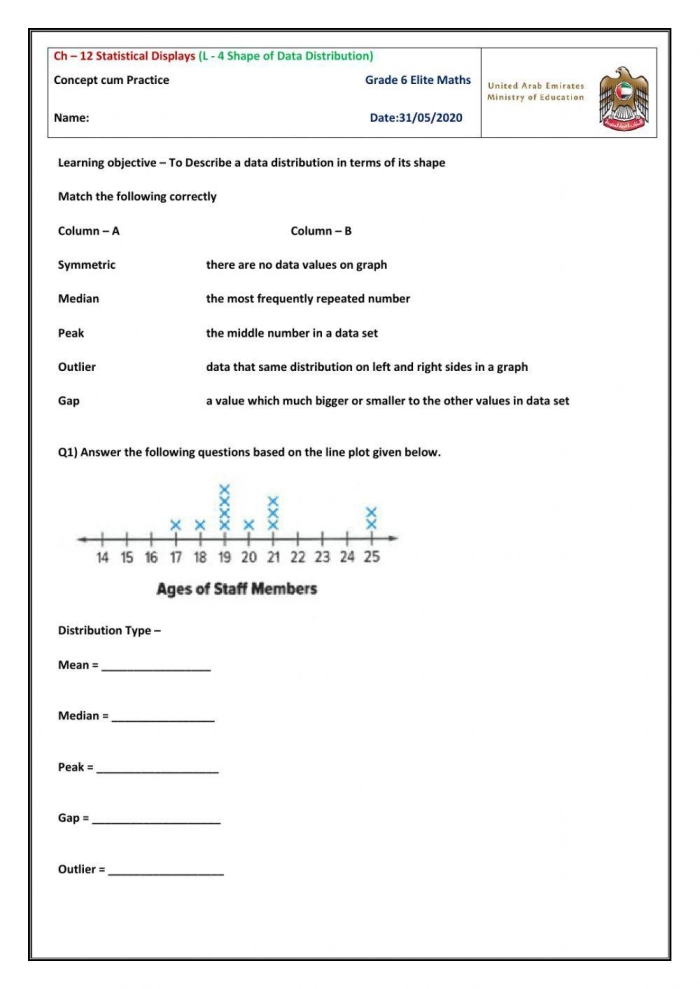
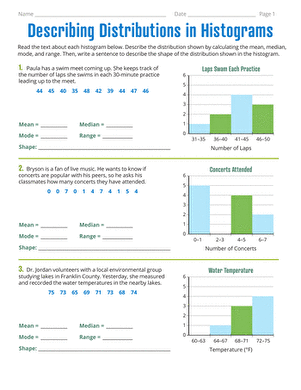
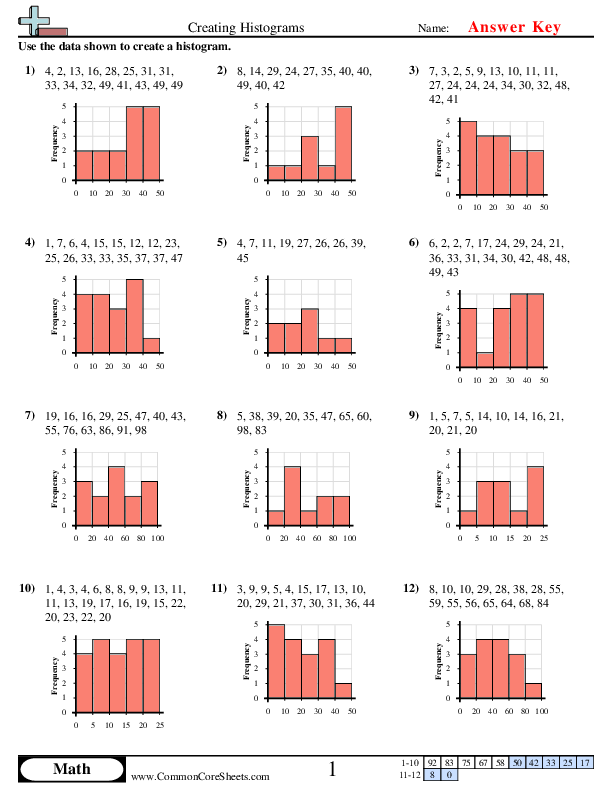
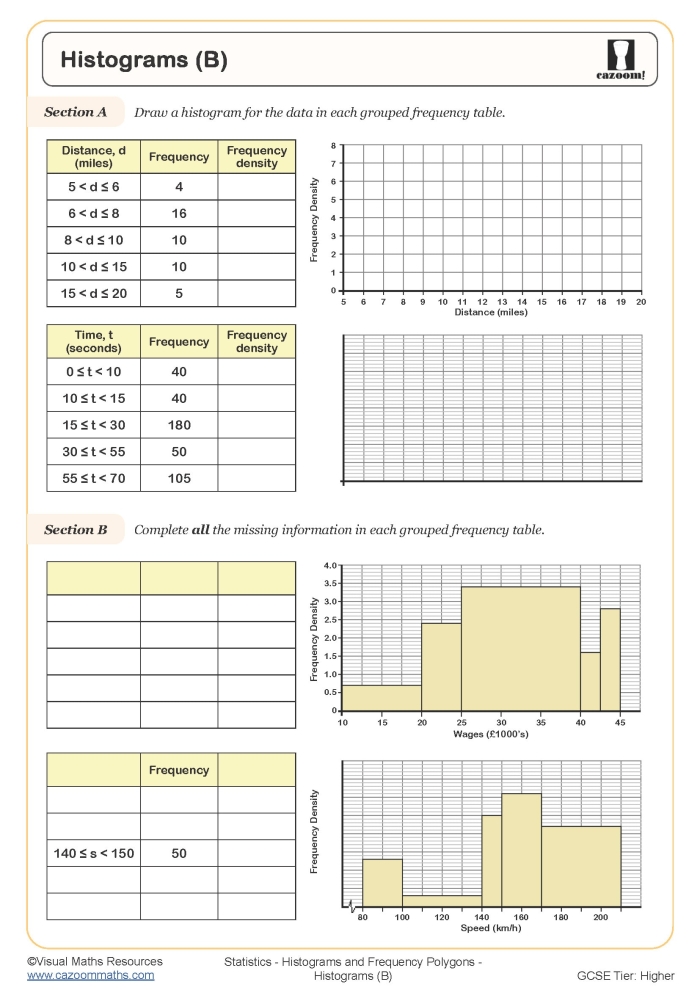
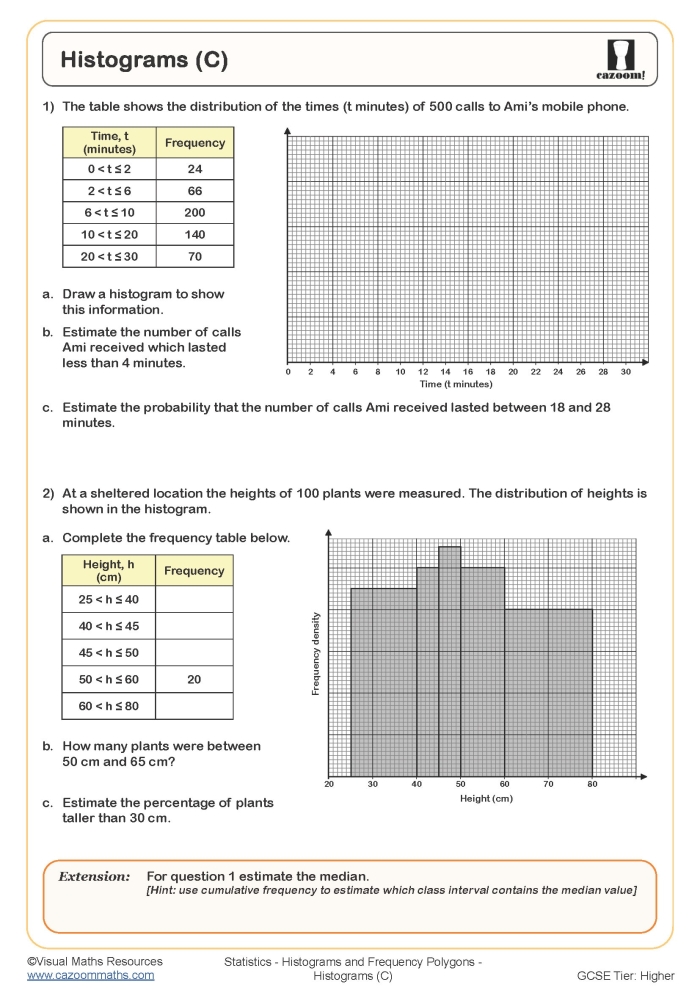
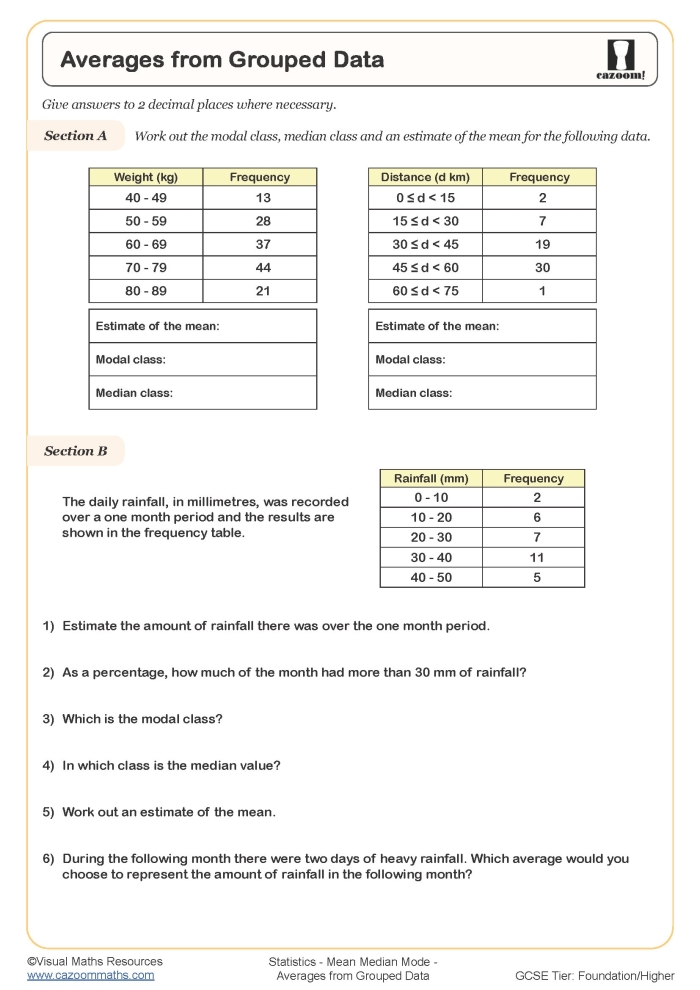
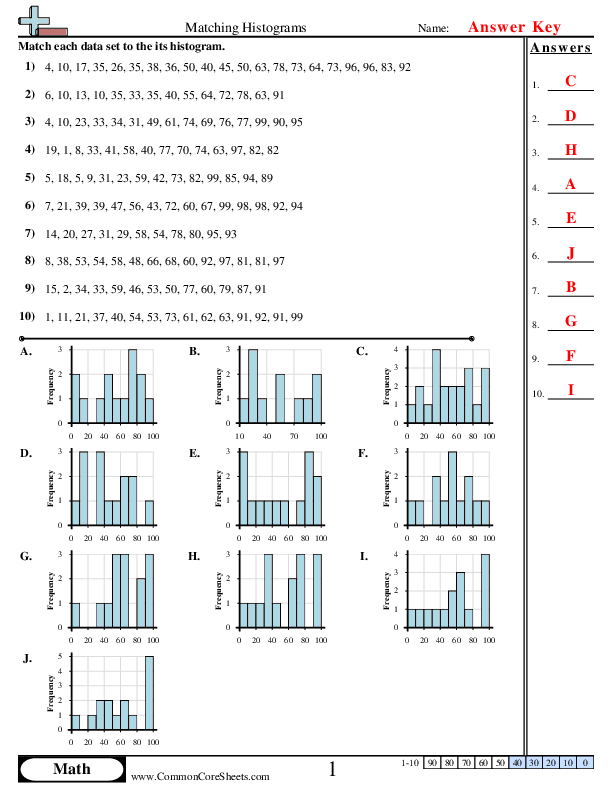
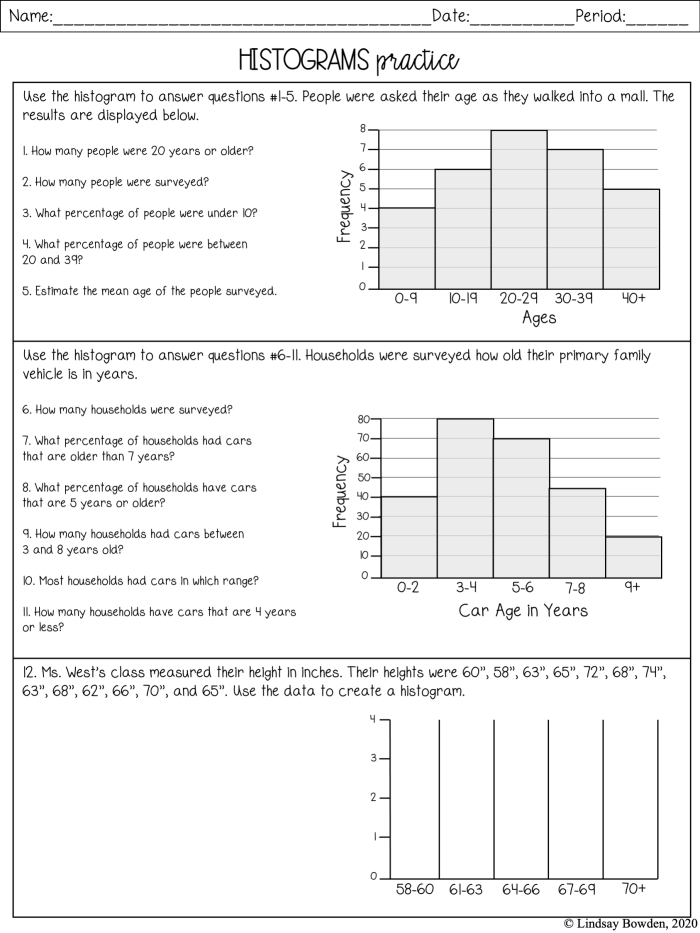
Histograms can feel abstract to sixth grade students until they see real data organized visually. A two-page worksheet focused on describing distributions in histograms bridges that gap by giving students concrete practice with organizing, reading, and interpreting data sets.
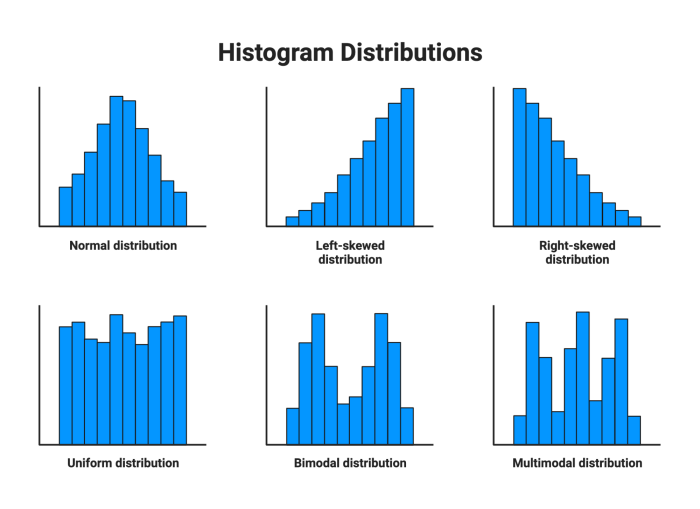
The challenge with histograms lies in helping students move beyond simply reading bar heights. They need to understand what a distribution actually tells them: where data clusters, how spread out it is, and what patterns emerge. When students work through a structured worksheet, they build confidence in recognizing these patterns and using appropriate vocabulary to describe what they see.
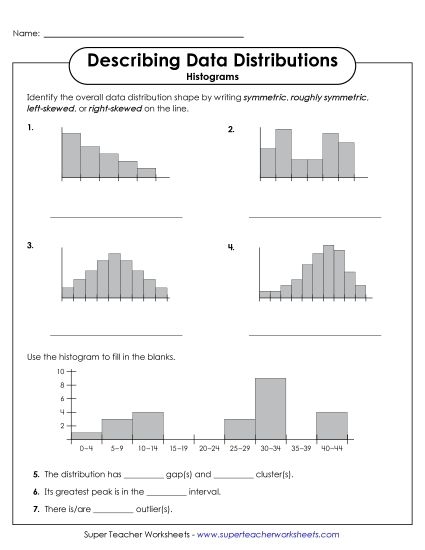
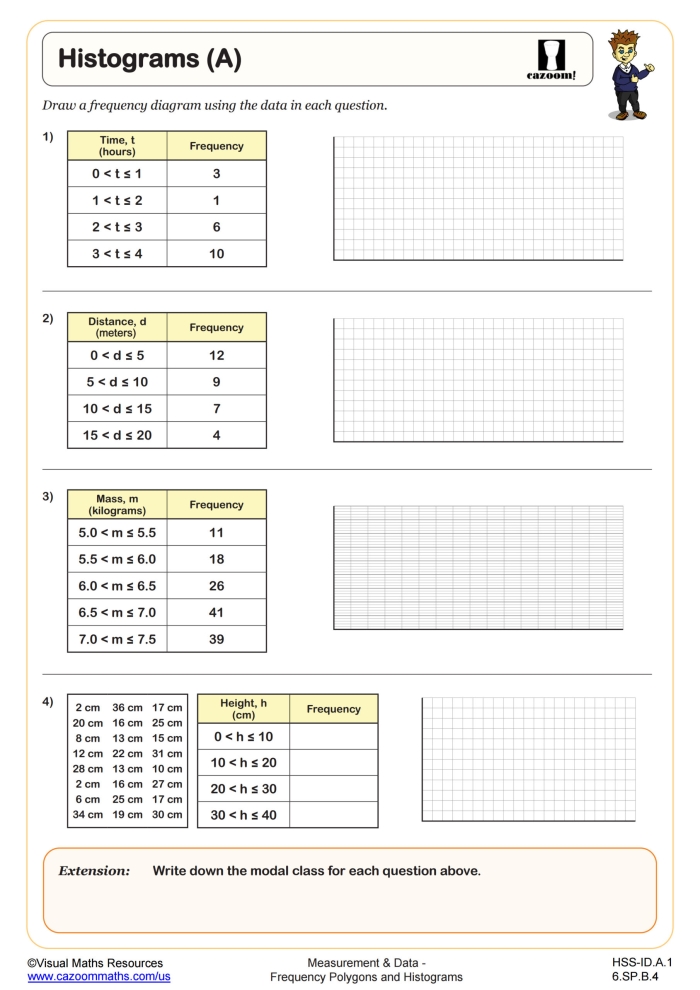
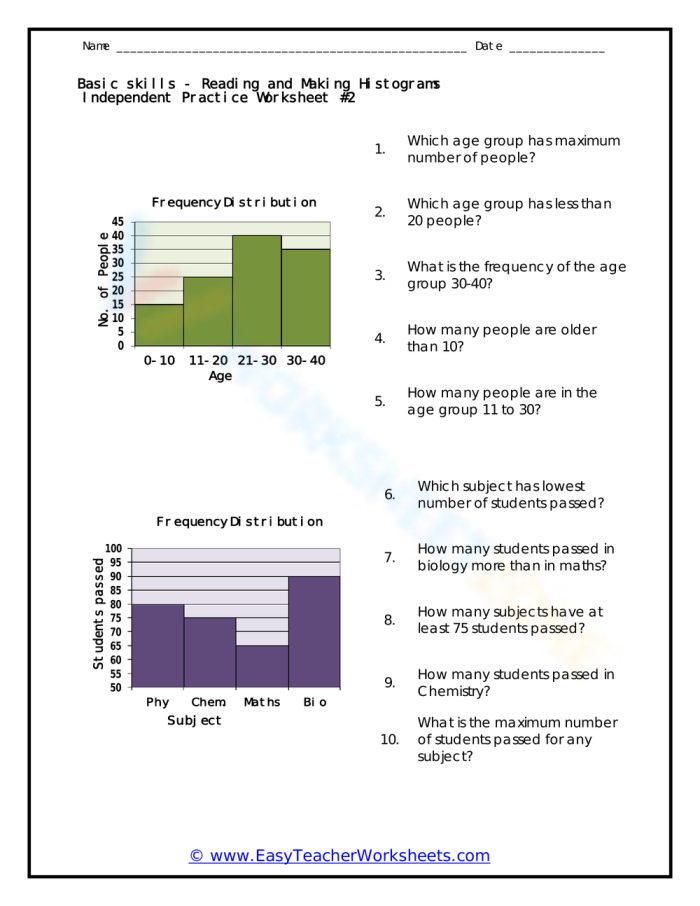
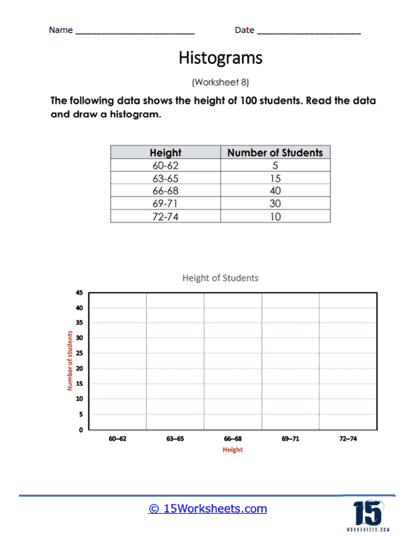
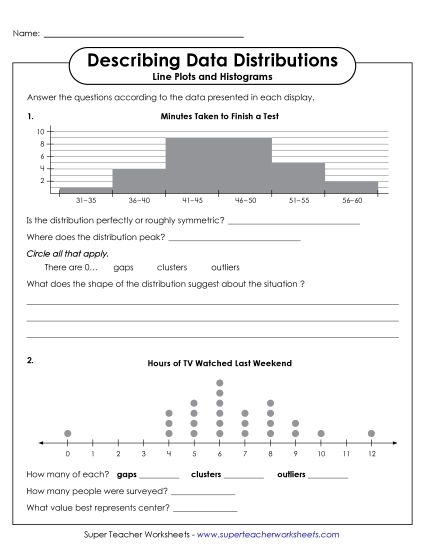
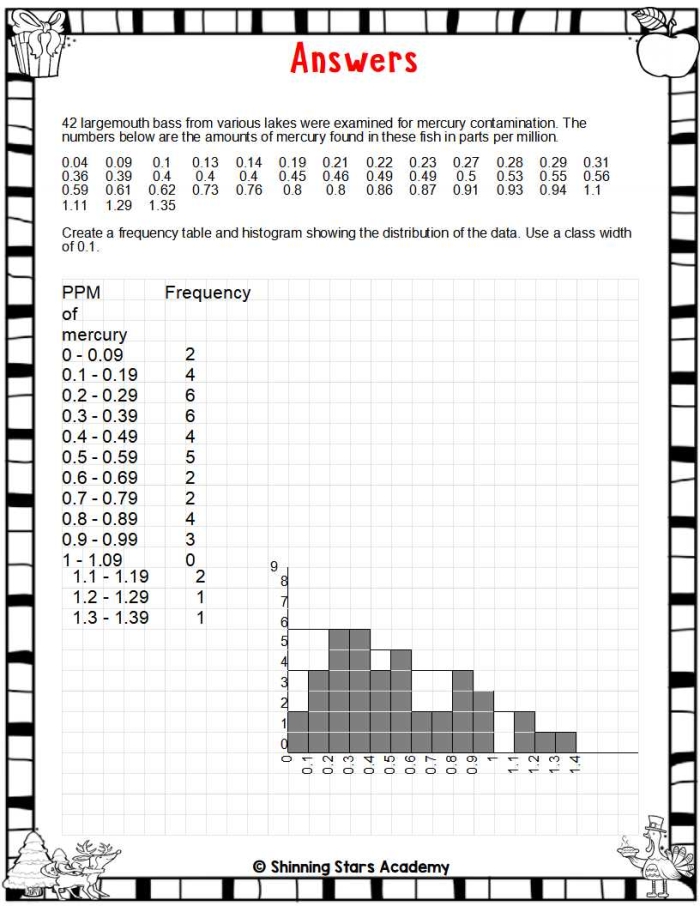
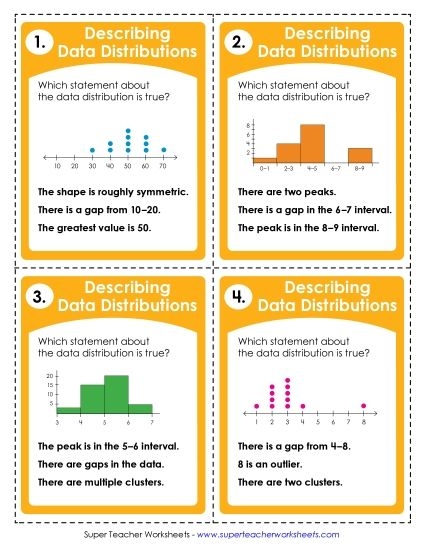
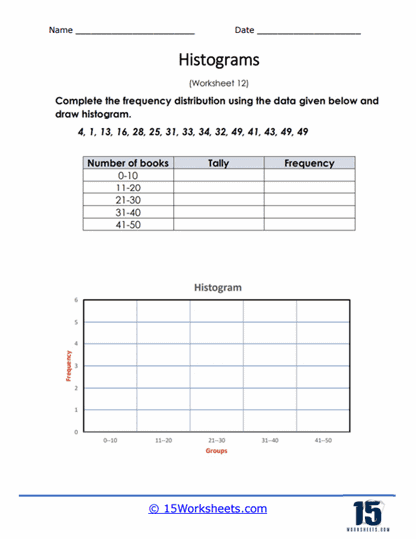
A well-designed two-page worksheet typically starts with familiar data sets, like test scores or heights within a classroom. Students first organize raw data into intervals, then create the histogram itself. This hands-on process helps them understand why histograms use continuous intervals rather than separate categories. The second page usually deepens the analysis by asking students to describe the shape of the distribution, identify clusters, and spot outliers. They might answer questions like “Where do most values fall?” or “Is the data symmetric or skewed?”
For sixth graders working with integers and rational numbers, histograms offer a natural way to see these numbers in context. Rather than treating data as isolated calculations, students recognize how numbers relate to each other within a larger set. This connects to broader mathematical thinking where finding unit rates or understanding shortage and surplus concepts all depend on seeing relationships within data.
The format of a two-page worksheet allows students to practice multiple histogram scenarios without becoming repetitive. By the end, they develop genuine skill in interpreting visual data displays, a competency they’ll use throughout their math education and beyond.
Printable Worksheets for Practice