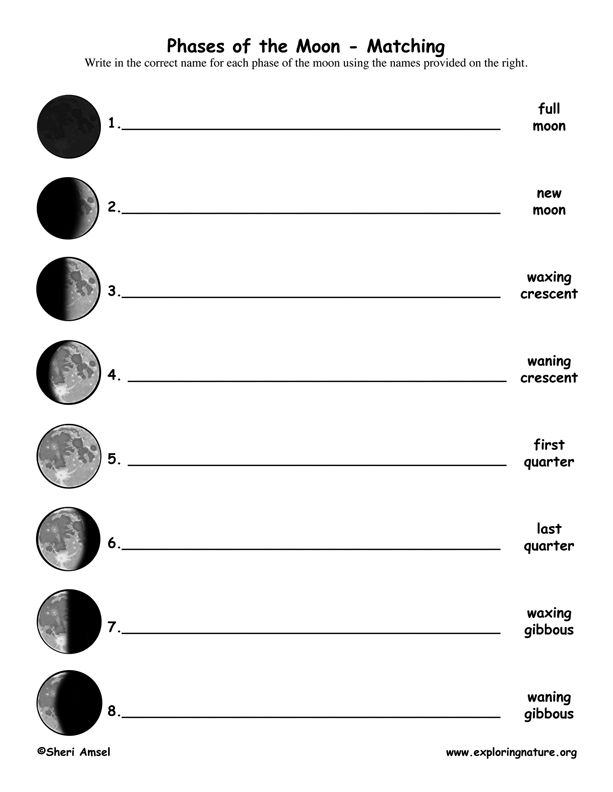
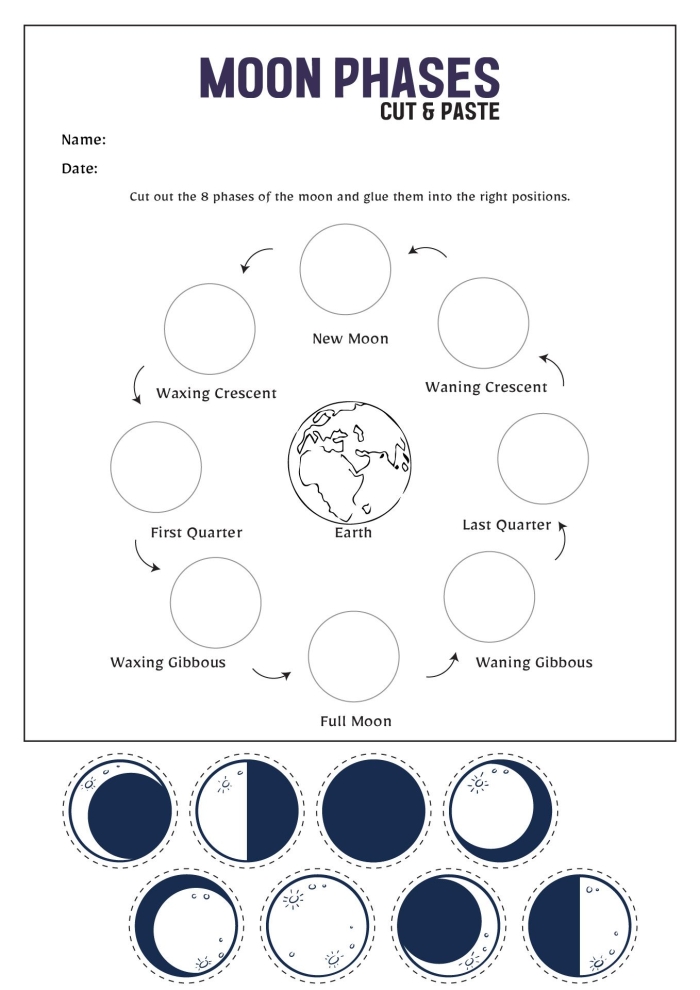
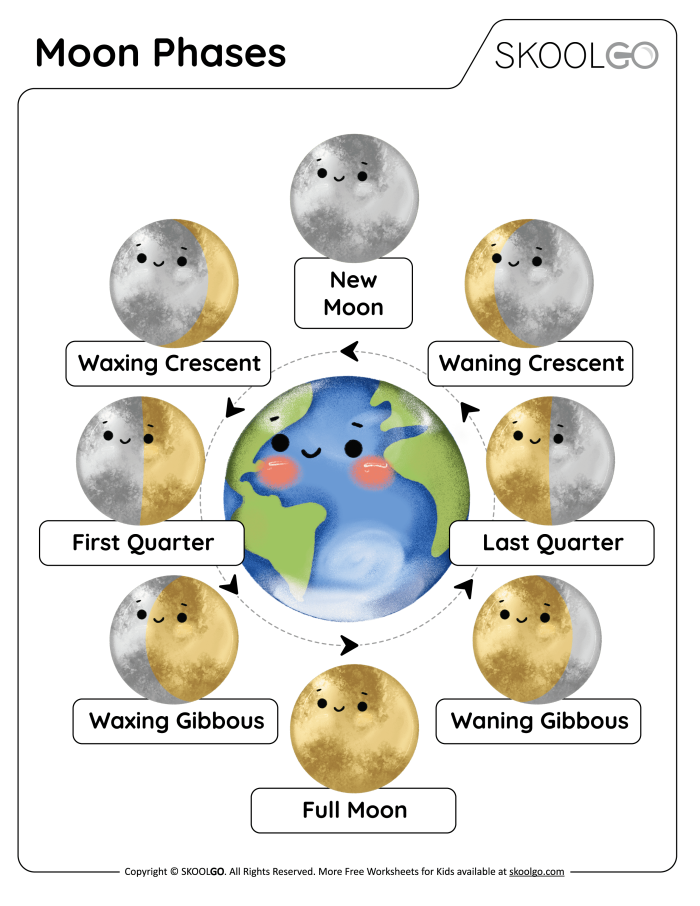
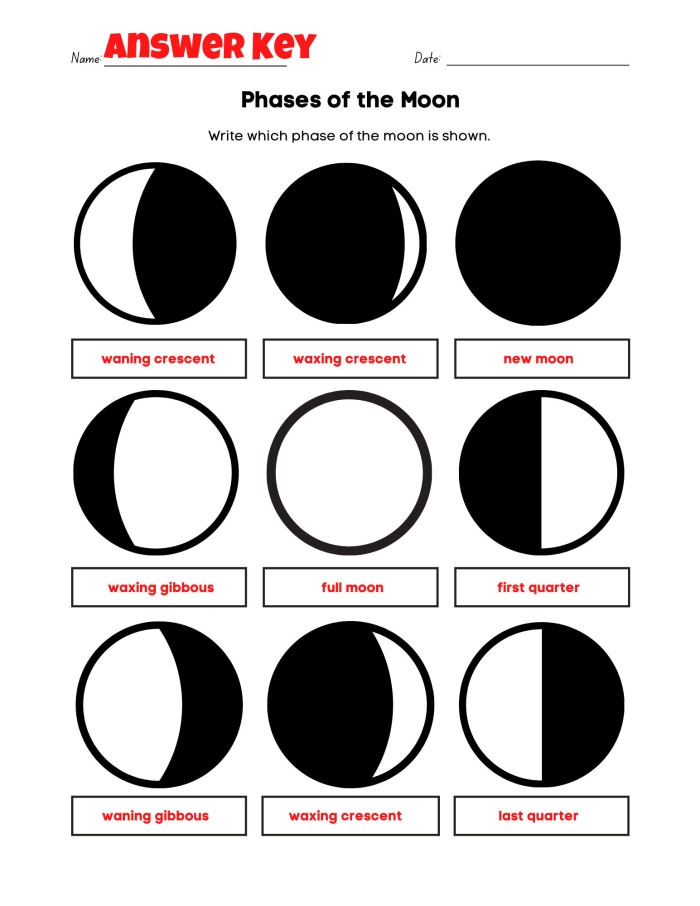
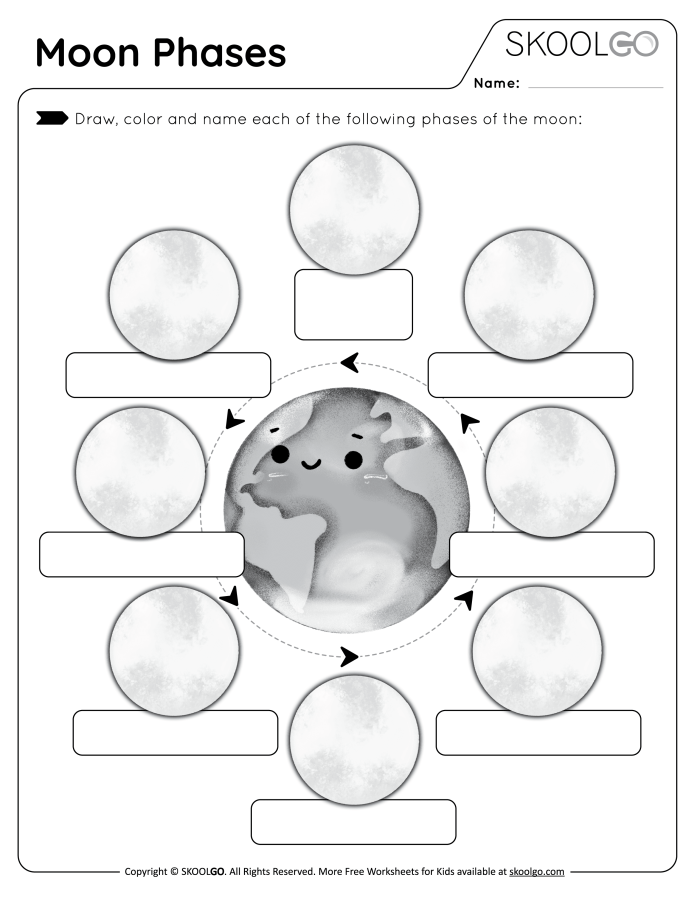
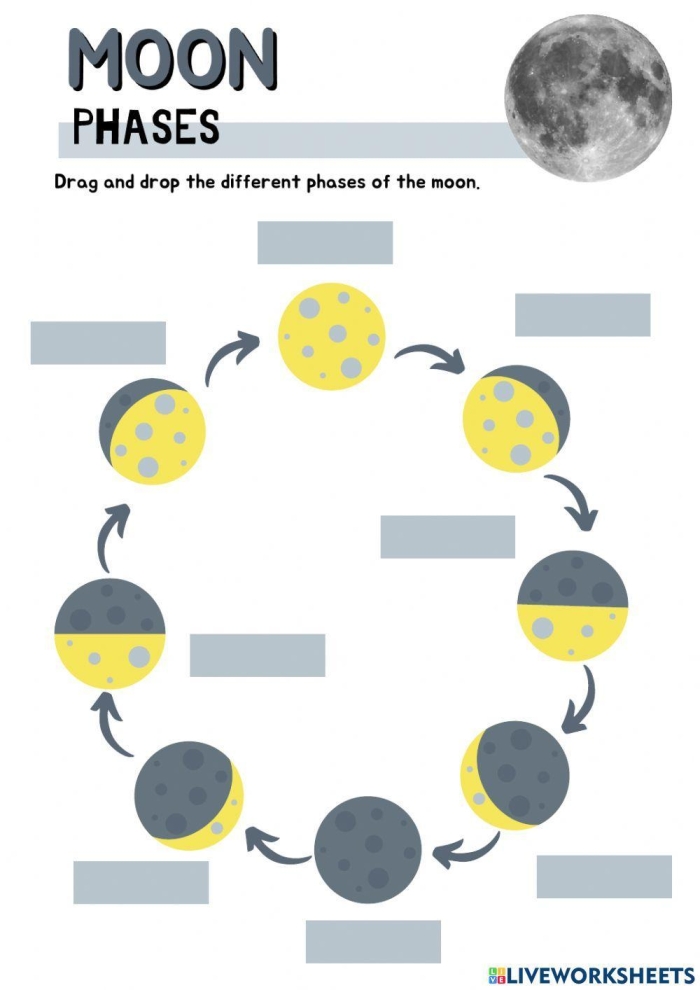
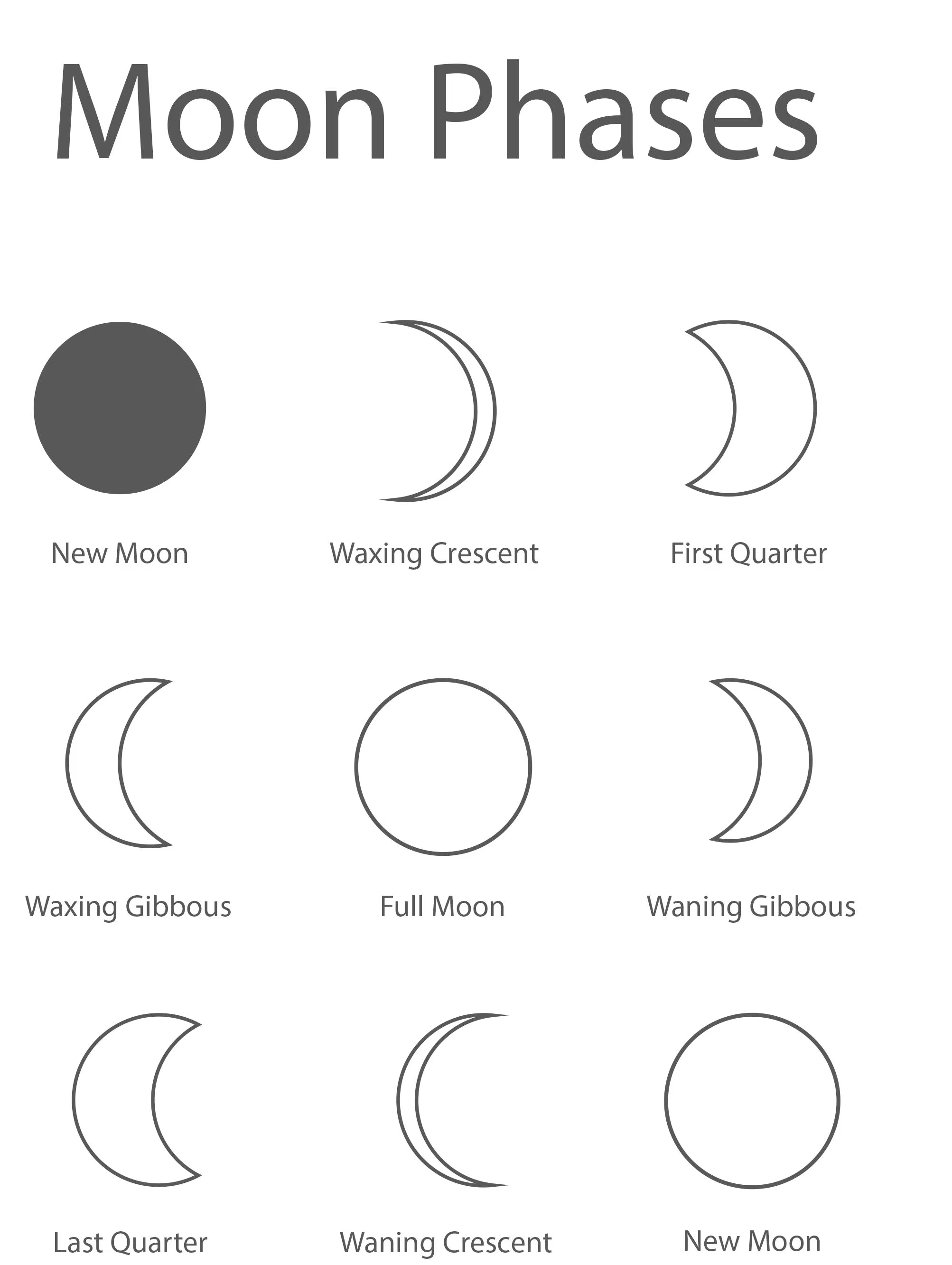
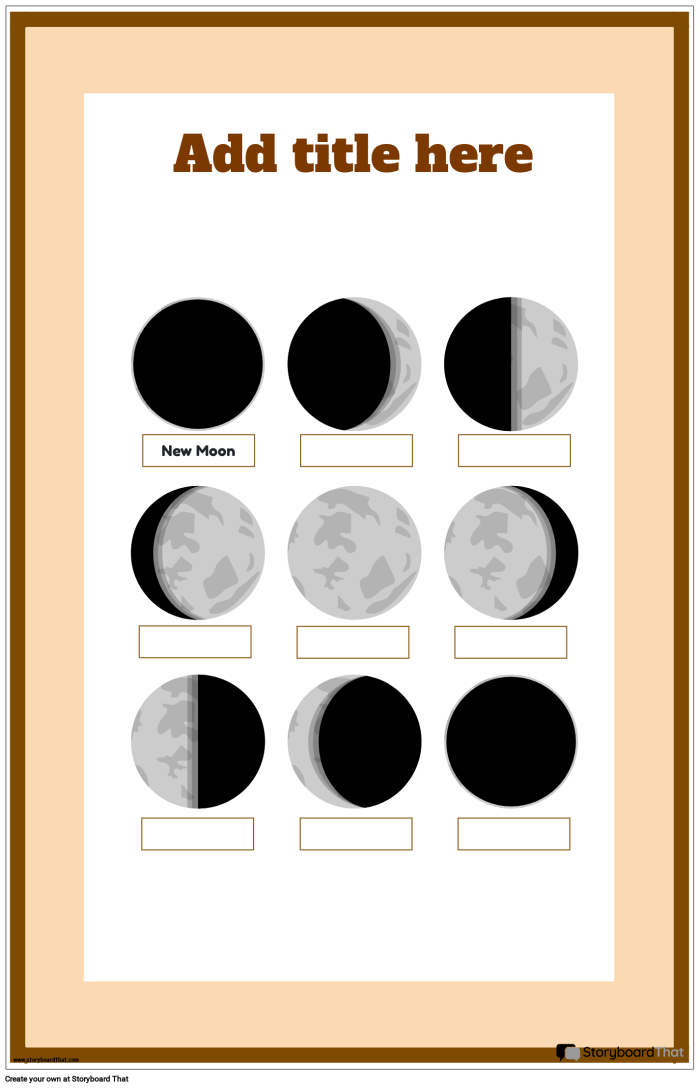
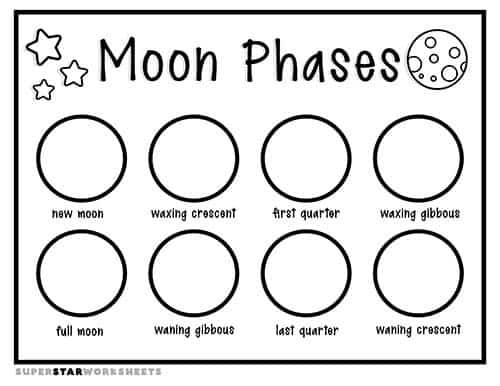
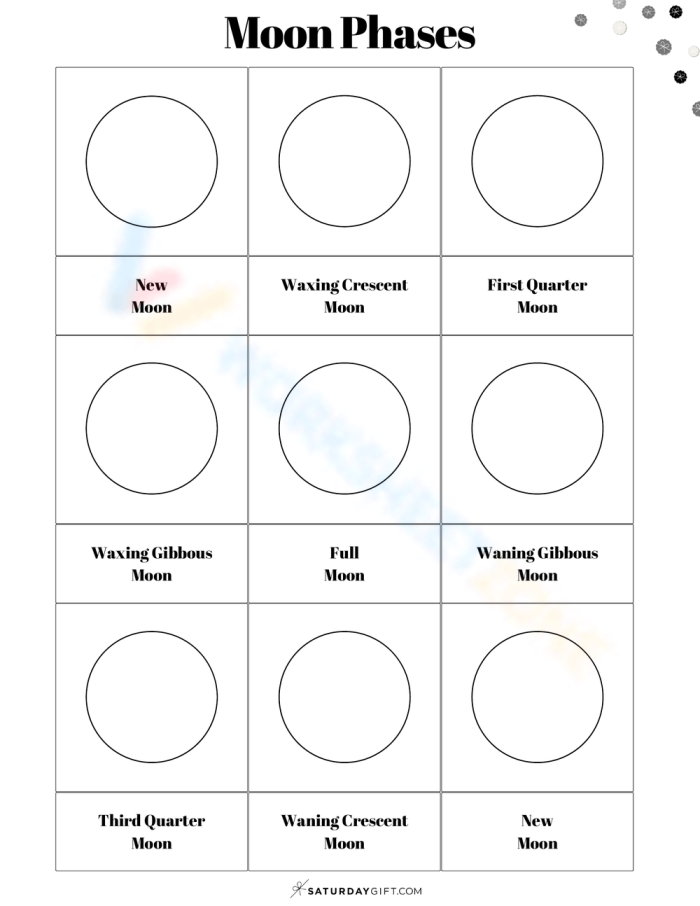
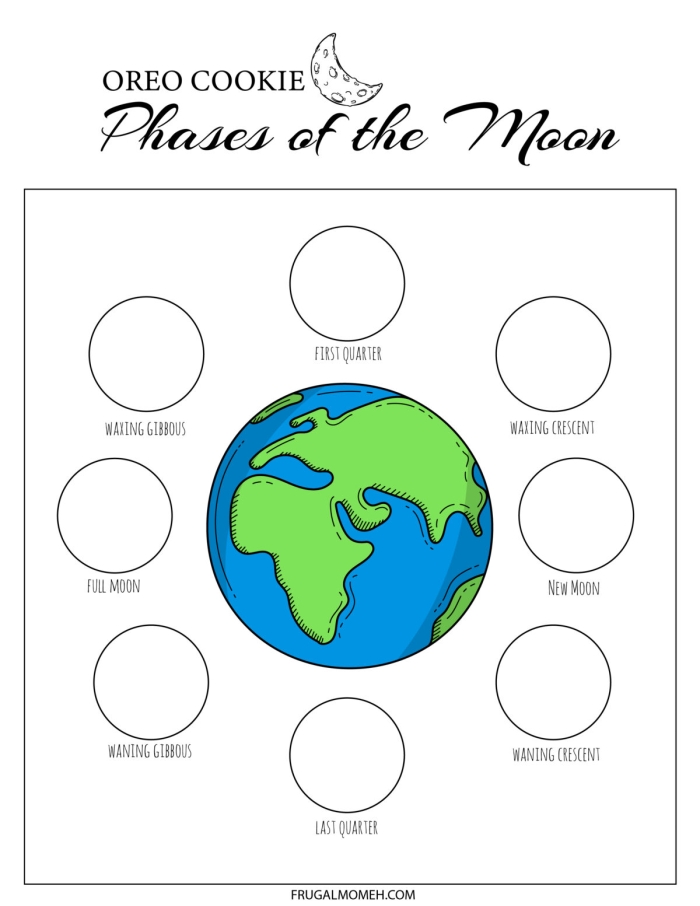
Understanding the moon’s phases can feel abstract to third grade students until they see the actual pattern unfold. A well-designed moon phases worksheet bridges that gap by showing students exactly how the moon changes appearance throughout a 29.5-day cycle, moving from new moon to full moon and back again.
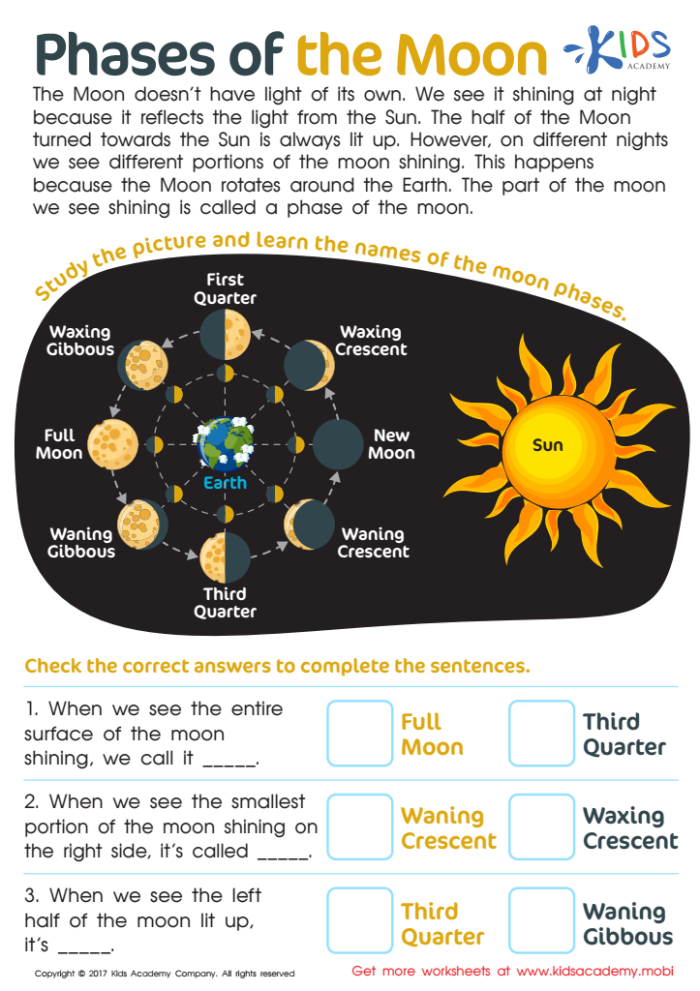
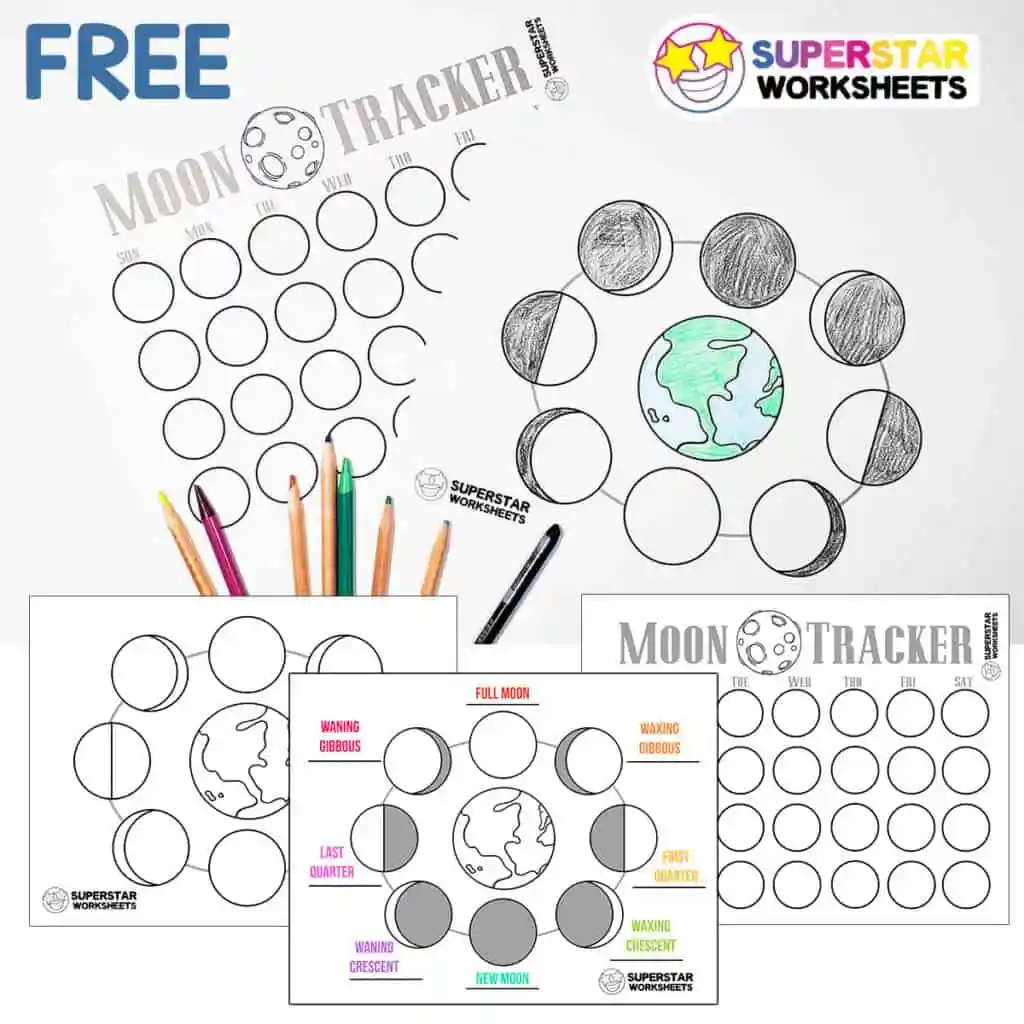
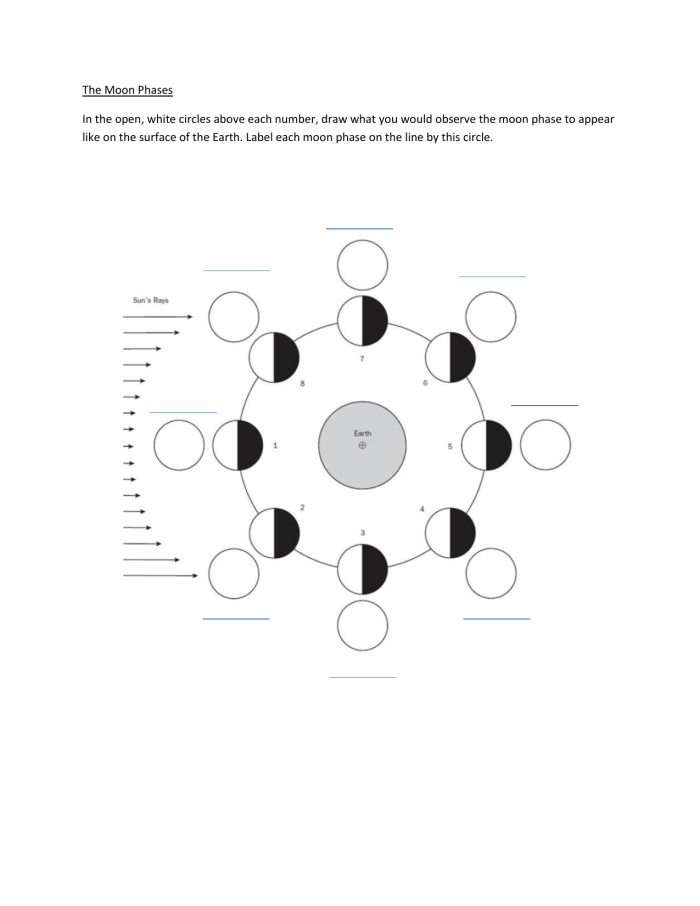
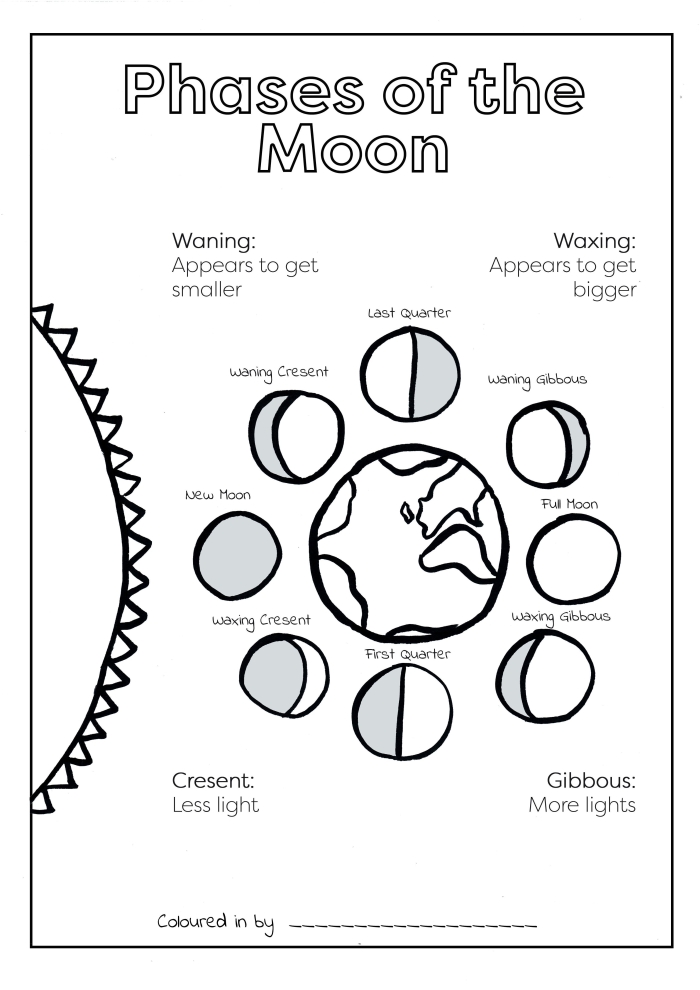
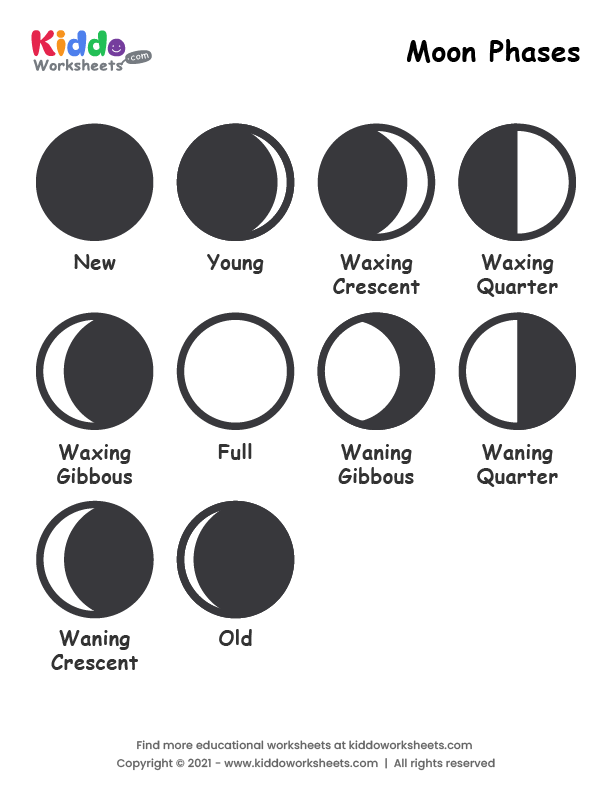
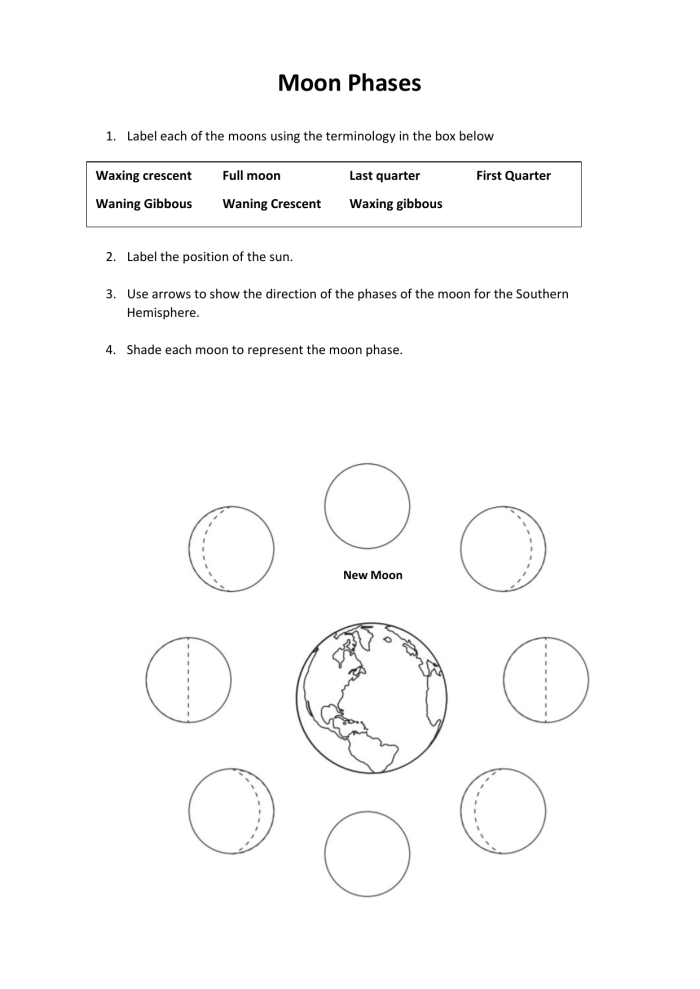
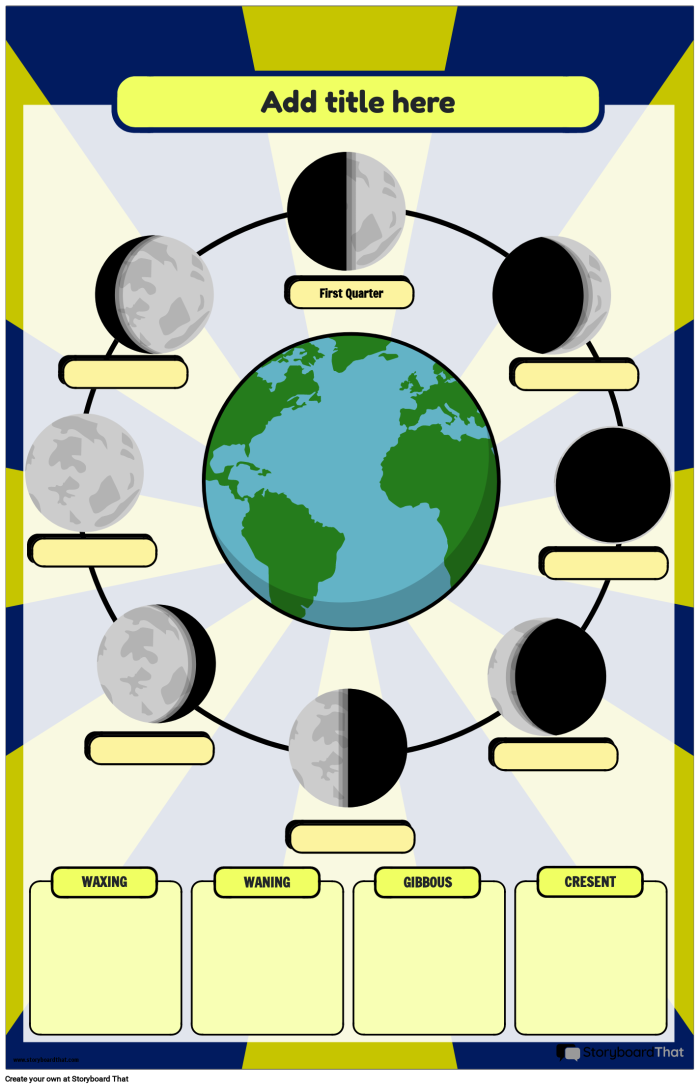
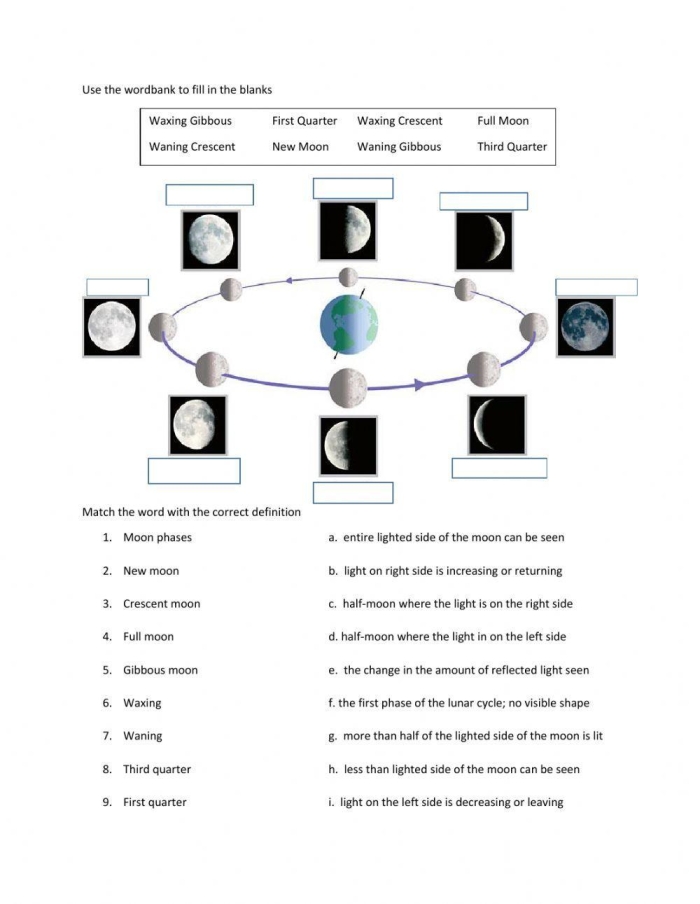
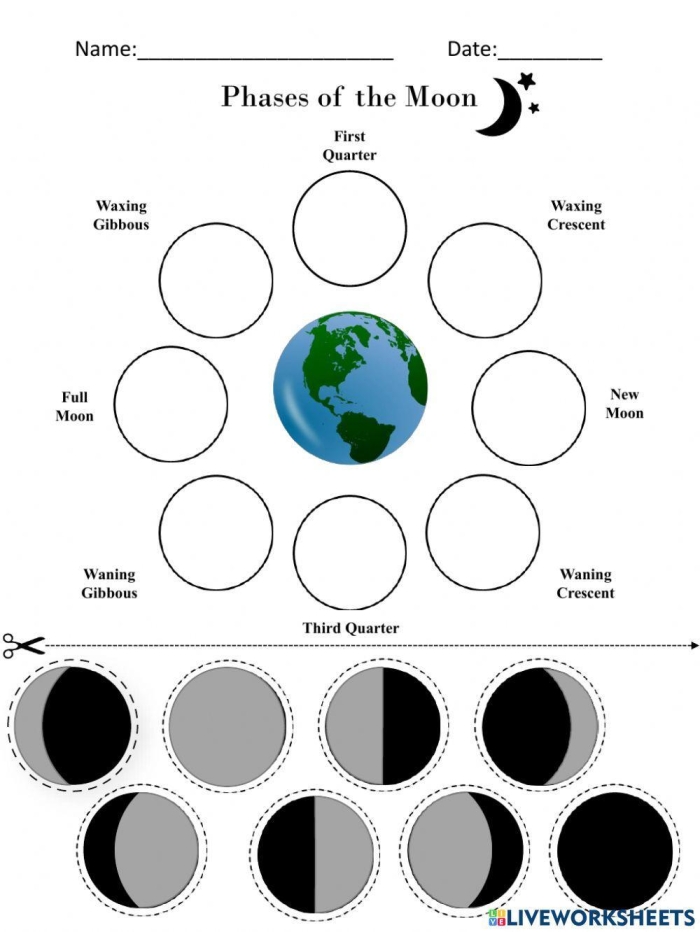
The lunar cycle happens because of the moon’s position relative to Earth and the sun. As the moon orbits our planet, we see different amounts of its illuminated side. On a new moon night, the moon sits between Earth and the sun, so we see no light reflected toward us. Two weeks later, during a full moon, Earth positions itself between the sun and moon, and we see the entire lit face. The phases in between—waxing crescent, first quarter, waxing gibbous, waning gibbous, last quarter, and waning crescent—show the gradual transition.
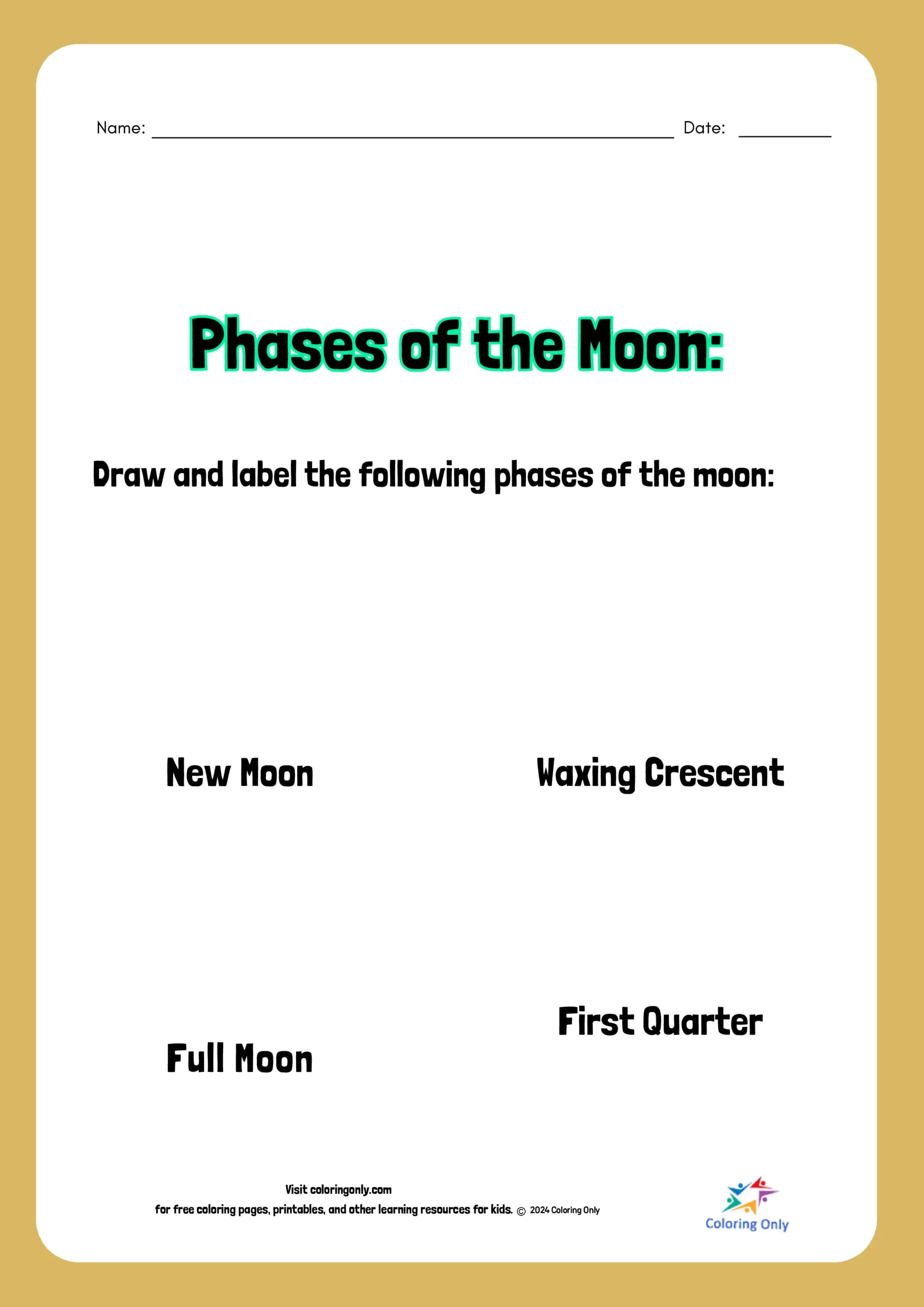
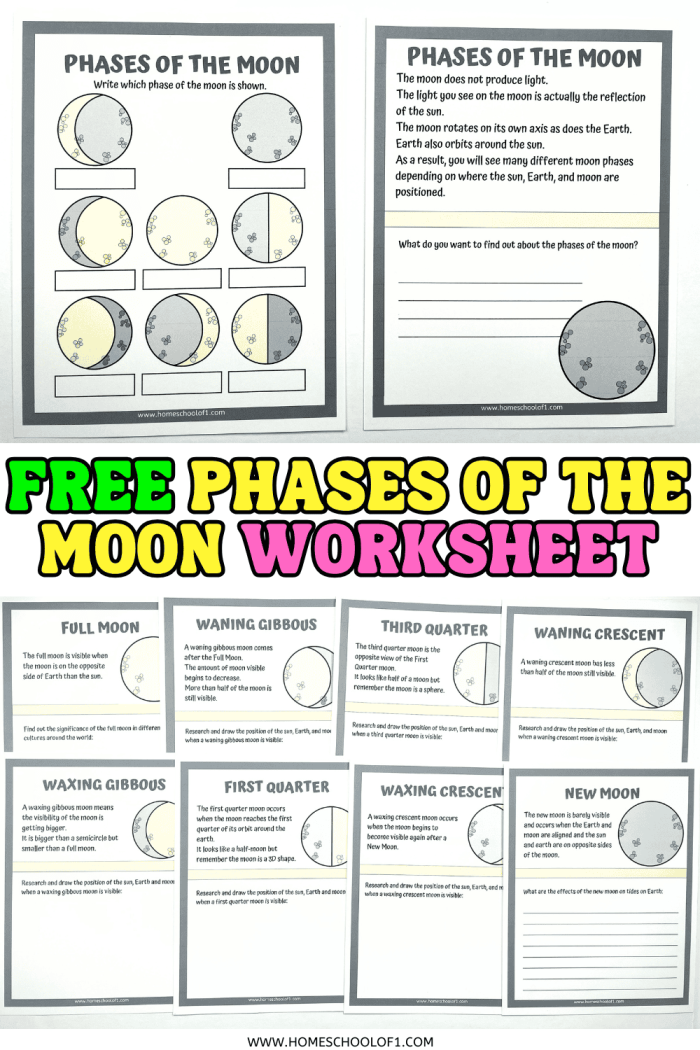
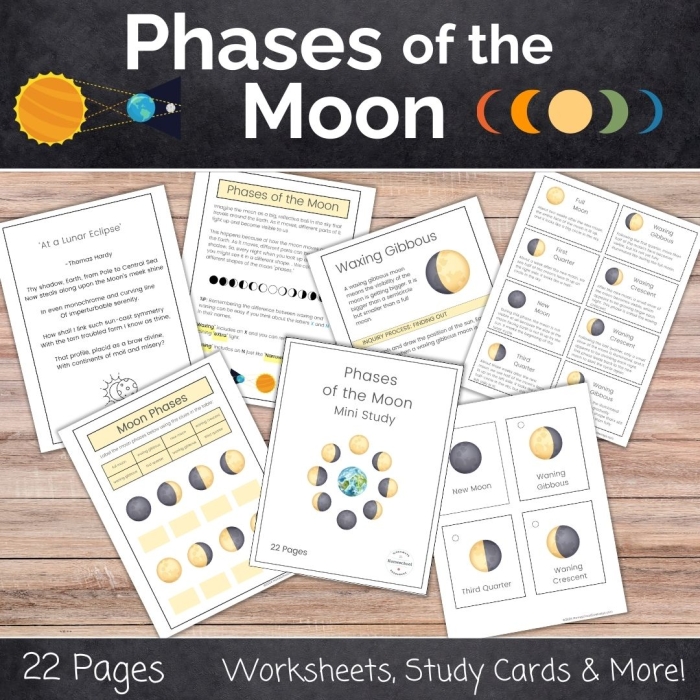
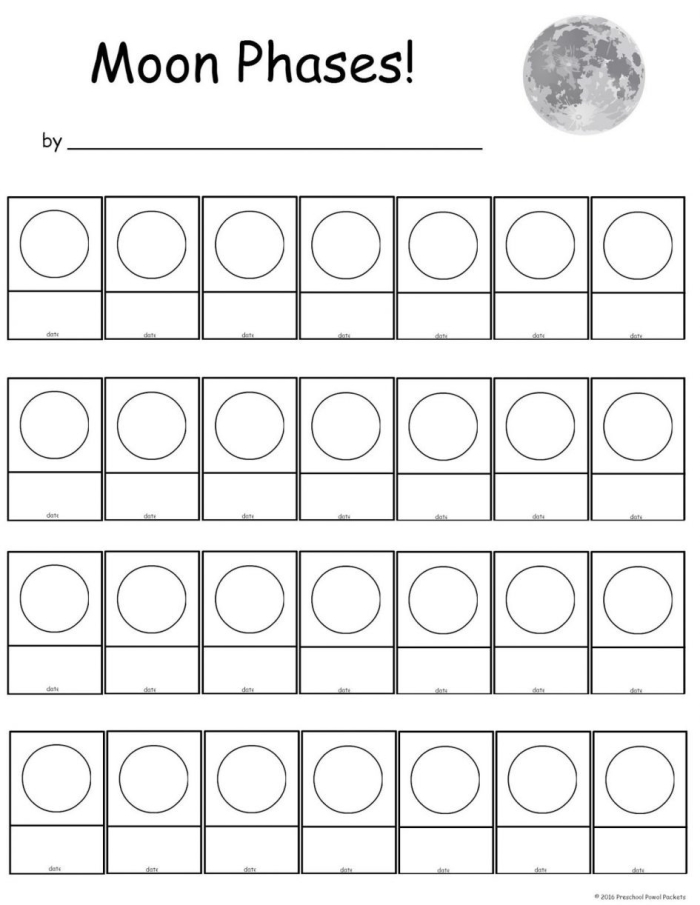
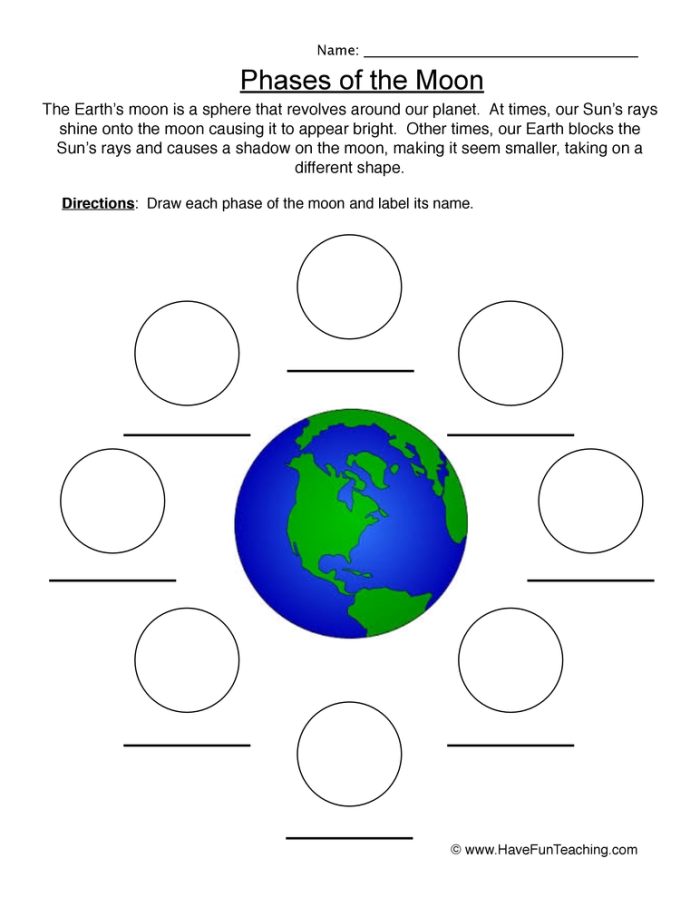
A printable moon phases worksheet helps students track this progression visually. Rather than memorizing names in isolation, they can draw or label each phase in sequence and understand why it occurs. This hands-on approach works especially well for third graders who benefit from seeing the connection between the moon’s movement and what appears in the night sky.
Beyond moon phases, third grade students often work with related math and literacy skills. If your classroom explores labeling fractions on a number line, you can draw parallels to how the moon’s phases represent fractions of a full cycle. Students might also benefit from comparing and contrasting stories that feature the moon, or exploring physical education activities that incorporate outdoor observation.
Download a moon phases worksheet today to give your students a clear, practical way to understand this fundamental part of astronomy. The visual format makes the concept stick better than explanation alone.
Practice with These Worksheets