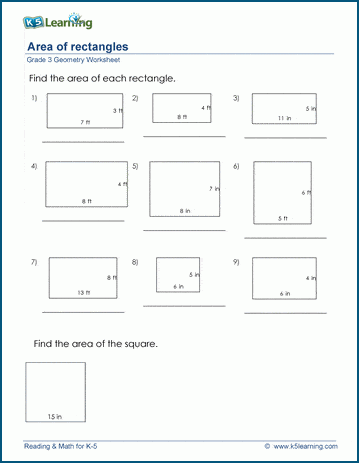
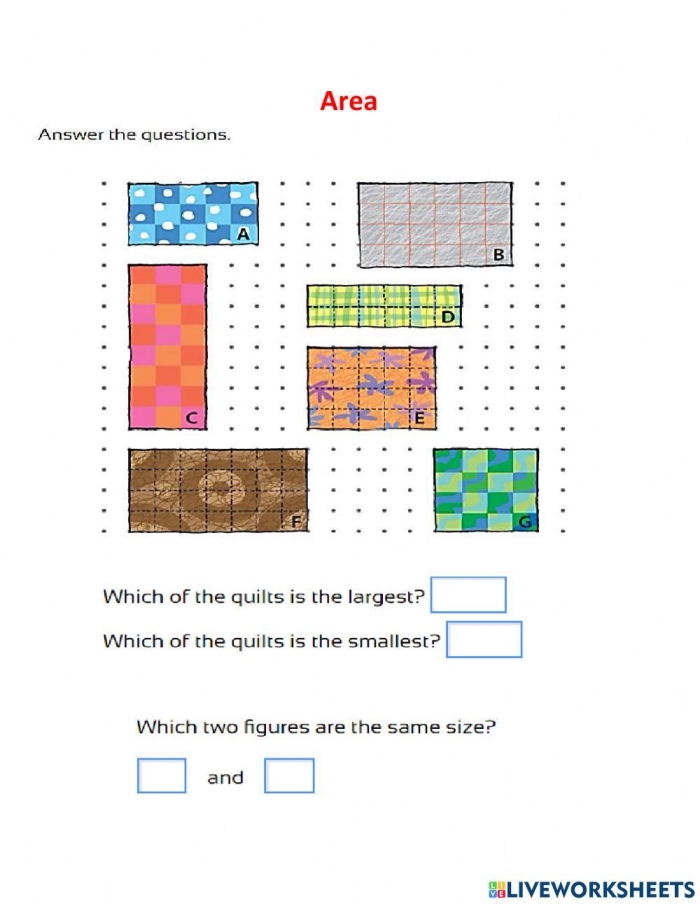
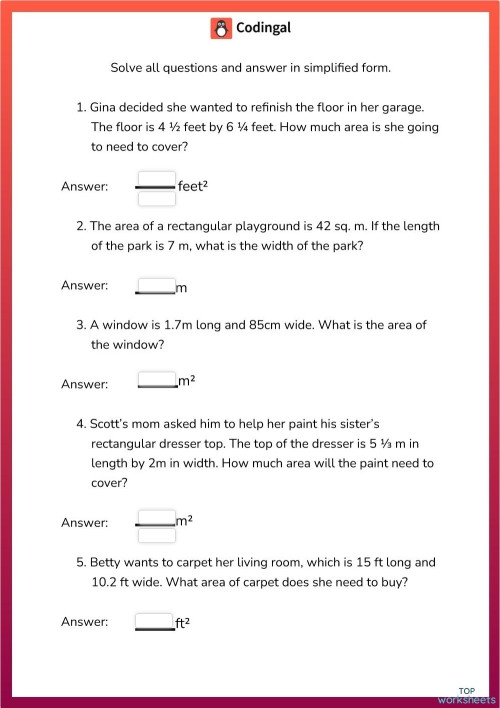
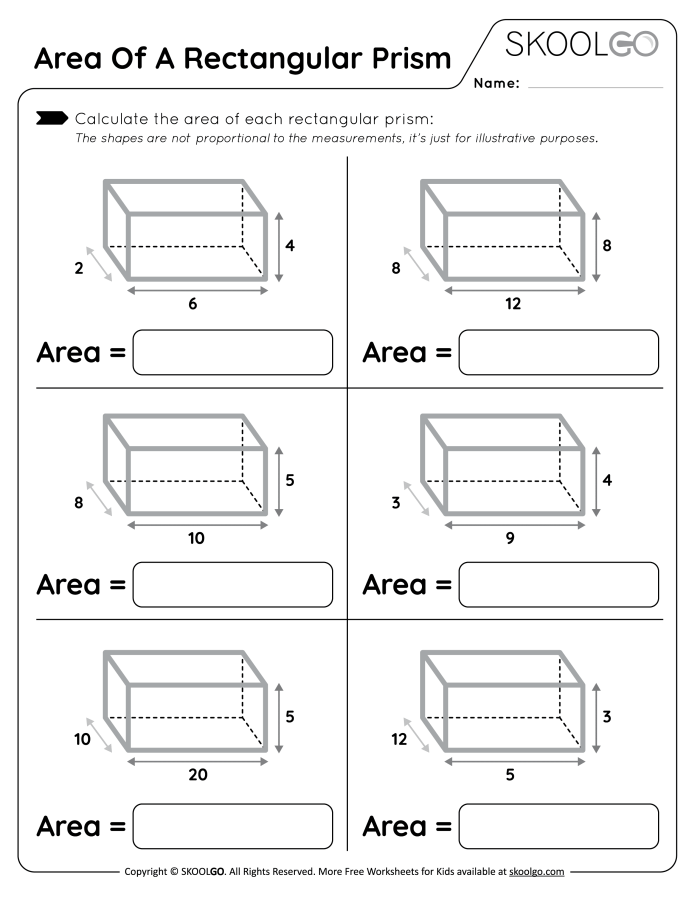
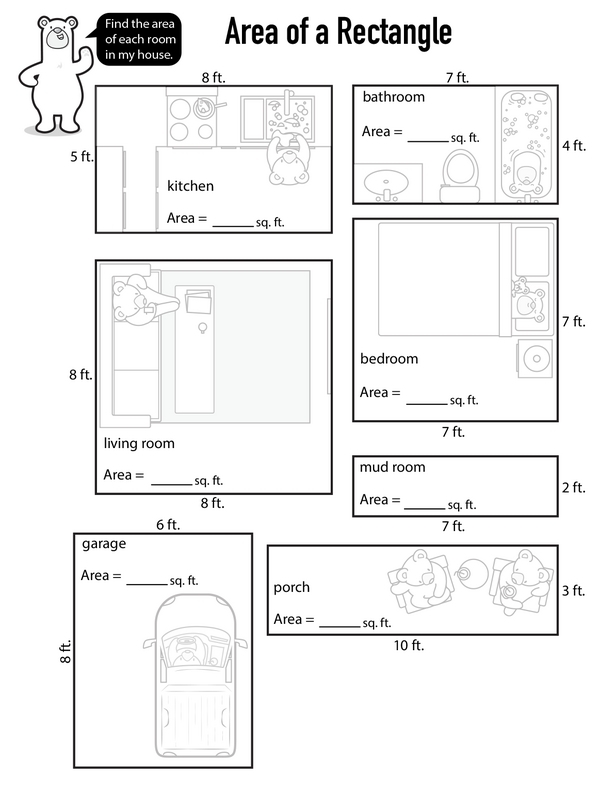
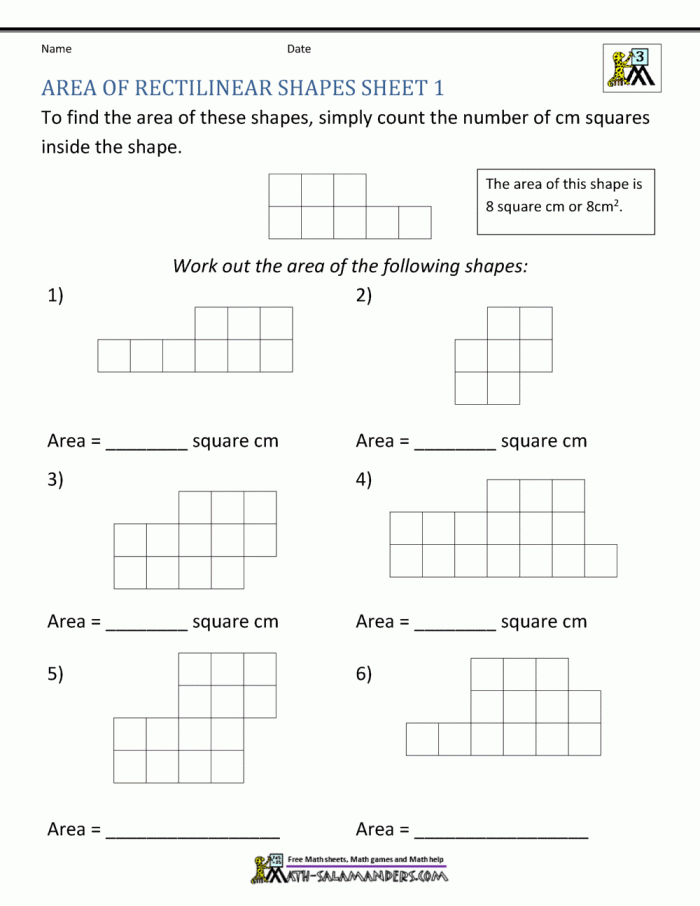
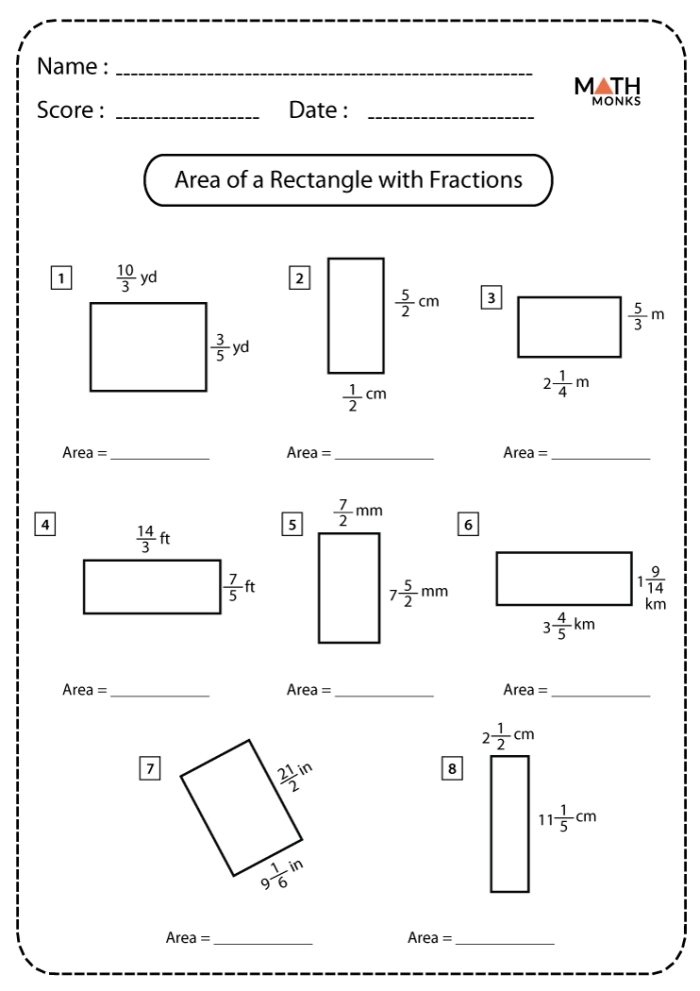
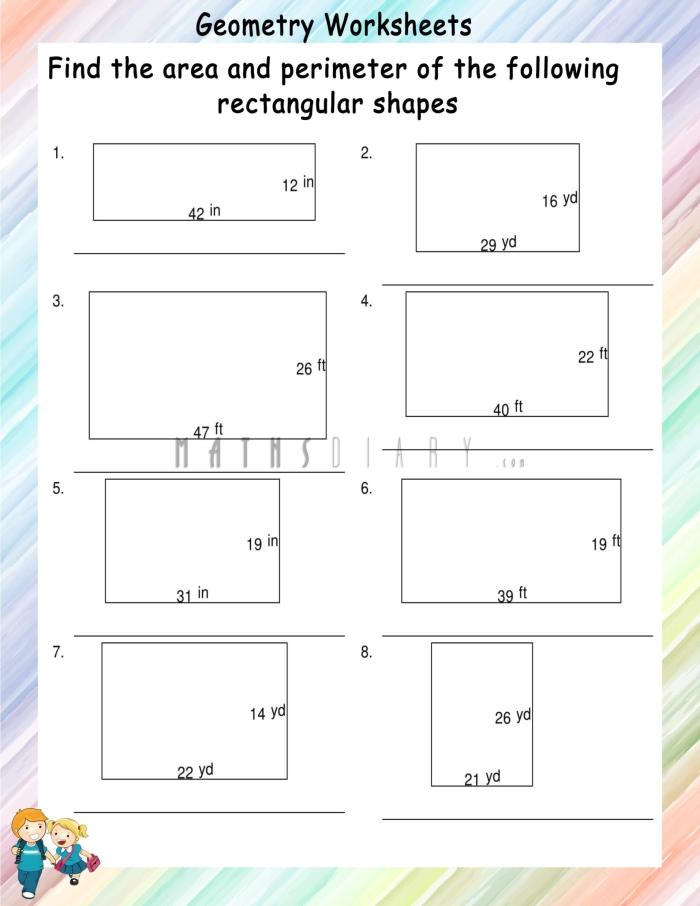
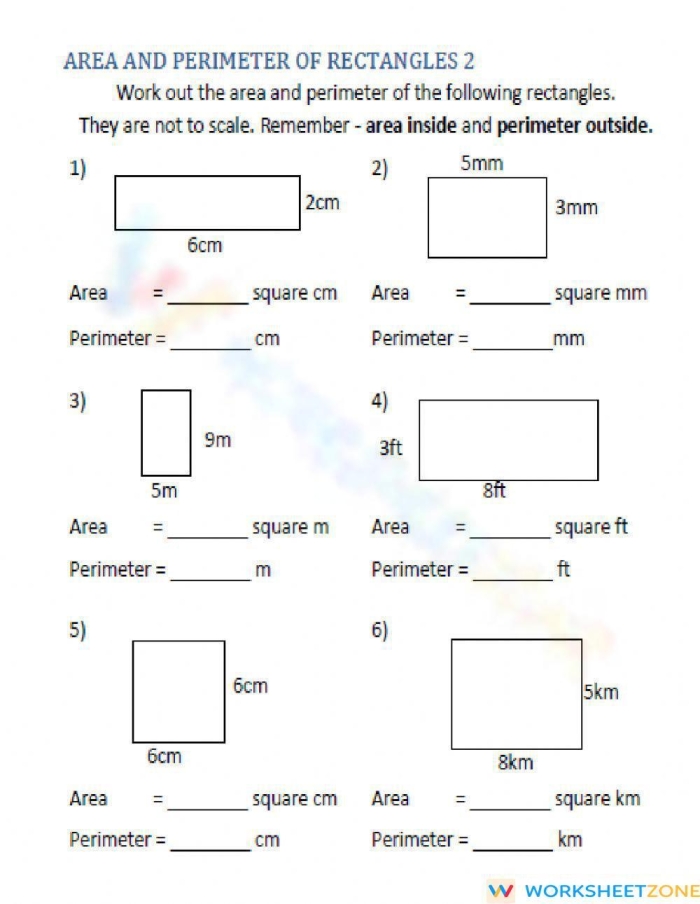
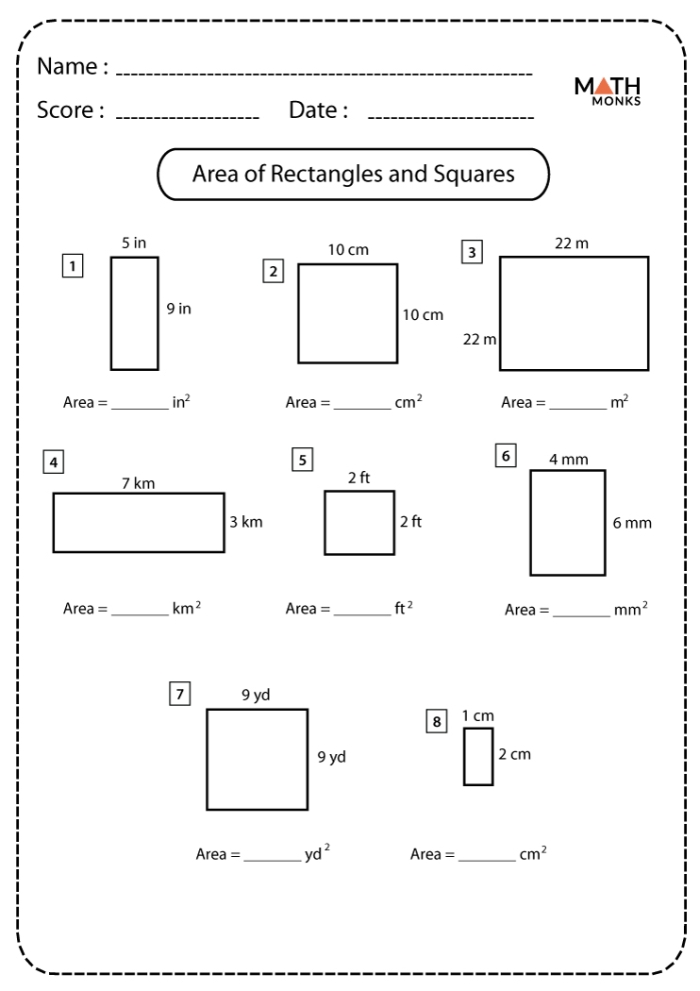
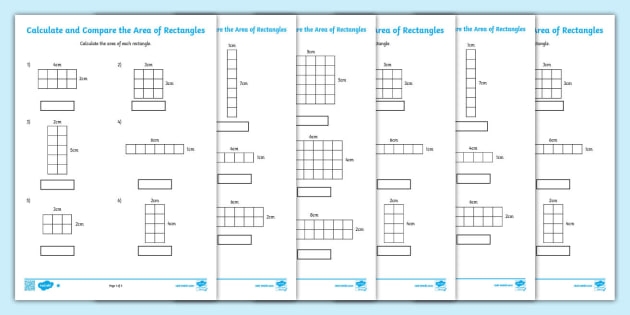
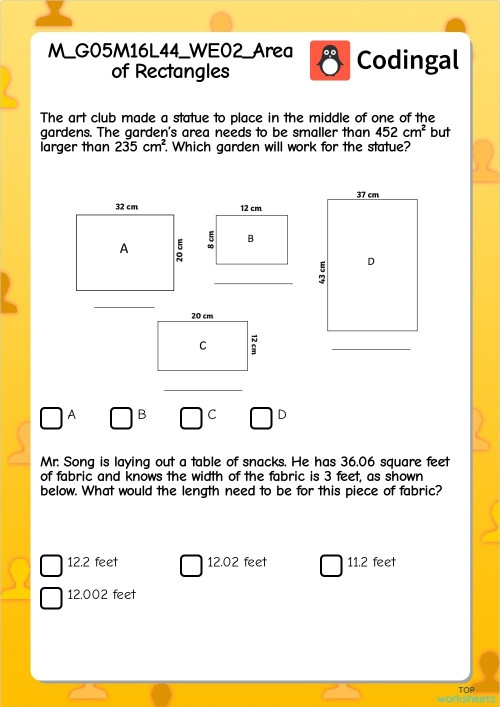
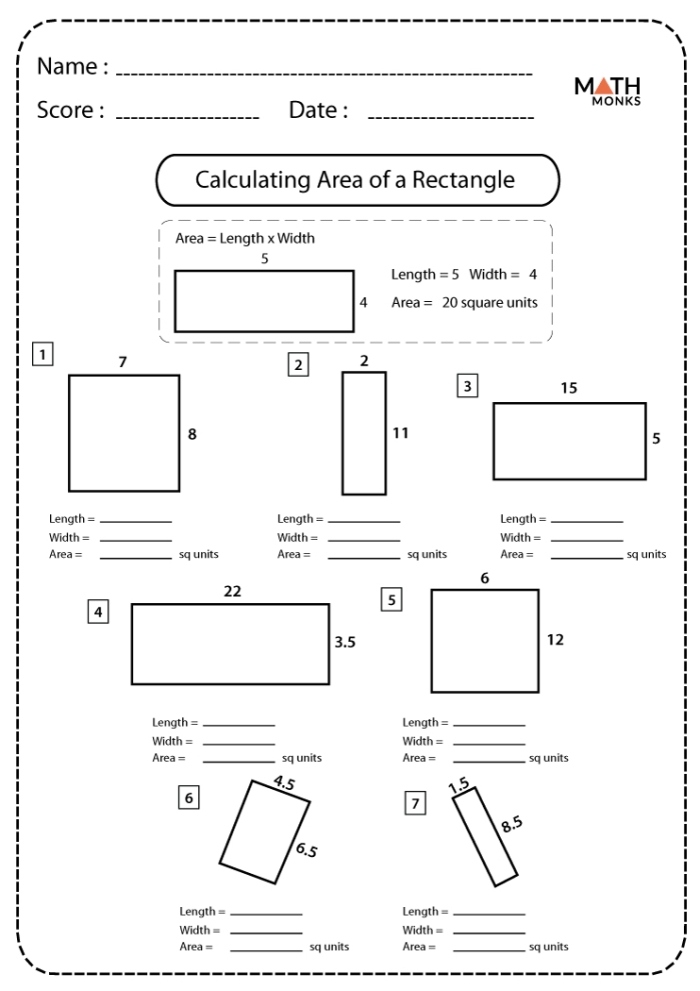
Finding the area of rectangular spaces is one of those practical math skills that students actually use outside the classroom. When you’re working through a measurement and data worksheet, you’re not just pushing numbers around on a page, you’re learning how to figure out how much space something takes up, whether that’s a bedroom floor, a garden plot, or a poster on a wall.
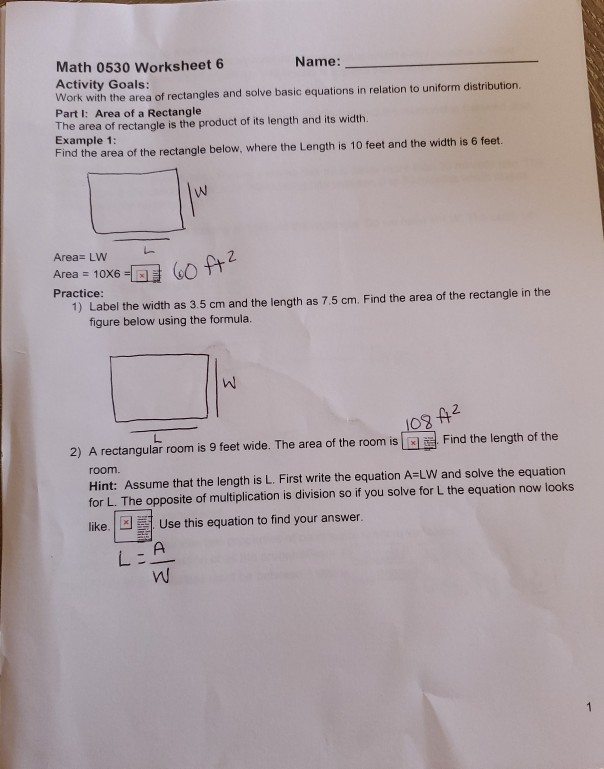
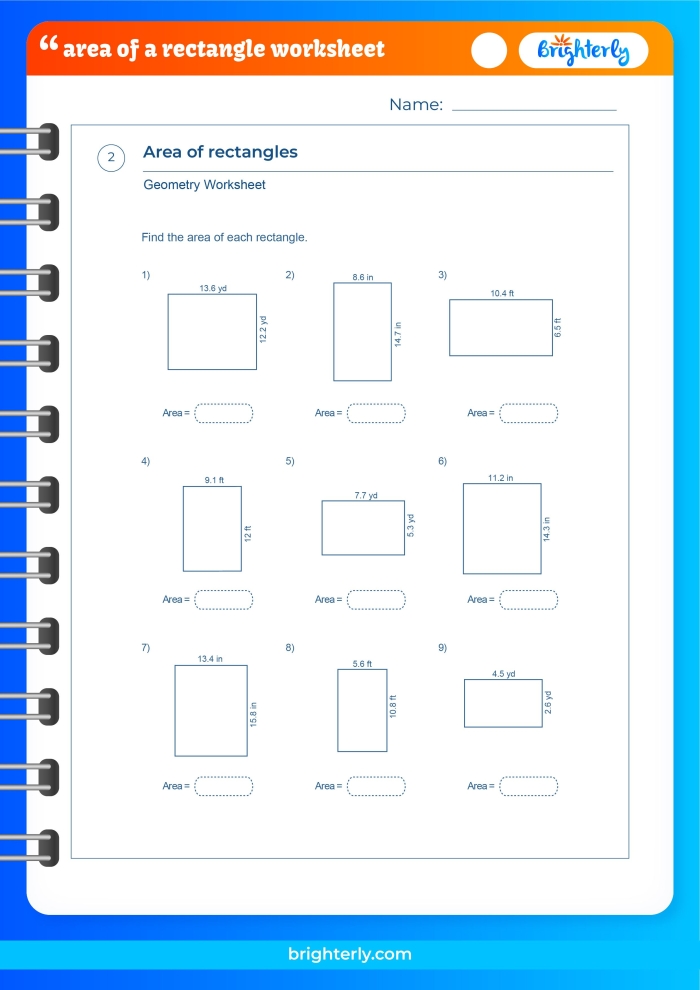
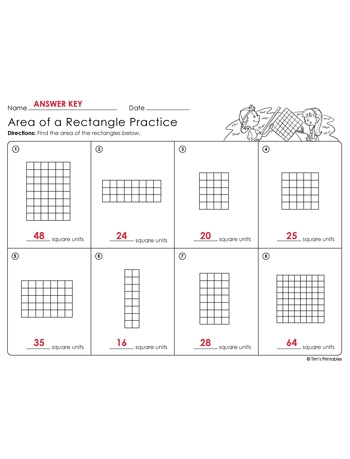
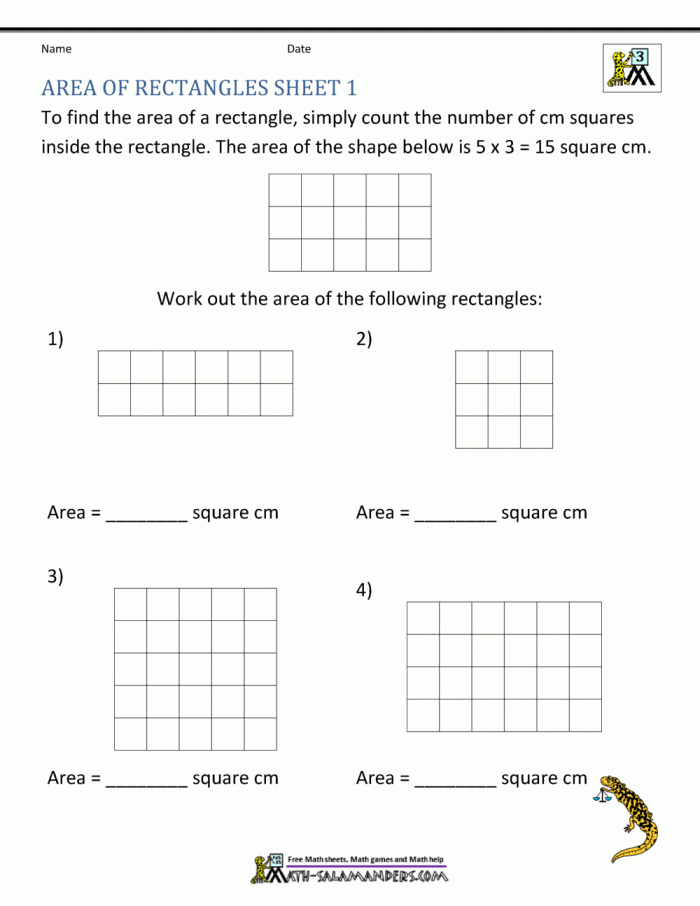
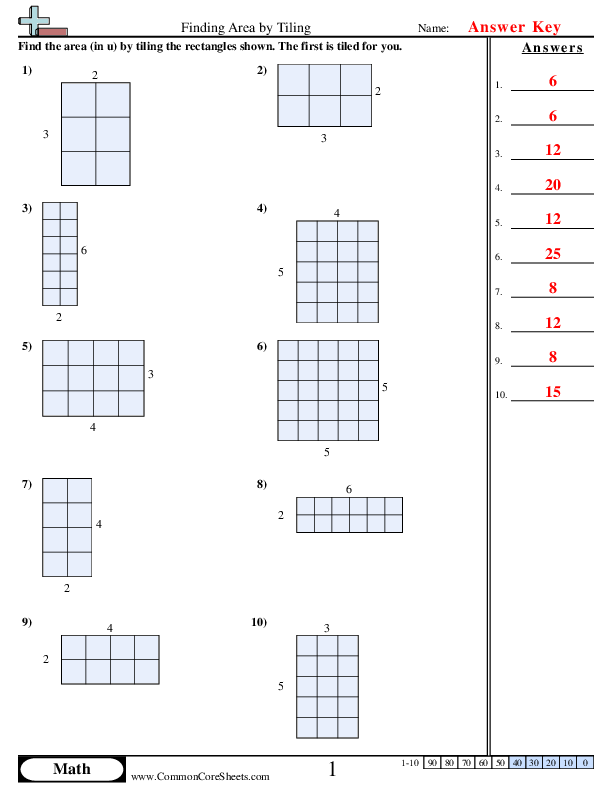
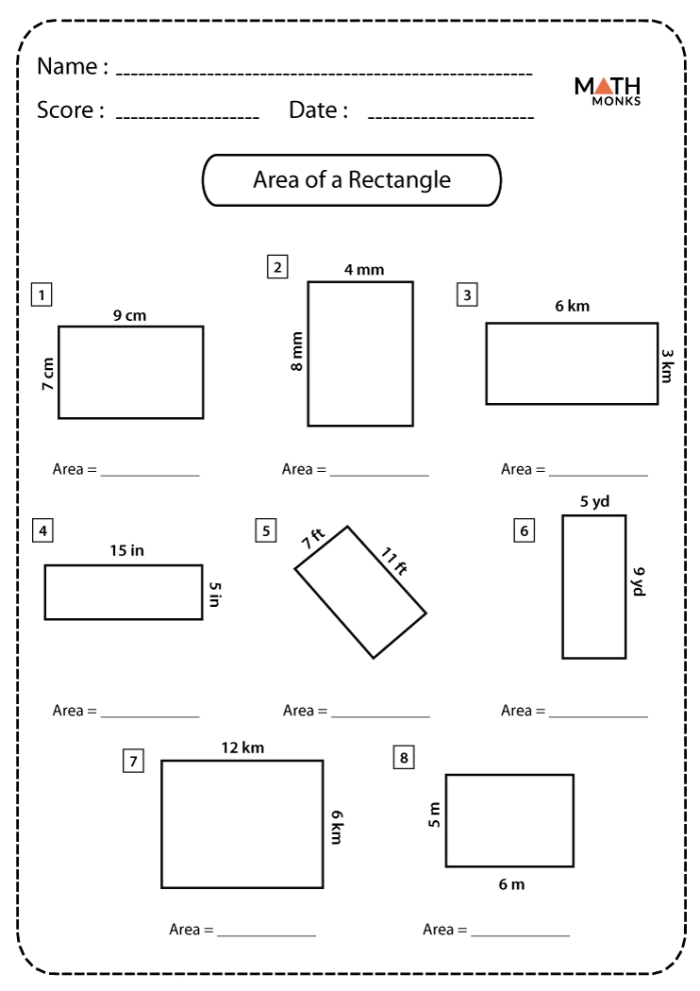
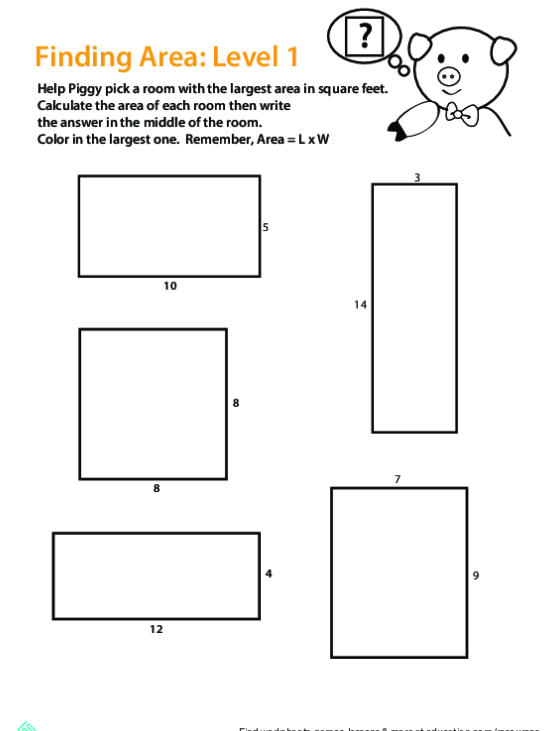
The formula itself is straightforward: length times width equals area. A rectangle that measures 5 units long and 3 units wide covers 15 square units of space. The tricky part for third grade students isn’t usually the multiplication, it’s understanding what that answer actually represents. Those square units matter because they show you’re measuring something two-dimensional, not just a line or a distance.
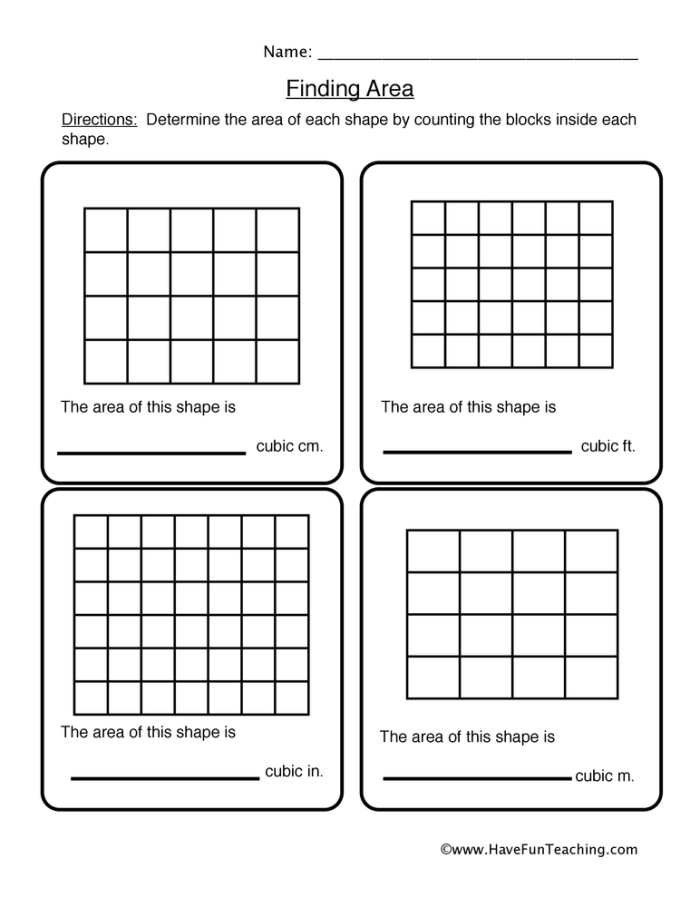
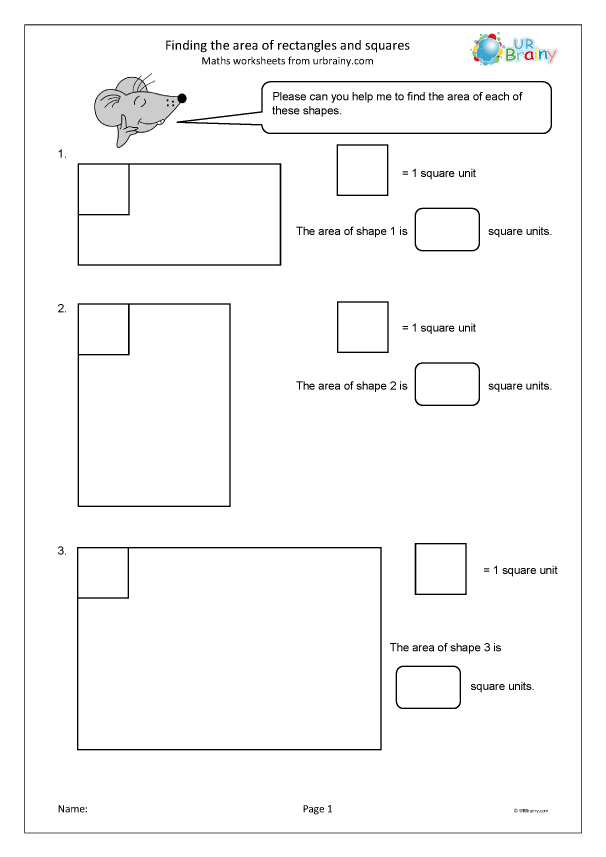
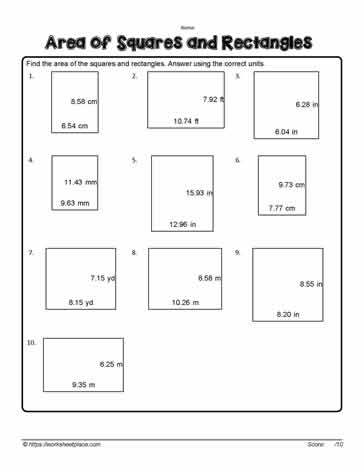
What makes these worksheets effective is that they force you to slow down and visualize the problem. Rather than just reading “find the area,” you’re looking at an actual shape, identifying which measurement is the length and which is the width, then doing the calculation. This same skill transfers across different subjects too. When you’re working on bar graph activities, you’re still interpreting spatial relationships and data, just in a different format.
Third grade measurement worksheets typically start with simple whole numbers to build confidence. A rectangle that’s 4 units by 6 units gives you 24 square units. Once students master that pattern, they can tackle more complex problems. The grammar and mechanics aspect comes in when you’re reading word problems that describe rectangular spaces and extracting the relevant numbers from sentences.
Practicing with these worksheets regularly helps students develop the mental habit of breaking problems into steps. You identify what you know, apply the formula, and check your work. That methodical approach becomes useful across math, reading comprehension, and problem-solving in general.
Printable Worksheets for Practice