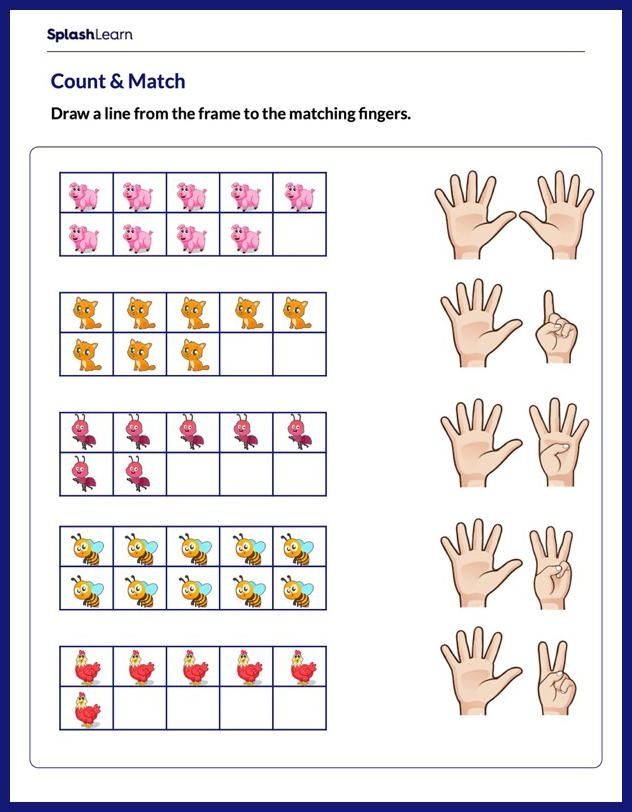
Kindergarteners learn best when they can physically interact with numbers, and using fingers to count remains one of the most natural and effective methods at this age. This approach taps into how young children naturally think about quantity, making abstract math concepts feel concrete and manageable.
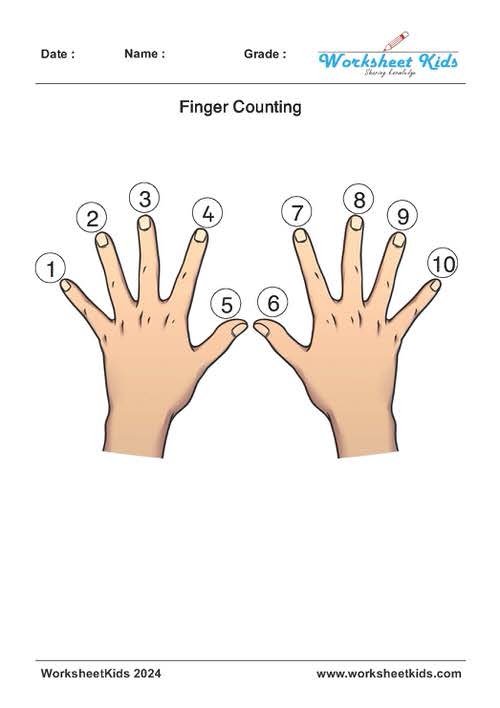
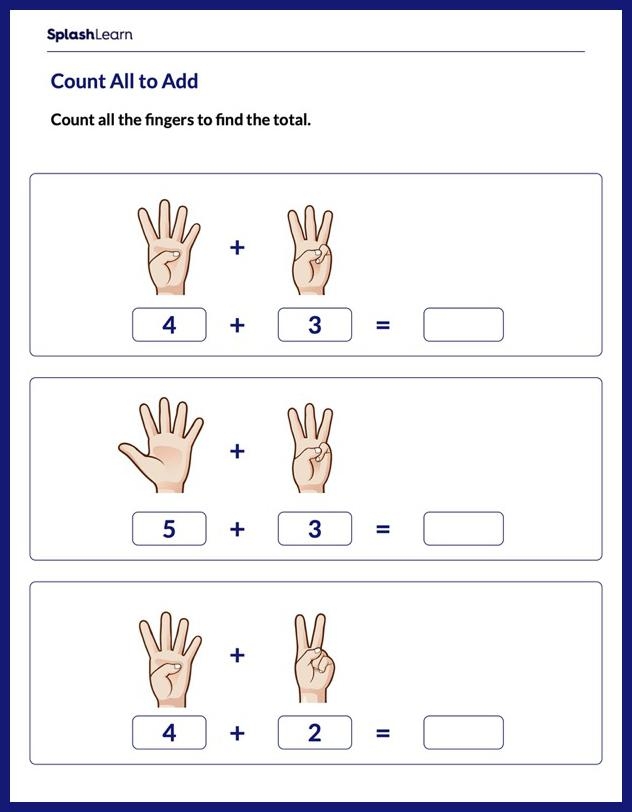
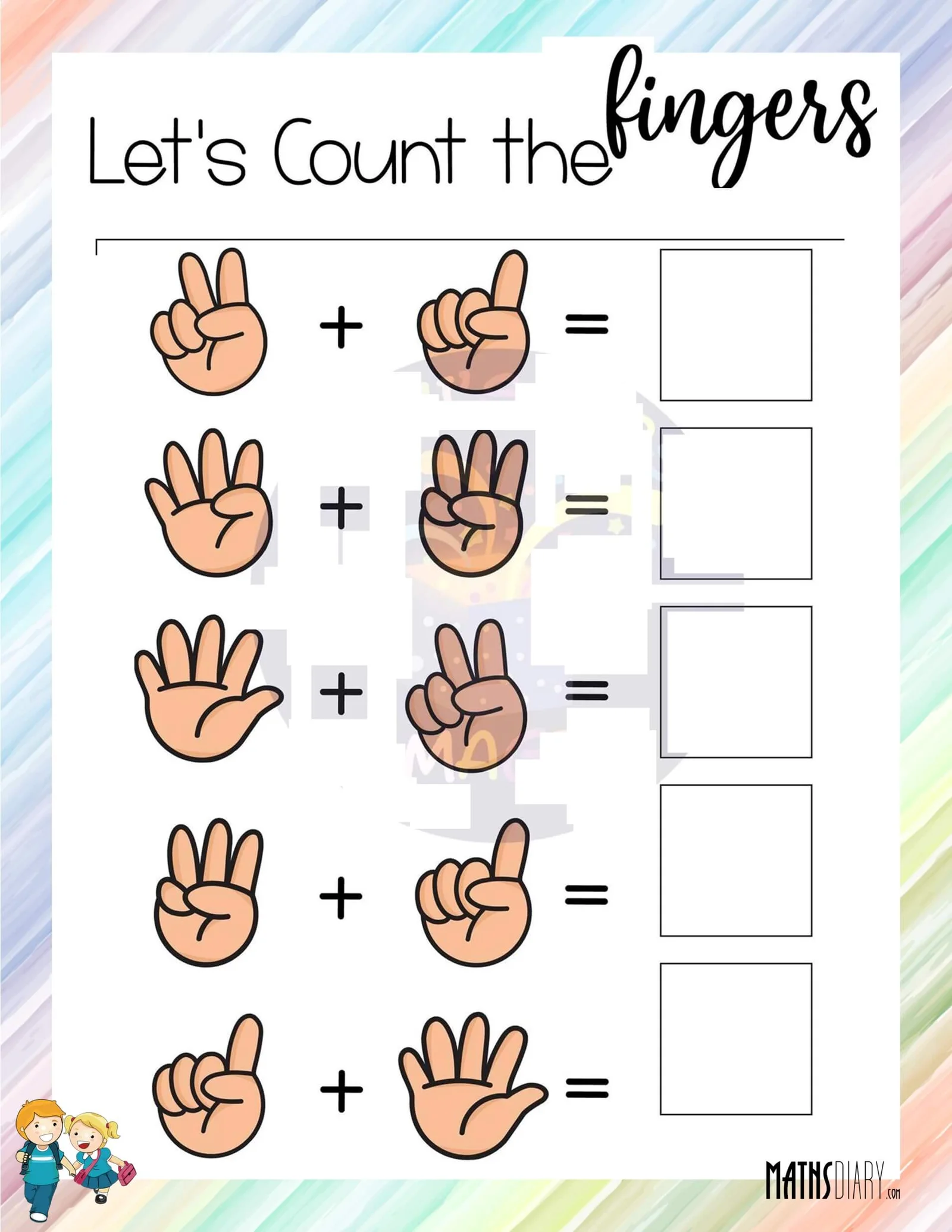
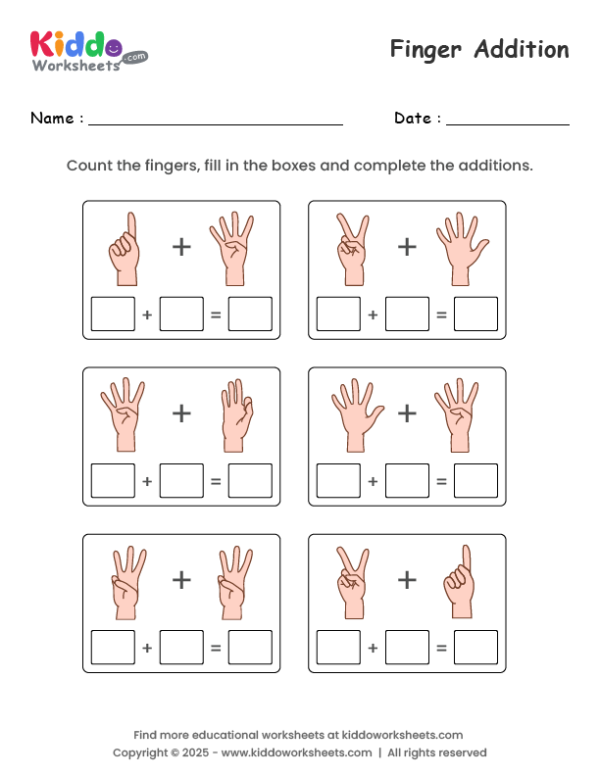
When children use their fingers during addition problems, they’re building a mental bridge between the physical world and numerical symbols. A child working through 3 + 2 can hold up three fingers on one hand and two on the other, then count all five together. This tactile experience helps them understand that addition means combining groups, not just memorizing facts. The vocabulary surrounding addition—words like “plus,” “equals,” “altogether,” and “more”—becomes anchored to real, visible actions rather than floating as abstract terms.
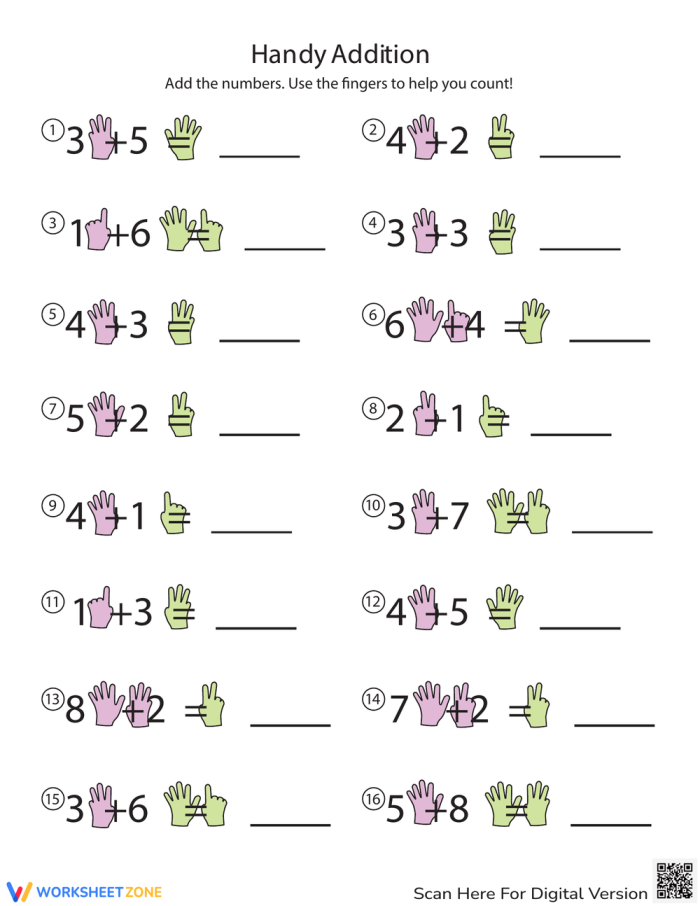
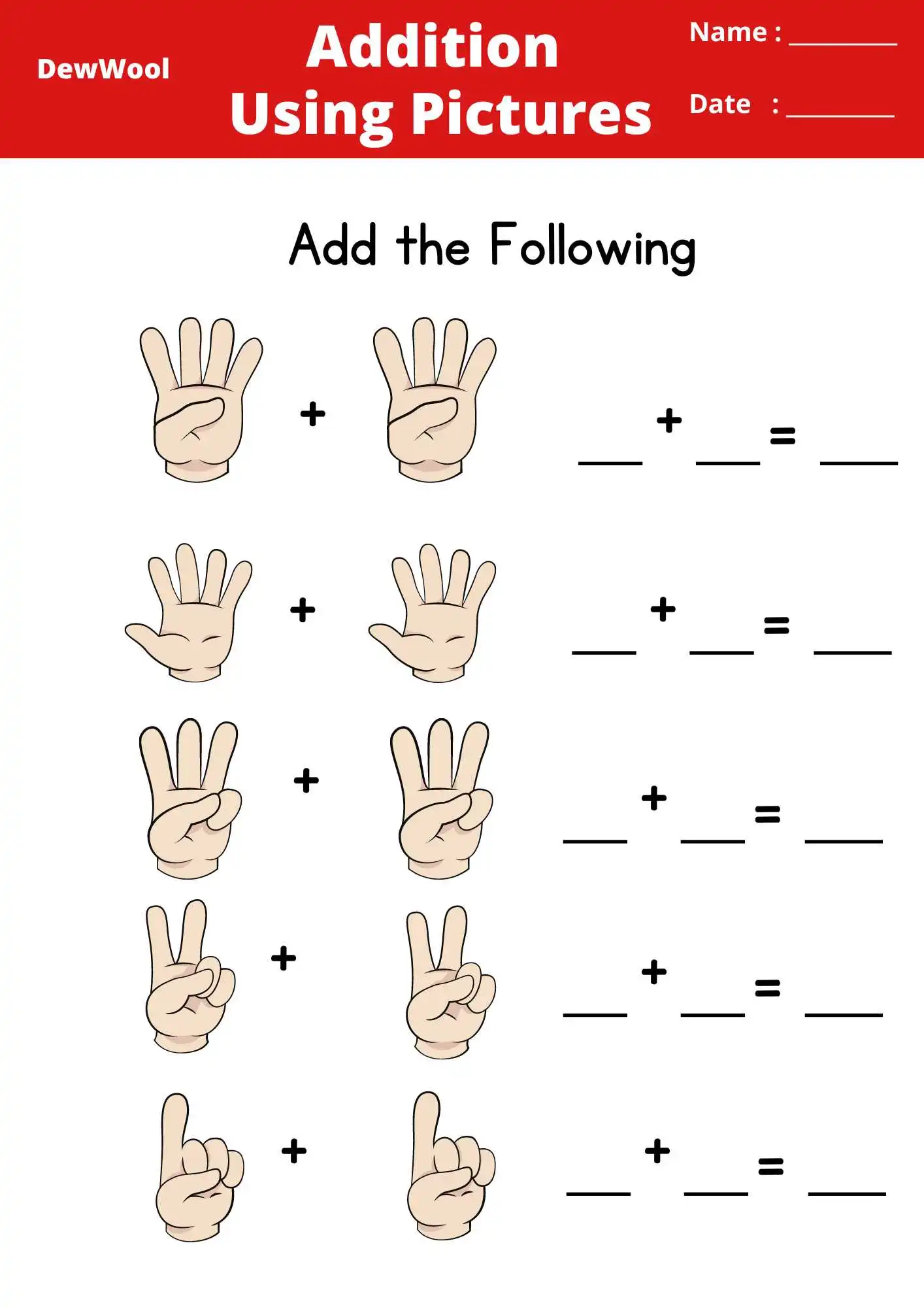
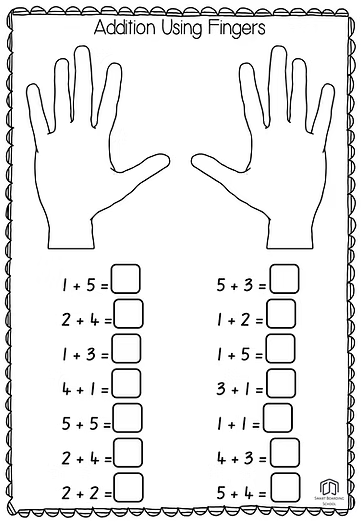
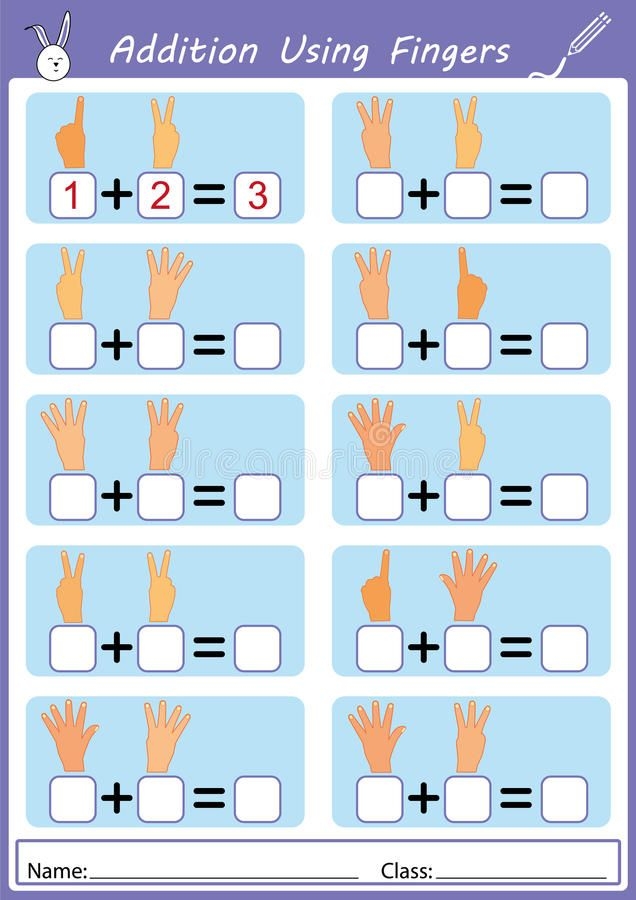
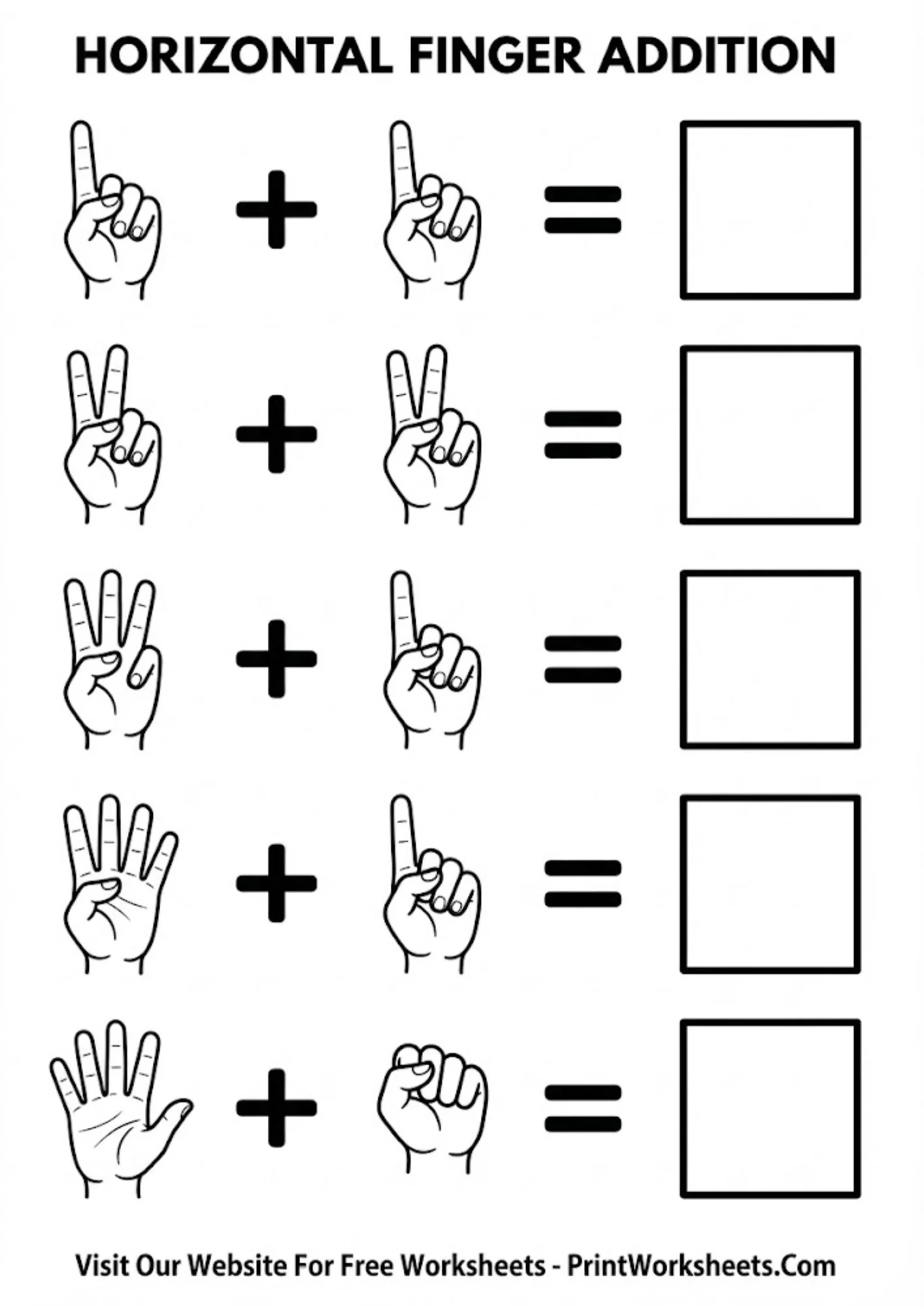
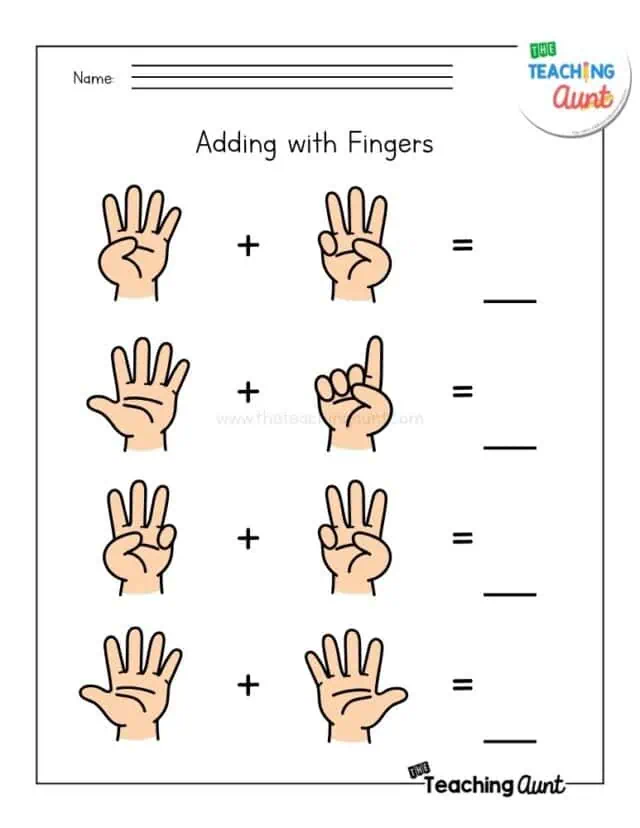
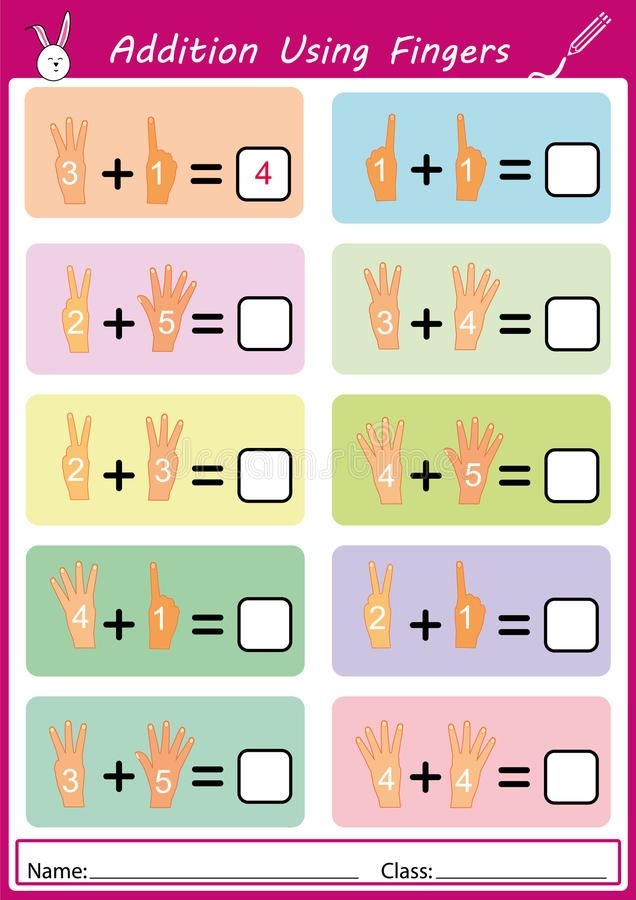
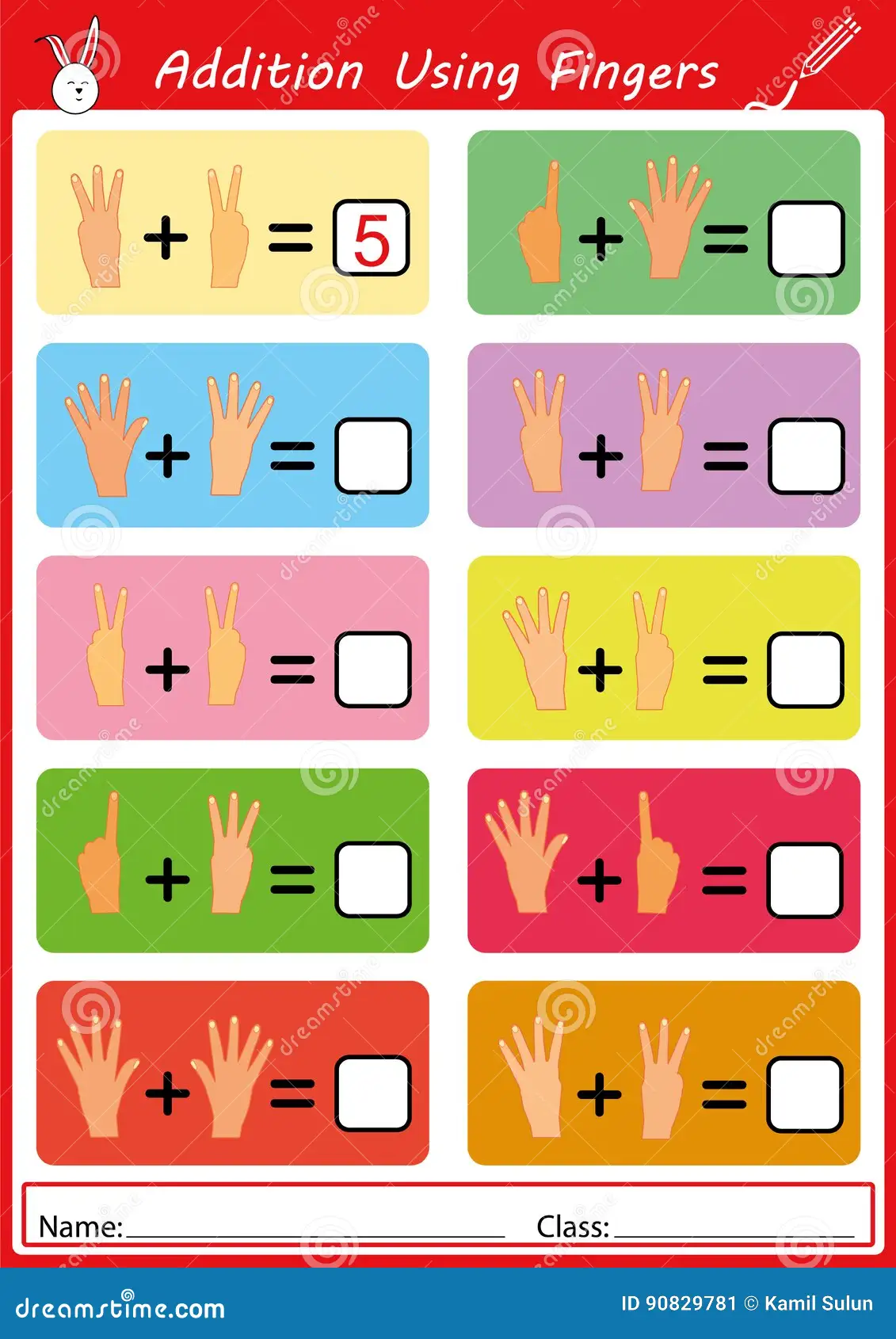
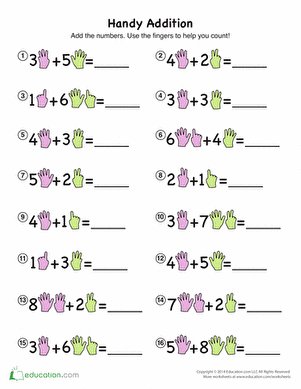
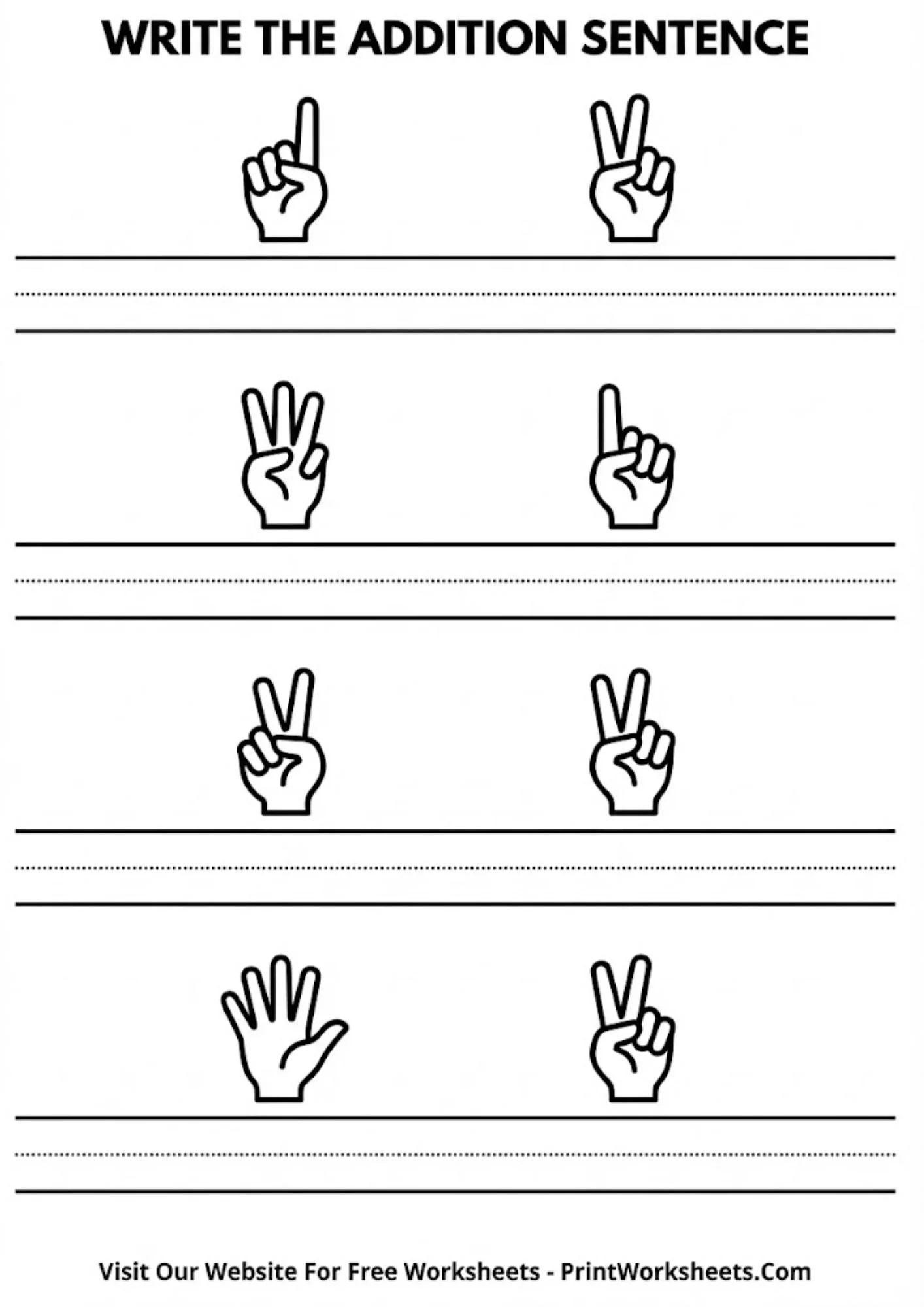
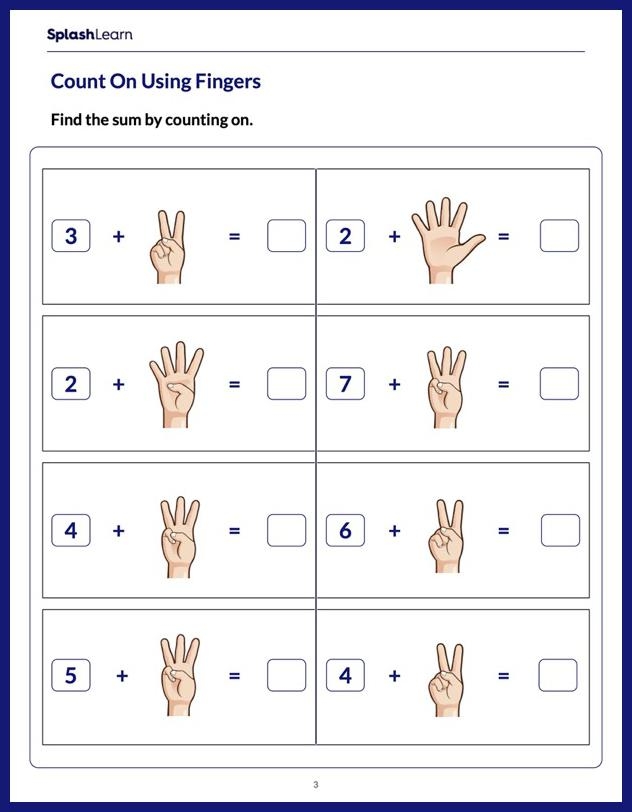
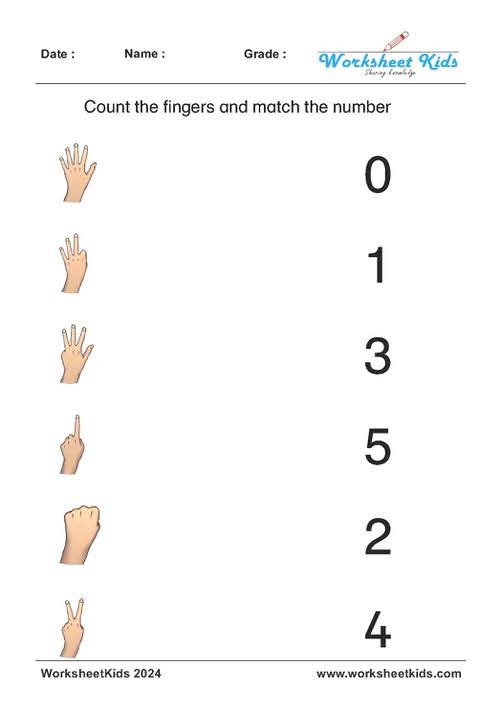
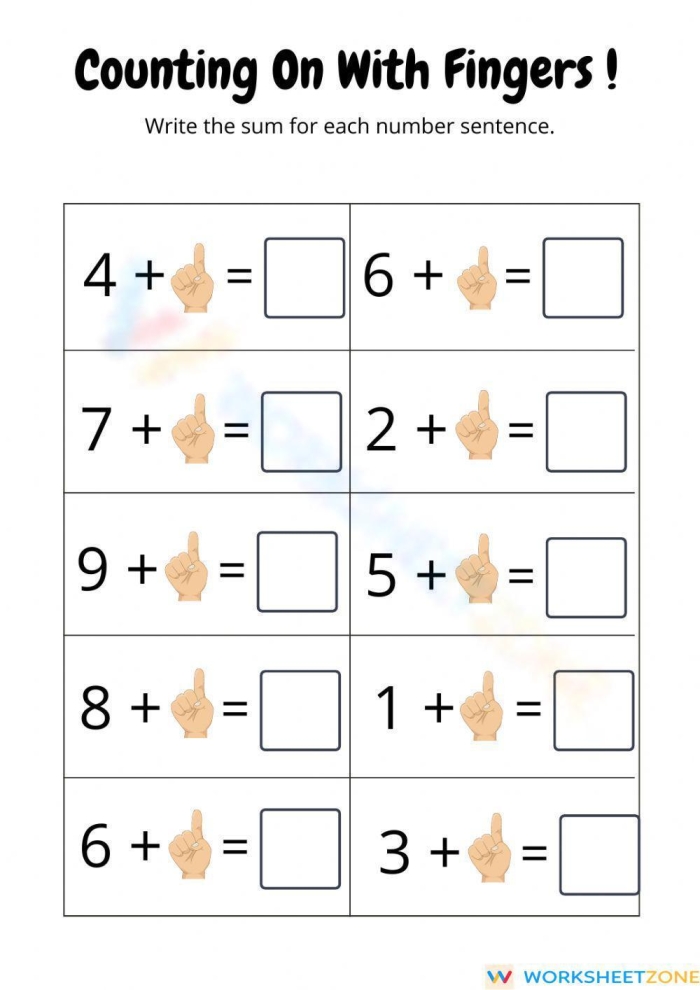
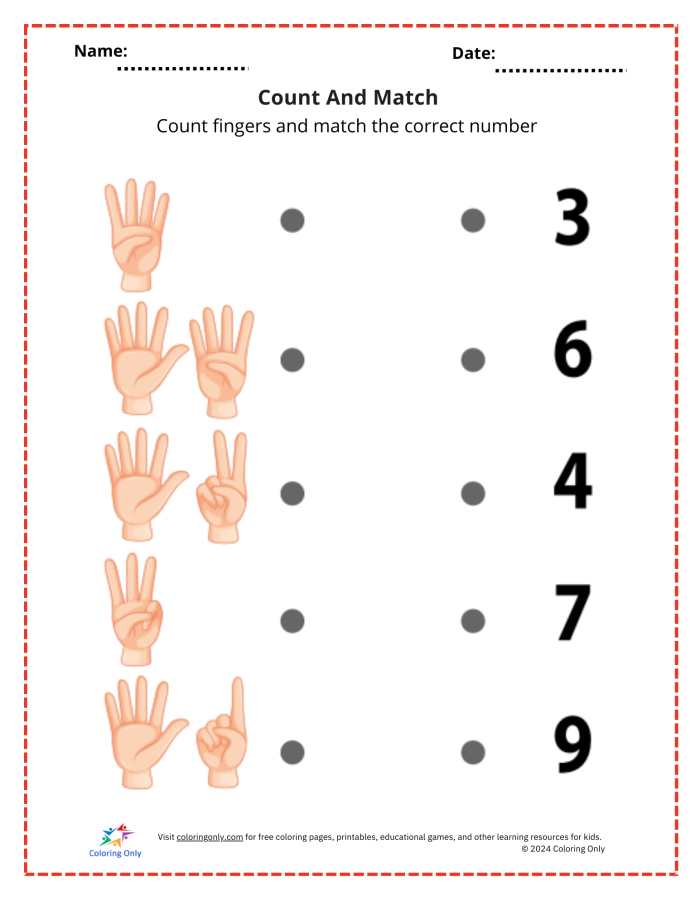
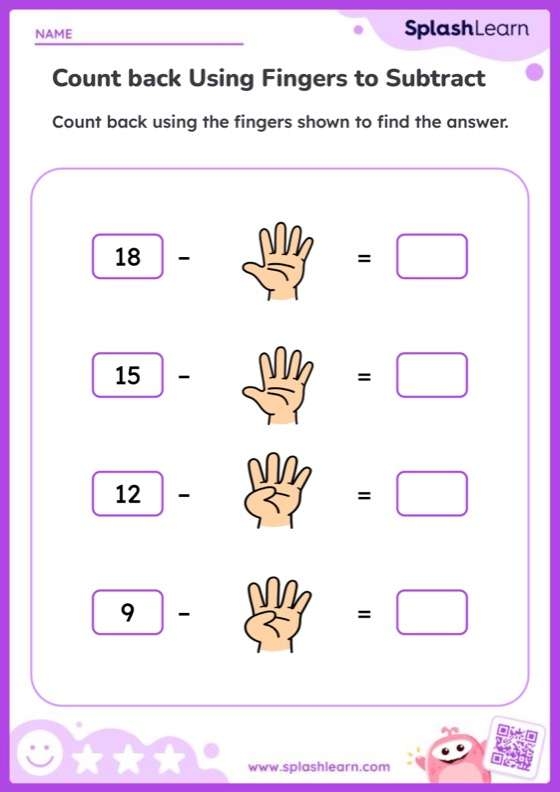
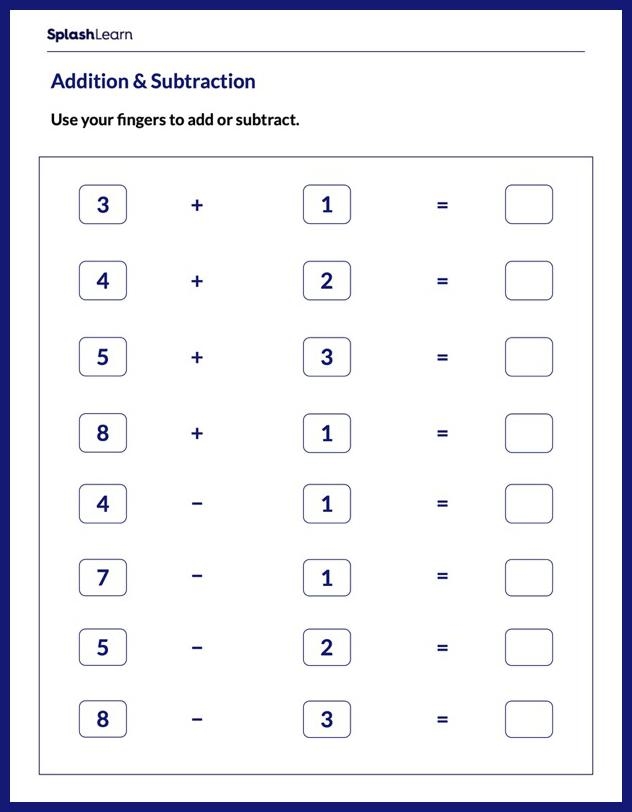
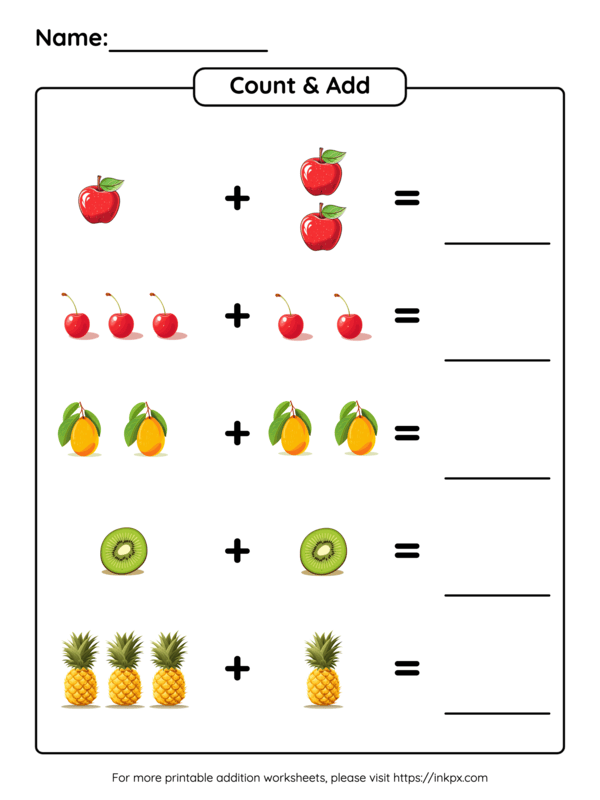
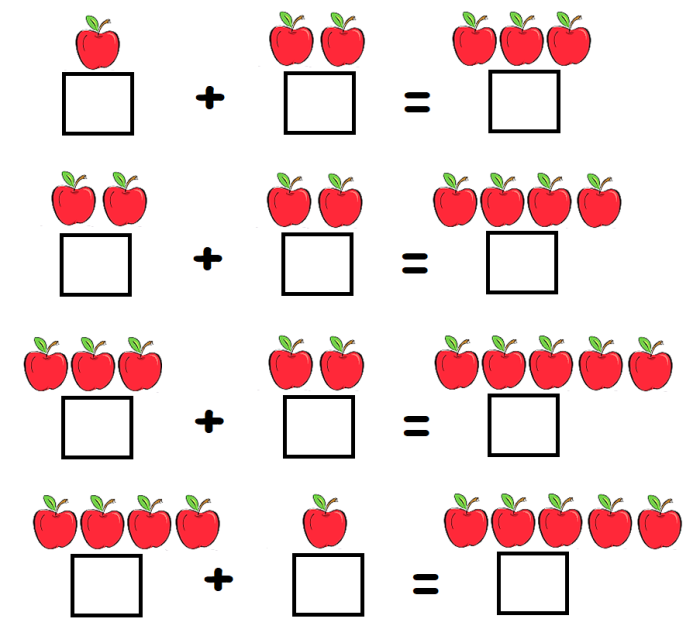
A handy addition worksheet designed for this method typically features simple problems with small numbers and clear illustrations. The layout encourages children to write their answers after they’ve used their fingers to find the solution. This reinforces the connection between the physical counting process and the written answer. Repetition through worksheets helps kindergarteners internalize these basic combinations until they eventually recall them automatically.
The beauty of finger counting is that it’s always available. Children don’t need special materials or tools—their hands are with them constantly. This makes the transition from informal counting at home to more structured practice in the classroom seamless and natural.
As children progress, they’ll encounter related skills in other areas. Students working on linear expressions in later grades build on these foundational counting skills. Even when tackling more complex topics like properties of exponents, students rely on the number sense developed through early finger counting practice.
Encouraging this method shows children that math is something they can do independently, building confidence that extends to all their learning.
Printable Worksheets for Practice