The fastest way to build Spanish fluency in fourth grade is to stop waiting for perfect conditions and start drilling verbs right now. Your beginning Spanish speaker doesn’t need fancy explanations or grammar rules yet. They need repetition, and they need it consistently.
Most fourth graders learn best through action-based practice rather than passive listening. When you give them a concrete list of high-frequency Spanish verbs to work through daily, something shifts. The words stop being abstract sounds and become actual tools they can use to communicate. Within two to three weeks of regular practice, you’ll notice them using these verbs in conversation without hesitation.
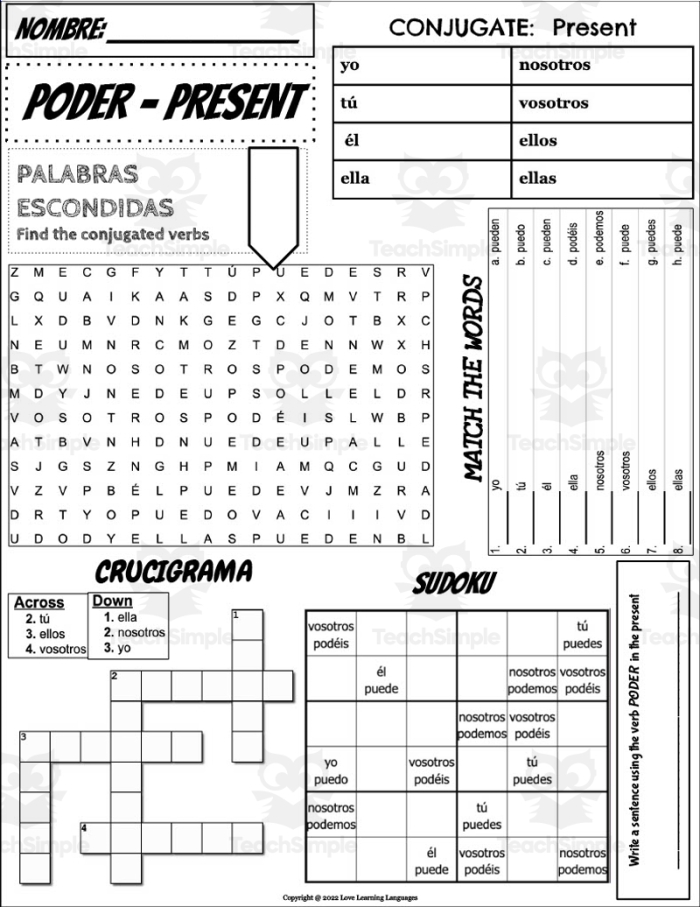
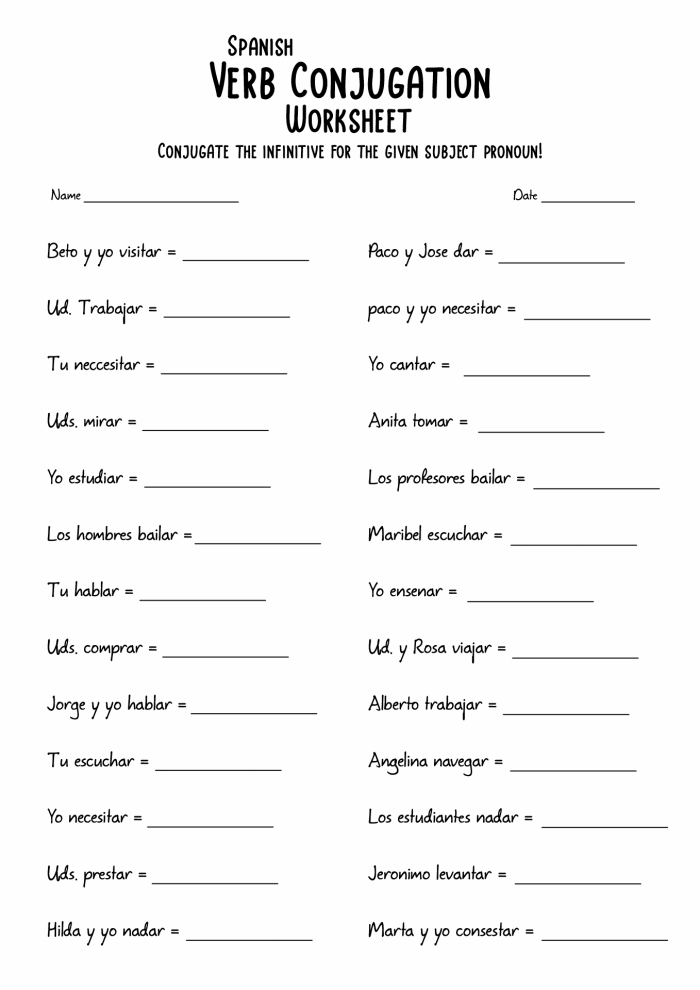
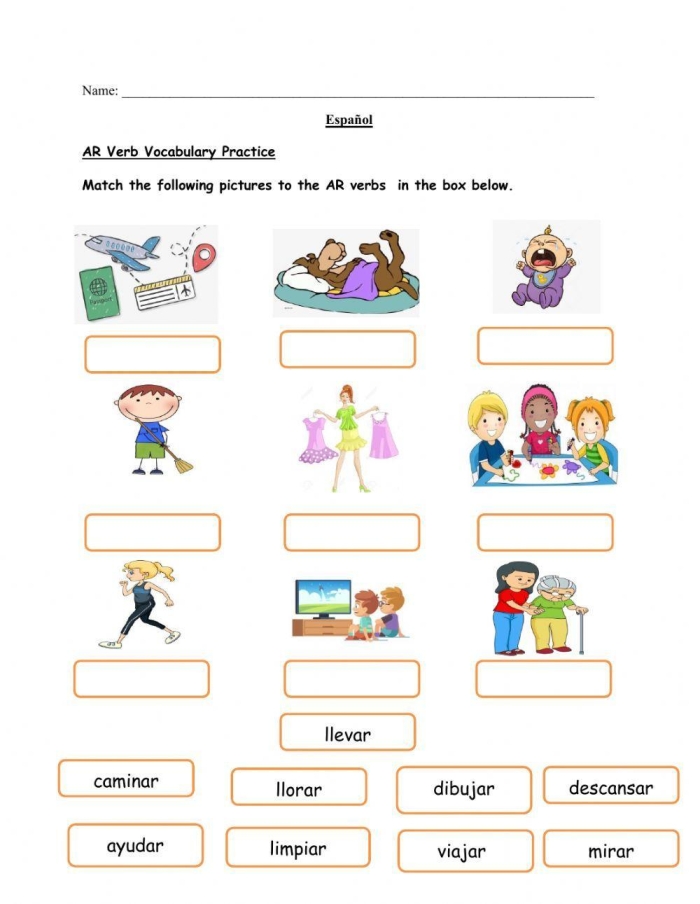
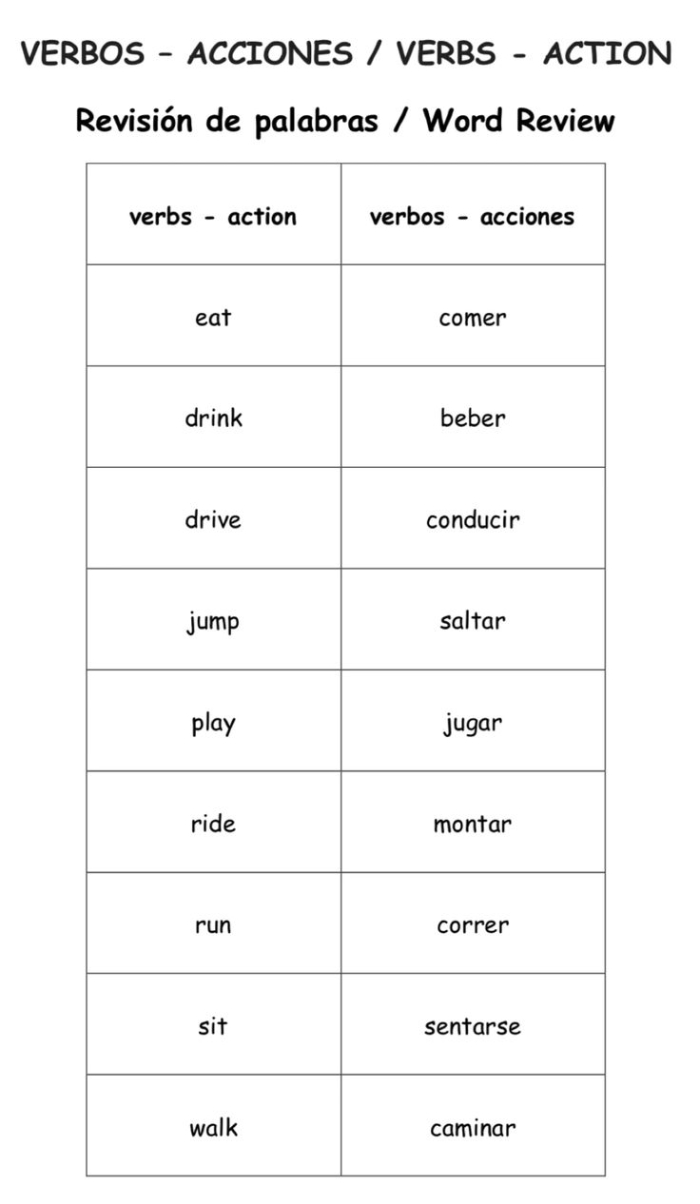
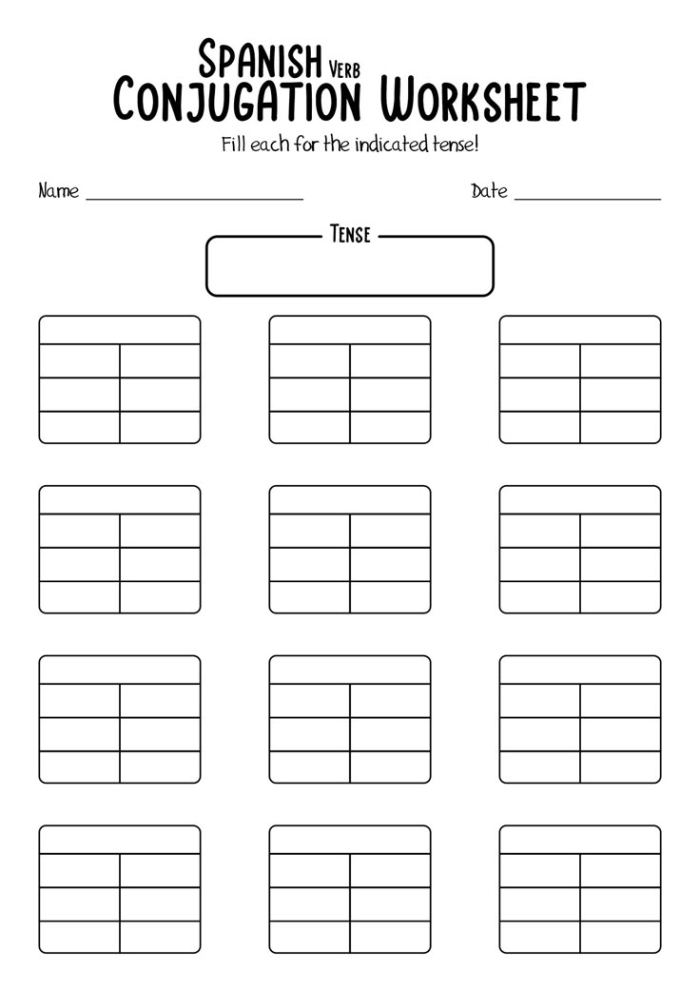
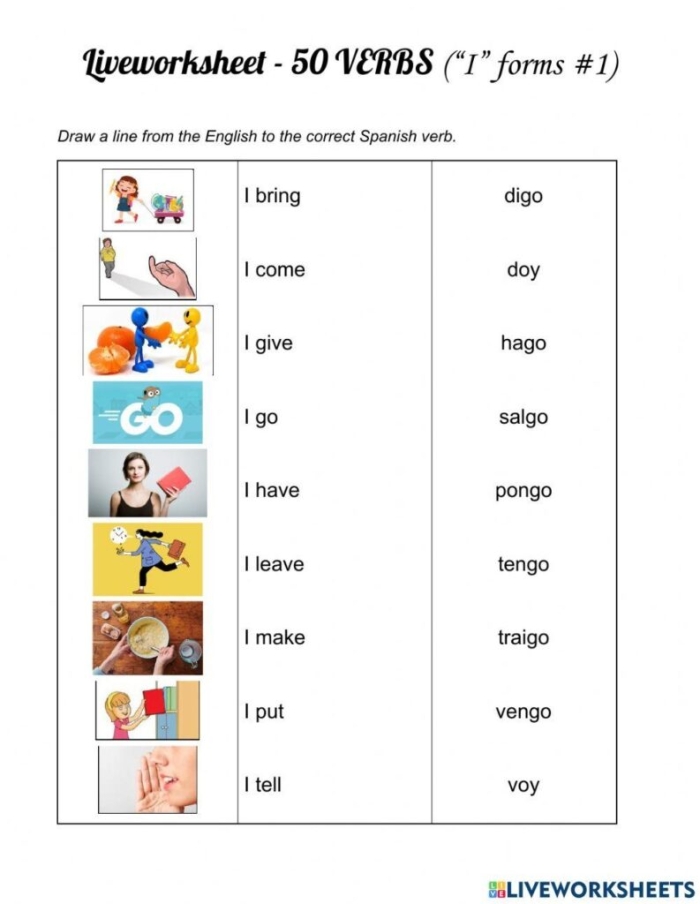
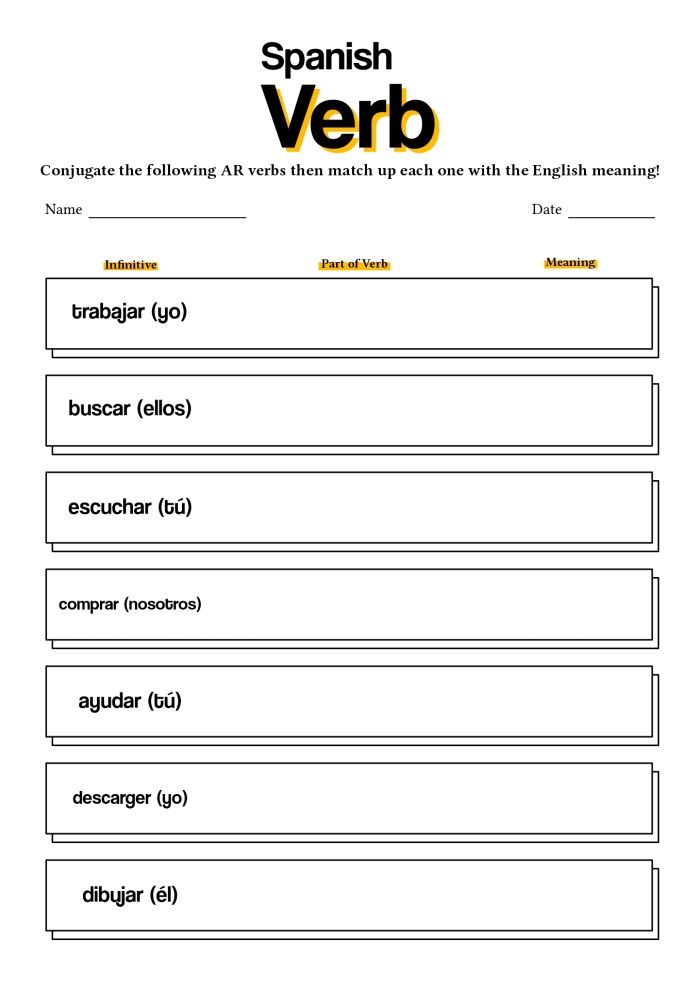
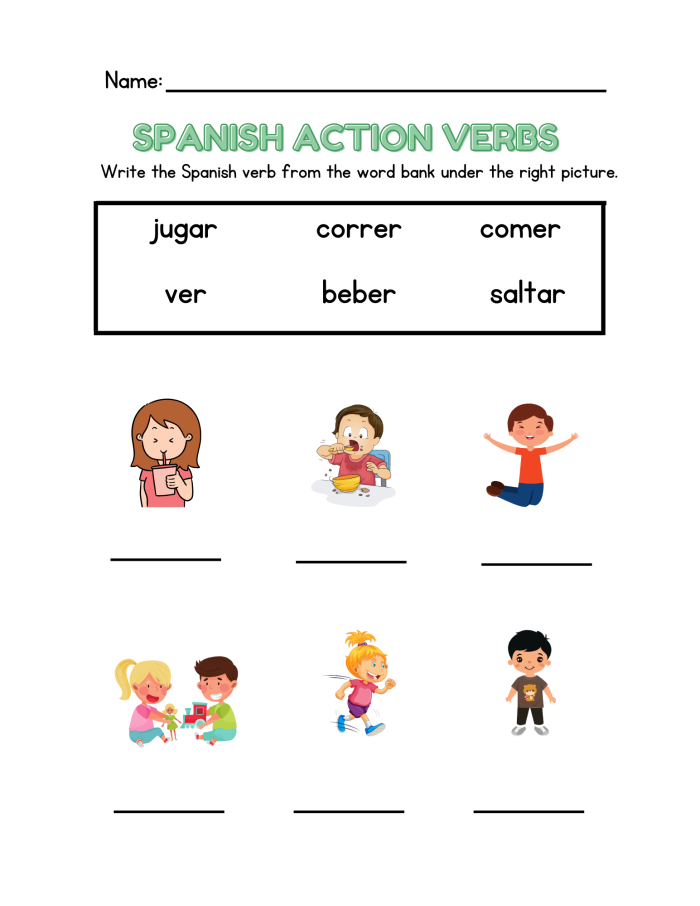
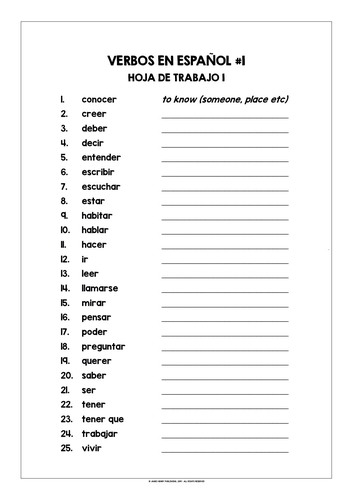
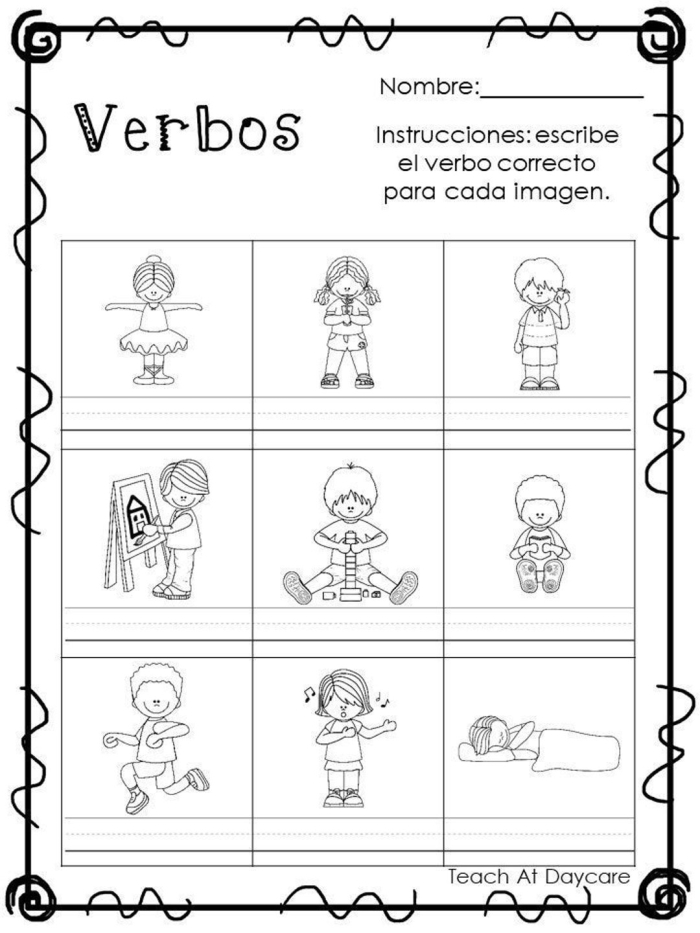
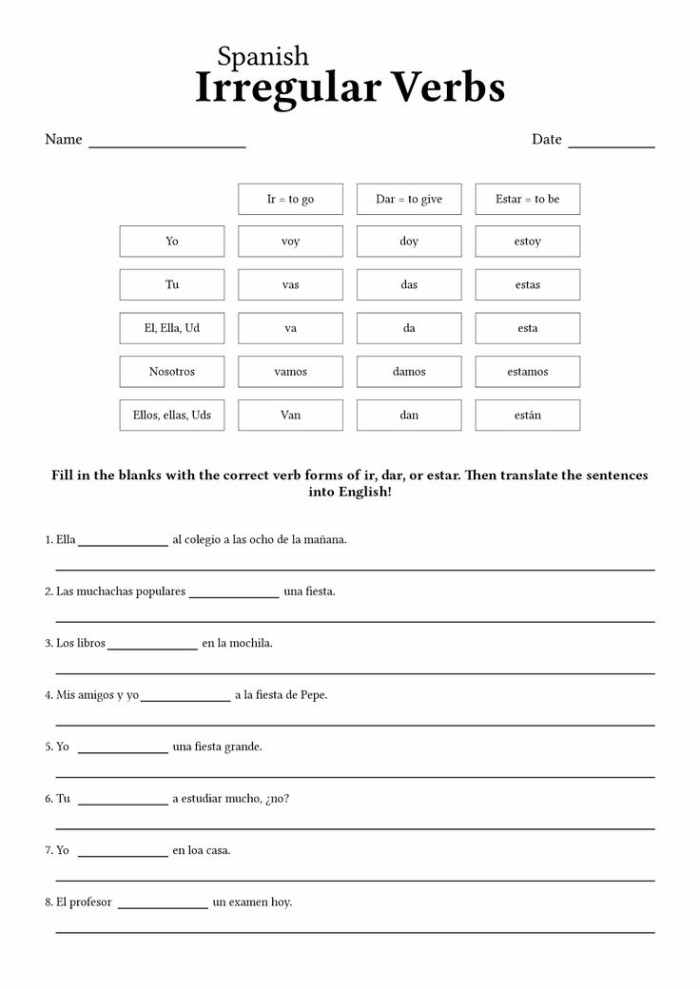
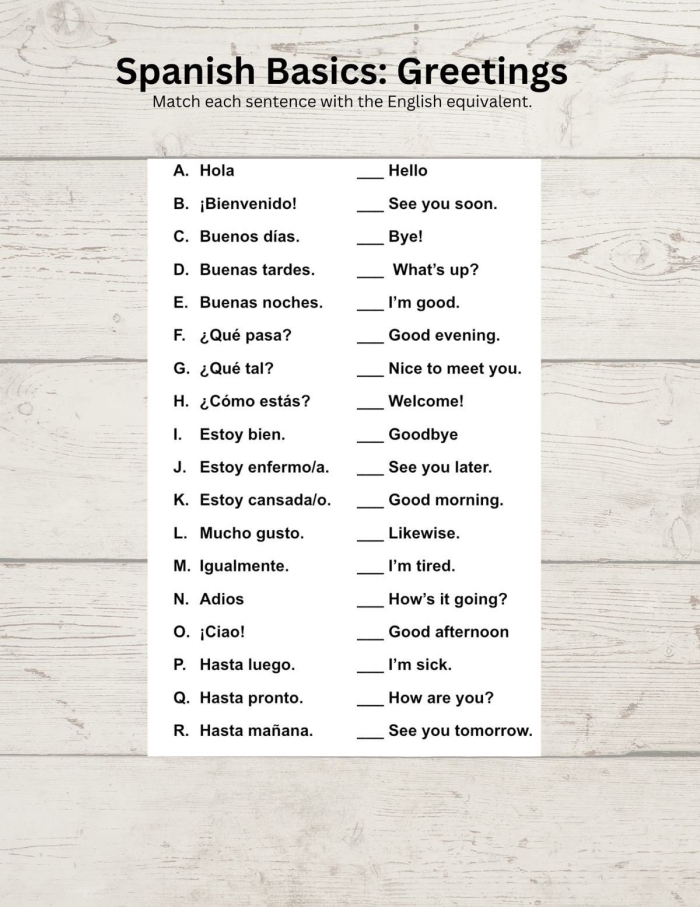
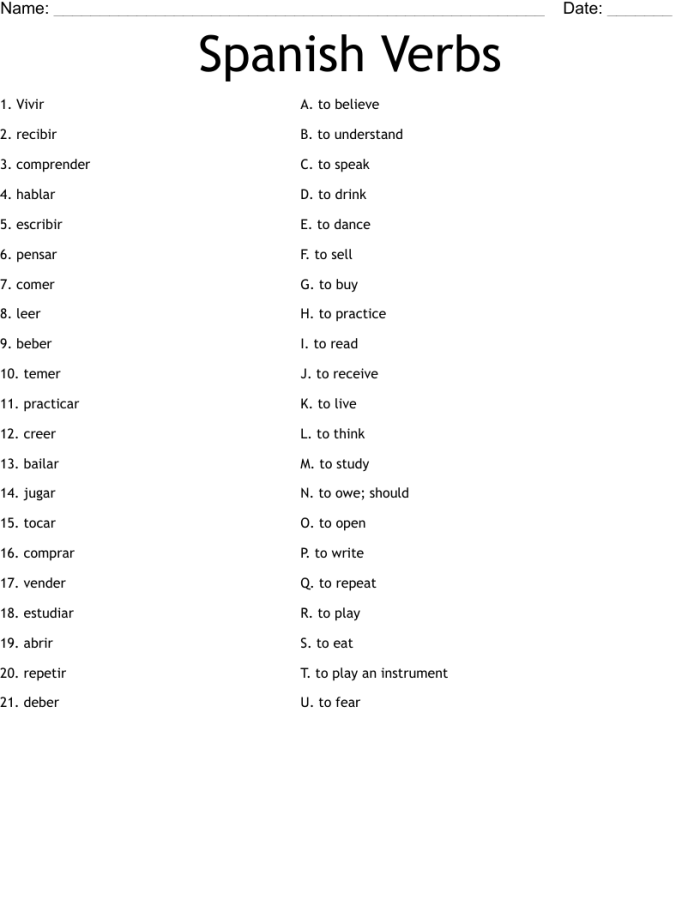
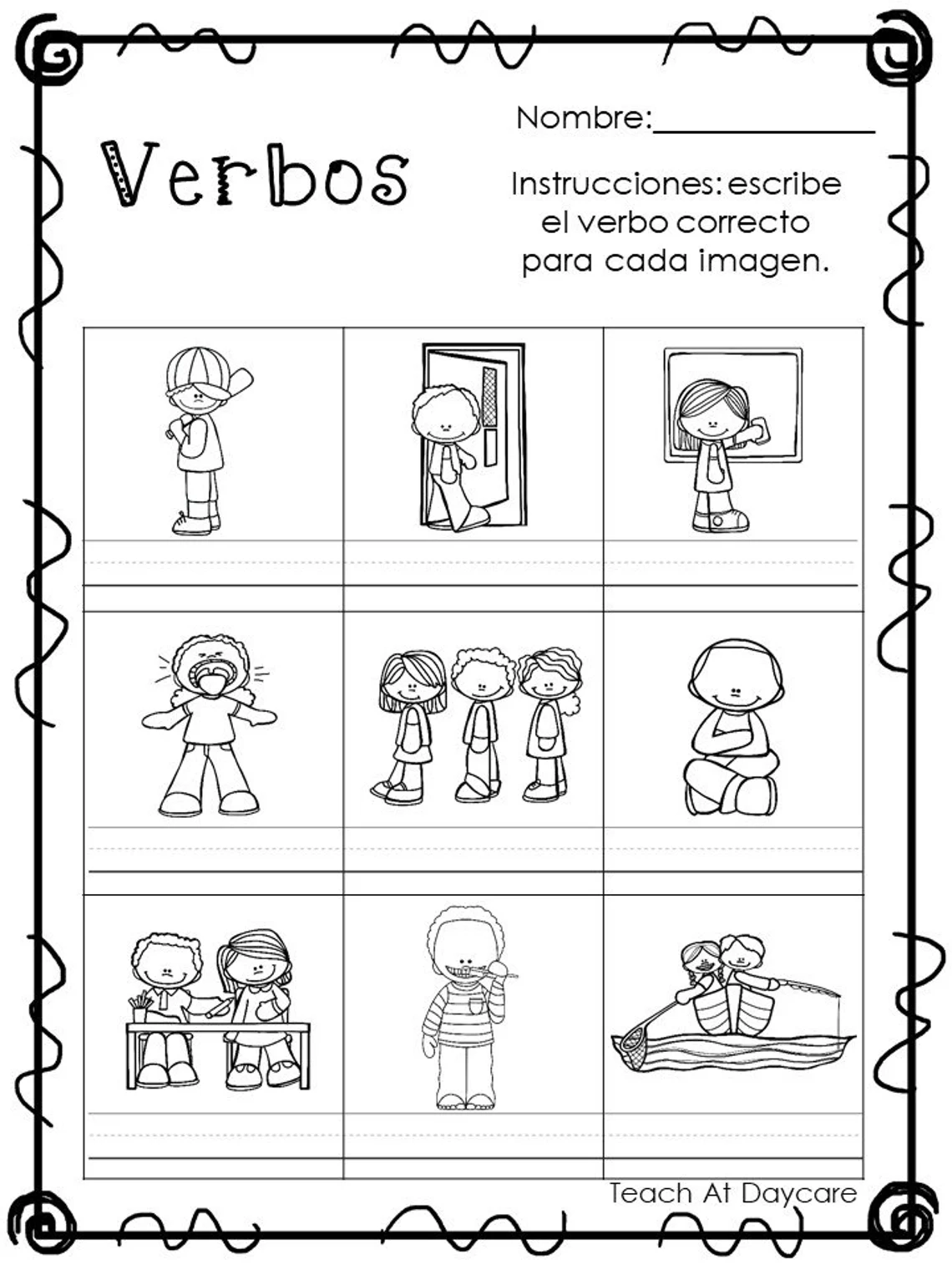
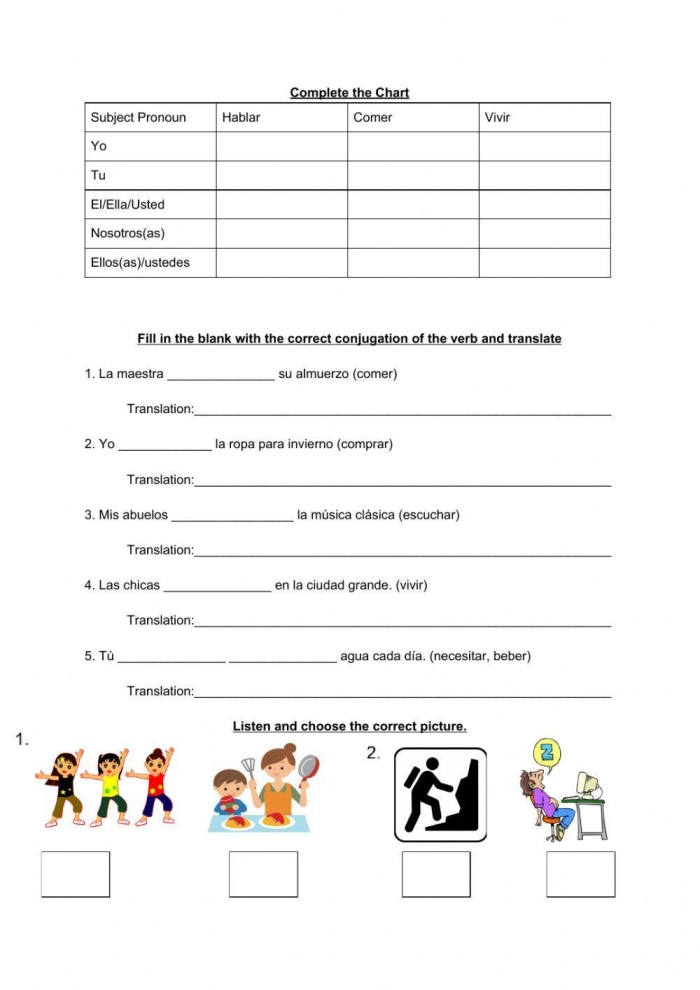
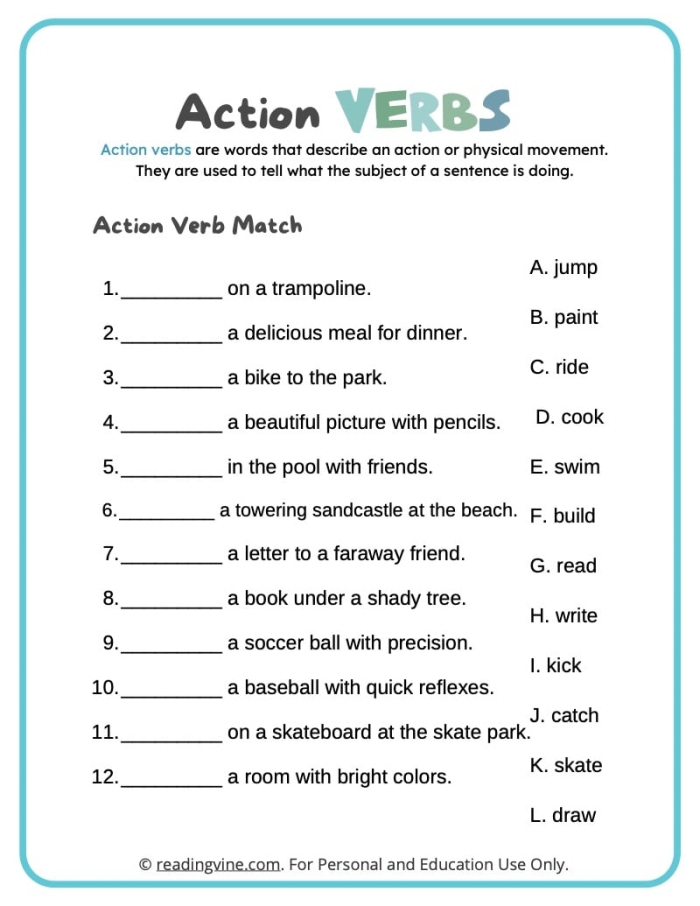
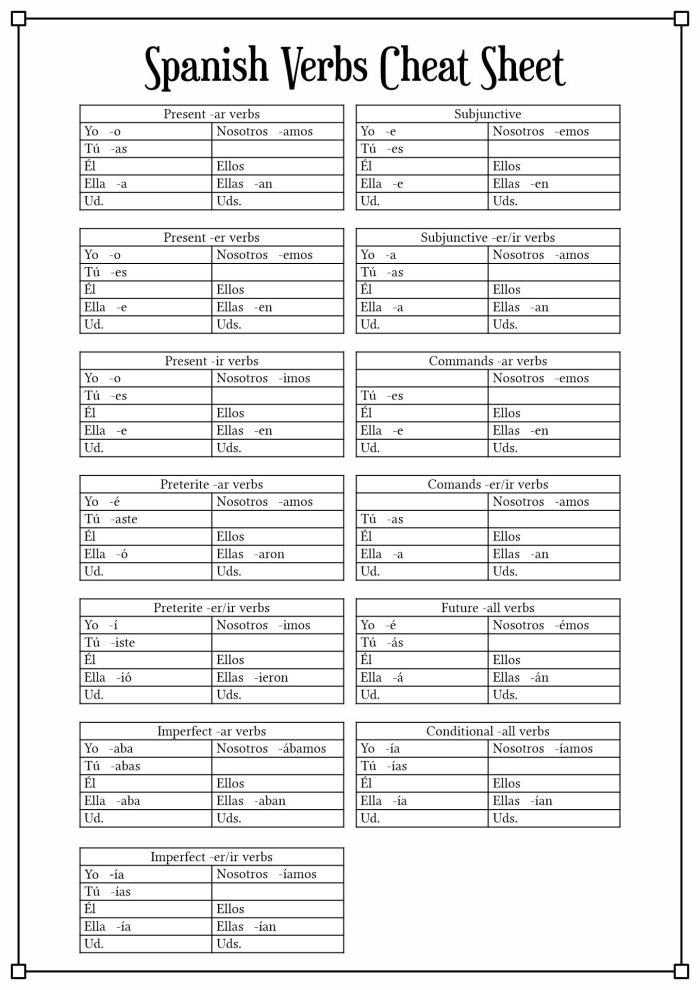
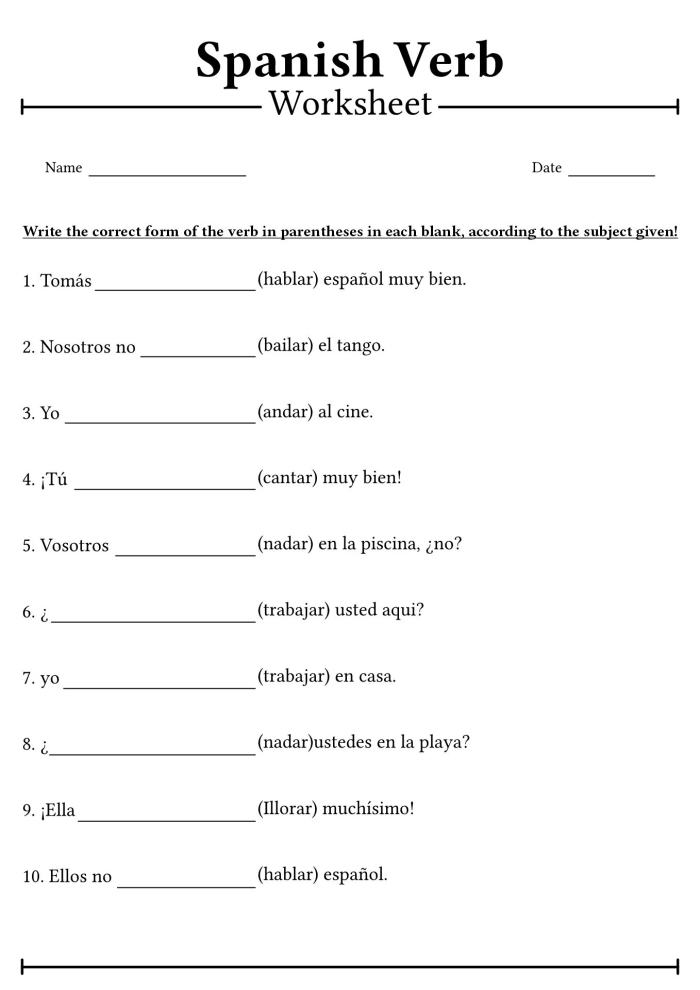
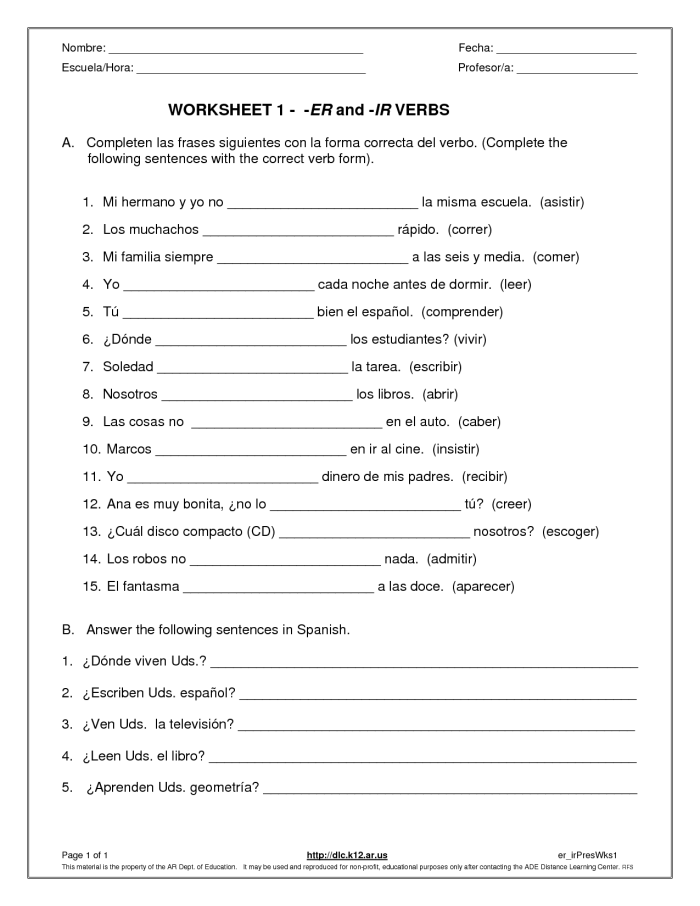
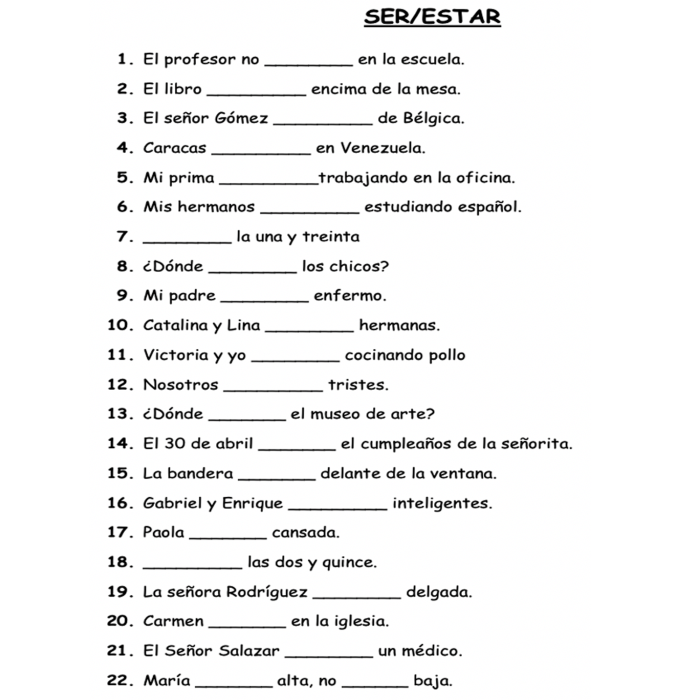
The core verbs worth prioritizing are the ones that appear in everyday situations: ser (to be), estar (to be located), ir (to go), hacer (to do/make), tener (to have), decir (to say), dar (to give), and ver (to see). These eight verbs unlock the ability to construct basic sentences about identity, location, movement, and possession. A focused approach using printable Spanish verbs worksheets keeps learners accountable and gives them something tangible to reference.
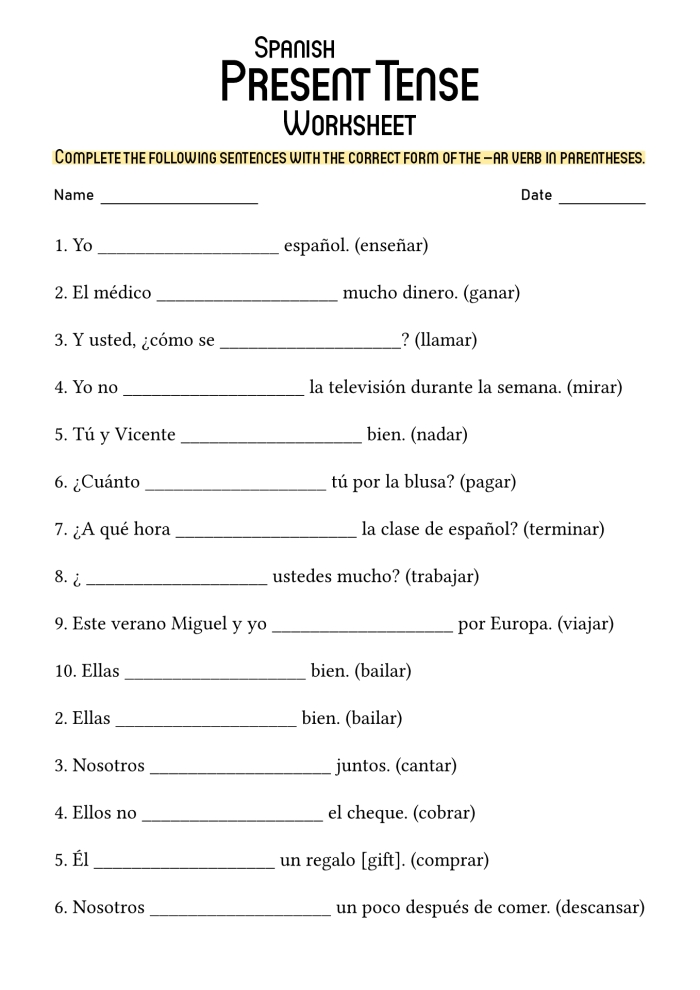
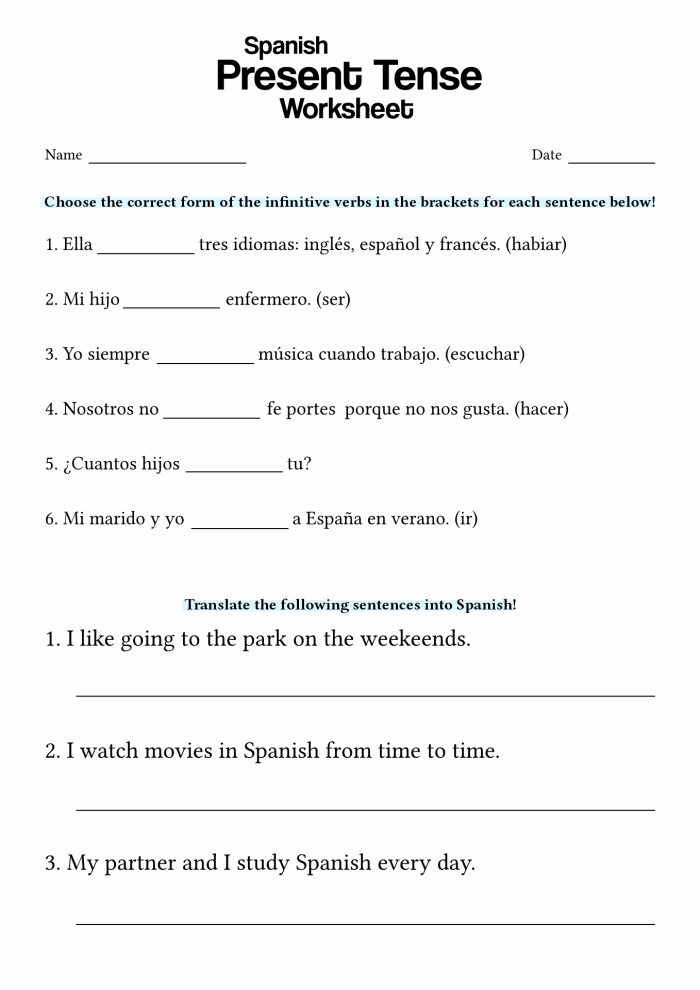
The memorization process works best when you pair worksheets with actual speaking practice. Have your student write sentences using the verbs, then say them aloud. This combination of written and verbal reinforcement creates stronger neural pathways than either method alone.
Consider pairing verb practice with other fourth grade sight words activities. Similar to how you might use a reading response journal to track comprehension, you can use verb logs to track which Spanish verbs your student has truly internalized. Even incorporating verb practice into function-based learning activities helps connect language patterns to logical thinking.
Start with five verbs this week. Add two more next week. By month two, your beginning Spanish speaker will have a working vocabulary that actually feels useful to them.
Grab These Worksheets Now