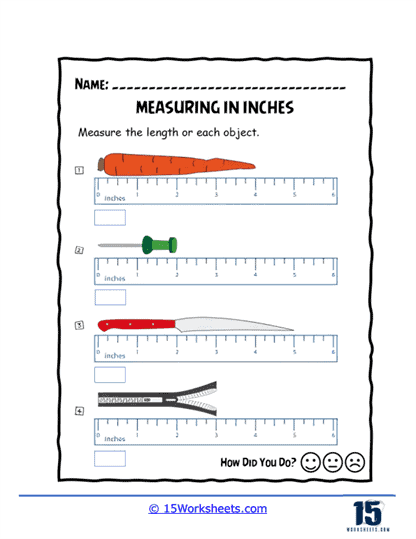
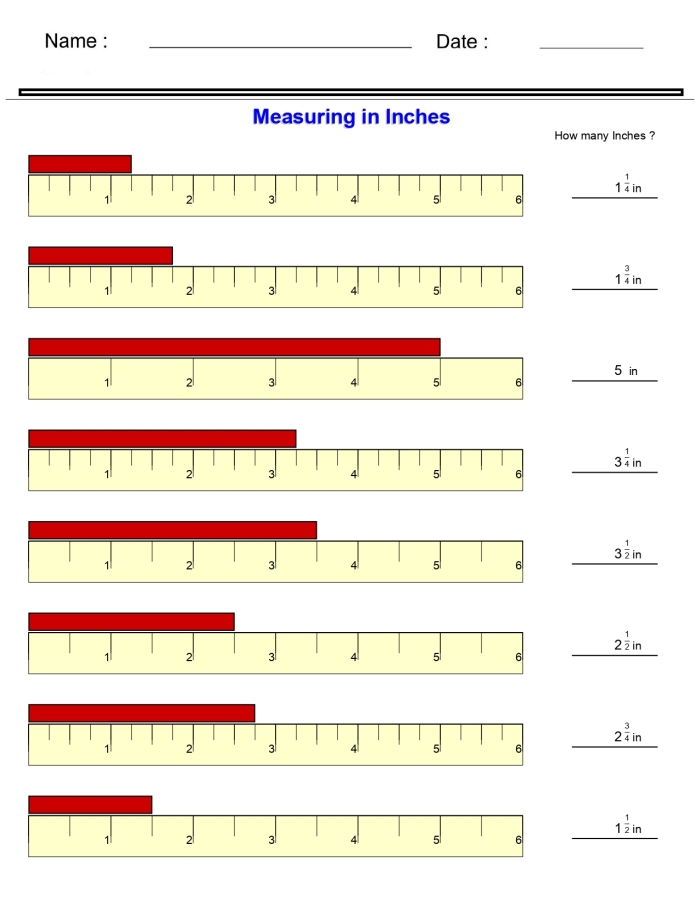
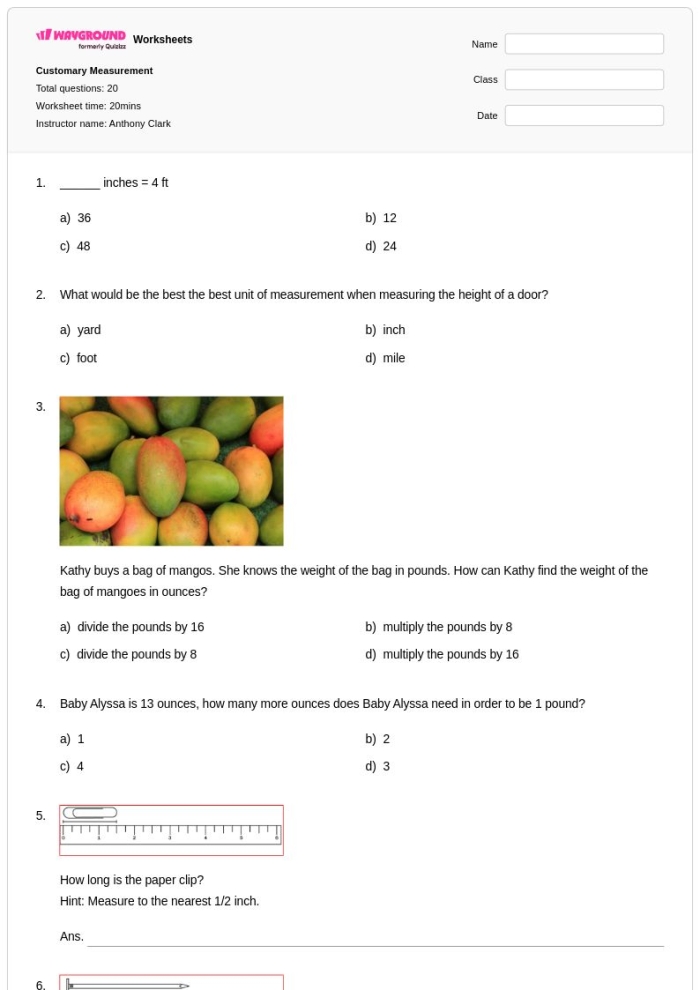
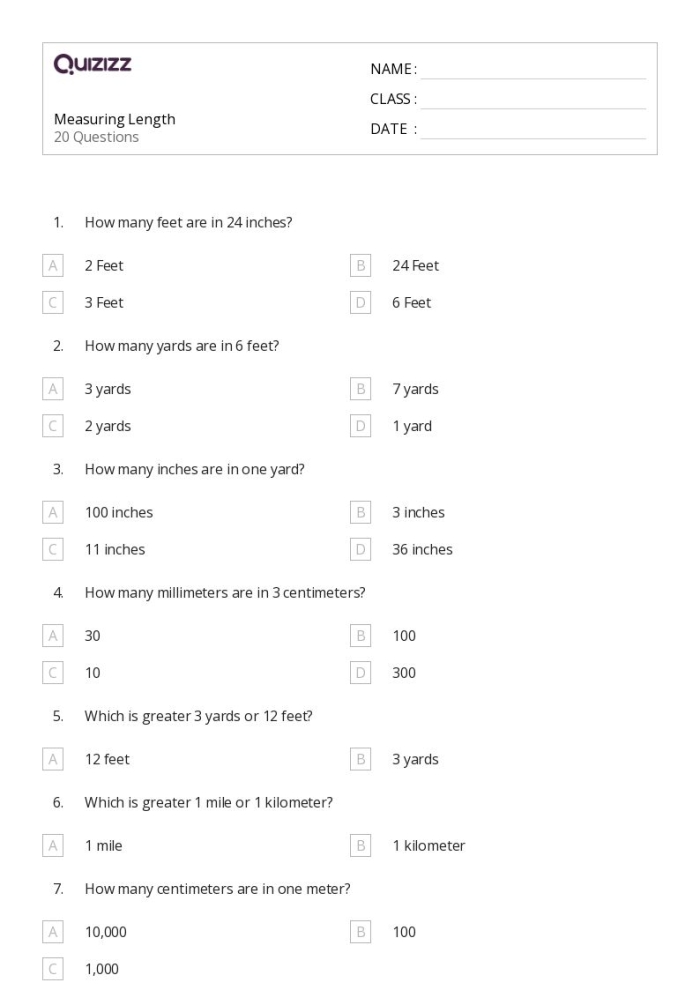
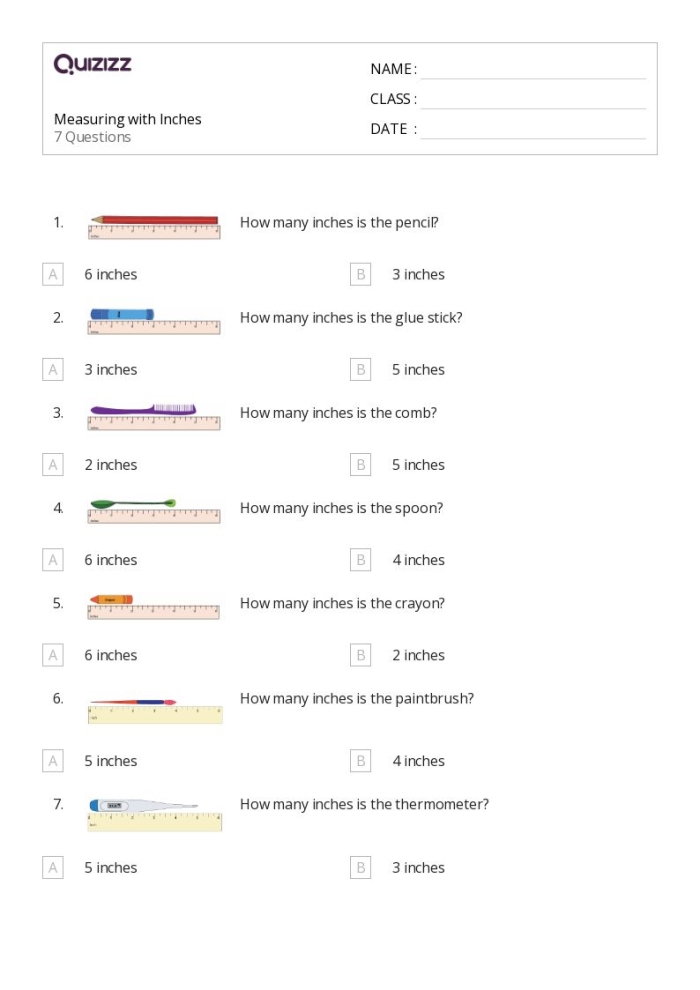
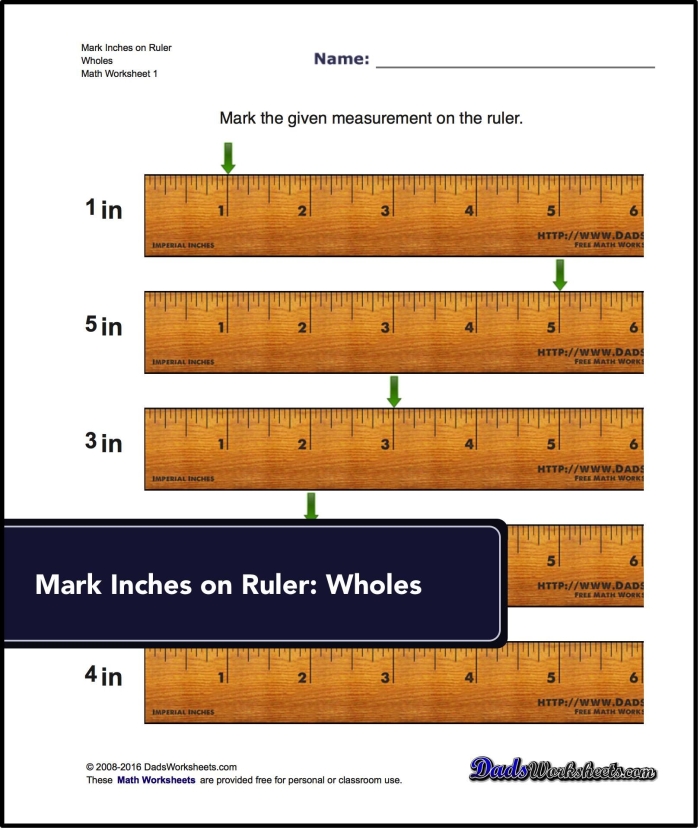
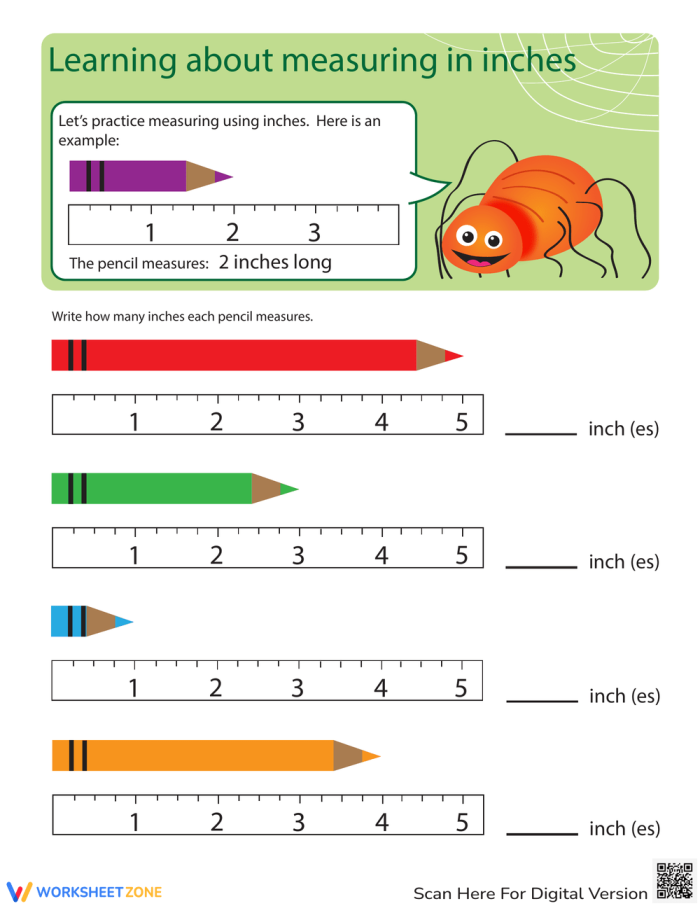
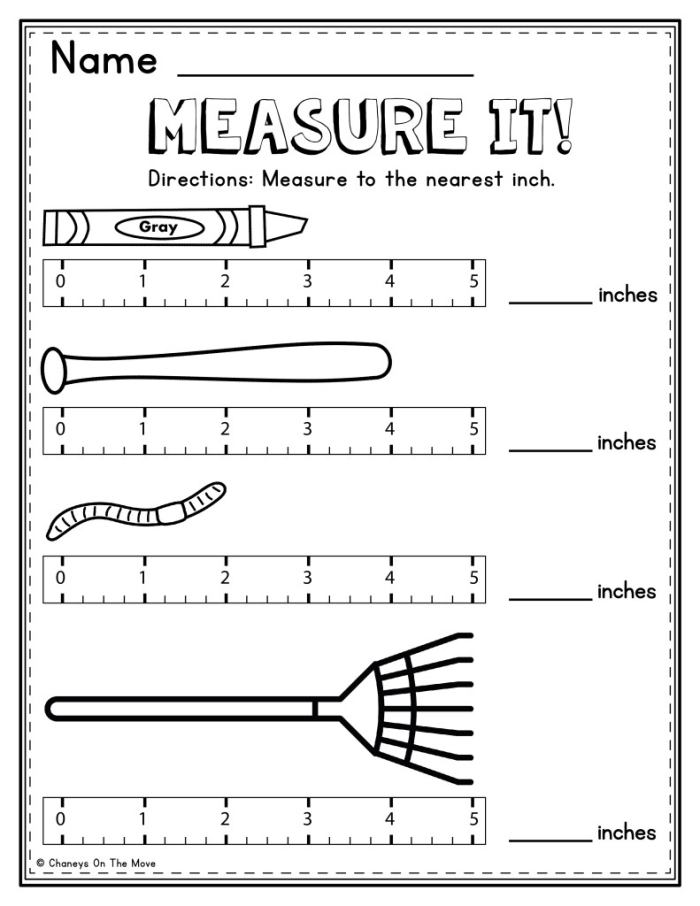
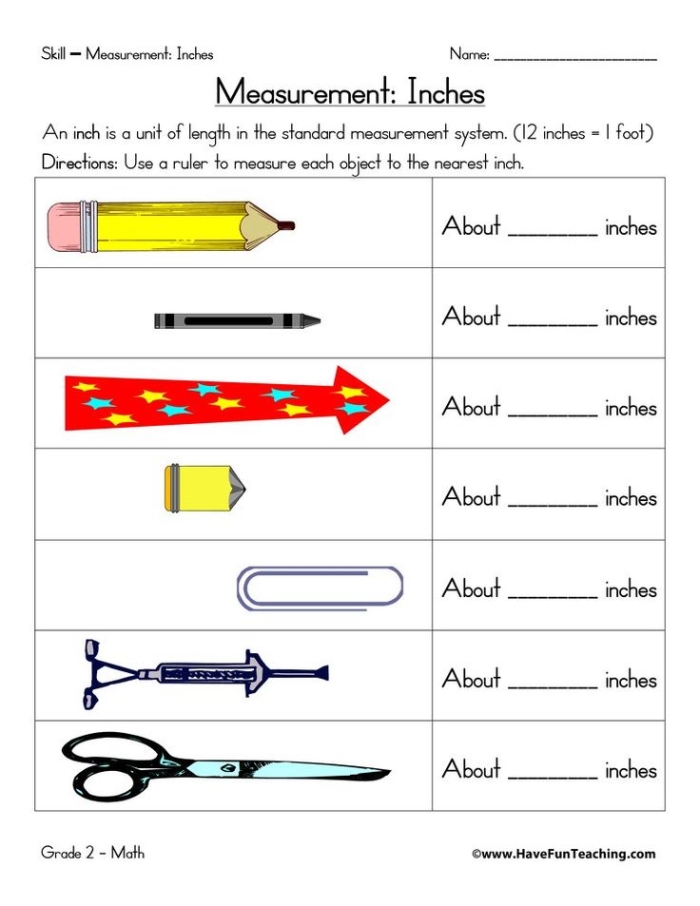
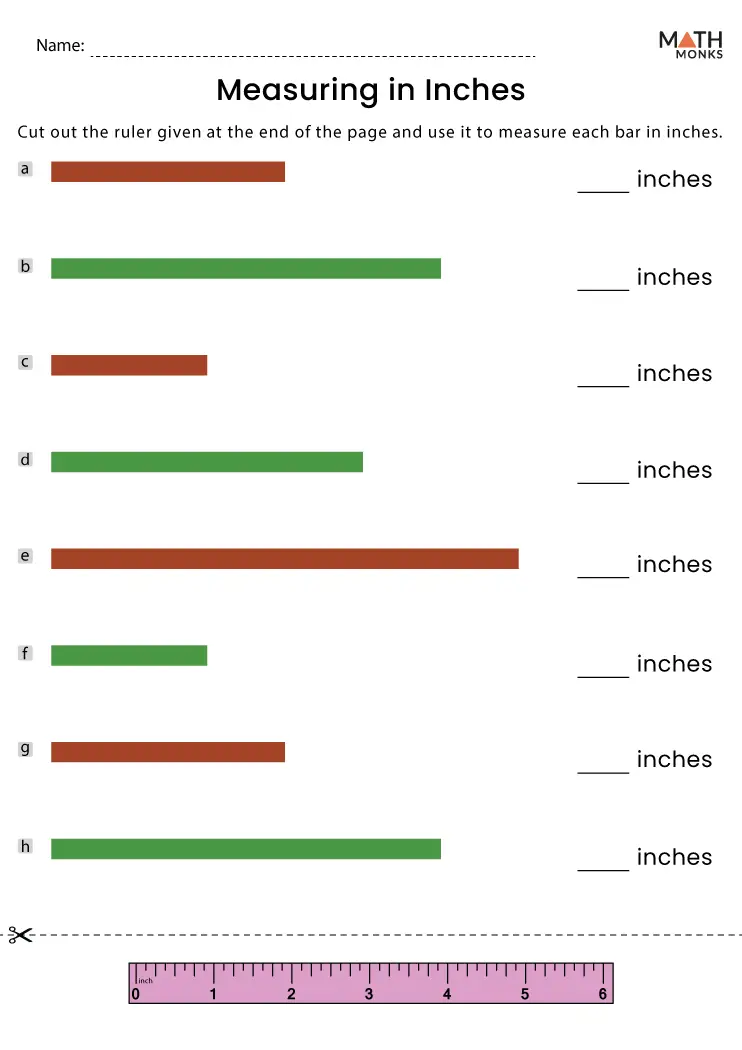
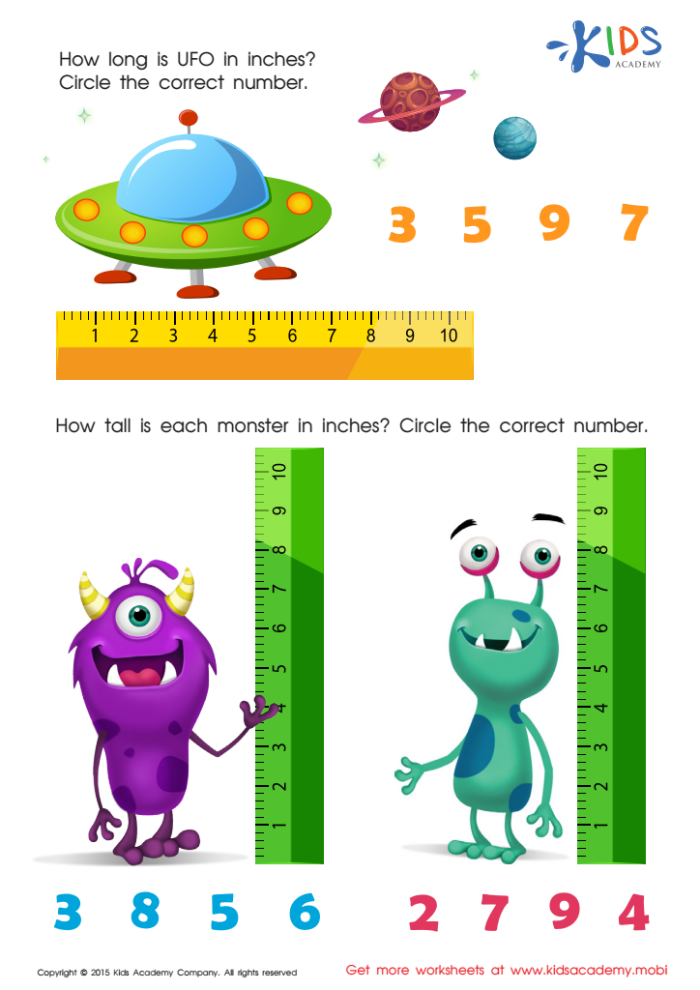
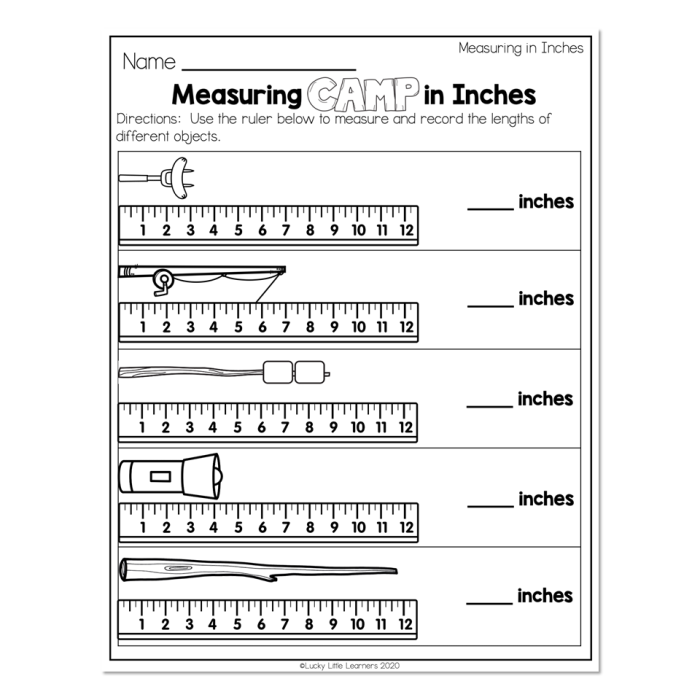
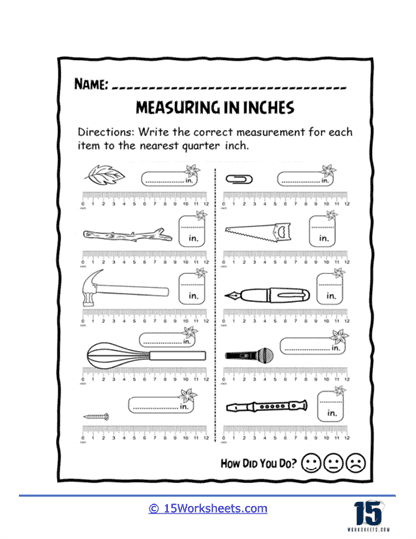
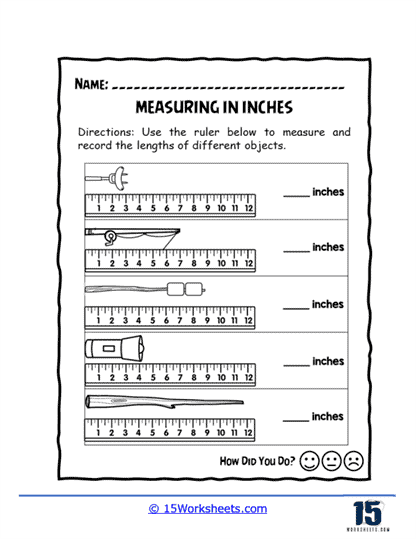
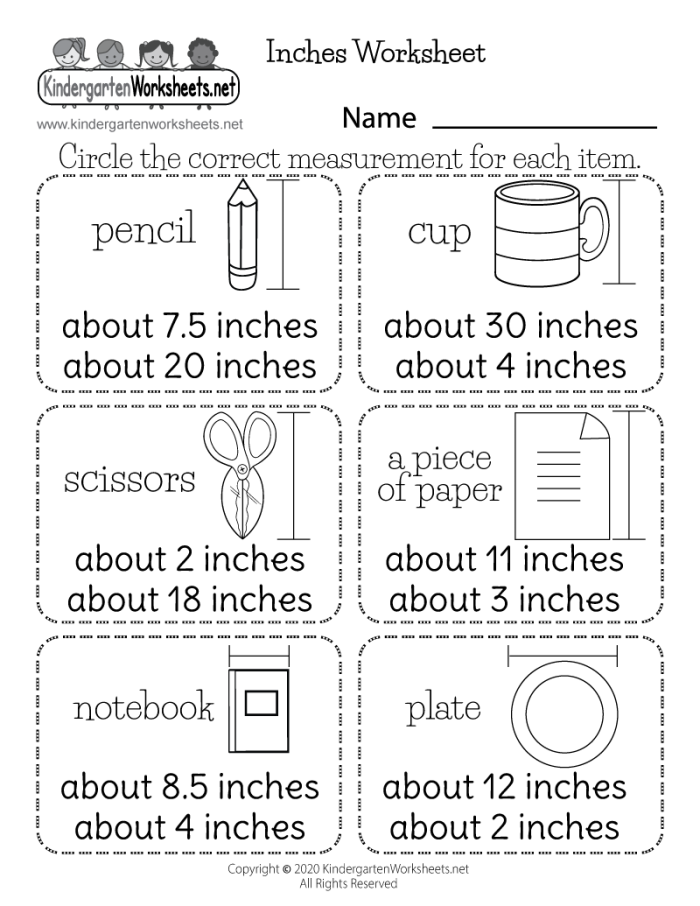
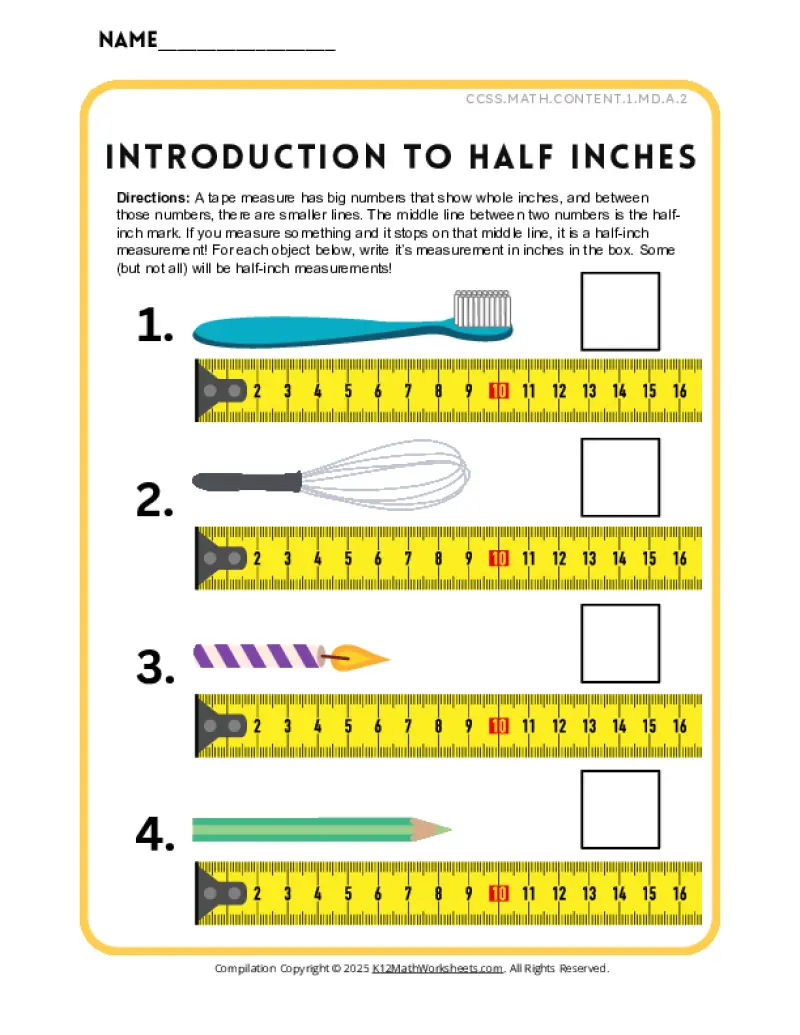
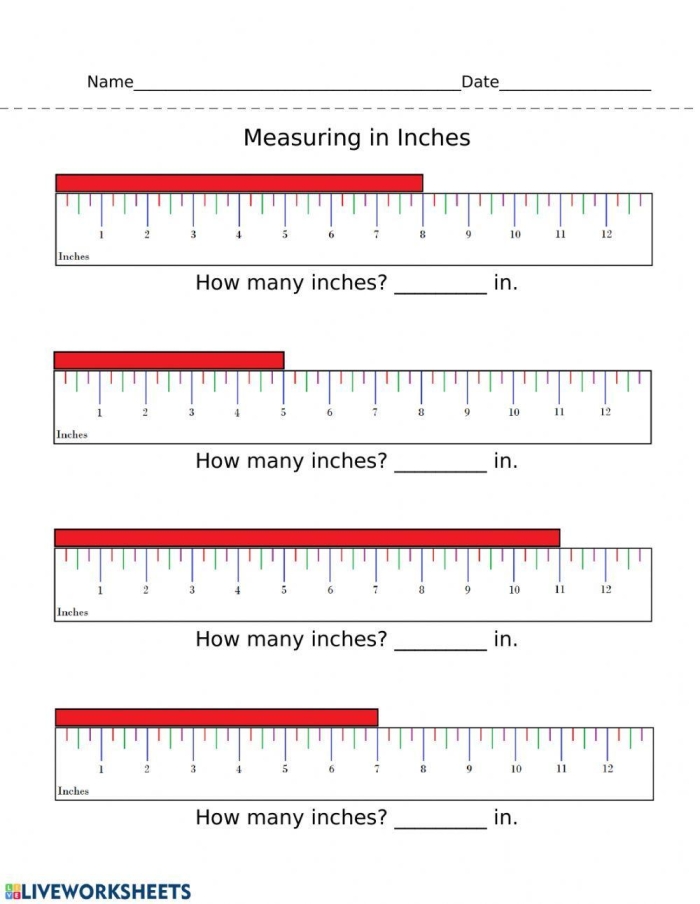
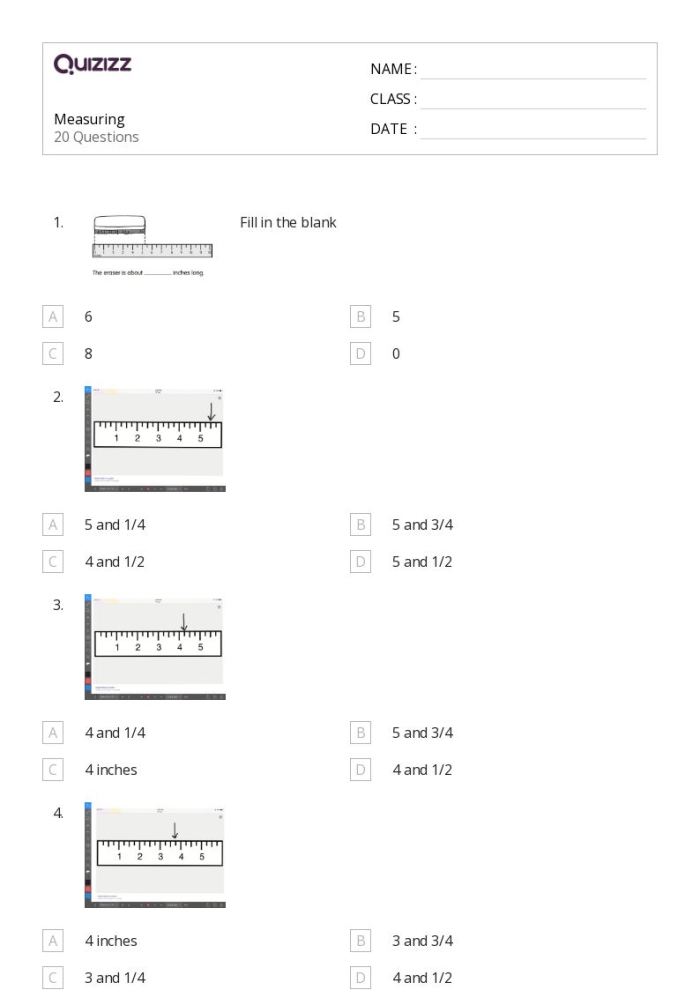
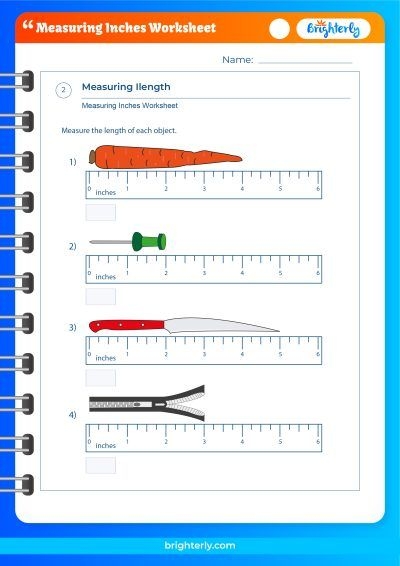
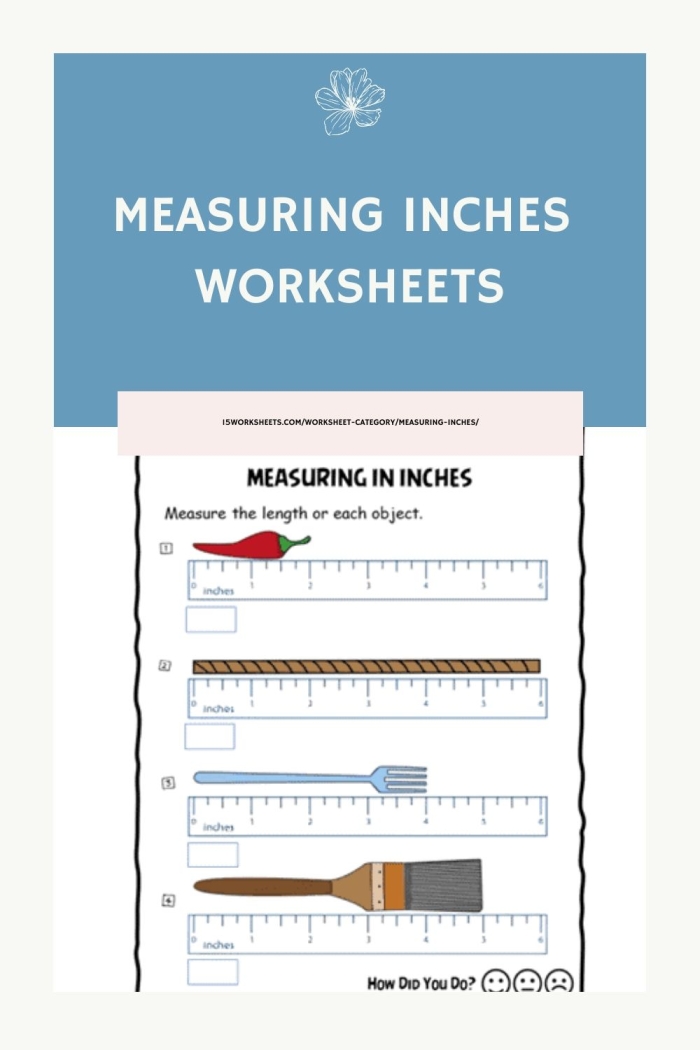
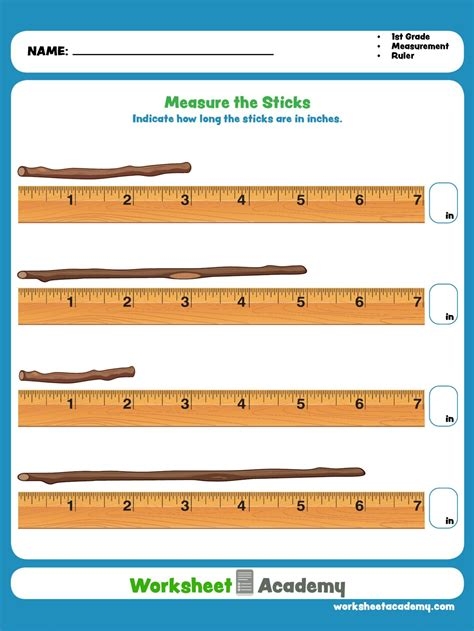
Kids learn to measure long before they realize they’re doing math. When a First Grade student lines up a ruler against a pencil or stretches a measuring tape across their desk, they’re developing a skill that reaches far beyond the classroom. Measurement is an important part of math and everyday life, and introducing inches early gives children a concrete way to understand size, distance, and comparison.
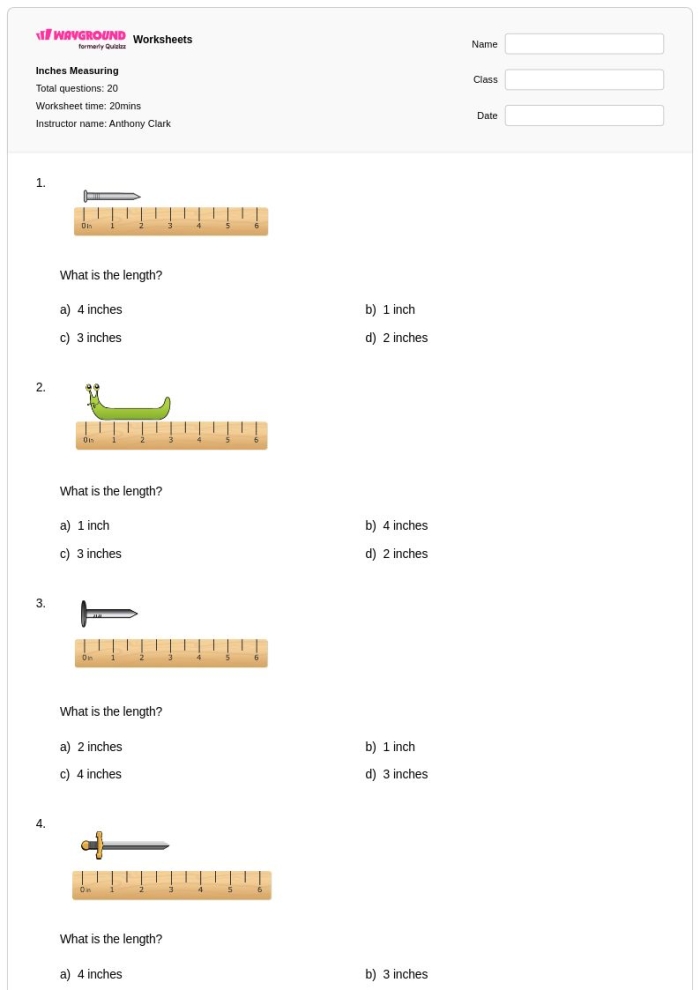
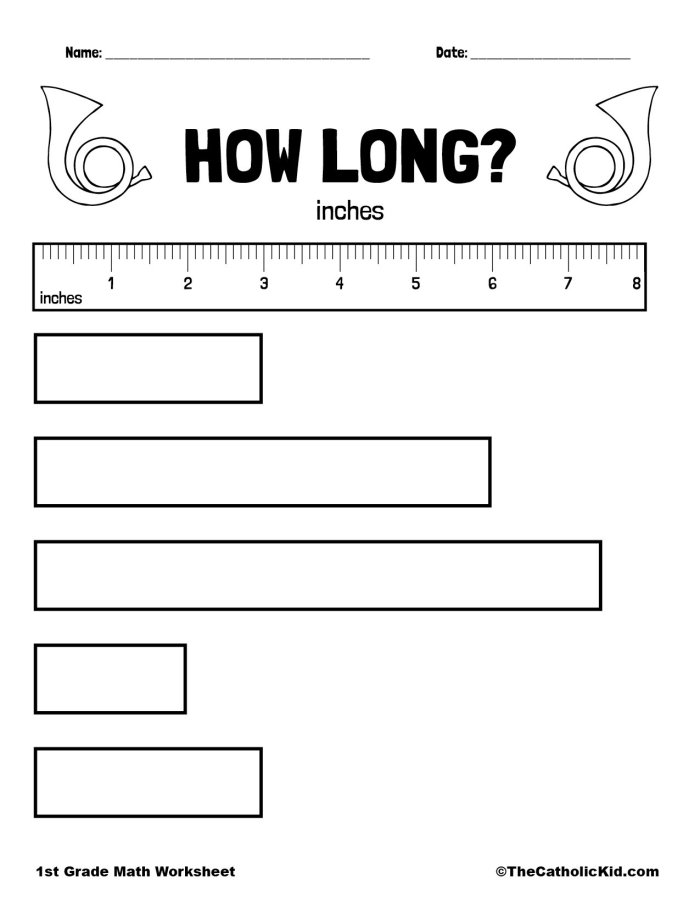
Inches are one of the first units young learners encounter because they’re relatable. A paperclip is about an inch long. A child’s thumb is roughly an inch wide. These everyday references help make the abstract concept of measurement feel real and touchable. When First Grade students practice measuring in inches using basic intro sheets, they’re building confidence with tools like rulers and developing the fine motor skills needed to align objects accurately.
The process of measuring teaches patience and precision. A child has to hold the ruler steady, position it correctly at the zero mark, and read where an object ends. These steps might seem simple, but they’re foundational for later math skills. As students progress, they’ll use measurement to solve problems involving addition, subtraction, and even graphing. Understanding how to construct scatter plots or find slope from two points becomes much easier when they’ve internalized how to measure accurately from the start.
Beyond math class, measurement appears everywhere. Cooking requires measuring cups and spoons. Building or crafting demands precise measurements. Even simple tasks like picking out clothes the right size involve understanding measurements. By starting with inches in First Grade, children gain independence and confidence they’ll use throughout their lives. Printable measuring in inches worksheets provide structured practice that turns this everyday skill into something students can master at their own pace.
Hands-On Worksheet Activities