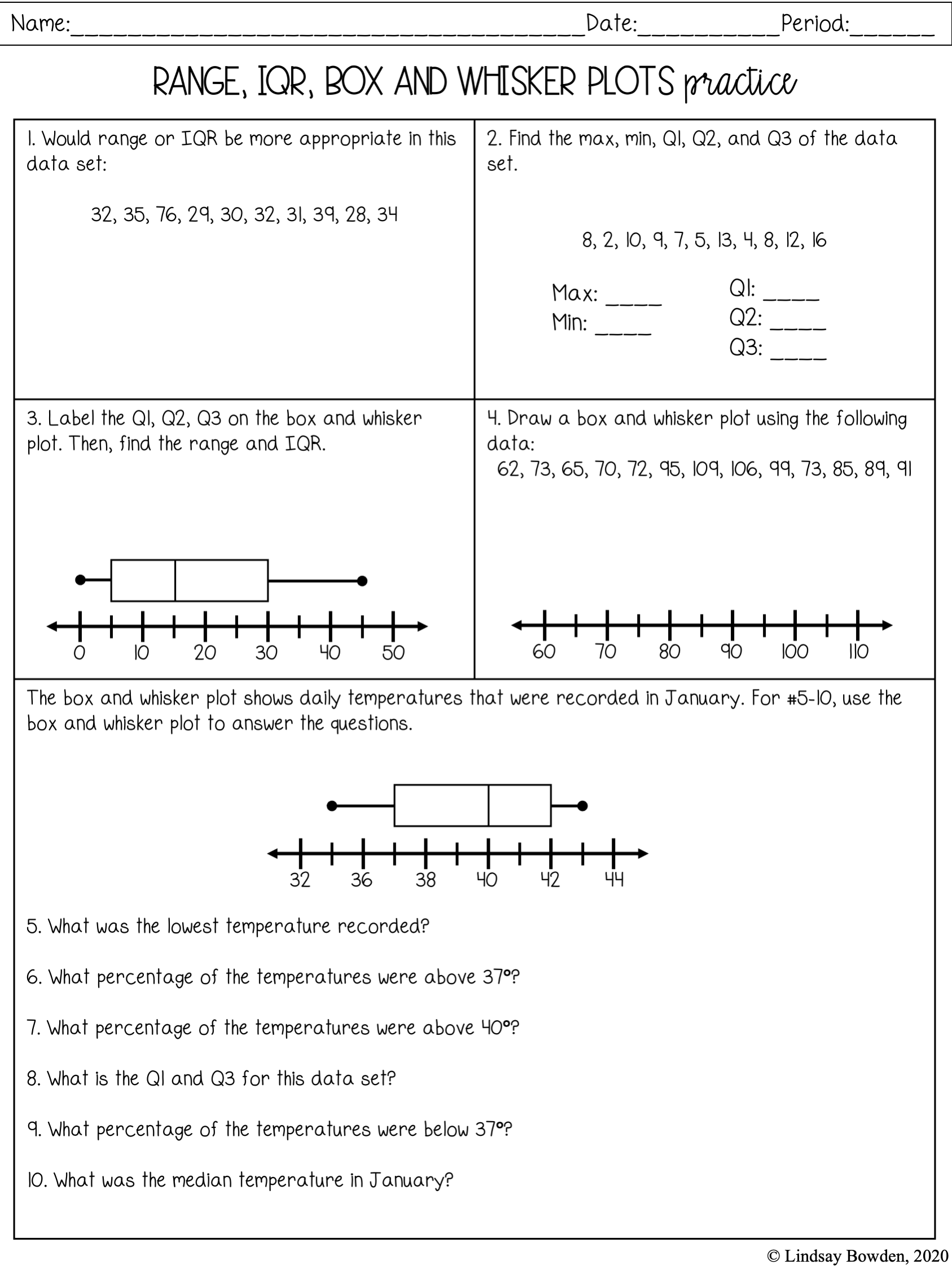
Understanding data distribution matters more than students realize, and sixth grade is when this skill clicks into place. Learning to find the five-number summary and construct a box and whisker plot gives students a concrete way to visualize how data spreads across a range. These tools transform raw numbers into visual patterns that reveal what’s happening in a dataset at a glance.
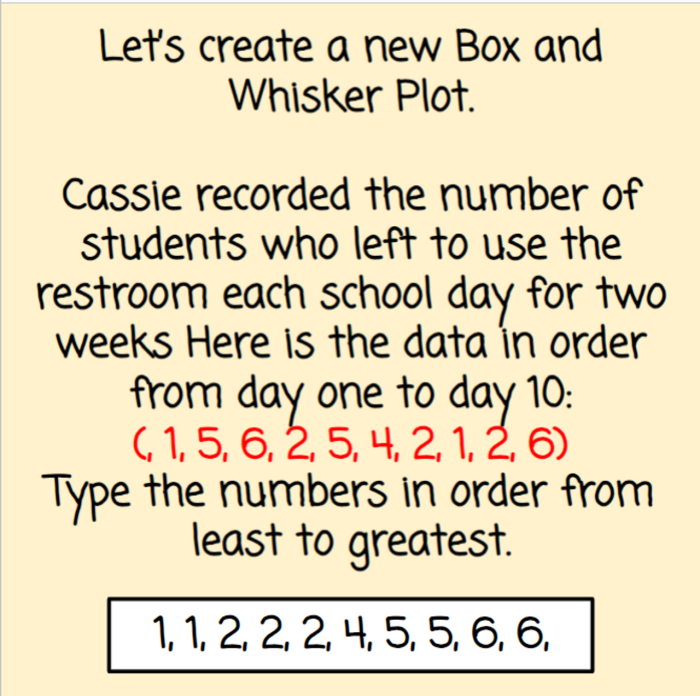
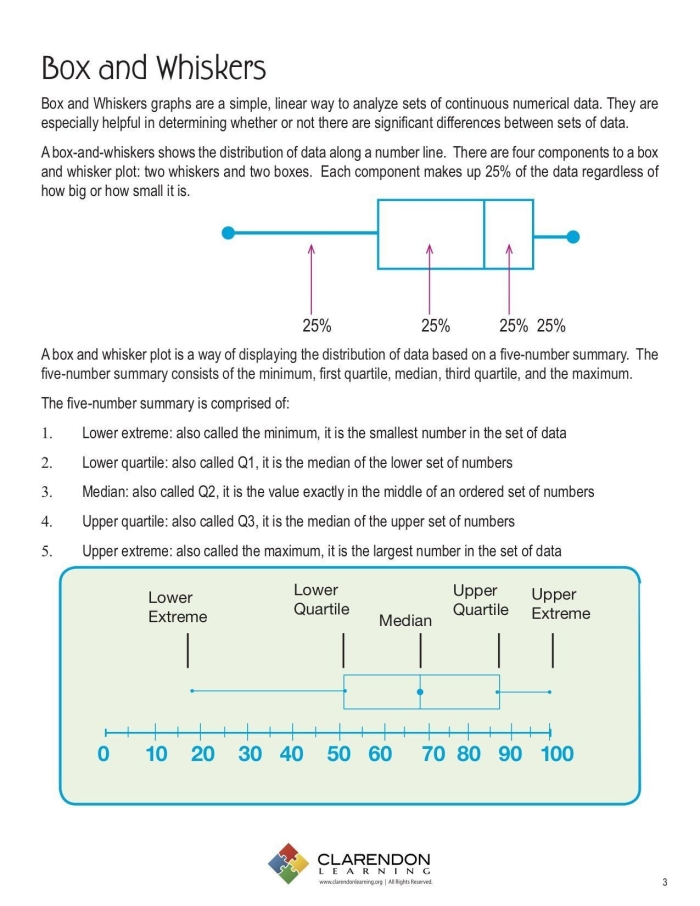
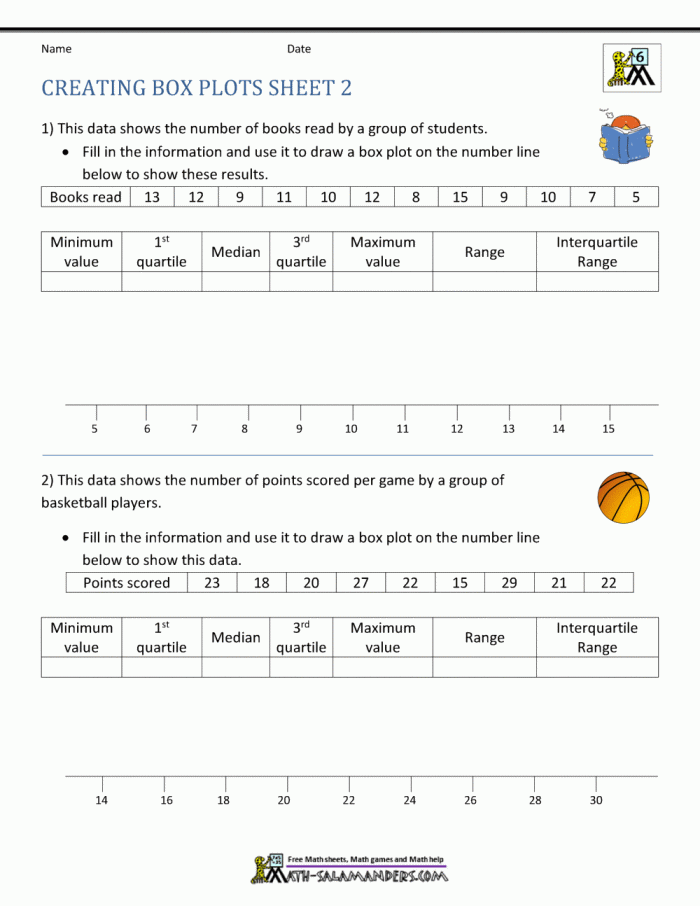
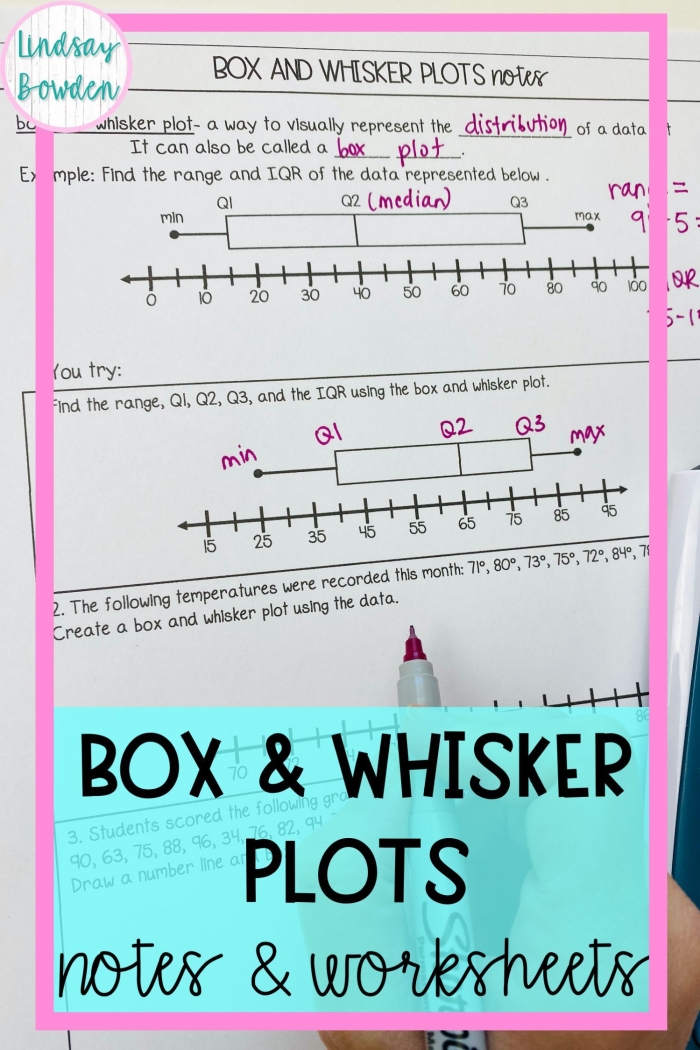
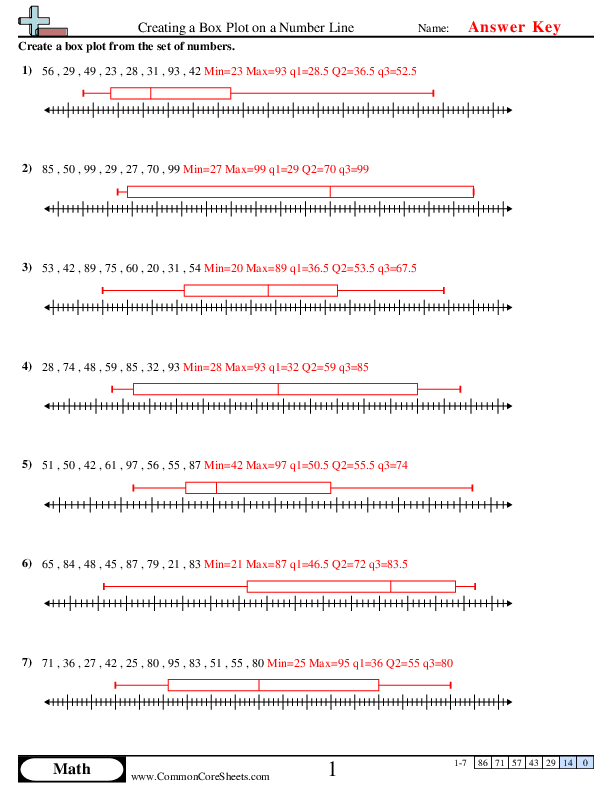
The five-number summary consists of five key values: the minimum, the first quartile (Q1), the median, the third quartile (Q3), and the maximum. These numbers divide a dataset into four equal sections, each containing 25 percent of the data. Finding these values requires students to order their data from smallest to largest, then identify where each quartile falls. The median, sitting right in the middle, acts as the anchor point. Once students locate all five numbers, they have everything needed to build their box and whisker plot.
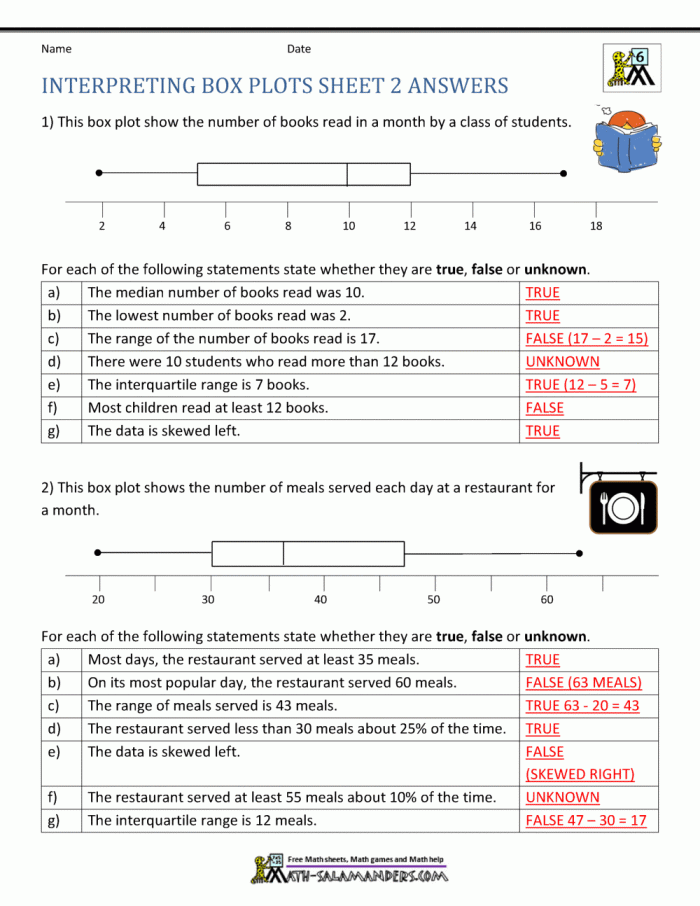
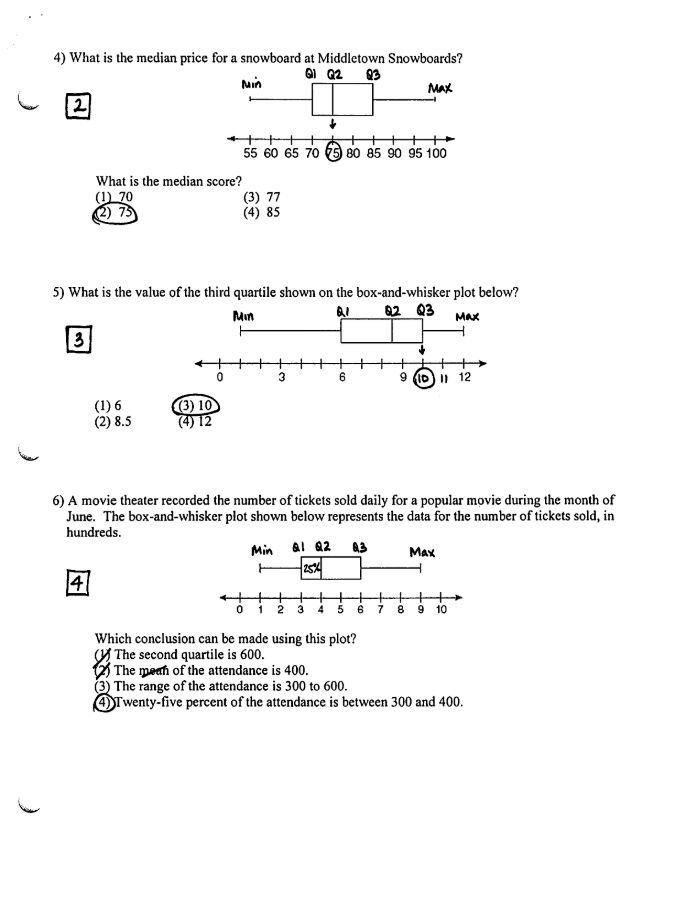
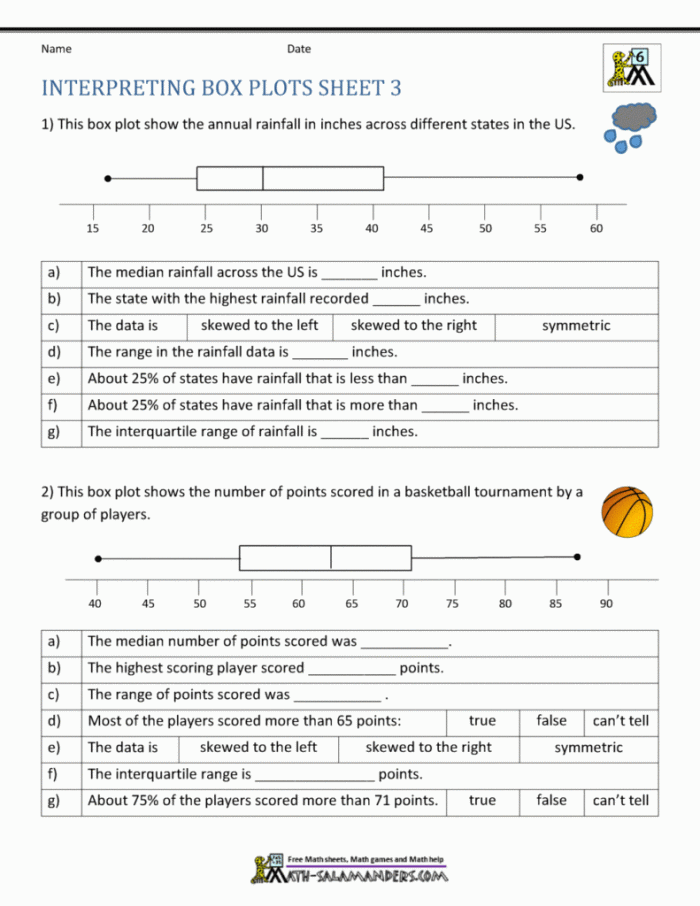
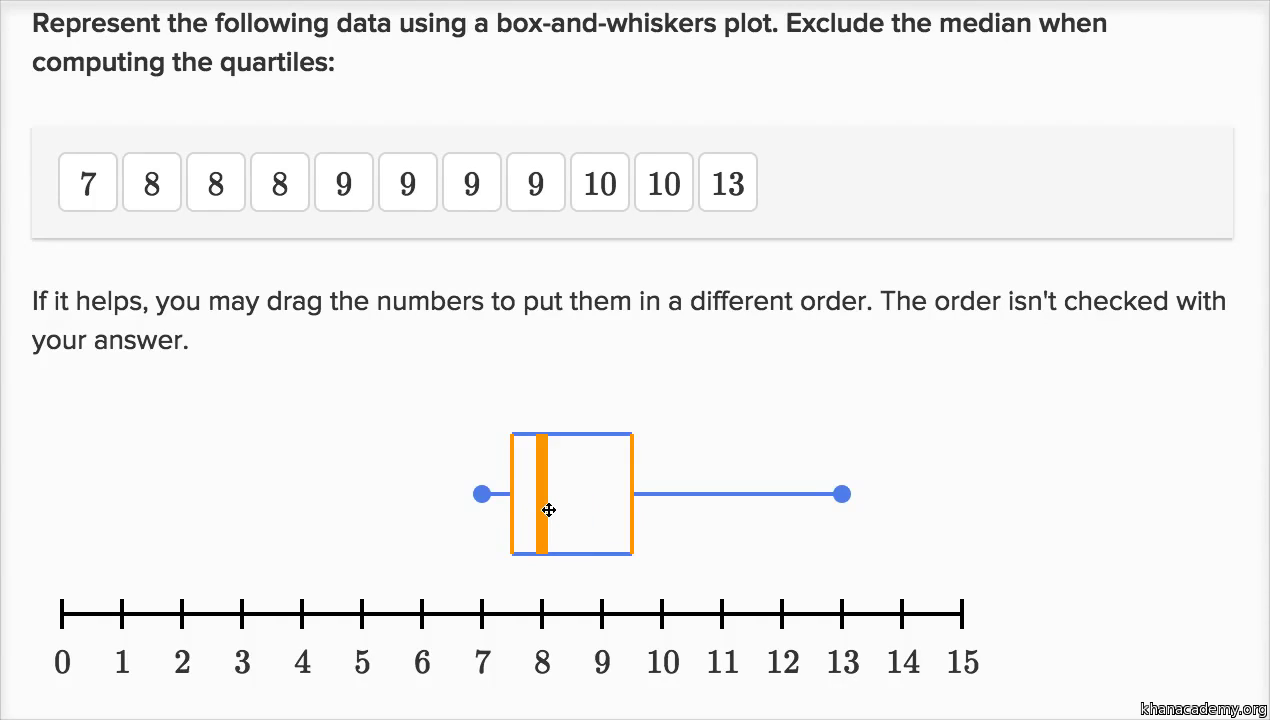
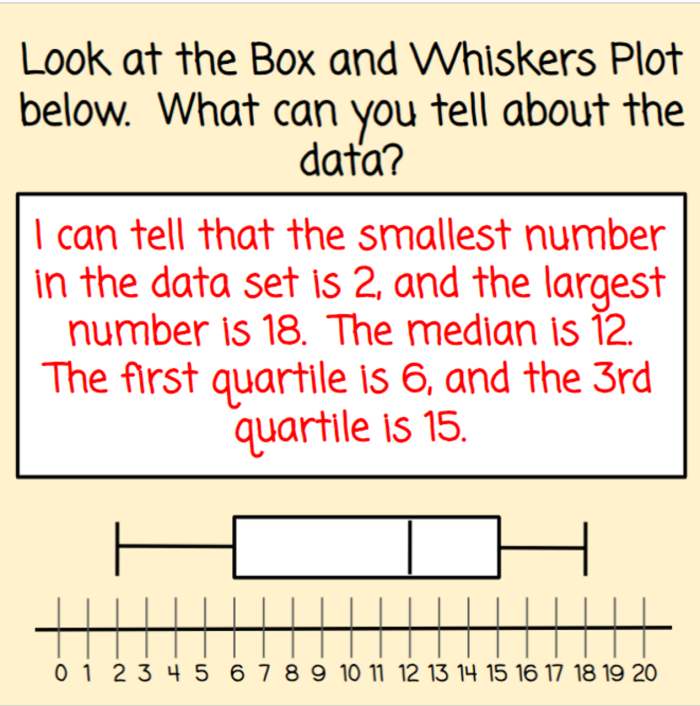
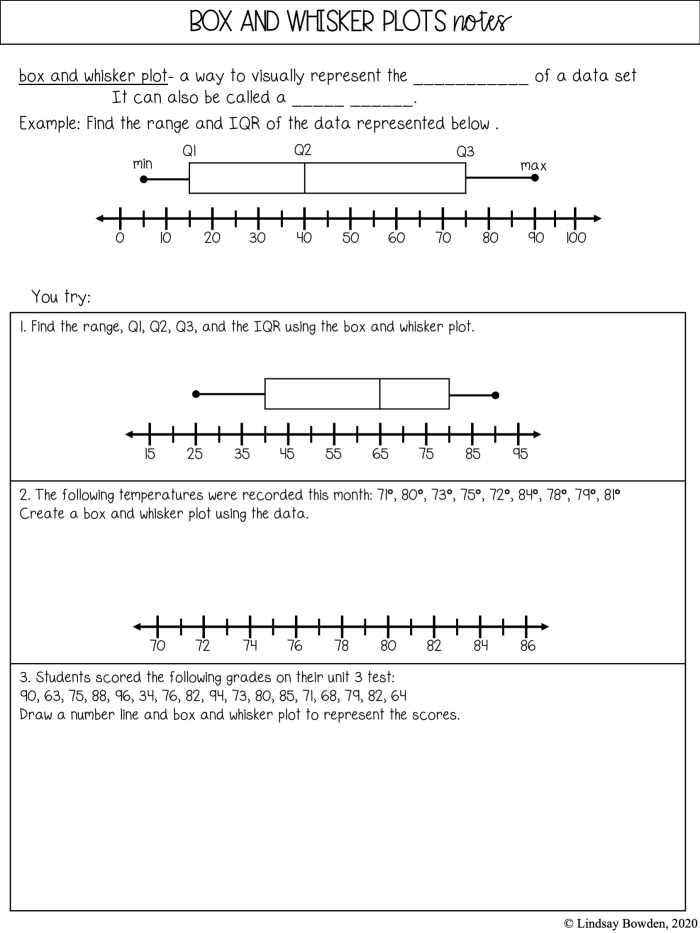
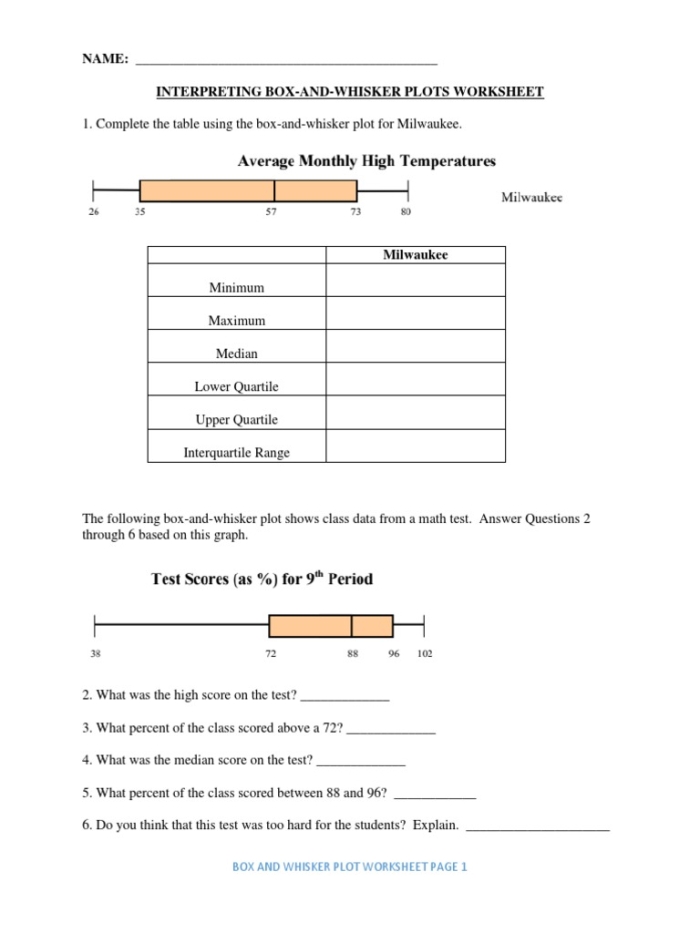
A box and whisker plot displays these five values visually. The “box” contains the middle 50 percent of the data, stretching from Q1 to Q3, with a line inside showing the median. The “whiskers” extend from the box to the minimum and maximum values. This design makes it easy to spot where data clusters, identify outliers, and compare multiple datasets side by side. Sixth grade vocabulary for this topic includes quartile, median, range, and interquartile range (IQR), which measures the spread of the middle half of data.
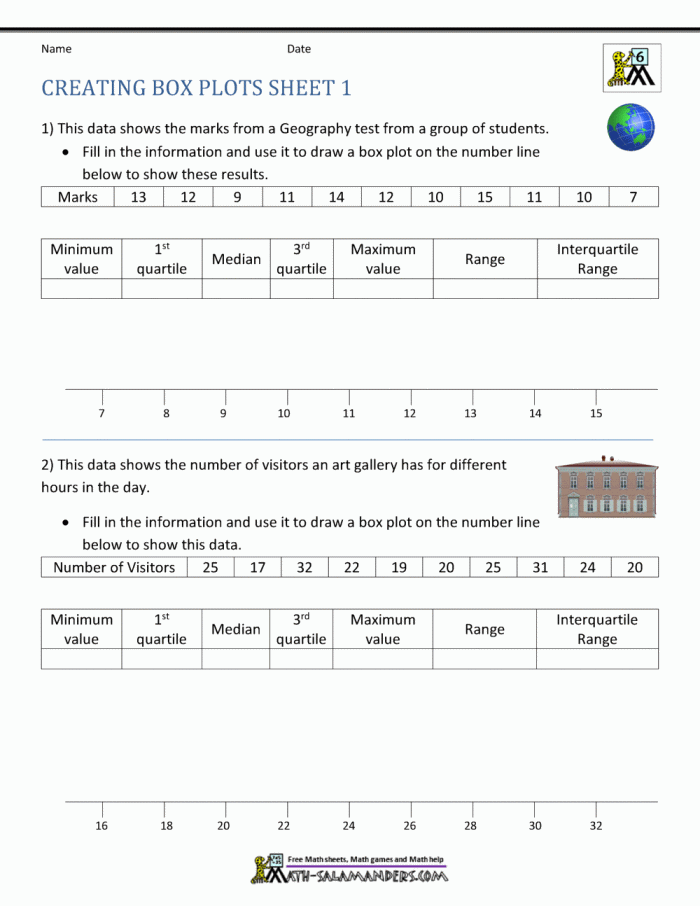
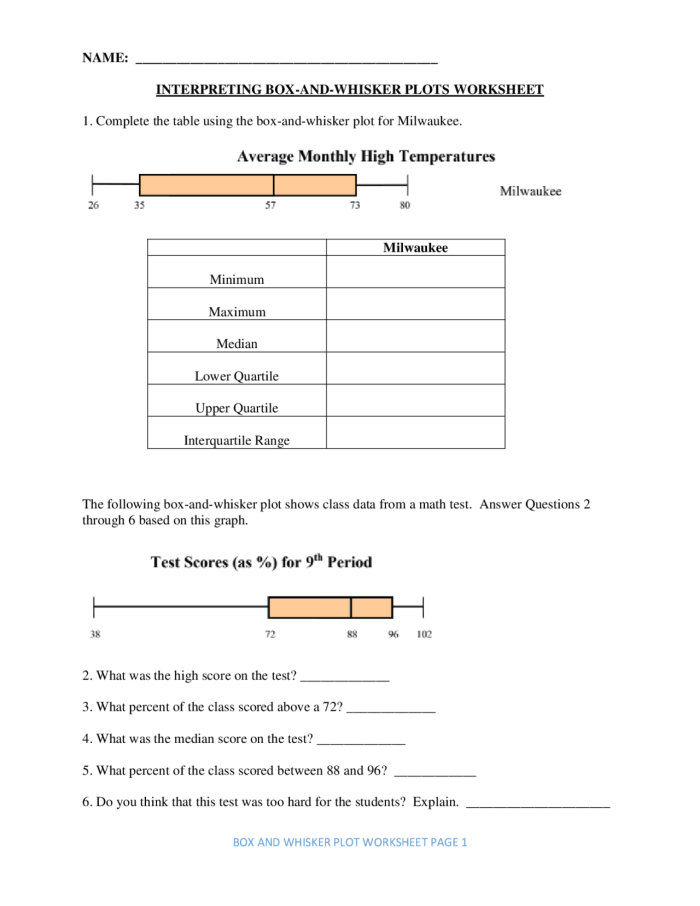
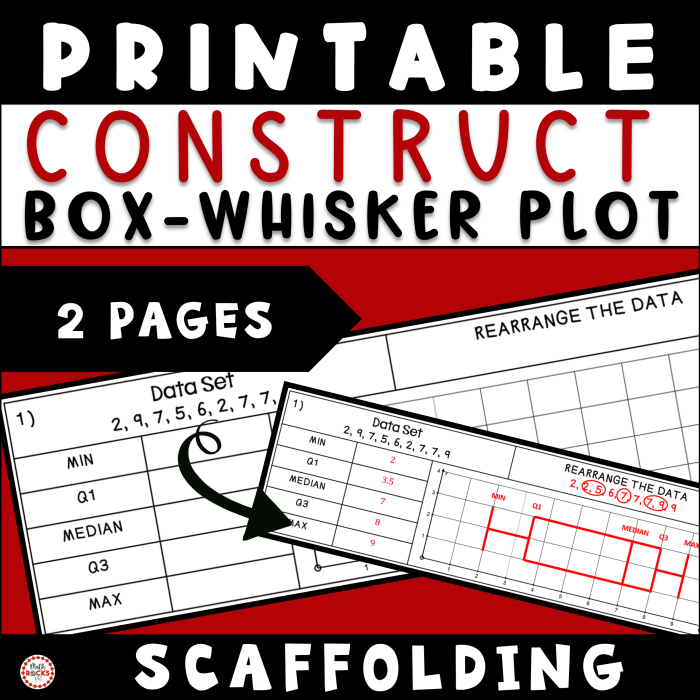
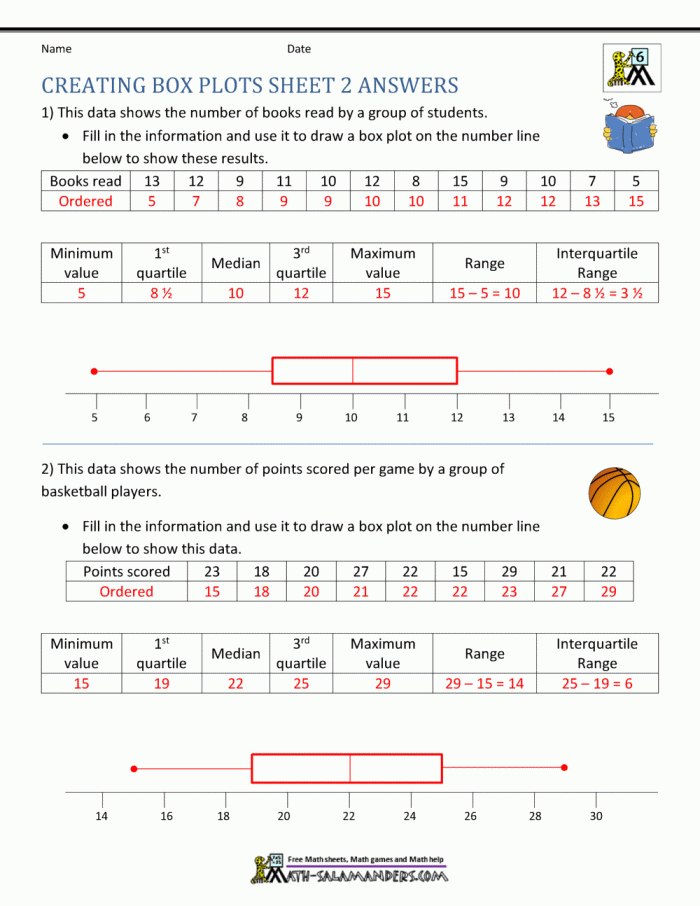
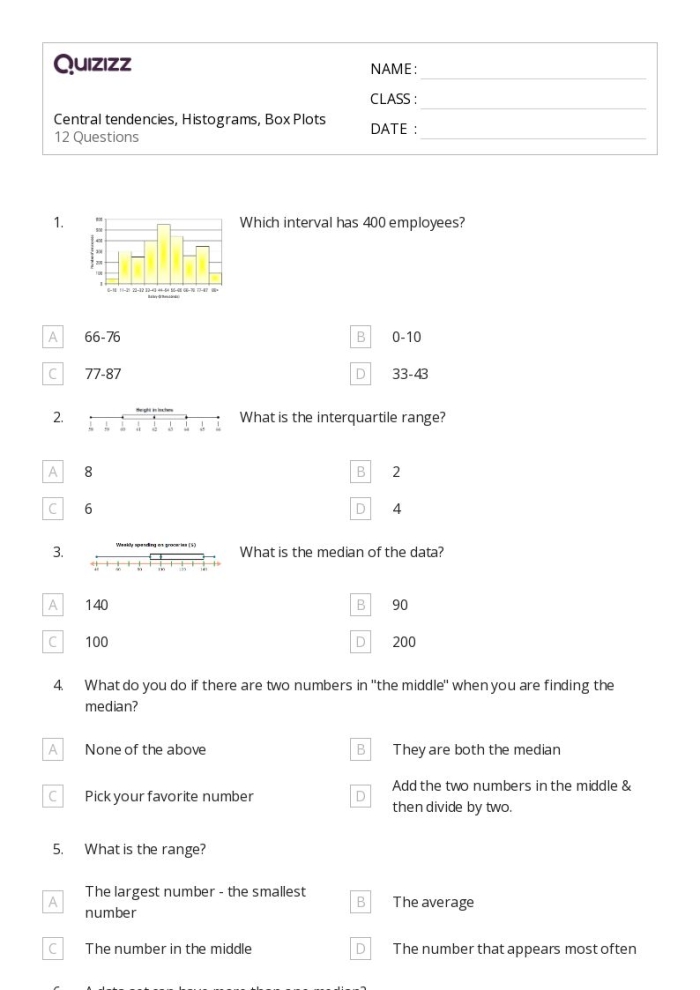
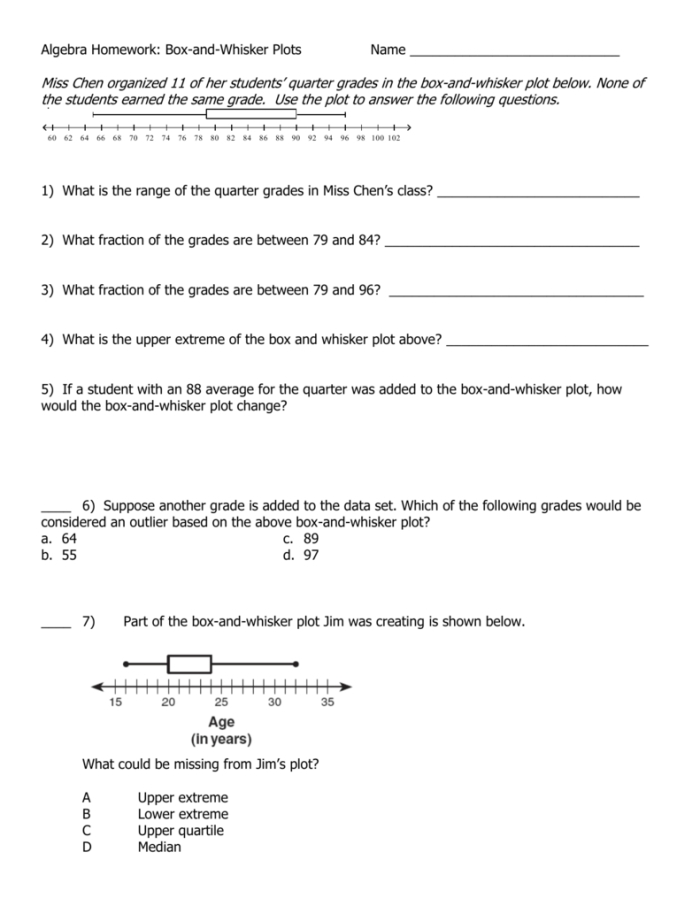
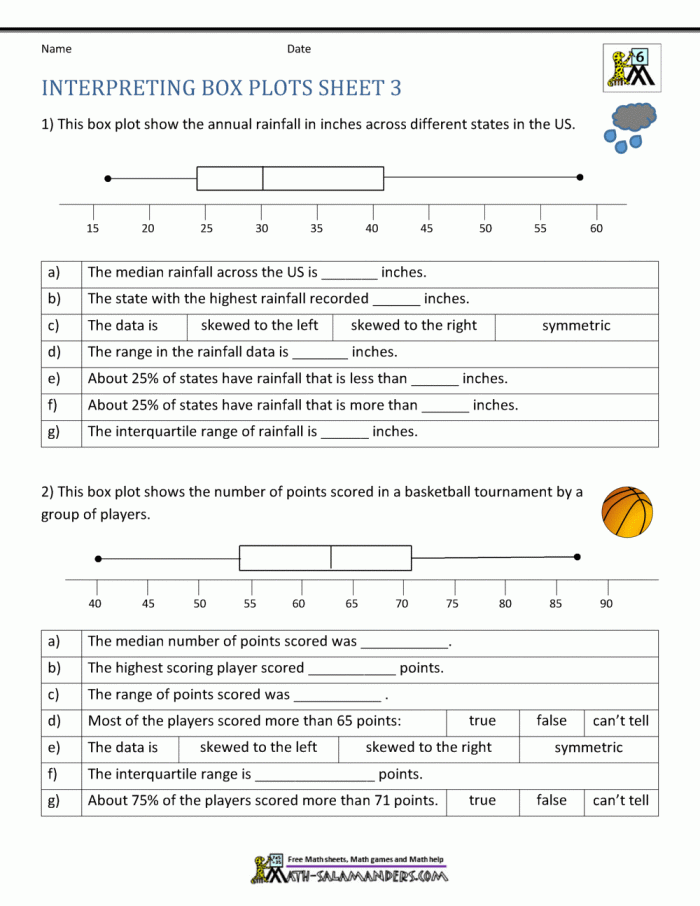
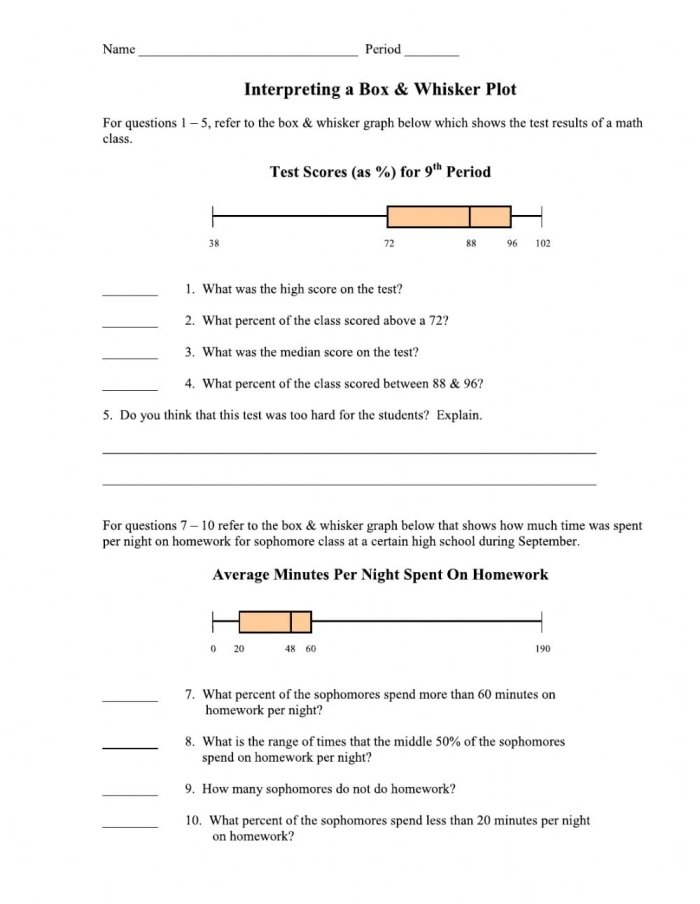
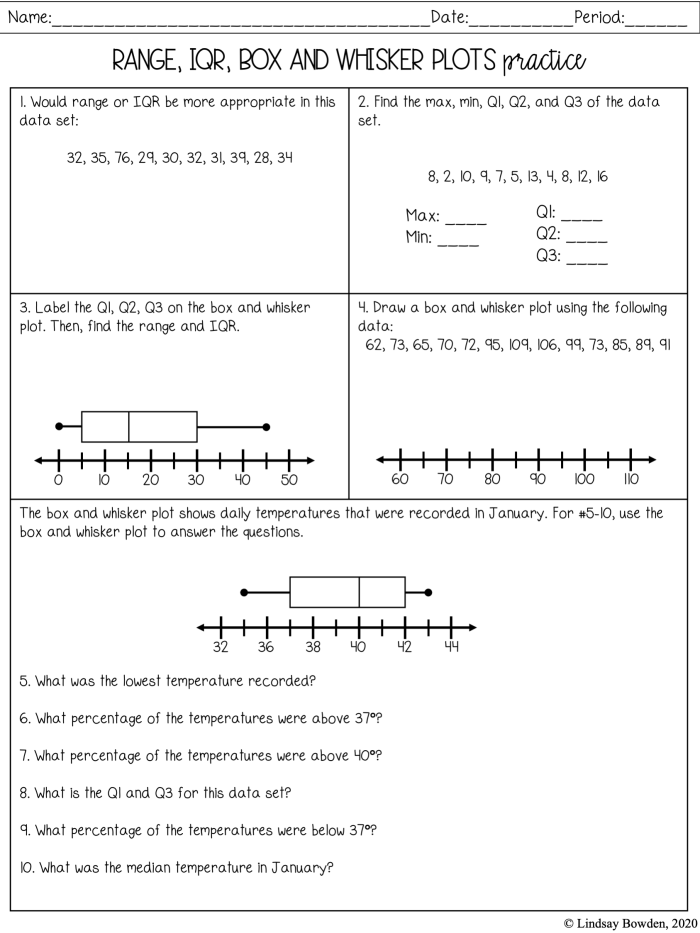
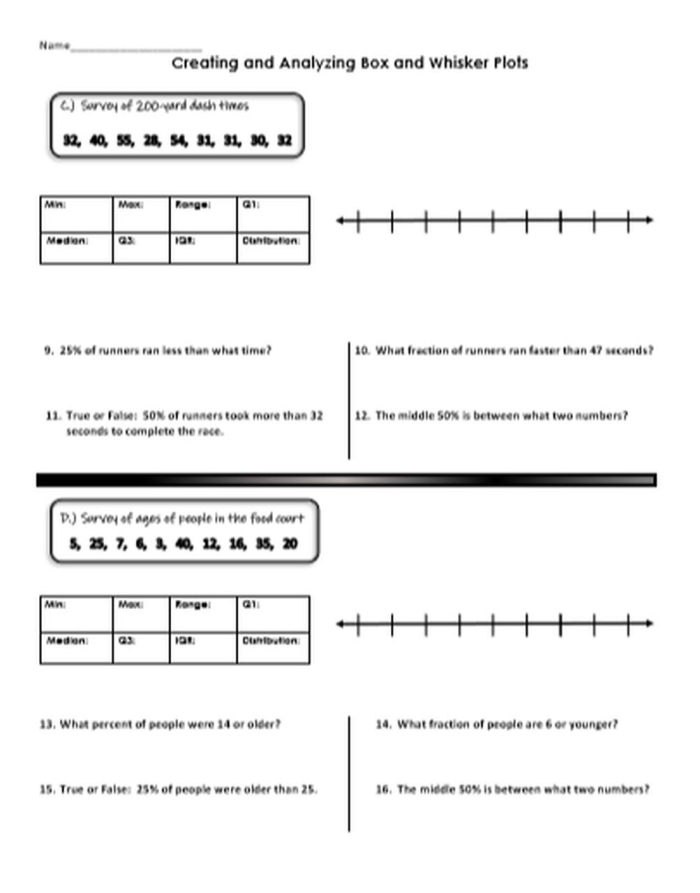
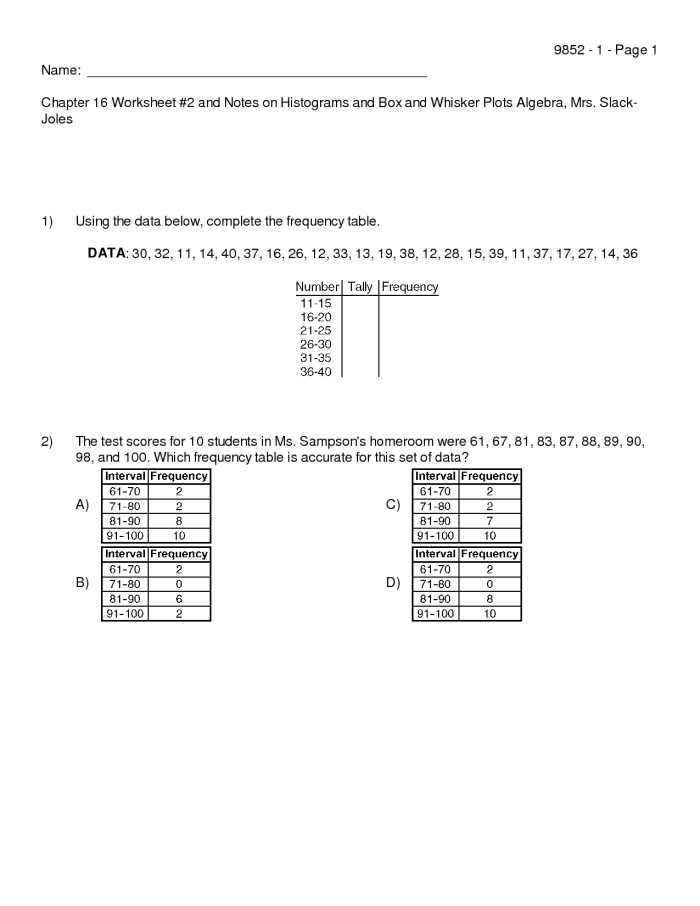
Practicing with printable box and whisker plot worksheets helps students build confidence. Working through several problems with different datasets reinforces the steps and strengthens their ability to interpret what the visual representation actually means about their data. This foundational skill connects to later statistical thinking and helps students make sense of real-world information presented in graphical form.
Printable Worksheets for Practice