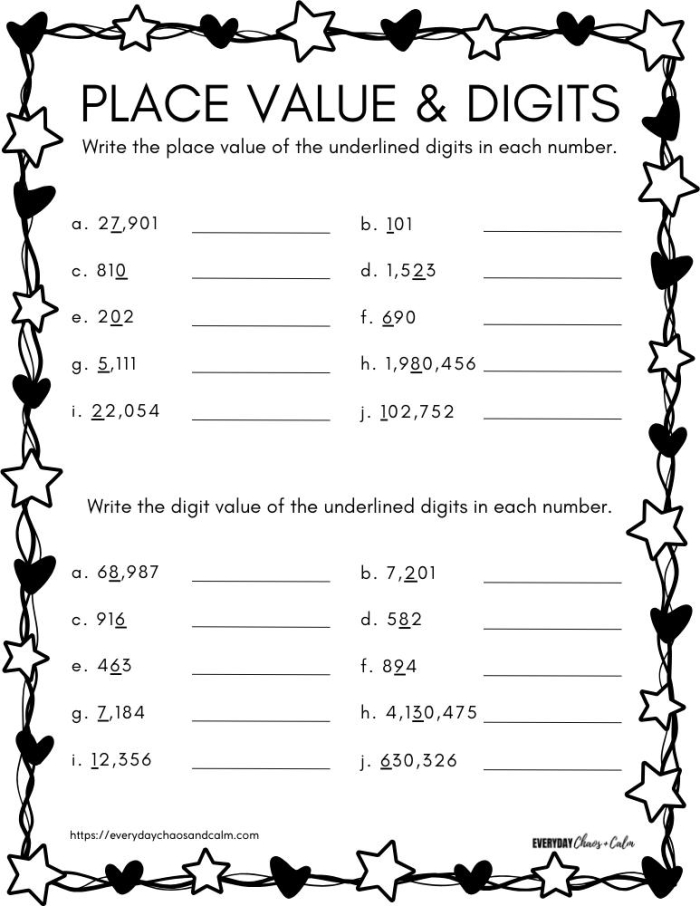
When first graders grasp how tens and ones work together, something clicks. They stop seeing numbers as random symbols and start understanding the structure underneath. This shift toward genuine number sense happens because place value gives students a framework for thinking about quantities in organized, predictable ways.
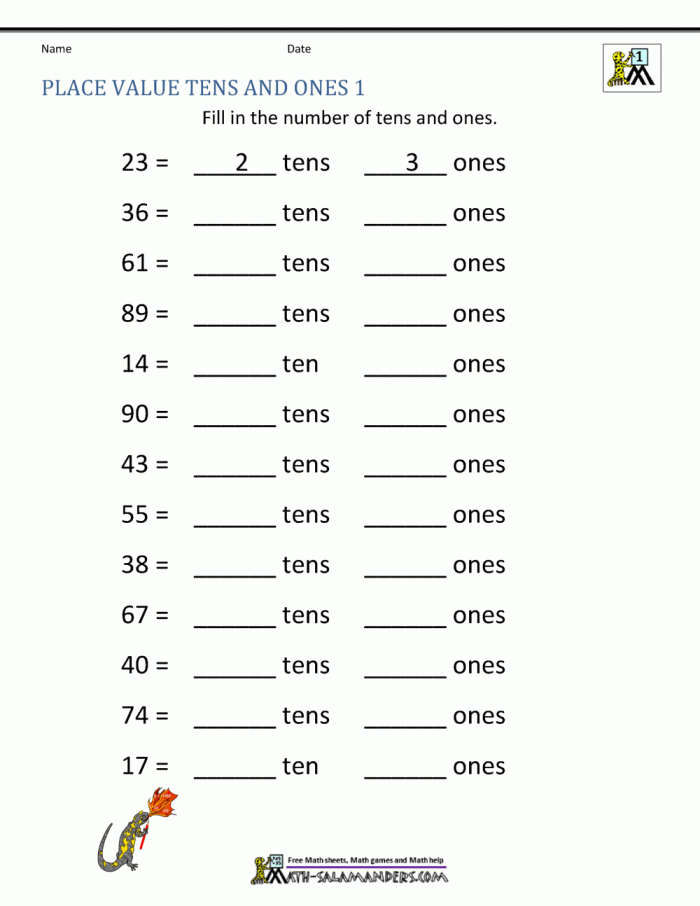
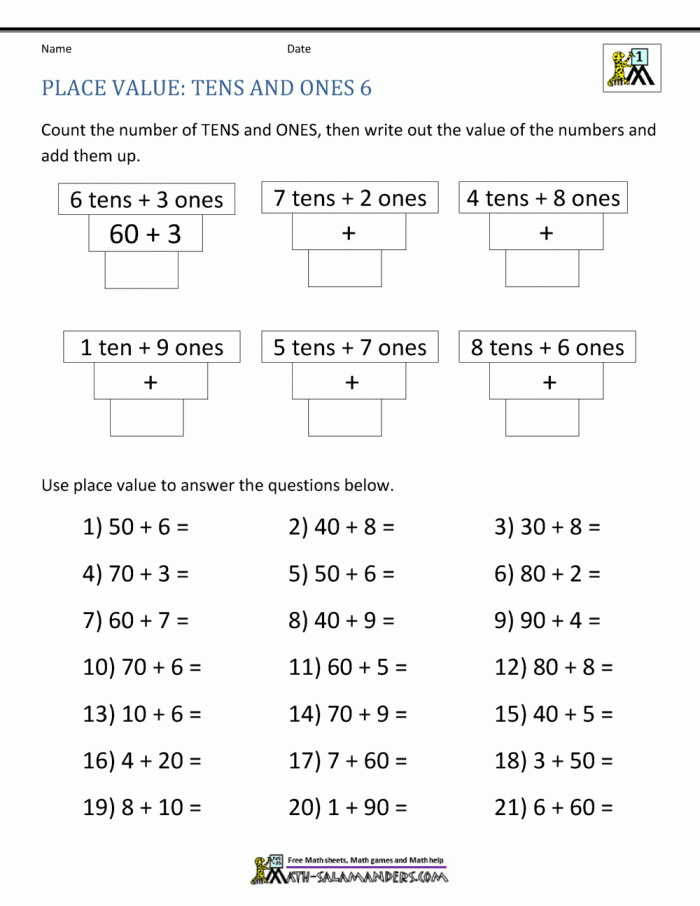
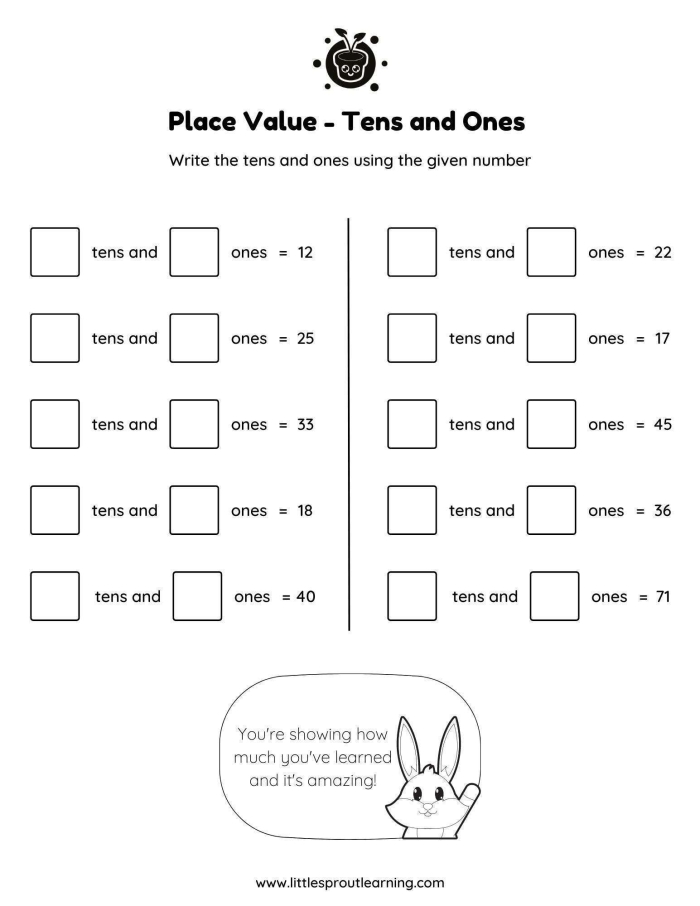
Place value is the foundation that makes everything else in mathematics possible. Without it, students struggle with addition, subtraction, and eventually multiplication. When a child understands that 23 means two tens and three ones, they can visualize why adding 10 more gives them 33. They see the pattern rather than memorizing isolated facts.
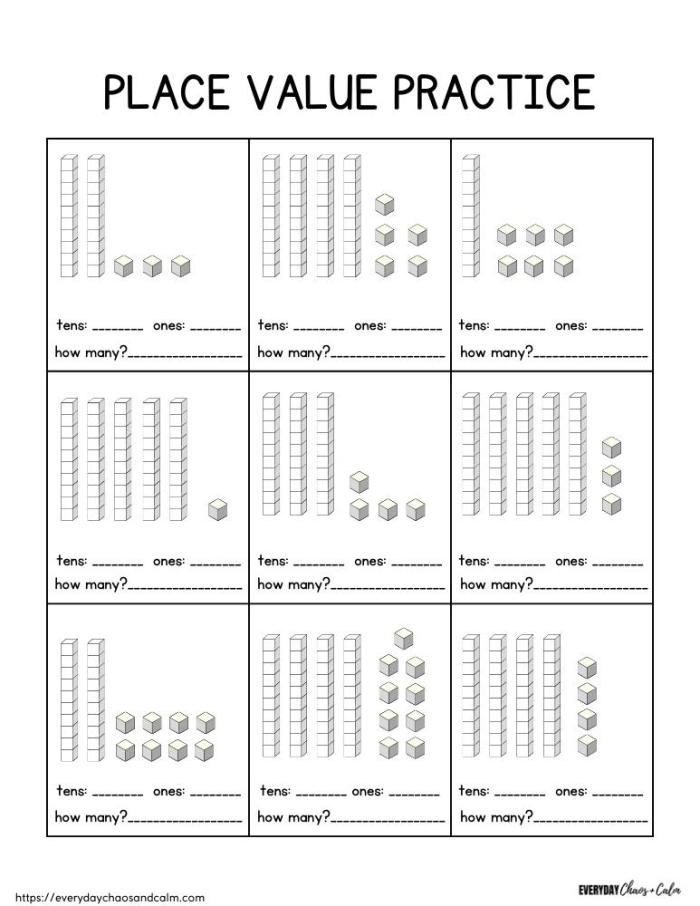
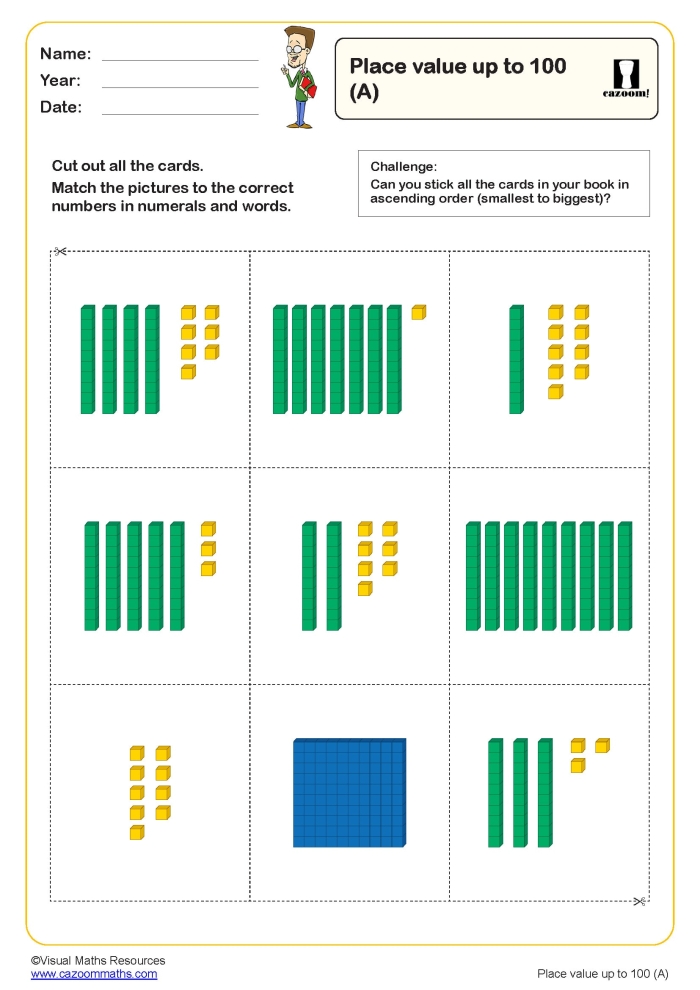
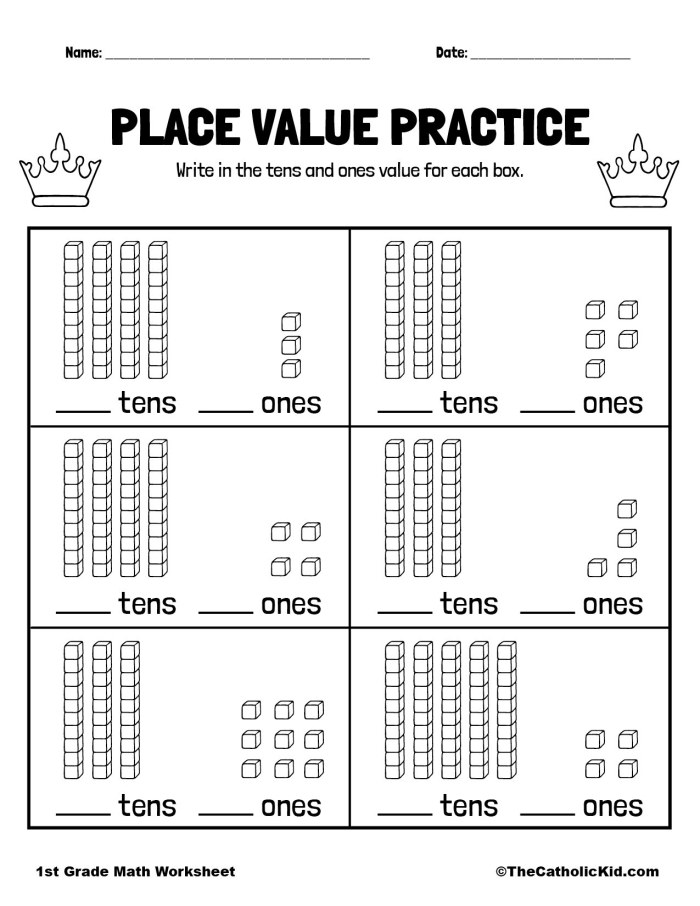
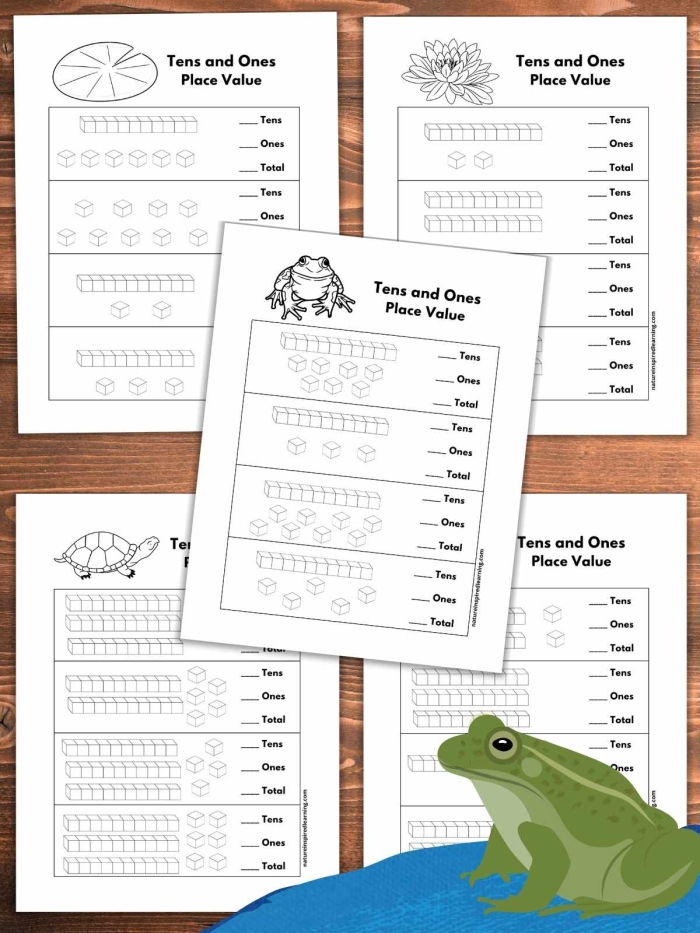
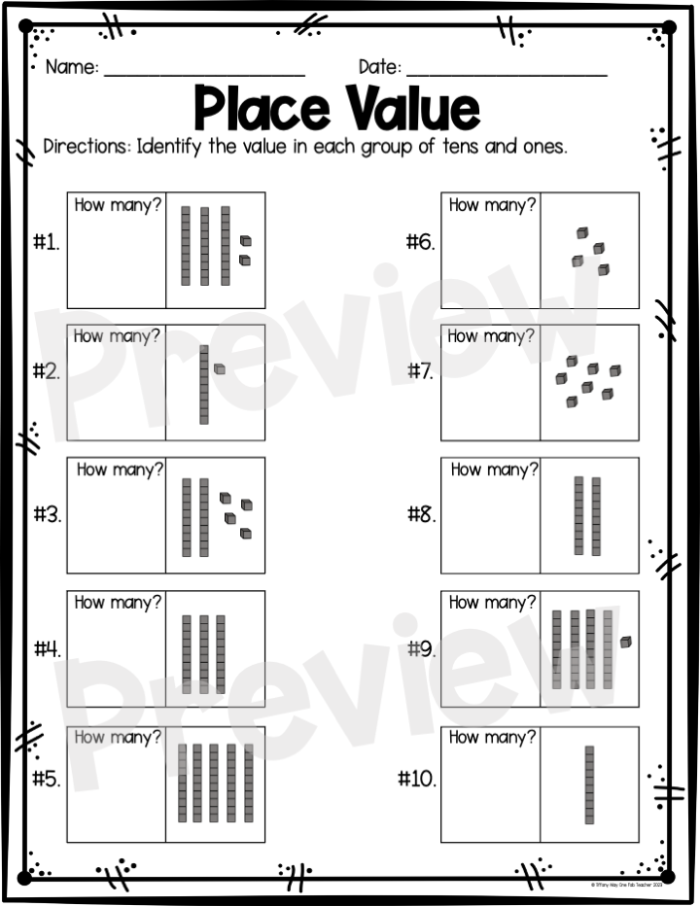
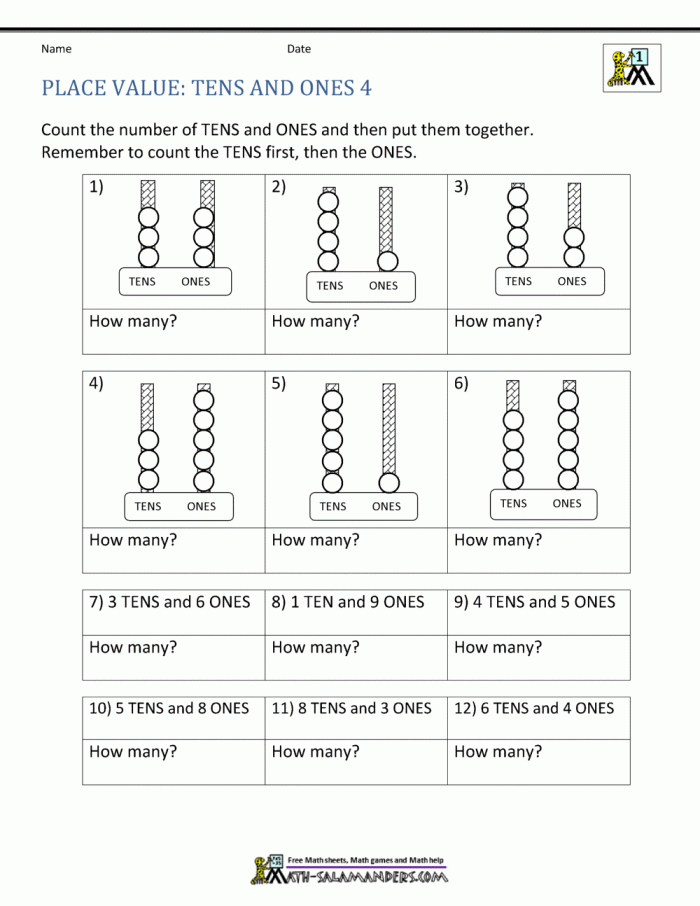
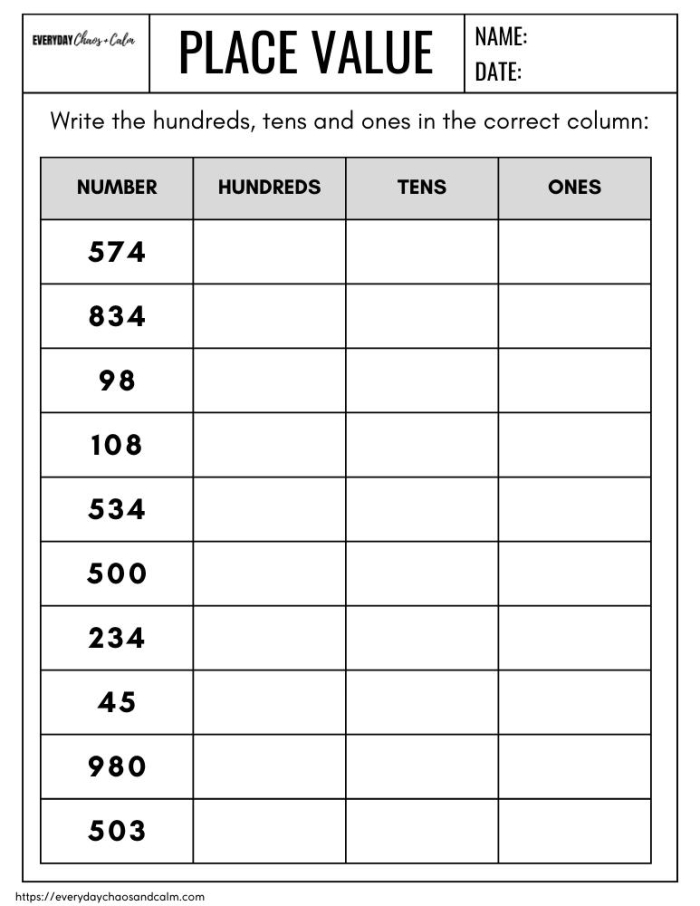
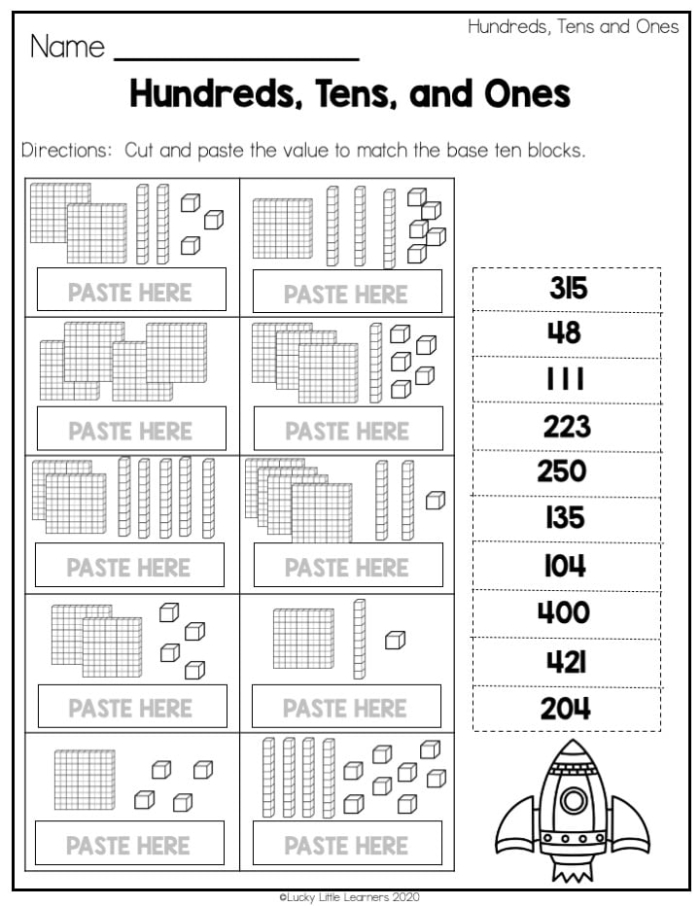
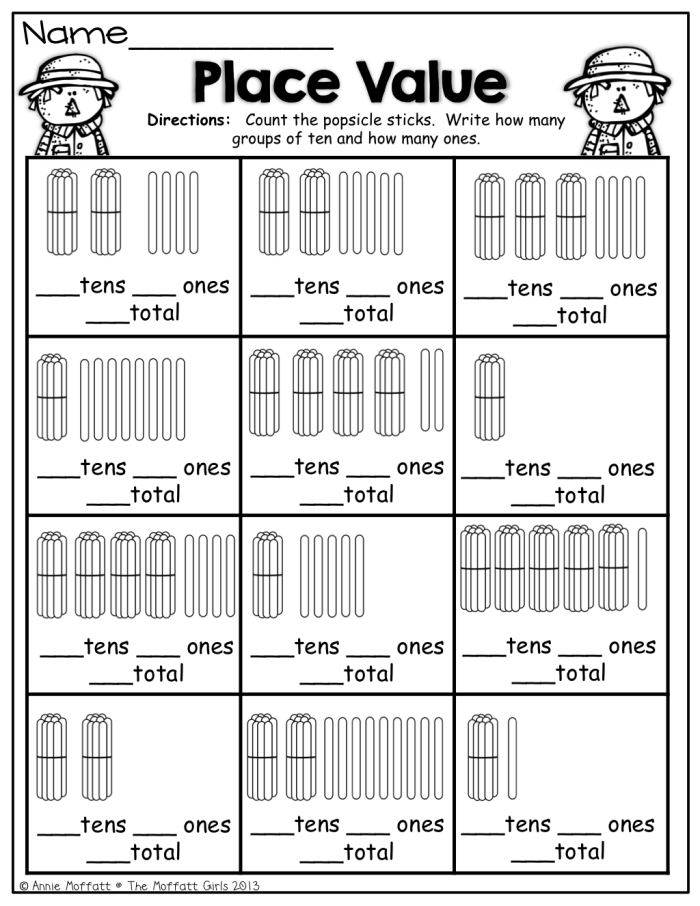
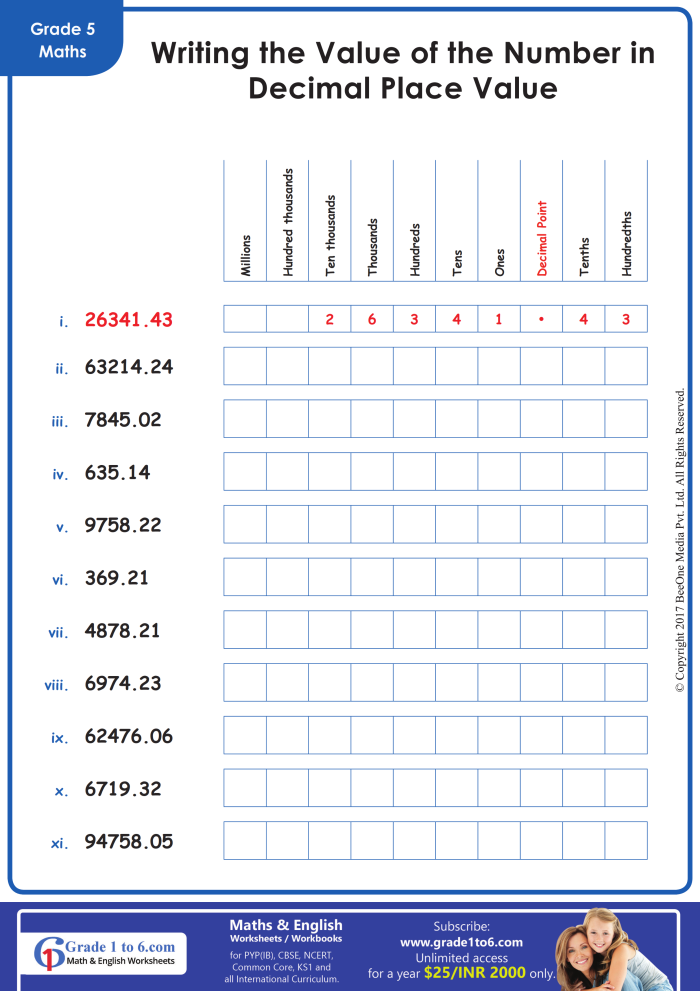
In first grade, the focus stays narrow and purposeful: tens and ones. This limitation is actually a strength. Students aren’t overwhelmed by hundreds or thousands yet. They can hold the concept in their minds, manipulate it with base-ten blocks or bundled straws, and build genuine understanding instead of surface-level familiarity.
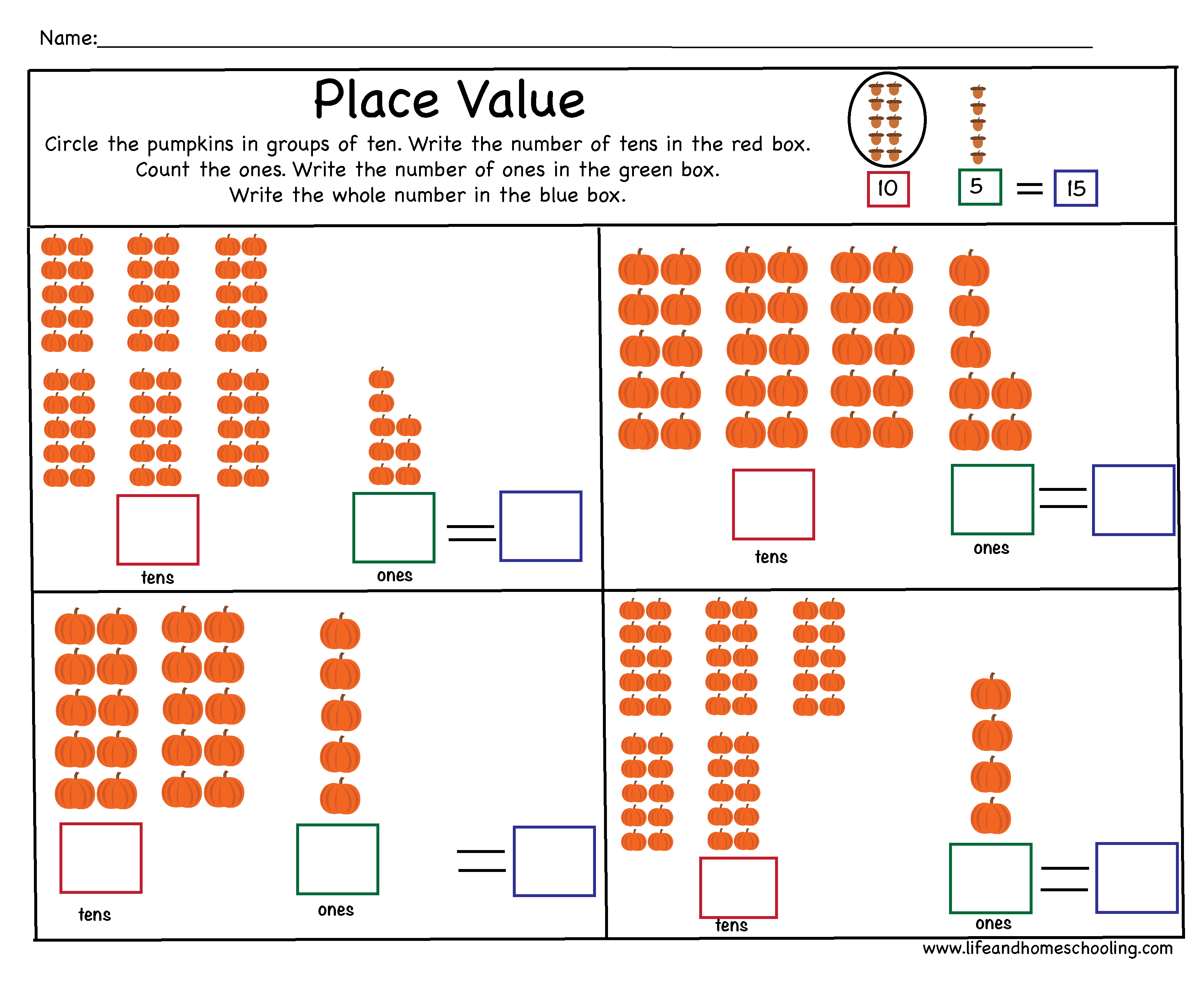
To assess where your students stand, create activities that show their thinking. Ask them to show 15 using tens and ones. Do they grab one ten and five ones, or do they count out fifteen individual objects? Have them build numbers and explain what they made. Listen for whether they say “one ten and five ones” or if they’re still counting by ones.
These observations reveal who has internalized the concept and who needs more concrete practice. Some students benefit from continued work with physical manipulatives, while others are ready to record their thinking on paper. You might also incorporate mixed operations activities that require place value understanding, similar to how multi-digit number work appears in upper grades.
Regular assessment keeps you responsive to your students’ actual understanding rather than assumptions about what they should know at this point in the year.
Hands-On Worksheet Activities