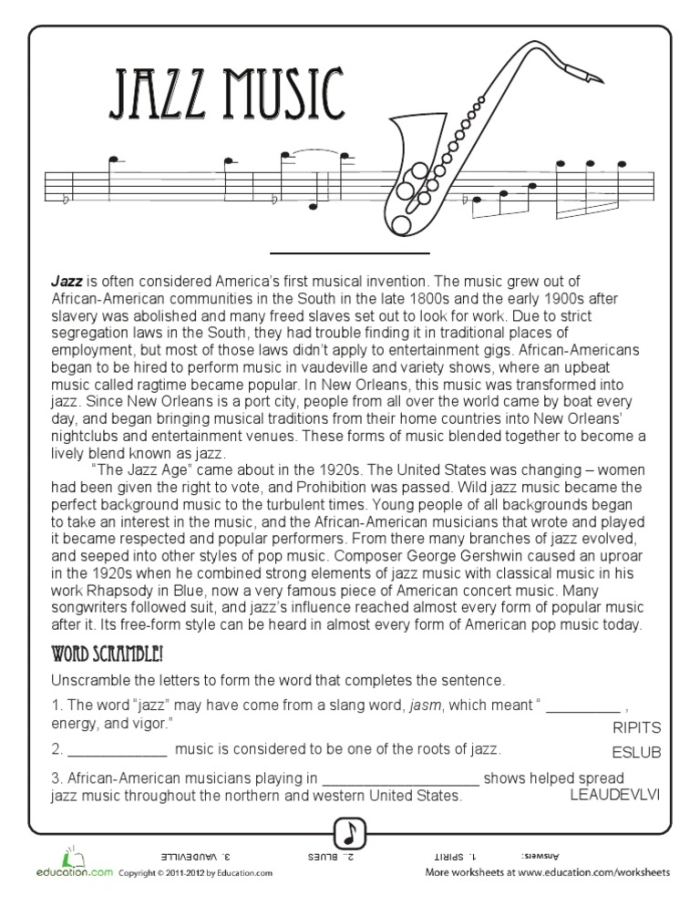
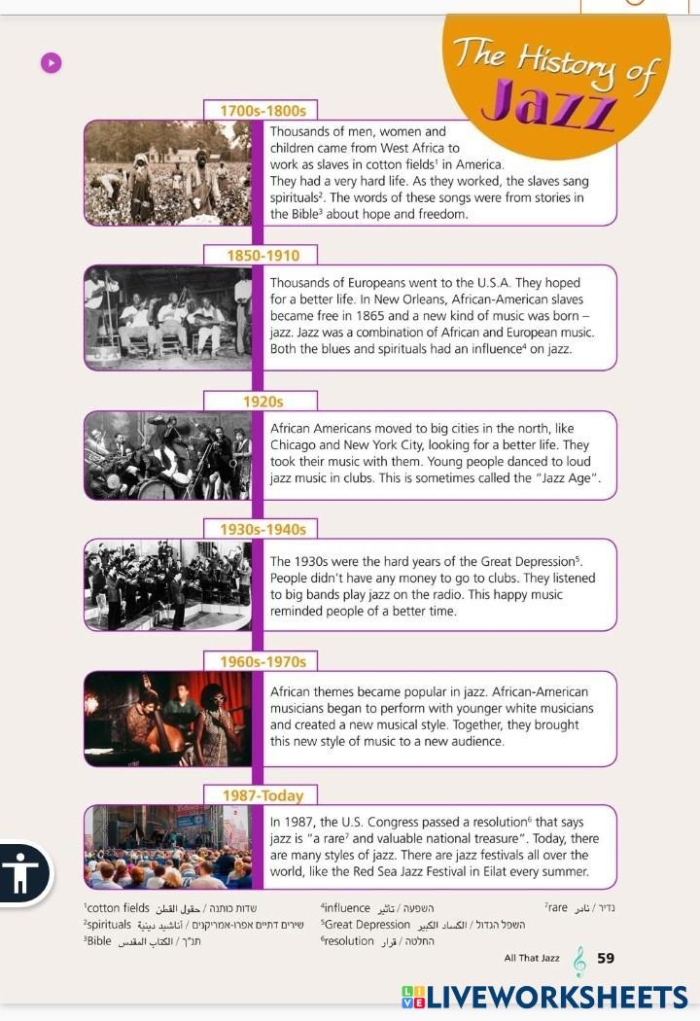
Jazz didn’t emerge from a concert hall or a formal music school. It came from the streets of New Orleans in the late 1800s, born from the collision of African rhythms, European harmonies, and the lived experience of Black Americans navigating life after slavery. When you listen to early jazz recordings, you’re hearing something genuinely new: improvisation, syncopation, and a raw emotional honesty that classical music had never captured quite the same way.
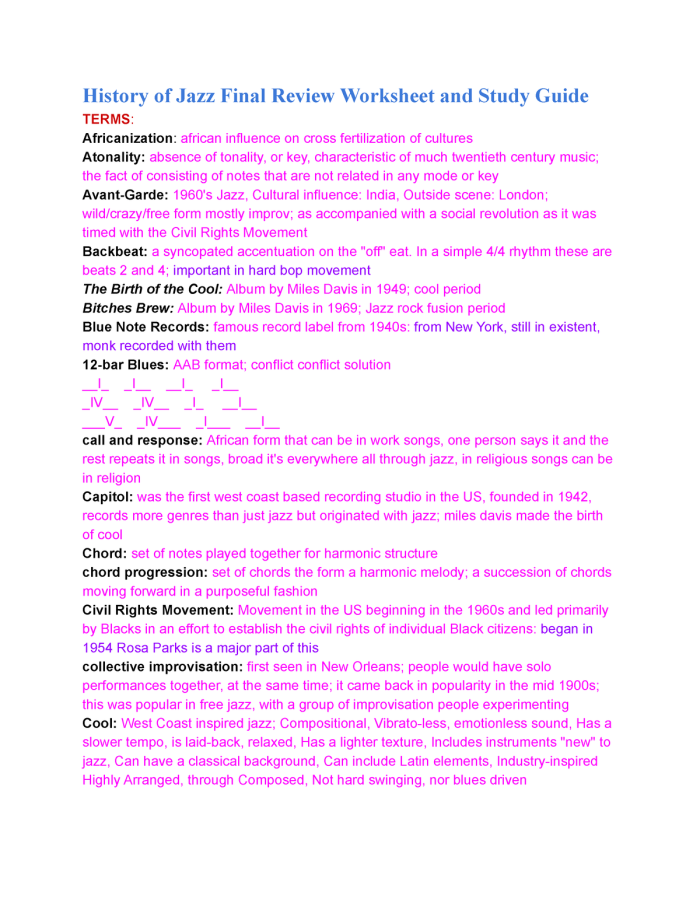
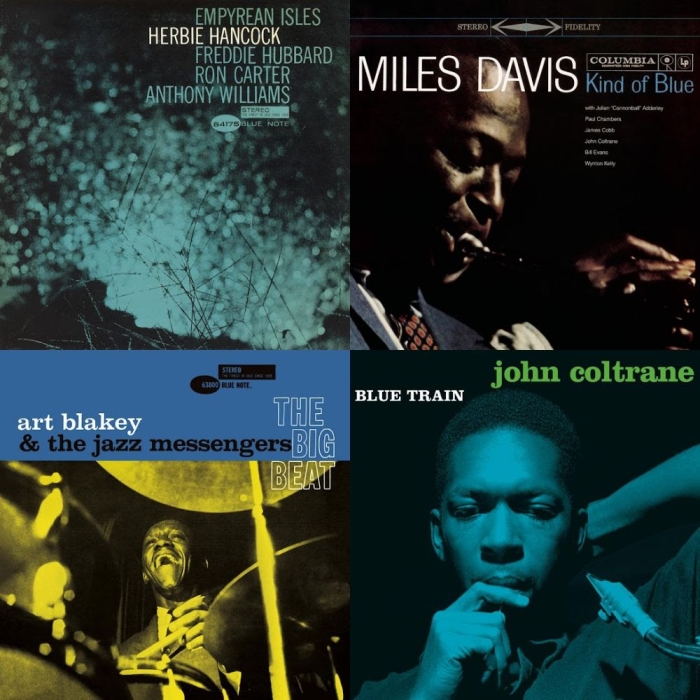
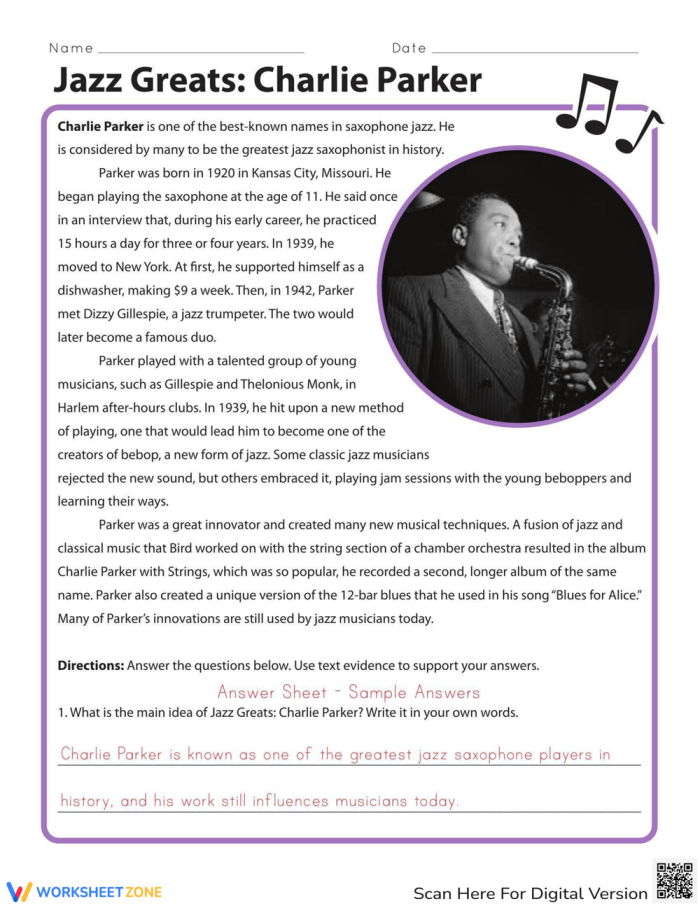
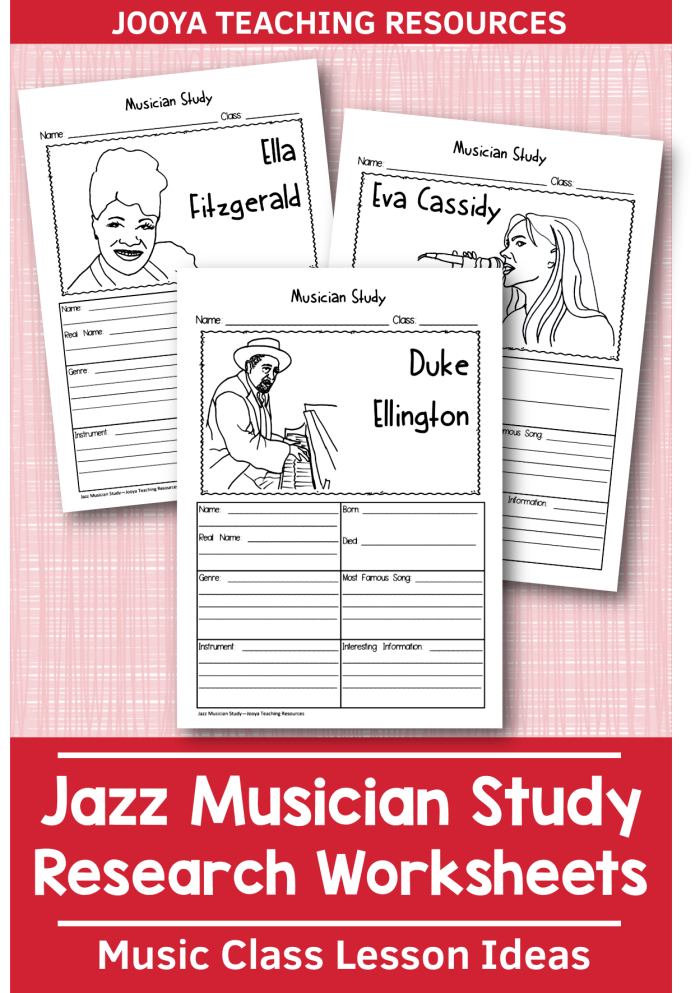
The musicians who created jazz drew from blues, ragtime, and spirituals, blending these traditions into something that felt urgent and alive. Names like Louis Armstrong, Duke Ellington, and Bessie Smith became household names because their music spoke to people. Armstrong’s trumpet solos didn’t just follow sheet music; they told stories. Ellington composed pieces that showed jazz could be both sophisticated and deeply rooted in Black culture. These weren’t background entertainers. They were artists reshaping American music itself.
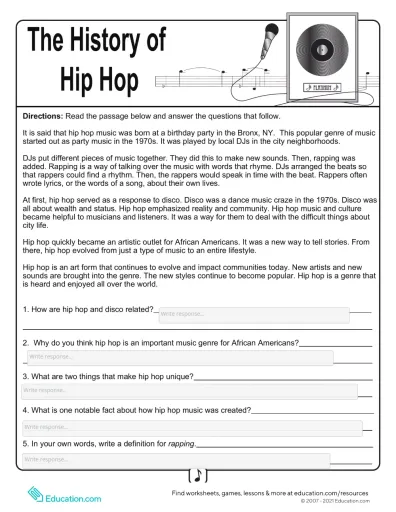
From jazz, African-Americans went on to dominate nearly every major pop music genre that followed. Rock and roll, R&B, hip-hop, and soul all trace direct lines back to Black musicians who took risks and refused to be confined by what the industry told them they should do. When you study this history with fourth grade students, you’re teaching them that popular music didn’t happen by accident. It came from specific people with specific stories.
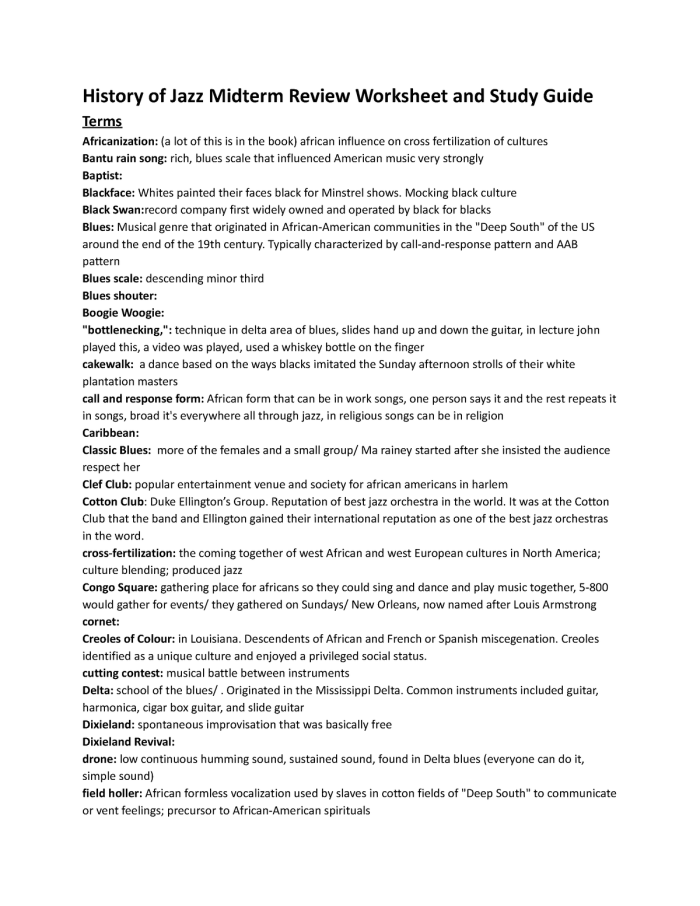
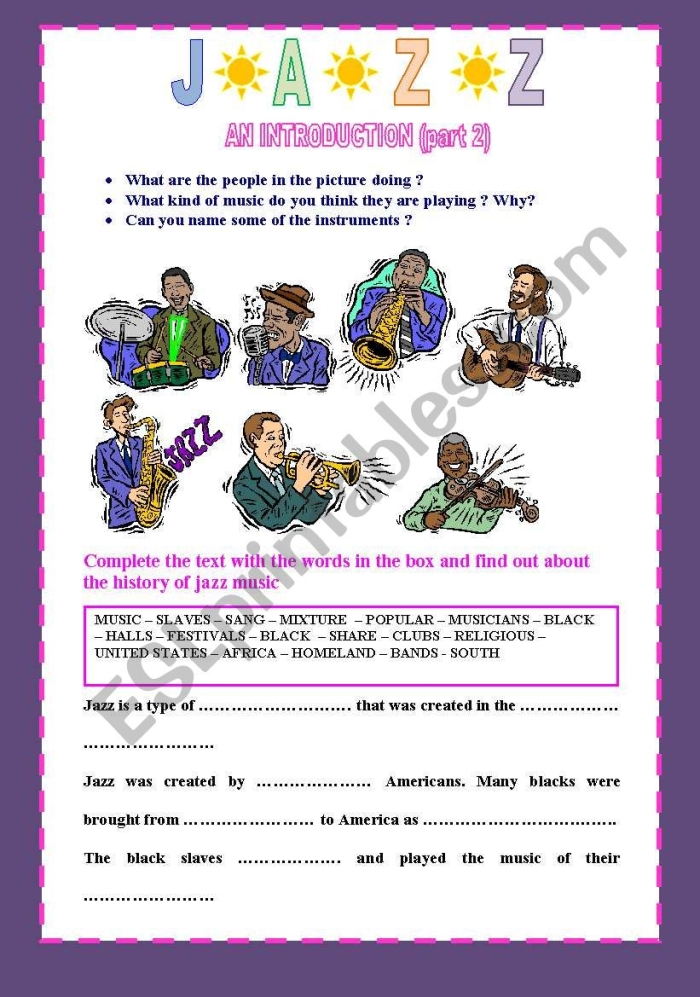
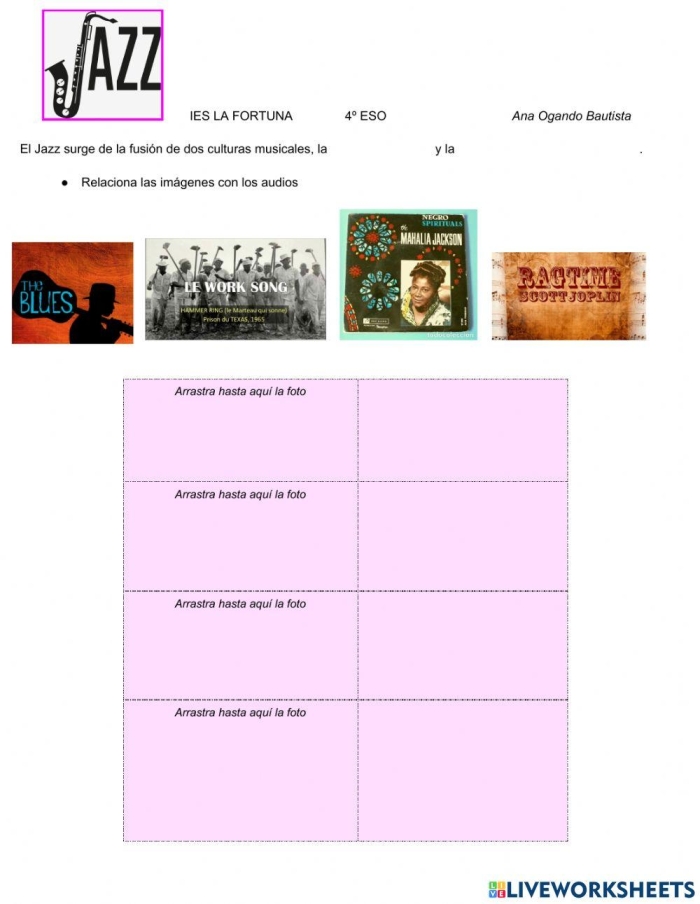
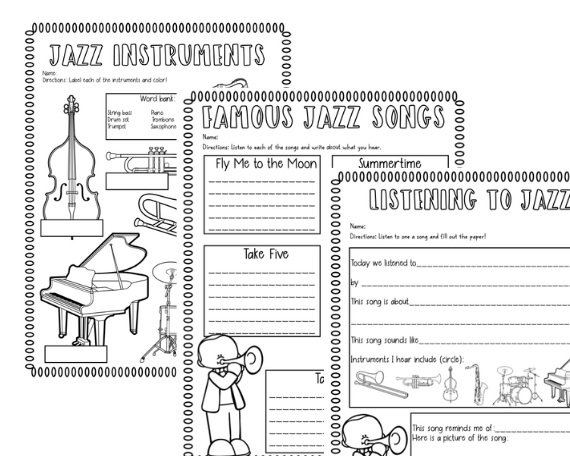
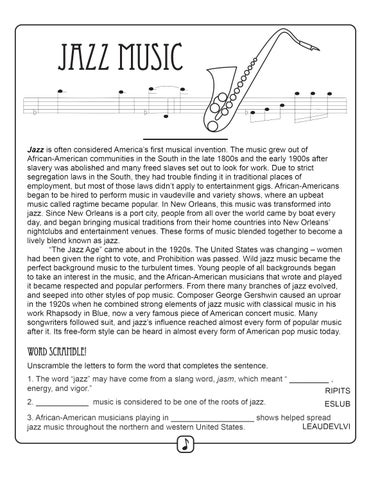
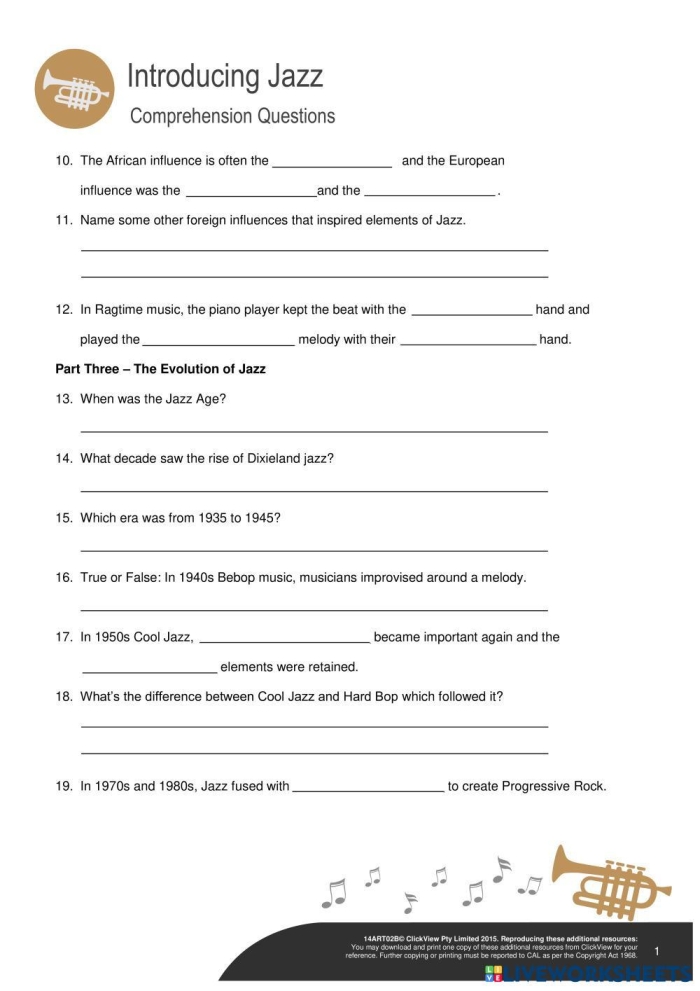
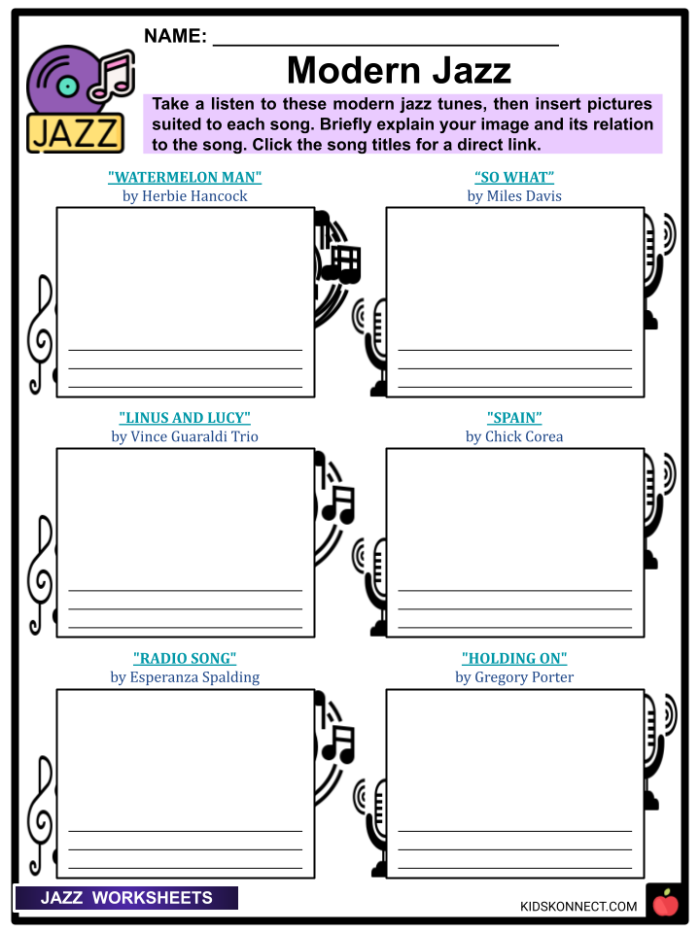
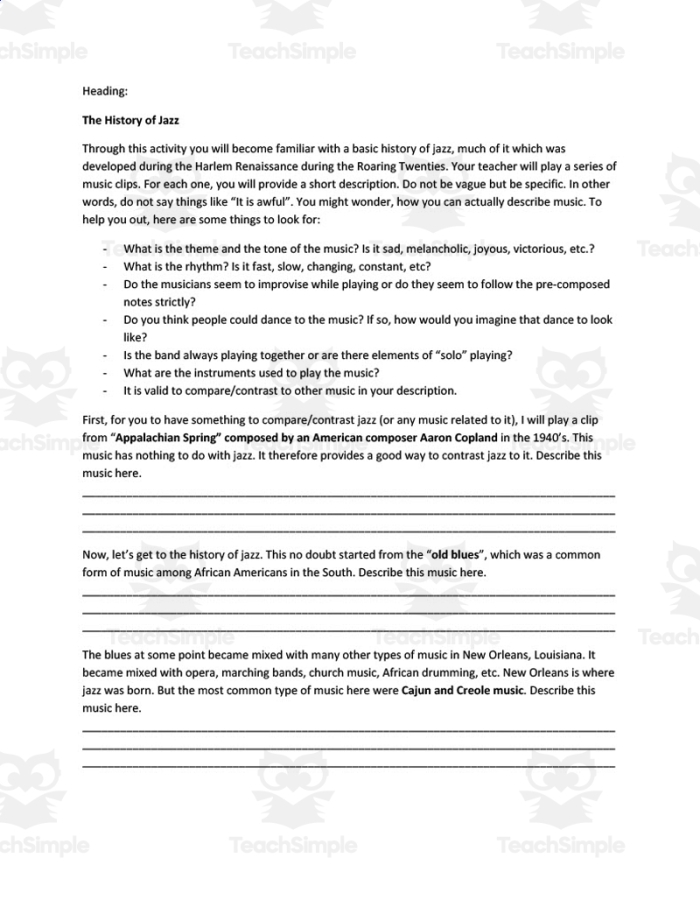
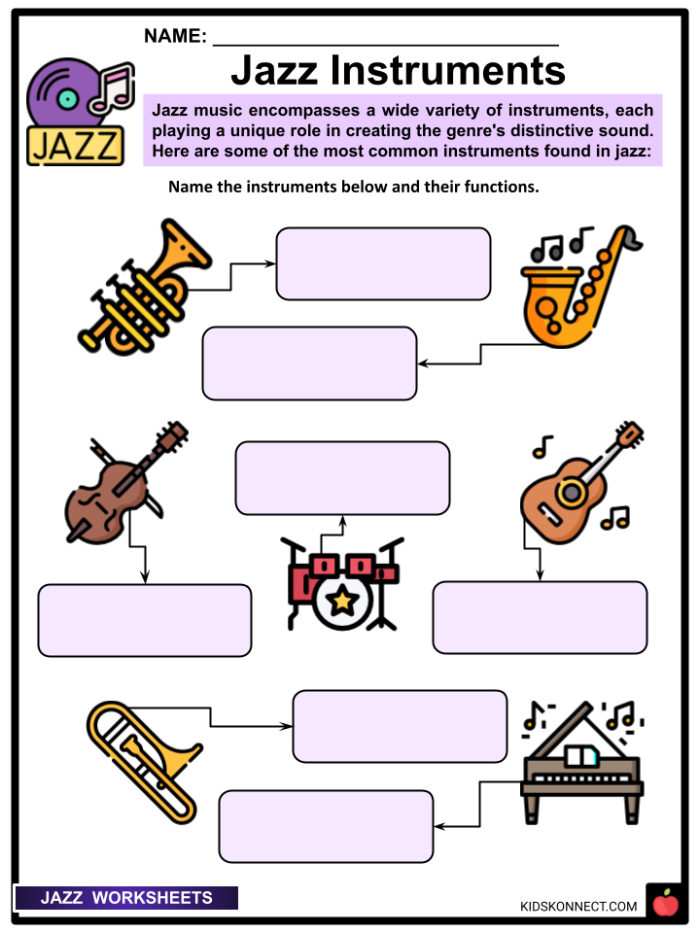
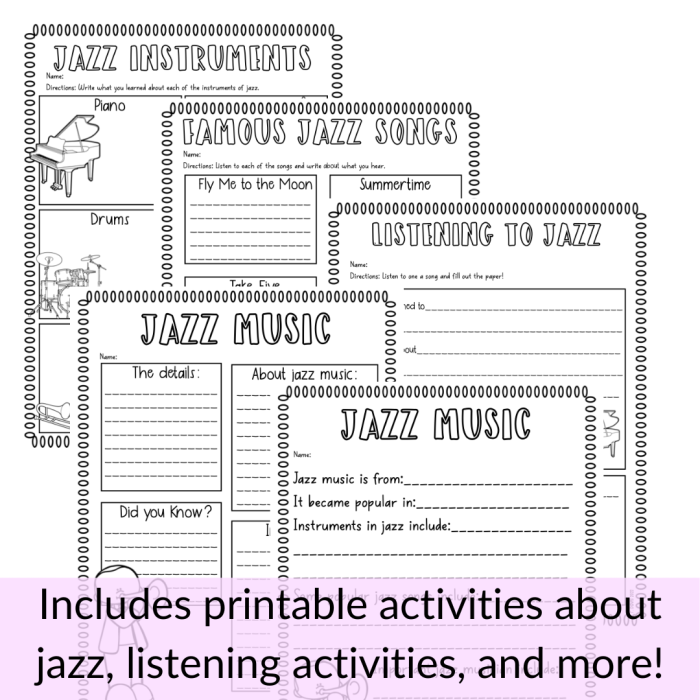
If you’re teaching this material, consider using printable history of jazz worksheets designed for fourth grade sight words. These resources help younger learners engage with the vocabulary and concepts surrounding jazz history in an accessible way, making the connection between language skills and cultural learning.
Black History Month offers a perfect moment to move beyond surface-level facts and actually listen to the music that changed everything.
Boost Skills with These Worksheets