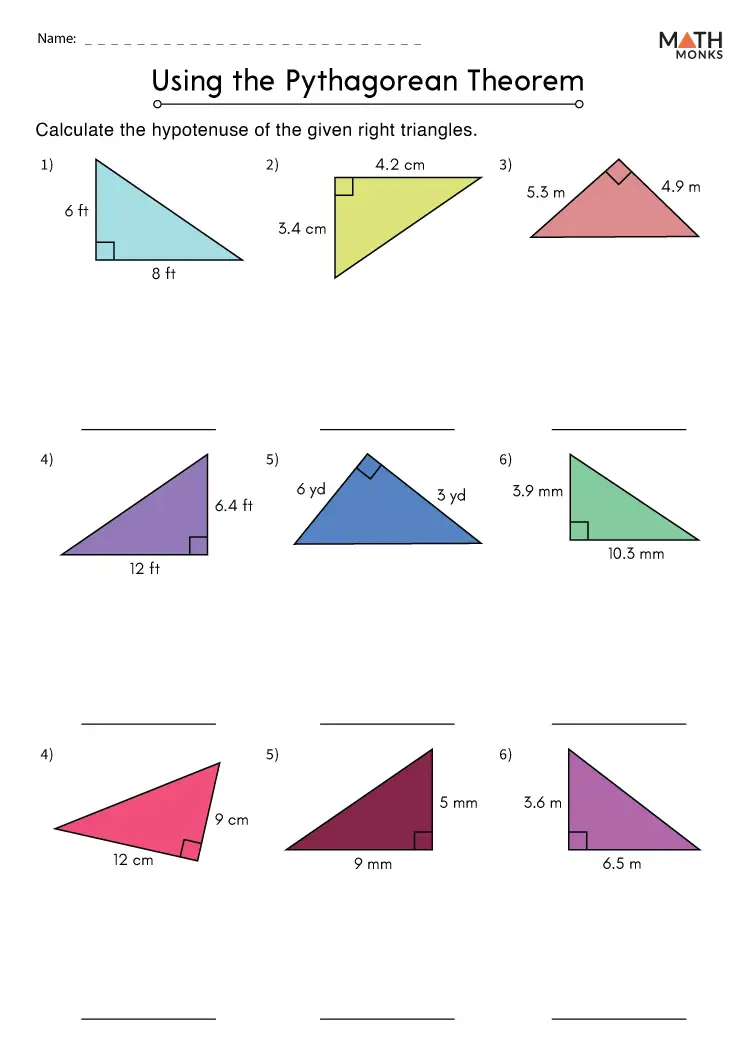
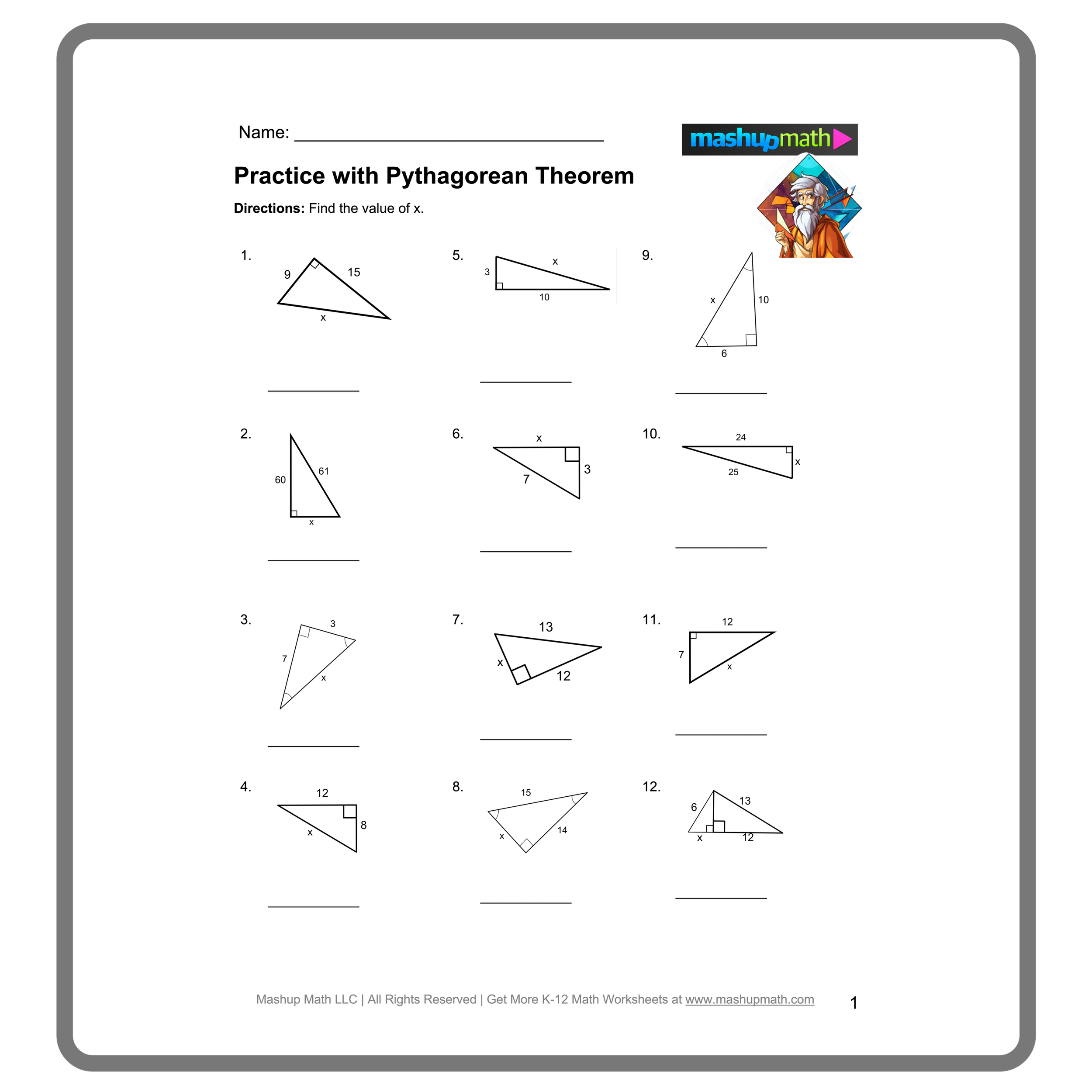
The Pythagorean theorem is one of those mathematical tools that eighth-grade students either click with immediately or struggle to grasp for months. The good news is that practice makes it stick, and worksheets designed specifically for this concept can transform confusion into confidence.
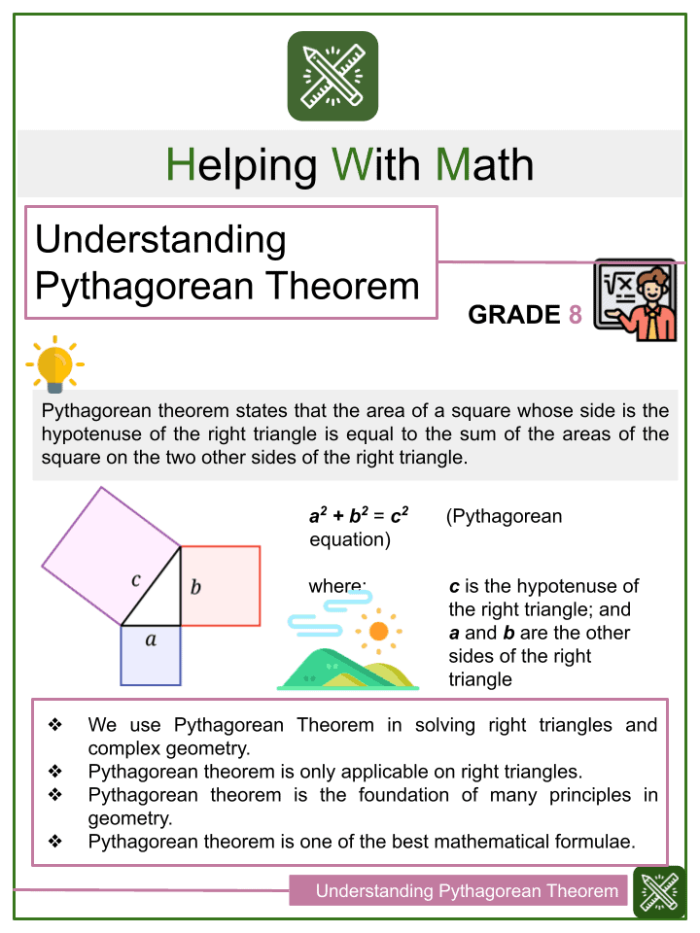
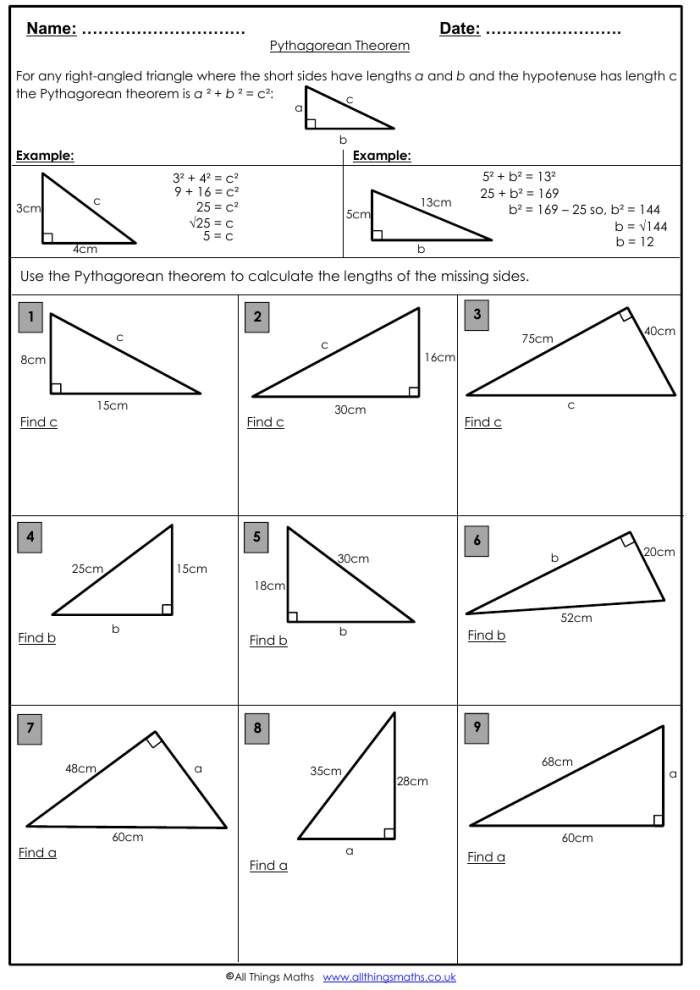
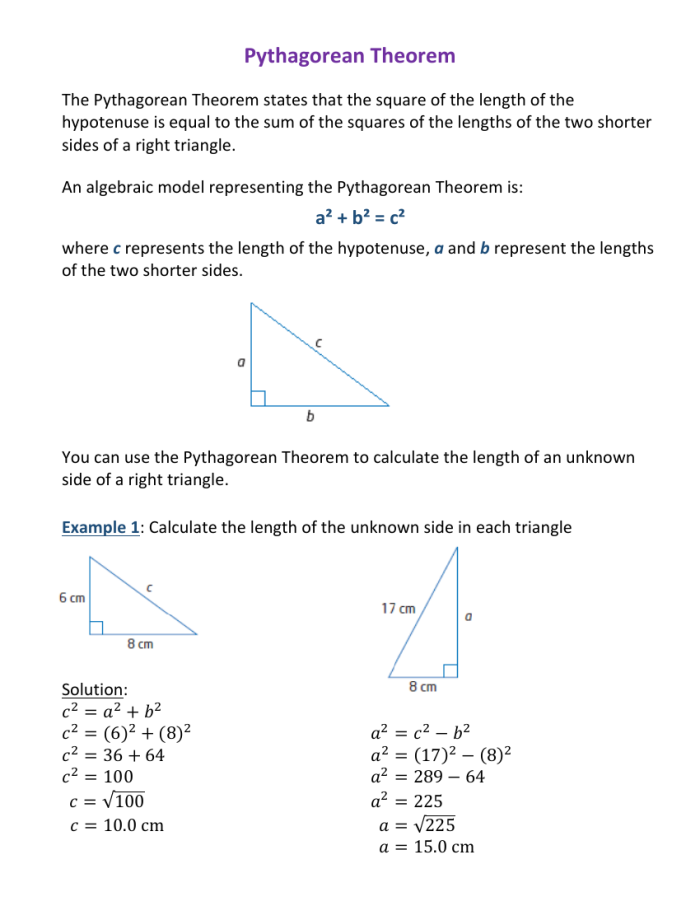
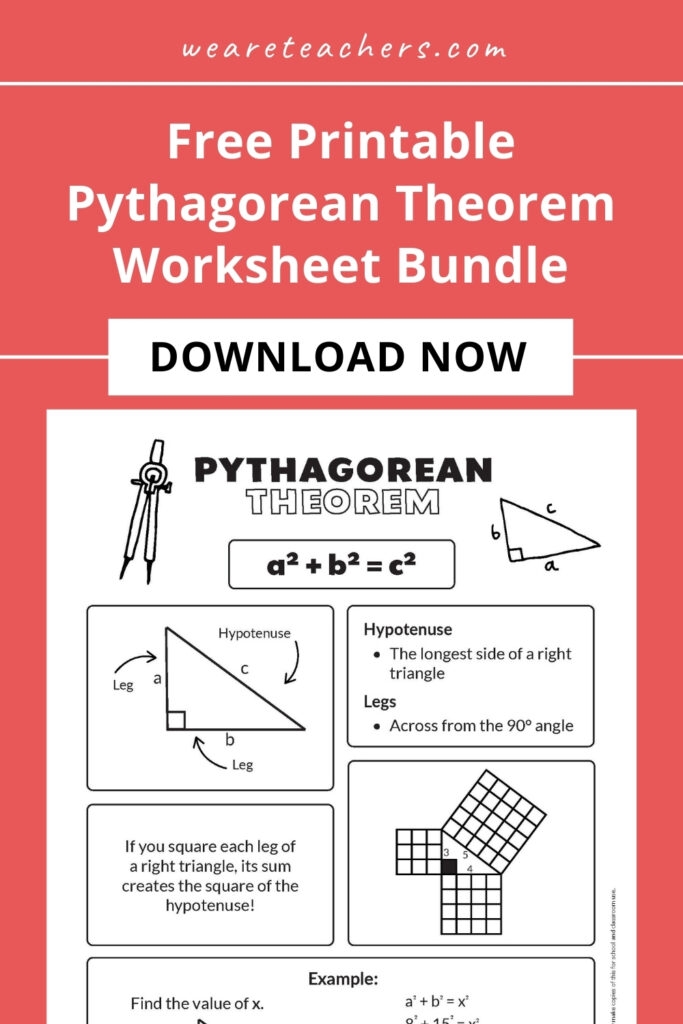
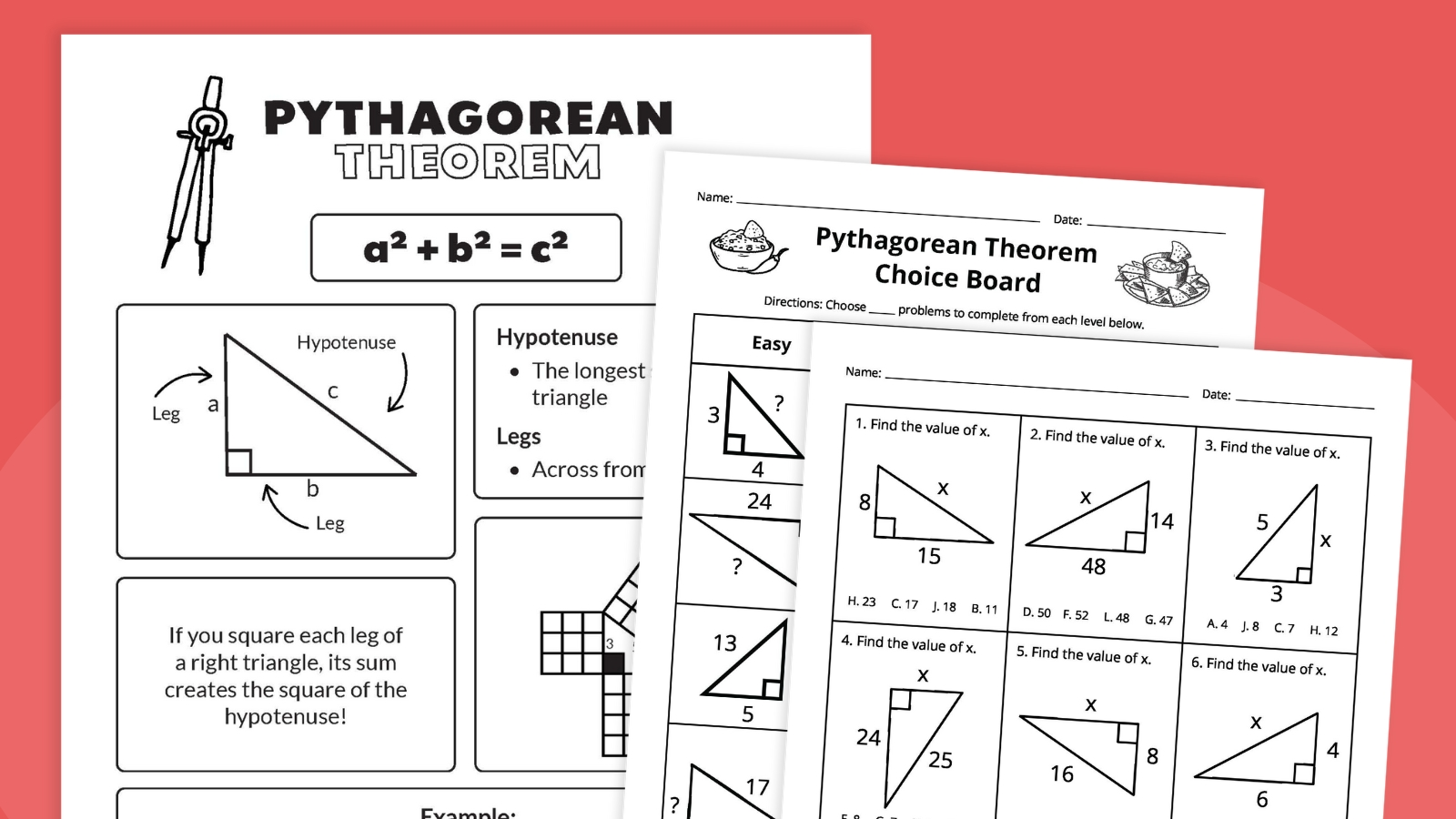
At its core, the Pythagorean theorem states that in any right triangle, a² + b² = c², where c is the hypotenuse (the longest side opposite the right angle) and a and b are the two legs. What makes this formula so useful is that if you know any two sides of a right triangle, you can always find the third. This single relationship unlocks countless real-world applications, from construction to navigation.
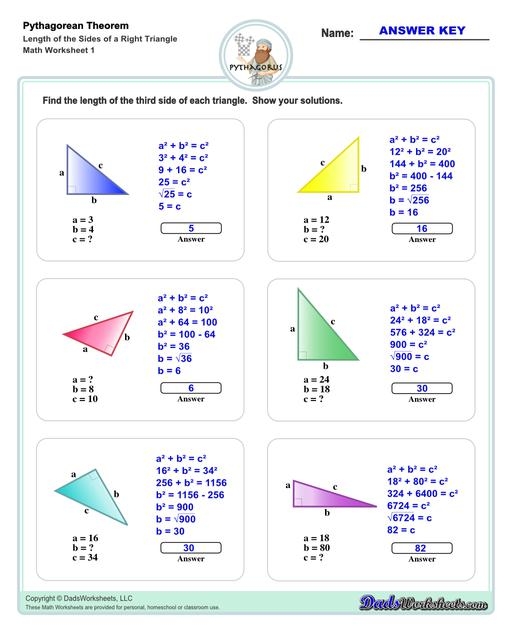
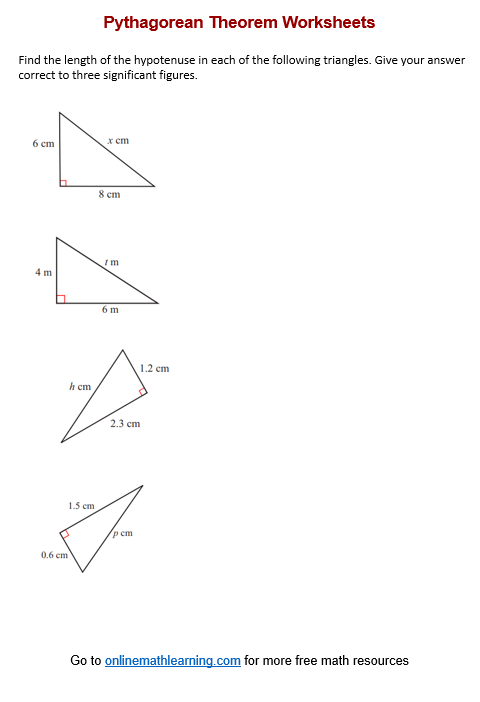
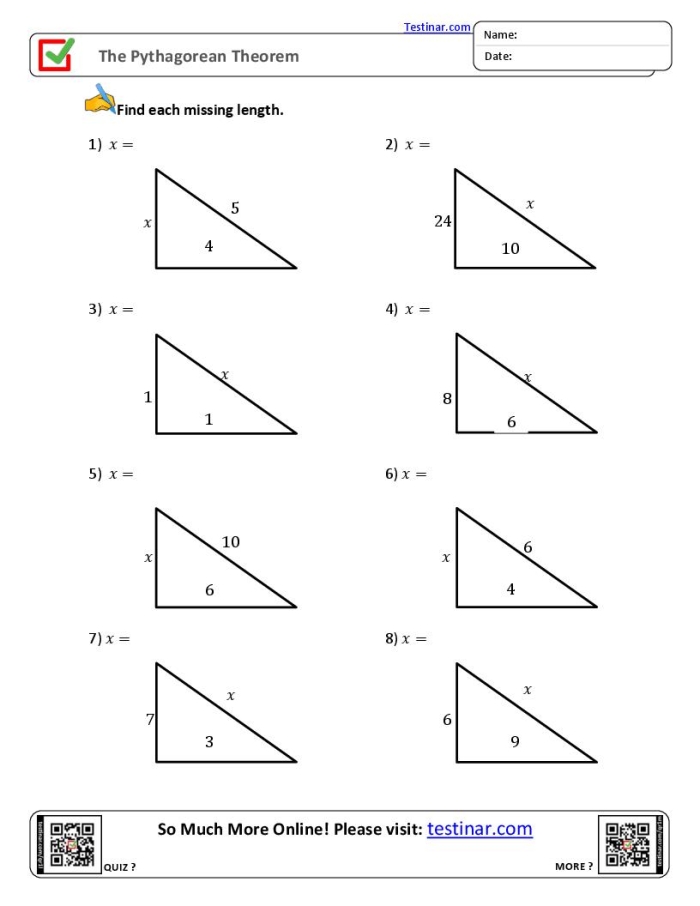
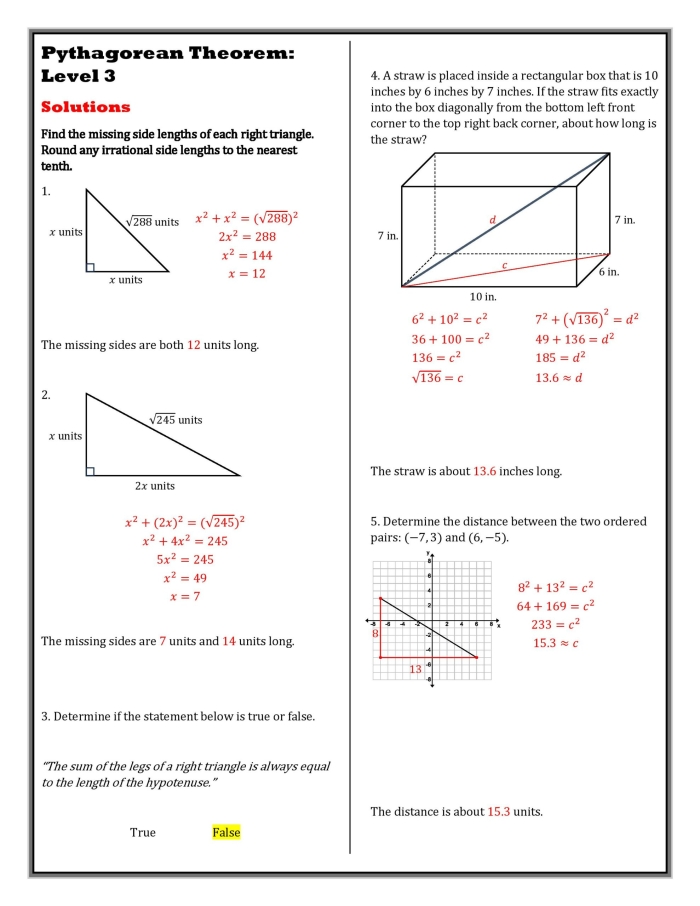
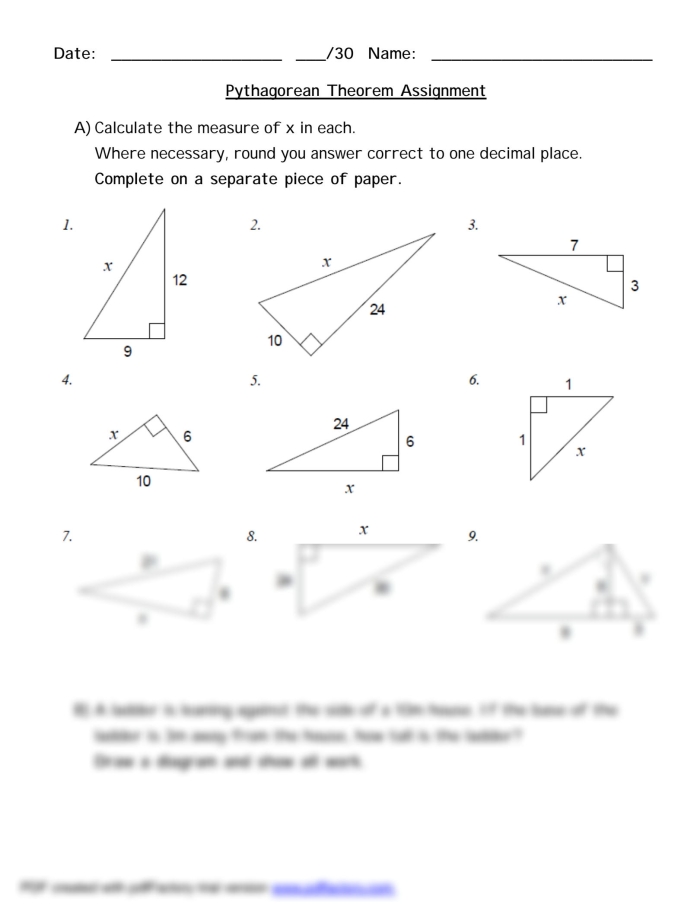
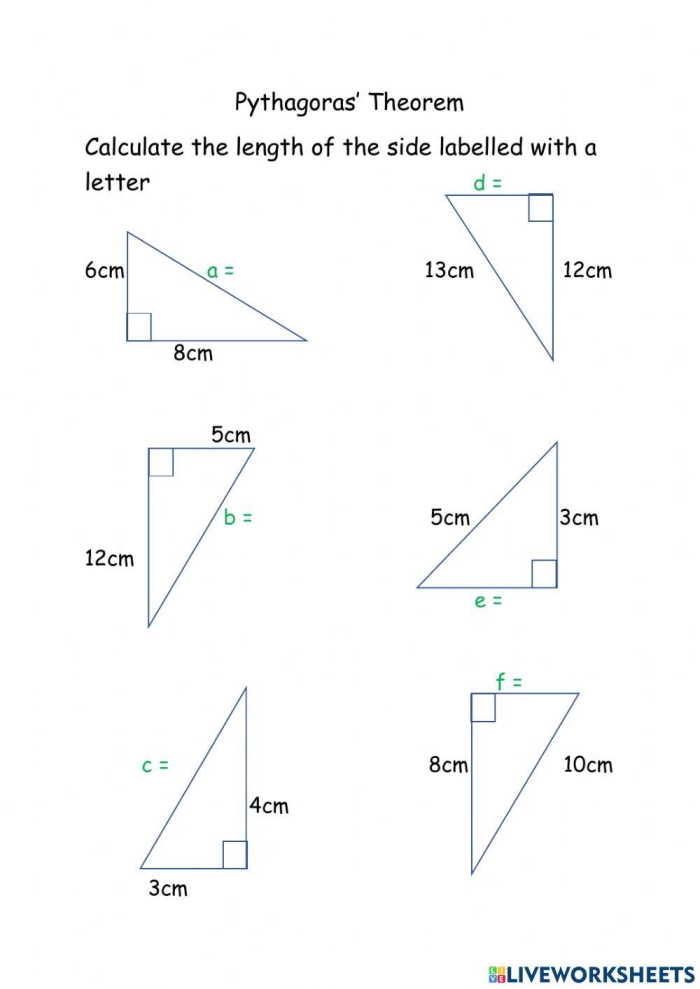
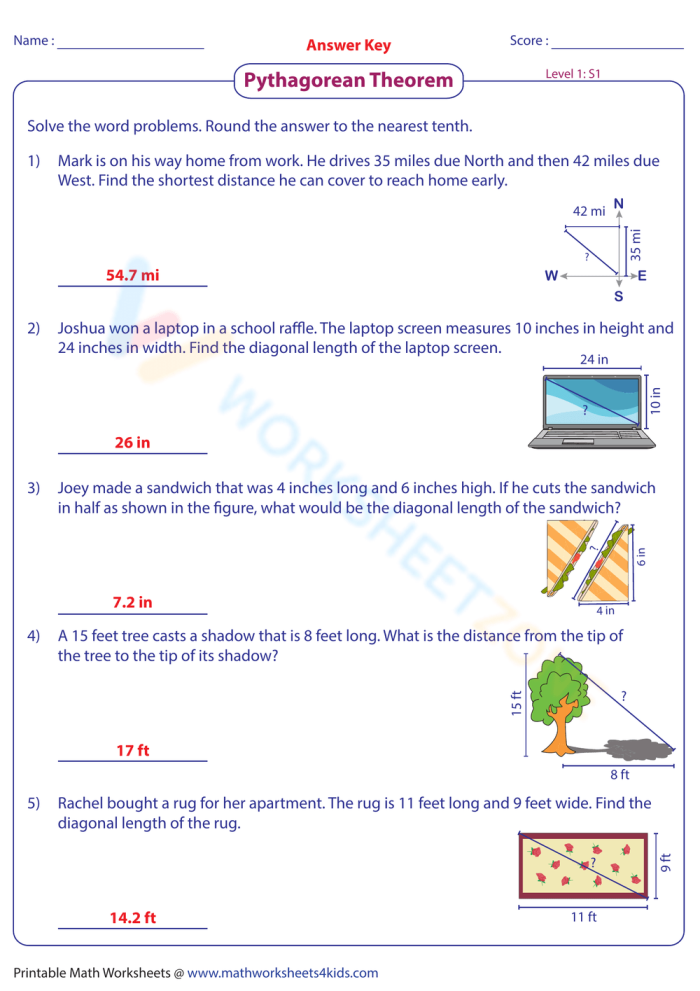
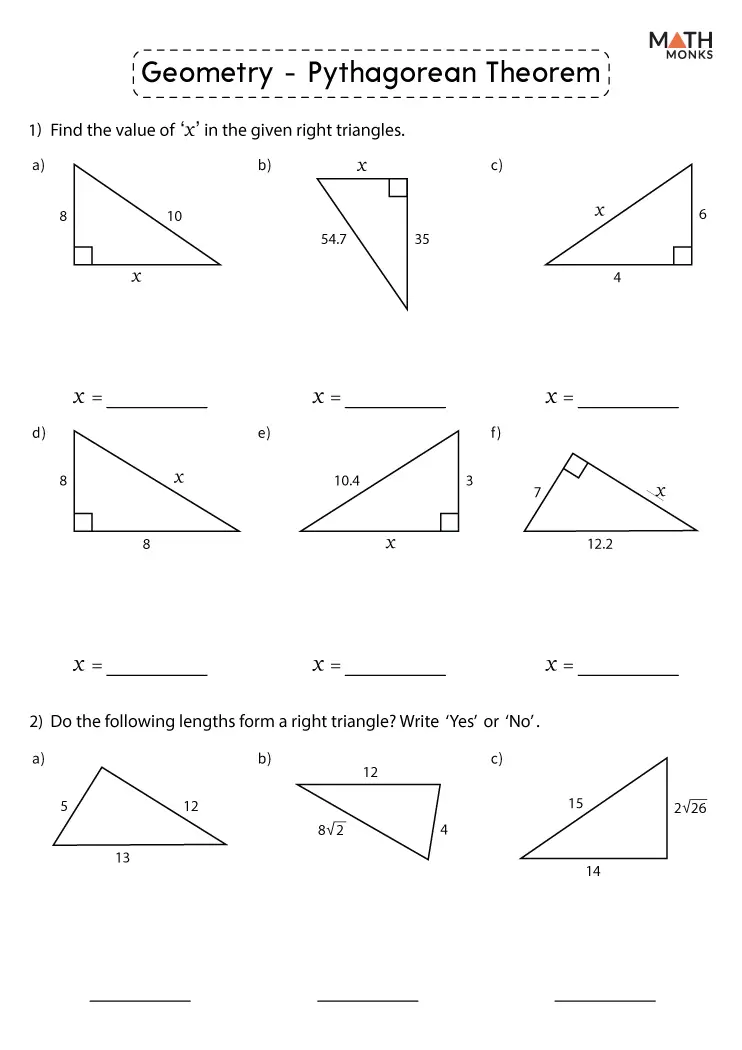
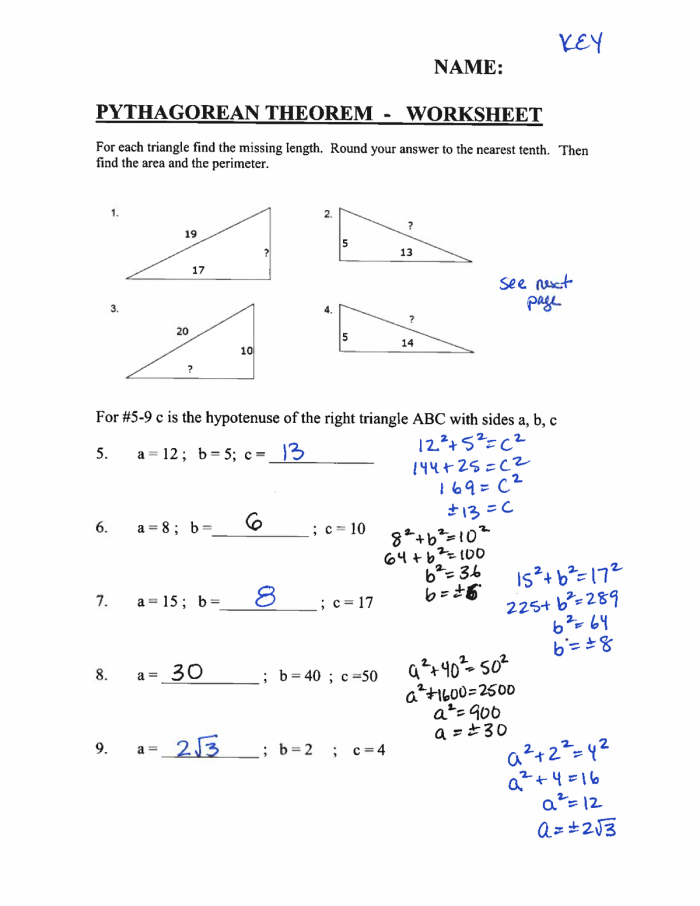
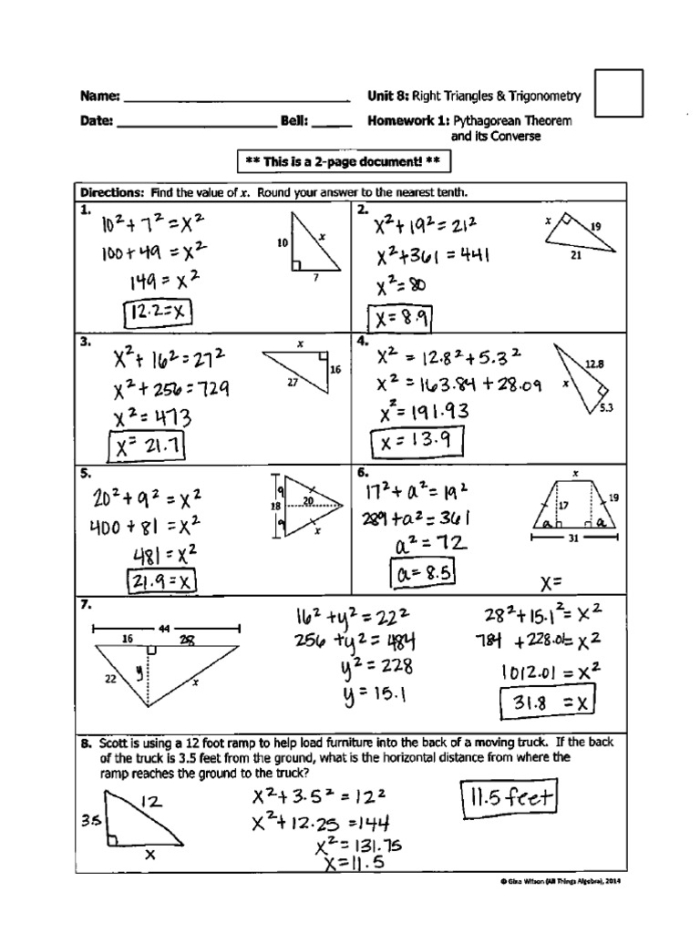
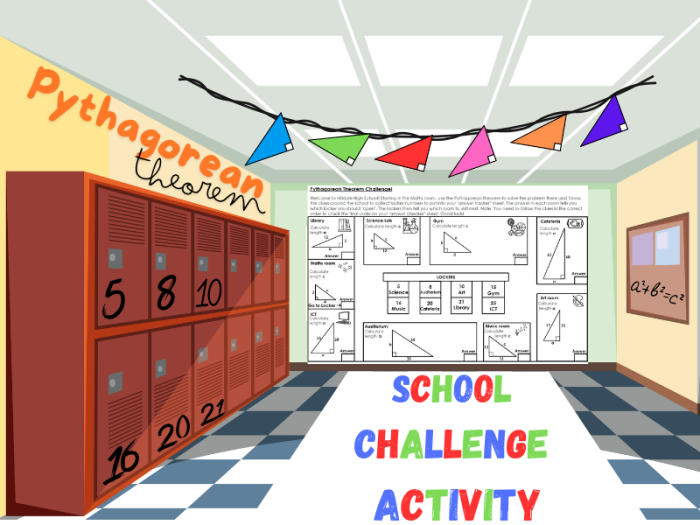
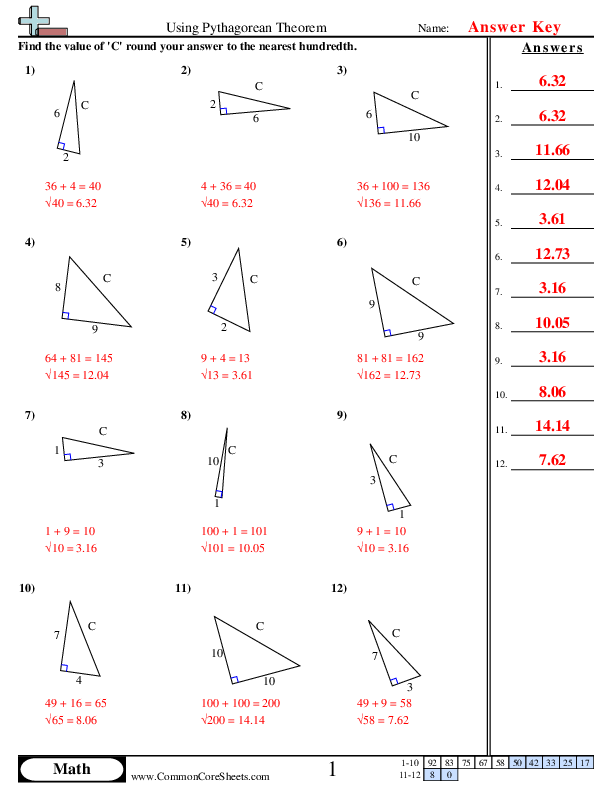
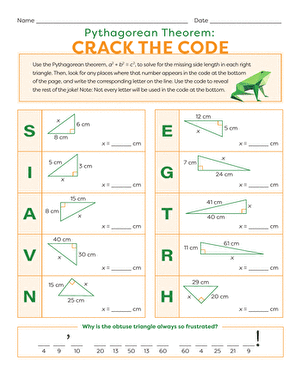
When working through eighth-grade geometry worksheets focused on this theorem, students typically encounter two main types of problems. The first asks you to find a missing leg when you know the hypotenuse and one leg. The second requires finding the hypotenuse when both legs are given. Both require the same formula, just rearranged differently. A worksheet that includes interactive formats like crack-the-code activities can make the repetition feel less tedious and more like puzzle-solving.
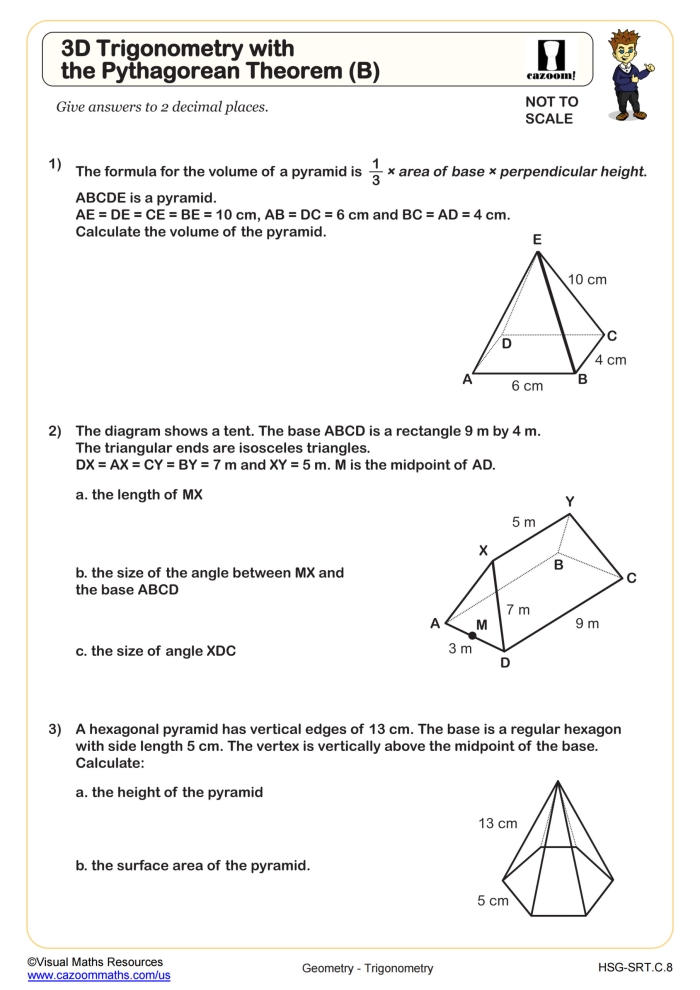
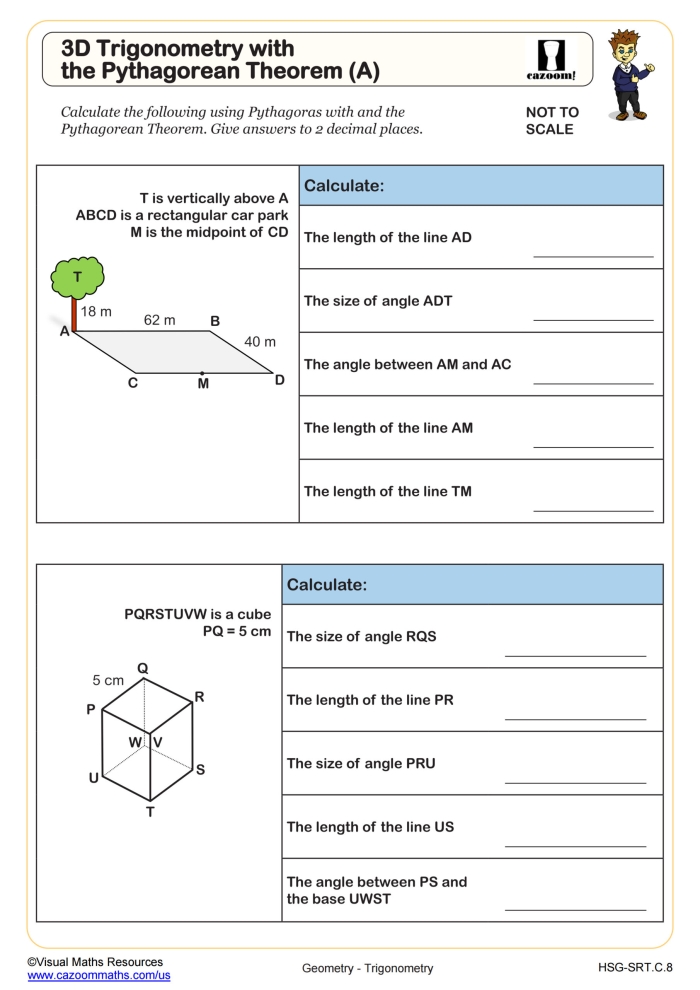
The practical value of mastering this skill extends beyond passing tests. Carpenters use it to square corners, engineers rely on it for structural calculations, and even video game developers use it to calculate distances between points. For eighth graders, these worksheets represent more than just geometry practice; they’re building blocks for higher mathematics and real-world problem-solving.
Pairing Pythagorean theorem practice with other eighth-grade writing assignments, such as worksheets on solving linear equations with varying numbers of solutions, helps students see how different mathematical concepts connect. This broader perspective strengthens overall mathematical thinking.
Use These Worksheets Today