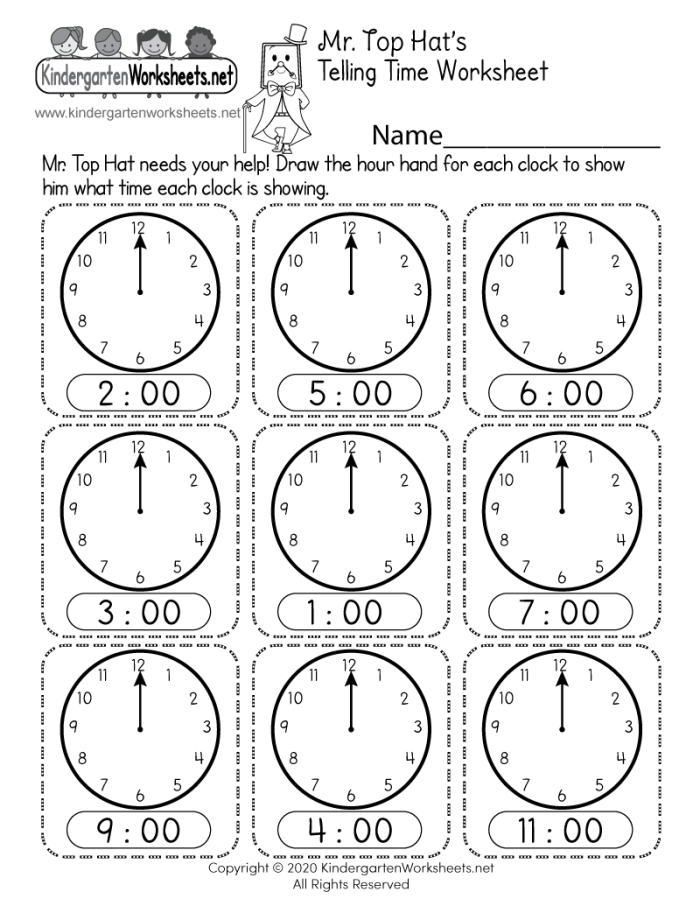
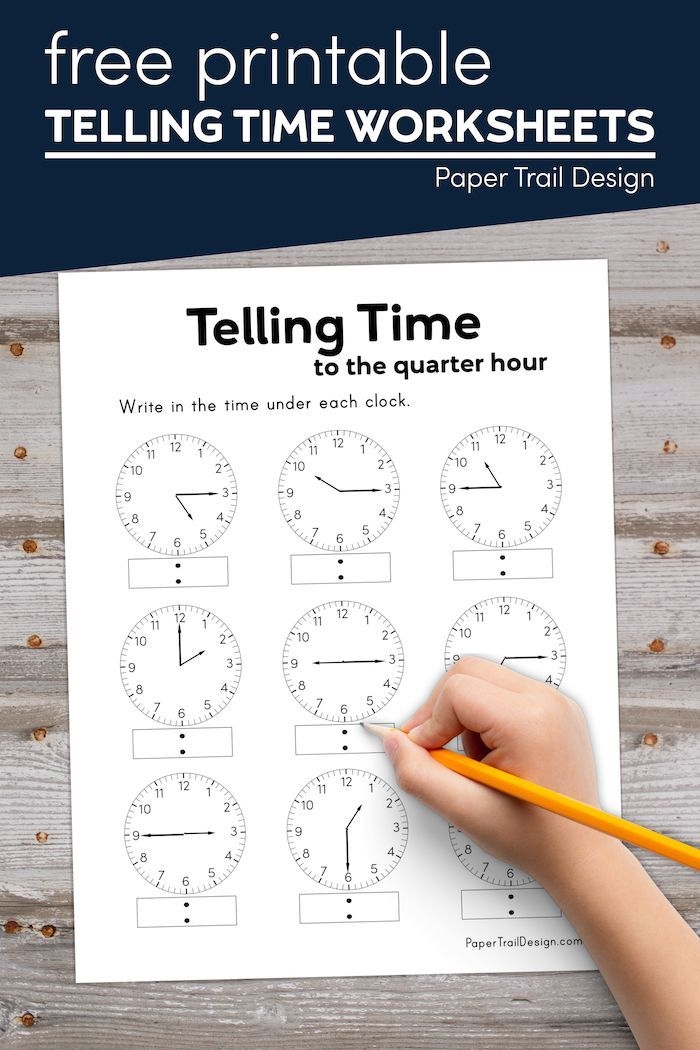
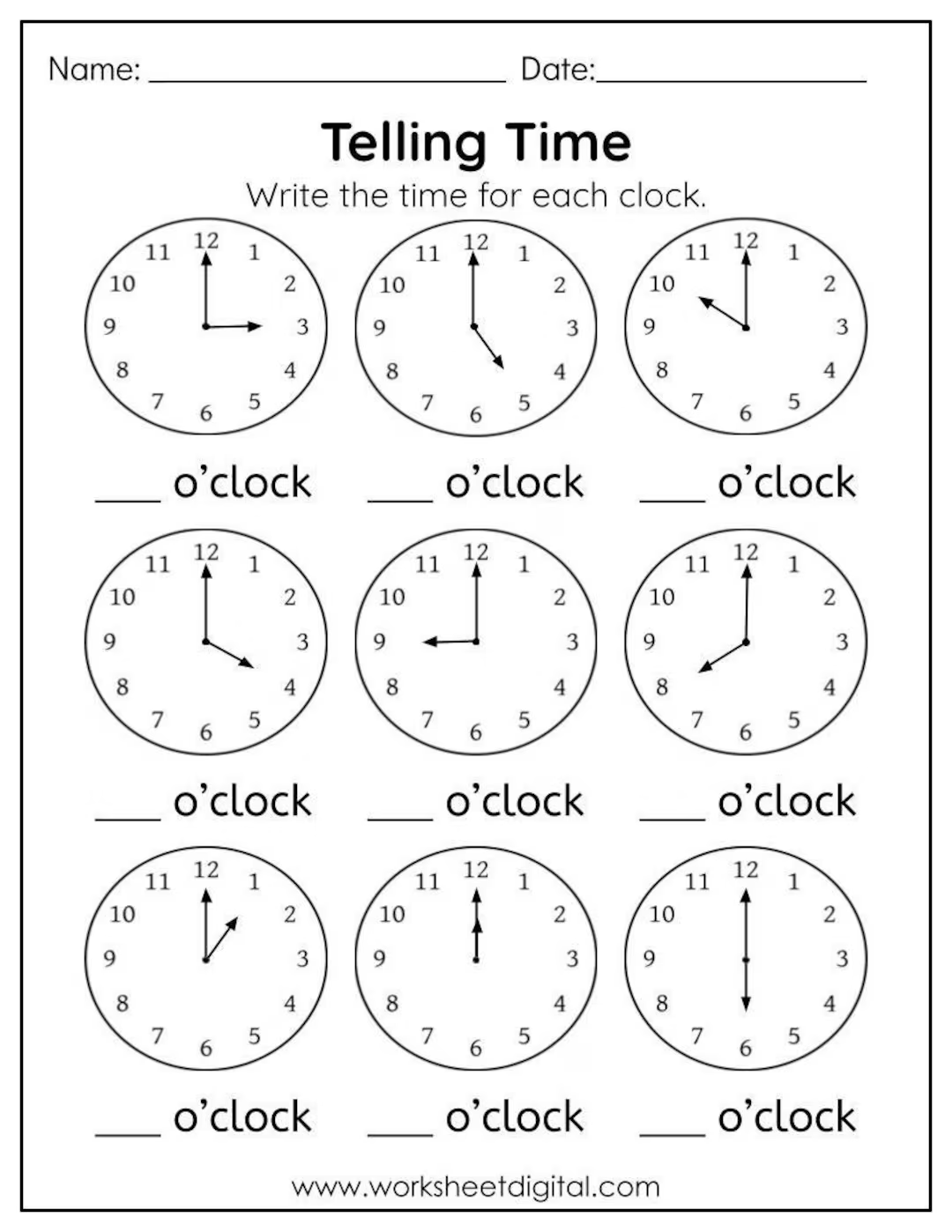
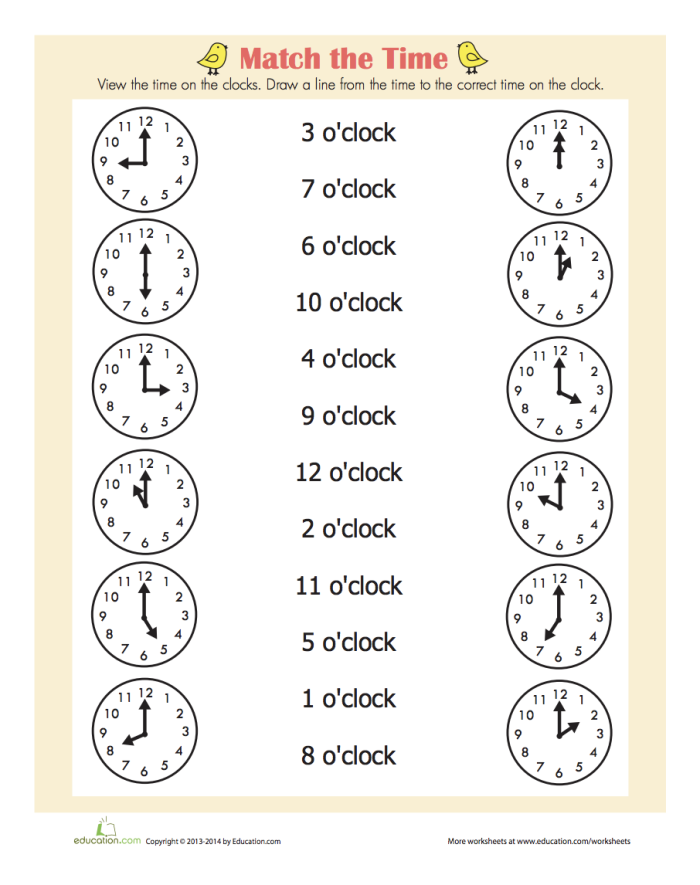
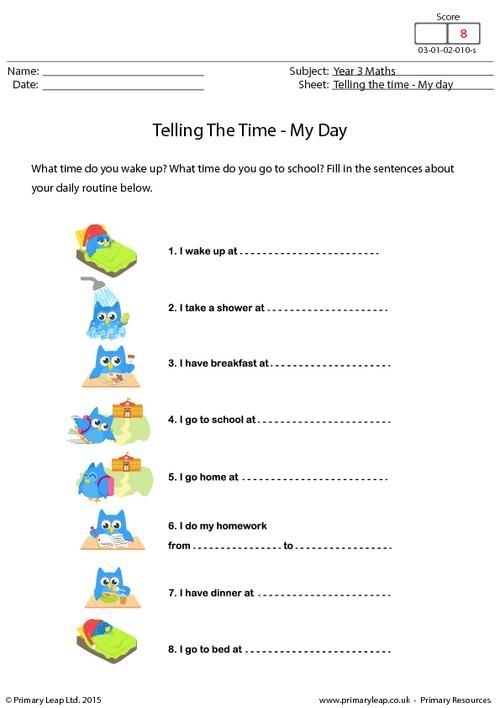
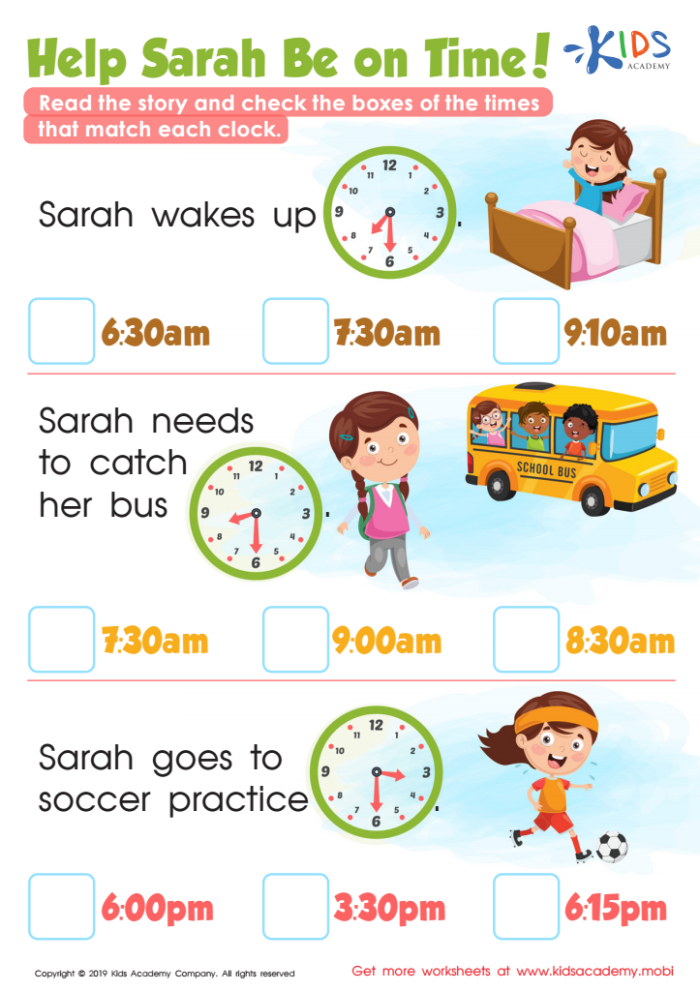
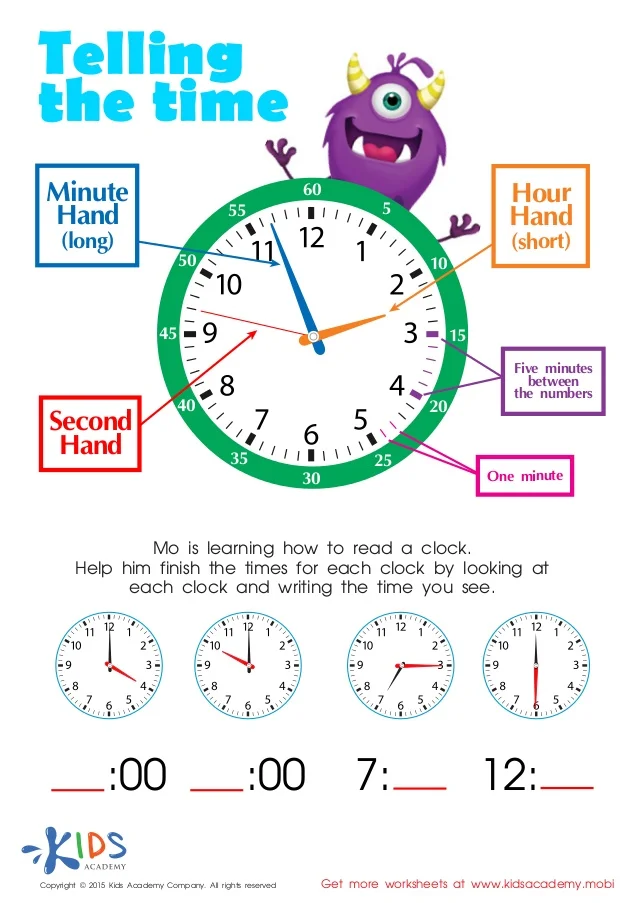
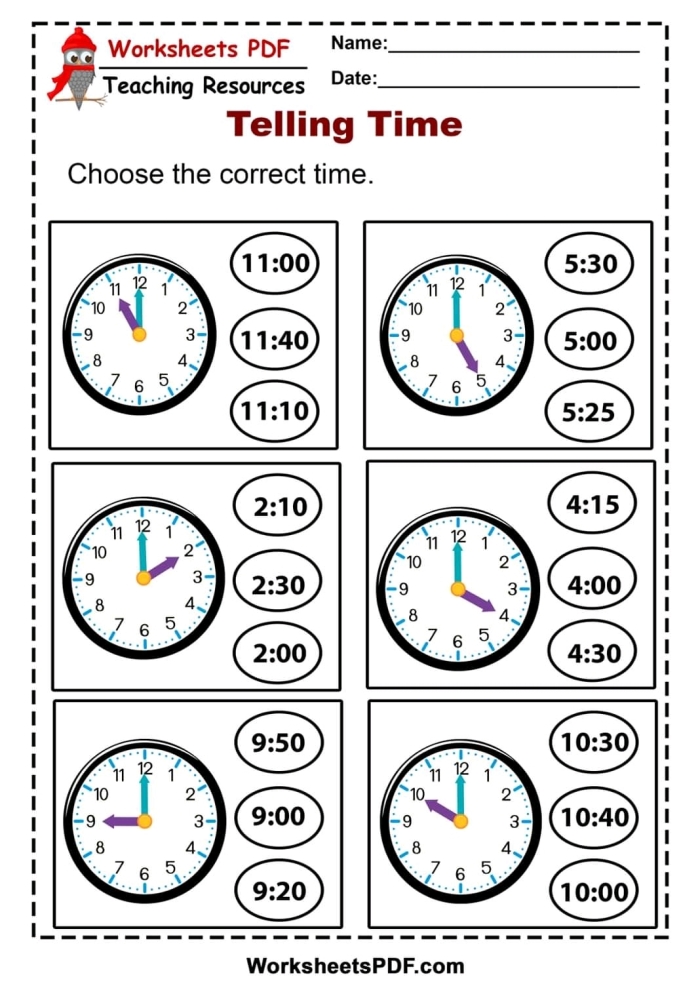
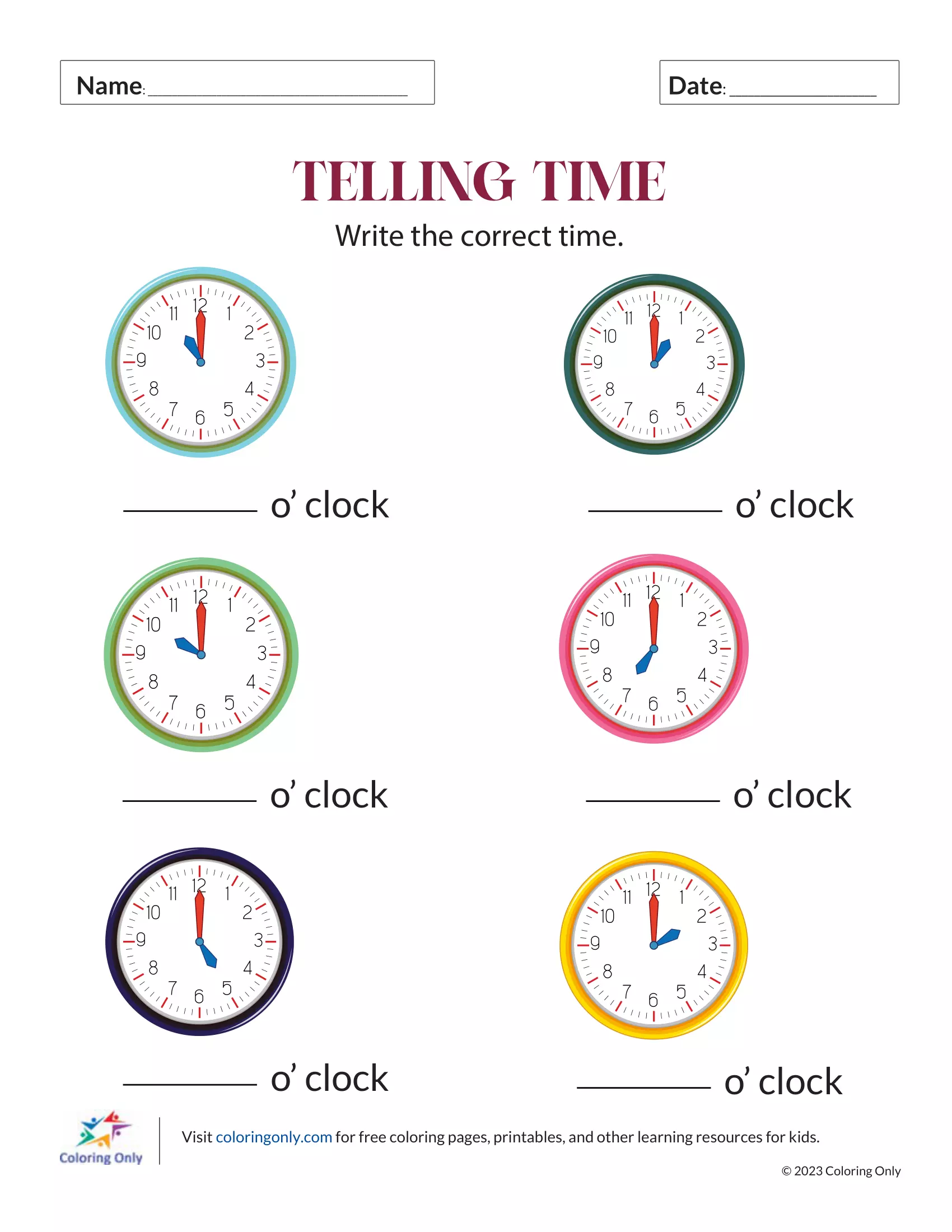
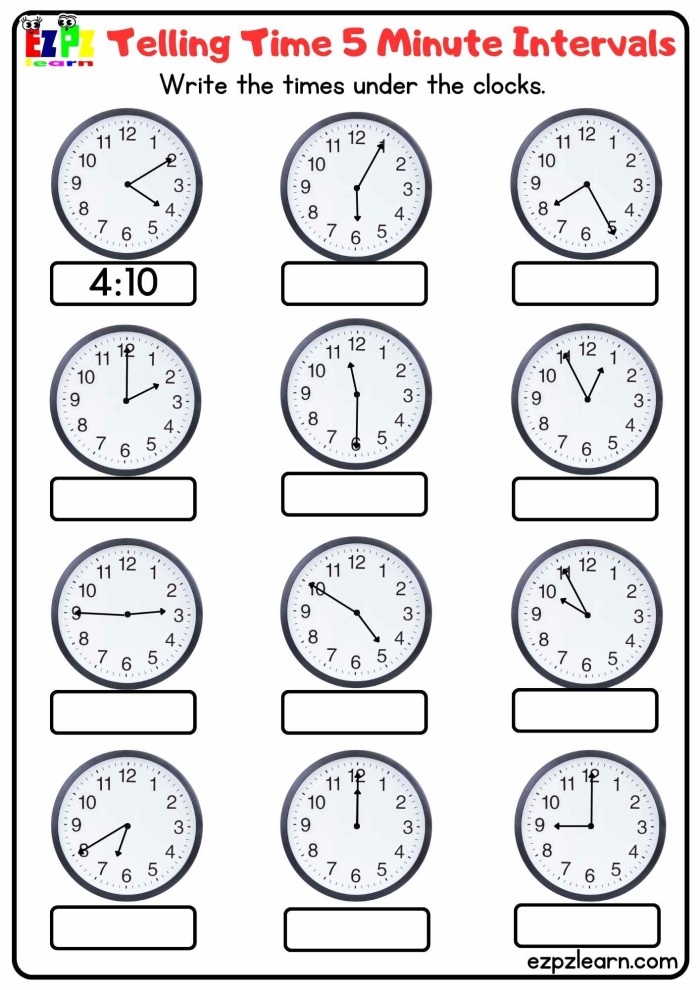
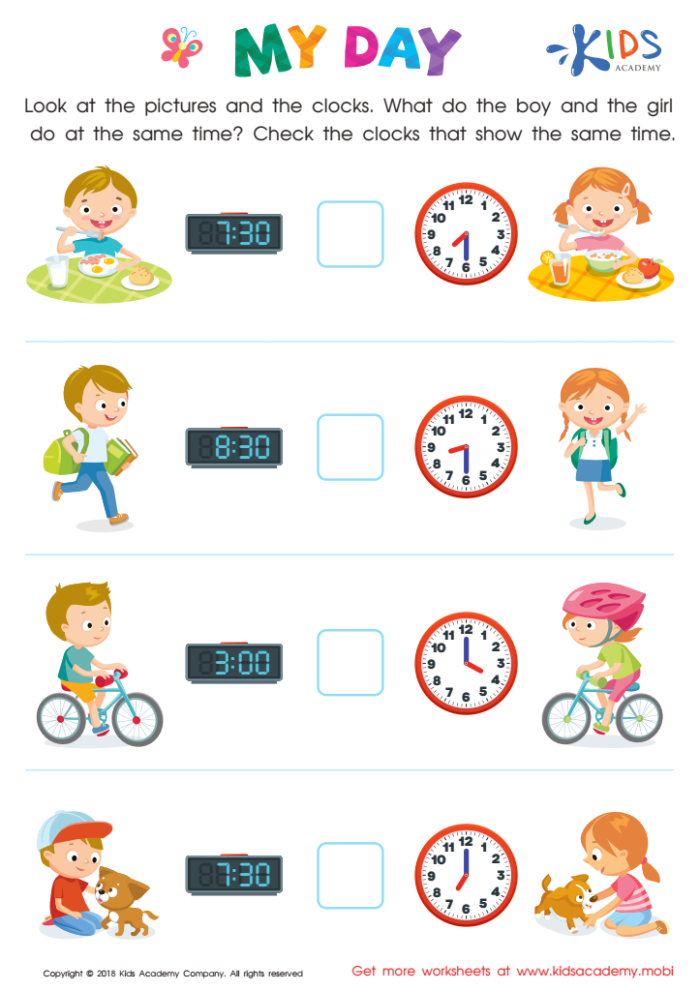
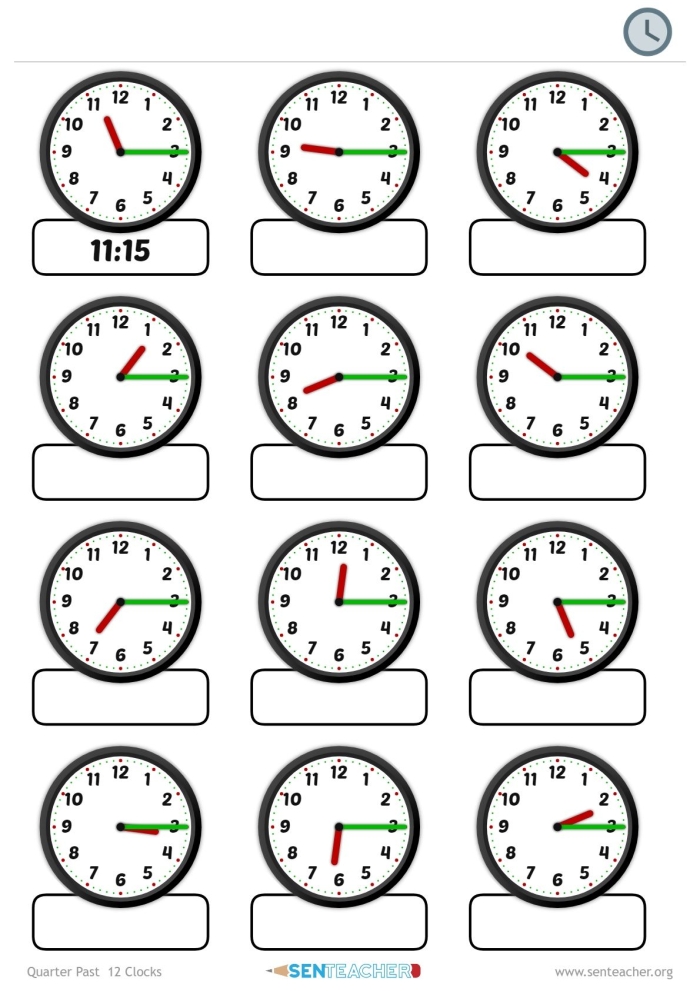
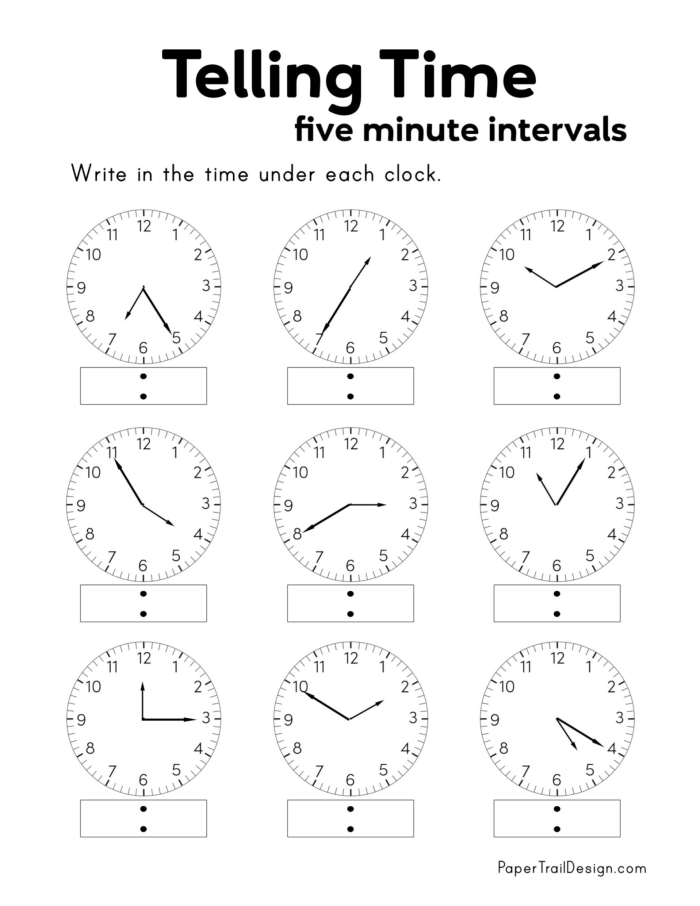
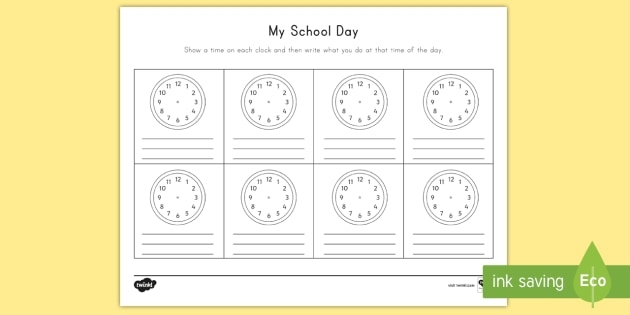
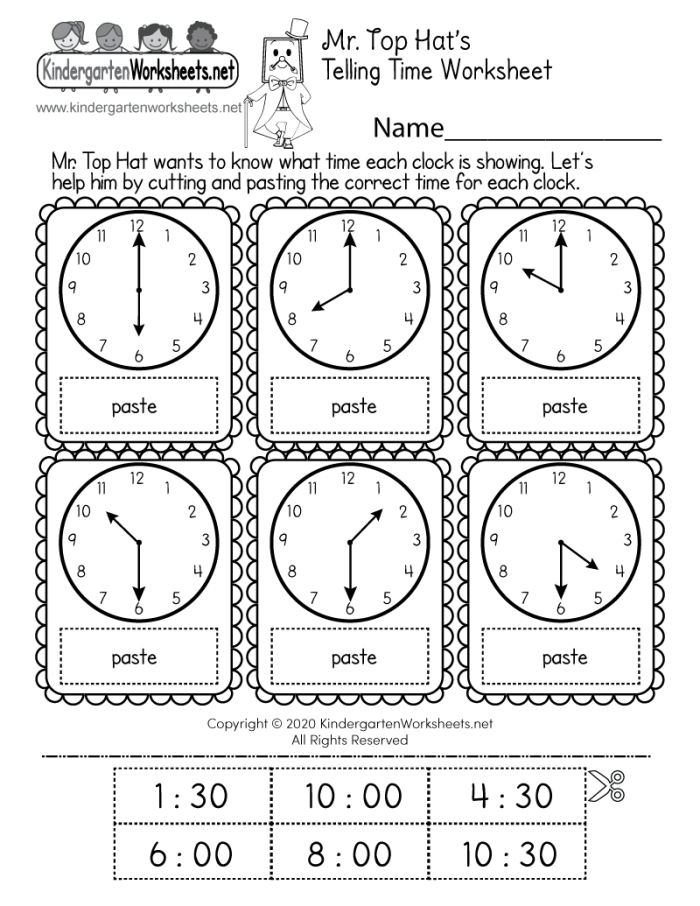
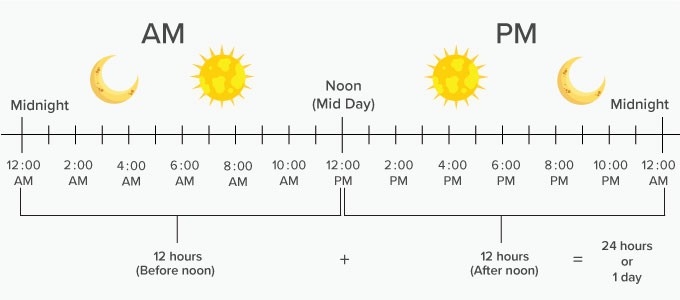
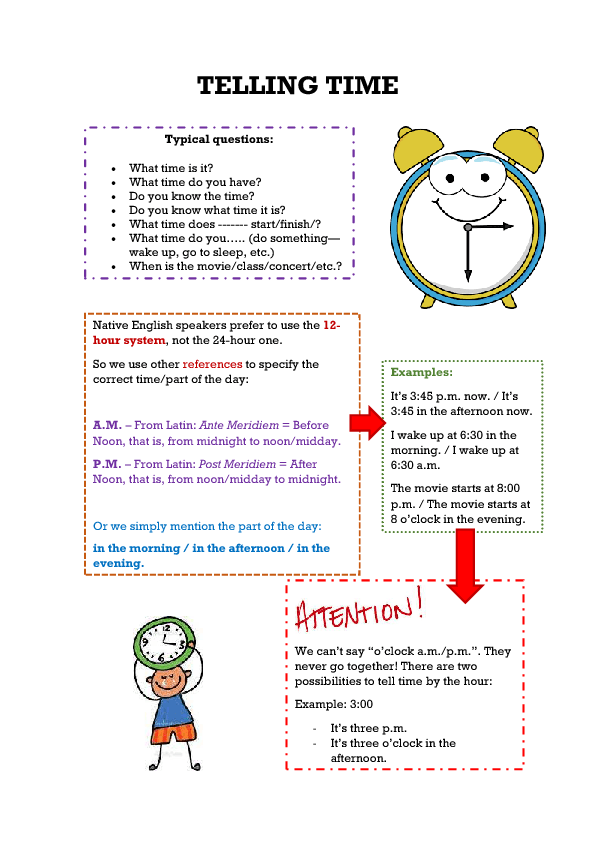
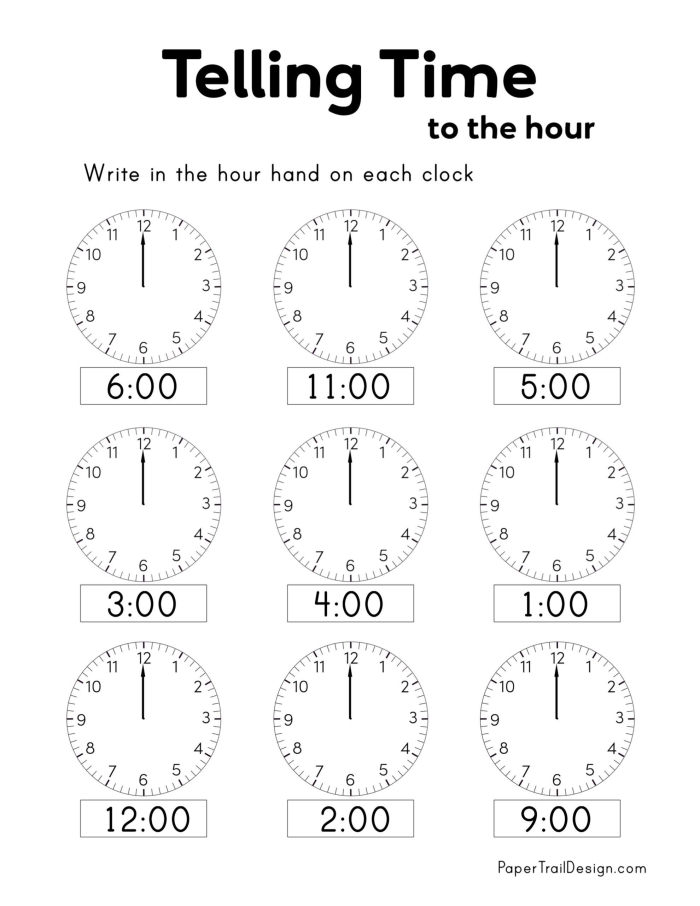
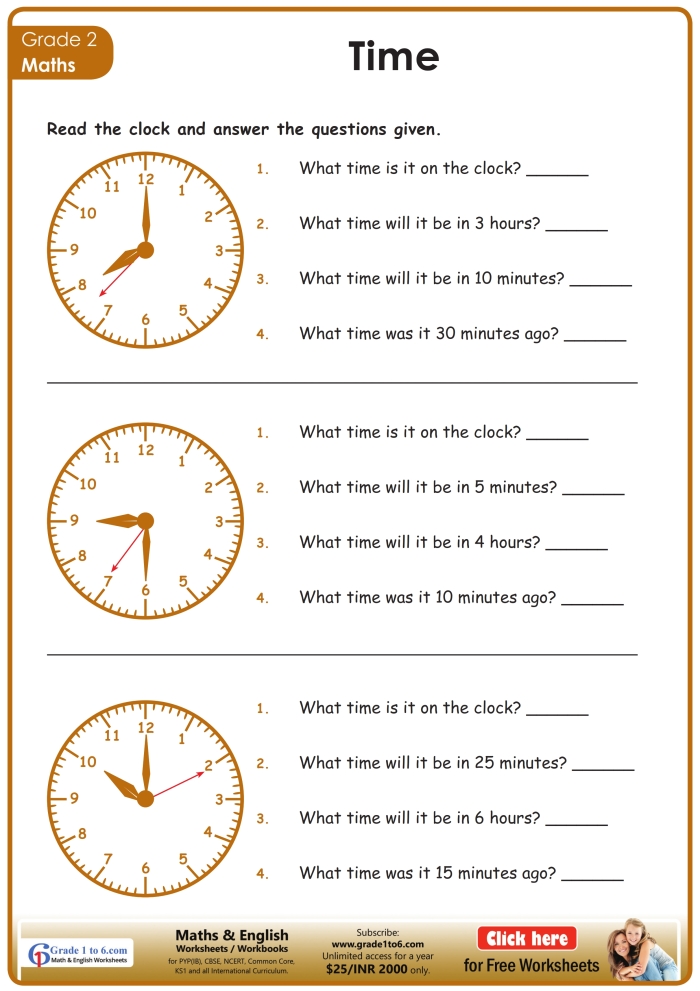
Drawing clock hands to show daily activities is one of the most practical ways second graders learn to tell time. Instead of memorizing abstract numbers, children connect specific moments in their day to the position of clock hands, making the skill stick in their memory.
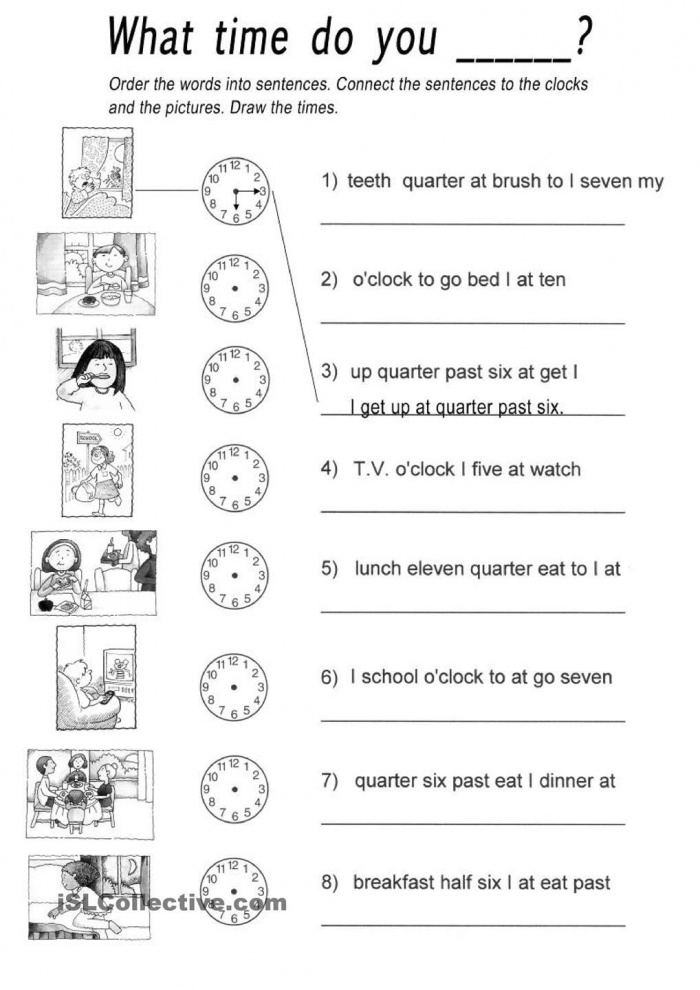
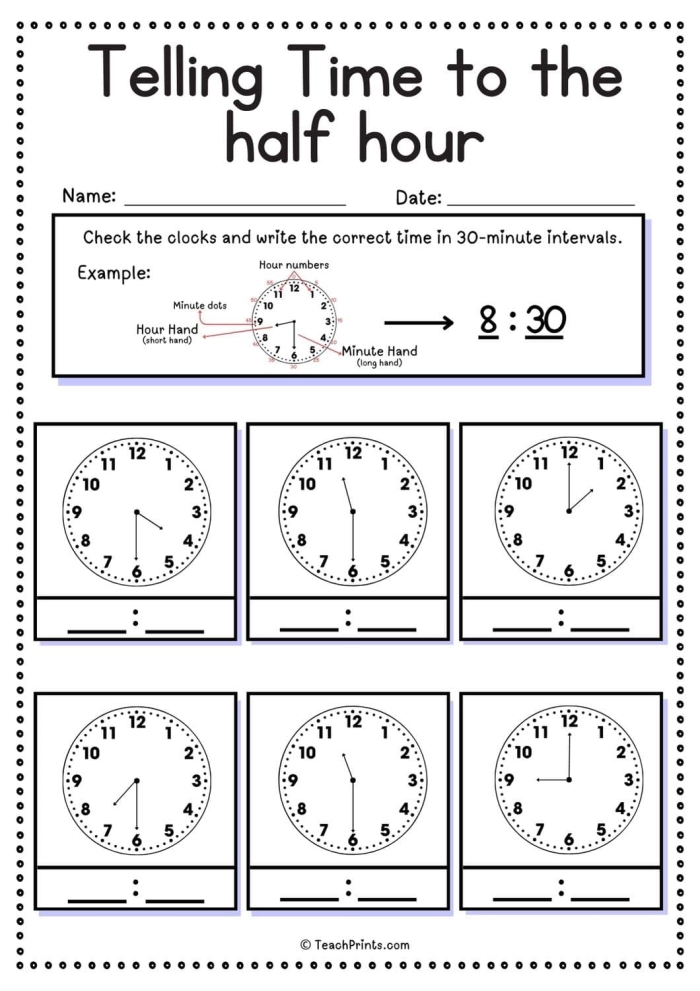
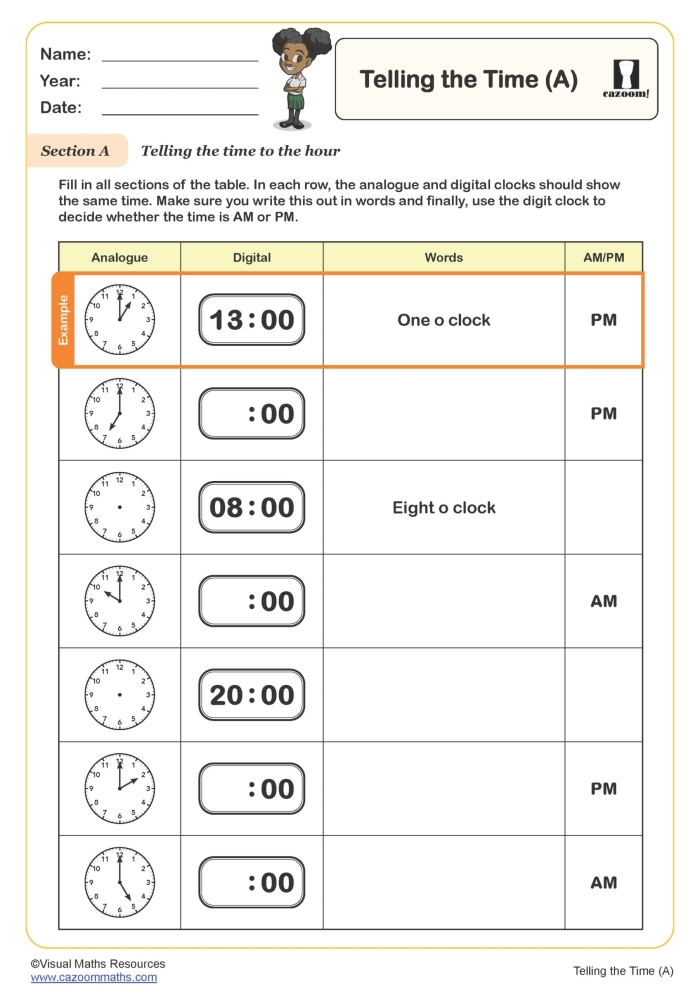
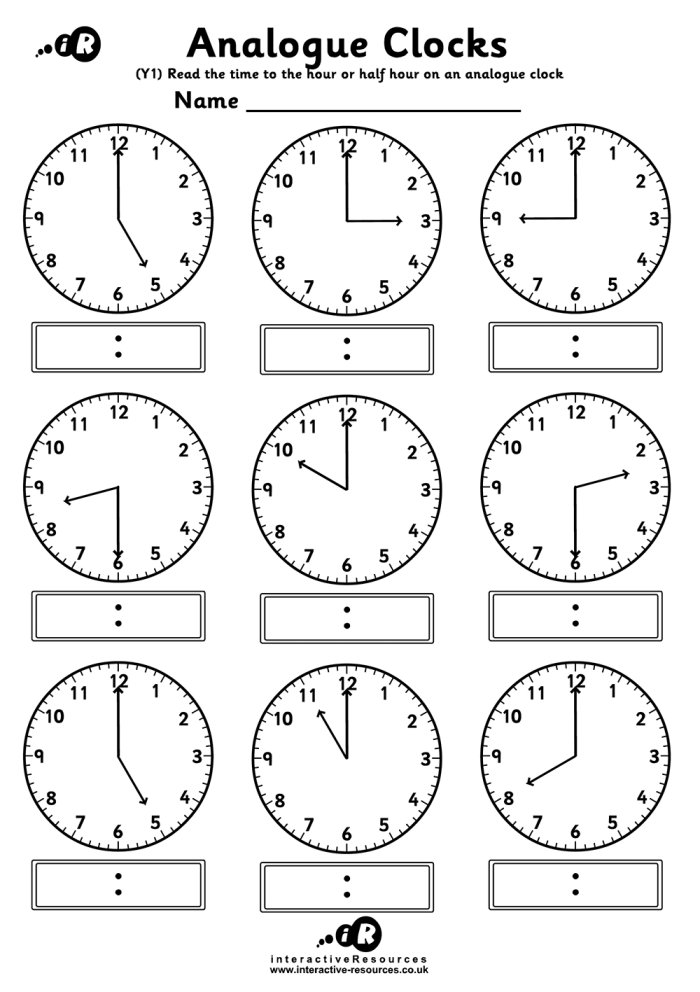
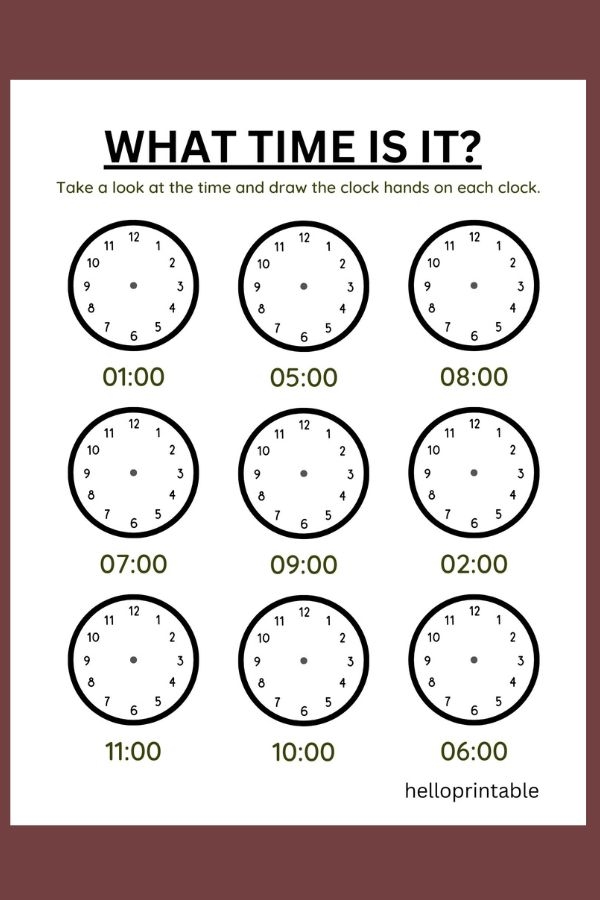
The activity works like this: a student receives a worksheet with blank clock faces and a list of daily events. They might see “eating breakfast at 7:30” or “playing at recess at 10:00,” then draw the hour and minute hands in the correct positions. This direct link between real-life moments and clock reading transforms what could feel like a boring math lesson into something meaningful.
Teachers often use this approach because it addresses a common struggle in second grade math. Kids understand that they eat breakfast in the morning and watch TV at night, but converting those activities into clock positions requires them to think about how time actually works. When a child draws hands showing 8:15 for brushing teeth before school, they’re not just completing an assignment—they’re building a mental map of their schedule.
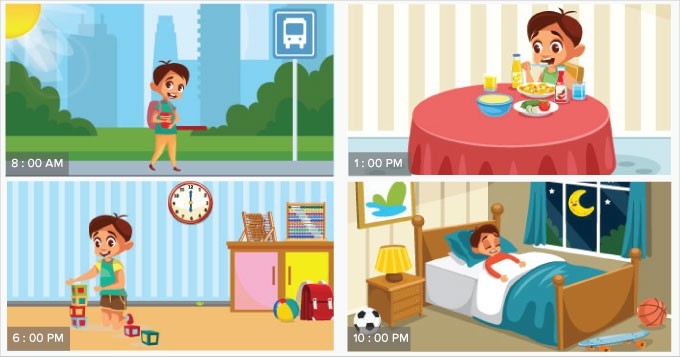
The worksheets typically include a range of activities throughout the day. Morning tasks like getting dressed appear alongside afternoon events like snack time, and evening activities like bedtime. This variety keeps students engaged while reinforcing the same skill repeatedly.
Pairing this activity with related learning strengthens overall literacy and comprehension skills. Resources like story comprehension exercises about daily routines help children understand sequence and cause-and-effect alongside time concepts. Similarly, pictograph activities involving number theory reinforce the counting skills necessary for reading clock faces accurately.
The beauty of this approach is its simplicity. Kids draw, practice, and internalize time concepts through their own lived experience rather than abstract instruction.
Try These Printable Worksheets