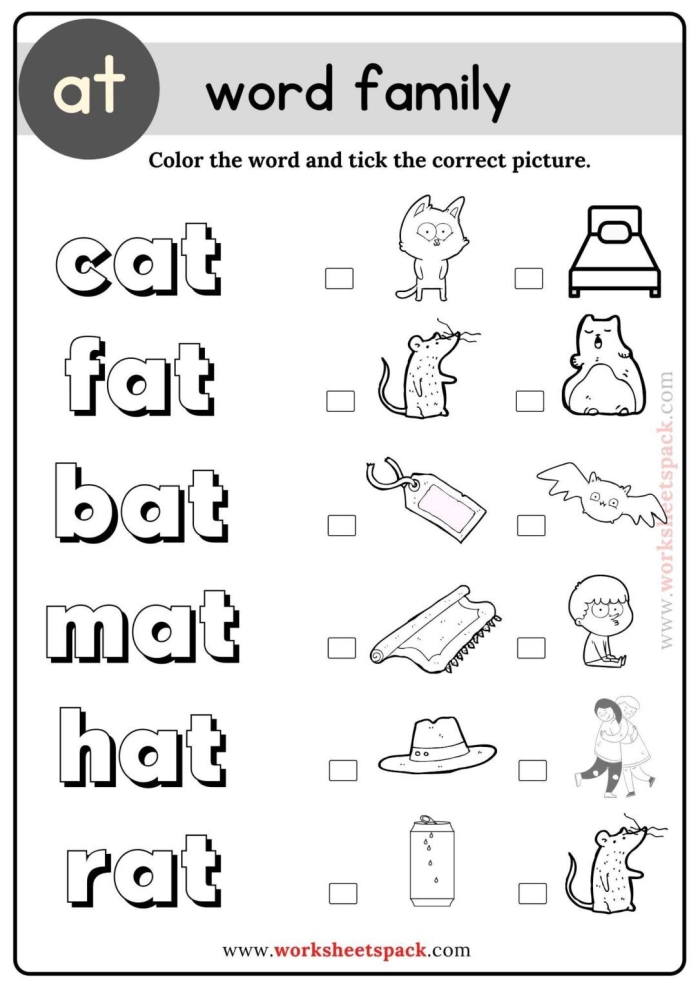
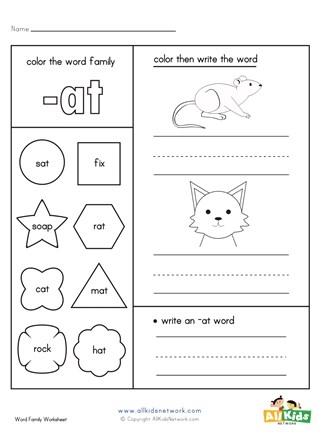
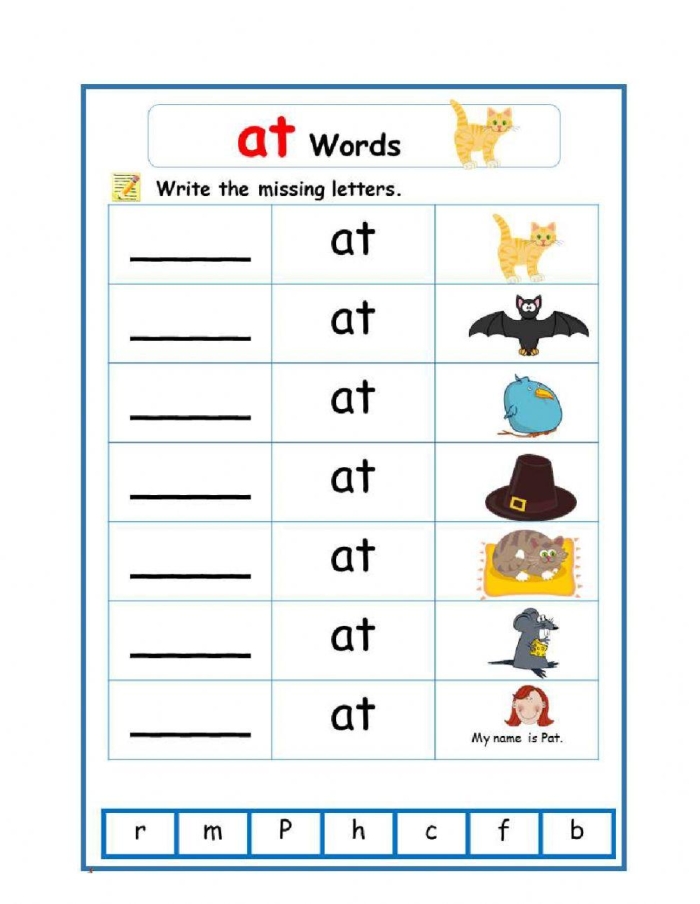
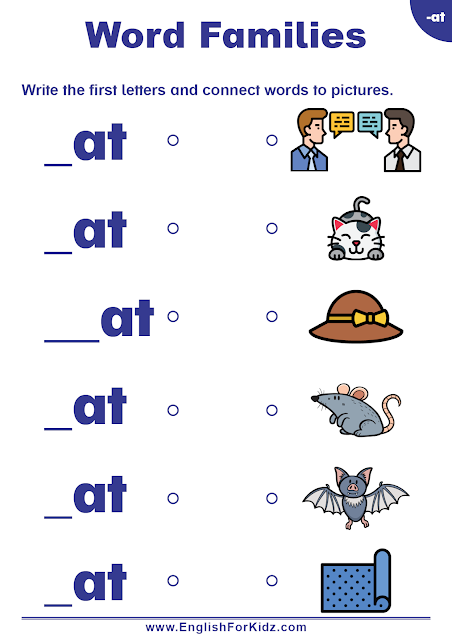
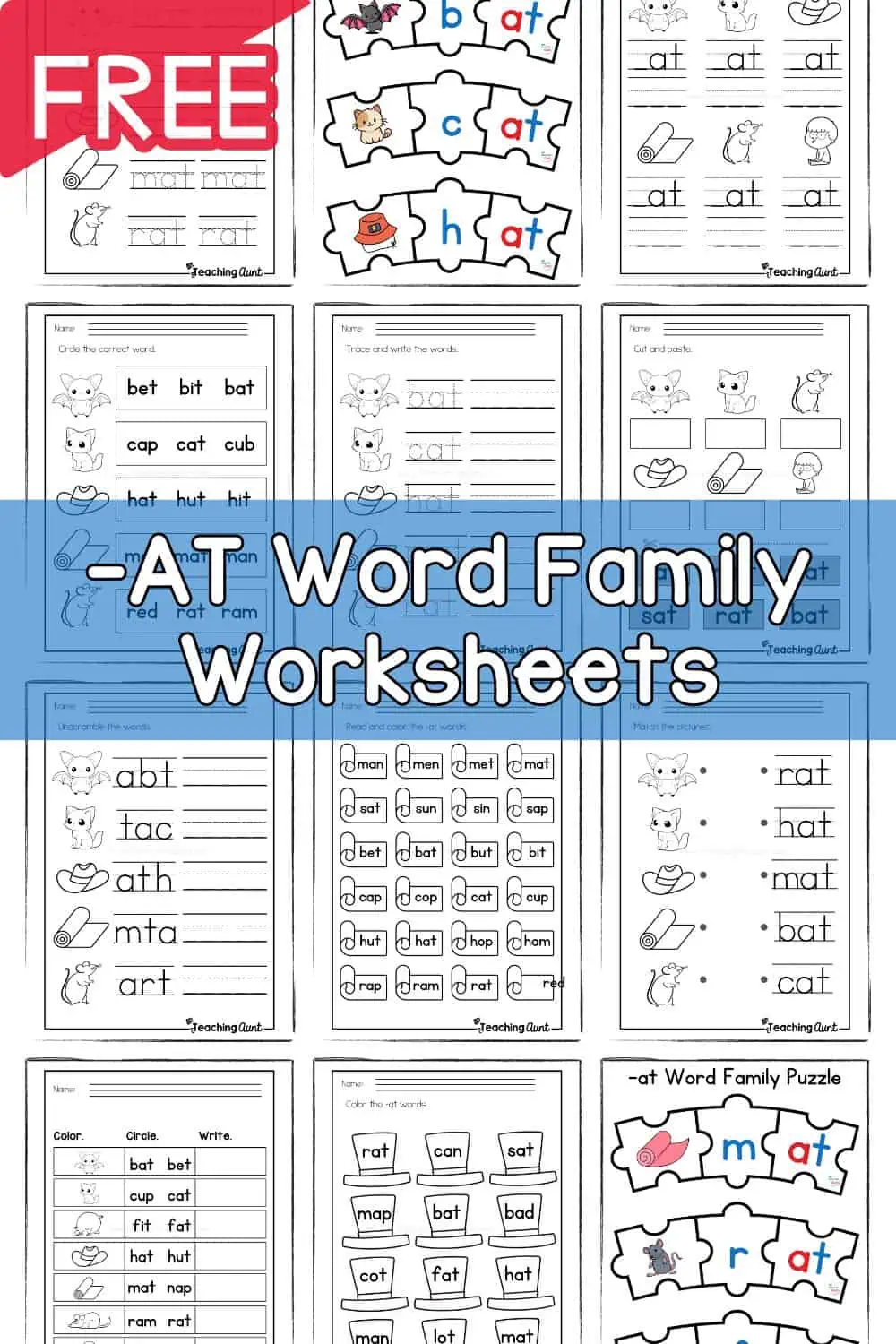
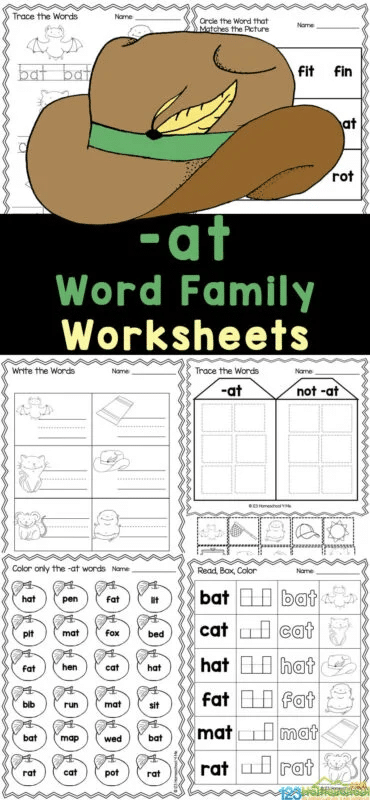
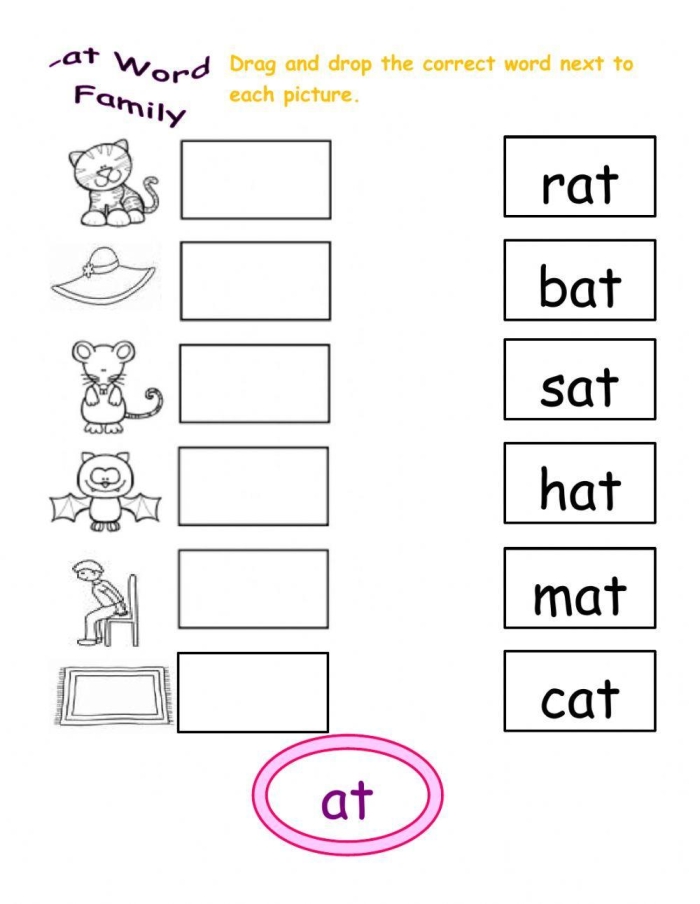
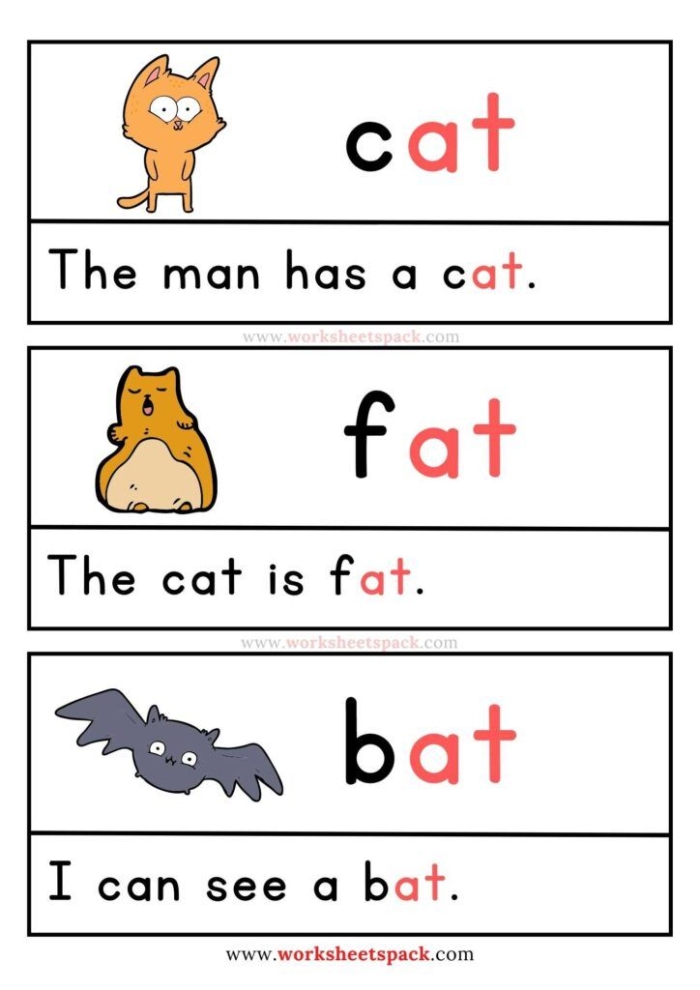
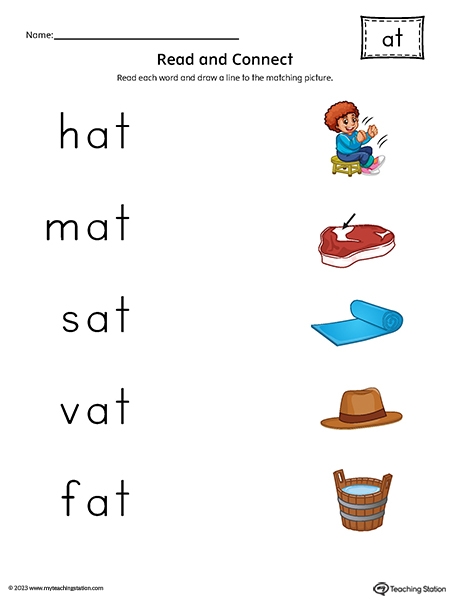
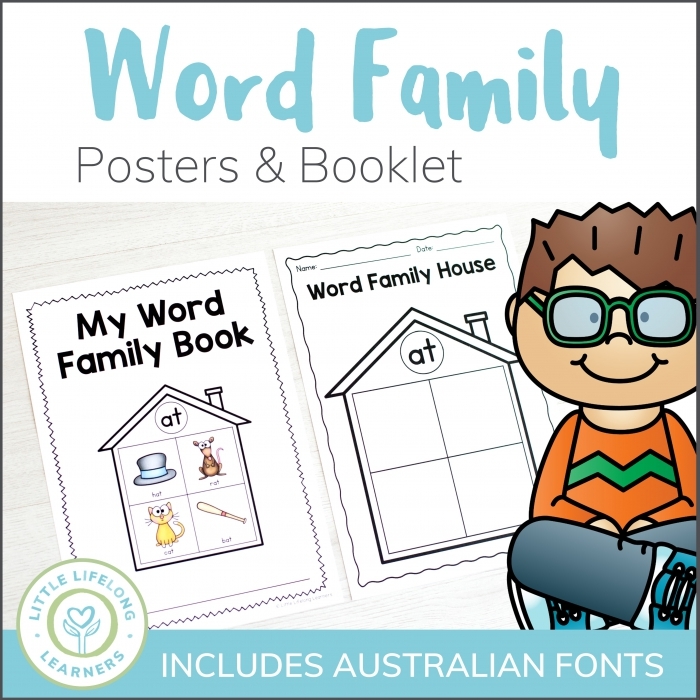
Building reading confidence in Pre-K starts with recognizing patterns, and word families are one of the most effective tools for doing that. The “at” word family gives young learners a concrete way to see how changing one letter creates new words, turning what could feel like memorization into actual pattern recognition.
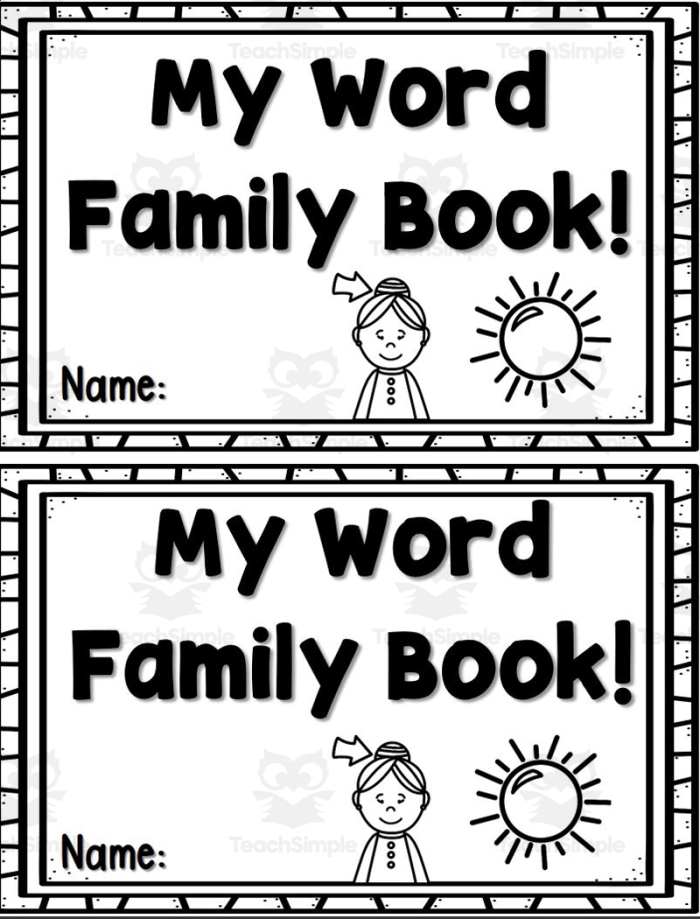
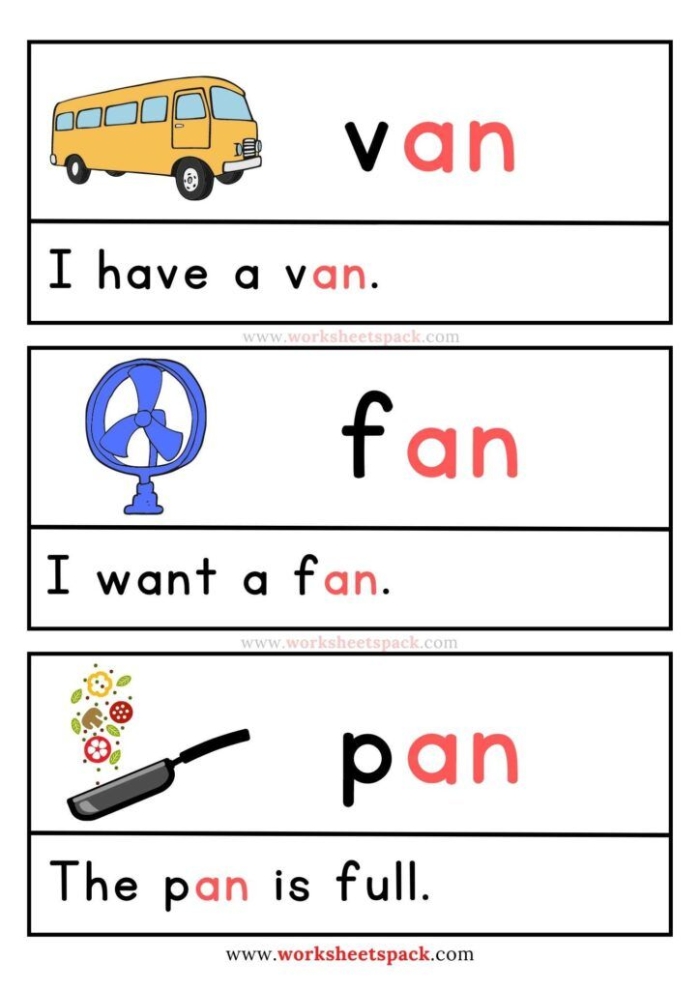
An assemble-yourself mini book puts this learning directly in children’s hands. Rather than passively viewing words on a worksheet, Pre-K students cut, fold, and arrange pages to create their own book filled with “at” words like cat, bat, mat, sat, and hat. The physical act of building reinforces the words they’re learning. Each page typically features one word family member paired with a simple illustration, making the connection between the written word and its meaning immediate and visual.
This hands-on approach works because young learners retain information better when they’re actively involved in creating something. They’re not just reading the words, they’re handling them, organizing them, and taking ownership of the finished product. Many children keep their mini books and return to them repeatedly, which means more exposure to the word pattern without it feeling like drill work.
The mini book format also makes it portable. Children can take their creation home to read with family members, extending the learning beyond the classroom. Parents appreciate having a concrete artifact that shows what their child is working on in reading instruction.
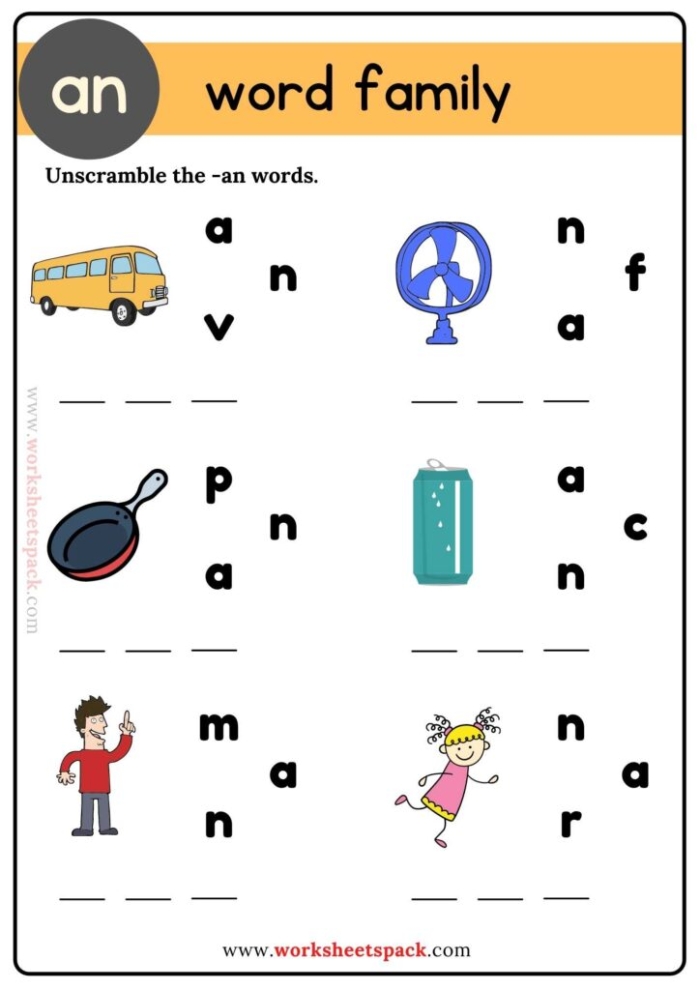
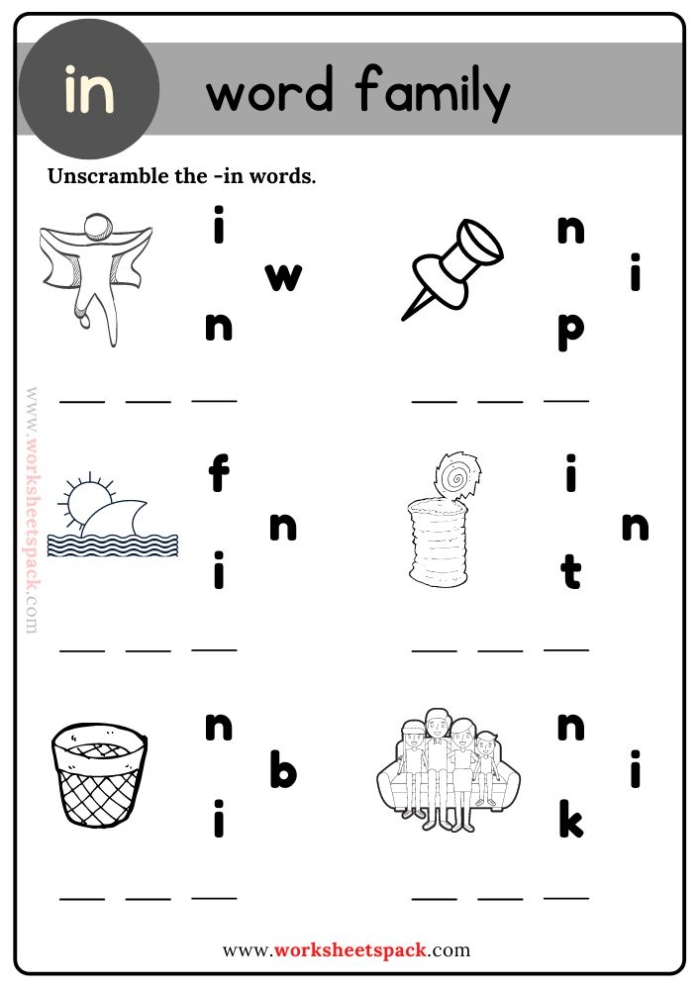
Word family activities like this build the phonetic foundation that supports reading development. Once children master the “at” family, they can apply the same pattern-recognition skill to other families like “og,” “ing,” or “ake,” accelerating their overall reading progress.
For educators looking to expand word family instruction, pairing activities with other reading resources and phonics-based practice creates a well-rounded literacy program that grows with students as they progress.
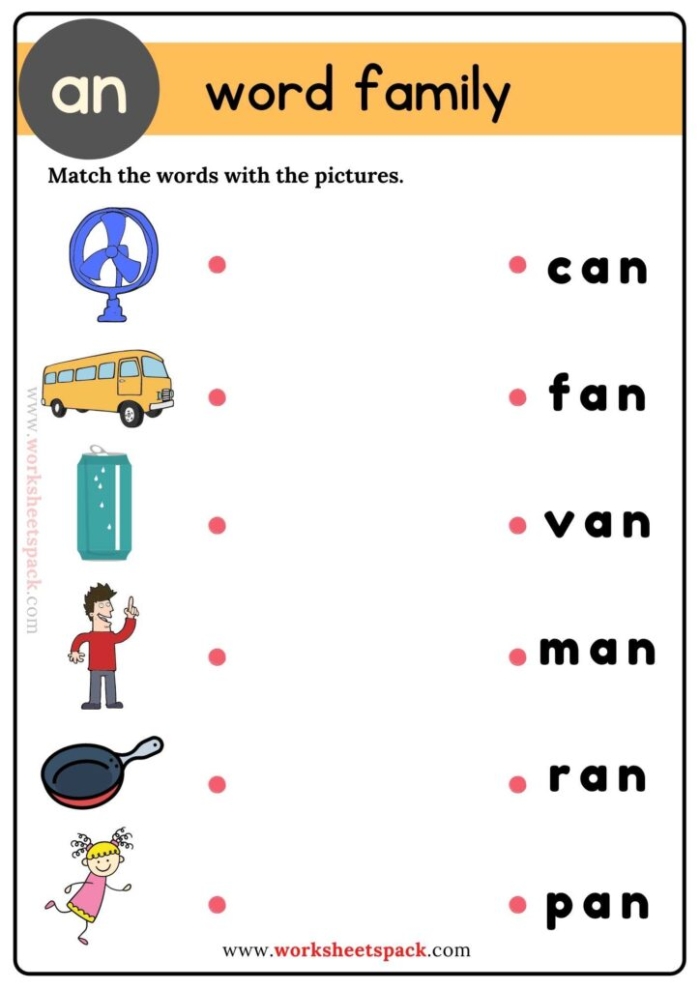
Worksheet Practice Section