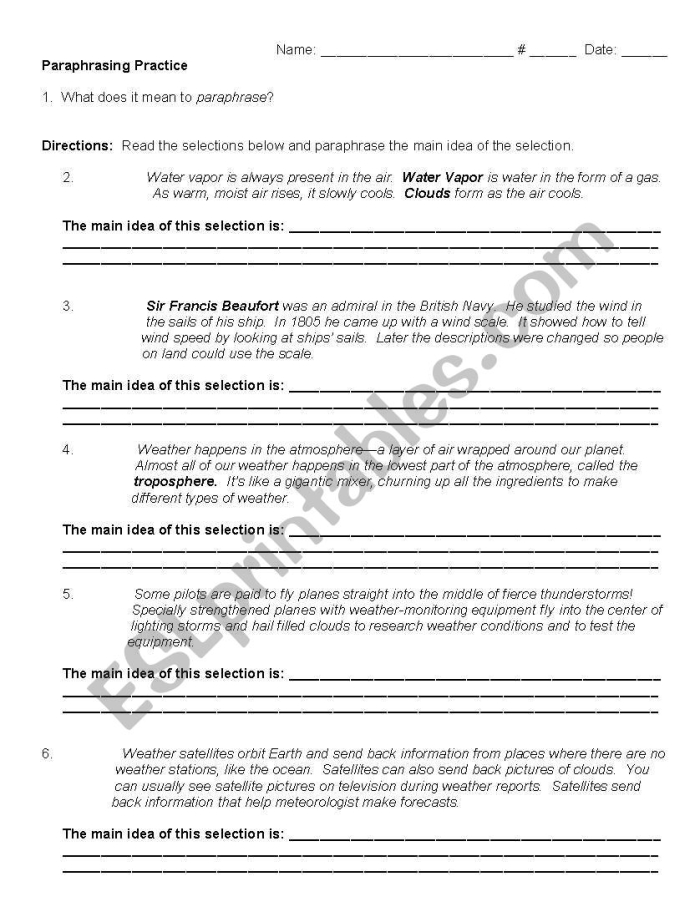
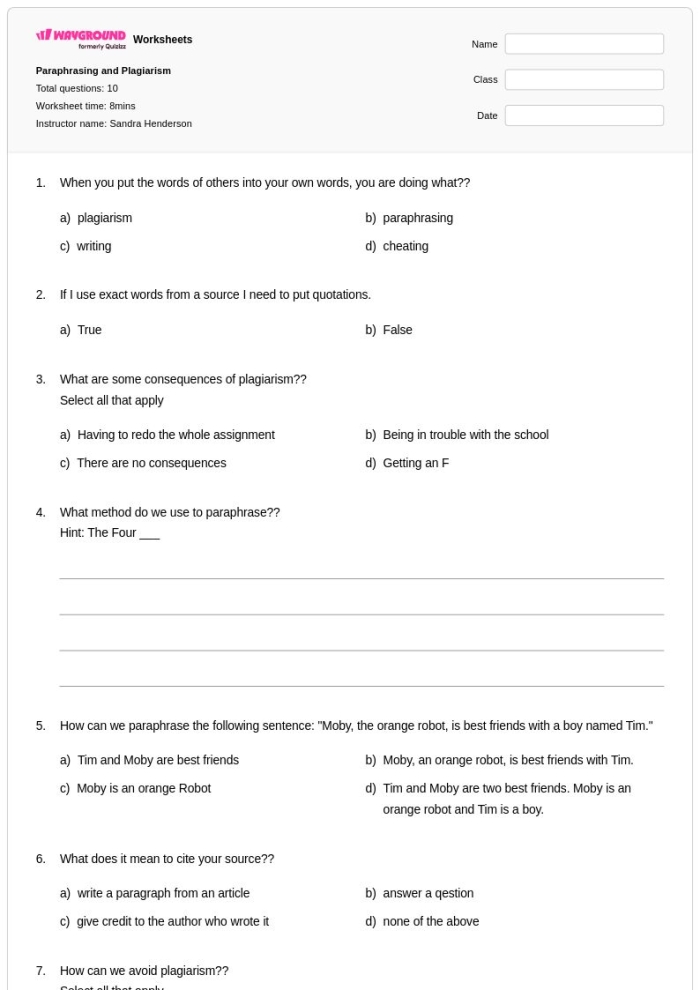
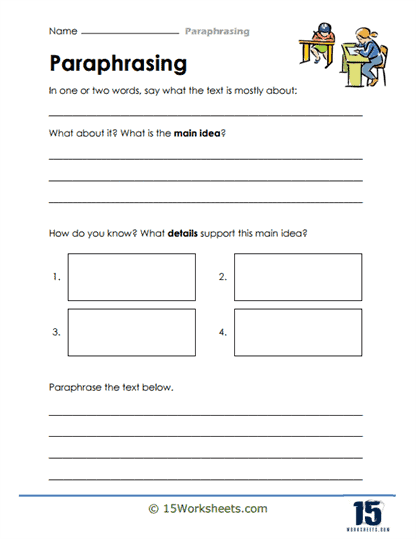
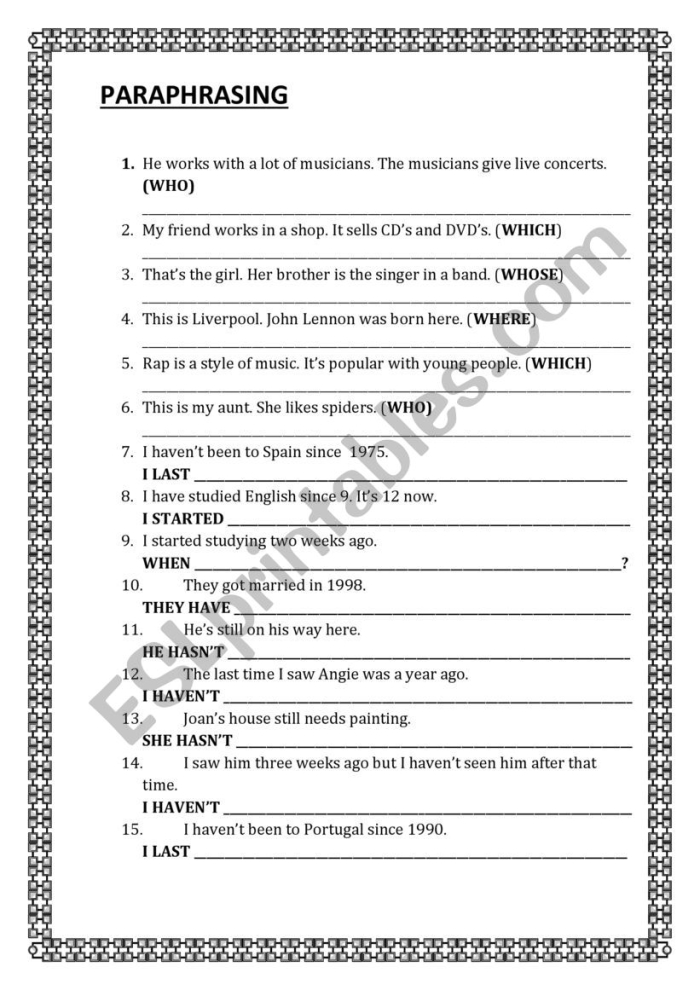
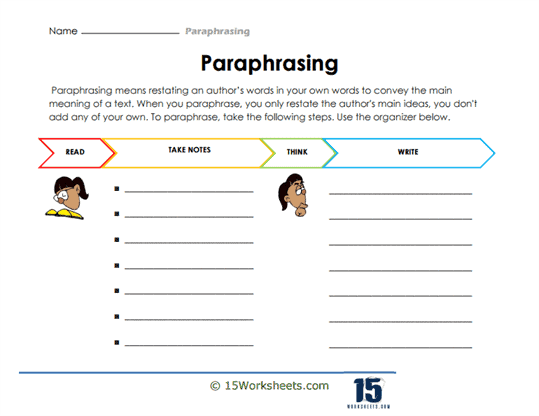
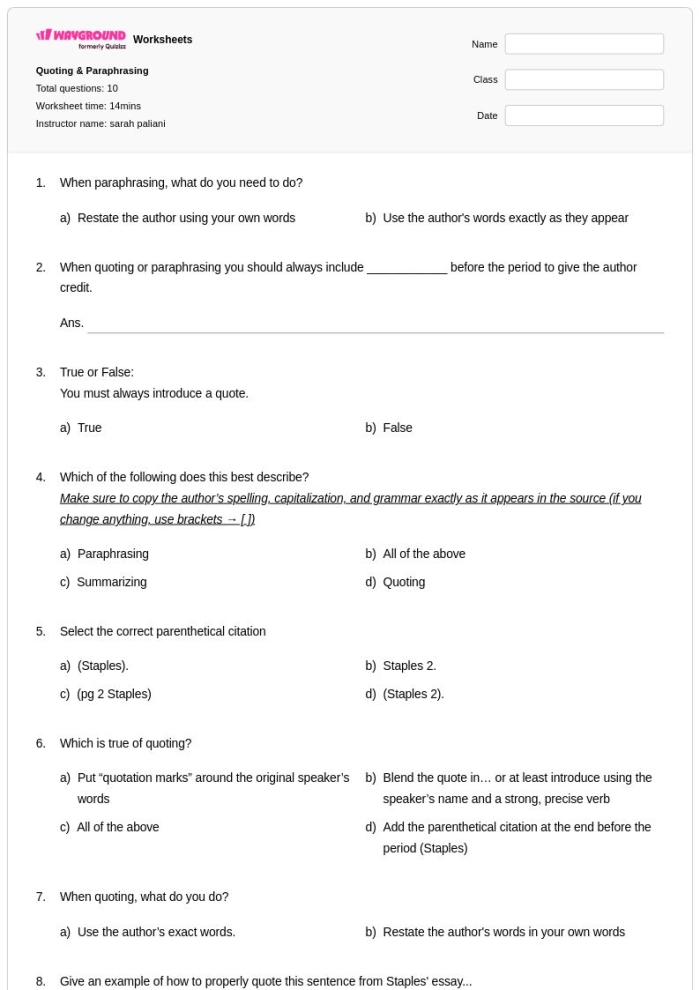
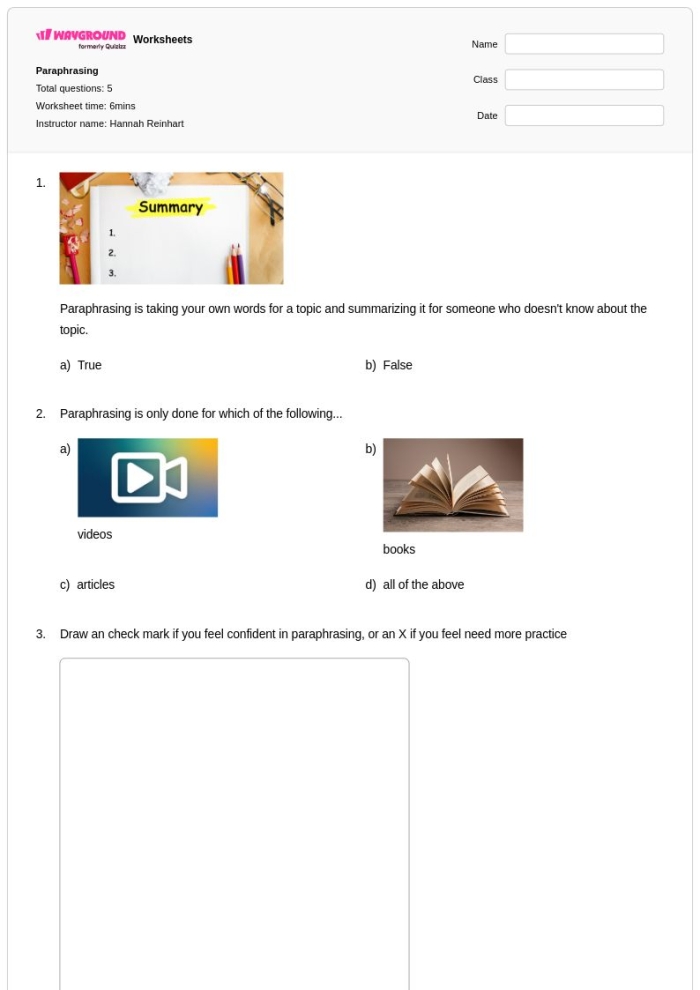
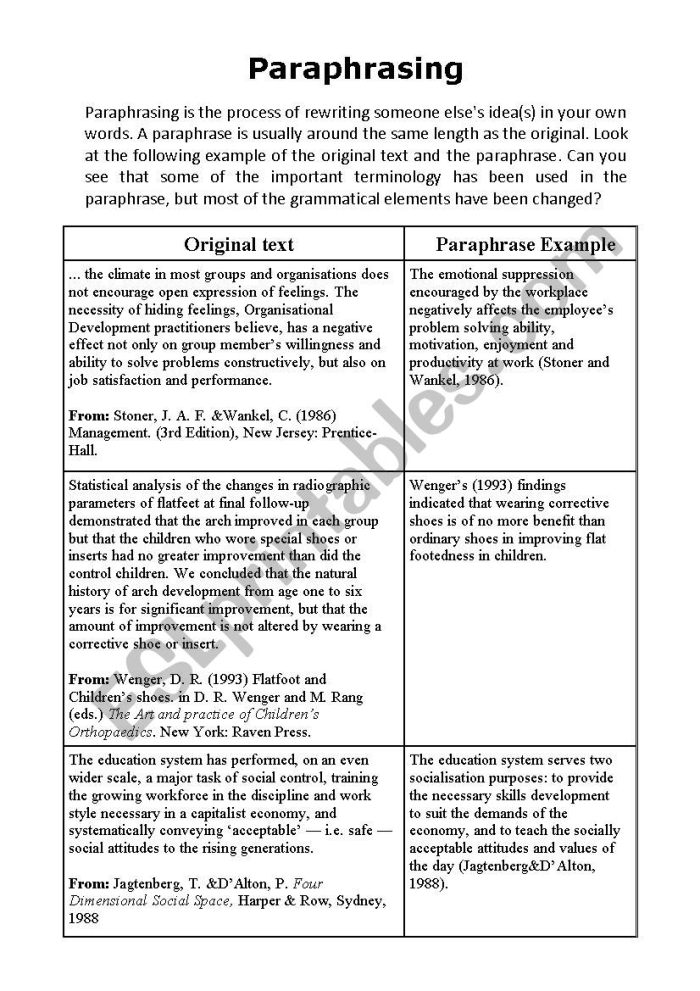
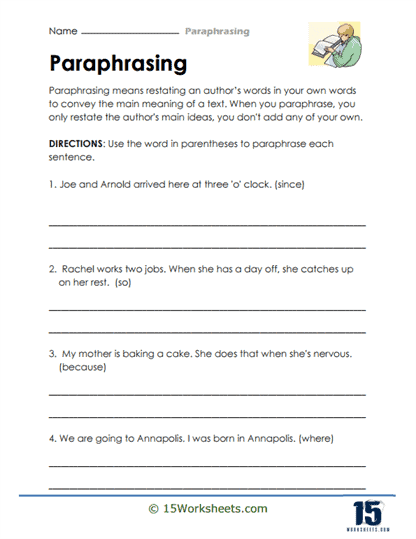
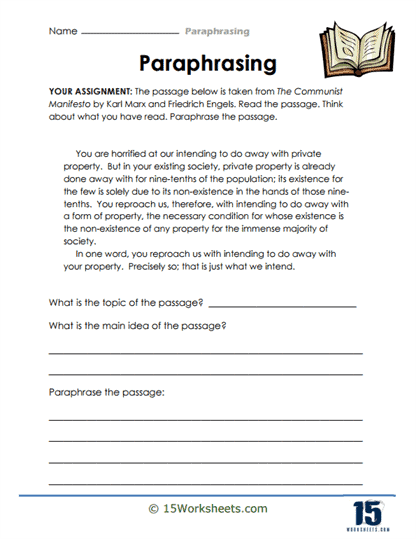
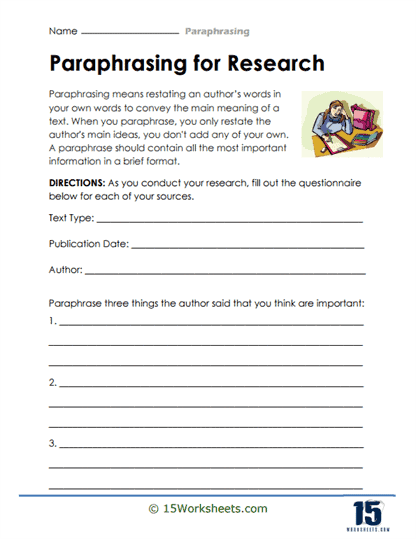
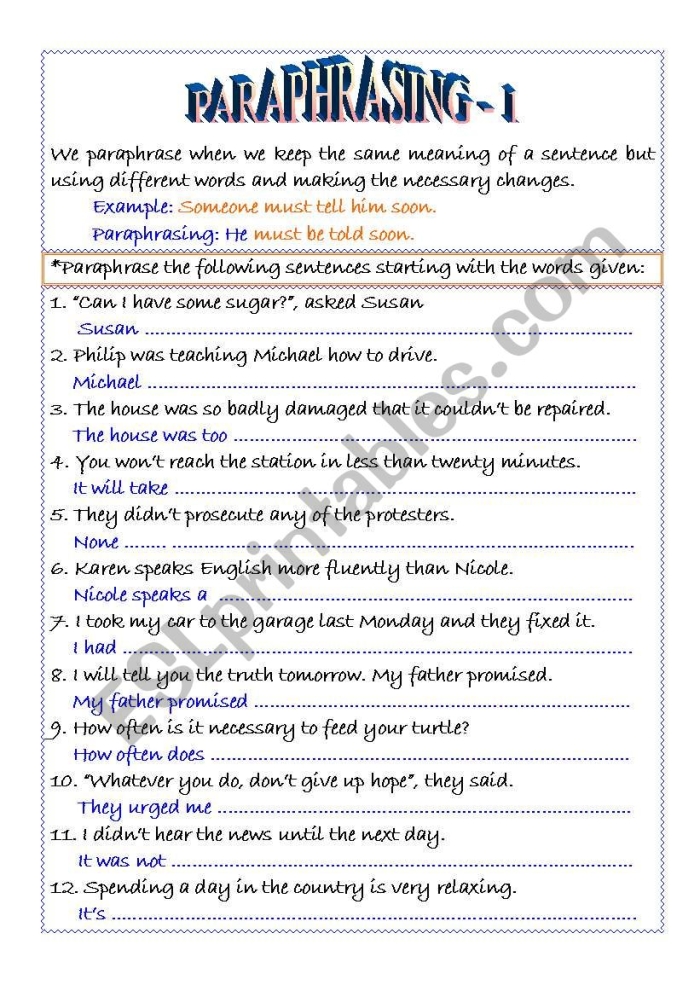
When your fourth grader encounters a dense paragraph or a long story passage, asking them to restate it in their own words does more than just confirm they read it. Paraphrasing forces them to process meaning, identify key ideas, and express those ideas clearly. This skill sits at the heart of reading comprehension because it requires genuine understanding rather than simple word recognition.
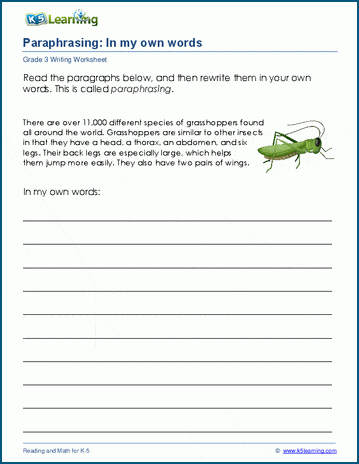
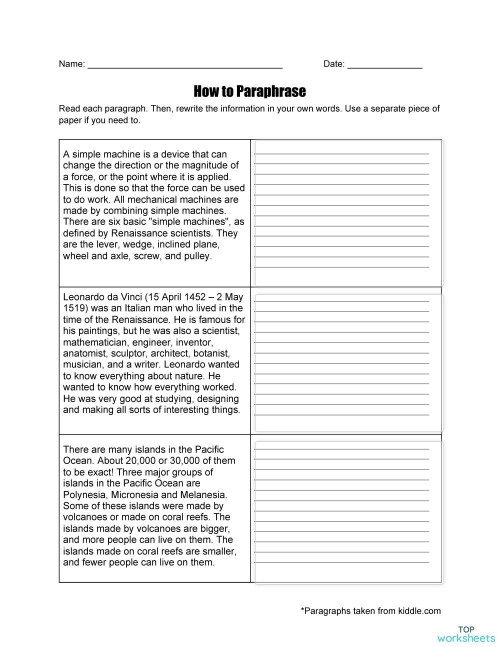
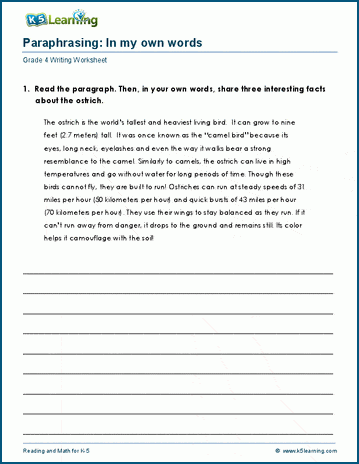
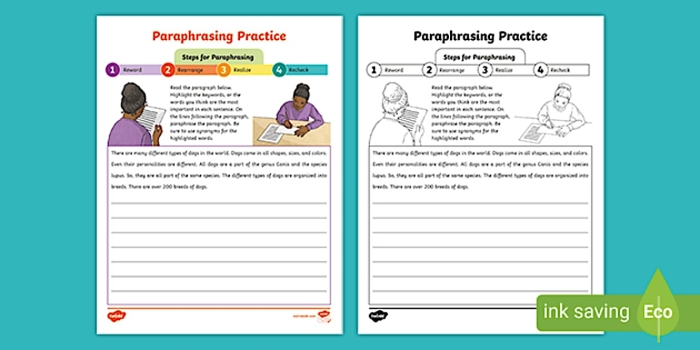
The beauty of paraphrasing lies in its simplicity. Your child reads a passage, sets it aside, and then writes or tells you what it was about without looking back. They don’t need to capture every detail or match the original wording. Instead, they extract the main point and explain it as if teaching someone else. This active engagement transforms passive reading into purposeful learning.
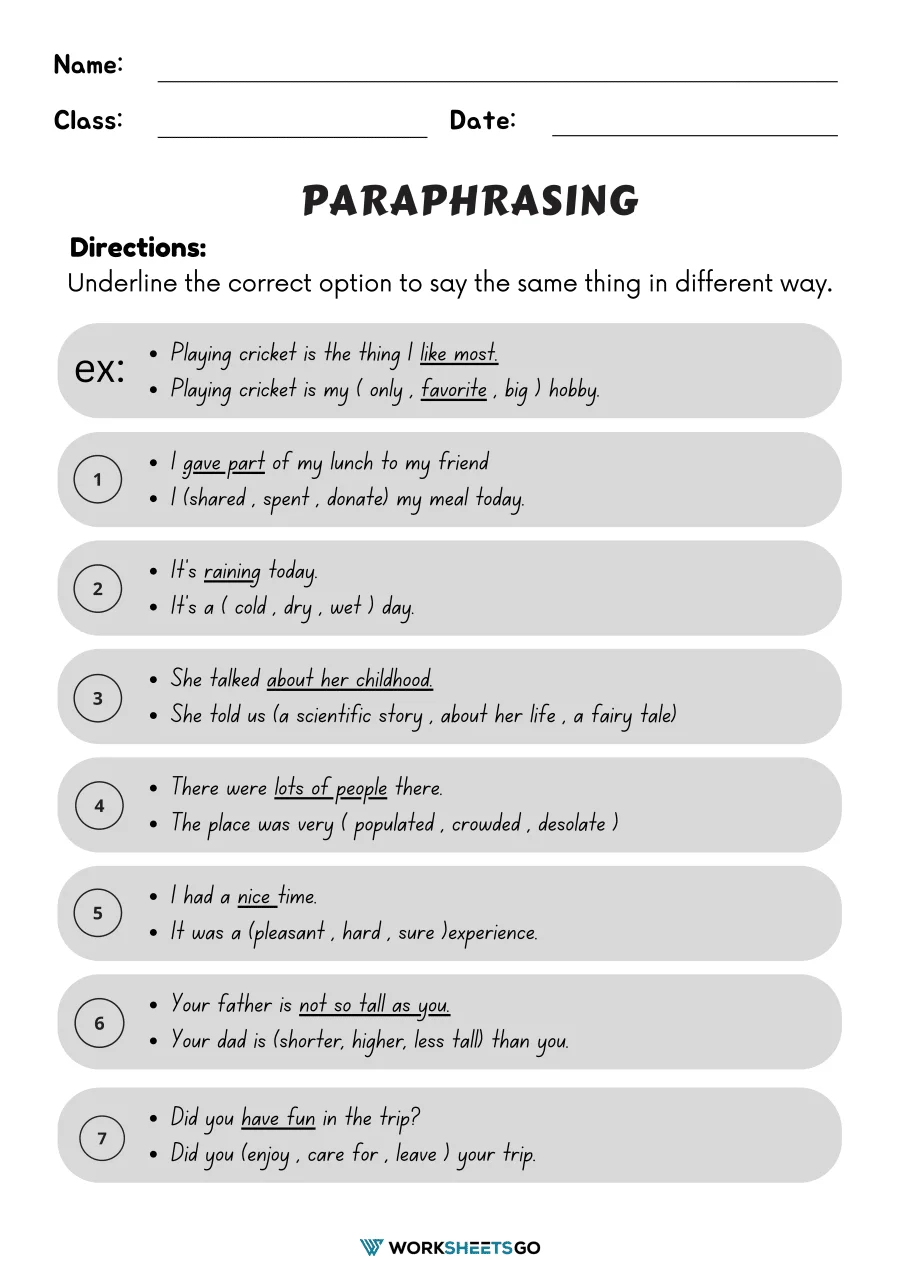
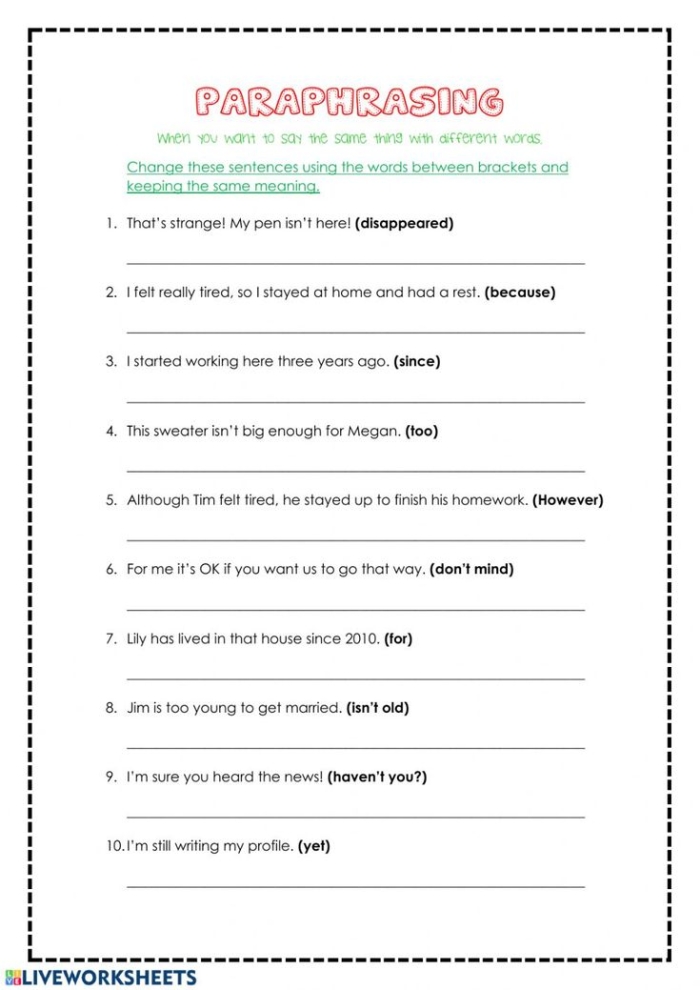
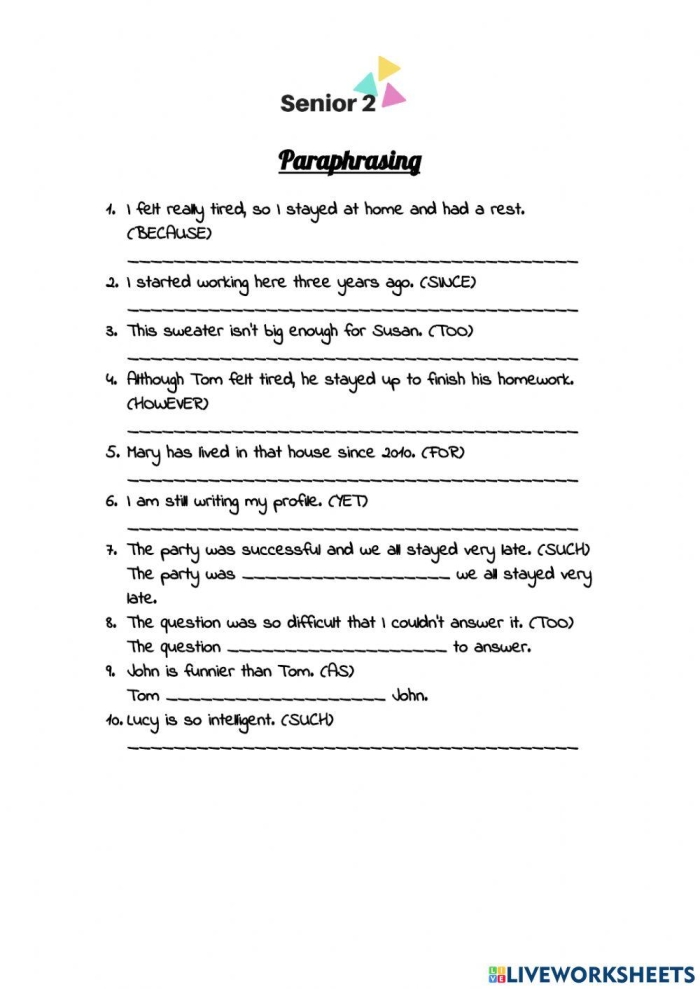
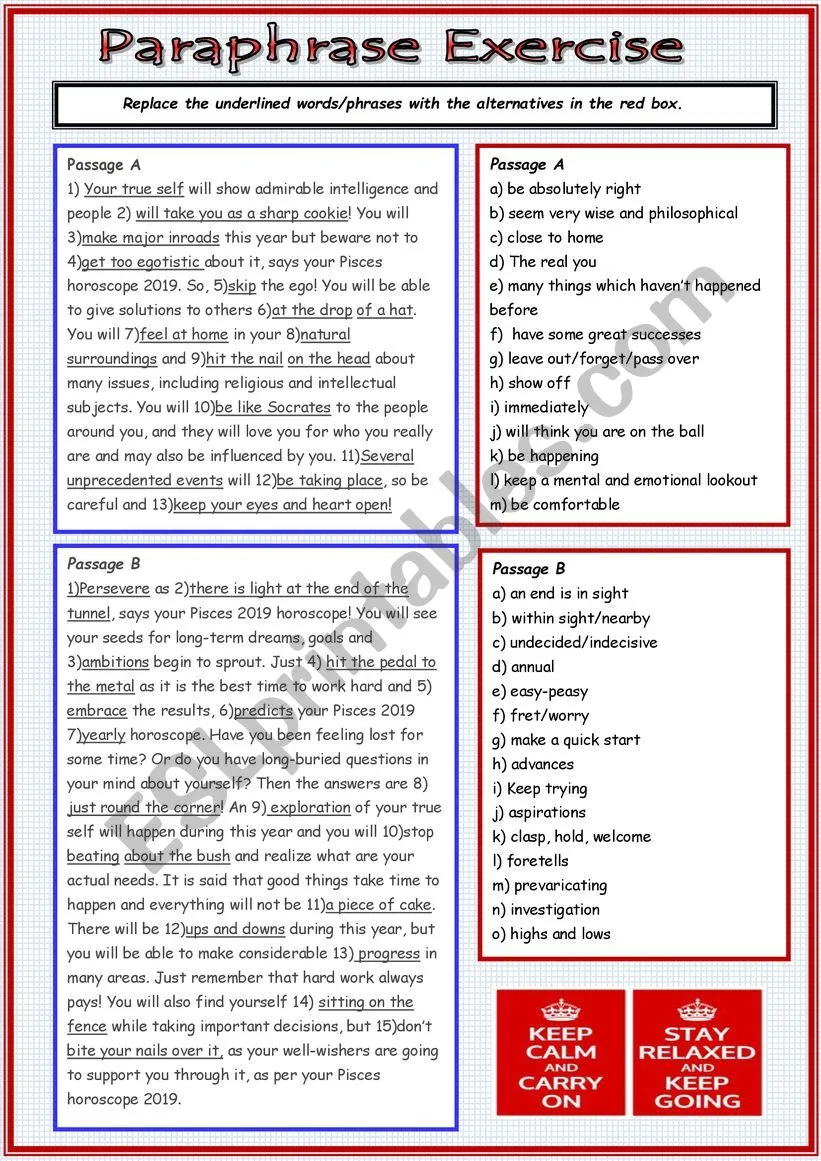
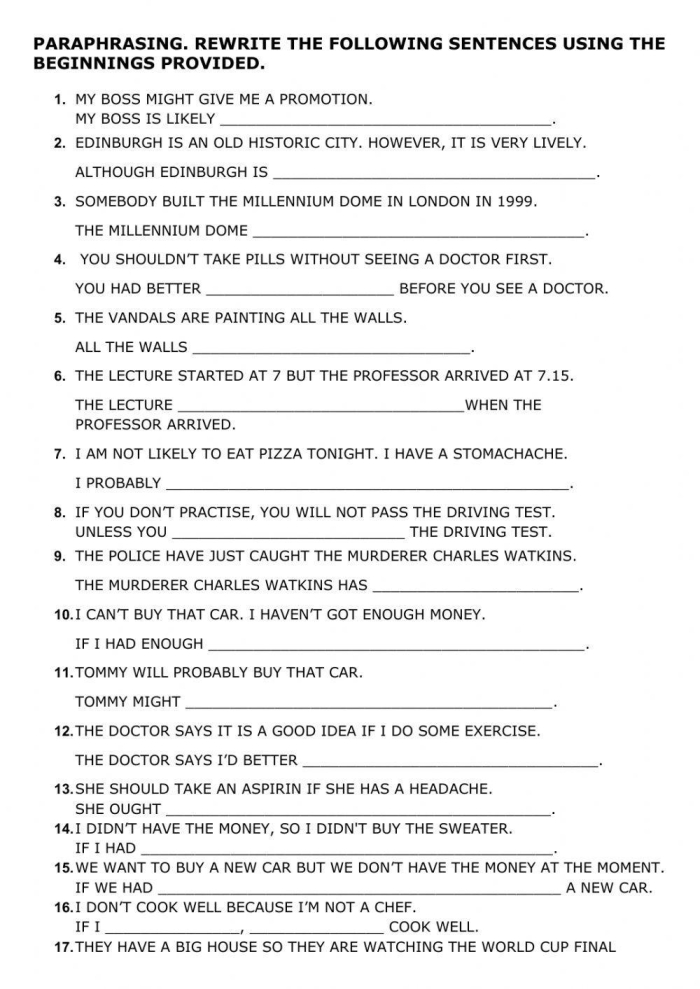
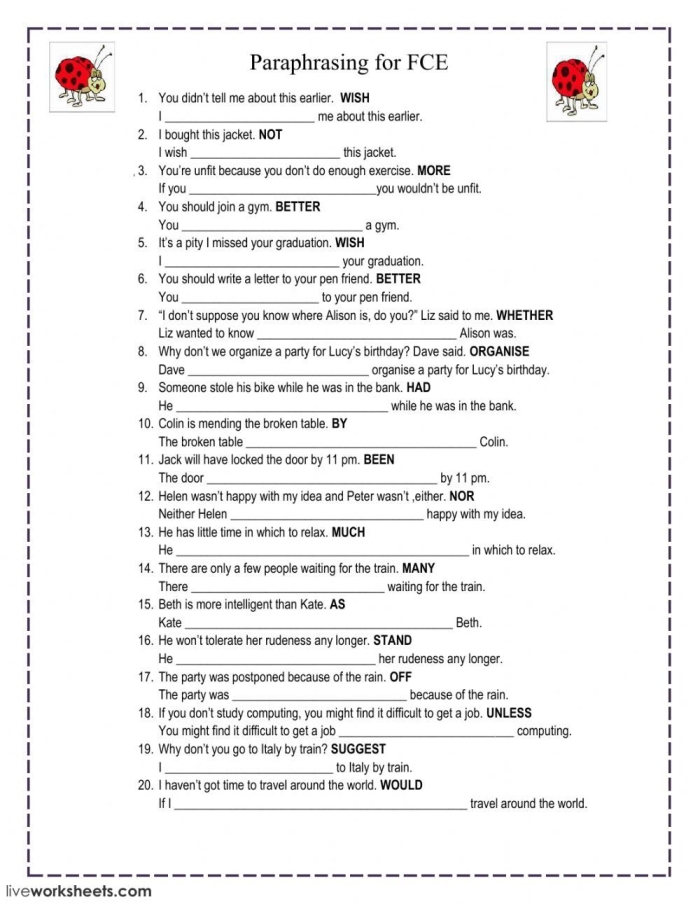
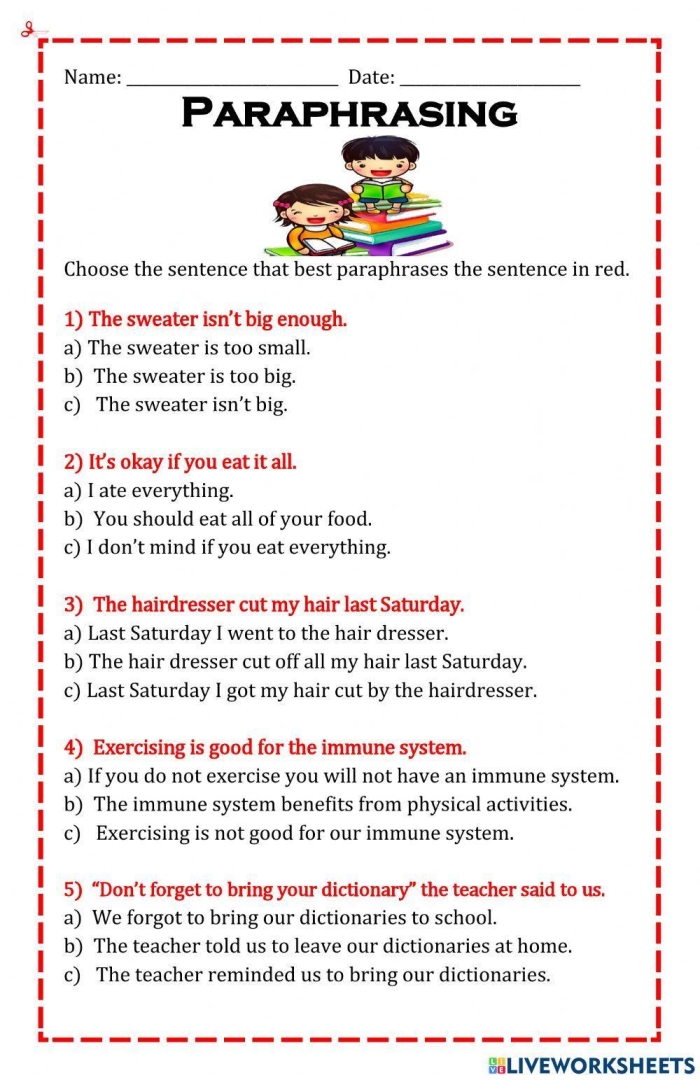
For fourth graders working through grammar and mechanics, paraphrasing practice also reinforces sentence construction. When students rephrase ideas, they experiment with different sentence structures and word choices. They learn that one idea can be expressed multiple ways, which naturally strengthens their understanding of how language works. Worksheets that combine paraphrasing with grammar exercises, like those covering capitalizing titles or spelling challenges, give students concrete opportunities to practice these skills together.
You can start small with short paragraphs from their reading assignments or use engaging materials like readers theater scripts to make the practice feel less like a chore. Even math word problems benefit from paraphrasing, when students work through division problems and explain their thinking in plain language.
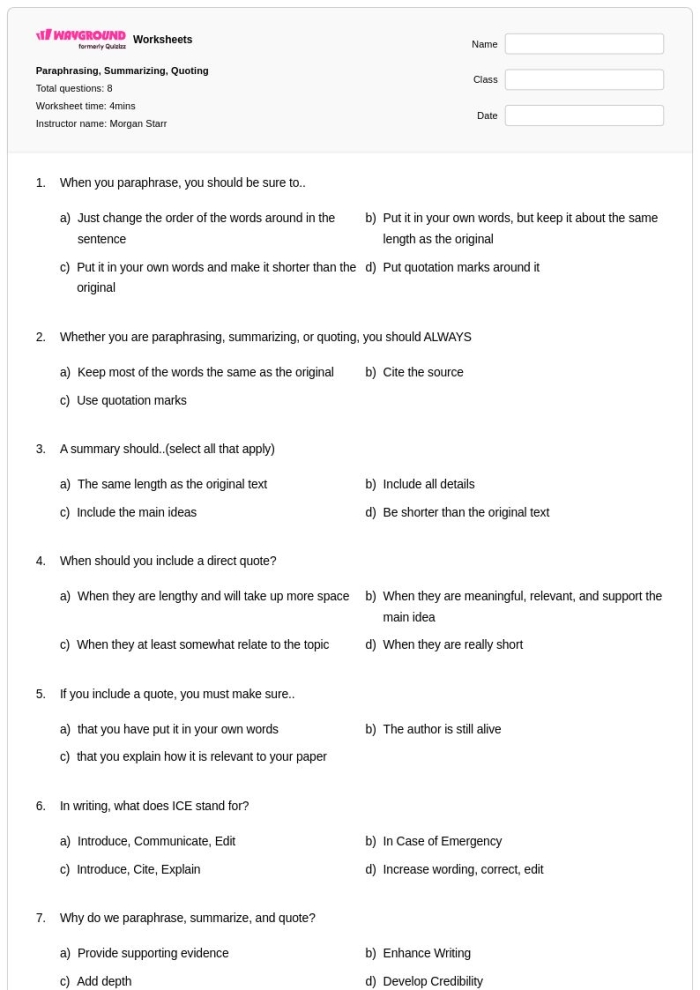
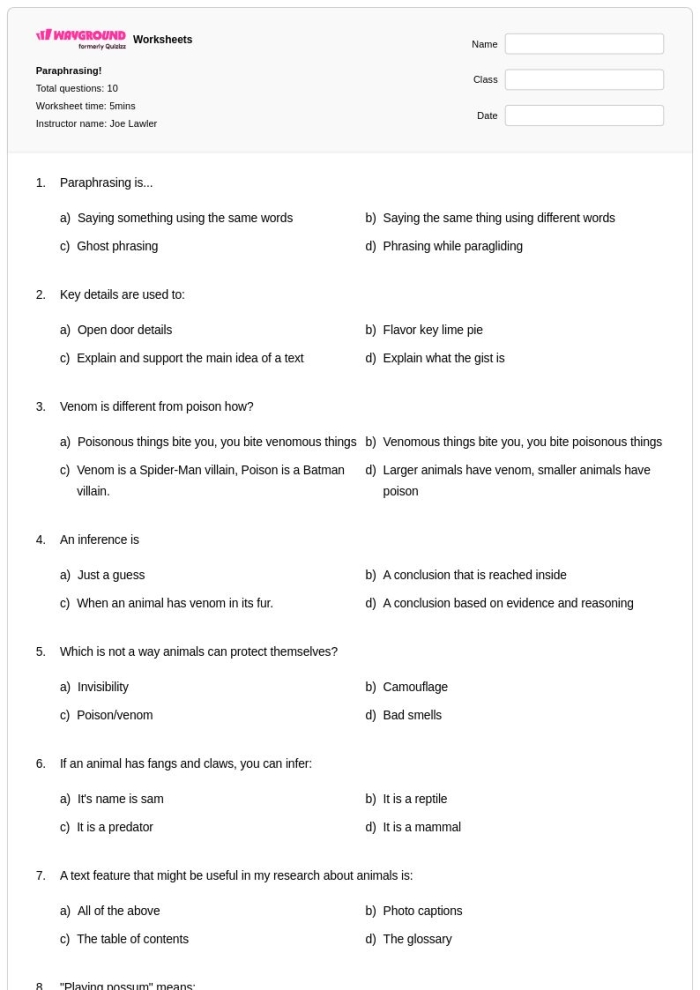
The key is consistency. Regular paraphrasing practice builds confidence and deepens comprehension in ways that multiple-choice questions simply cannot match.
Grab These Worksheets Now