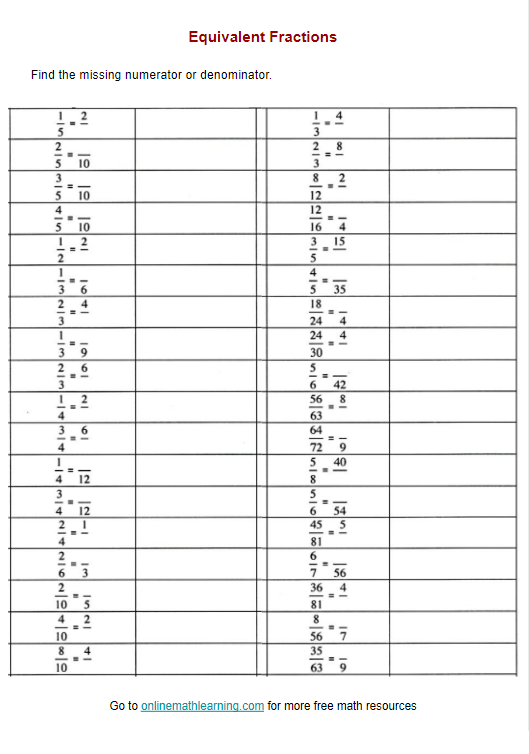
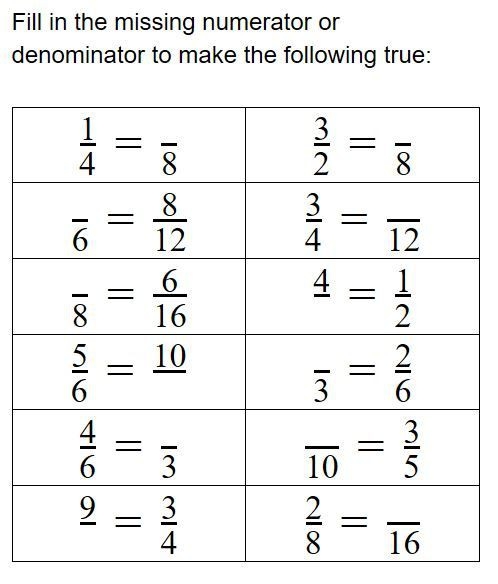
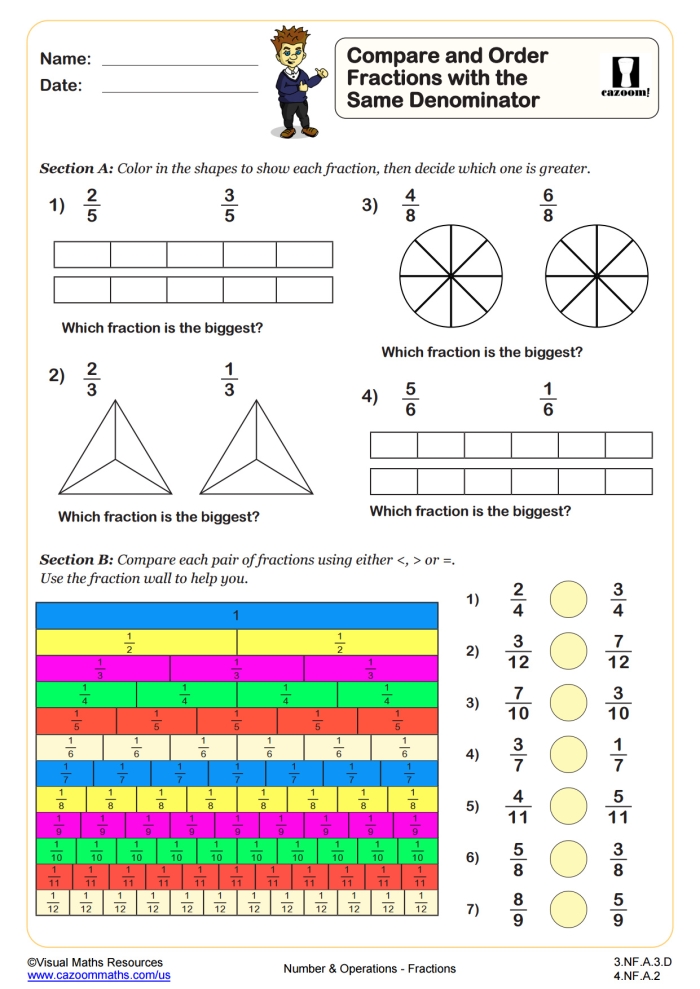
When third graders first encounter fractions, the vocabulary alone can feel overwhelming. Words like numerator and denominator sound abstract and disconnected from anything kids actually care about. A solid fraction terms worksheet changes that by breaking down these concepts into digestible pieces that make real sense.
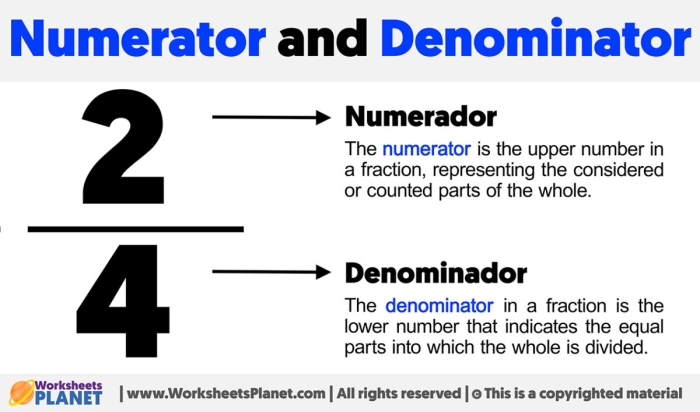
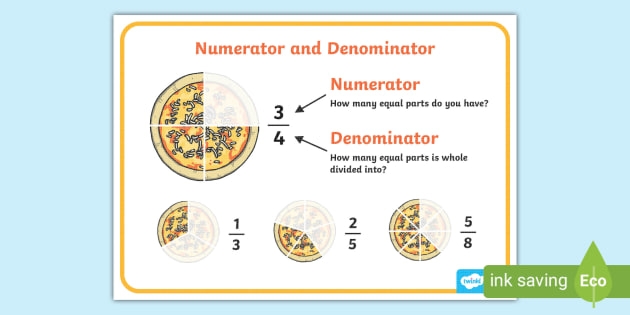
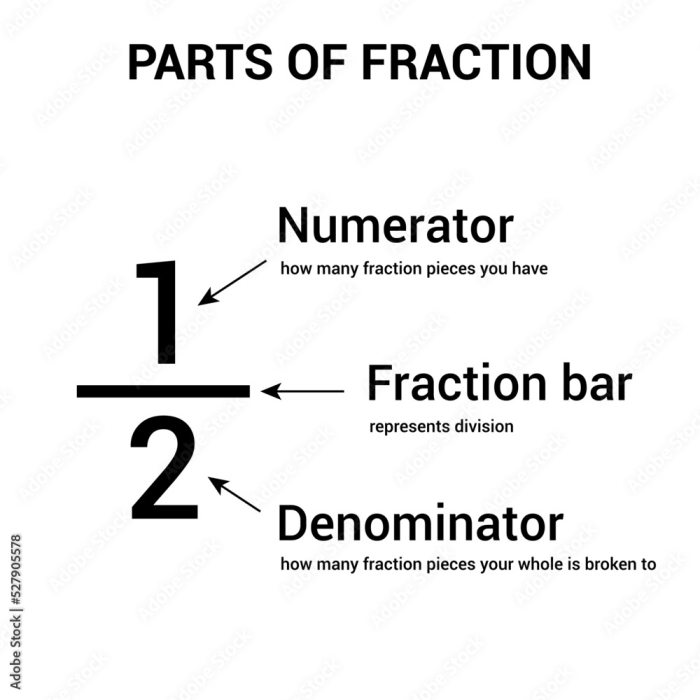
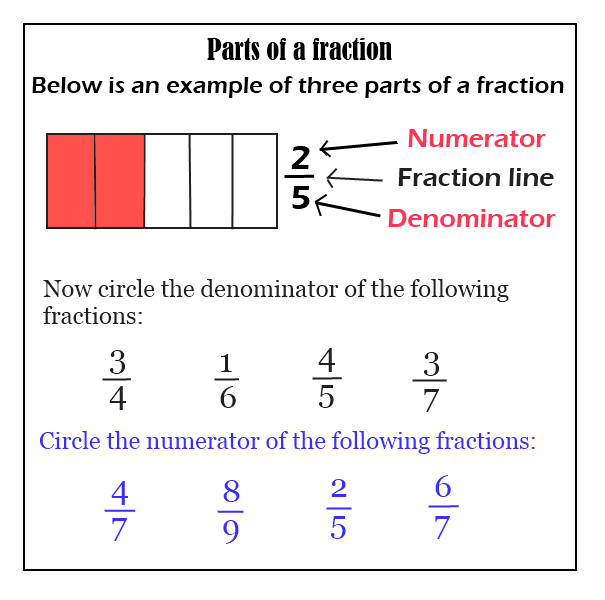
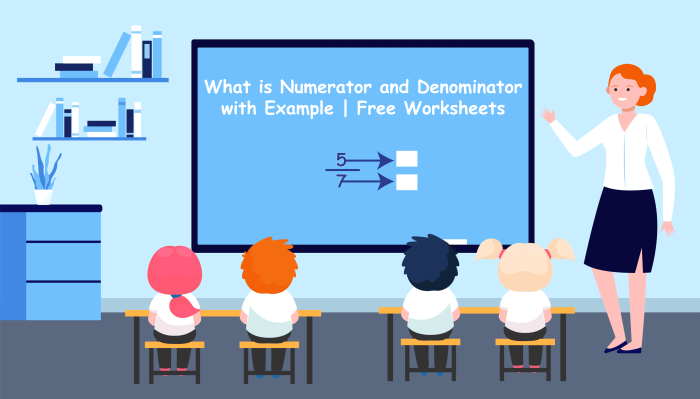
The numerator is simply the top number in a fraction, telling you how many parts you’re working with. The denominator sits below, showing how many equal parts the whole thing is divided into. Think of a pizza cut into eight slices where you eat three of them. That three is your numerator, and eight is your denominator. Once kids grasp this relationship, fractions stop feeling like random symbols and start representing actual quantities they can visualize.
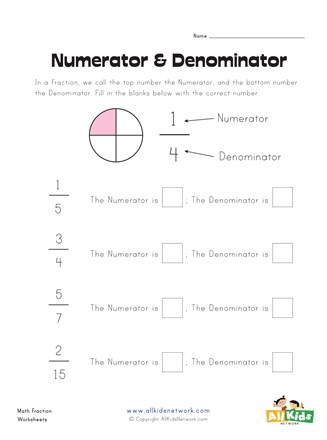
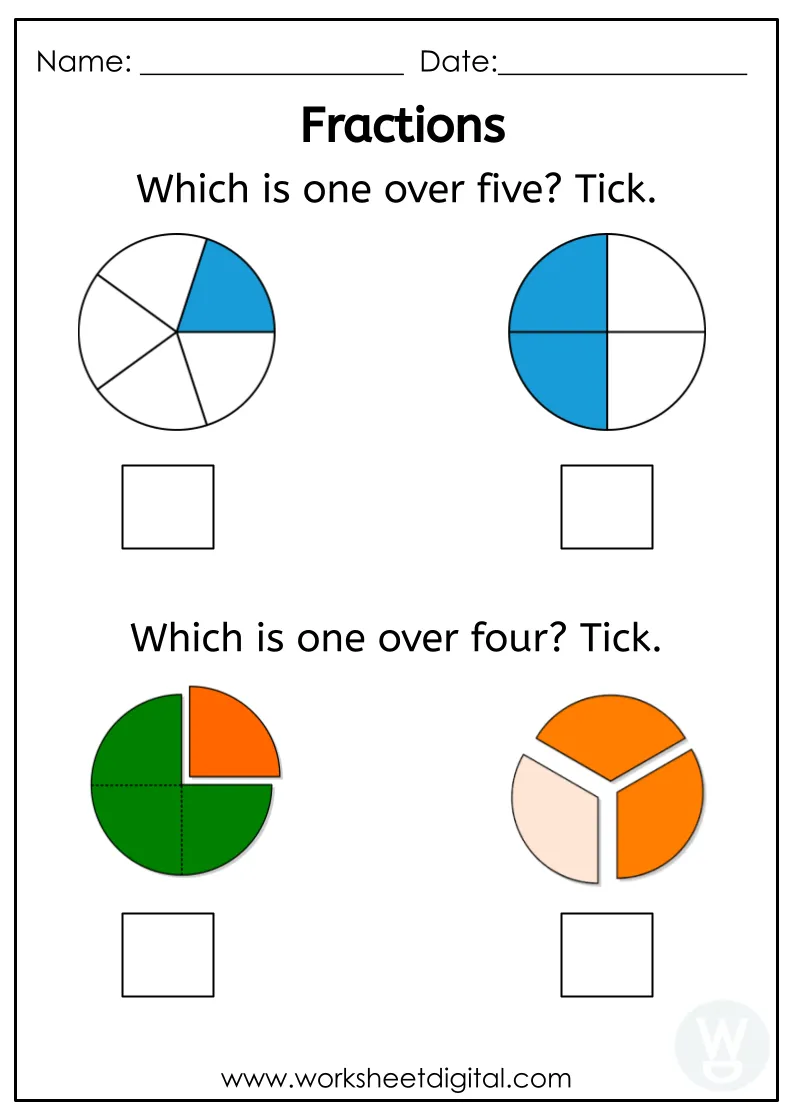
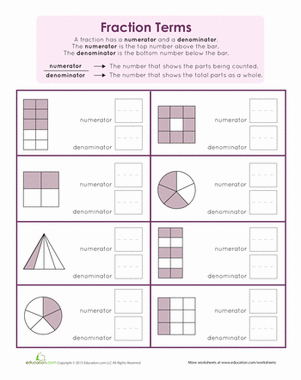
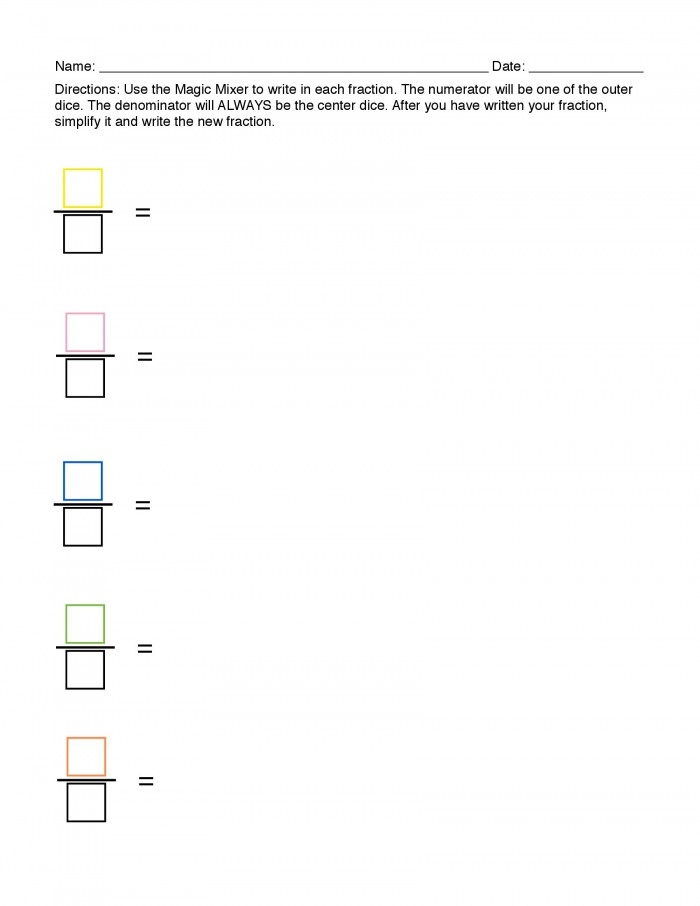
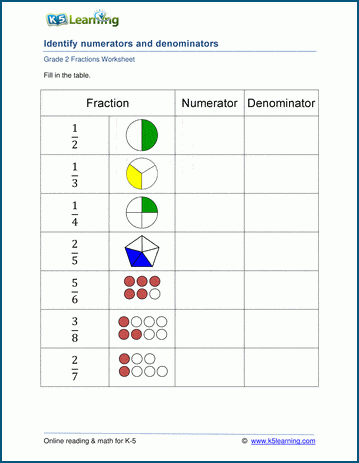
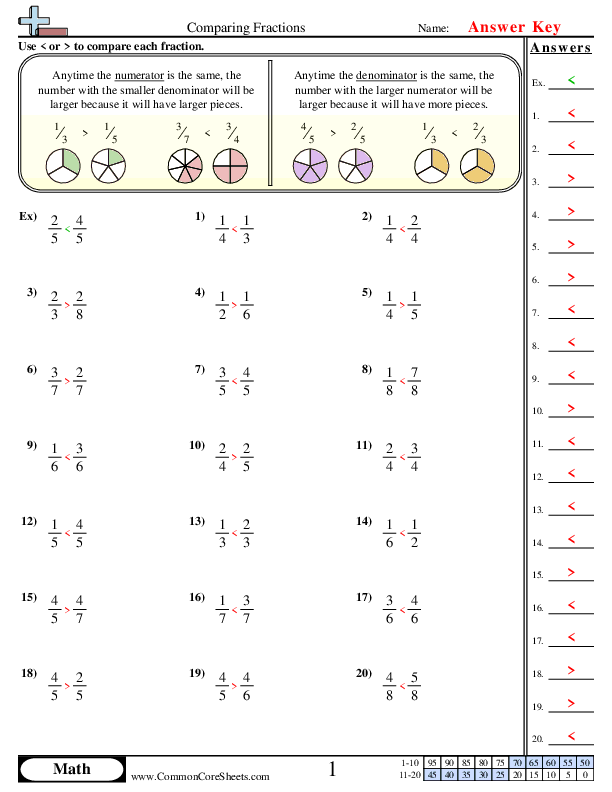
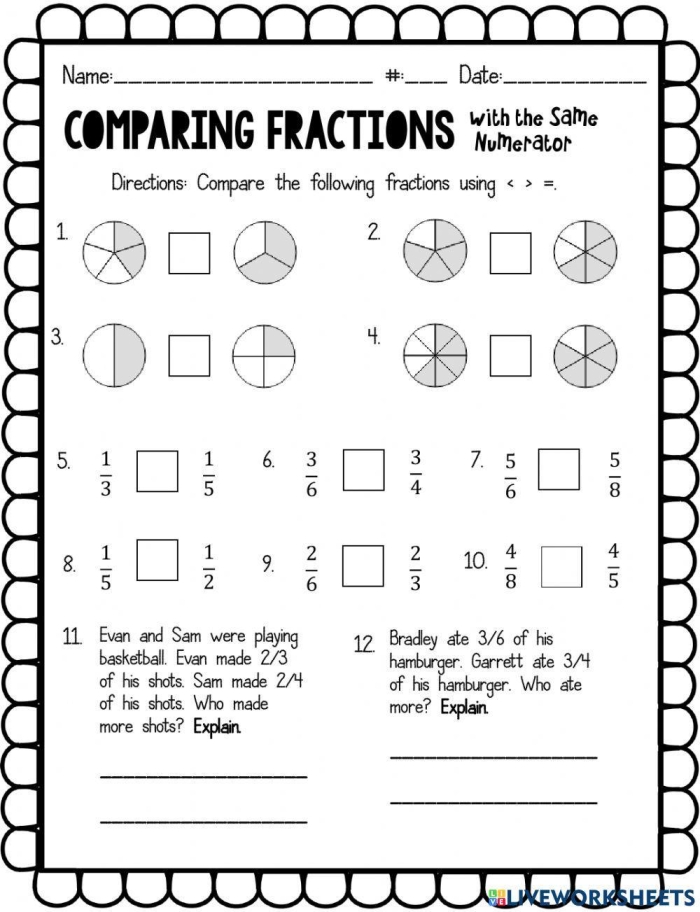
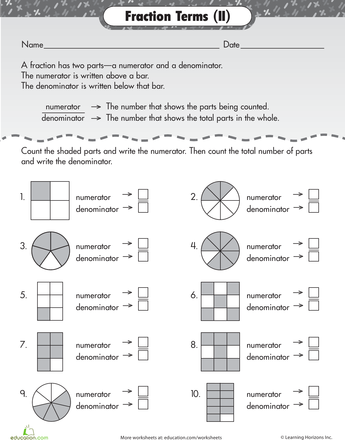
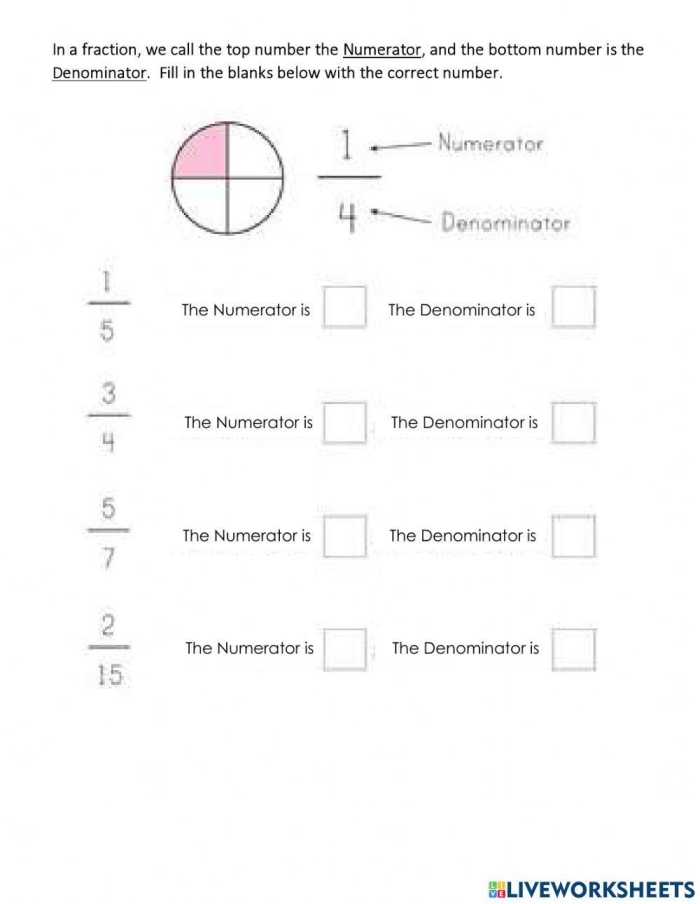
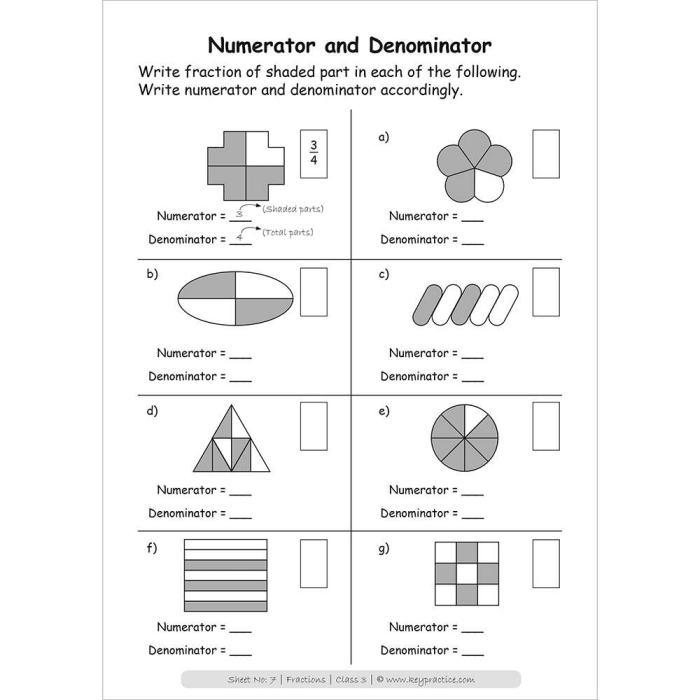
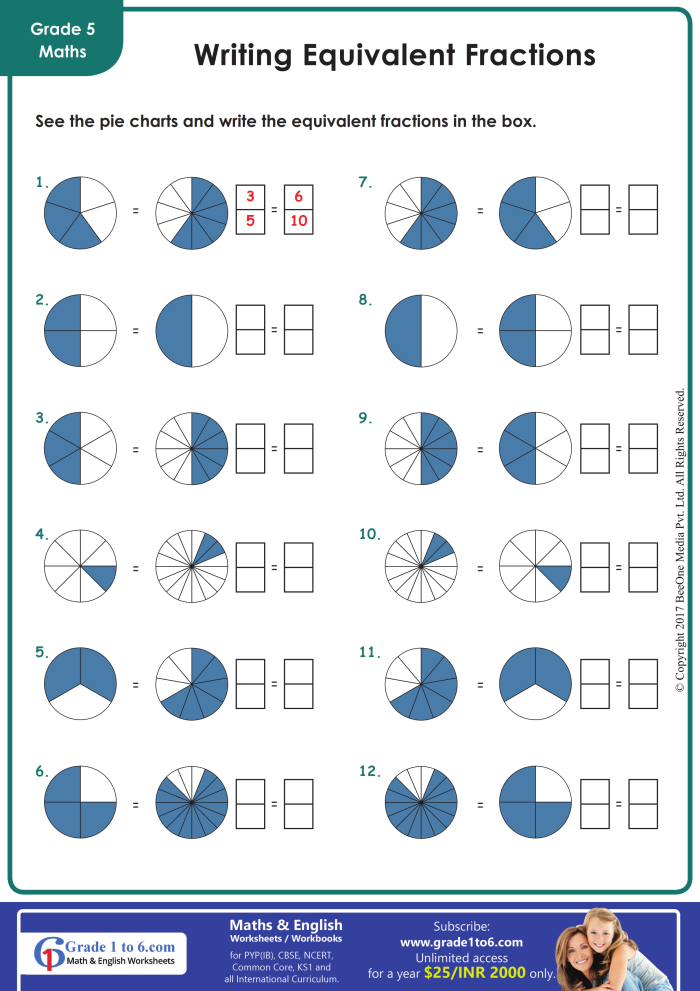
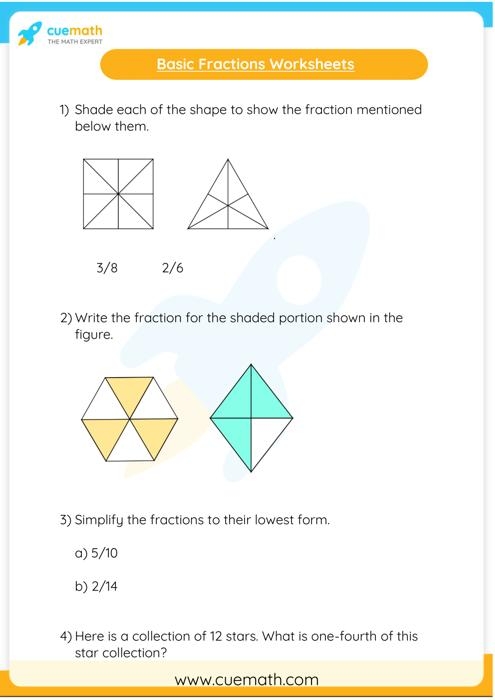
A well-designed worksheet reinforces this understanding through repetition and visual aids. Kids might see fraction bars, pie charts, or drawings of objects divided into sections. They label which number goes where and explain what each part means. This hands-on approach works better than memorization because it anchors abstract terms to concrete images.
Third grade is when these foundational concepts matter most. Kids at this level are developing their mathematical thinking in ways that affect everything they learn later. Worksheets that focus on numerator and denominator understanding set them up for success with more complex fraction operations in fourth and fifth grade.
Beyond fractions themselves, these worksheets build problem-solving skills. Kids learn to read carefully, identify patterns, and explain their reasoning. These same skills apply when they’re working through word problems involving mixed operations or tackling multiplication practice in other contexts.
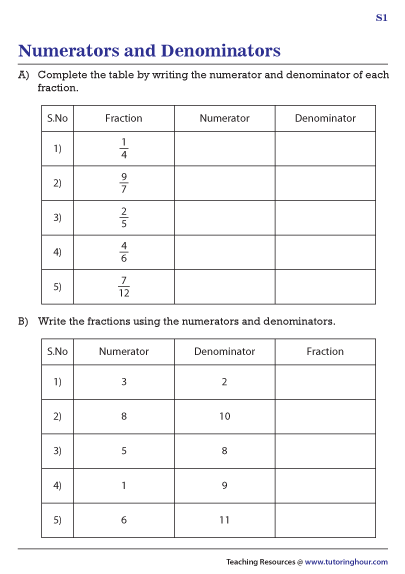
The key to effective learning is making sure kids don’t just fill in blanks but actually understand what numerators and denominators represent. When they can explain why the top and bottom numbers matter differently, they’ve truly learned the concept.
Download These Worksheets for Practice