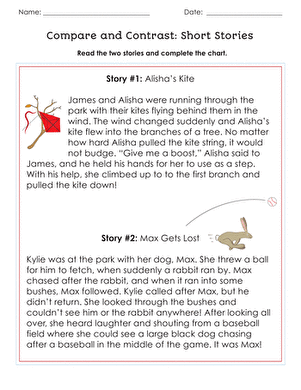
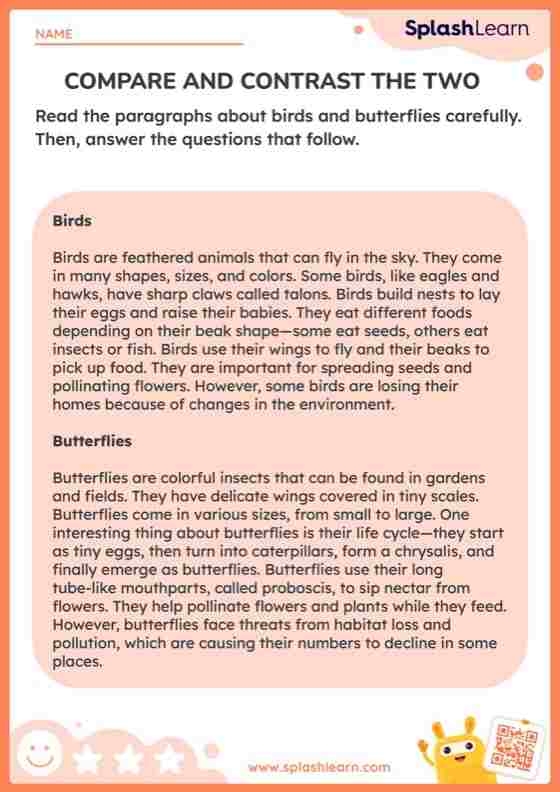
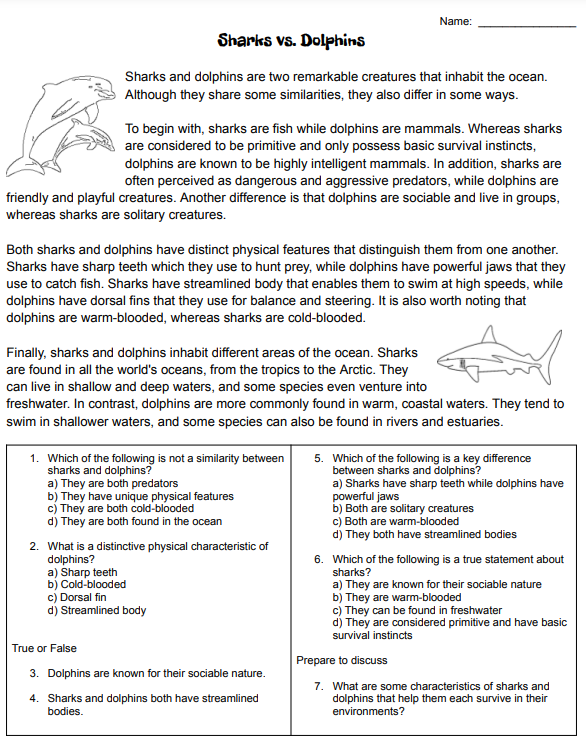
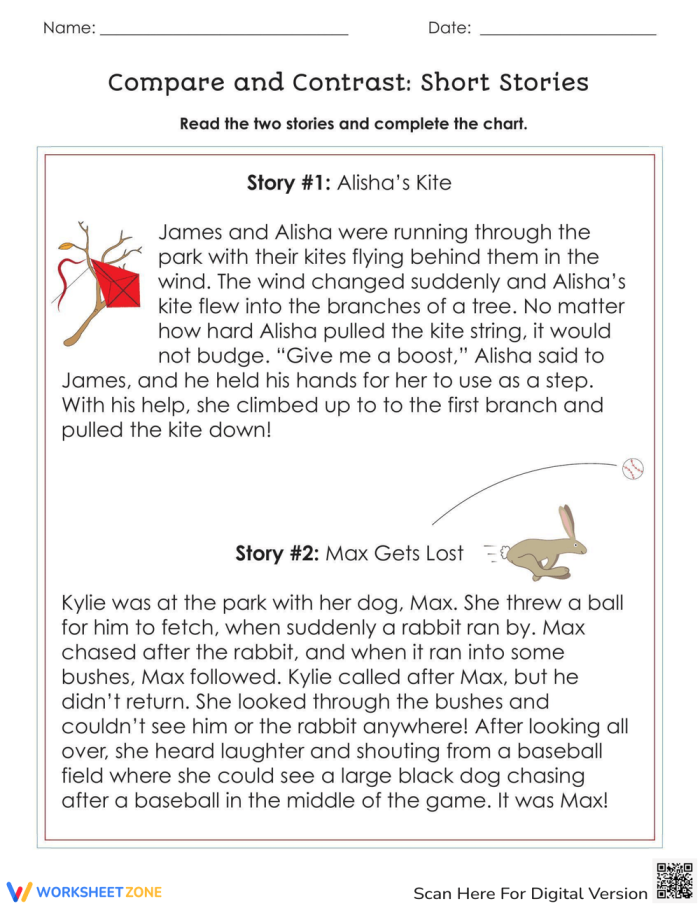
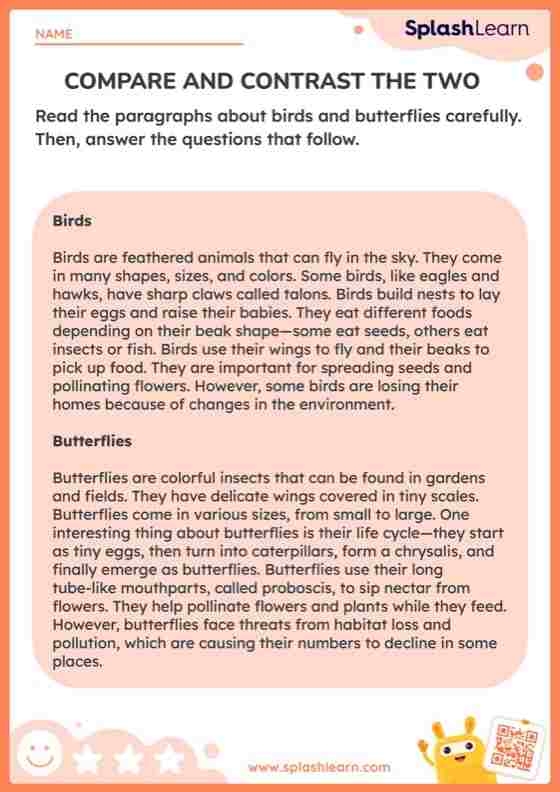
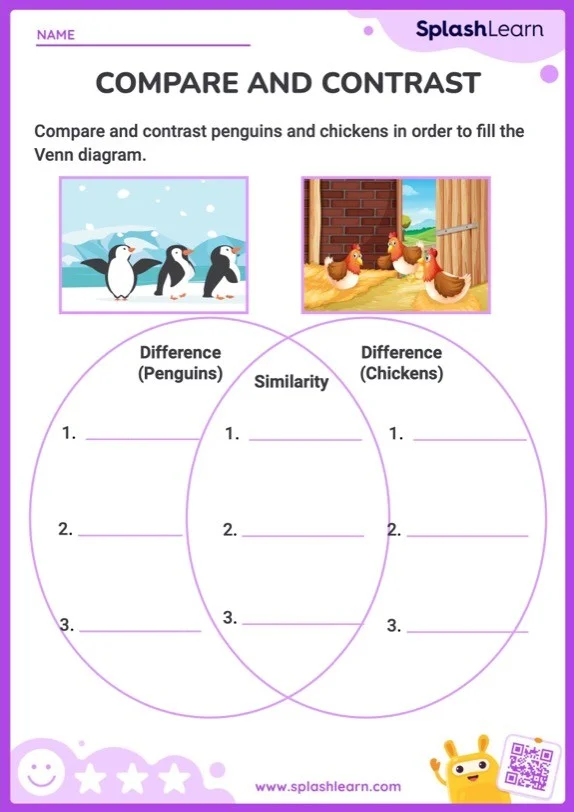
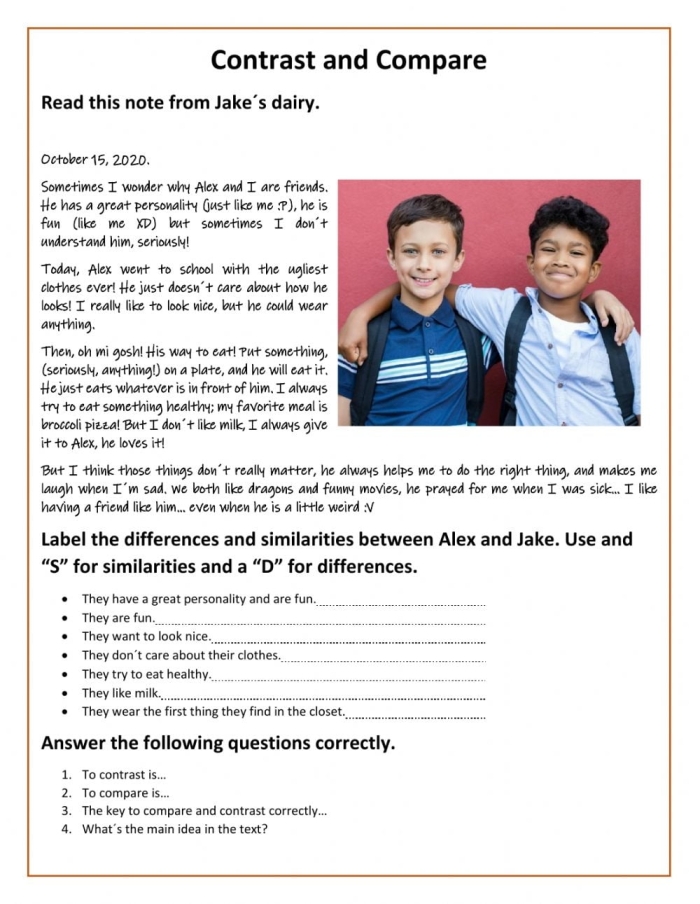
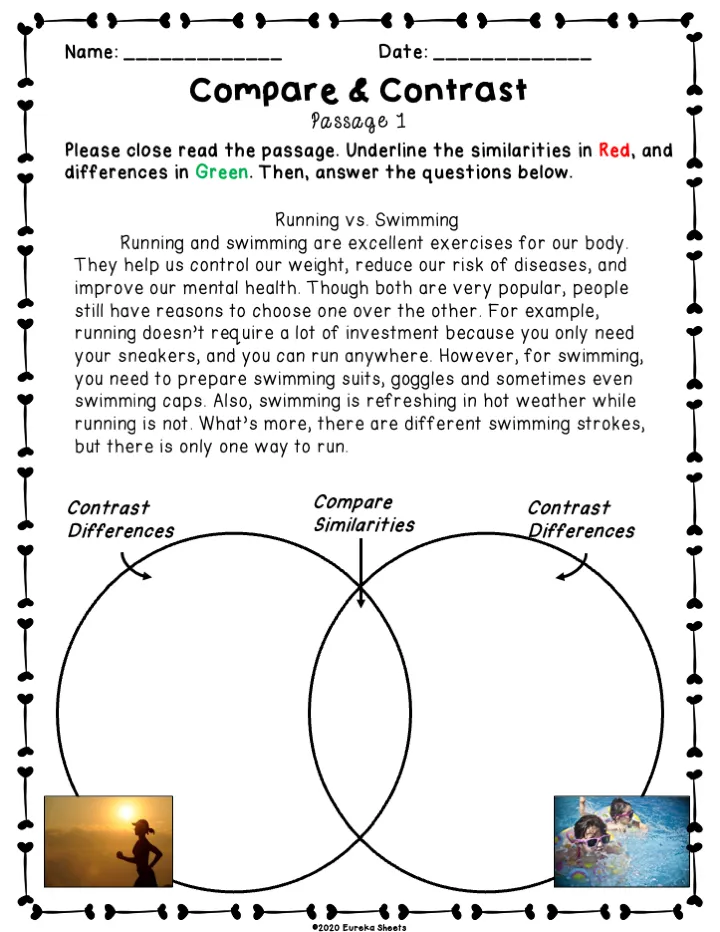
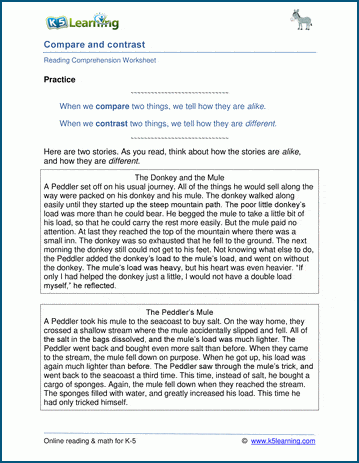
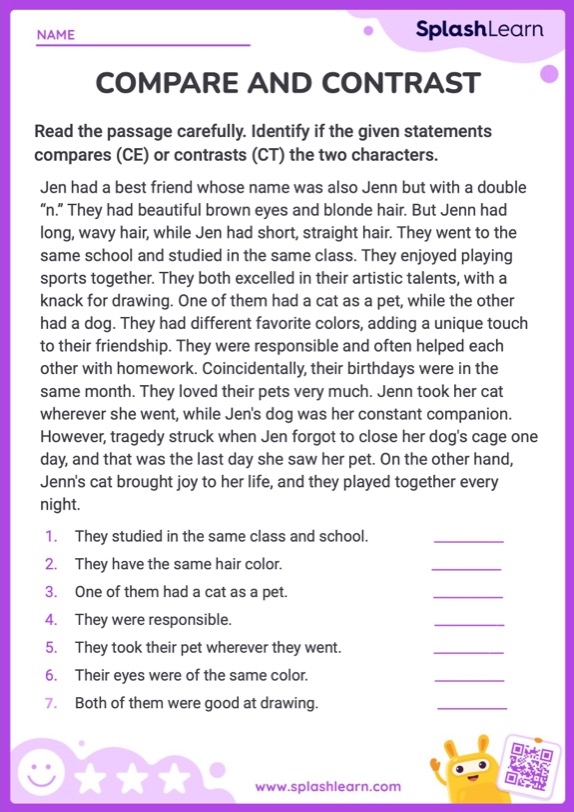
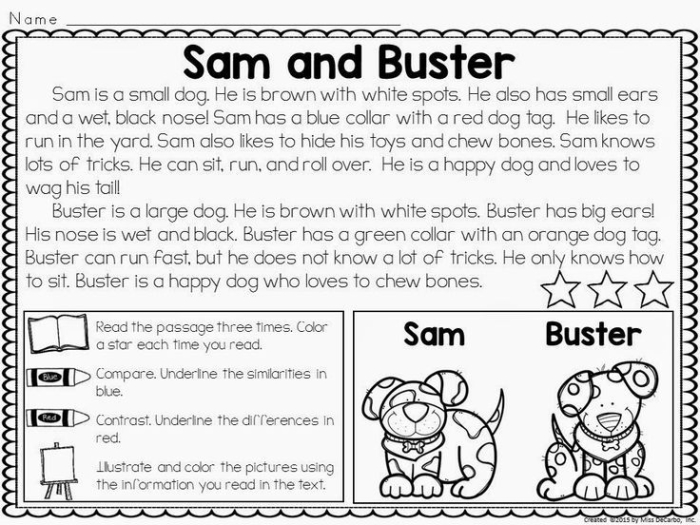
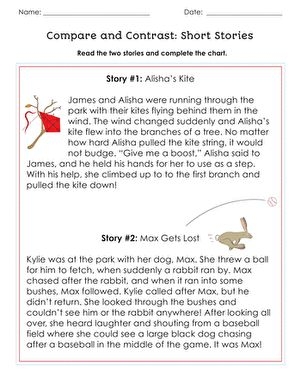
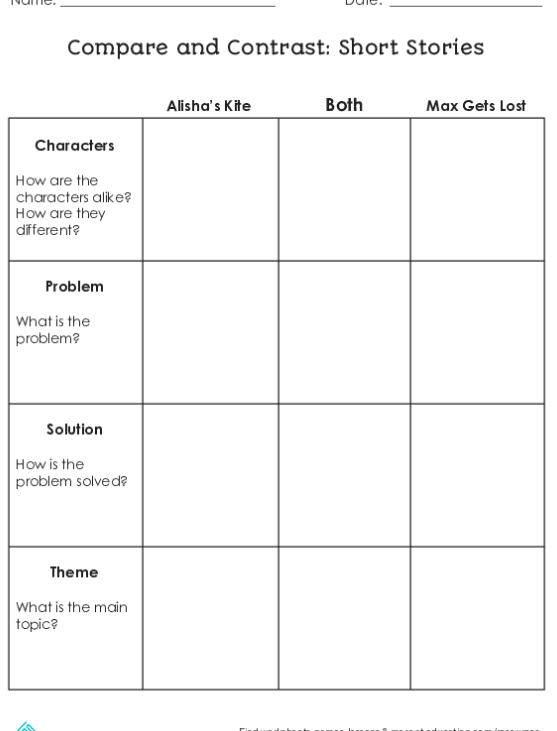
When second grade students read two short stories side by side, they begin to notice patterns that single stories never reveal. A graphic organizer transforms this natural curiosity into structured learning by helping children track characters, problems, solutions, and themes across both narratives.
The power of this approach lies in its simplicity. Rather than asking students to write lengthy comparisons, a well-designed graphic organizer lets them focus on identifying specific details. They might notice that both stories feature a character who faces a similar obstacle, or that one character solves a problem through kindness while another uses cleverness. These observations build critical thinking skills without overwhelming young learners.
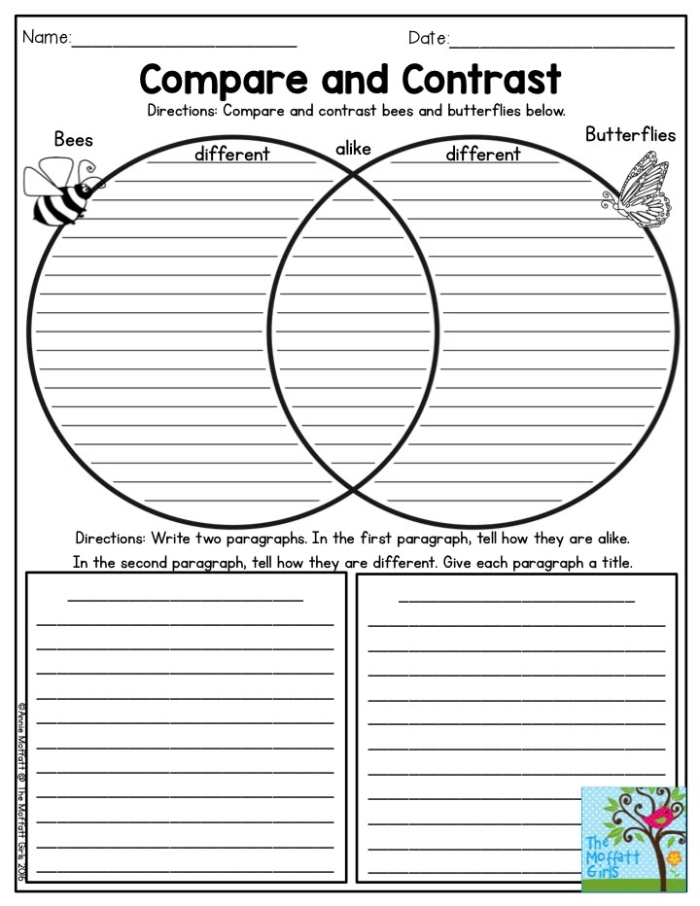
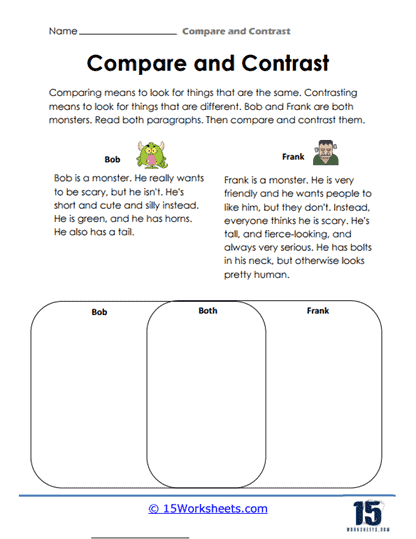
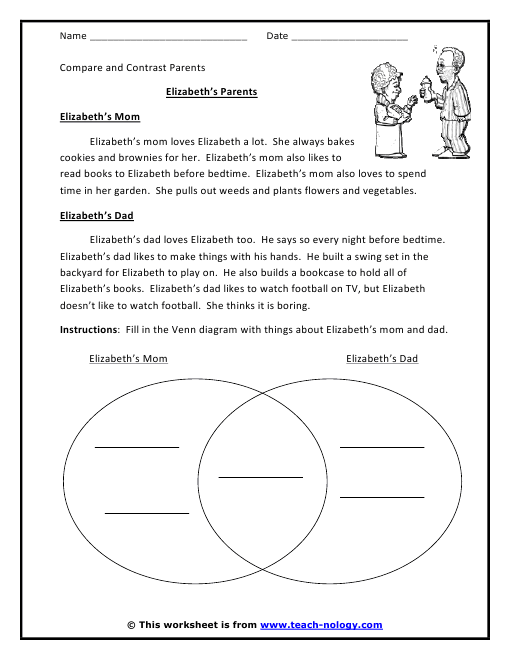
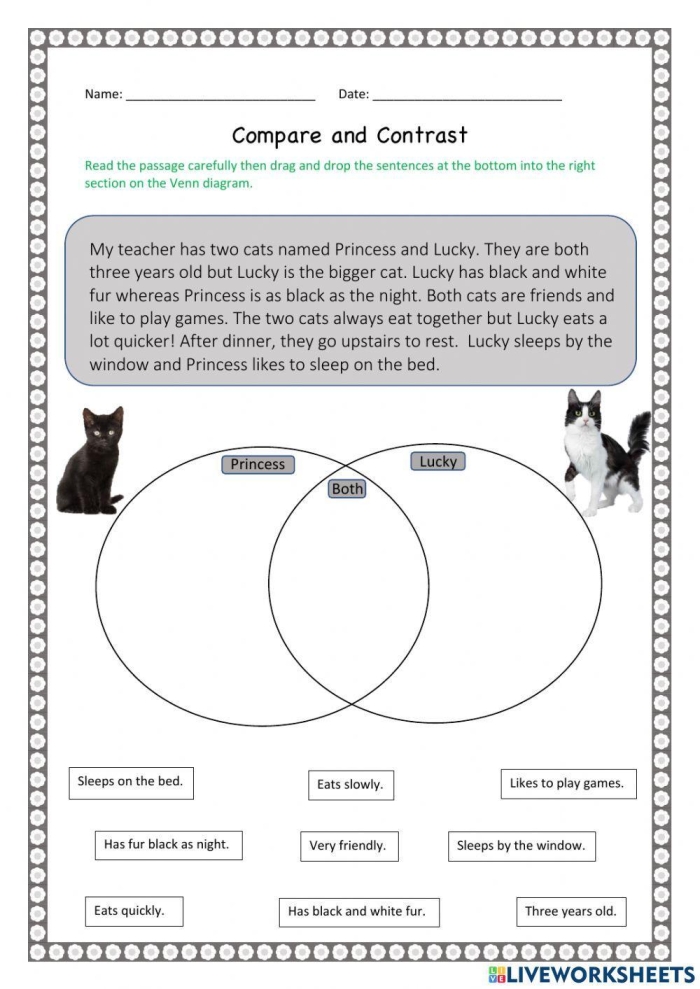
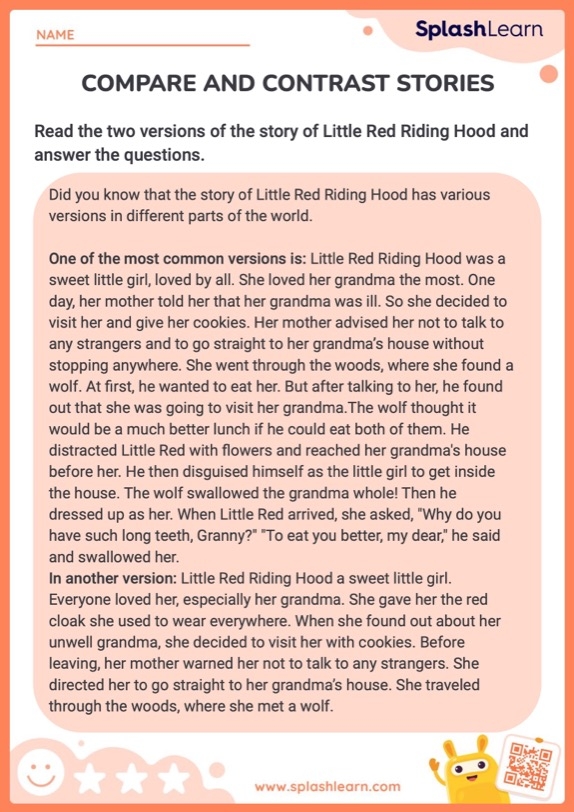
Setting up the comparison works best when the two stories share something in common: perhaps both feature animals, or both involve learning a lesson. This connection gives students an anchor point. As they work through the graphic organizer, they fill in information about each story in parallel columns or sections, making differences and similarities visually obvious.
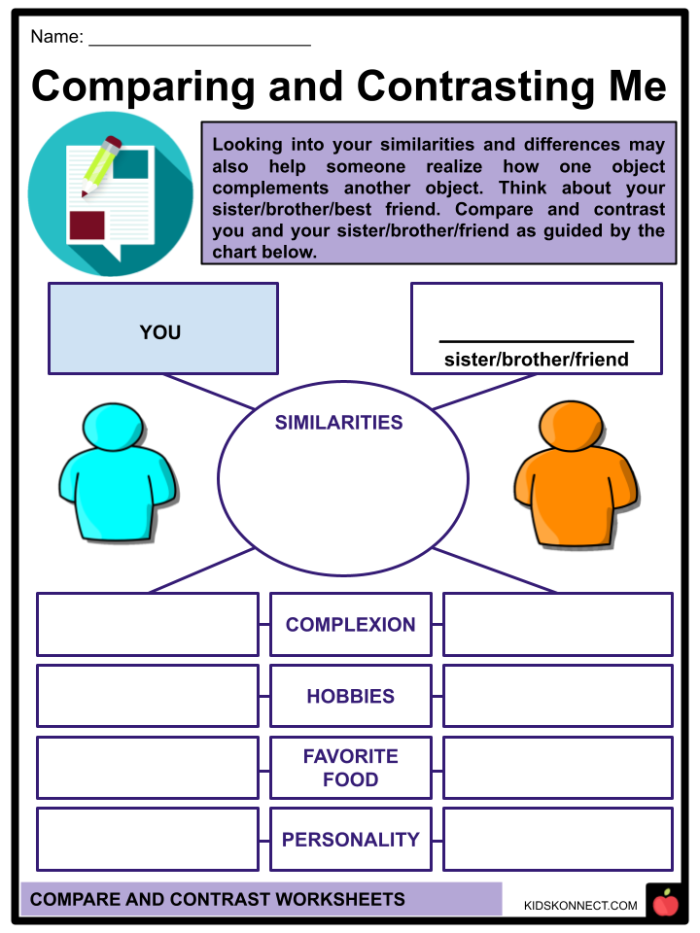
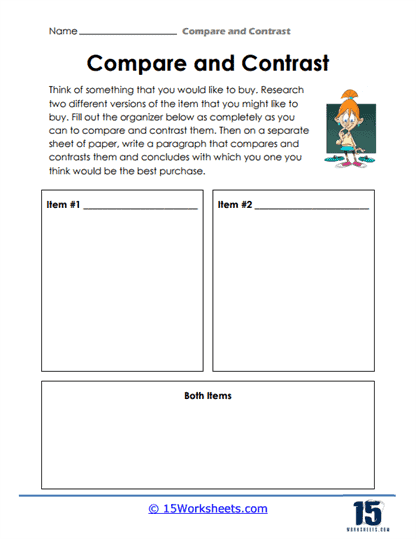
The character section asks students to describe who appears in each story. The problems section focuses on what challenge each character faces. Solutions reveal how characters respond to those challenges. Themes, the deeper messages in stories, often emerge naturally once students understand the other elements. When exploring themes, you might also incorporate lessons about analyzing information through data and graphing to help students visualize how themes appear across stories.
For second grade geometry and language arts integration, consider how stories sometimes involve spatial concepts. A graphic organizer itself demonstrates geometric organization: boxes, lines, and structured sections create visual clarity.
This strategy works because it meets students where they are developmentally. Second graders benefit from visual supports and concrete frameworks. The graphic organizer removes the guesswork about what to look for, allowing them to concentrate on reading comprehension and making meaningful connections between texts.
Try These Printable Worksheets