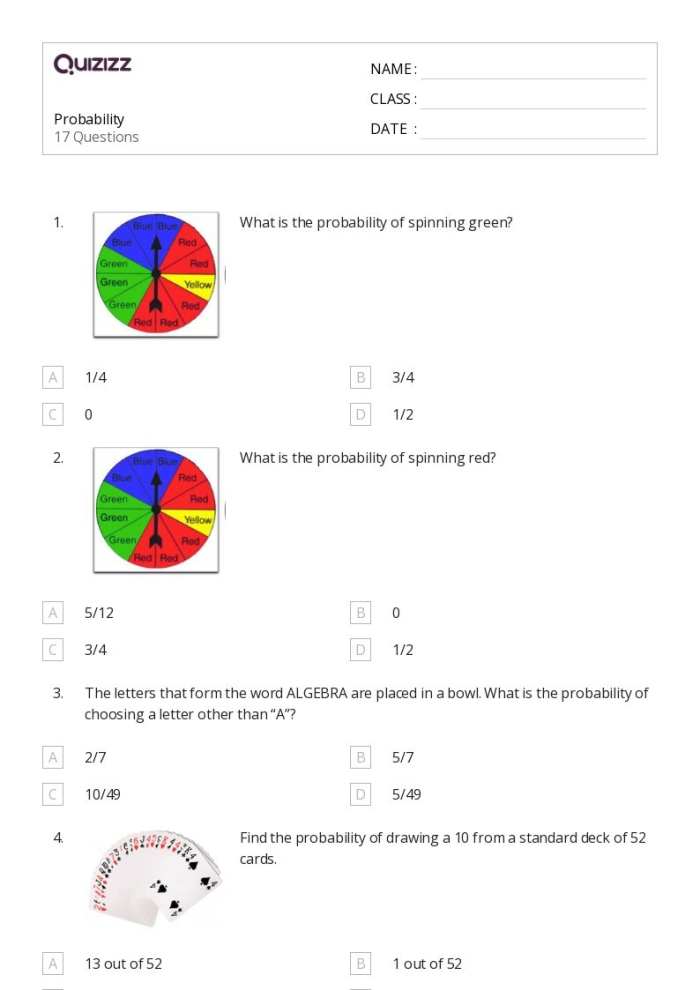
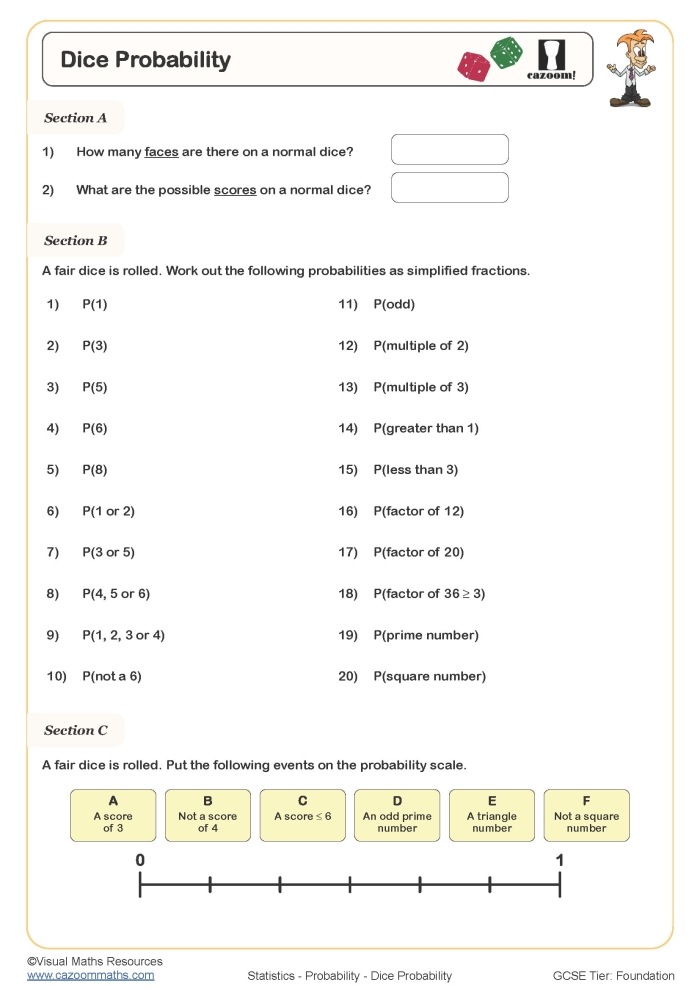
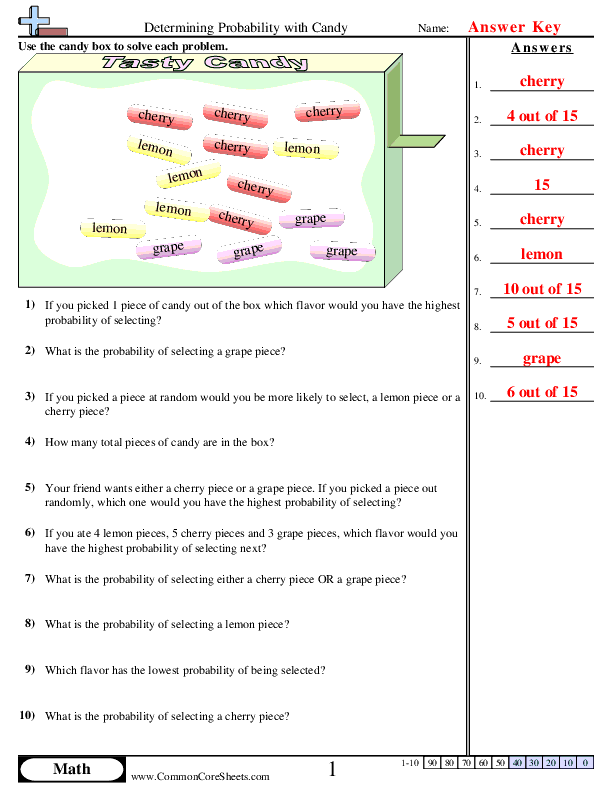
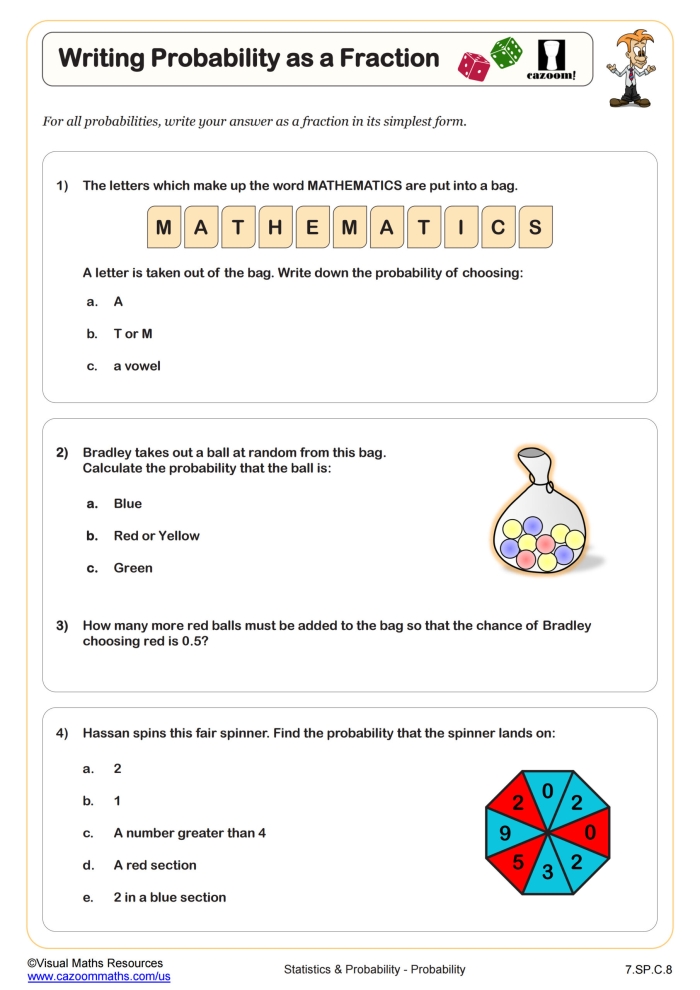
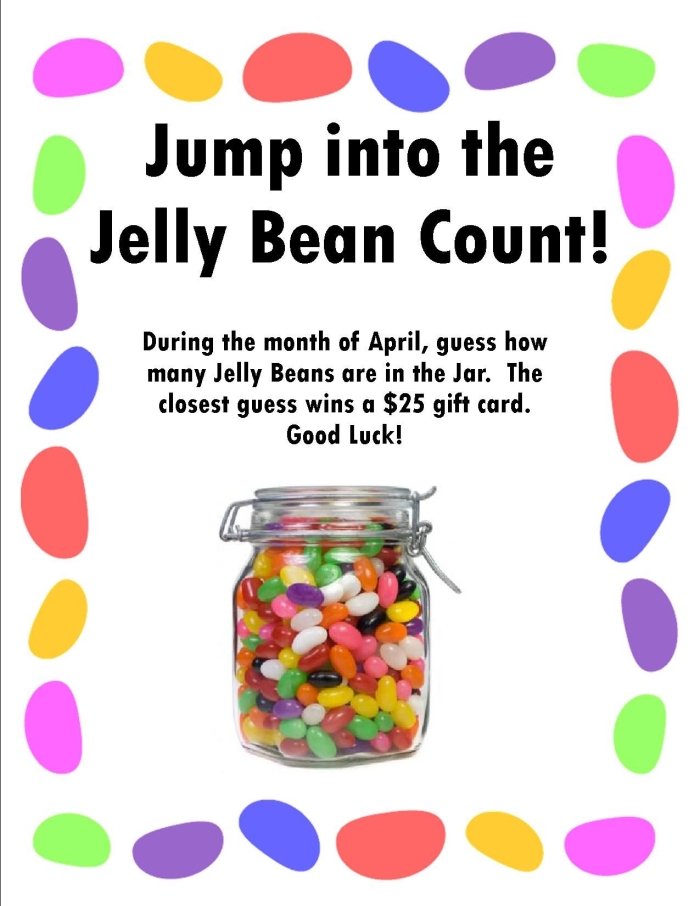
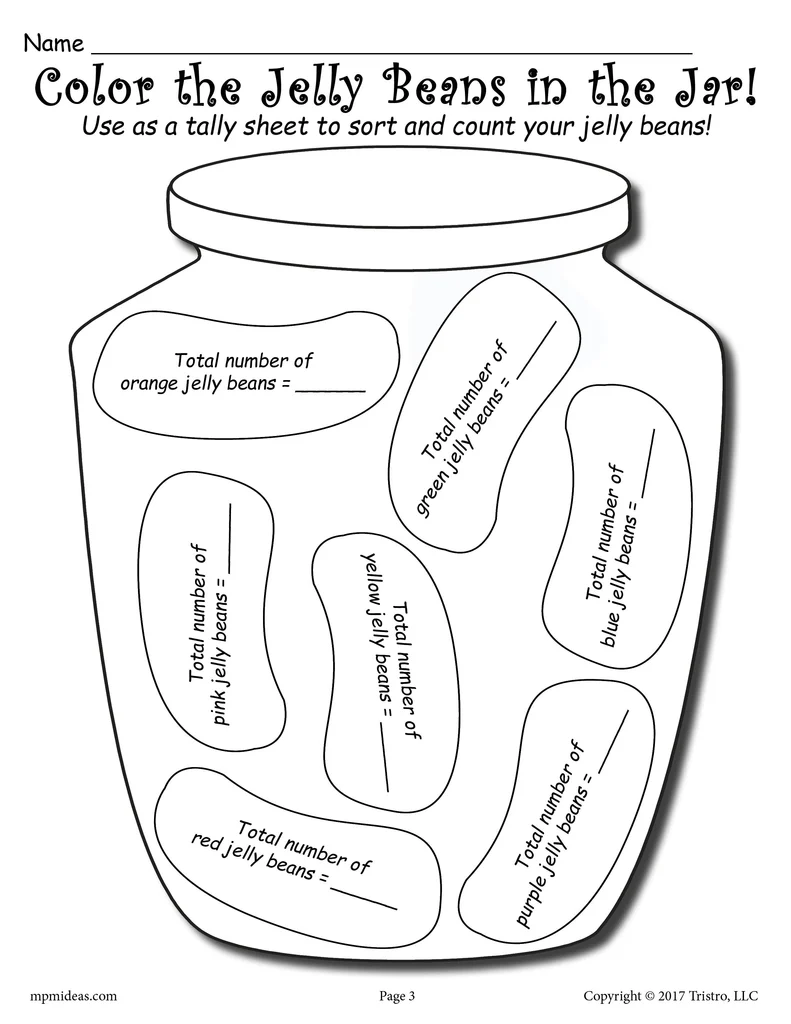
Probability becomes much less abstract when you work with something tangible like jelly beans. In fifth grade statistics, students often struggle with probability because the concept feels disconnected from real experience. A worksheet centered on jelly beans changes that dynamic immediately, giving learners something concrete to visualize as they work through fraction-based probability problems.
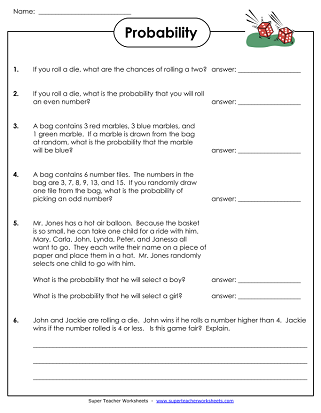
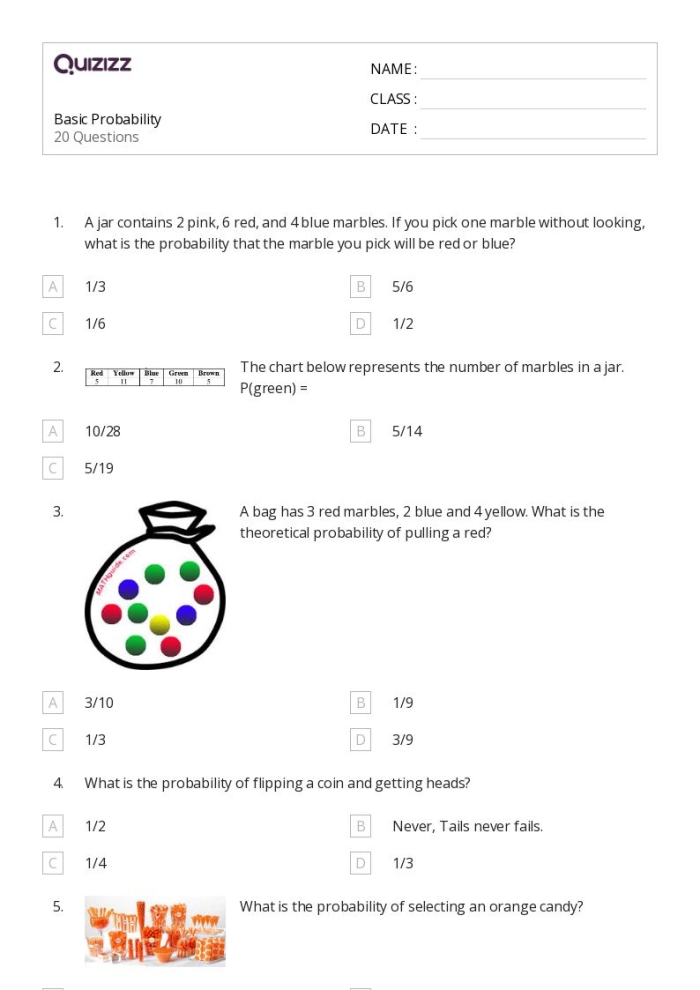
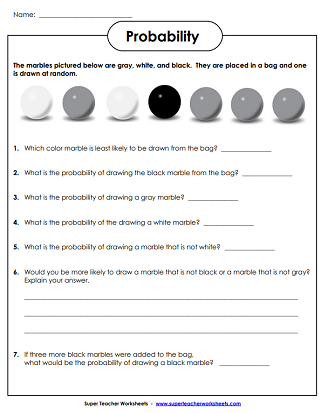
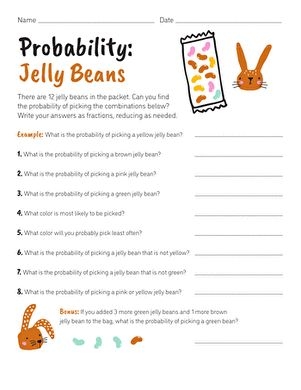
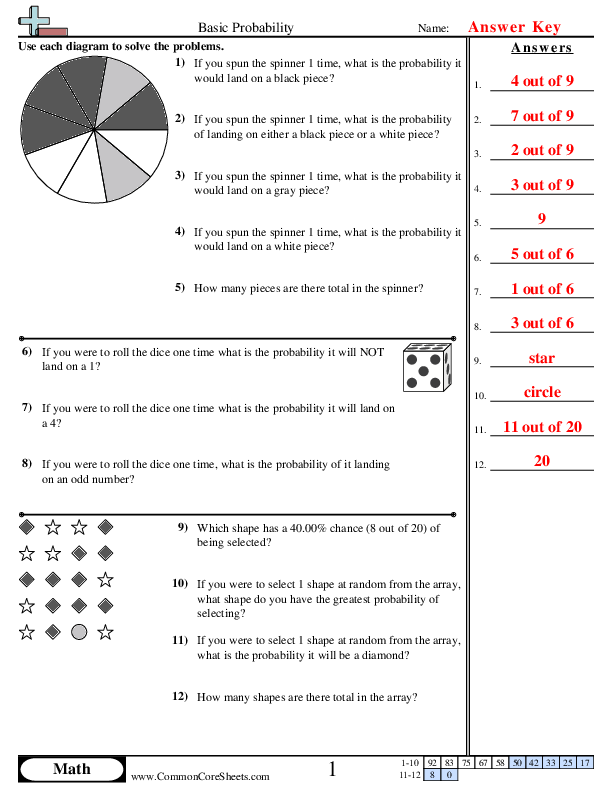
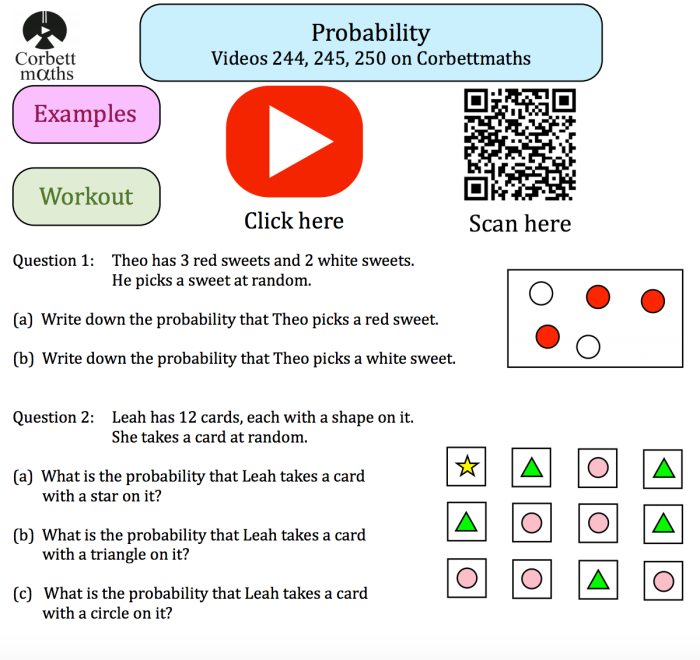
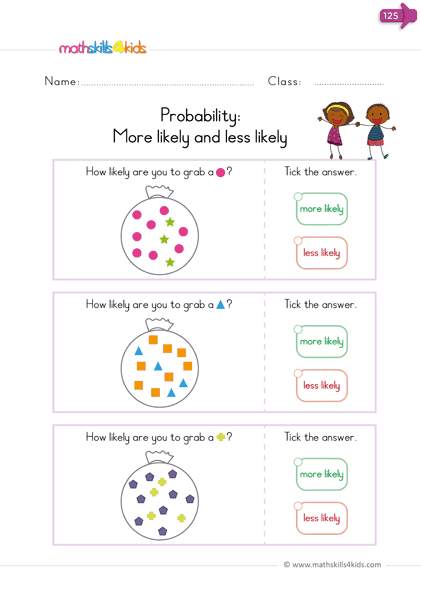
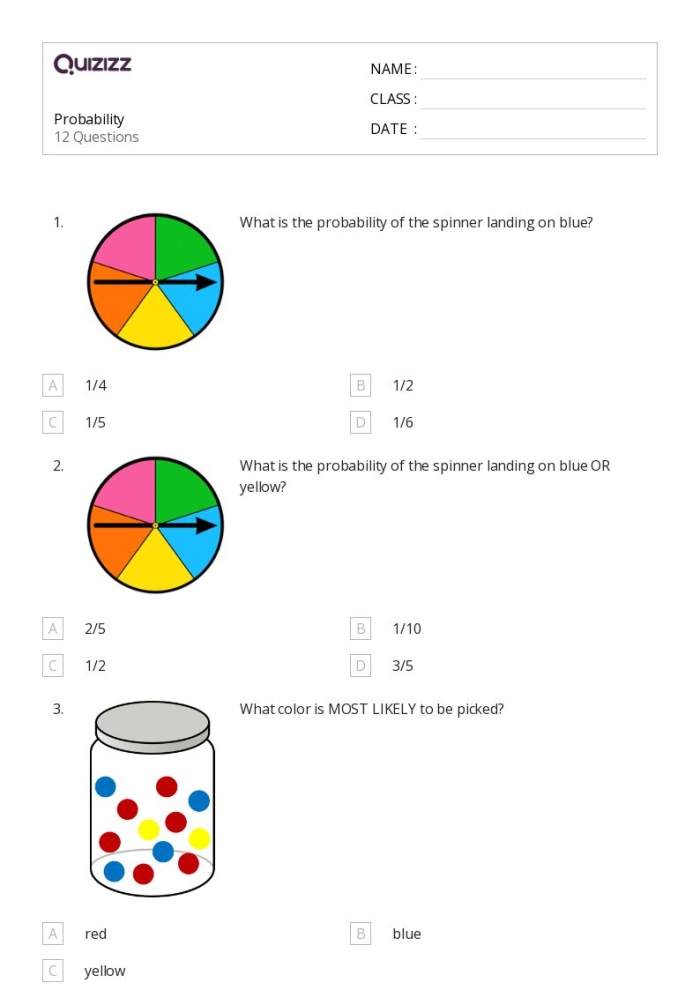
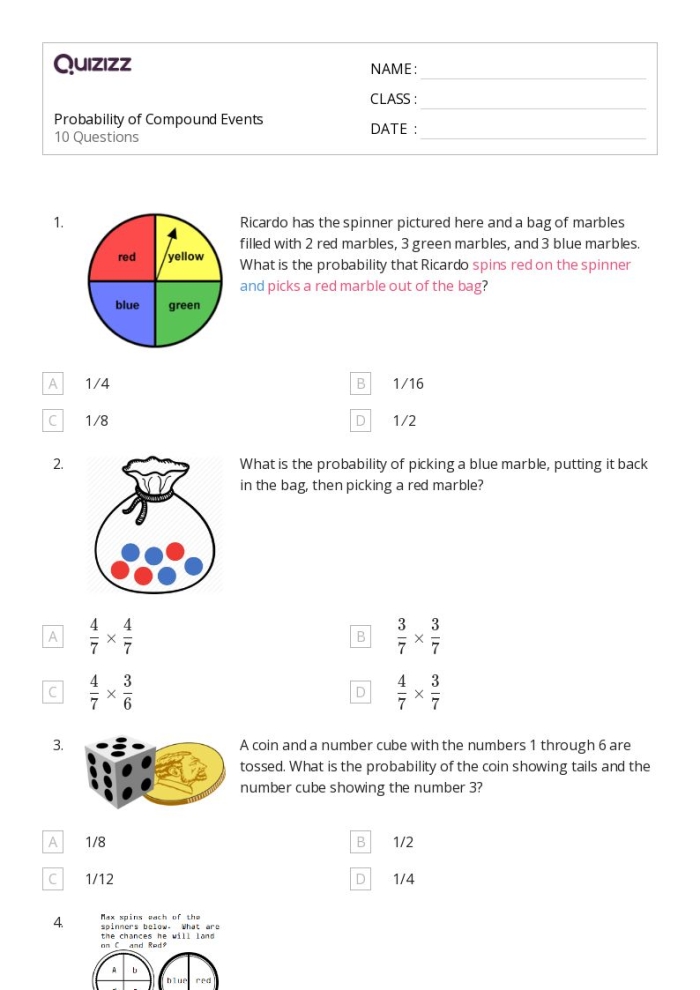
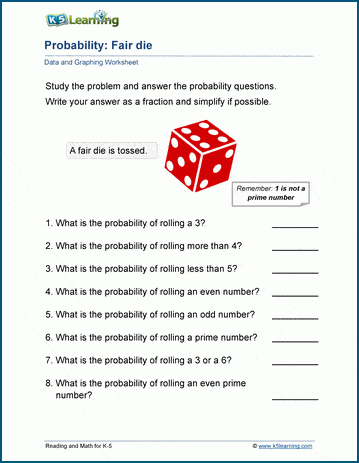
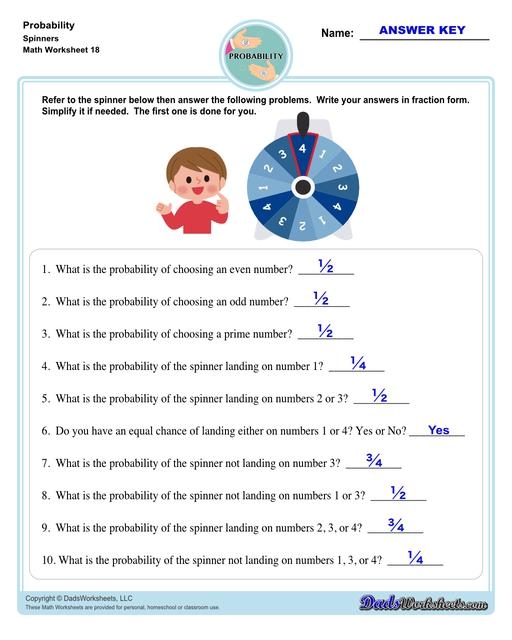
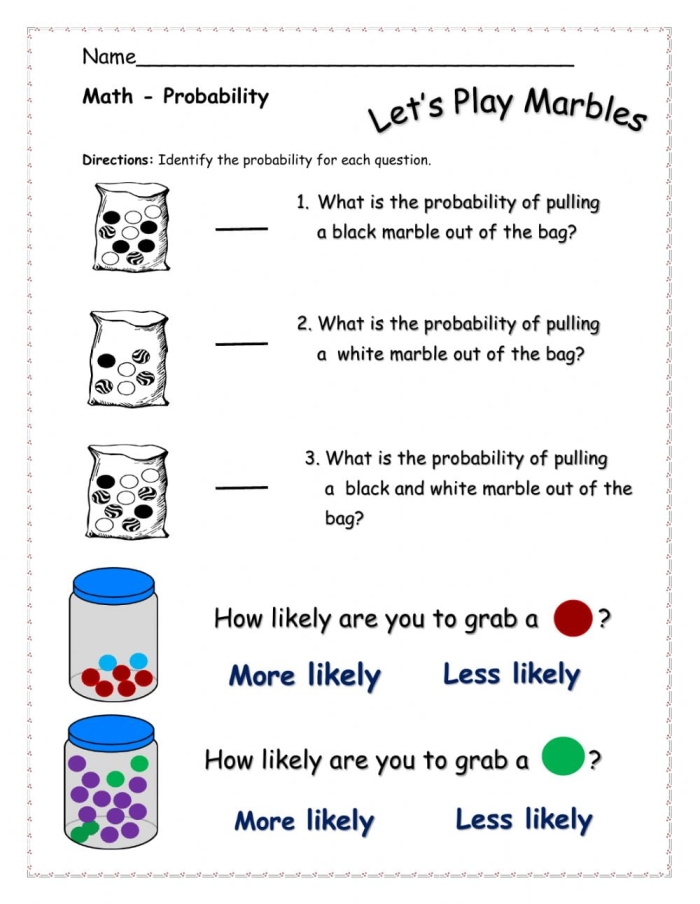
The core skill here involves converting probability into fraction form. When a student reaches into a jar containing 5 red jelly beans, 3 yellow ones, and 2 green ones, they can now answer questions like “What’s the probability of pulling out a red bean?” by writing the answer as 5/10 or simplified to 1/2. This direct connection between the physical scenario and the mathematical expression helps the concept stick.
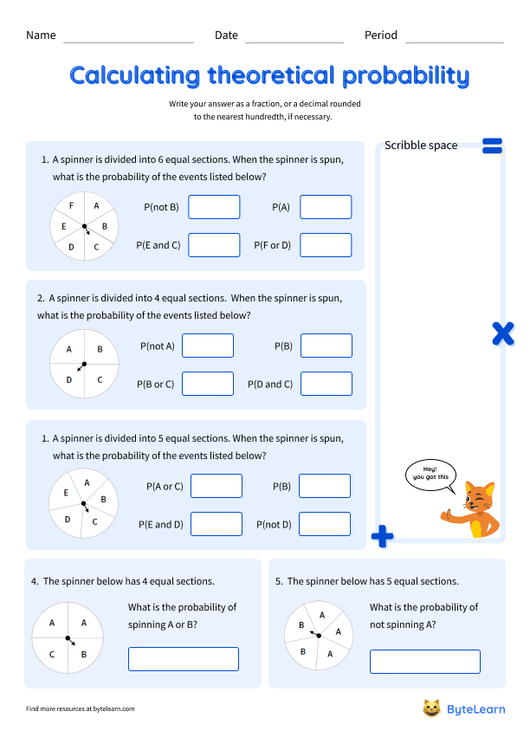
What makes these worksheets particularly effective for fifth graders is how they scaffold the learning. Early problems might present straightforward scenarios with small numbers. As students progress through the worksheet, they encounter situations requiring them to add multiple outcomes together or work with larger quantities. This gradual increase in complexity prevents frustration while building confidence.
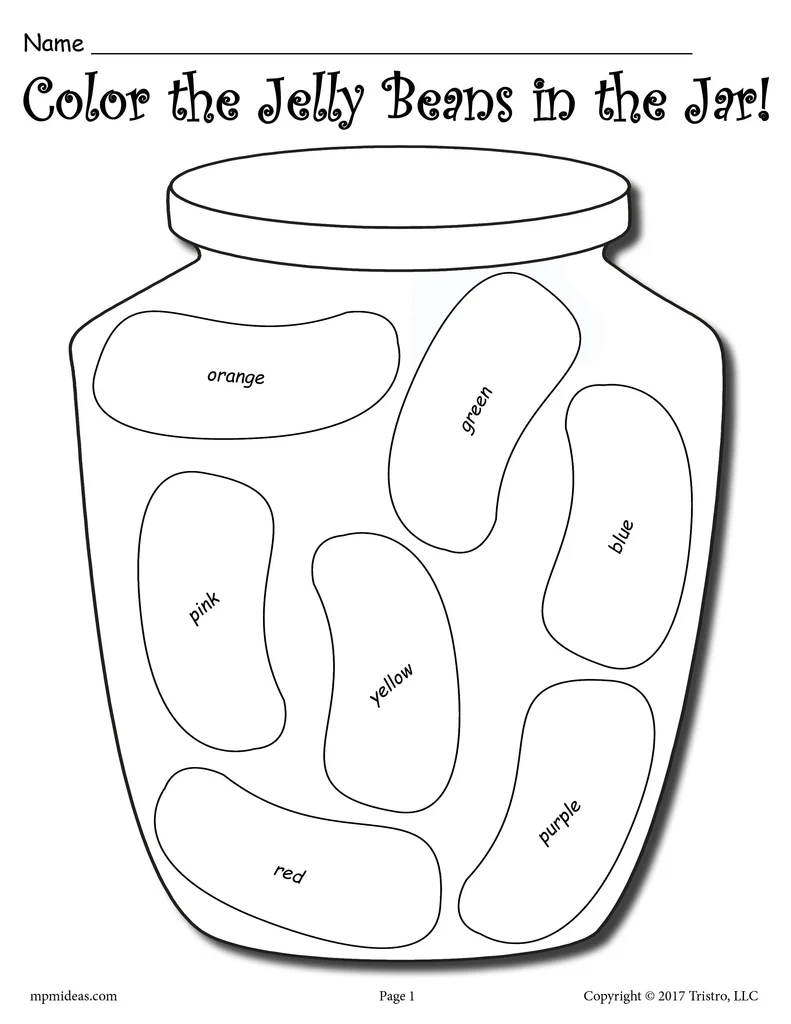
The jelly bean context also opens space for discussion about theoretical versus experimental probability. Students can make predictions based on their calculations, then test those predictions by actually drawing from a jar. This hands-on verification transforms abstract math into something they can see and touch.
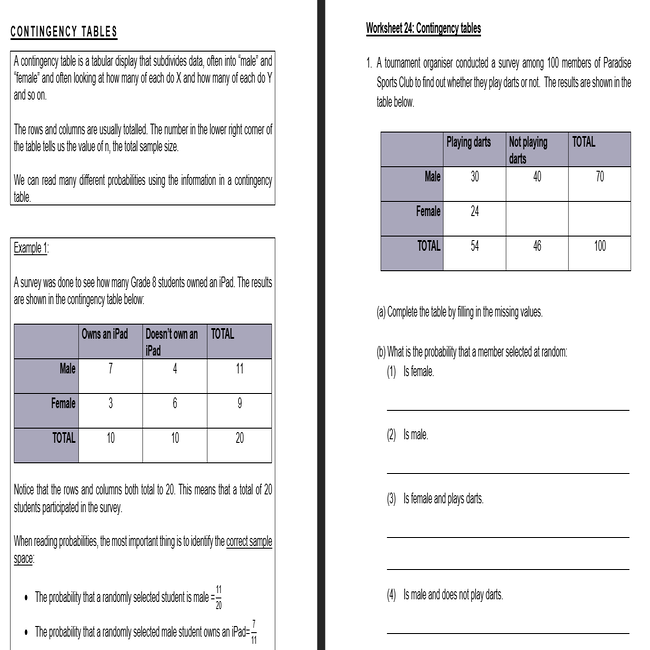
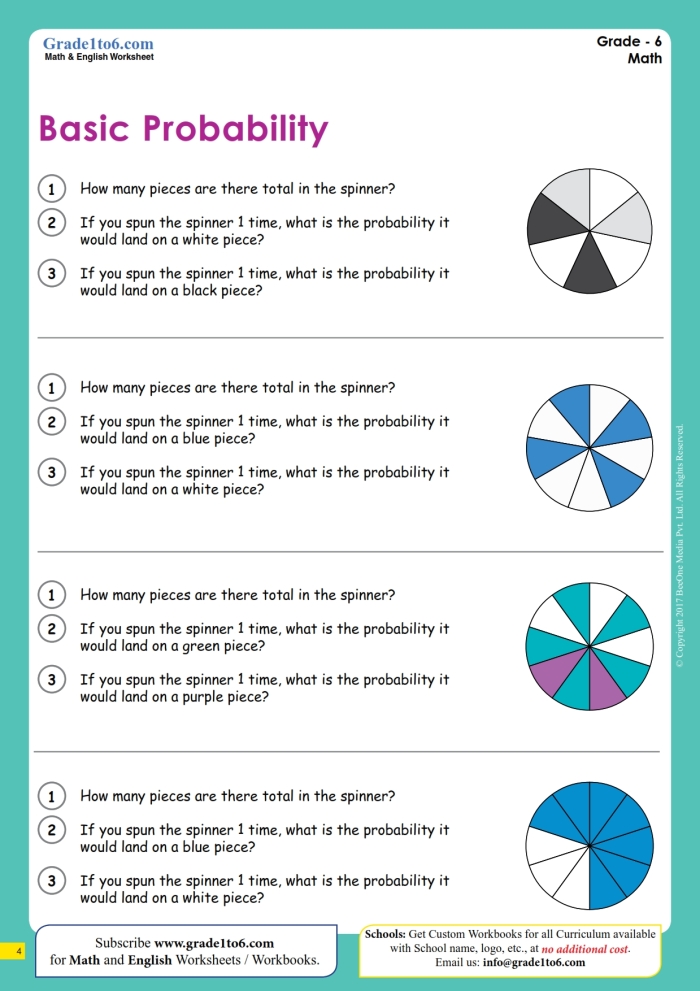
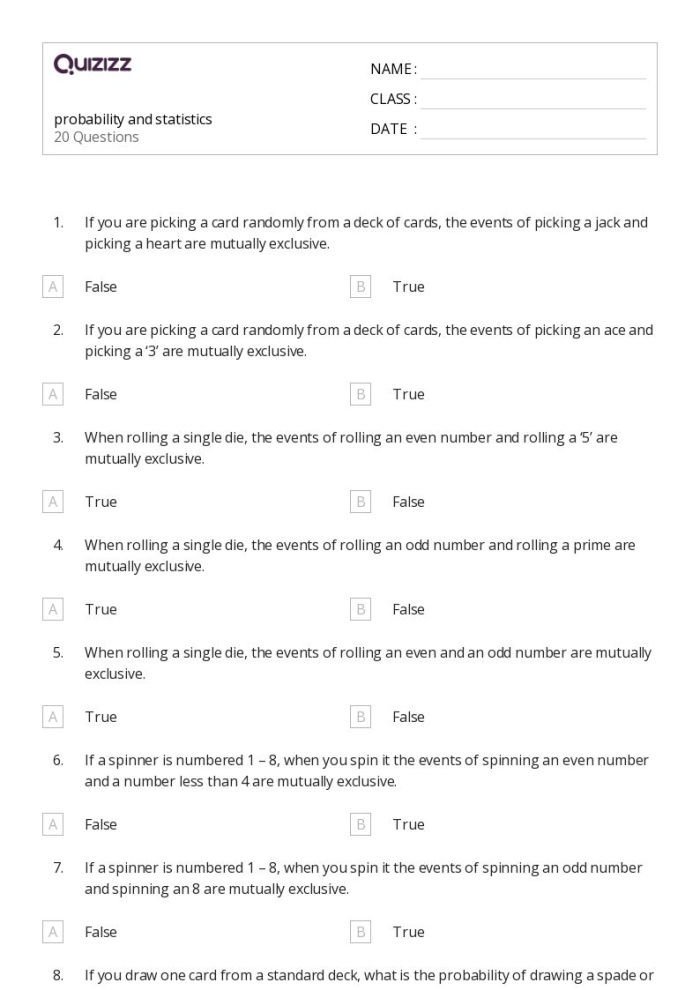
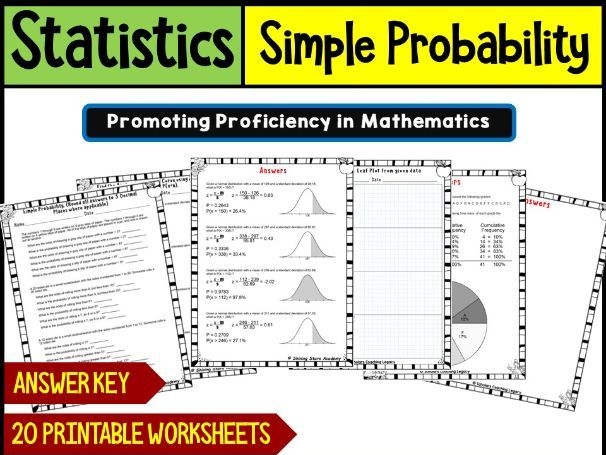
These printable probability worksheets fit naturally into a broader statistics unit. Teachers often pair them with other fifth grade statistics materials to create a comprehensive understanding of how data works in the real world. The repetition across multiple problem types ensures students develop genuine fluency with fraction-based probability rather than just memorizing a formula.
Start Practicing with These Worksheets