Writing about the weather forces children to observe their surroundings in a way that simple observation alone never does. When a first grader looks out the window and simply sees “rain,” they’re noticing a fact. When they write a sentence about that rain, they’re processing it, choosing words, and cementing the experience in their memory.
The beauty of weather-focused writing activities lies in their immediacy. Unlike abstract writing prompts, weather is something your child experiences every single day. It changes, it affects how they dress, how they play, and how they feel. This natural relevance makes writing feel purposeful rather than like a school exercise.
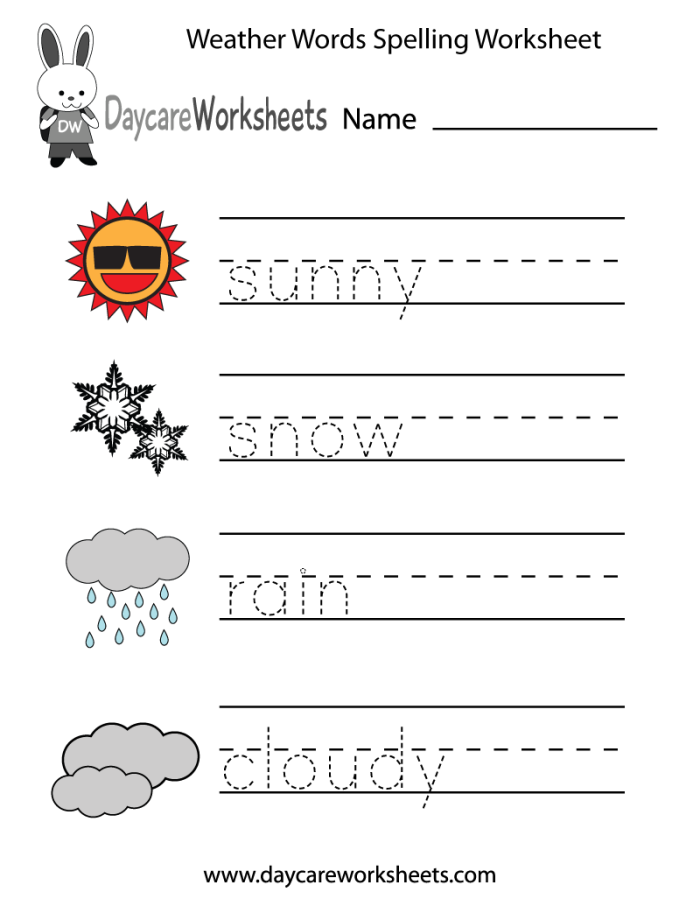
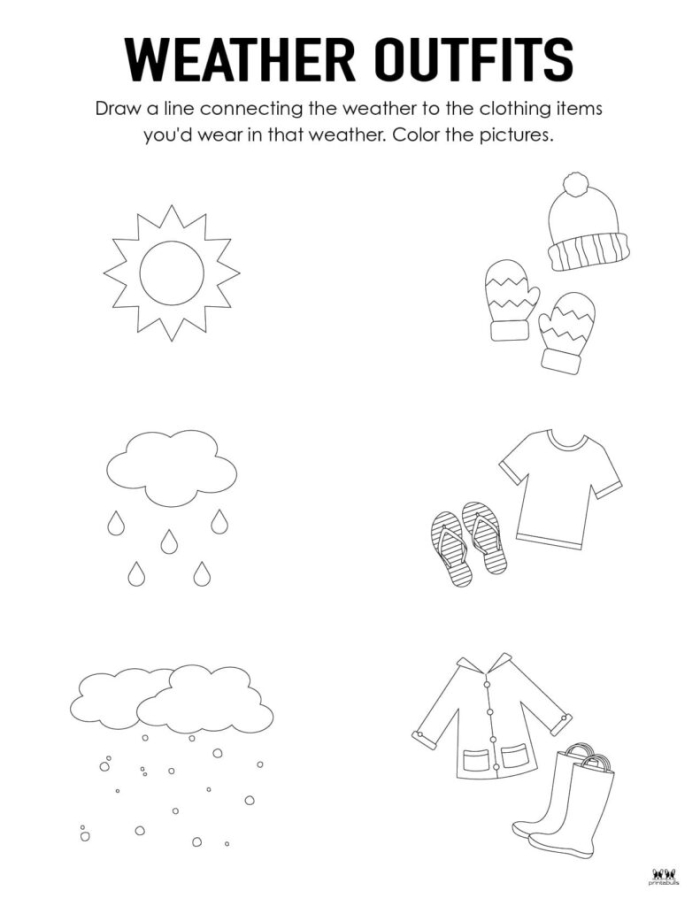
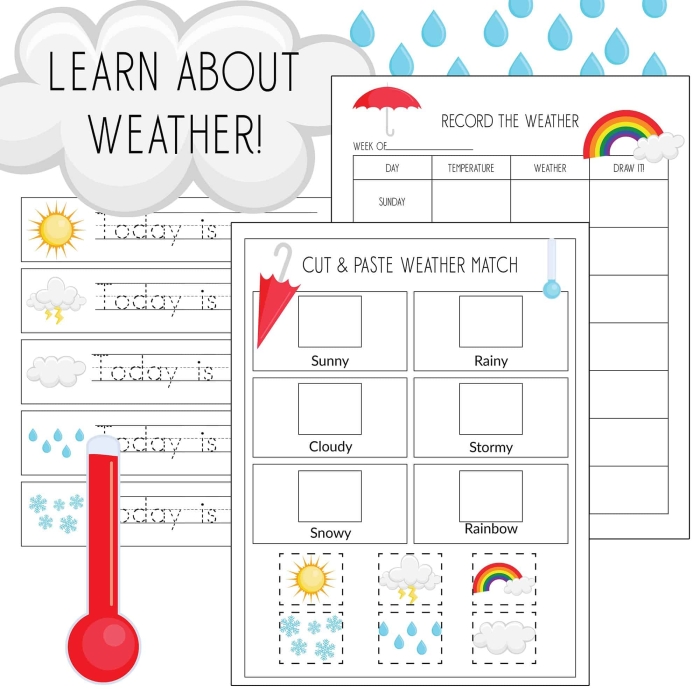
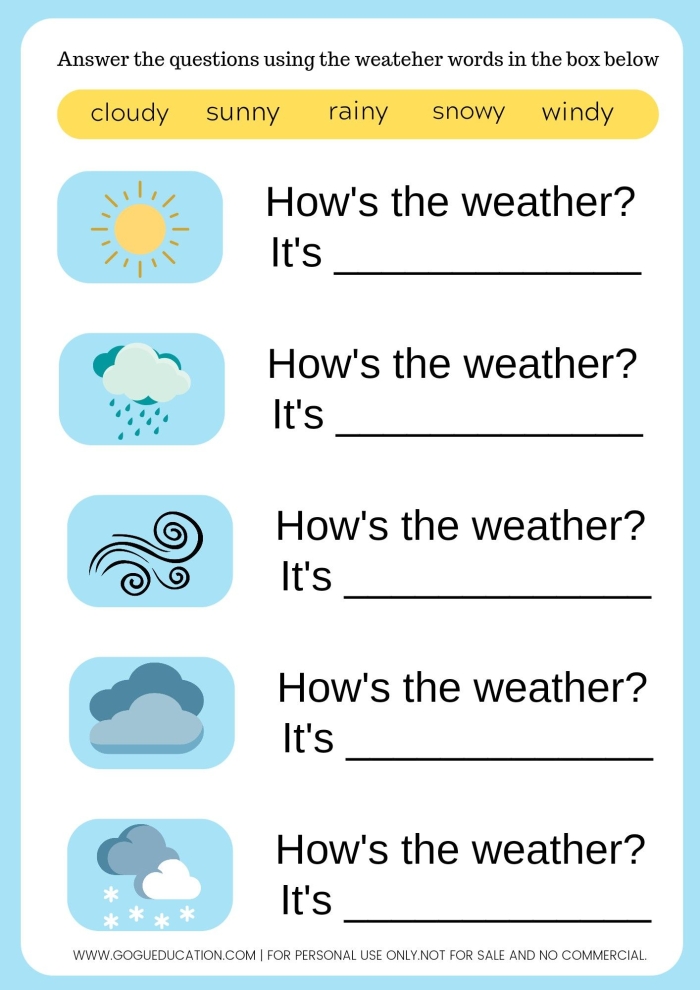
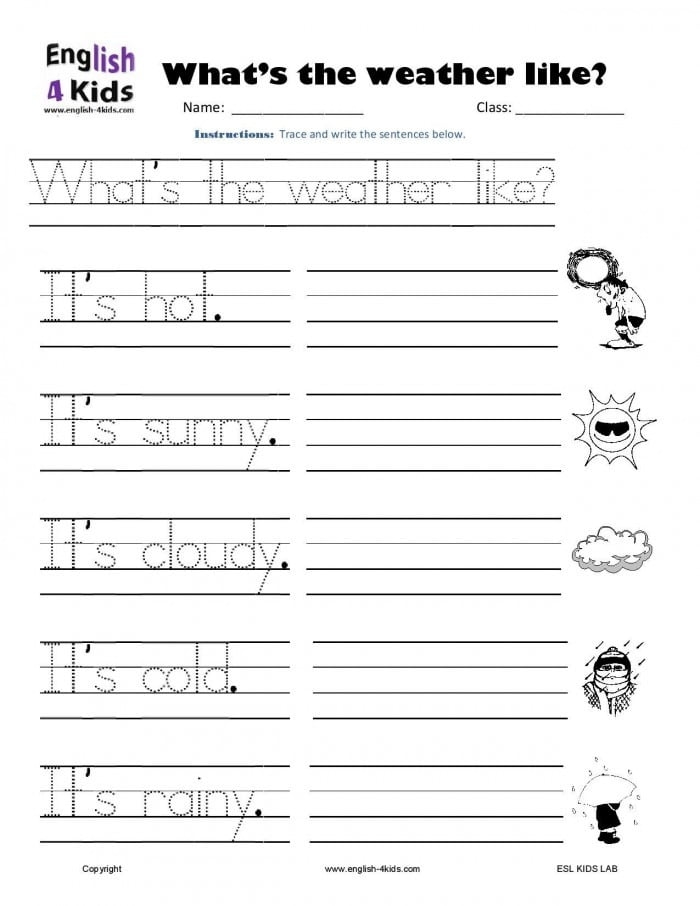
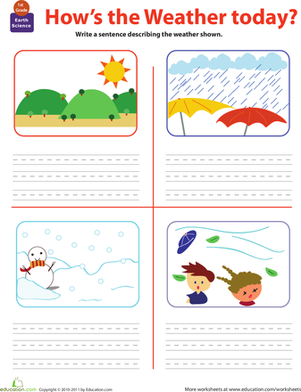
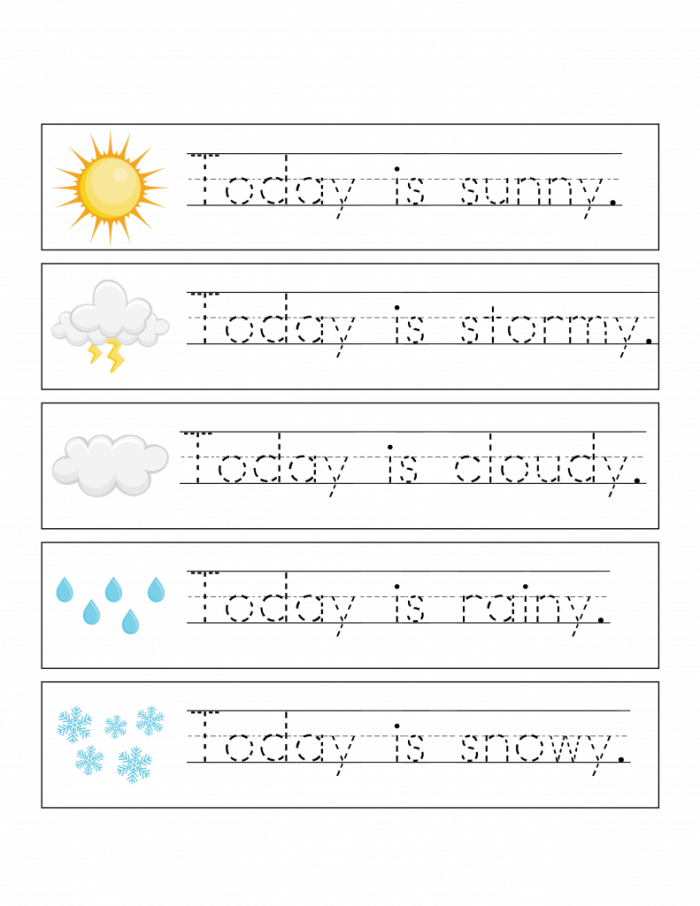
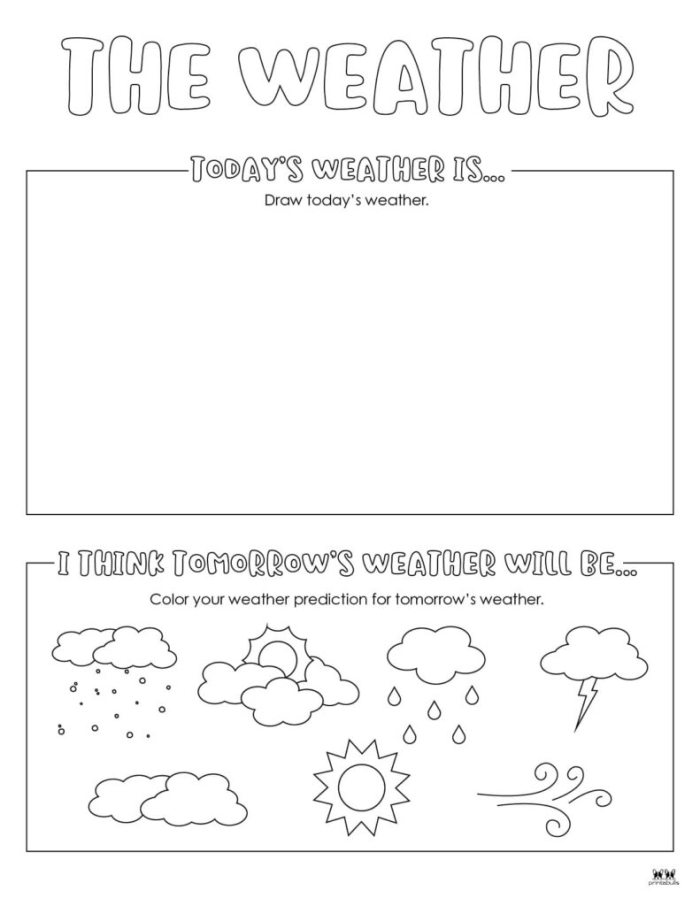
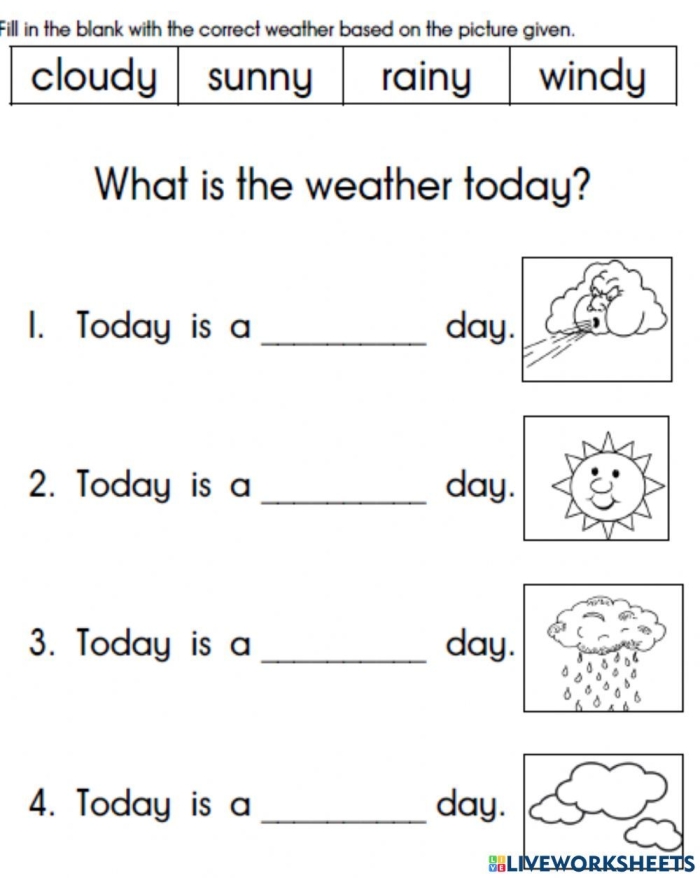
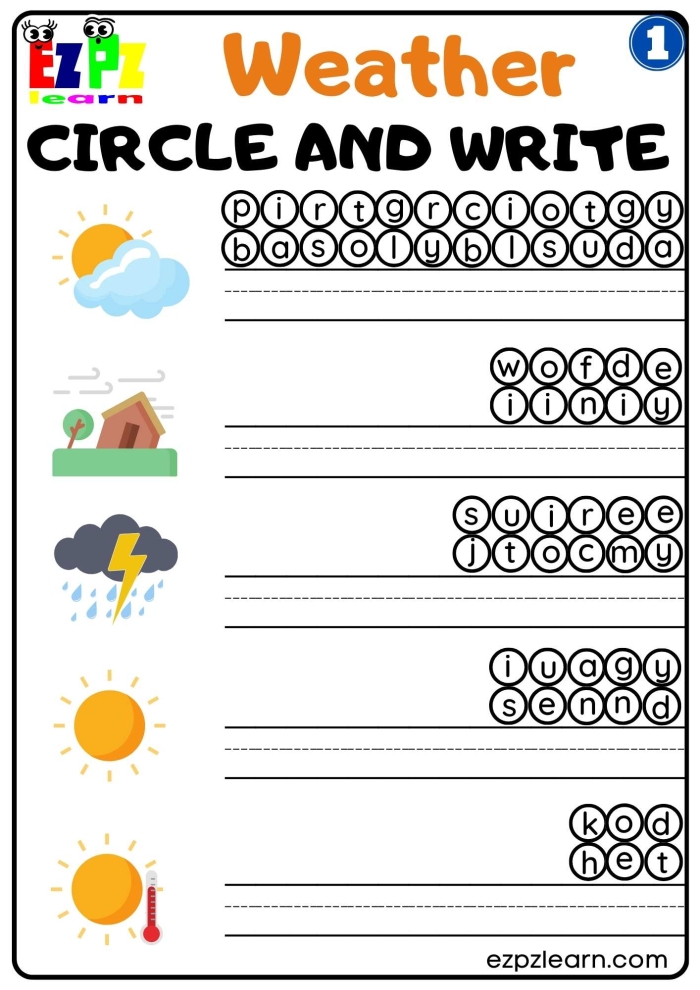
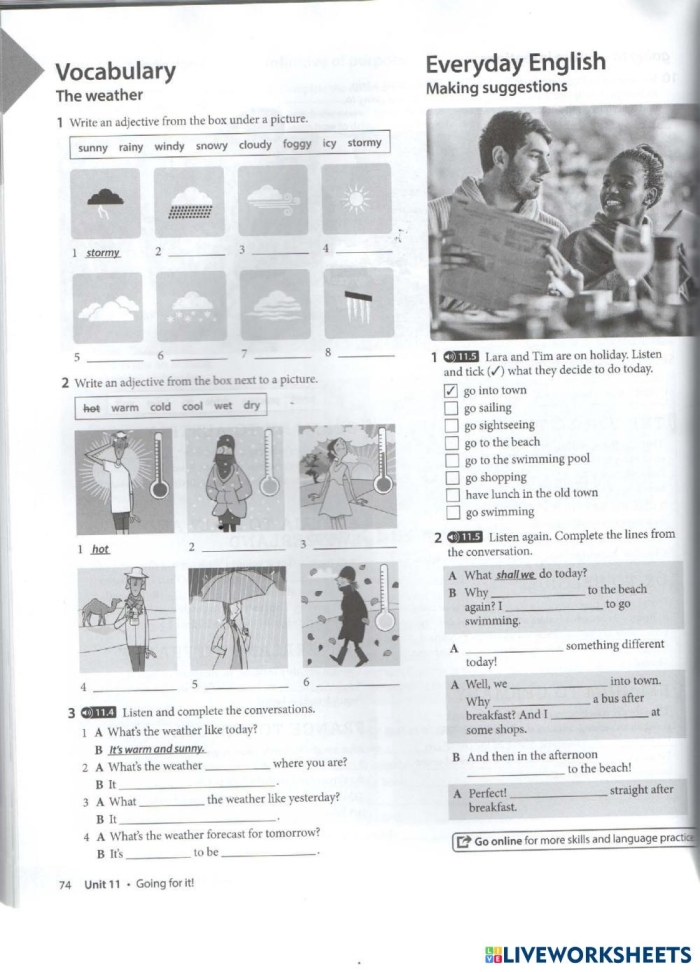
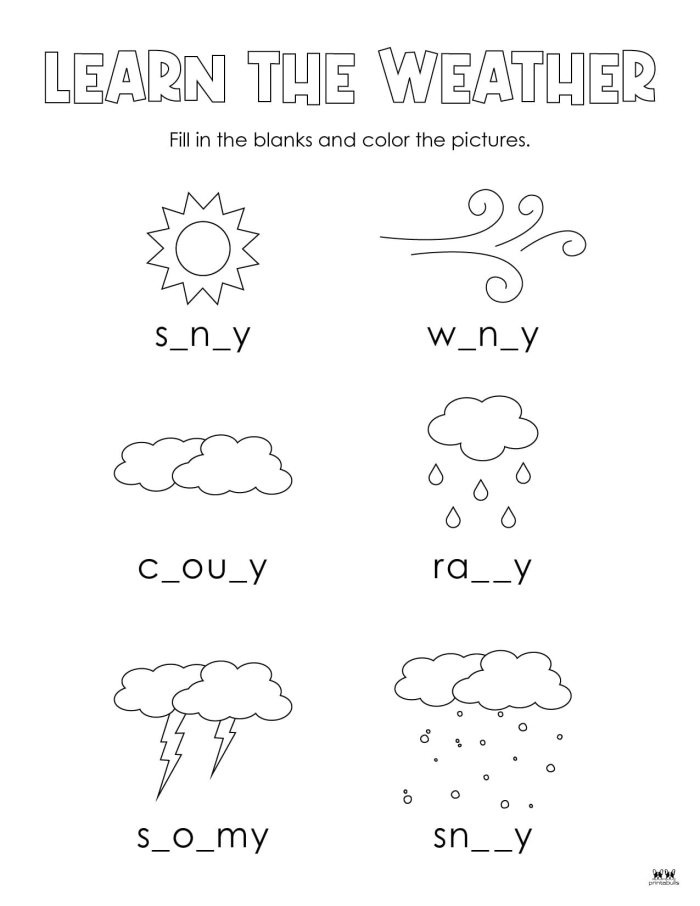
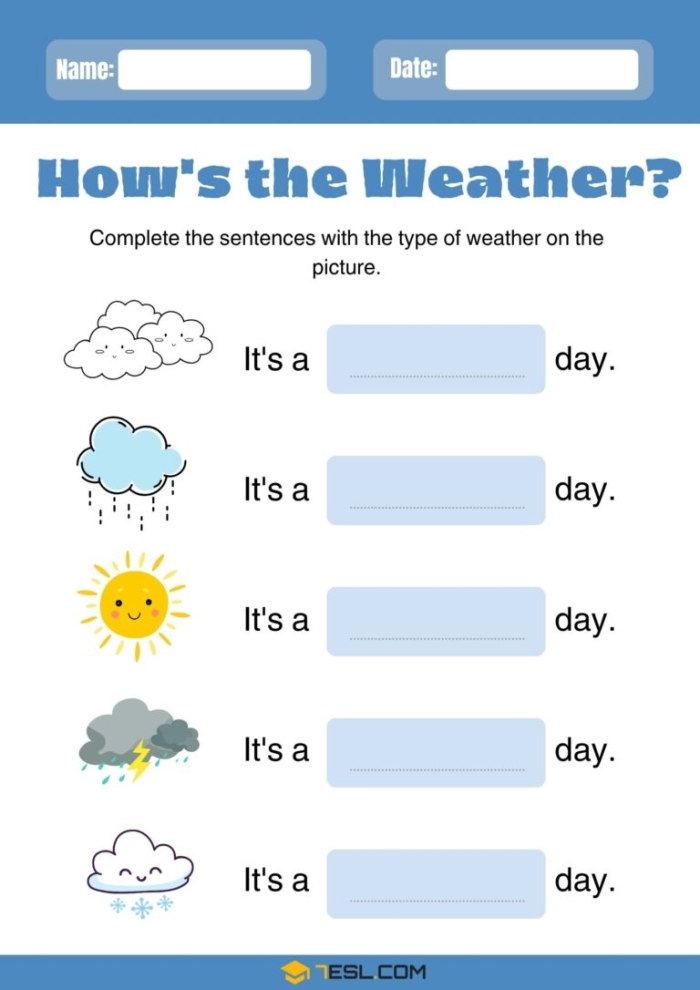
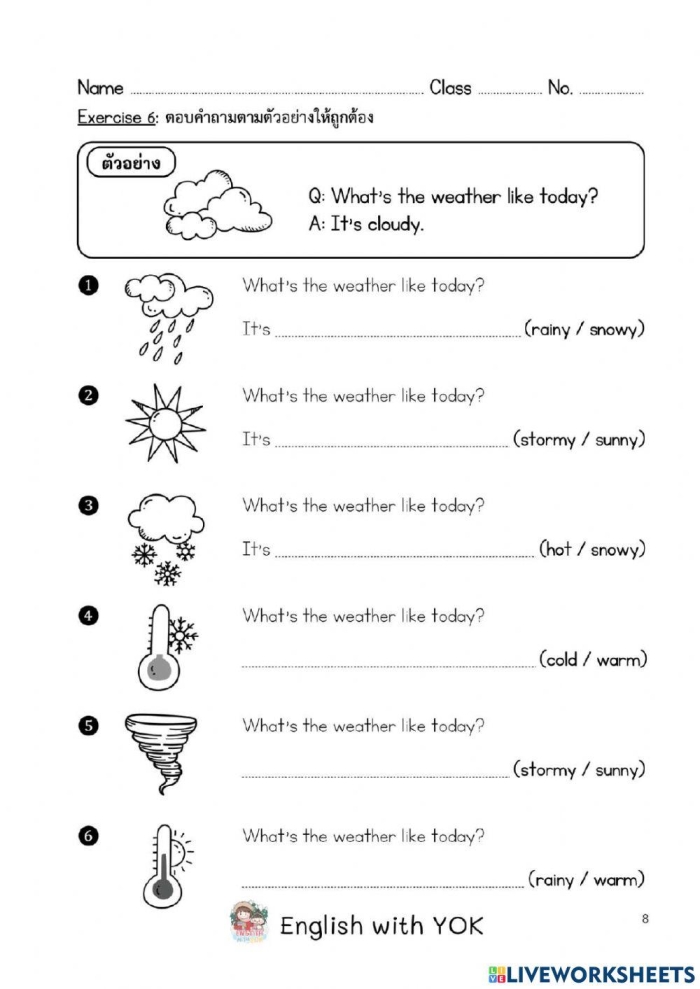
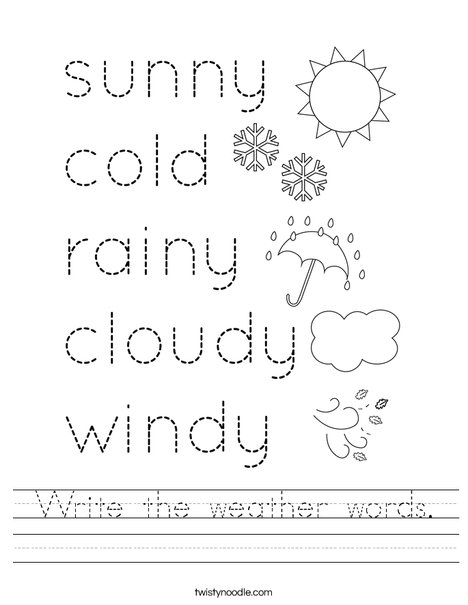
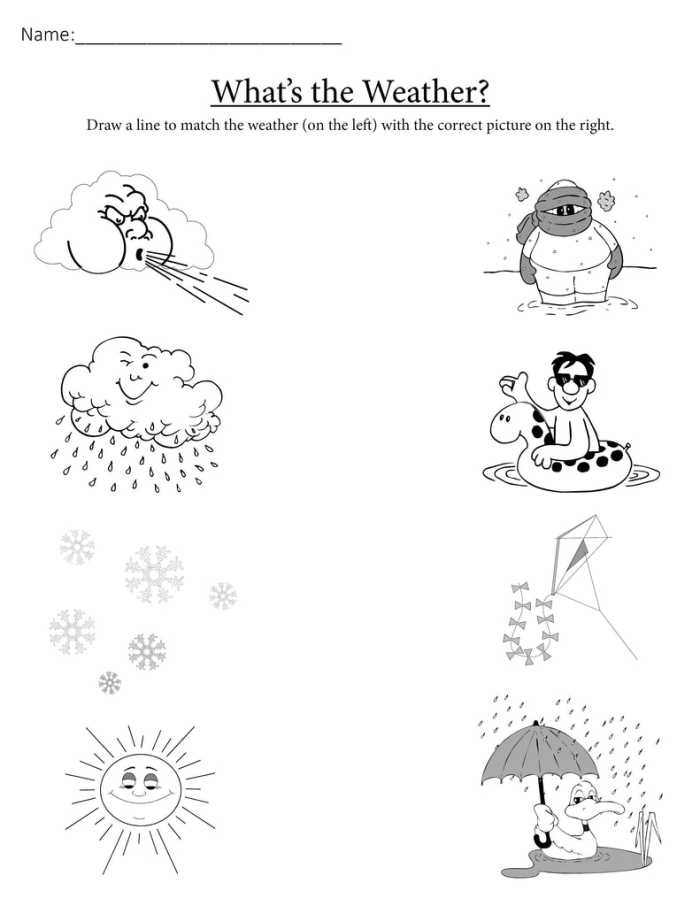
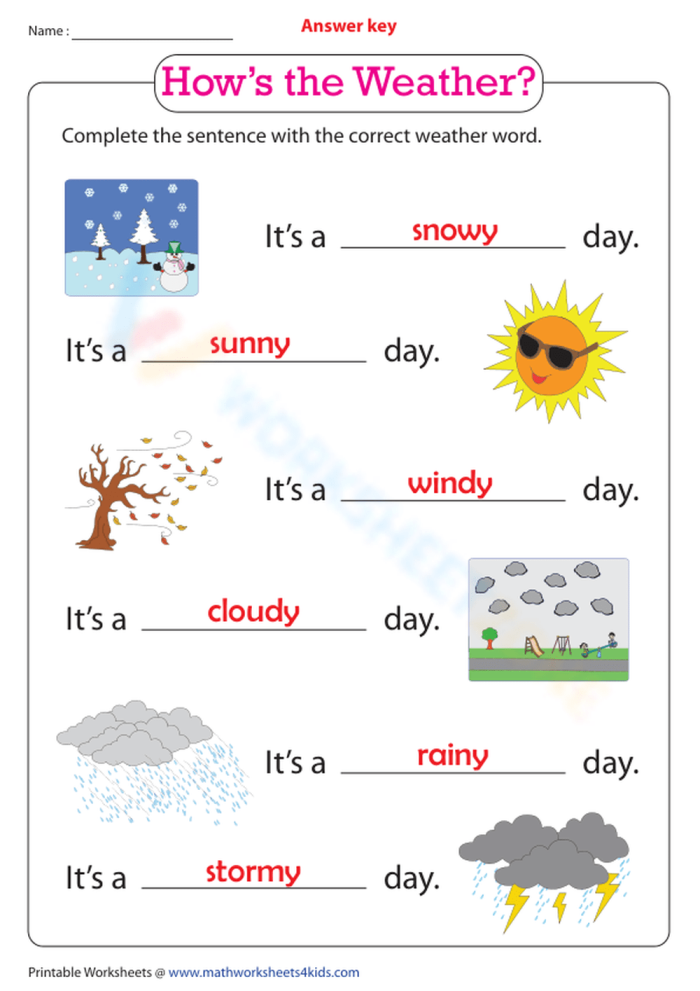
A practical approach involves pairing images with writing tasks. Your child looks at a picture showing sunny skies, rain, snow, or clouds, then writes a single sentence describing what they see. This structure works particularly well for first grade students who are still developing sentence formation skills. The visual anchor keeps them focused while they practice grammar and mechanics fundamentals.
This type of activity strengthens multiple skills simultaneously. Children practice capitalization and punctuation while expanding their weather vocabulary. They learn descriptive words like “fluffy,” “dark,” or “wet” that go beyond basic weather terms. When you incorporate worksheets that combine writing with other mechanics practice, like correcting capitalization or identifying word patterns, you’re building a more comprehensive foundation.
The key is consistency. Regular weather writing, whether it’s a quick sentence each morning or a weekly activity, helps children develop confidence with written expression. Over time, they move from simple observations to more complex descriptions, naturally advancing their writing ability through a topic that surrounds them every day.
Grab These Worksheets Now