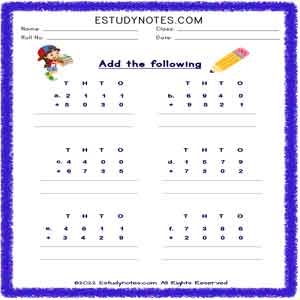
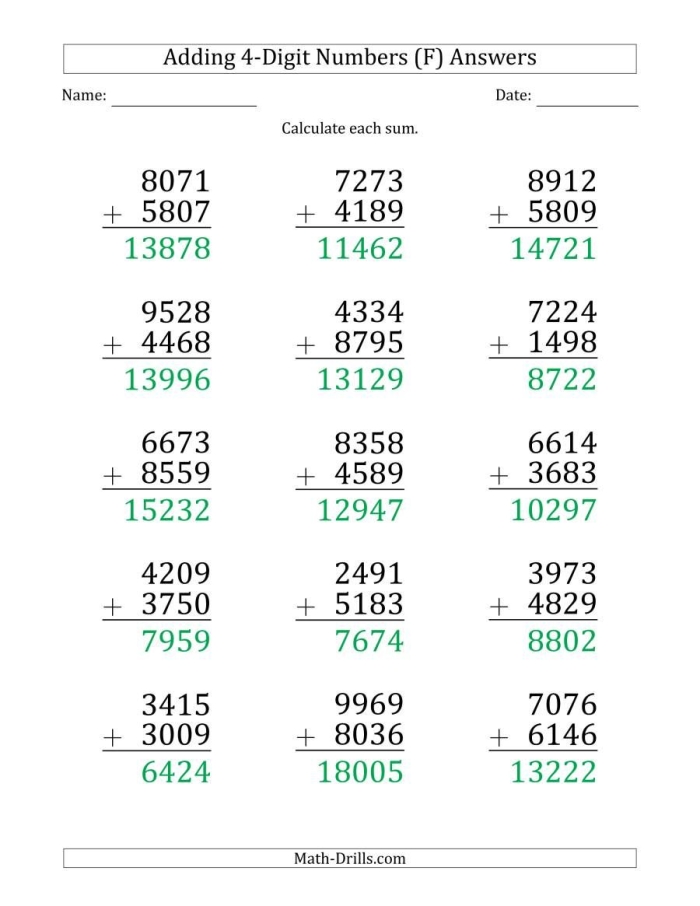
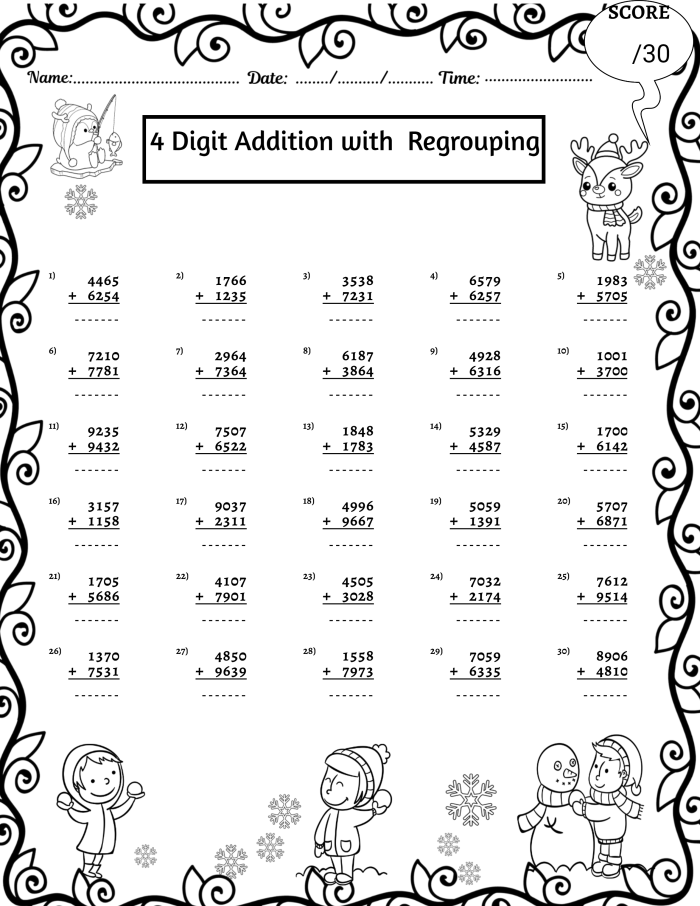
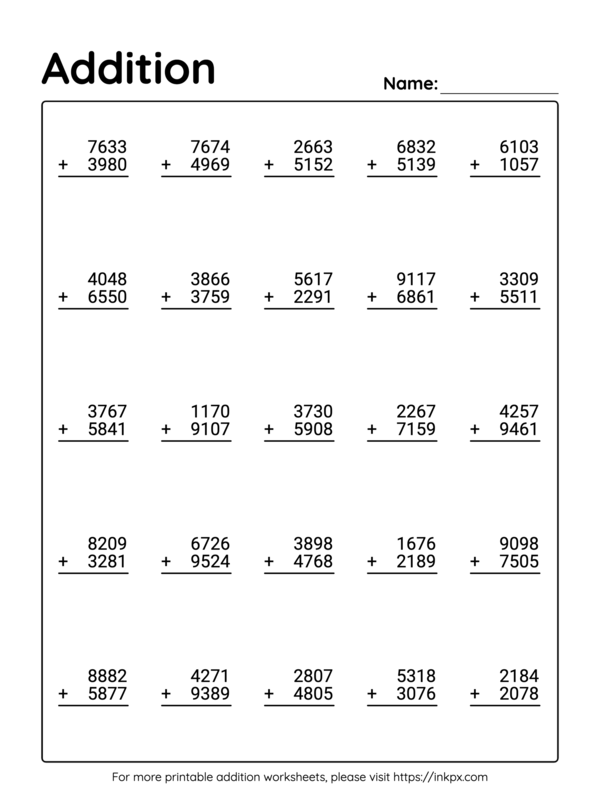
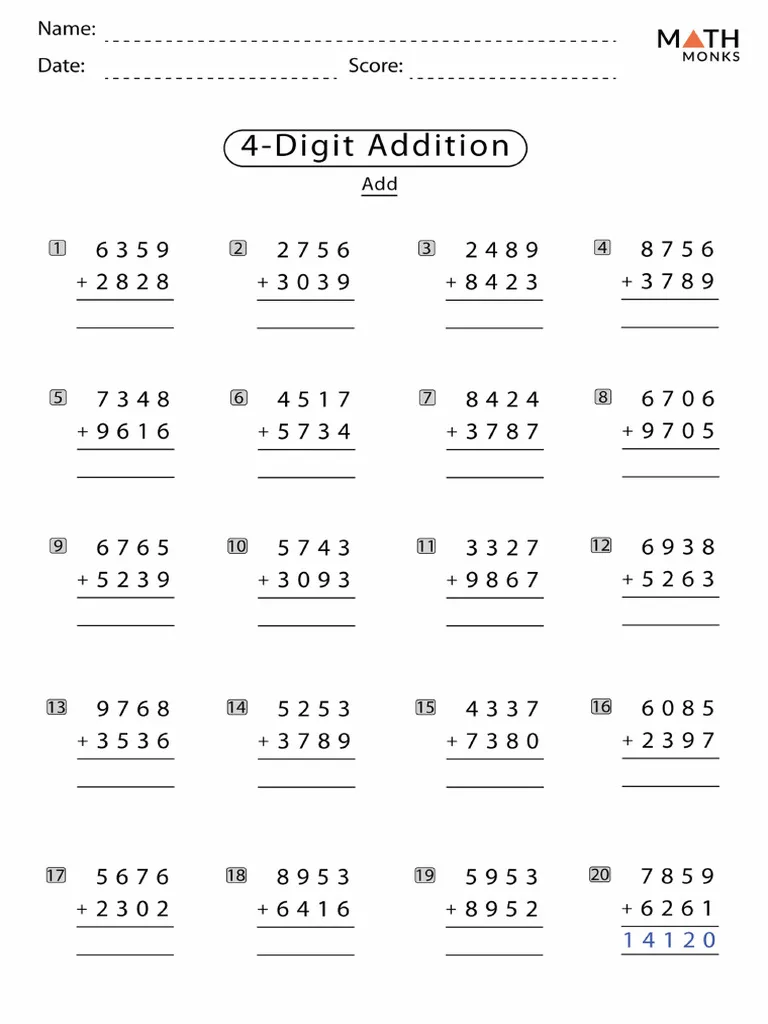
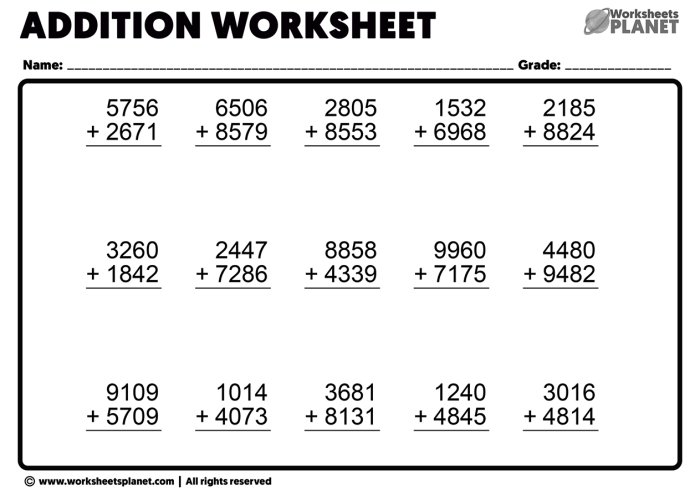
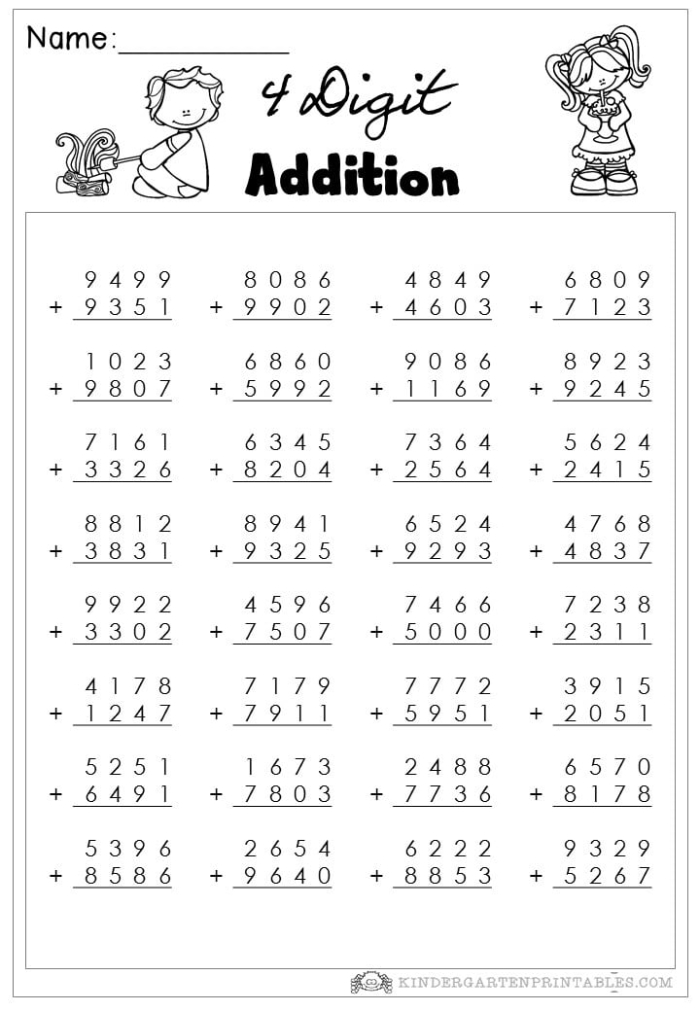
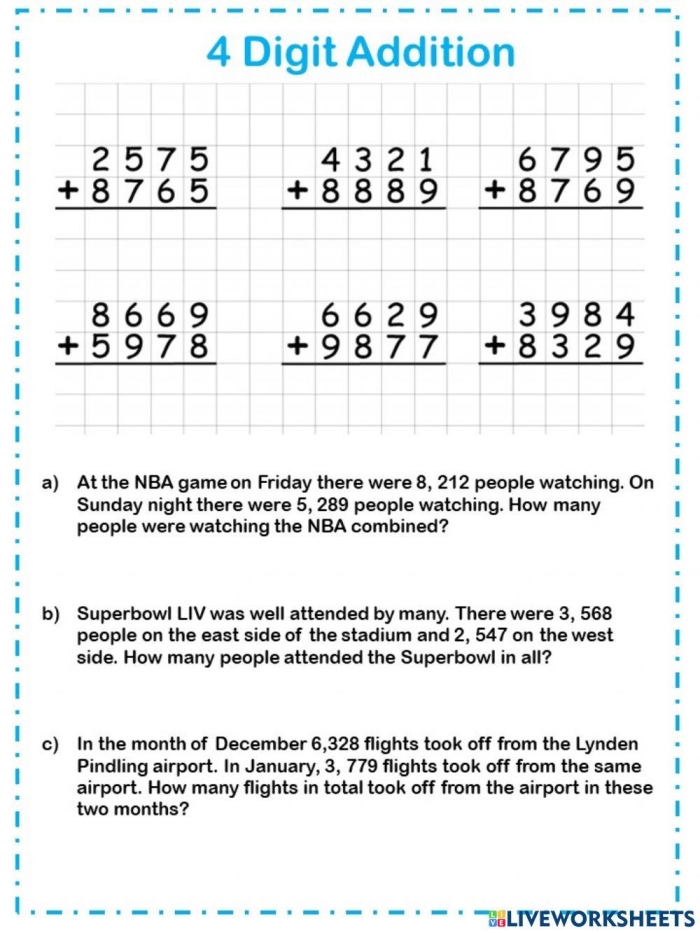
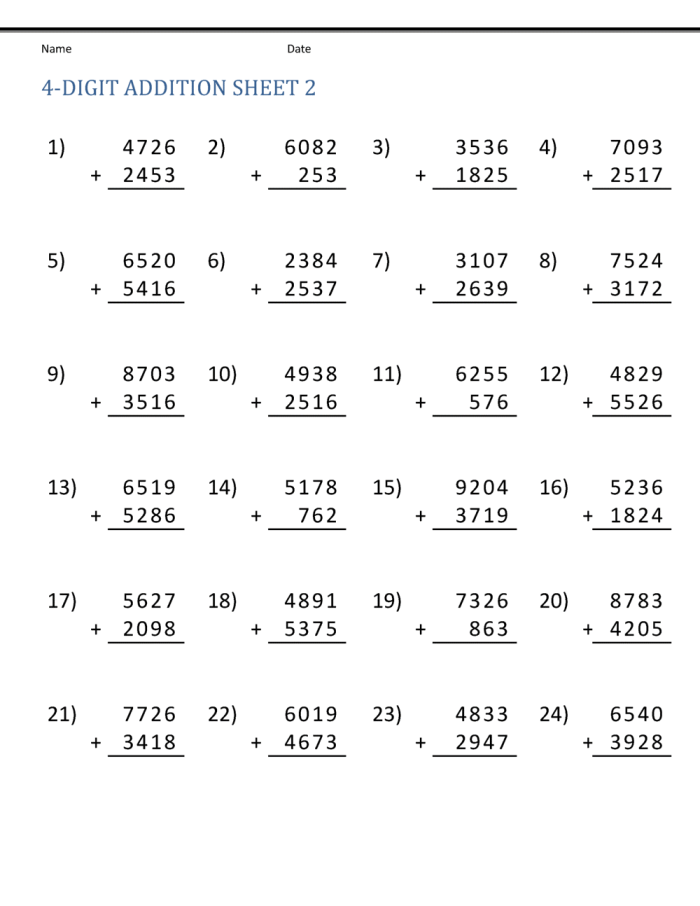
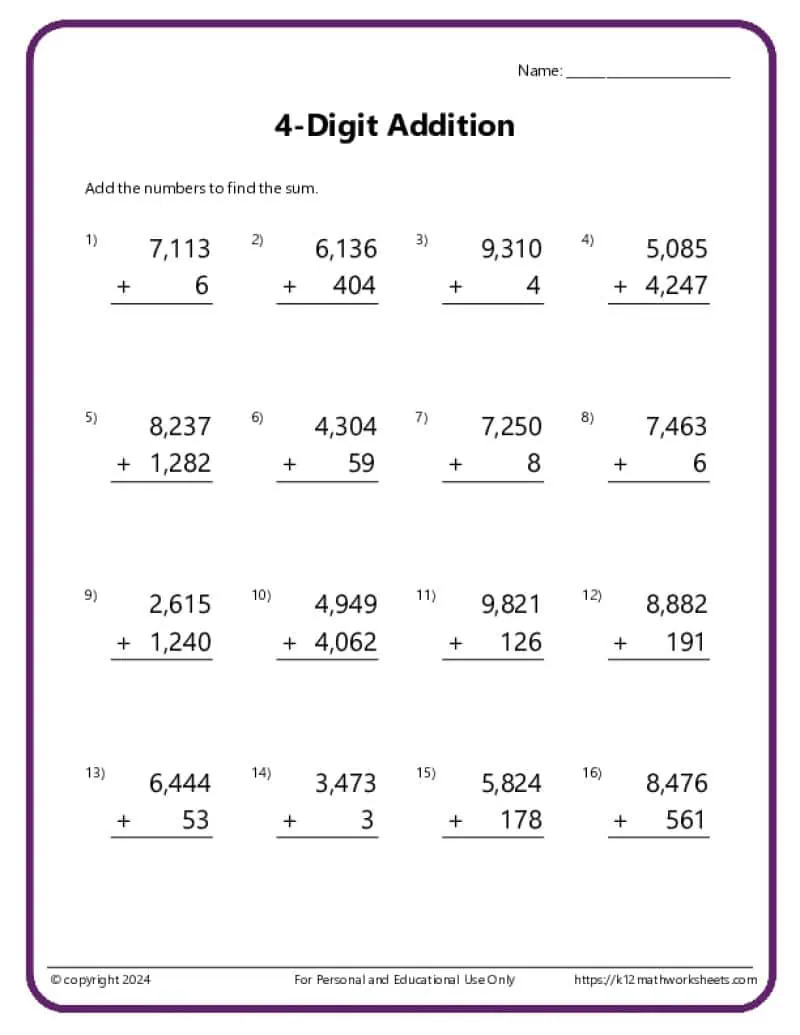
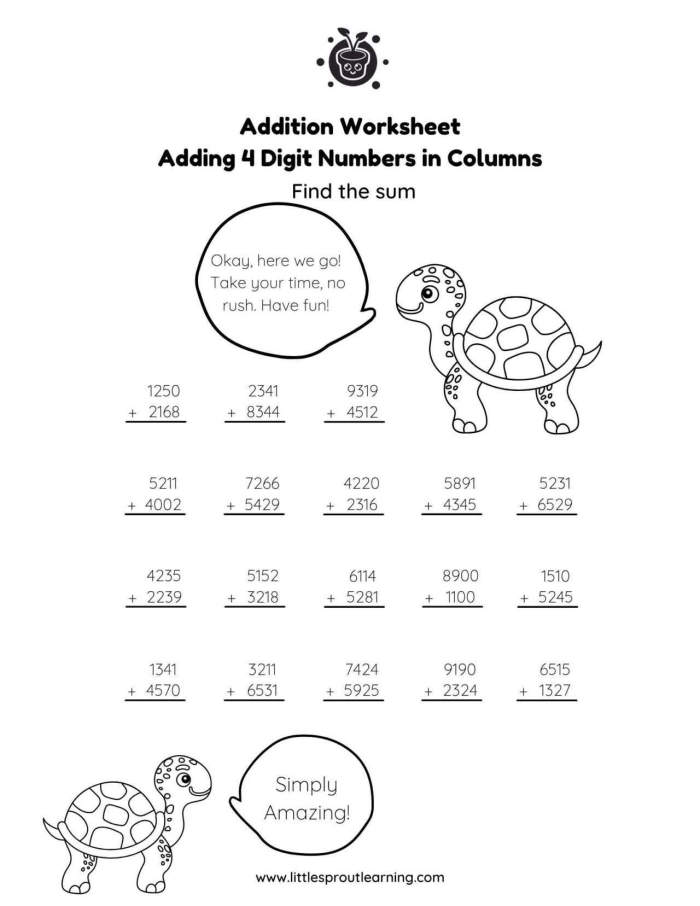
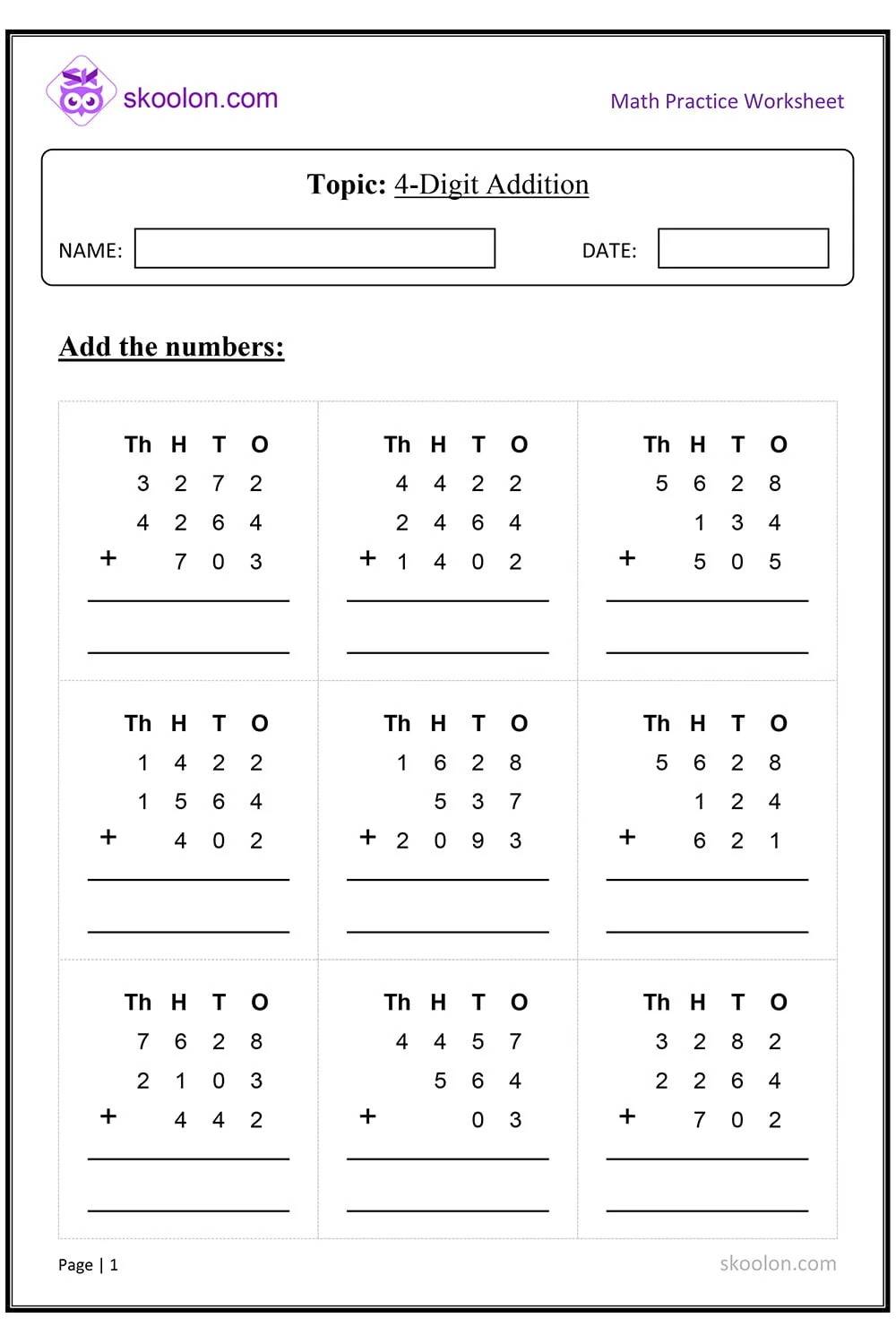
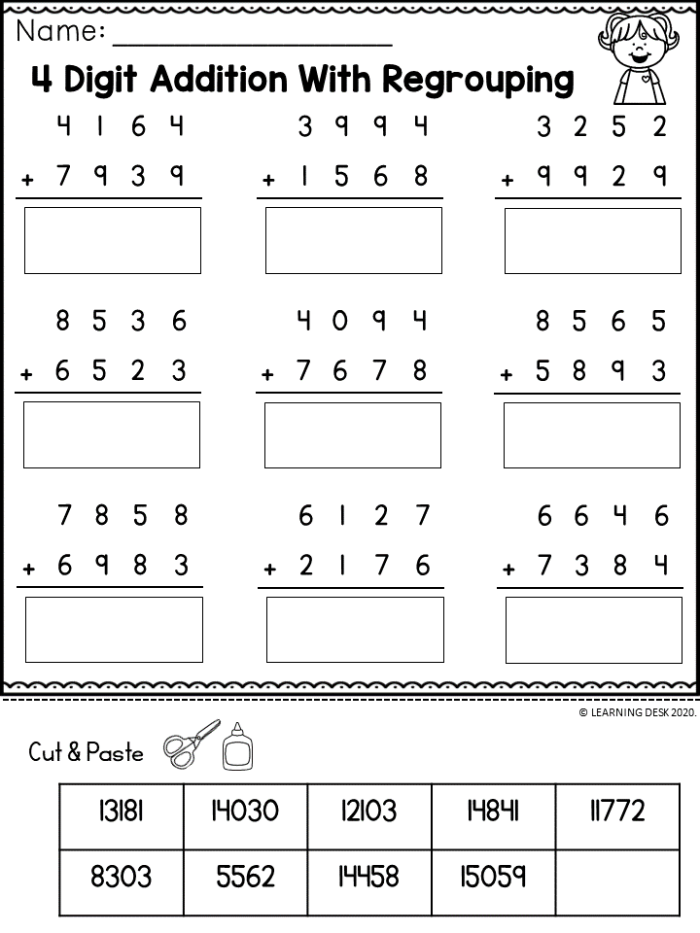
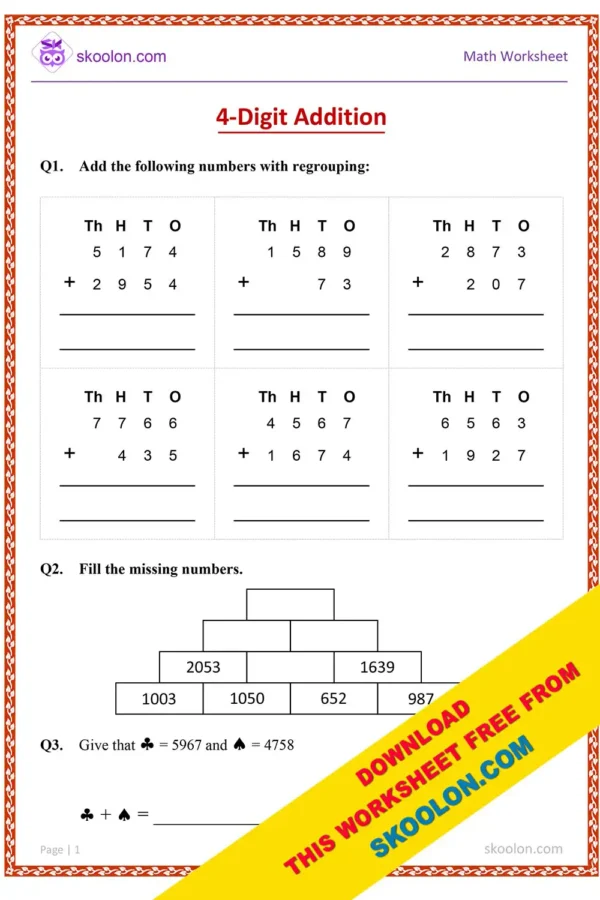
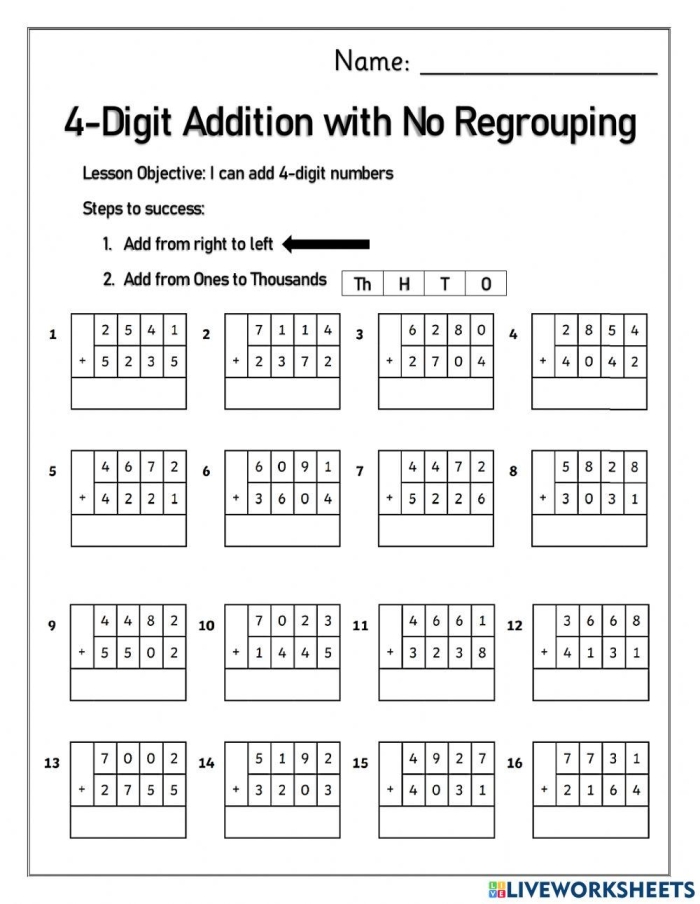
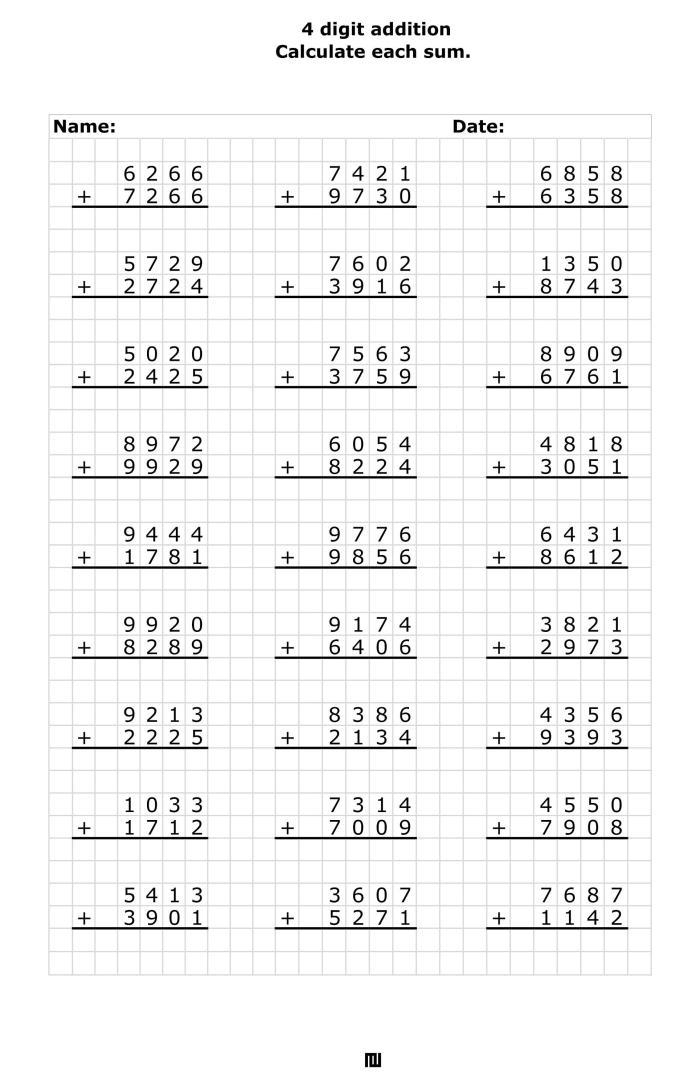
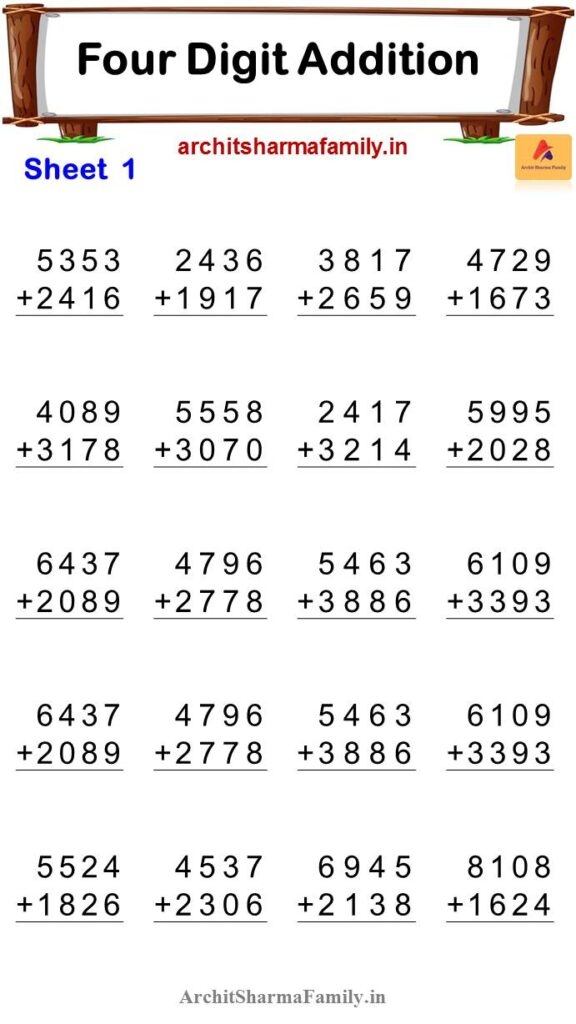
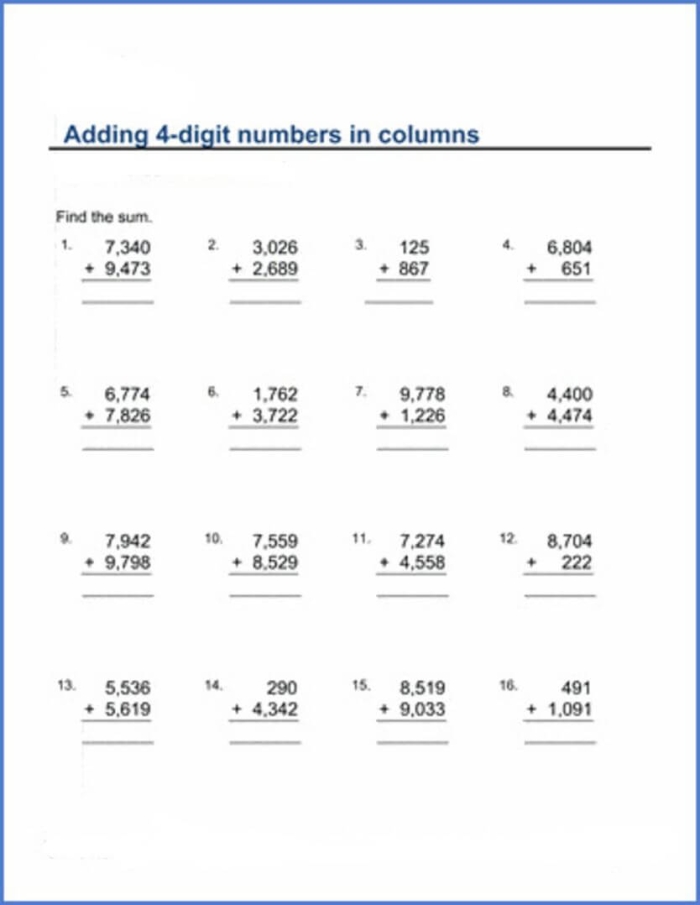
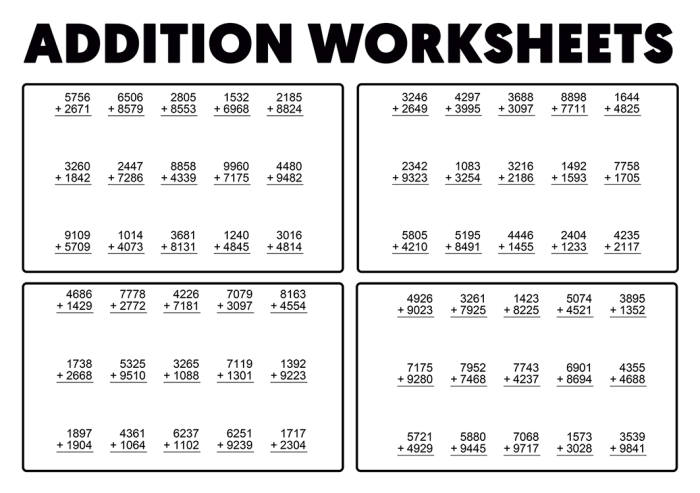
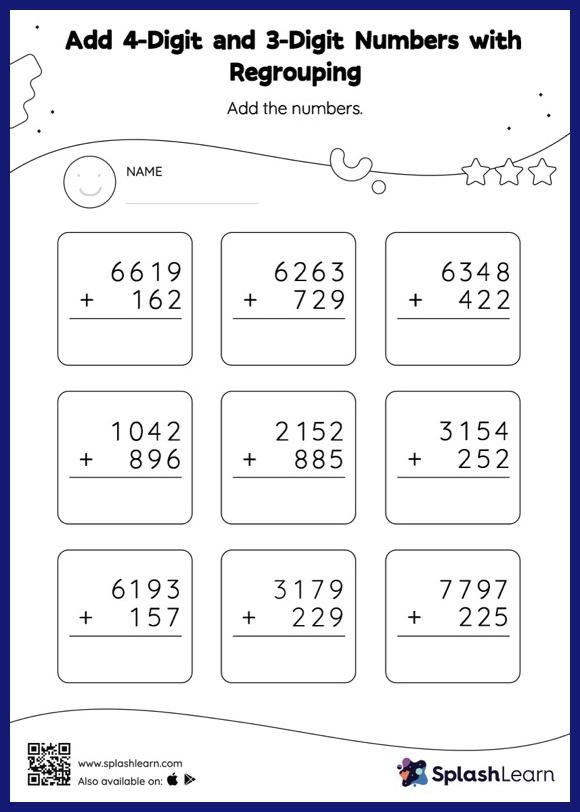
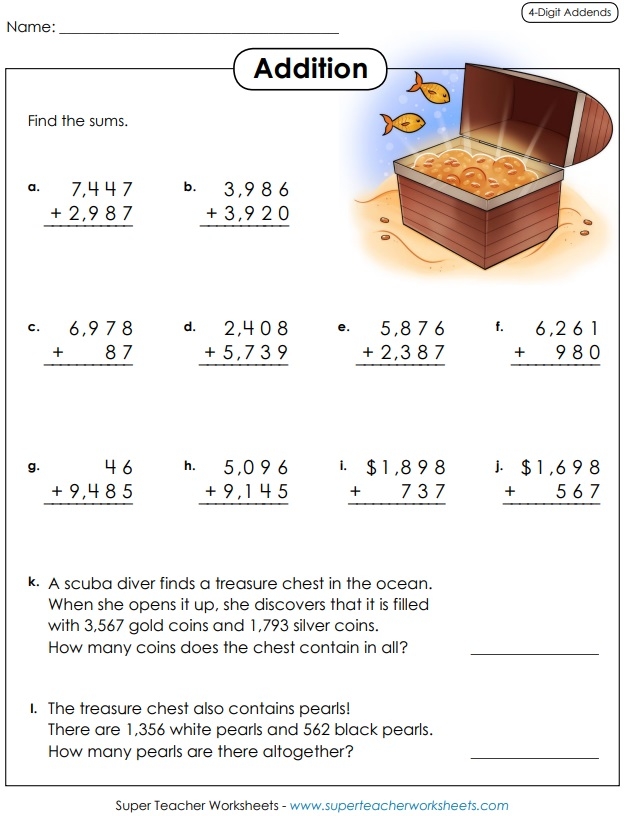
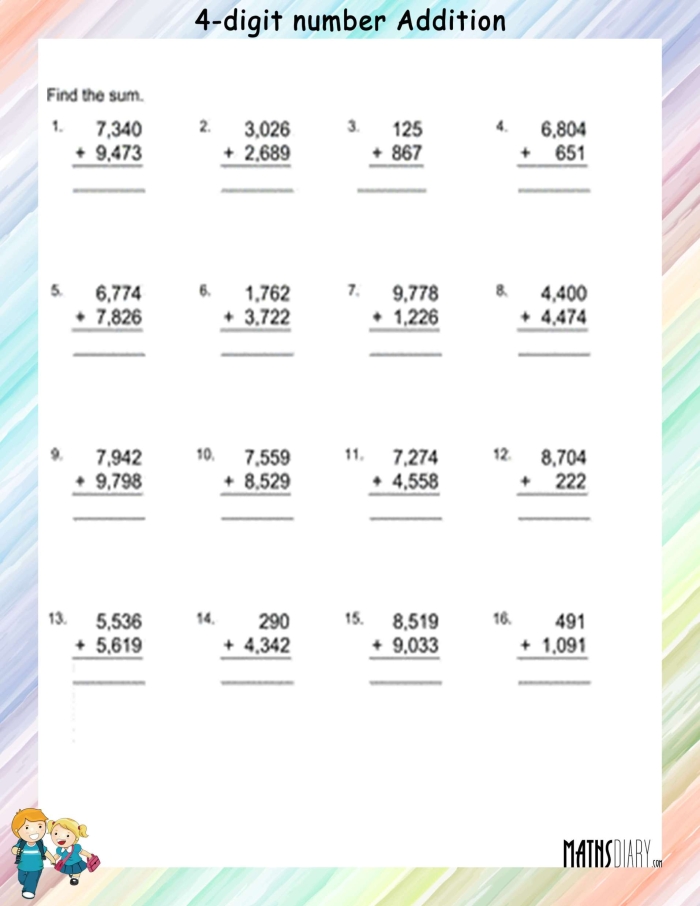
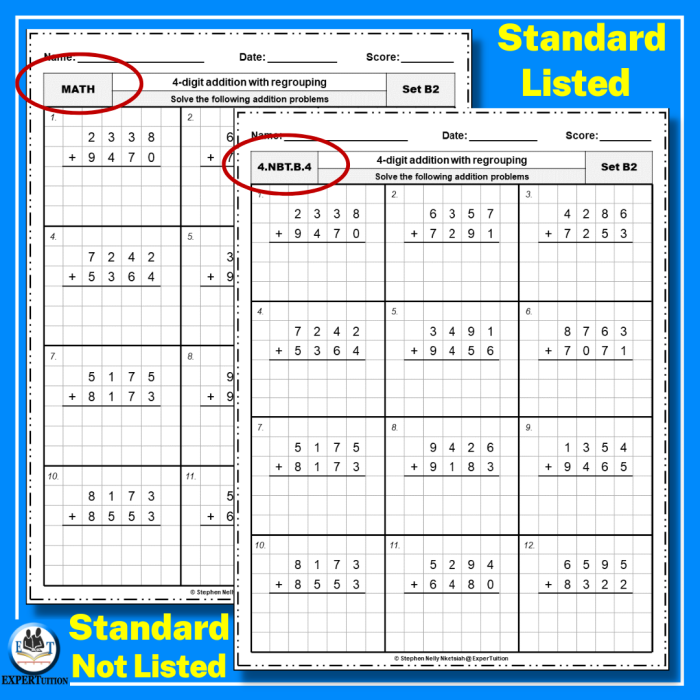
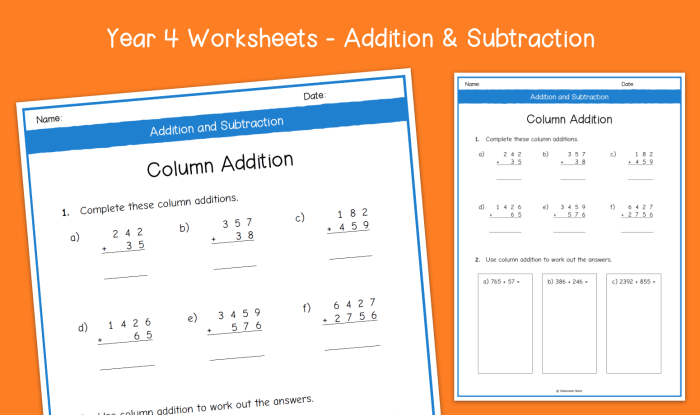
When your third grader brings home another generic math worksheet, you know the reaction you’ll get: a groan, a sigh, and the classic “do I have to?” That’s where an Easter-themed addition worksheet makes a real difference. Instead of staring at rows of isolated numbers, your child gets to practice adding four-digit and three-digit numbers in a context that actually feels like a break from the usual routine.
The challenge of combining larger numbers requires focus and precision. A third grader working through problems like 2,345 + 678 needs to line up digits correctly, manage carrying over to the next column, and keep track of place value. These skills form the foundation for all future math work, yet they’re often taught in the driest possible way. Seasonal themes change that dynamic entirely. When the worksheet features Easter eggs, spring flowers, or bunny illustrations, the brain doesn’t register it as “math practice” in the same restrictive way.
This approach mirrors how educators now think about cross-curricular learning. While your child practices place value and regrouping, they’re also engaging with visual elements that make the task feel less like a chore. The Easter context provides natural stopping points and conversation starters. You can ask questions about the theme while reviewing their work, turning practice into a genuine interaction rather than a supervision task.
If your student needs additional reinforcement, pairing this with other worksheet types helps. For instance, math riddles combining adding and subtracting offer variety in problem-solving approaches. You might also explore how equal groups practice connects to multiplication foundations, or how fraction concepts build on solid addition skills.
The real payoff comes when your child finishes the worksheet and actually wants to do more. That shift from reluctance to engagement makes all the difference in building genuine math confidence.
Try These Printable Worksheets