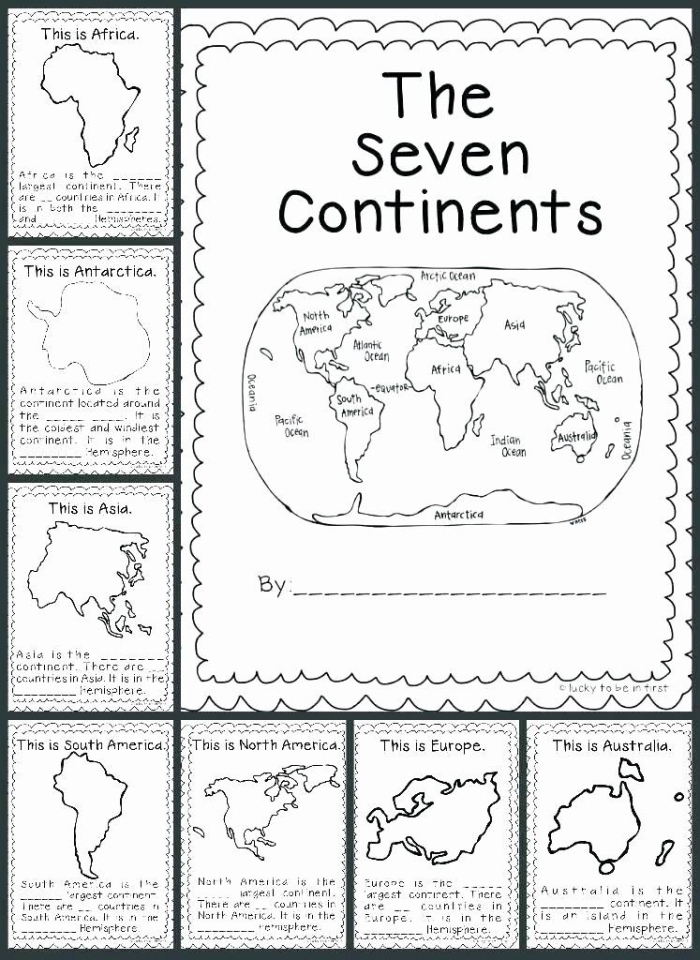
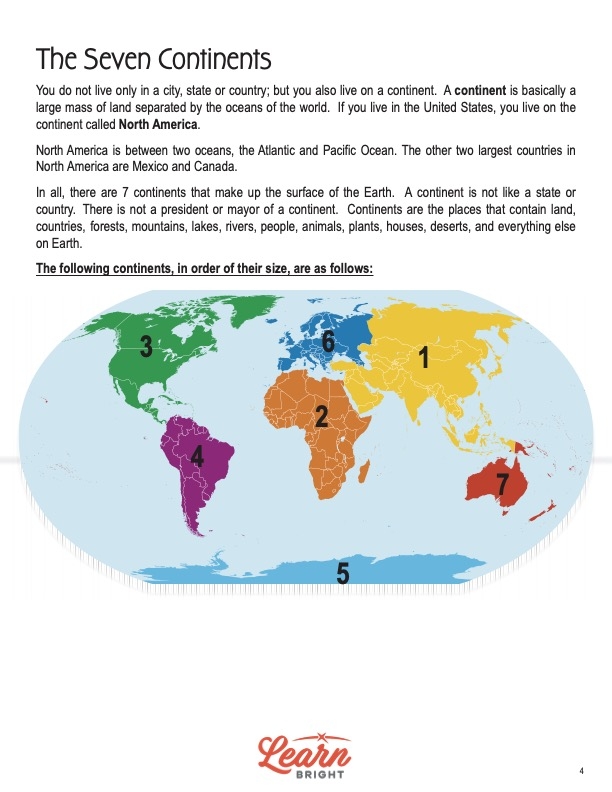
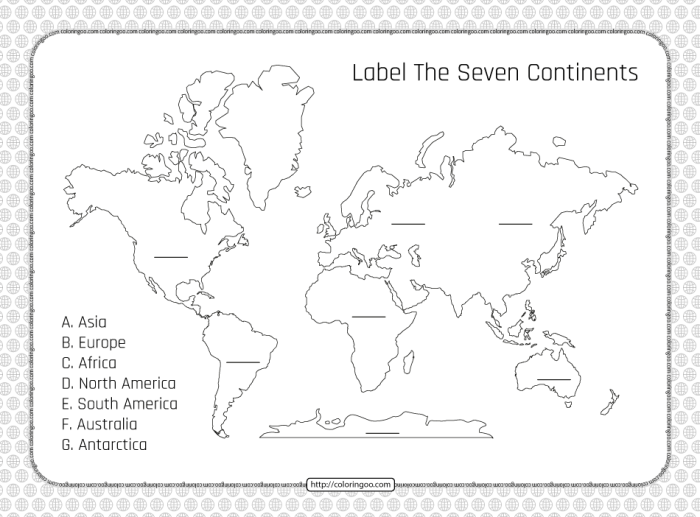
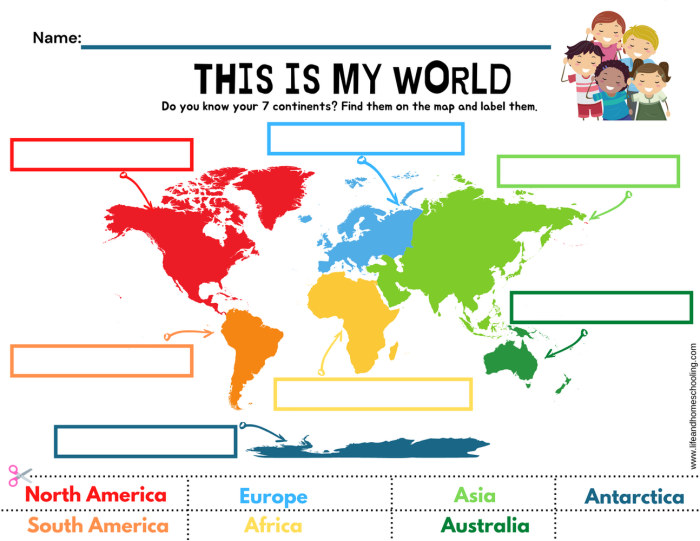
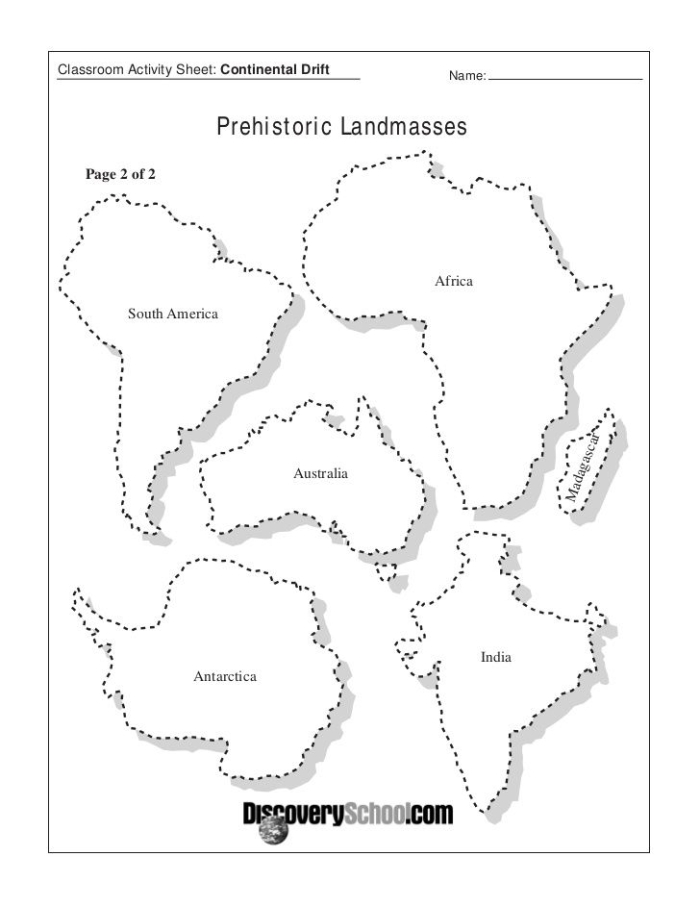
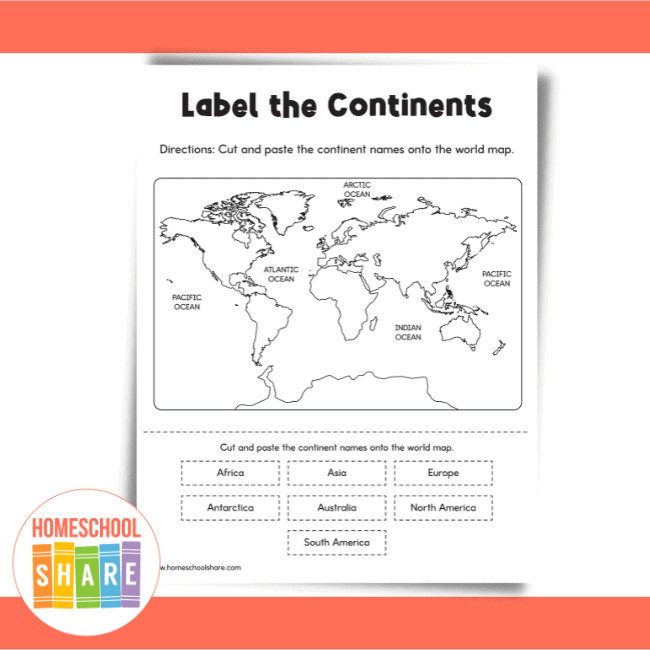
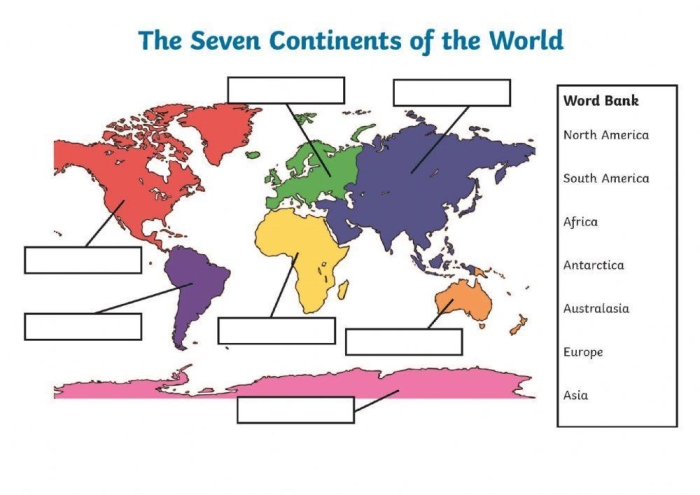
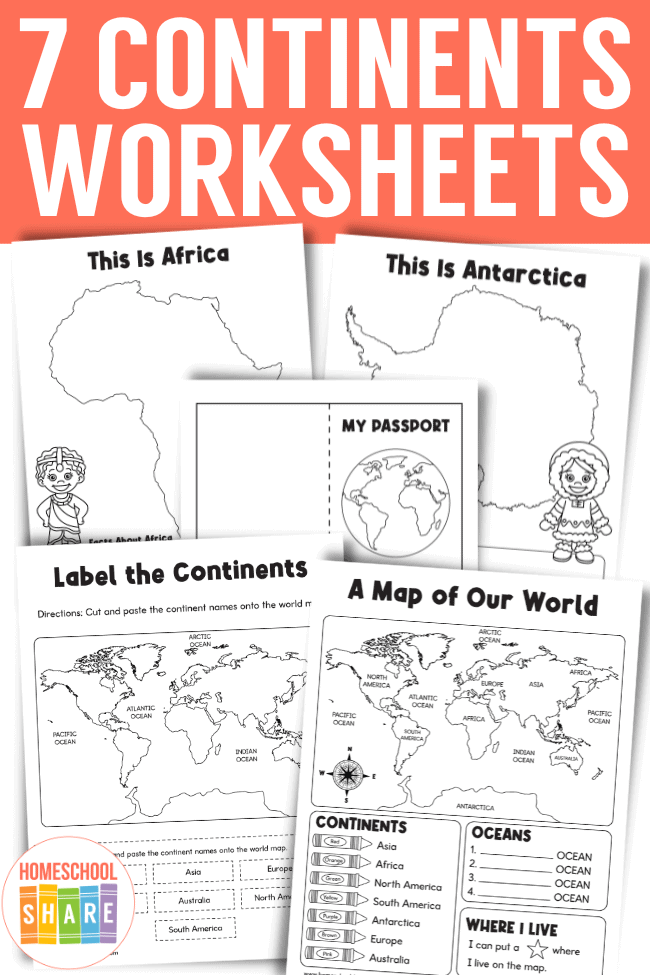
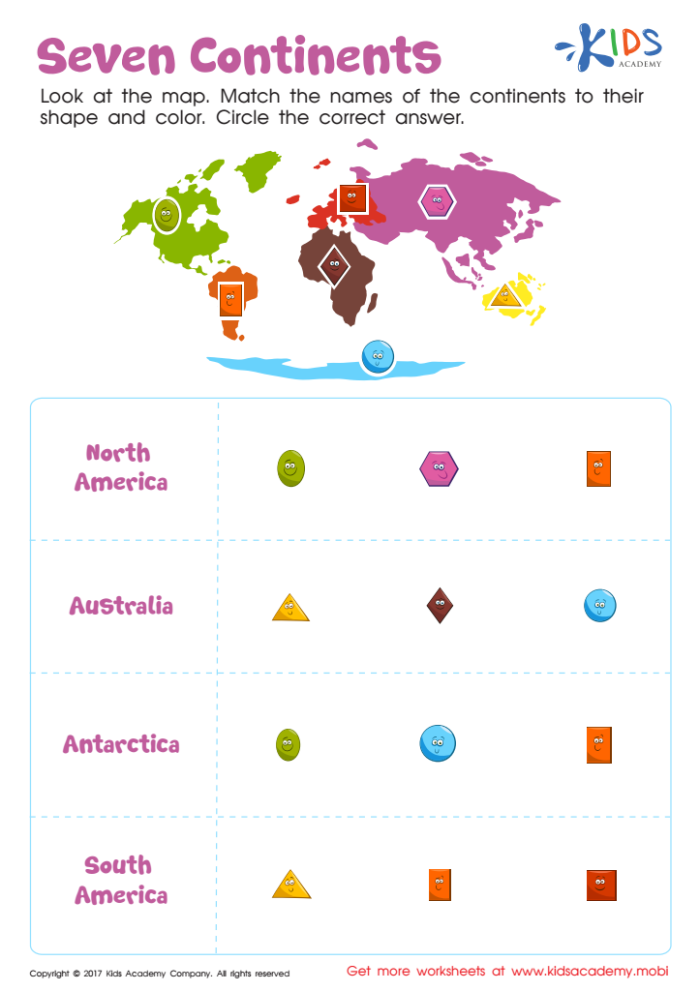
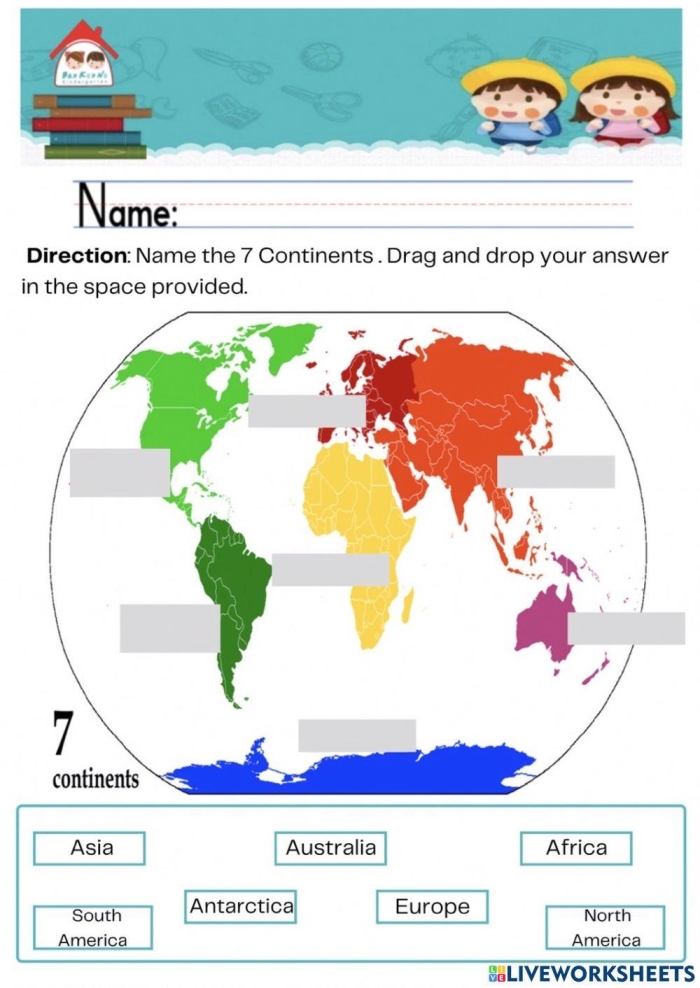
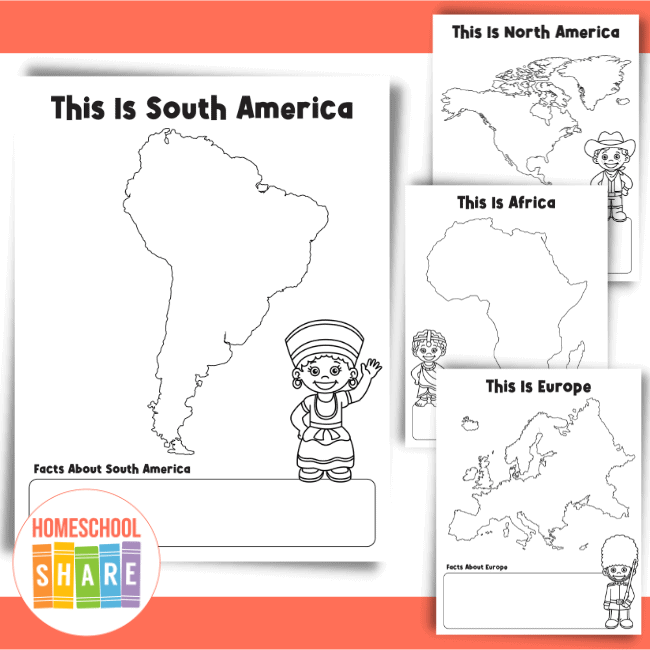
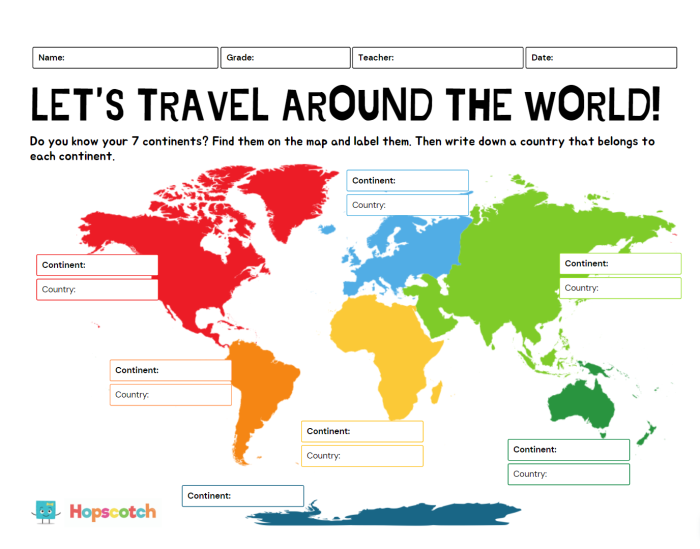
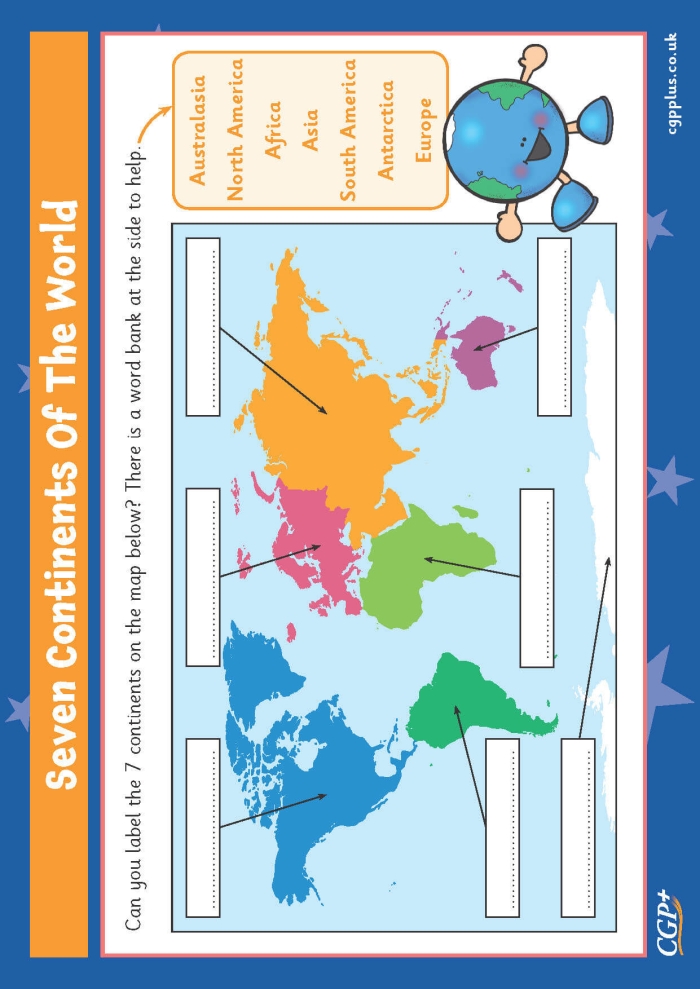
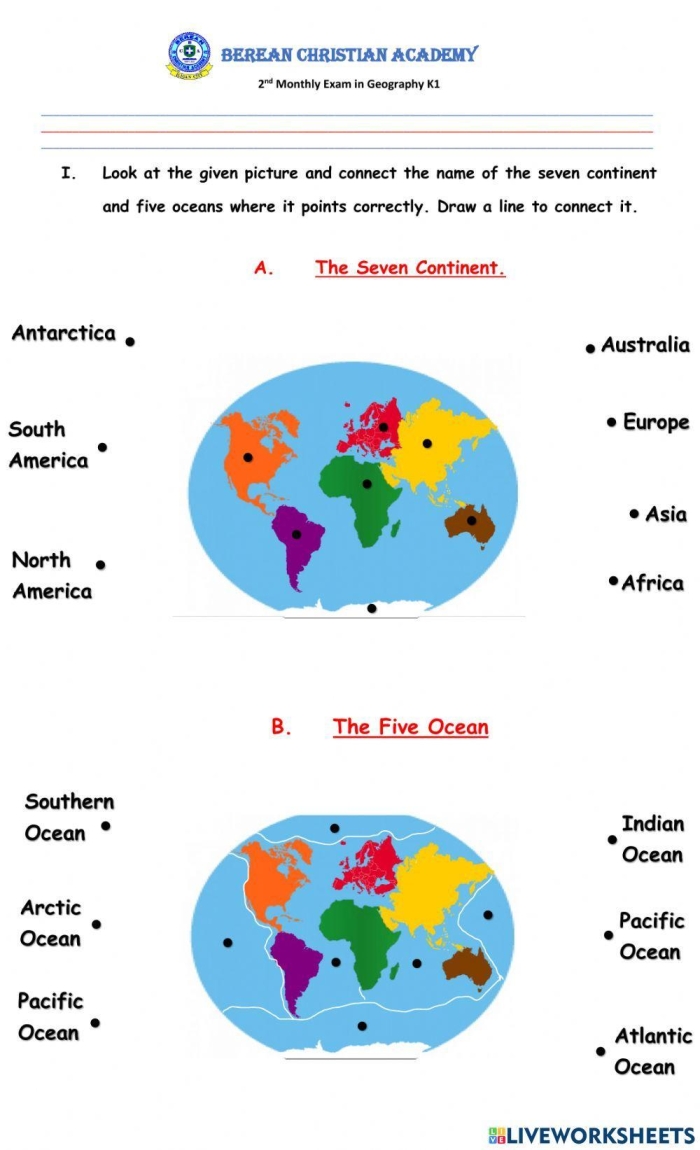
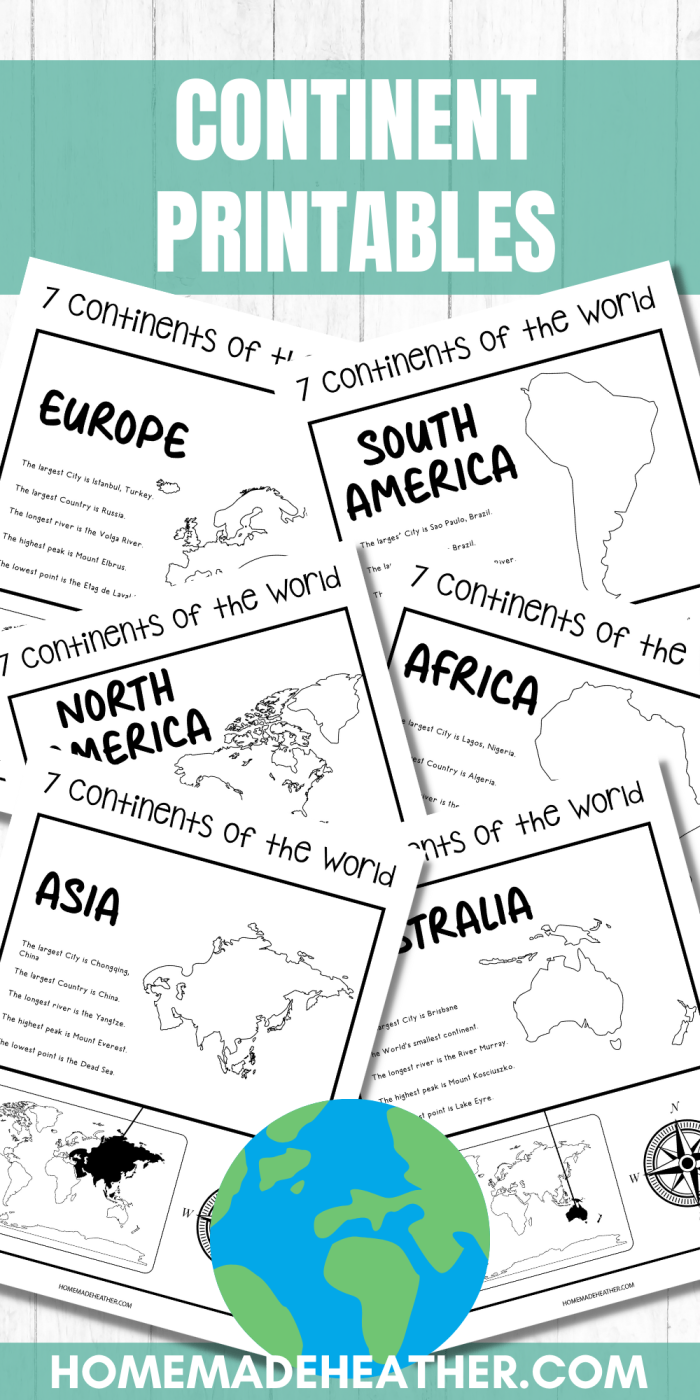
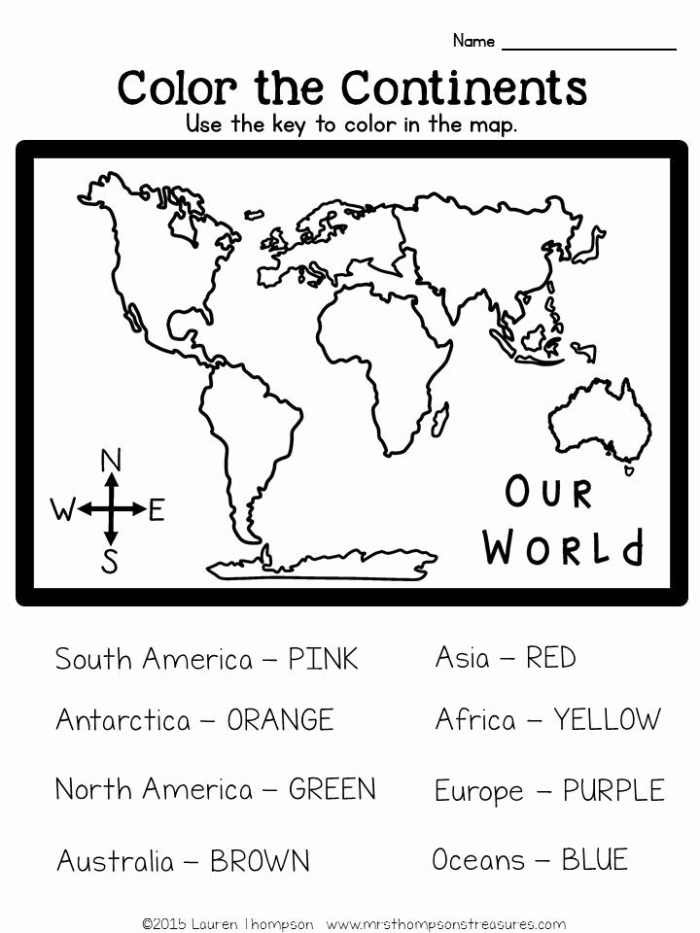
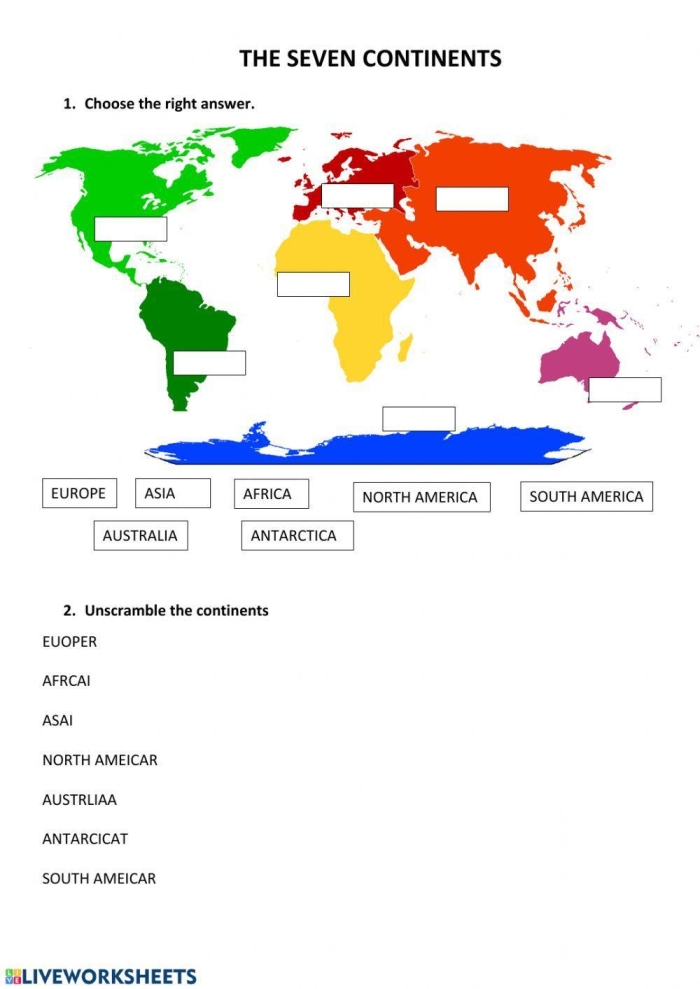
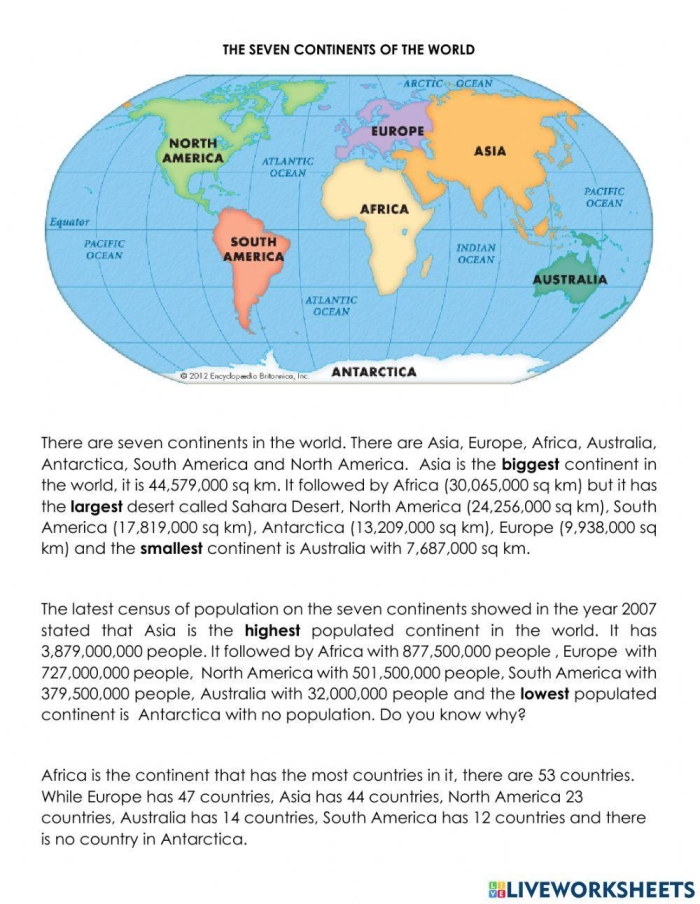
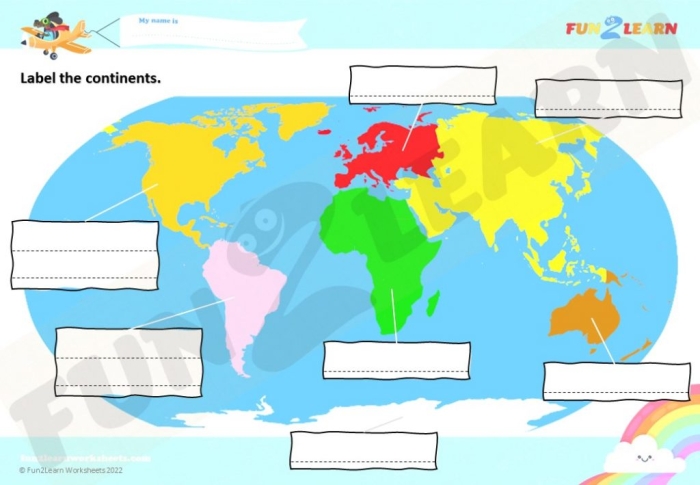
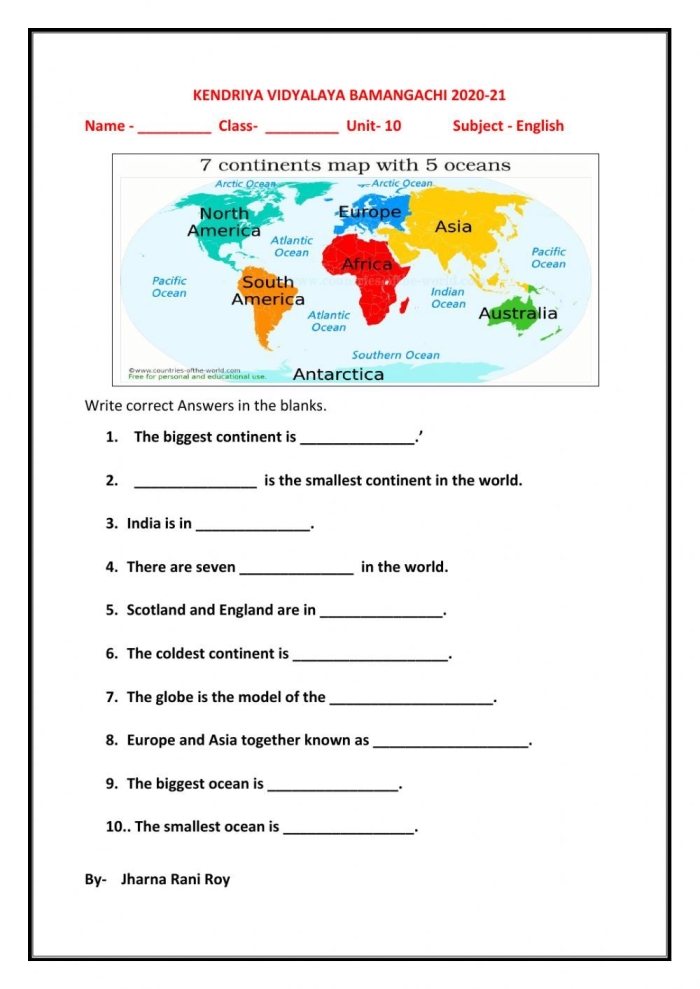
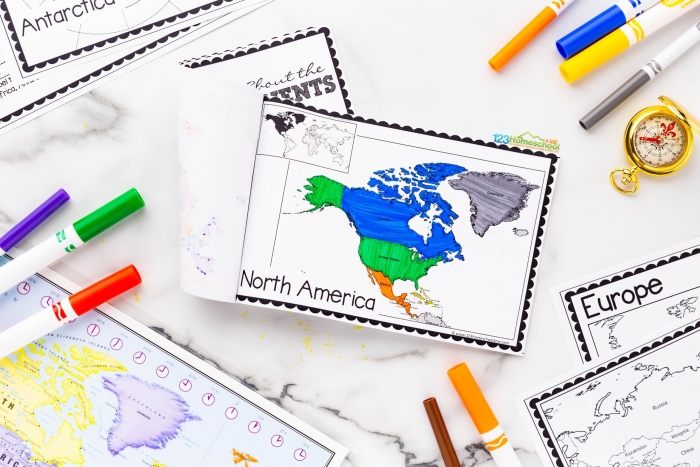
Cutting out continent shapes and assembling them on a globe teaches fourth grade students something scissors and glue simply cannot convey through reading alone. This hands-on worksheet transforms geography from abstract names on a page into tactile, spatial learning. Kids see exactly how the seven continents fit together, which landmasses sit closest to each other, and why some regions seem impossibly far apart.
The activity works because it combines motor skills with cognitive mapping. When students physically manipulate the continent cutouts, they’re not just memorizing that Africa exists or that Australia is separate from other landmasses. They’re building mental models of Earth’s actual layout. Their hands remember what their eyes have seen, making the information stick longer than a simple worksheet ever could.
Fourth grade is the right moment for this type of activity. Students have developed the fine motor control to handle scissors safely and accurately, yet they still benefit enormously from concrete, visual-spatial learning rather than pure abstraction. The worksheet format keeps the activity structured while the hands-on element keeps it engaging.
Teachers often pair this activity with other skill-building exercises. Some combine it with work on units of measurement, asking students to estimate distances between continents. Others integrate it with multiplication practice by calculating continent areas or comparing landmass sizes.
The beauty of continent cutout activities is their flexibility. Some classrooms laminate the pieces for reuse across multiple years. Others have students color the continents before cutting, turning it into an art and geography hybrid lesson. The core learning remains constant: children internalize where Earth’s major landmasses actually sit in relation to one another.
Grab These Worksheets Now