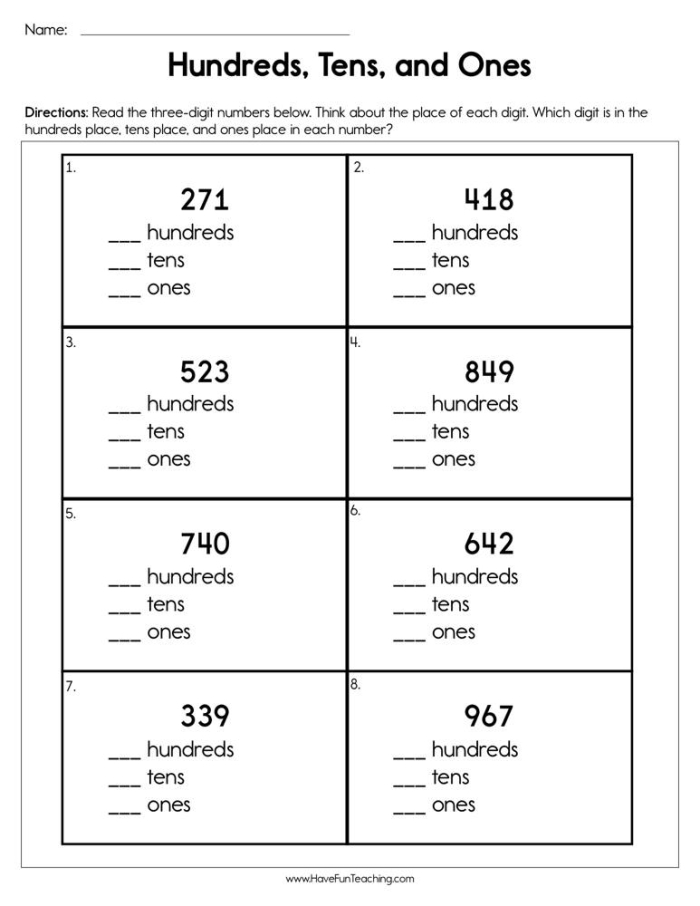
Most first grade teachers know the moment when a child’s eyes light up after finally grasping place value. That breakthrough happens when counting tens and ones stops feeling abstract and becomes something they can actually see and touch. A well-designed counting worksheet can be the tool that makes this click happen naturally.
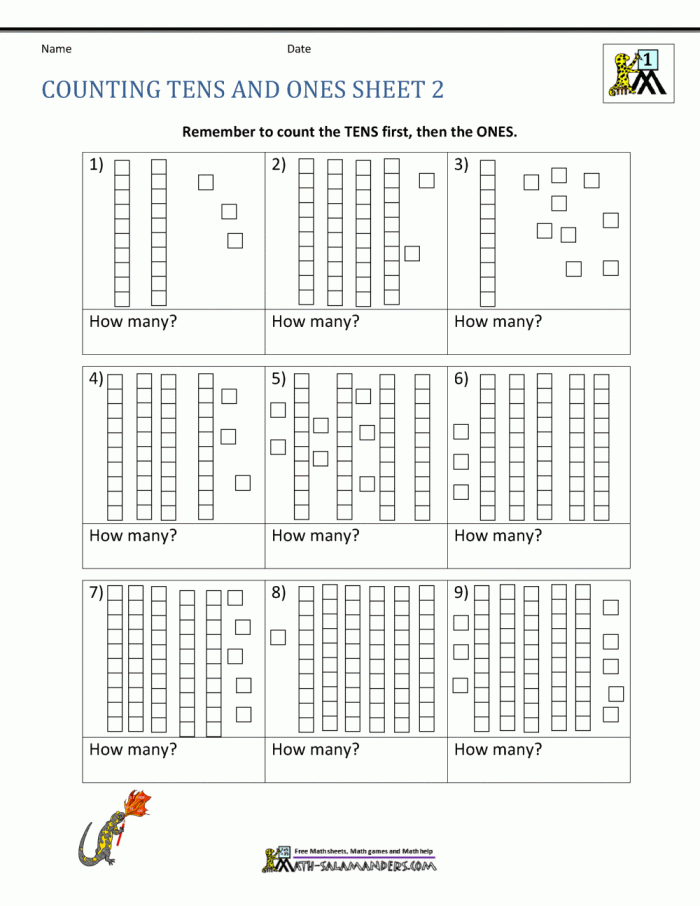
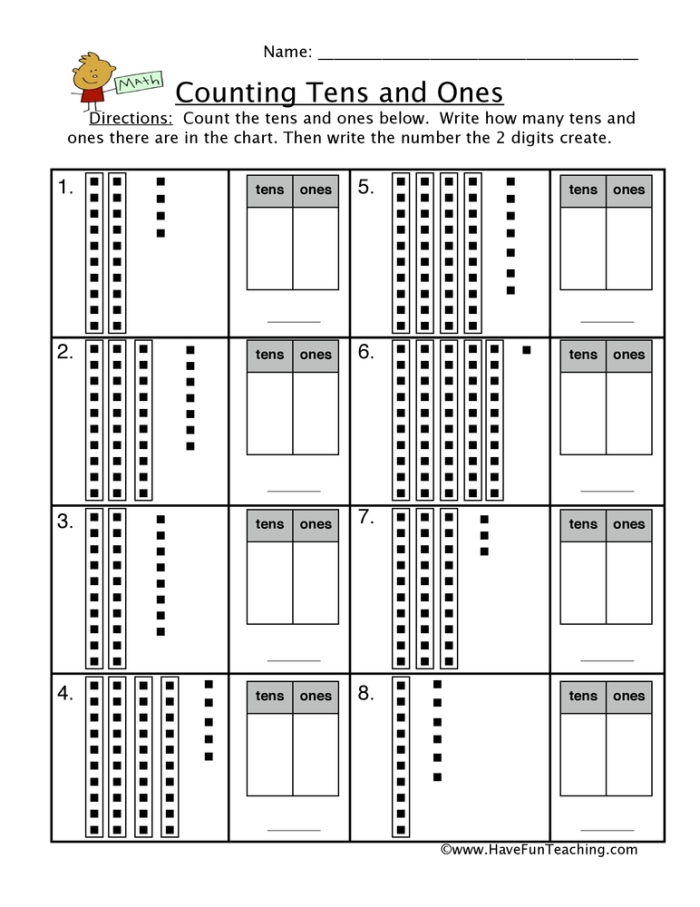
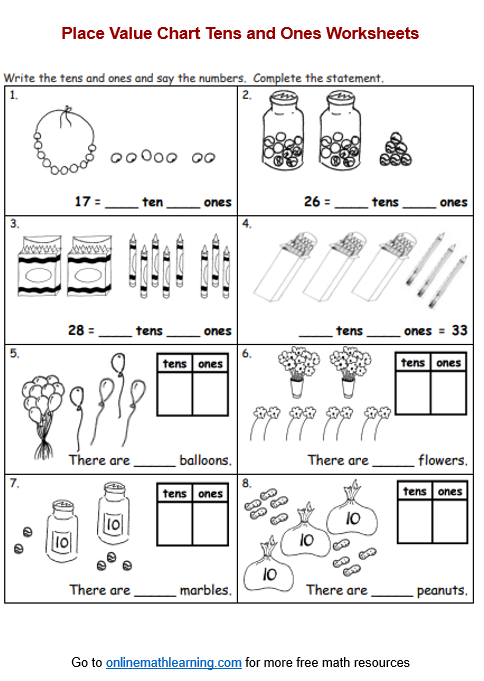
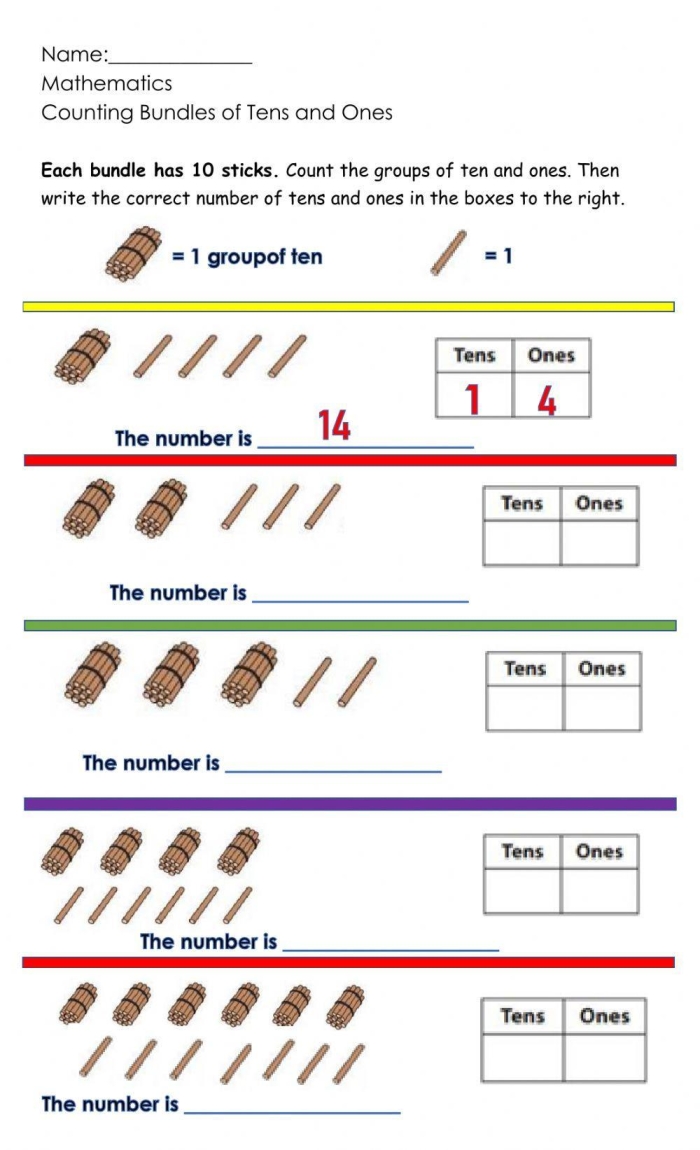
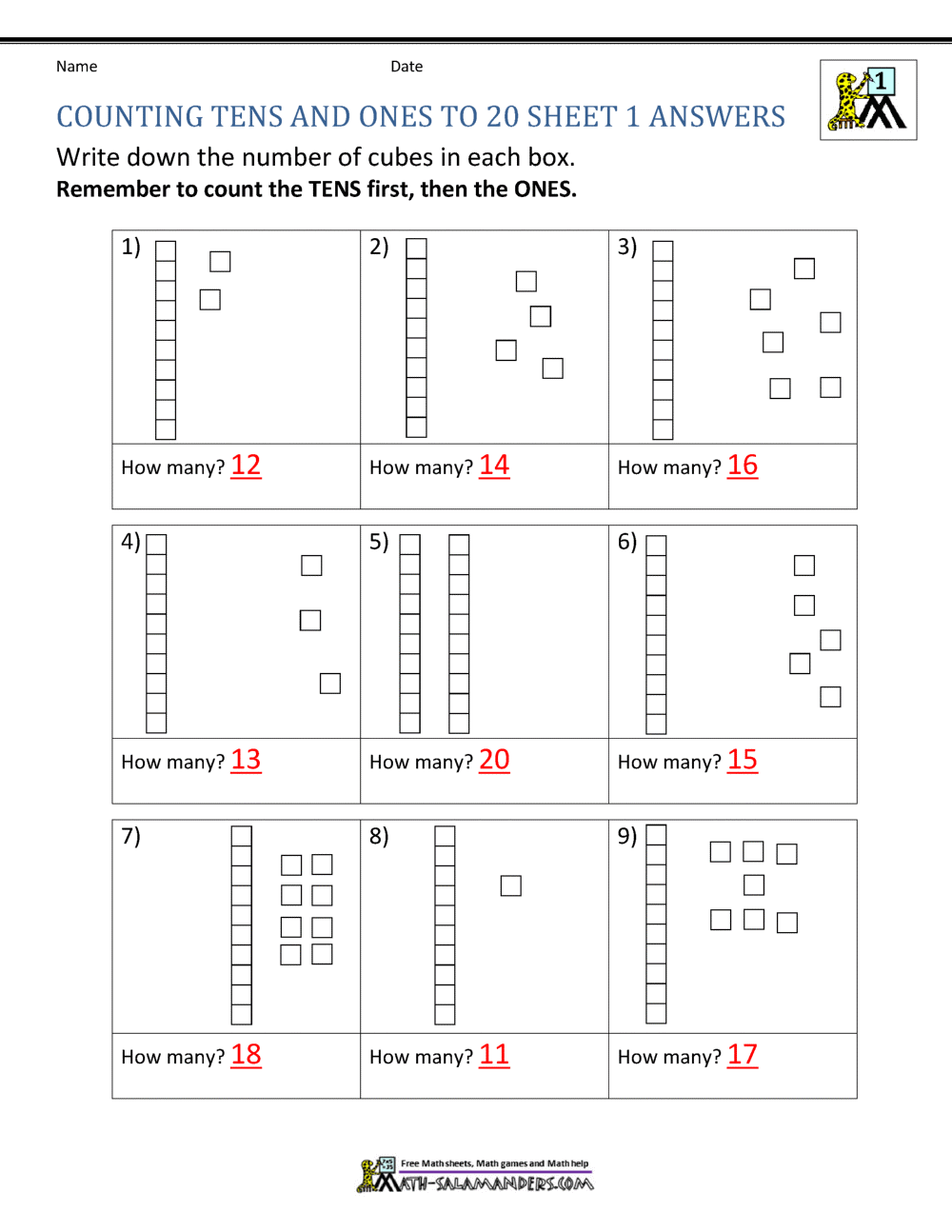
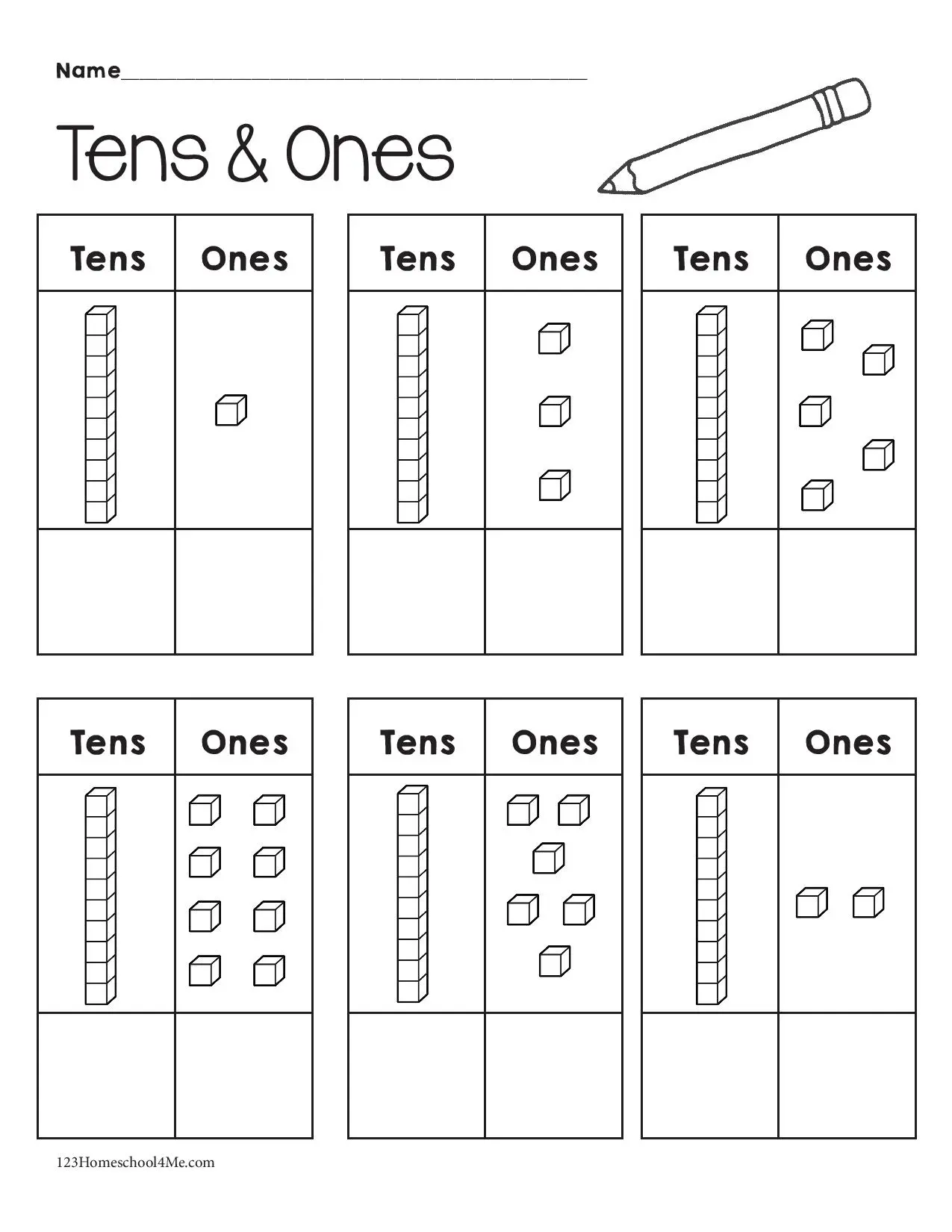
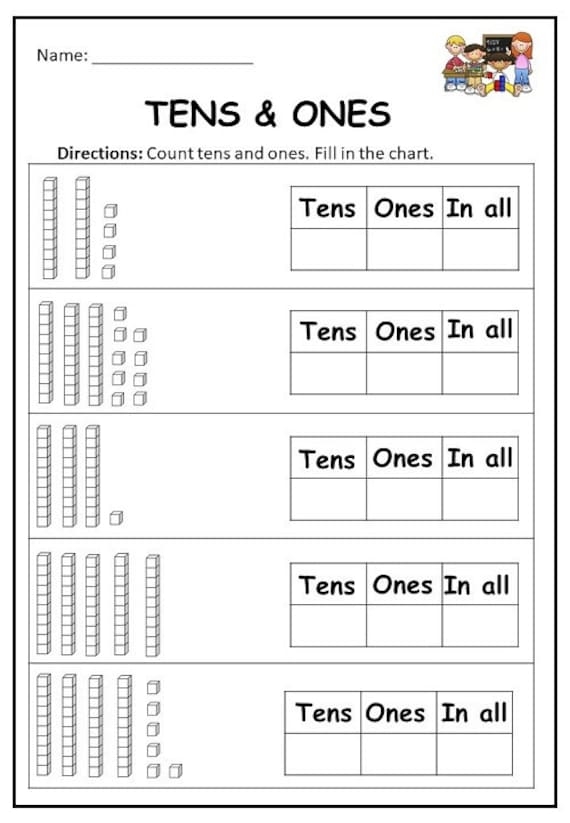
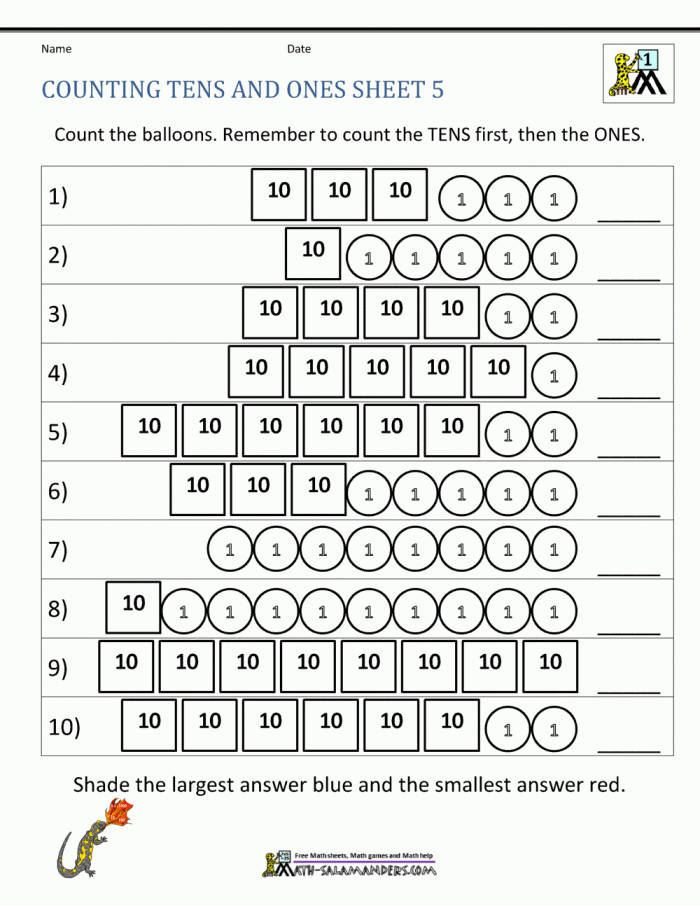
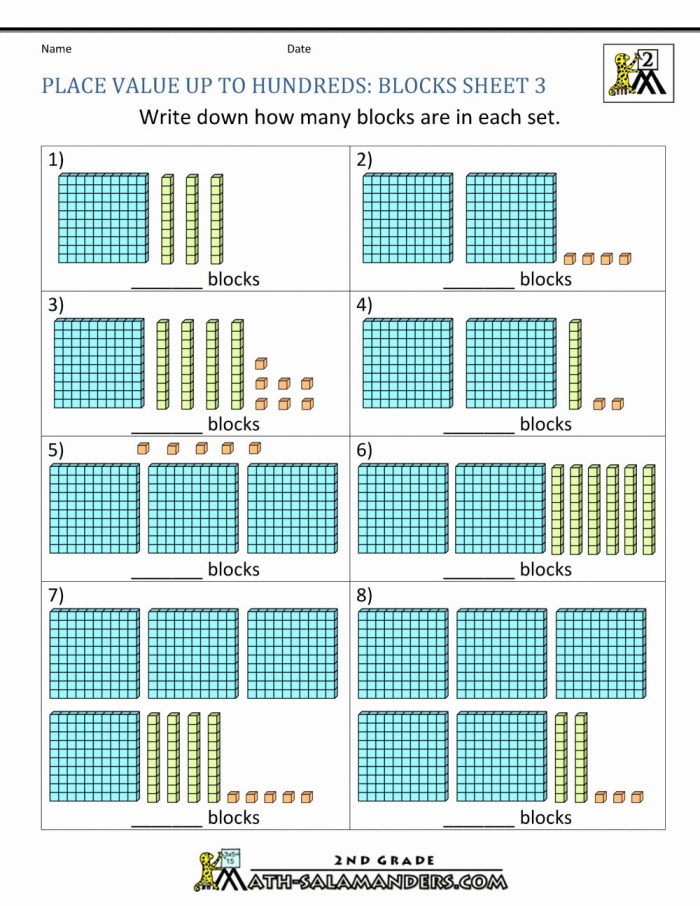
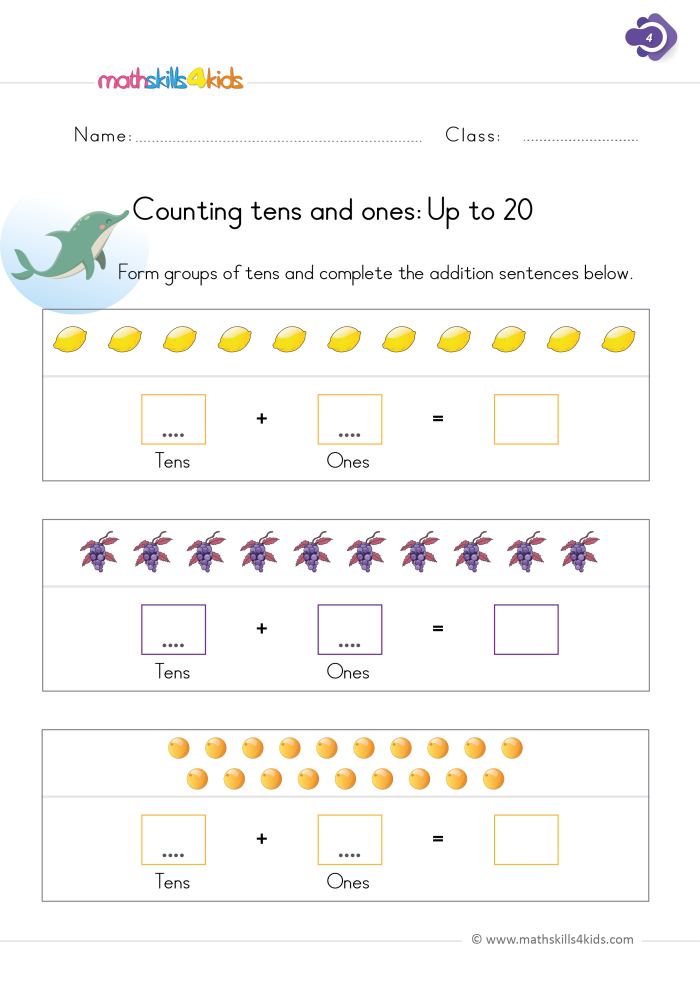
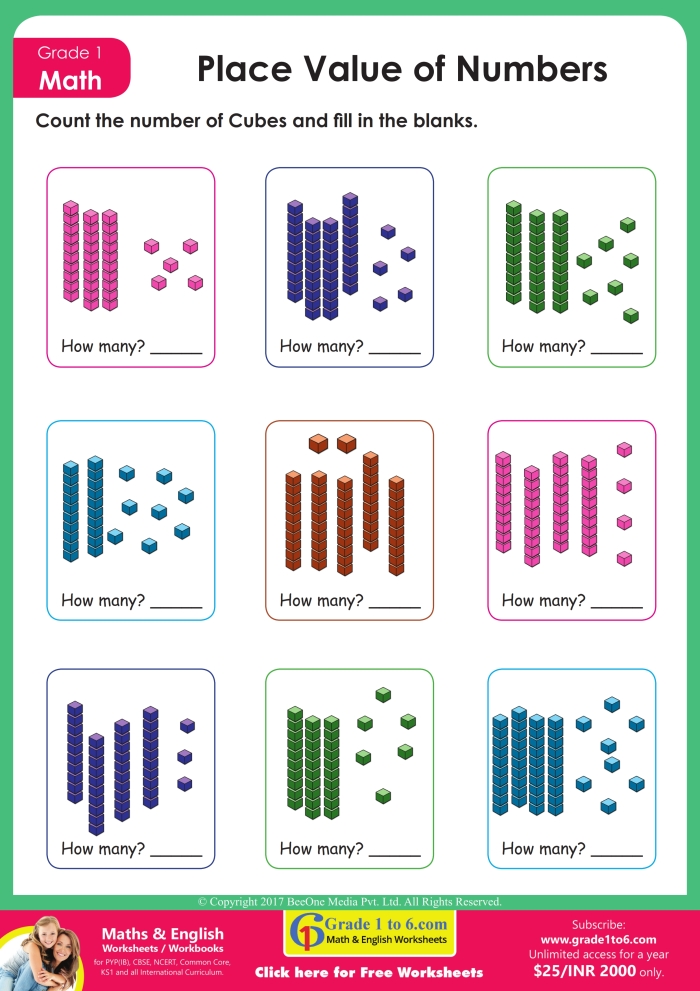
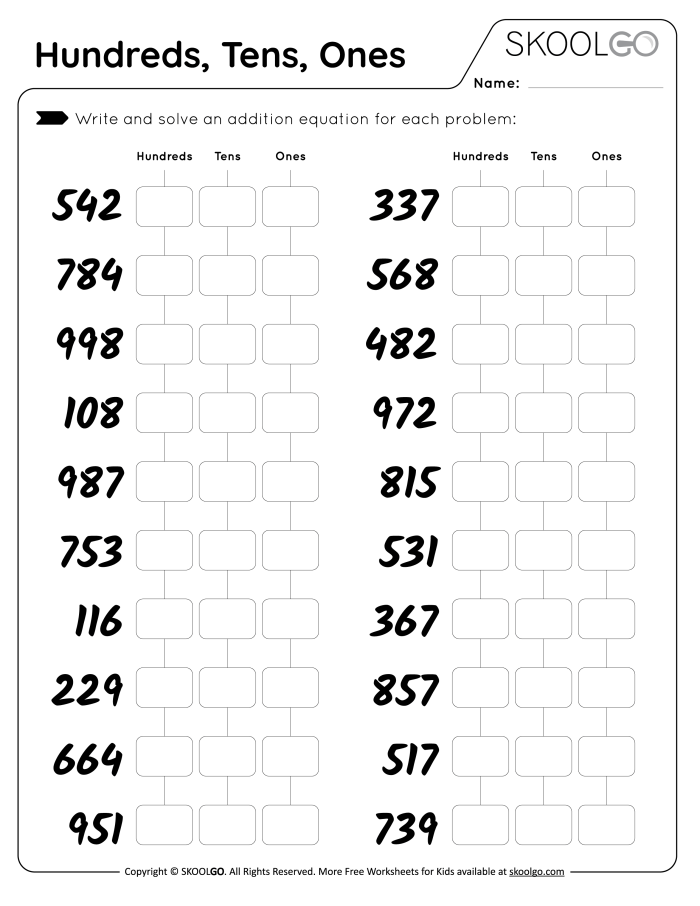
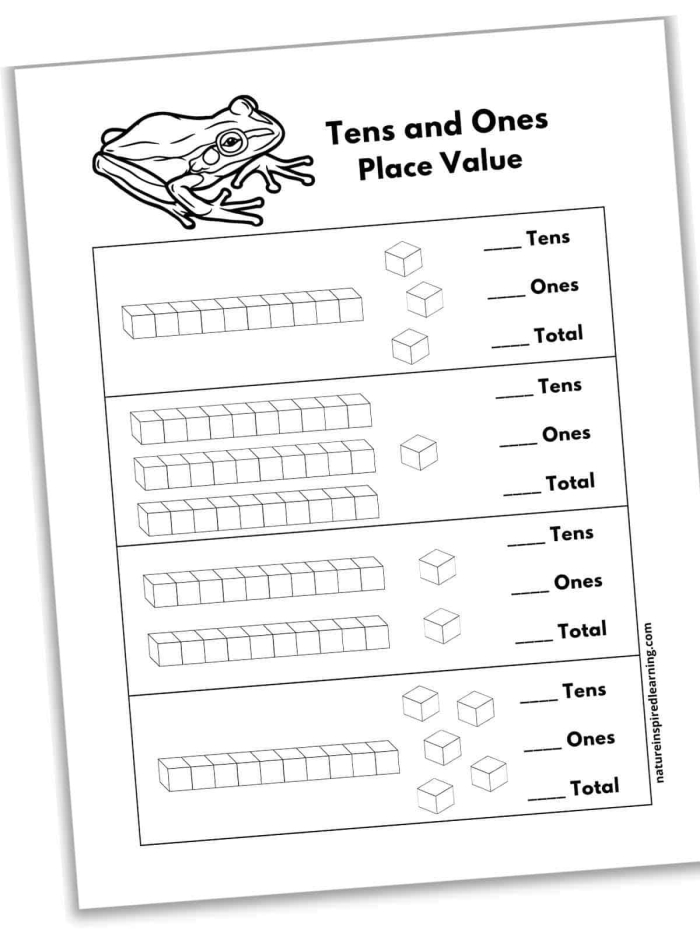
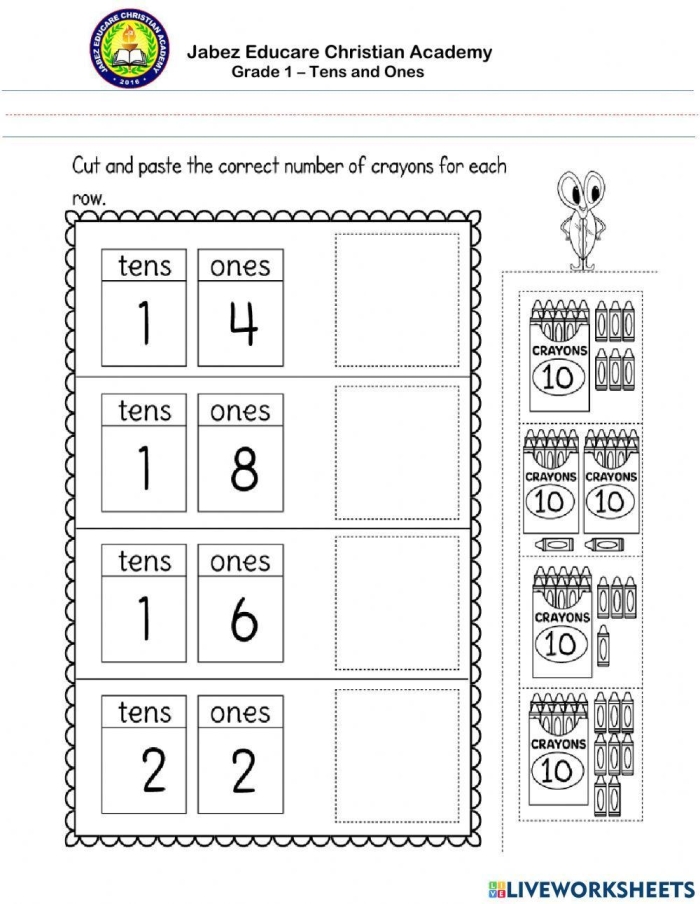
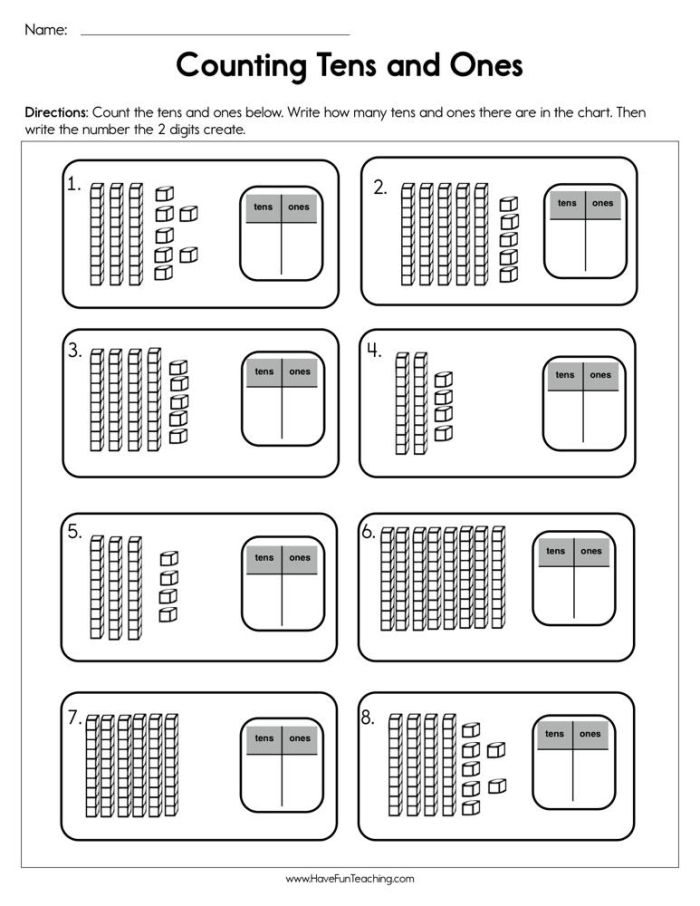
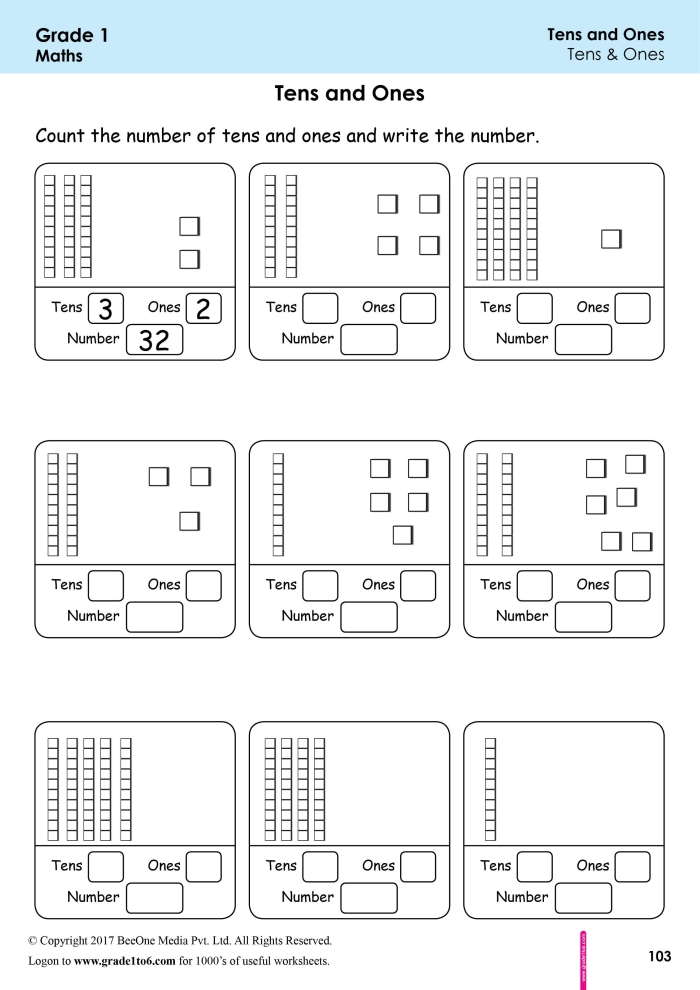
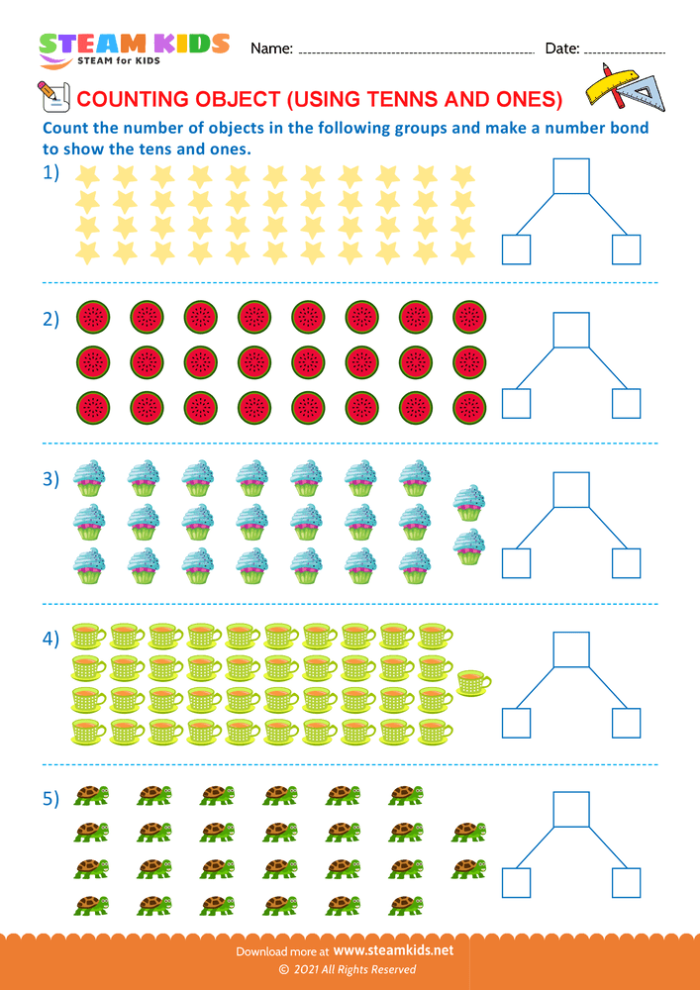
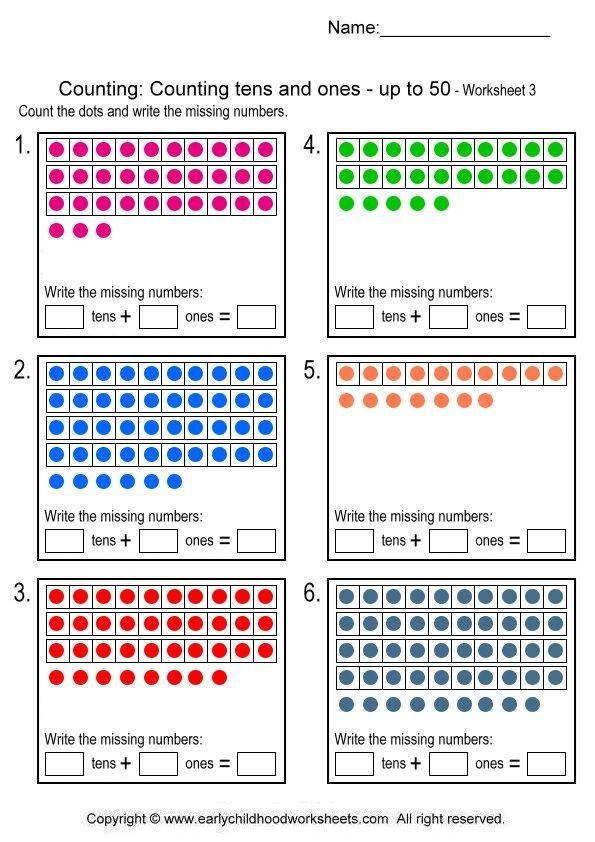
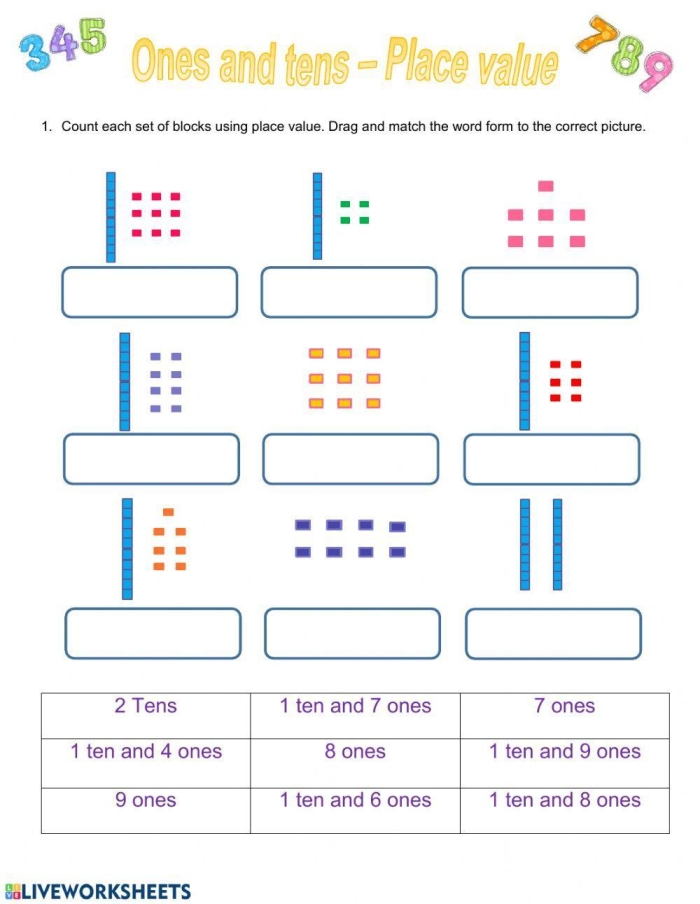
Place value forms the foundation for all future math skills, yet many worksheets overcomplicate it with cluttered layouts and confusing instructions. When you strip away the noise and focus on what actually works, you get something simple: clear visuals showing groups of ten alongside single units, paired with straightforward counting tasks. First grade students learn best when they can physically organize objects into tens and ones, then match that action to written numbers.
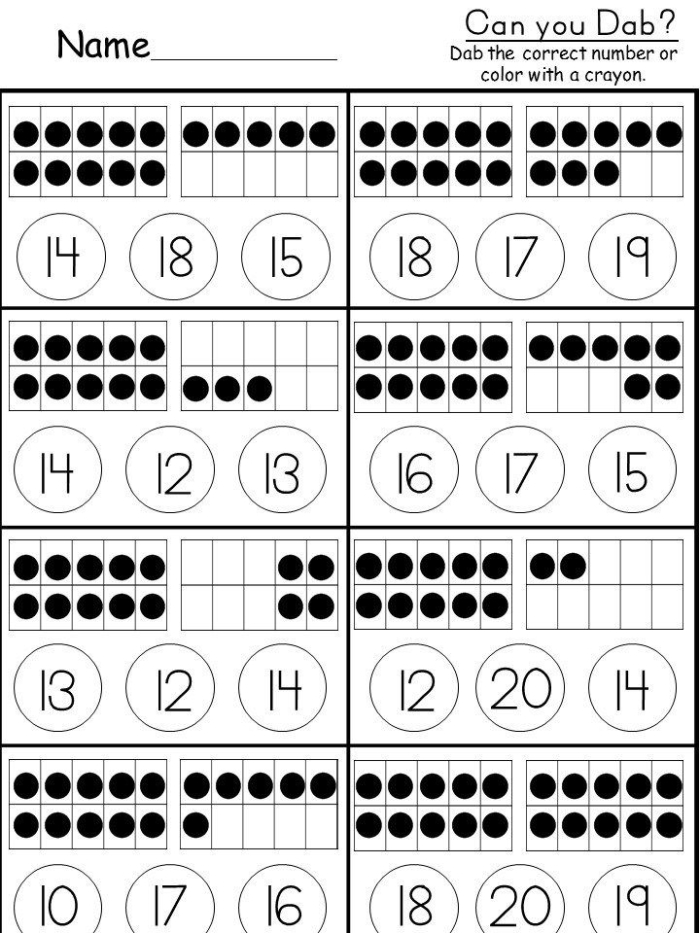
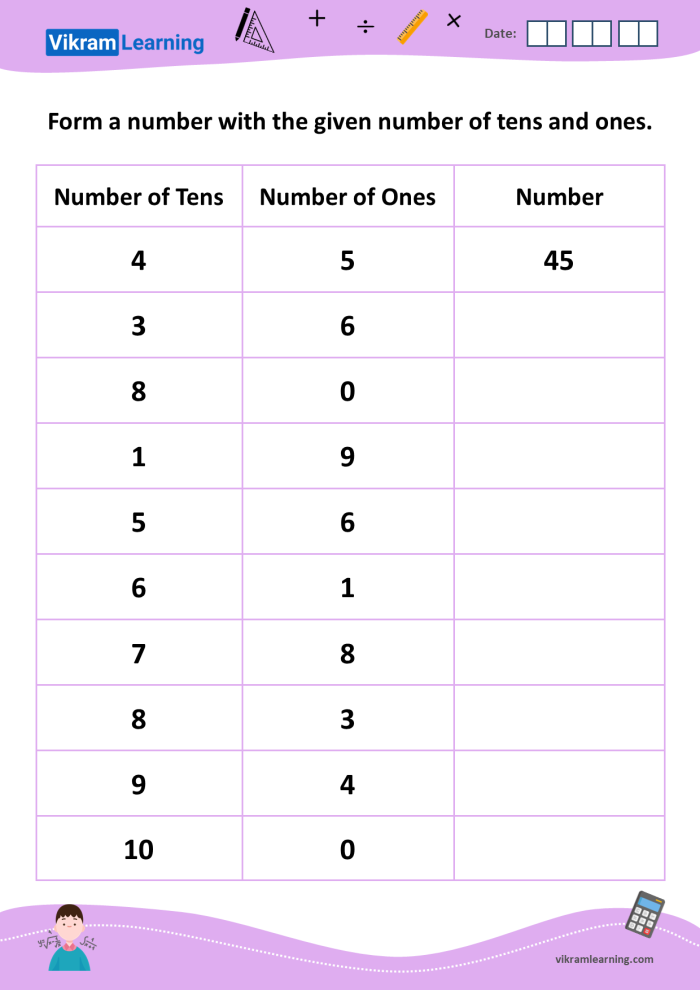
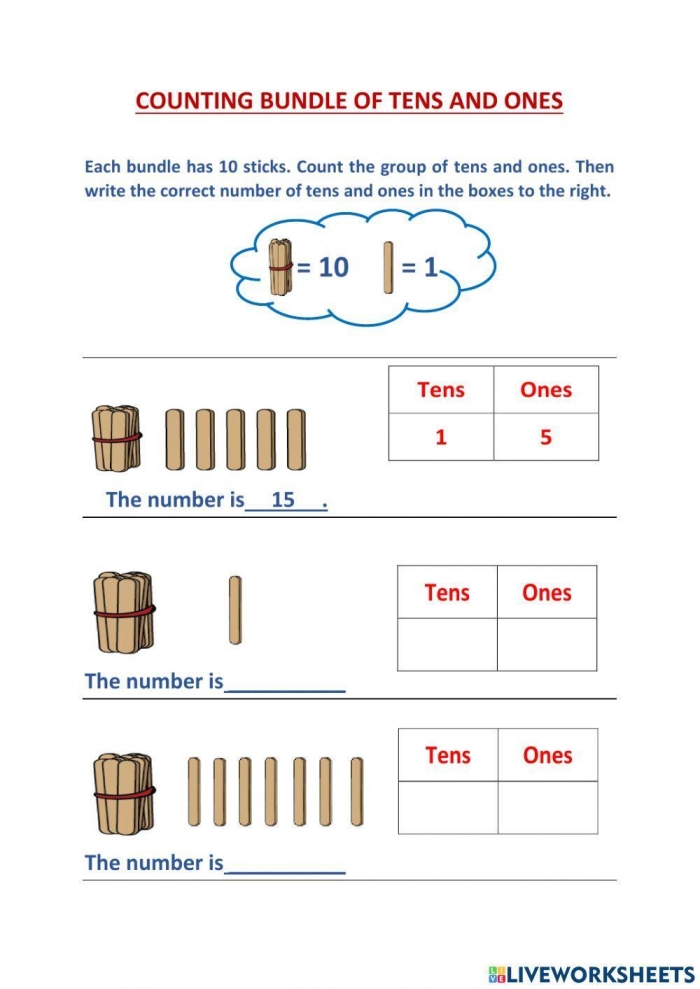
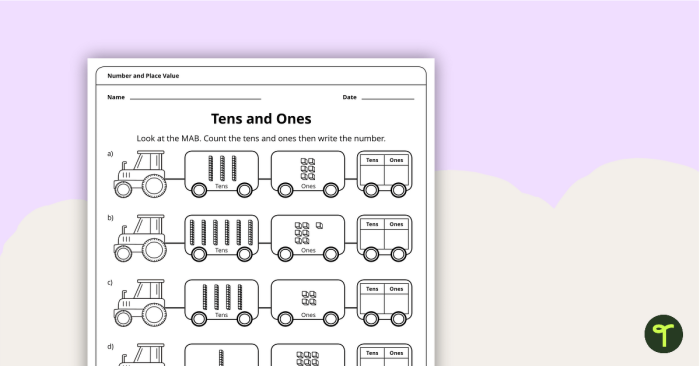
The beauty of an effective counting tens and ones worksheet lies in its directness. A child looks at a bundle of ten objects grouped together, sees the loose ones beside it, and writes the total. No elaborate story problems. No unnecessary decorations. Just the core concept repeated in slightly different ways so the pattern becomes automatic. This repetition builds confidence faster than you might expect.
These worksheets work particularly well when paired with other foundational activities. For instance, combining a counting worksheet with phonics practice helps reinforce number words alongside letter sounds. You might also integrate visual learning through maze activities that require counting as part of the puzzle-solving process, or explore fractions of shapes to show how parts combine into wholes.
When a first grader can count tens and ones fluently, they’re ready for addition, subtraction, and eventually more complex division concepts. That foundation starts with a worksheet that makes the concept feel obvious rather than overwhelming.
Hands-On Worksheet Activities