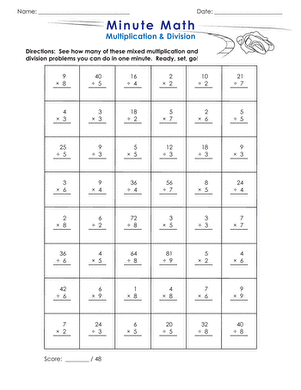
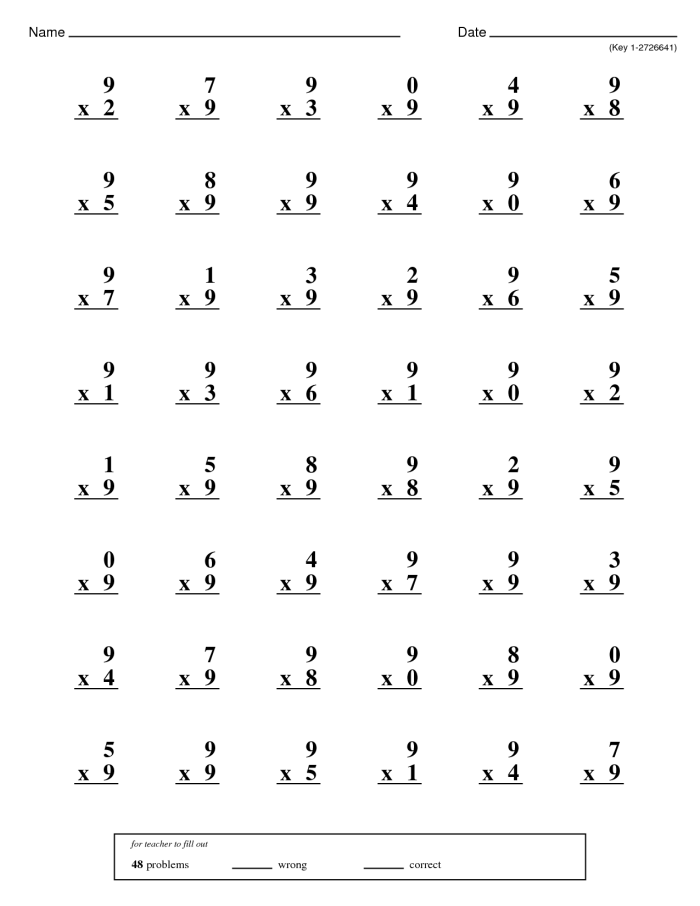
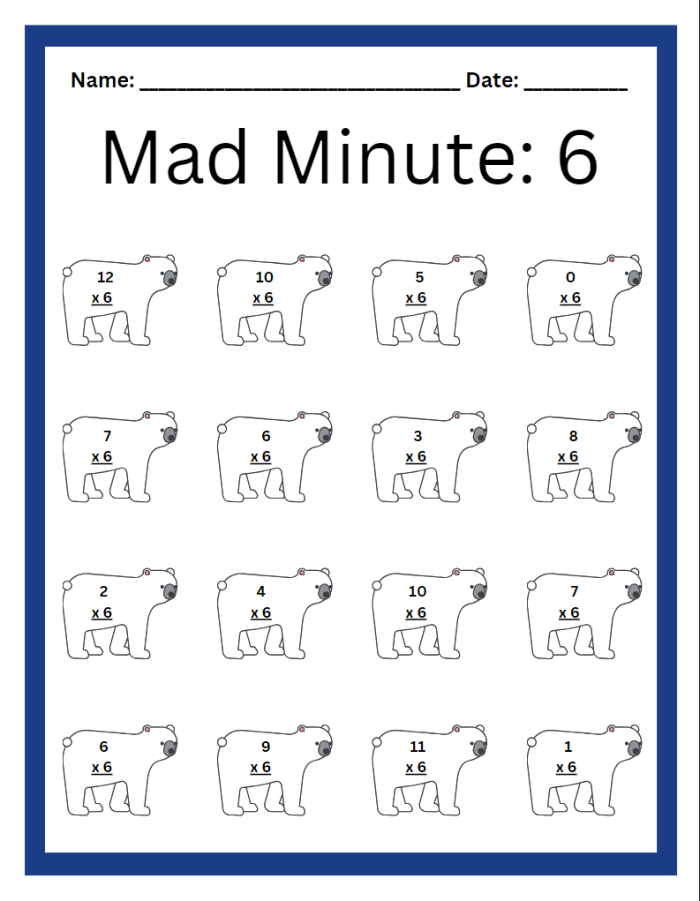
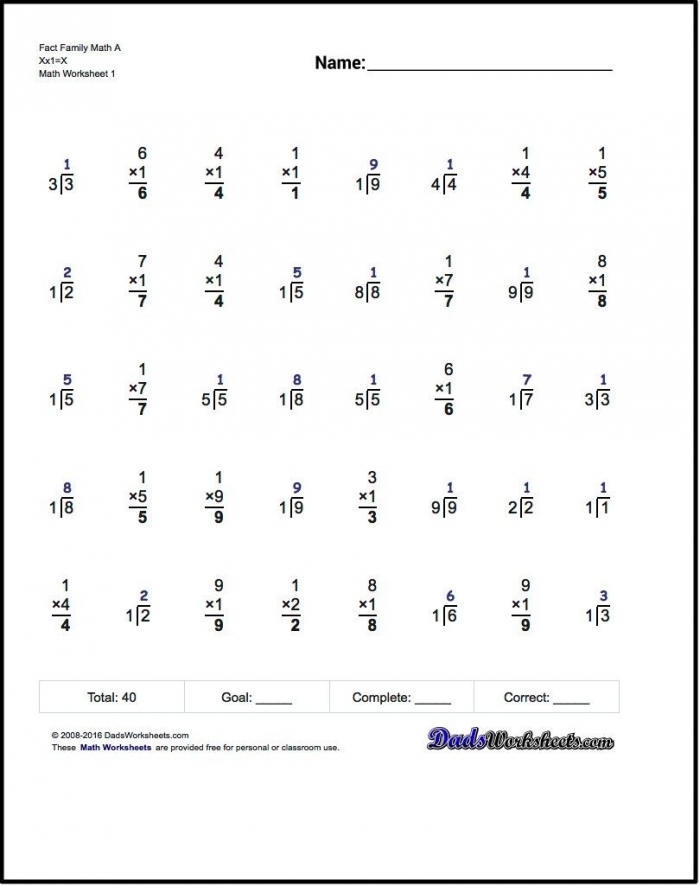
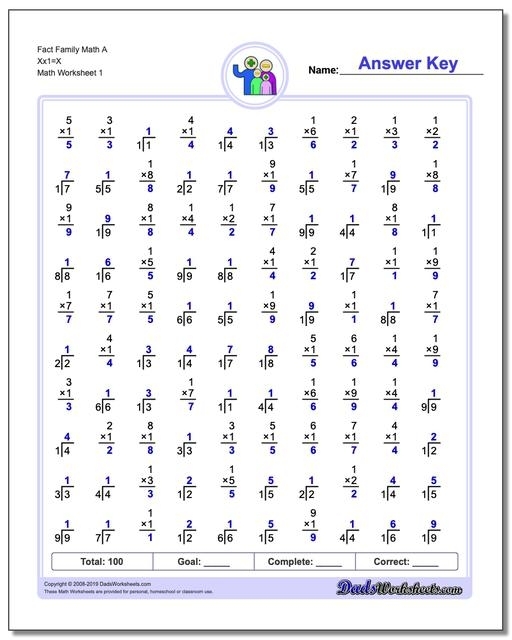
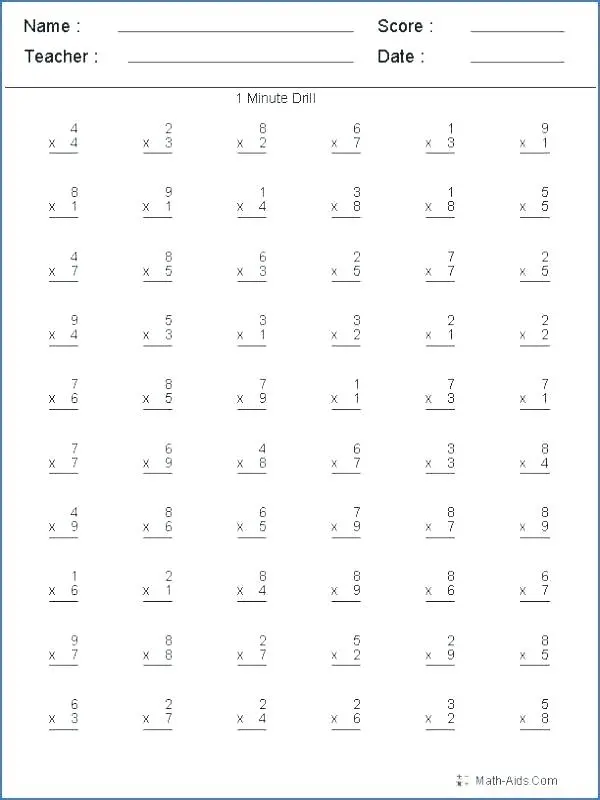
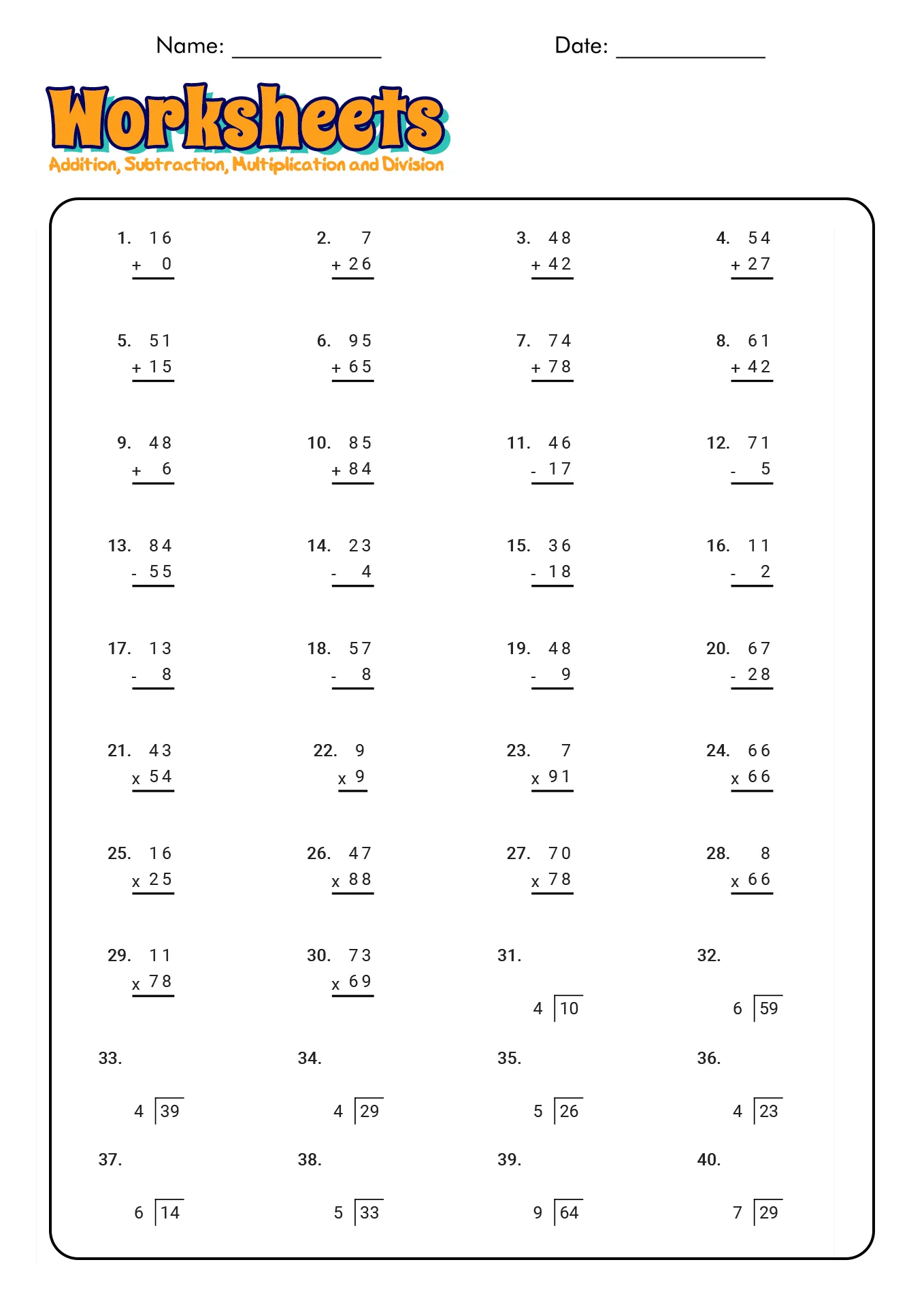
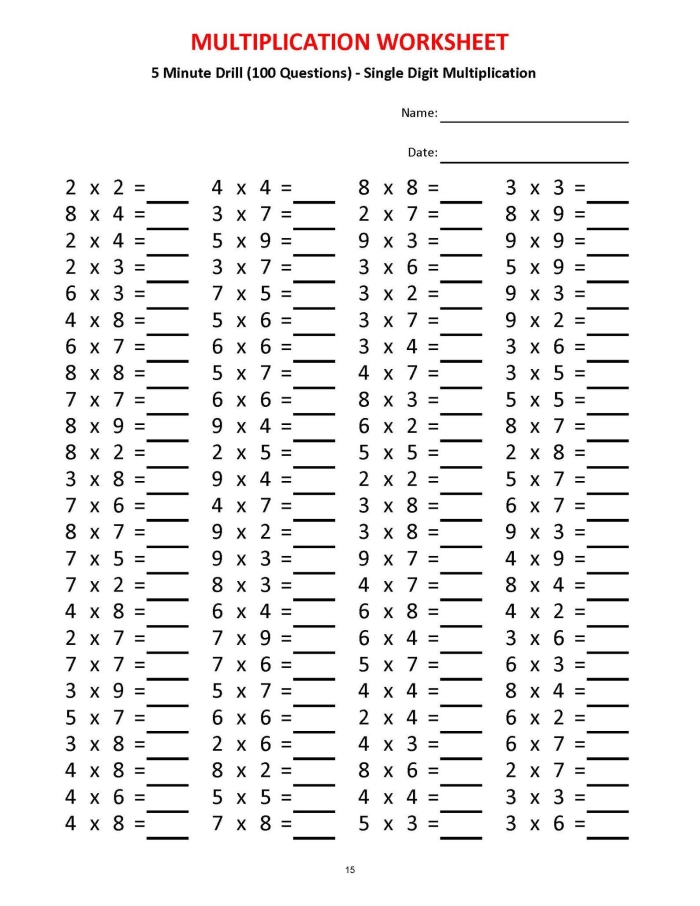
One minute math exercises work because they create just enough pressure to push kids past their comfort zone without overwhelming them. When third graders know they have sixty seconds to solve multiplication and division problems, something shifts in their brain. They stop second-guessing themselves and start trusting their instincts.
I’ve watched students who normally take three minutes per problem suddenly complete five or six in that same timeframe. The speed doesn’t come from rushing mindlessly. Instead, it forces them to recognize patterns they already know but haven’t fully internalized. A child might know that 6 times 4 equals 24, but when they’re racing against the clock, they stop counting on their fingers and just know it.
Third grade is the critical window for this kind of practice. At this level, students are moving beyond basic addition and subtraction into multiplication and division concepts. Their brains are ready to build automaticity, which is the ability to recall facts without conscious effort. Timed exercises accelerate this process significantly.
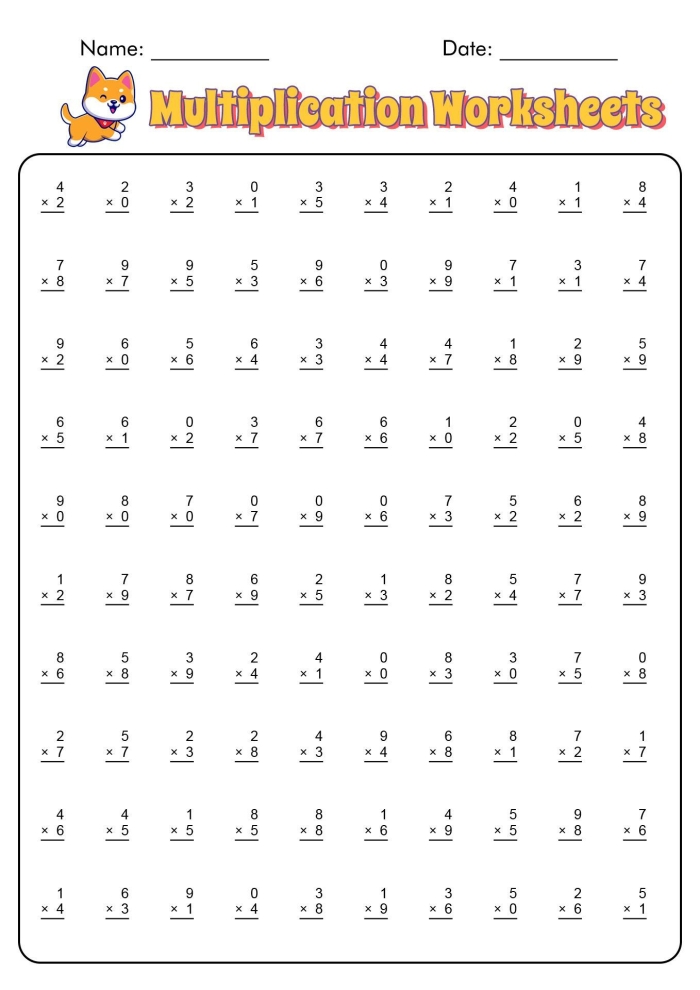
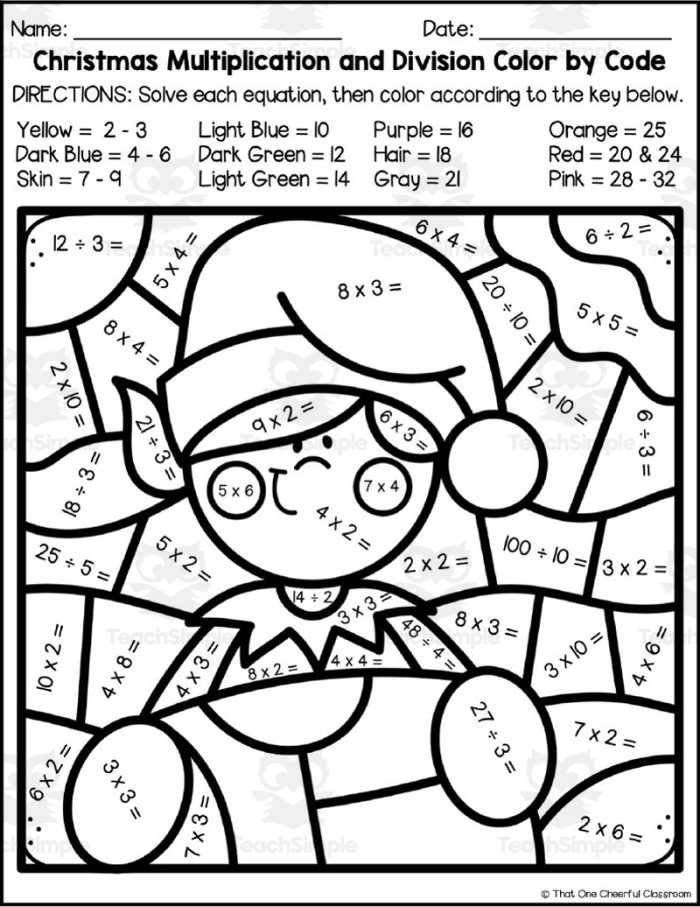
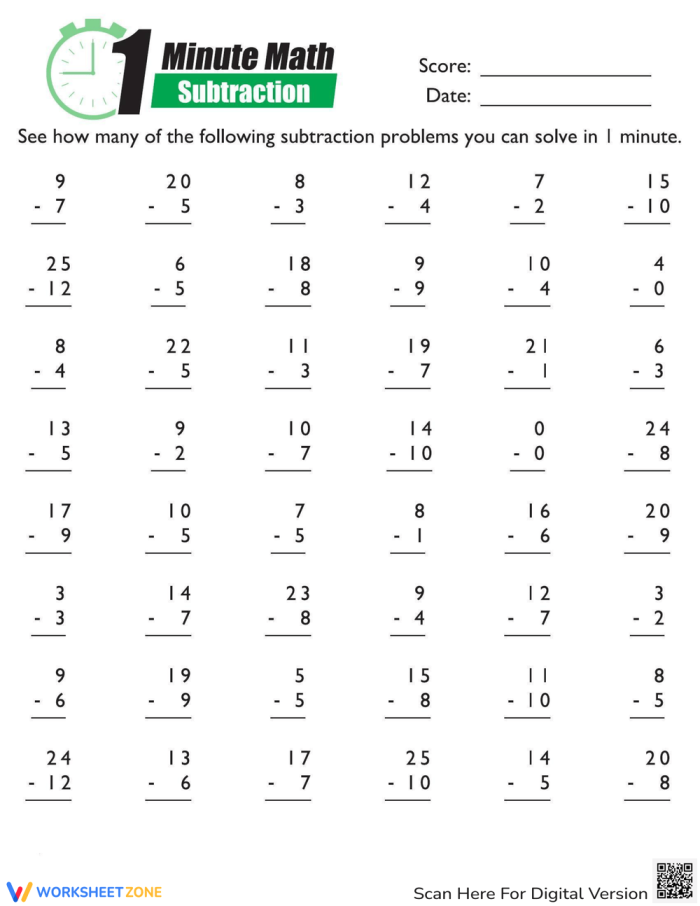
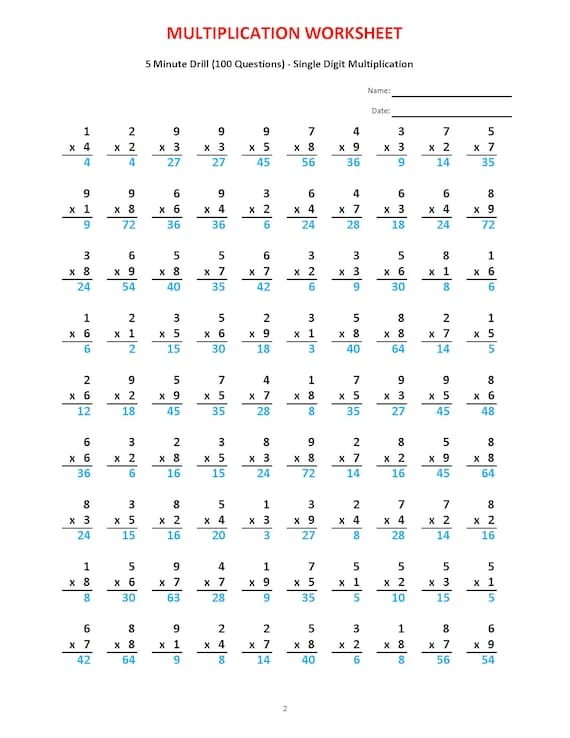
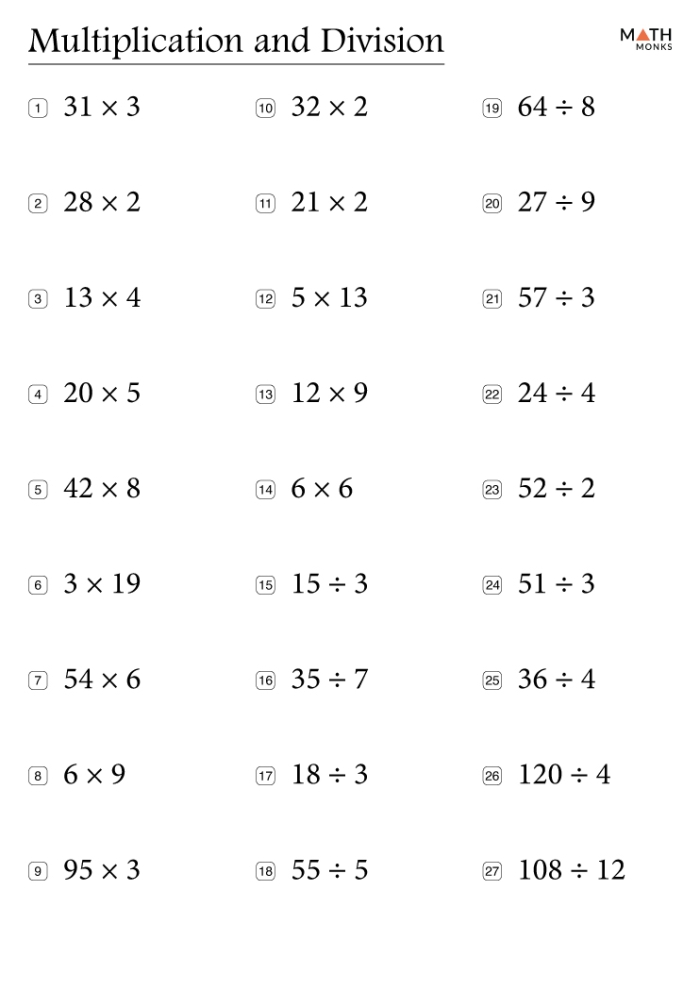
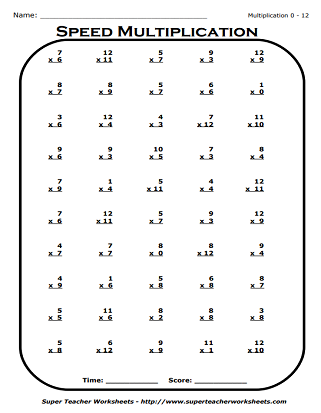
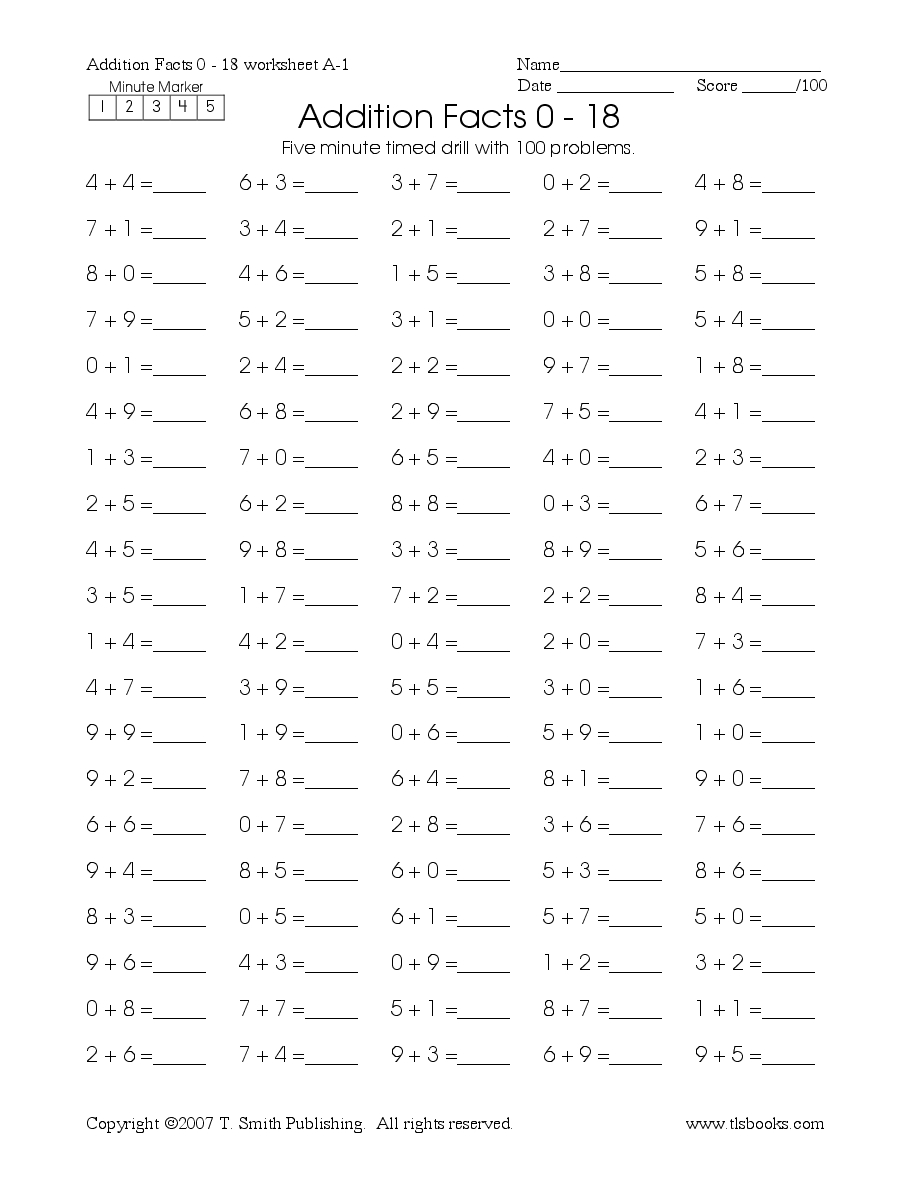
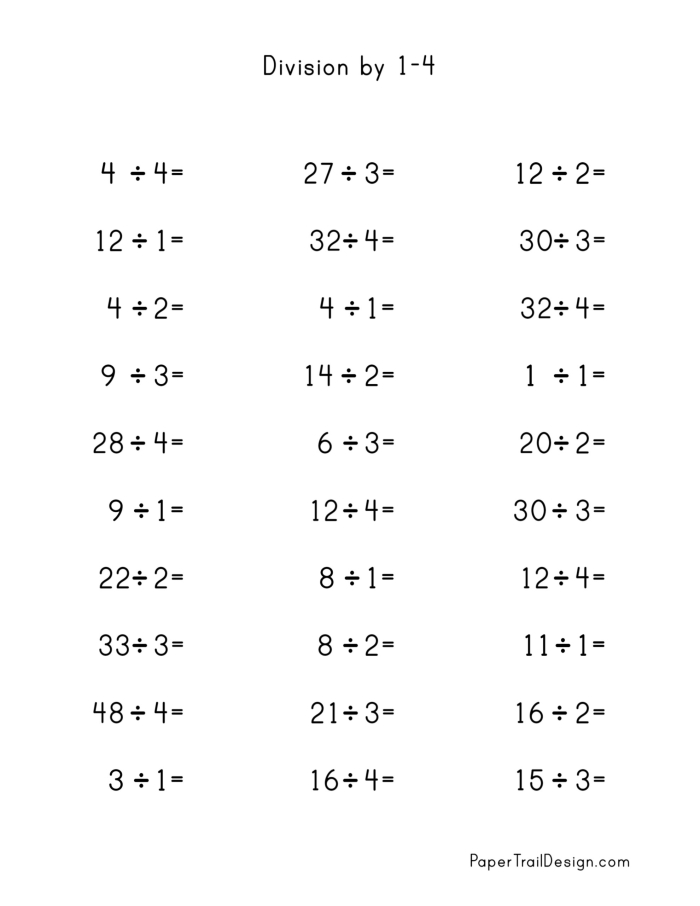
The beauty of this approach is its simplicity. You don’t need elaborate materials or complicated instructions. A simple worksheet with twenty to thirty problems, a timer, and five minutes of class time gives you real insight into where each student stands. Some will finish with time to spare. Others will complete half the problems. That gap tells you exactly who needs more practice and who’s ready to move forward.
Beyond math fluency, these exercises build confidence. When a third grader completes more problems than yesterday, they feel it. That small win compounds over weeks and months. Pair these timed drills with other learning strategies, like practicing nonfiction text features or working on verb endings, and you create a well-rounded third grade experience that strengthens multiple skills at once.
Practice with These Worksheets