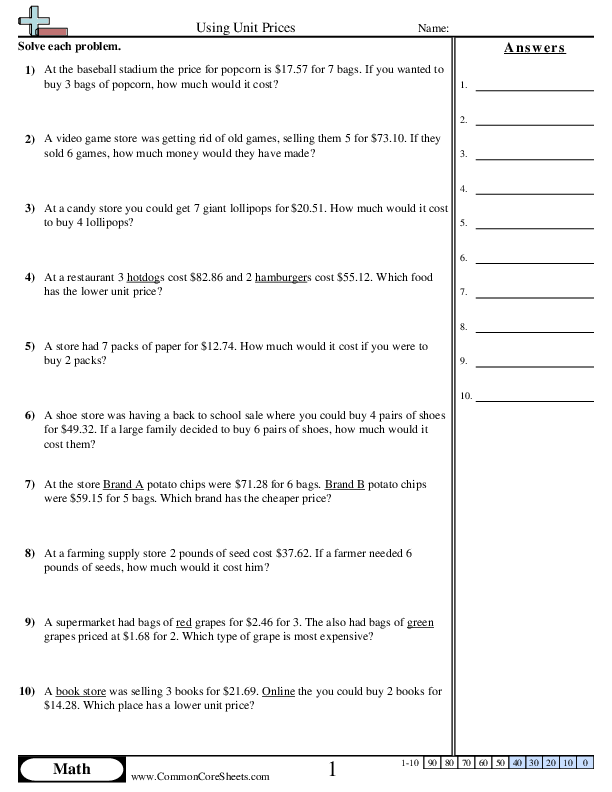
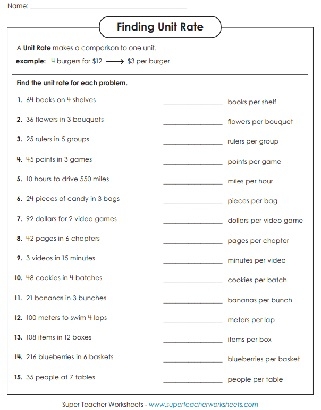
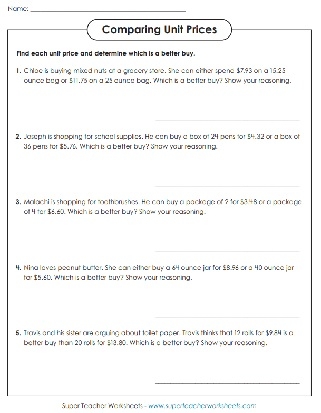
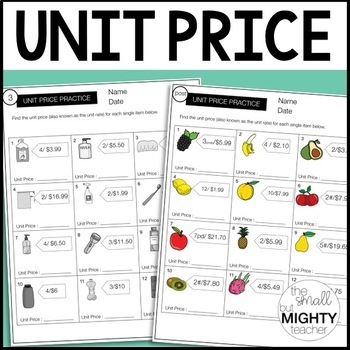
When you’re standing in the grocery store comparing two boxes of cereal or two bottles of shampoo, the price tag alone won’t tell you which one is actually cheaper. One might cost $3.50 and the other $5.00, but if the second box contains twice as much product, you’re getting a better deal. This is where calculating unit price becomes your secret weapon for smart shopping.
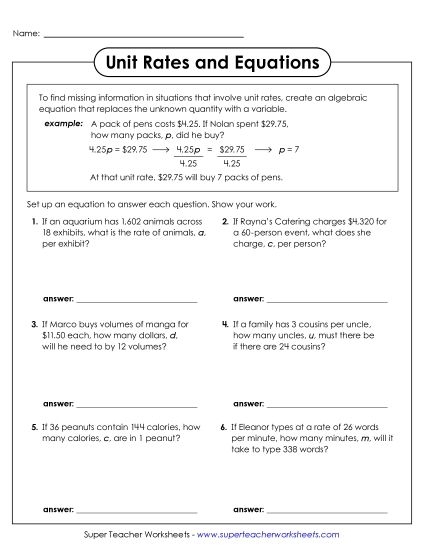
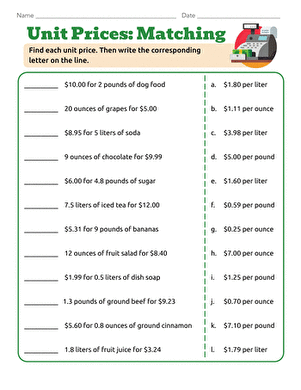
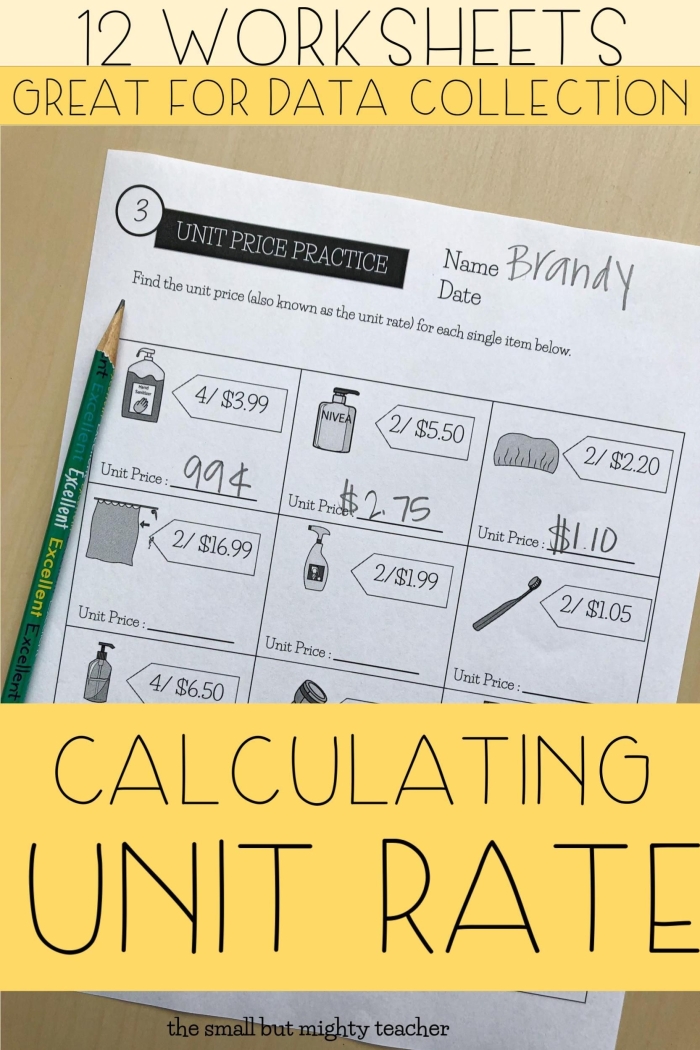
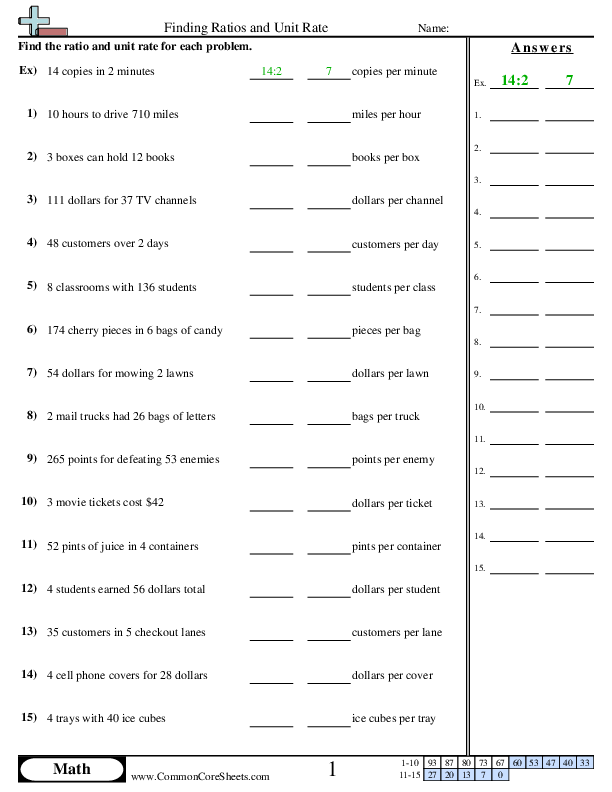
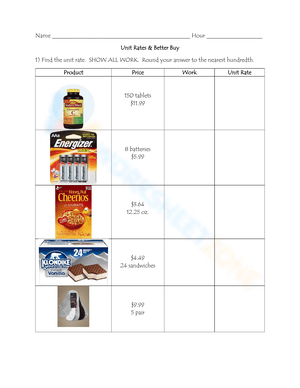
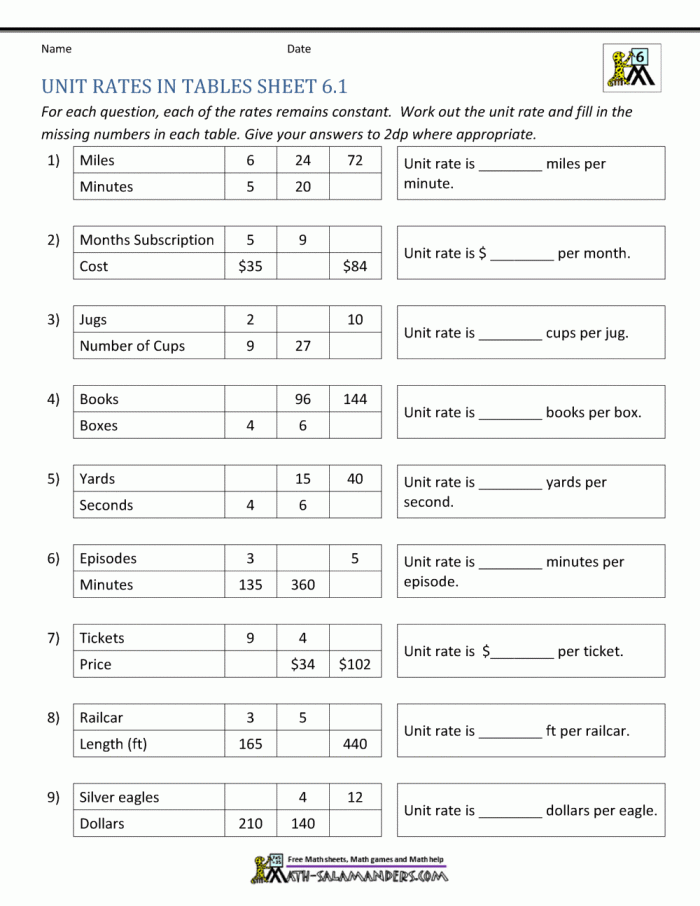
Unit price is simply the cost per single unit of measurement, whether that’s per ounce, per item, or per pound. By breaking down the total price into what you’re actually paying for each unit, you can compare products fairly, even when they come in different sizes. This skill matters more than you might think, especially when you’re managing a household budget or shopping on your own for the first time.
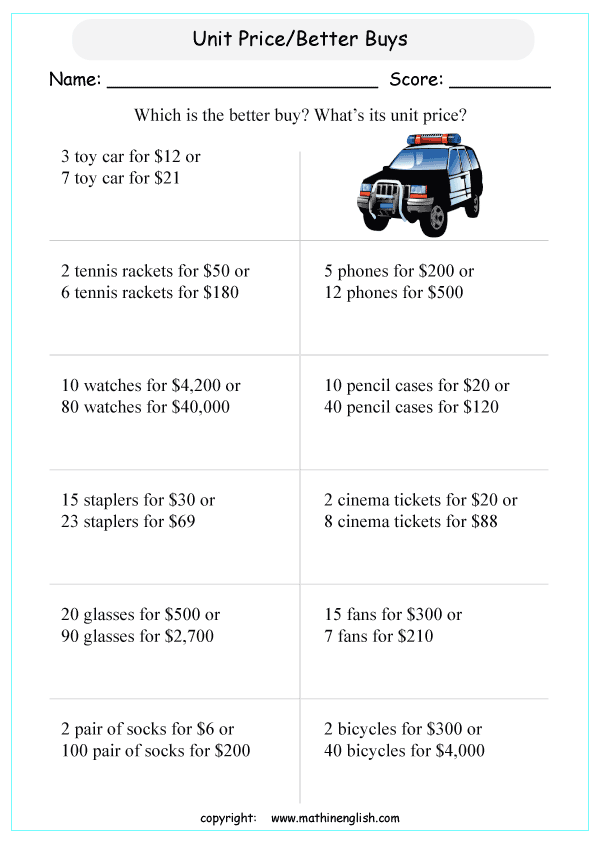
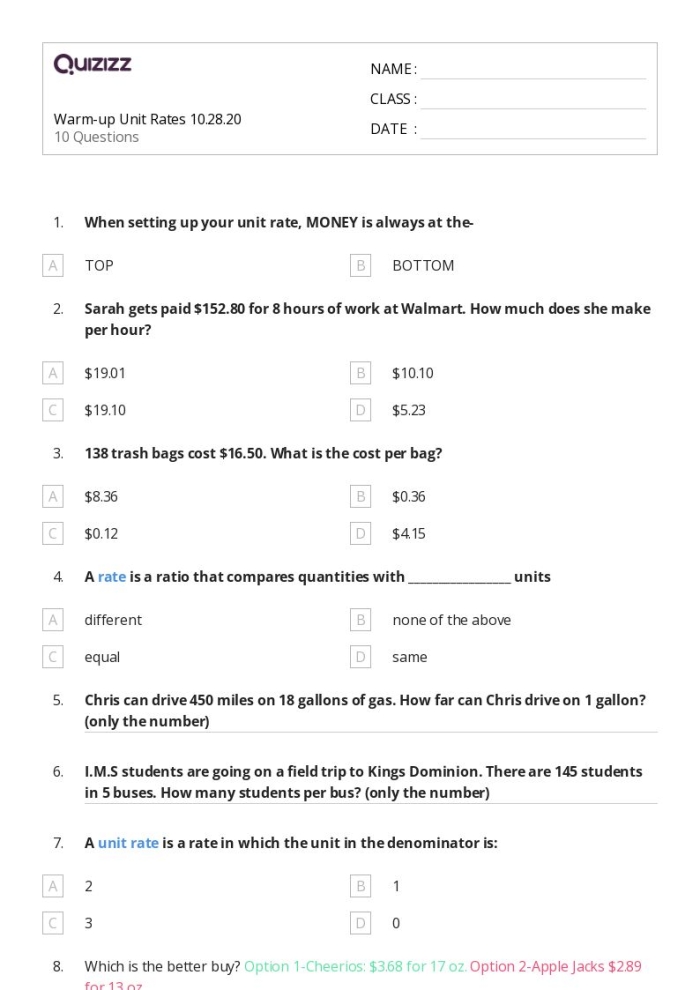
Let’s work through a practical example. Imagine you’re buying pasta. Brand A sells a 12-ounce box for $1.20, while Brand B sells a 16-ounce box for $1.60. To find the unit price, you divide the total price by the number of units. Brand A costs $1.20 divided by 12 ounces, which equals $0.10 per ounce. Brand B costs $1.60 divided by 16 ounces, which equals $0.10 per ounce. In this case, they’re identical, so your choice comes down to preference or other factors.
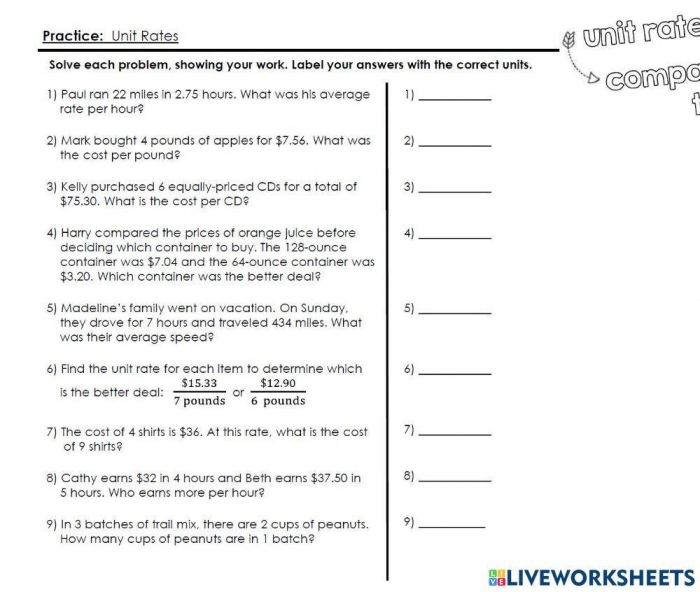
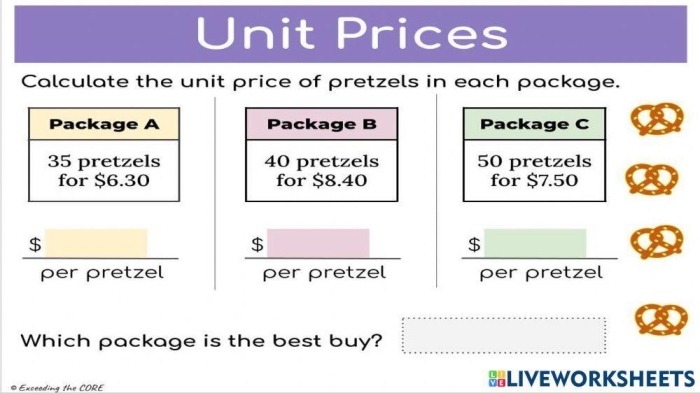
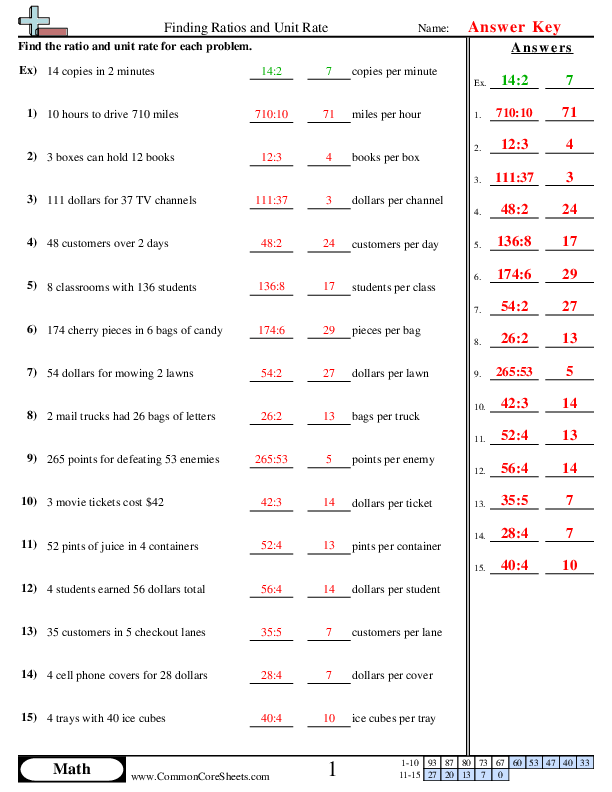
For sixth graders studying real-world applications of math, unit pricing connects directly to practical geography and consumer awareness. Understanding these calculations helps you recognize when bulk buying actually saves money and when it doesn’t. If you’re working through practice problems, worksheets on calculating discounts and similar resources can strengthen your foundation. You might also benefit from reinforcing your overall math skills with practice finding median problems to build stronger numerical reasoning across the board.
The next time you shop, grab a calculator and try it yourself. You’ll quickly see which products actually offer the best value, and you’ll never look at price tags the same way again.
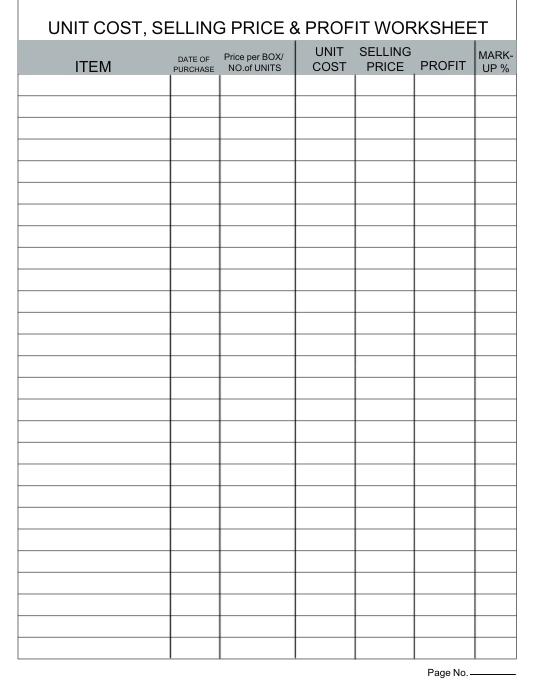
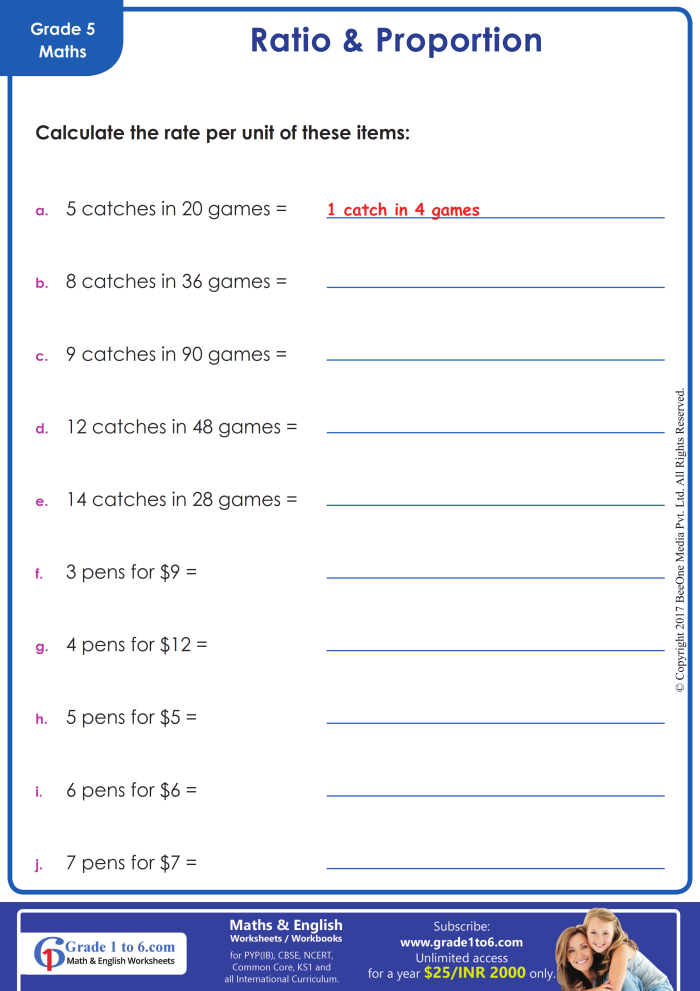
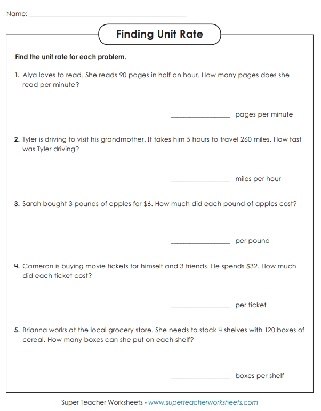
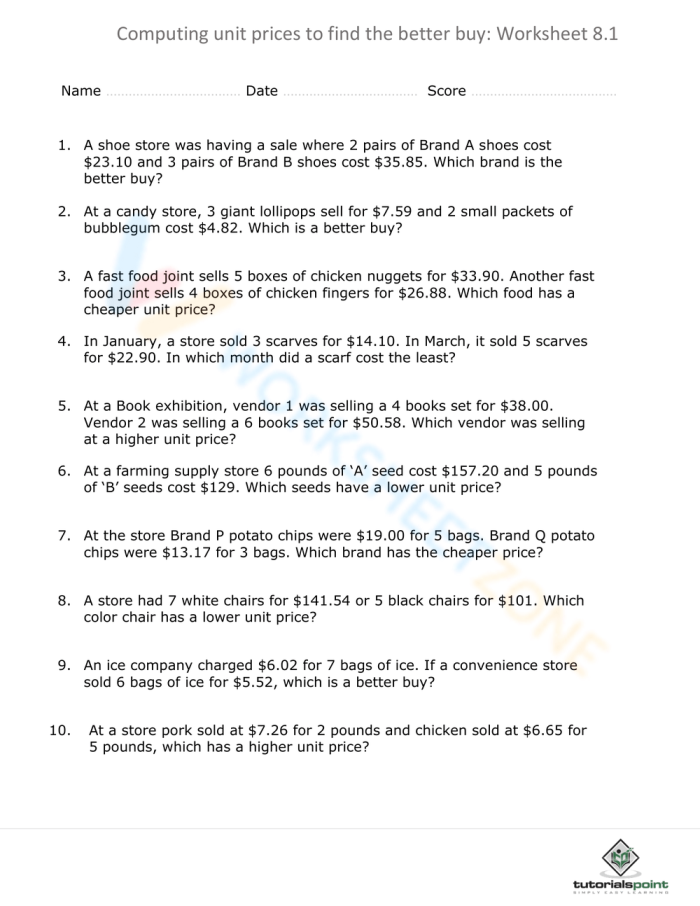
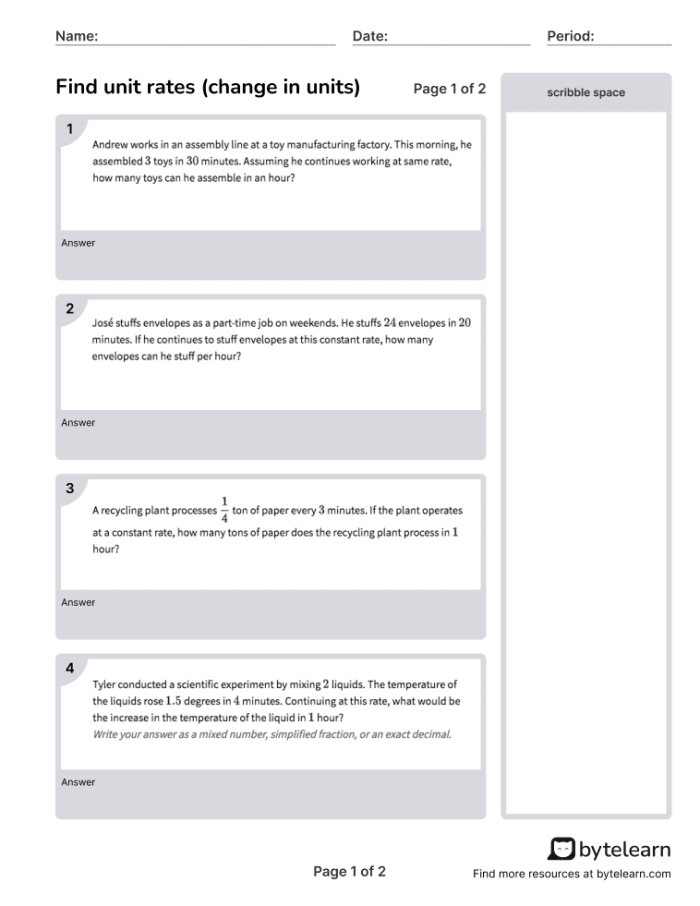
Printable Worksheets for Practice