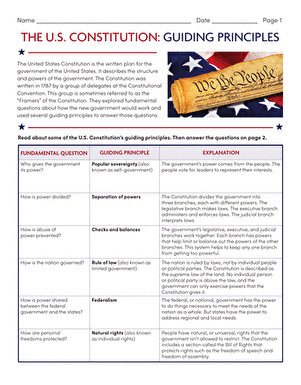
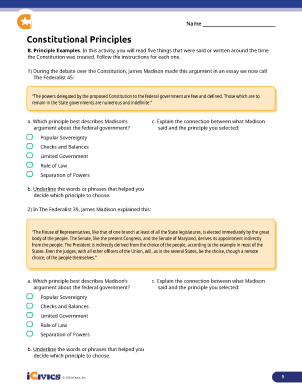
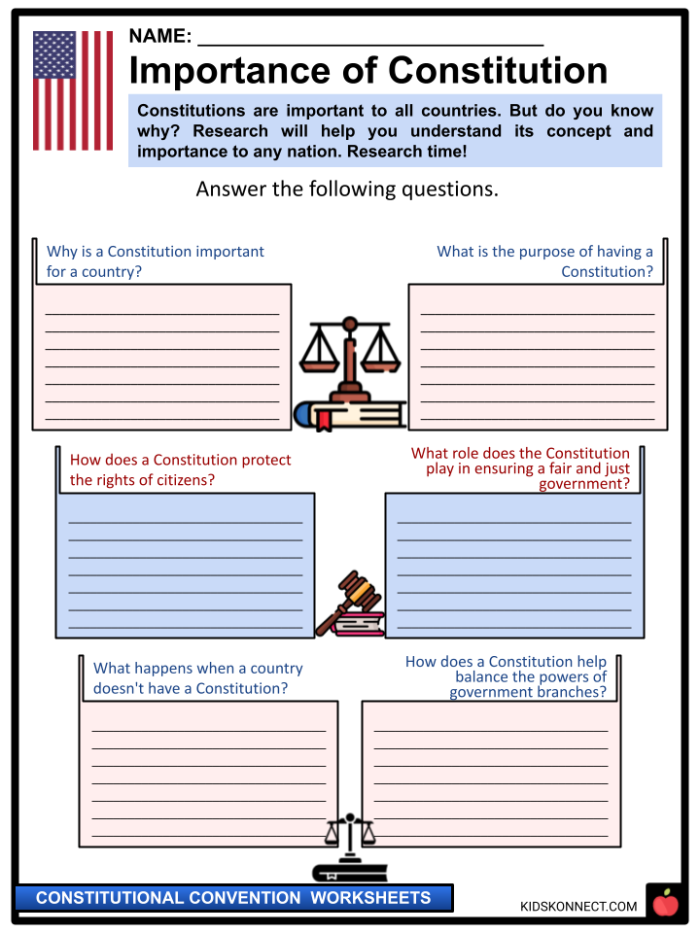
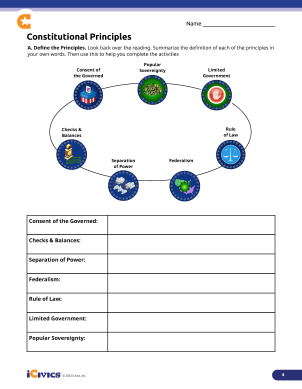
Understanding the U.S. Constitution feels abstract until students actually work through what makes it tick. This worksheet approach cuts through textbook definitions by having sixth graders examine six core principles that shape how American government operates.
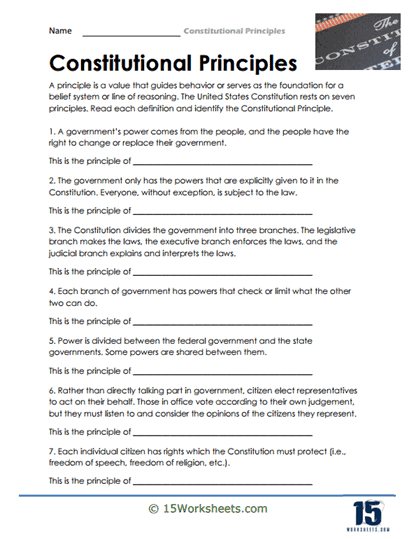
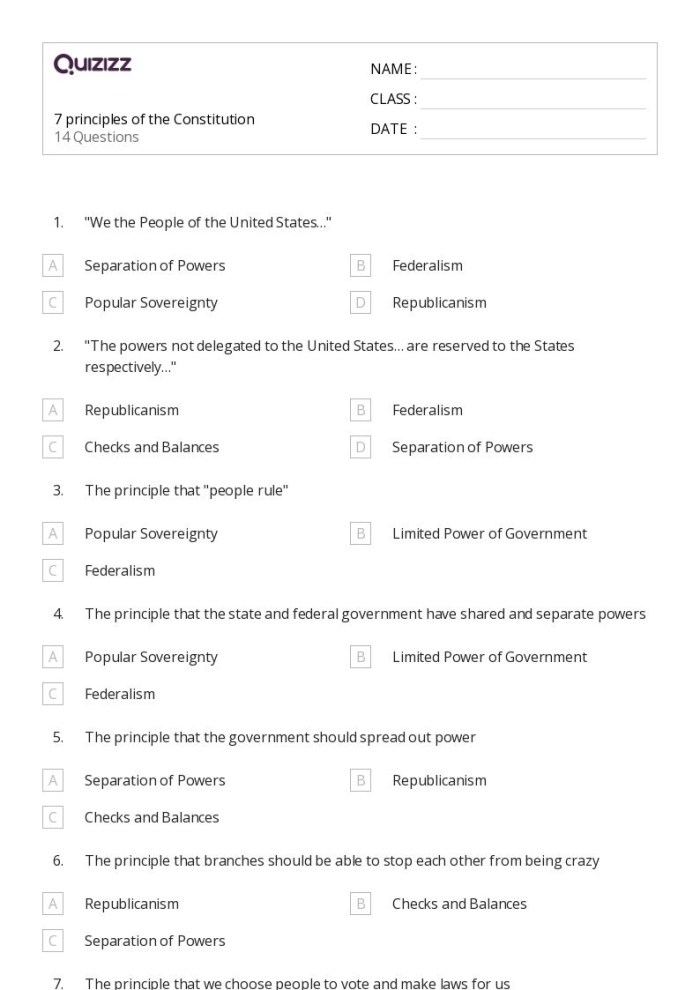
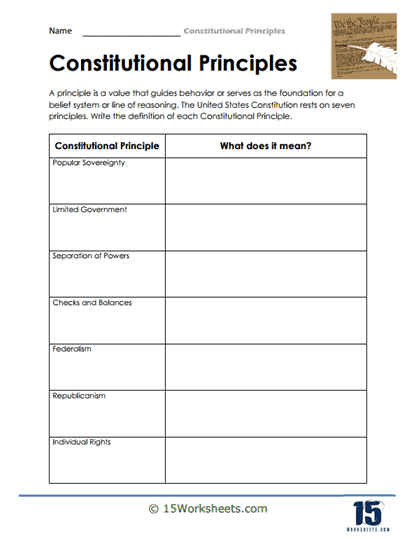
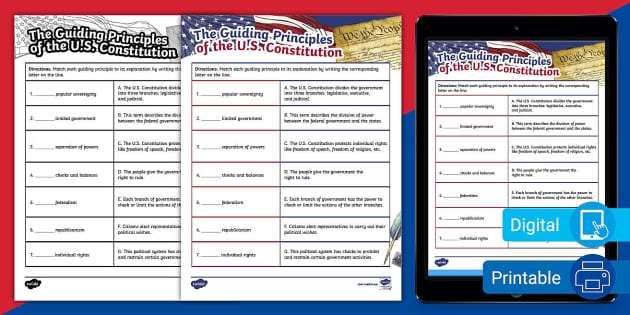
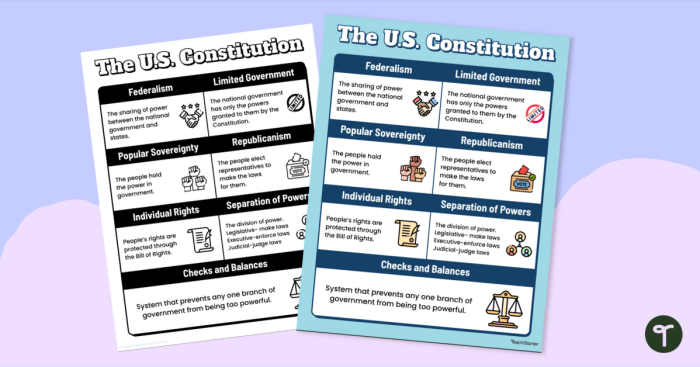
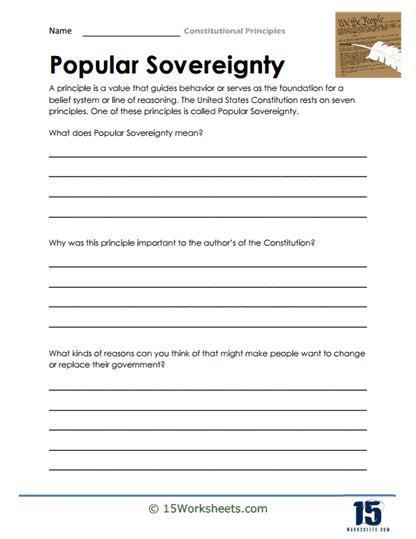
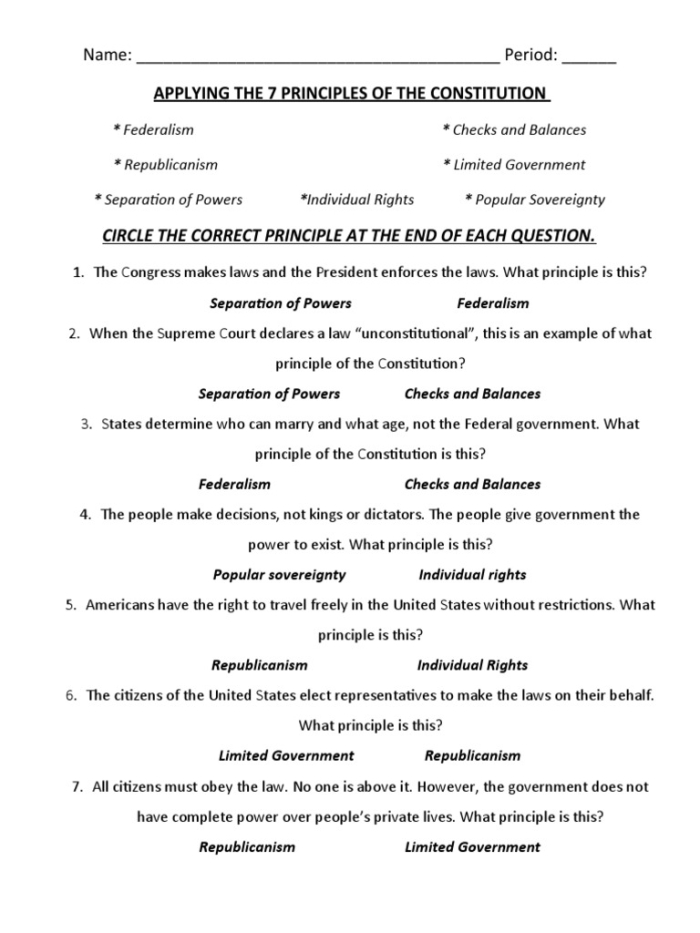
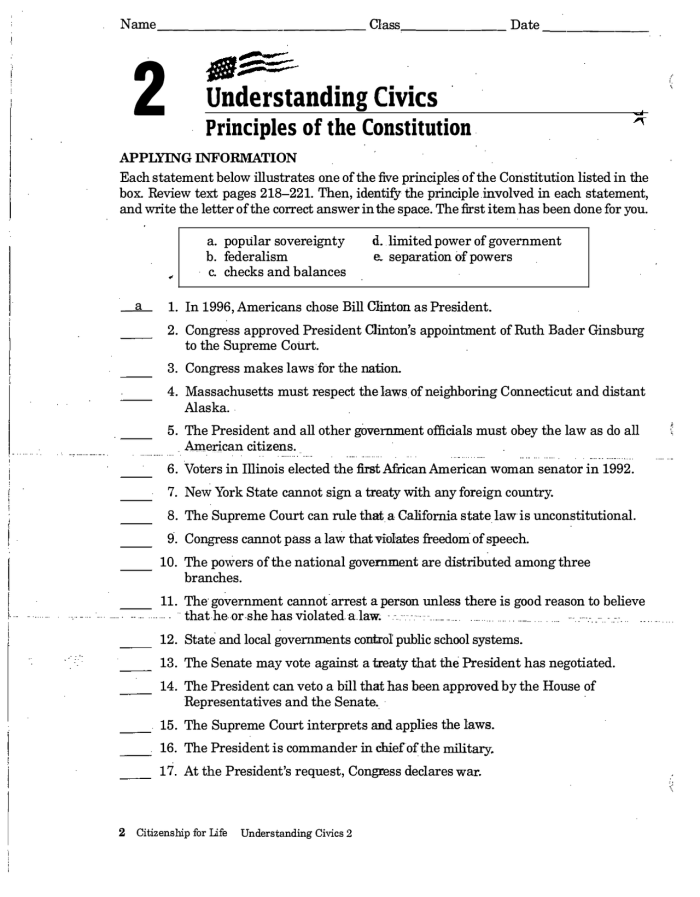
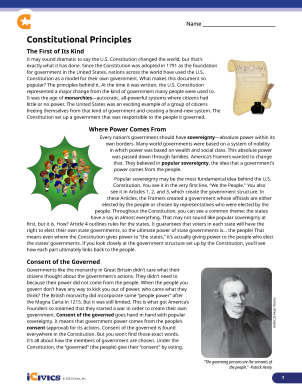
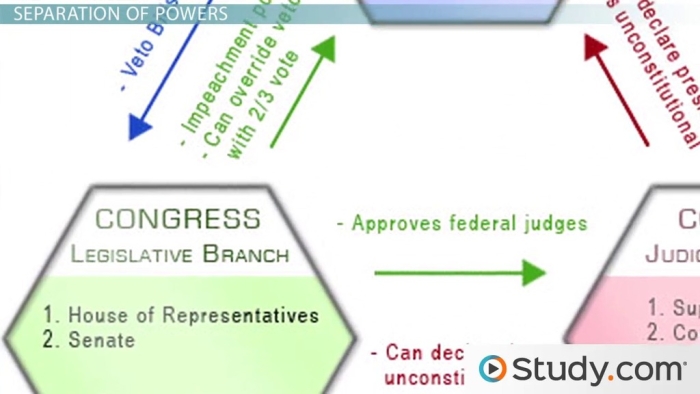
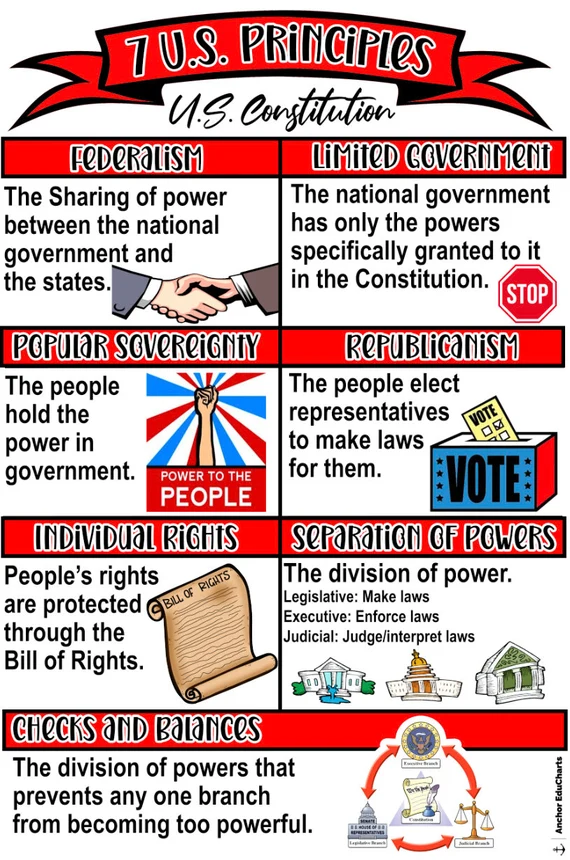
The Constitution rests on foundational ideas that students need to recognize and understand. Separation of powers divides government into three branches so no single part becomes too strong. Popular sovereignty means power ultimately comes from the people, not from rulers. Limited government establishes that leaders must follow the same rules as everyone else. Federalism splits authority between national and state governments. Checks and balances create situations where each branch can limit the others. Individual rights protect freedoms that belong to every person.
When sixth graders work through these principles on a structured worksheet, something shifts. Rather than memorizing definitions, they start connecting ideas to real situations. Why did the founders worry about one person holding too much power? What happens when states and the federal government disagree about authority? How do courts, Congress, and the president actually limit each other?
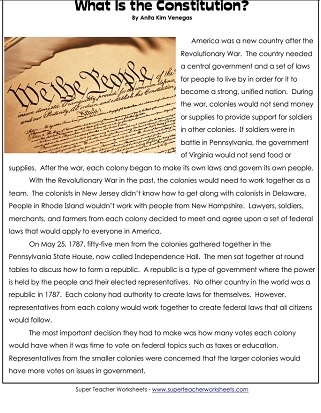
This reading-based approach works because it asks students to think critically rather than just recall facts. A worksheet format keeps the activity focused while allowing room for students to write their own explanations. Teachers often pair this with historical context, such as exploring the Articles of Confederation and why they weren’t enough to hold the young nation together.
Sixth grade reading standards emphasize understanding main ideas and supporting details. This worksheet naturally aligns with those goals while building civics knowledge. Students who grasp these six principles early develop stronger comprehension of how government actually functions, which matters far beyond the classroom.
Boost Skills with These Worksheets