Teaching children to separate facts from opinions is one of the most practical vocabulary skills they’ll develop in first grade. It sounds simple, but this distinction shapes how kids think critically about information they encounter every day, from conversations with friends to stories they read aloud.
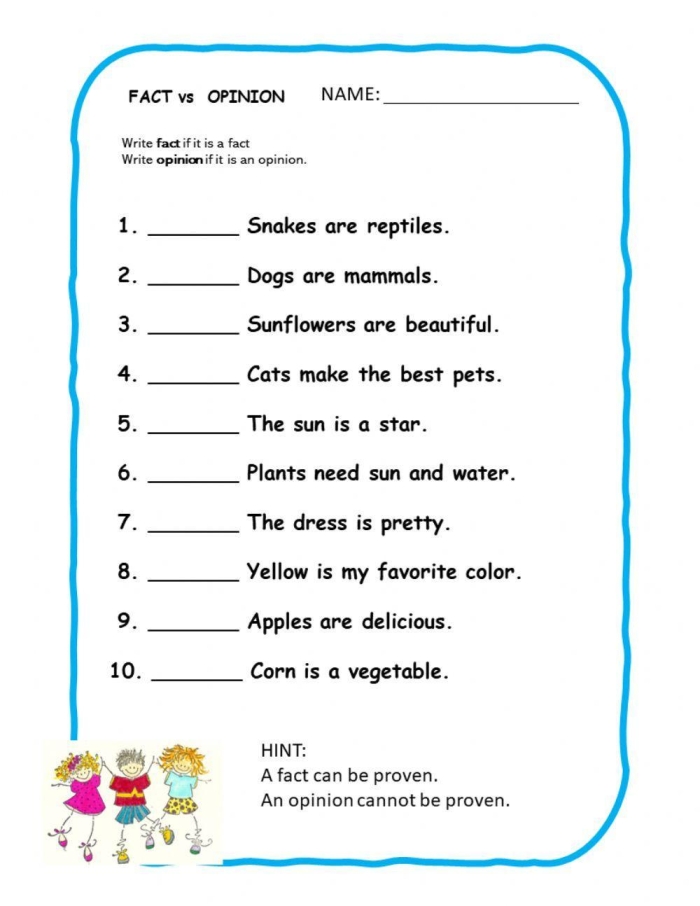
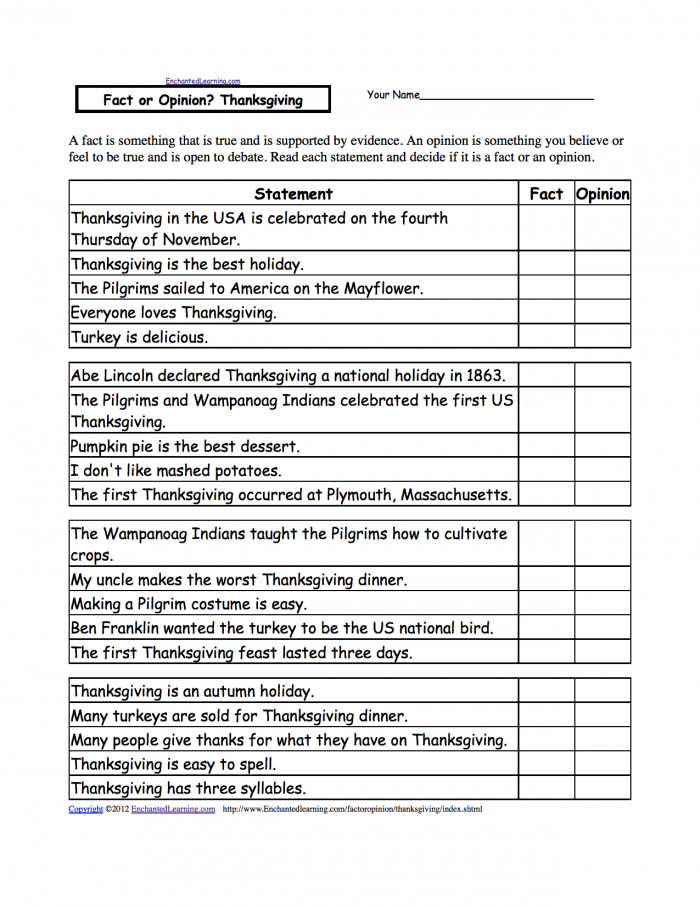
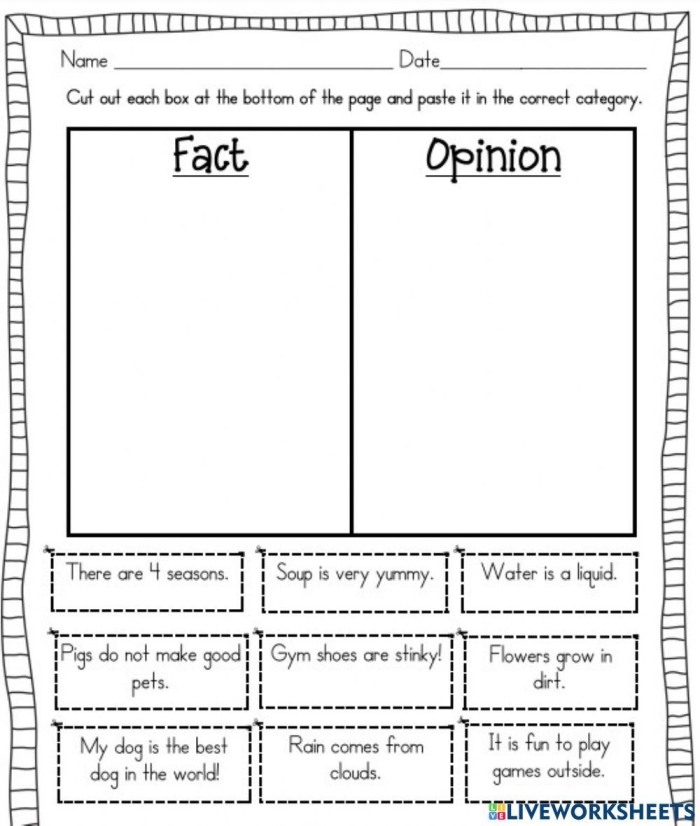
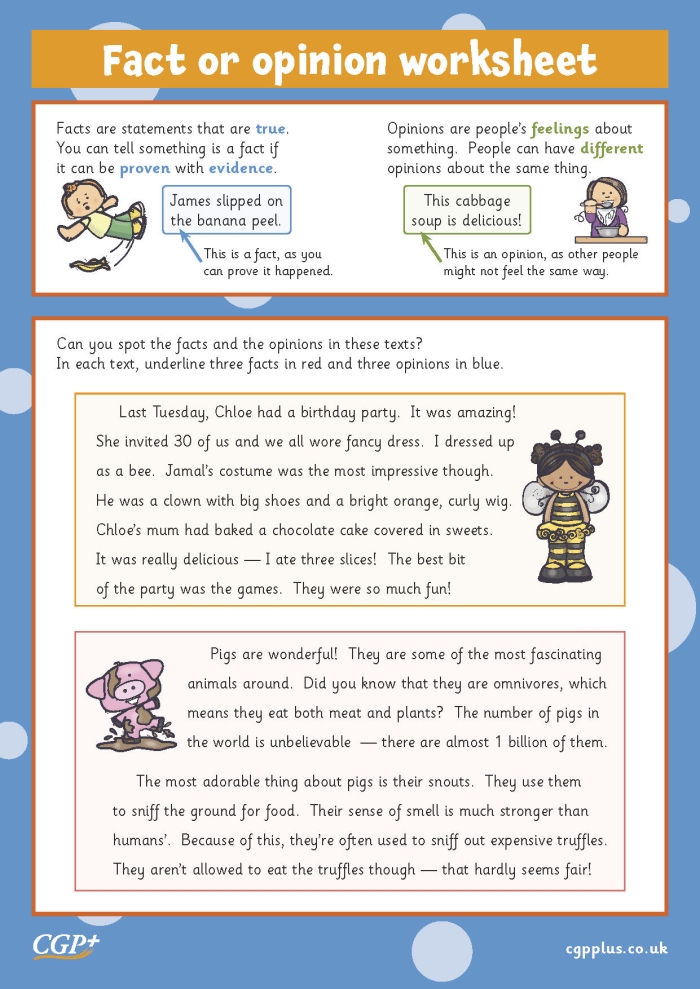
The core difference is straightforward: a fact is something that can be proven true or false. You can verify it. The sky is blue. Water is wet. These statements remain true regardless of what anyone believes about them. An opinion, on the other hand, reflects what someone thinks or feels. It’s personal and varies from person to person. Pizza tastes better than vegetables. Summer is the best season. No amount of evidence will prove these statements universally true because they depend on individual preference.
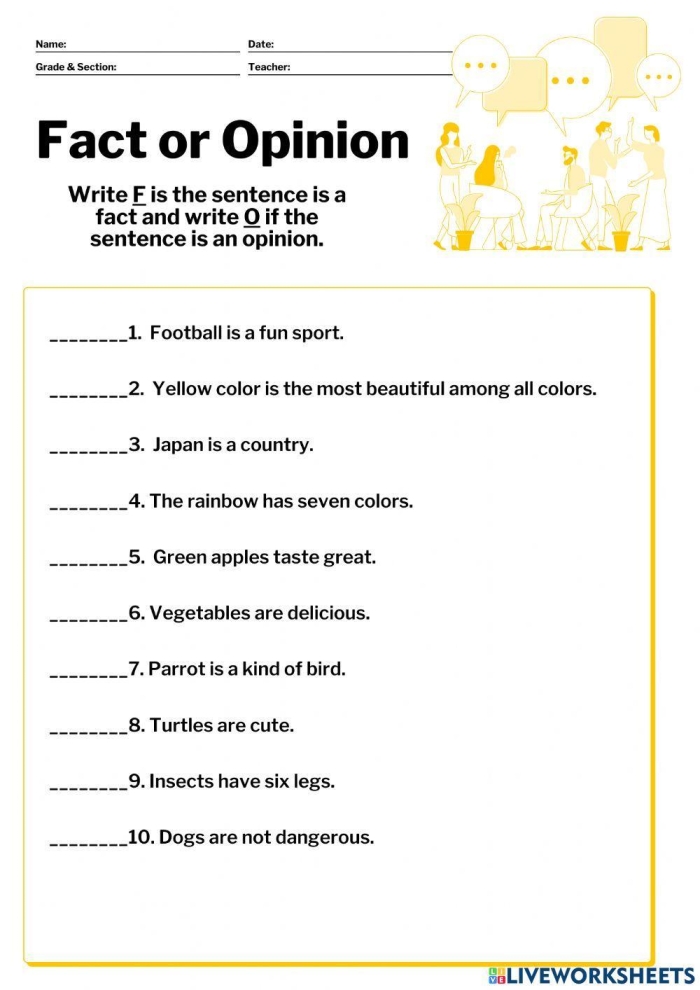
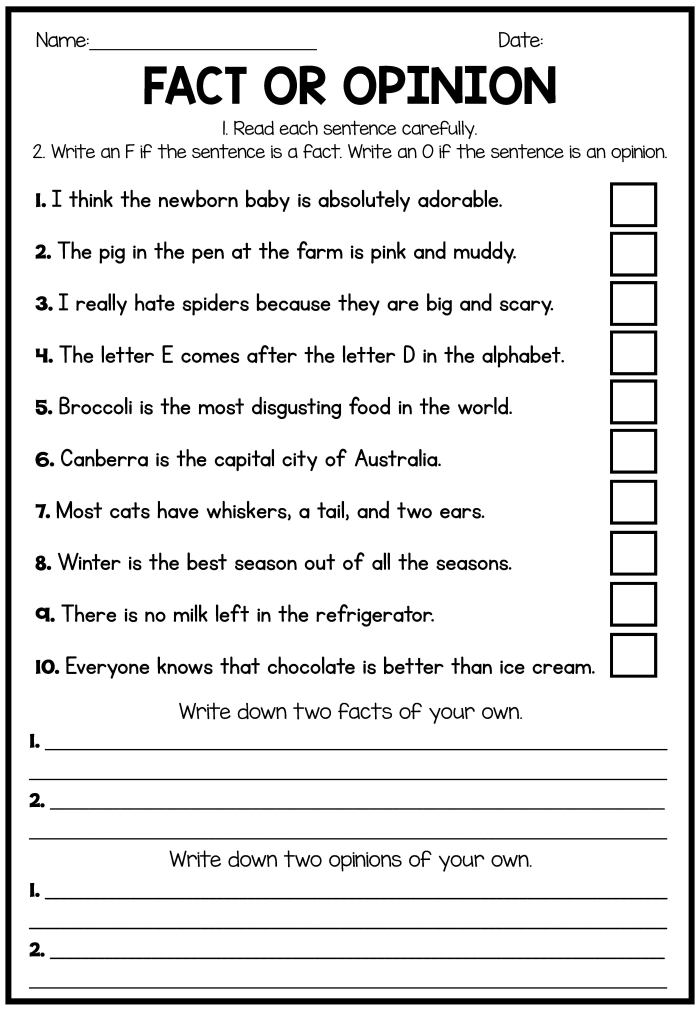
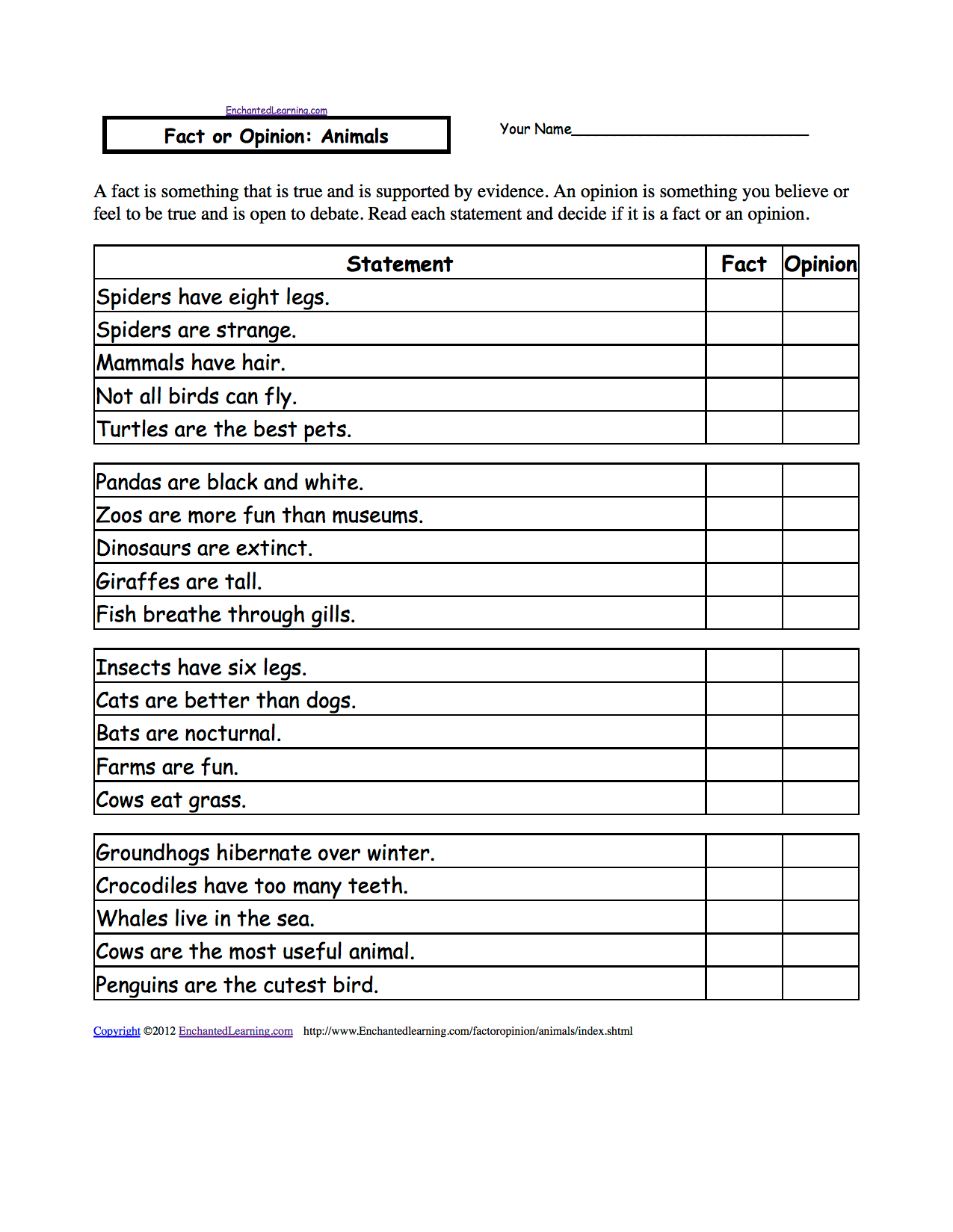
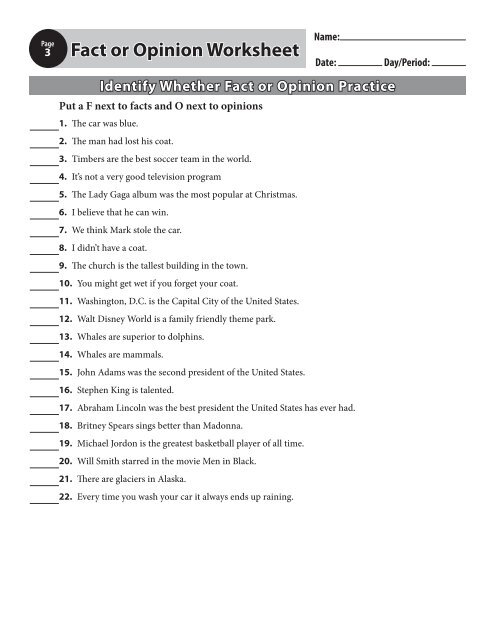
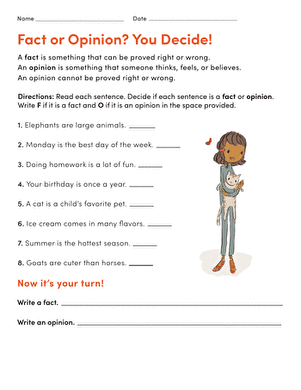
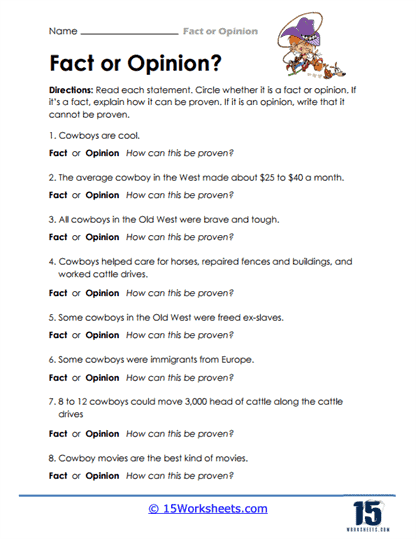
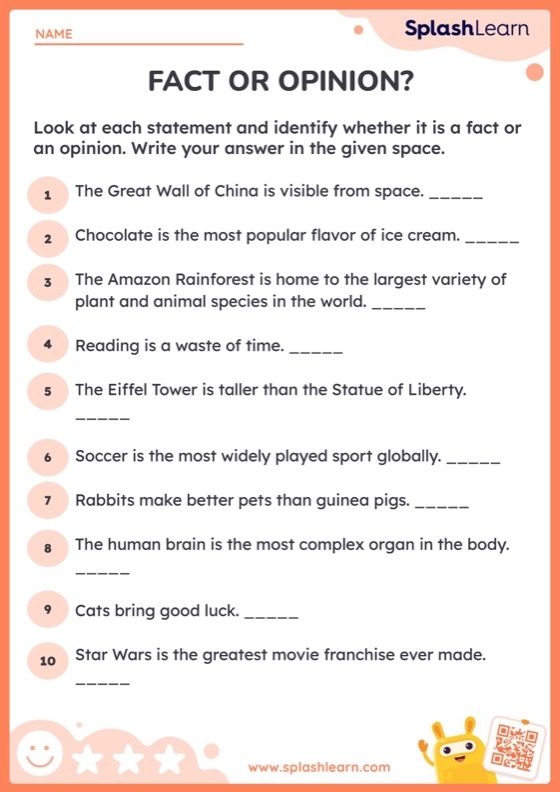
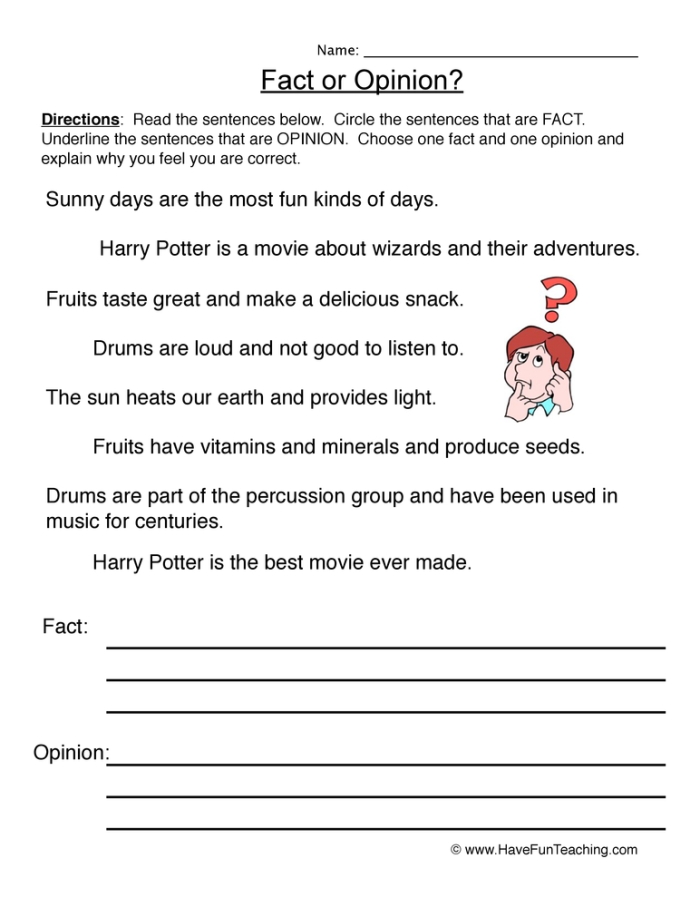
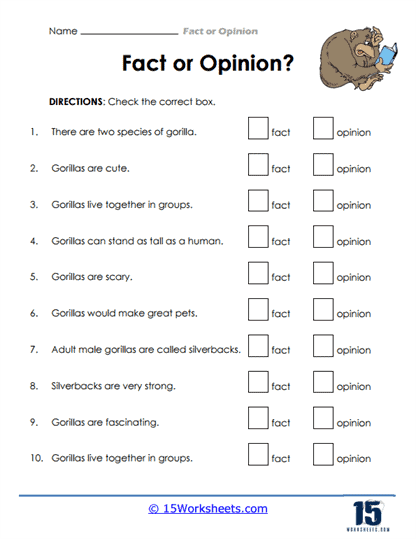
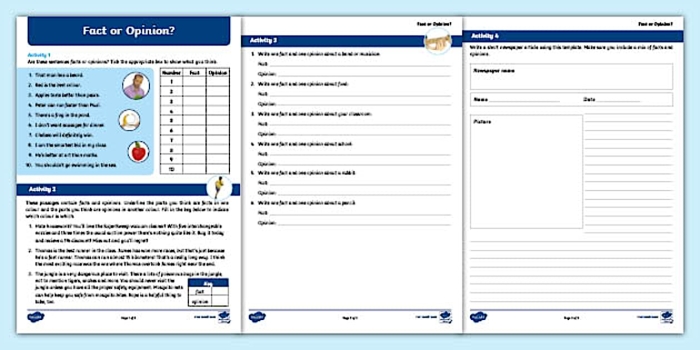
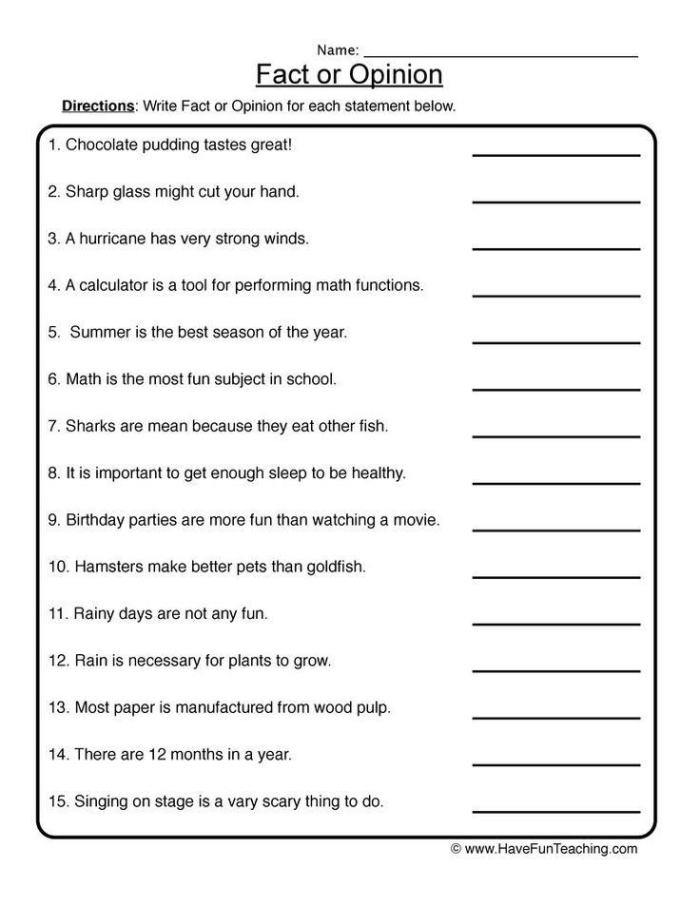
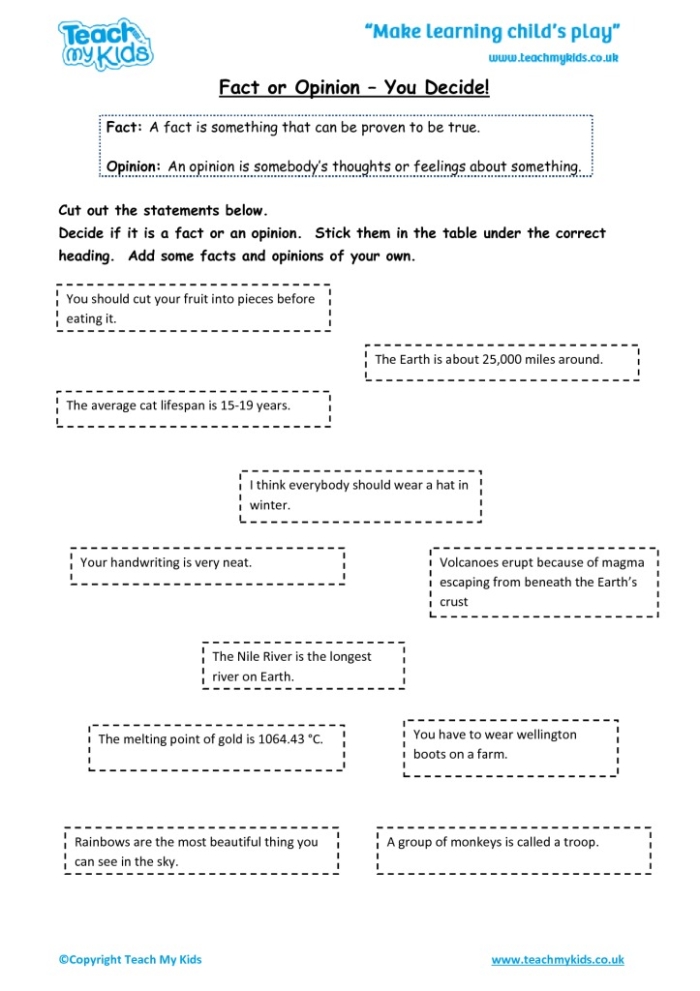
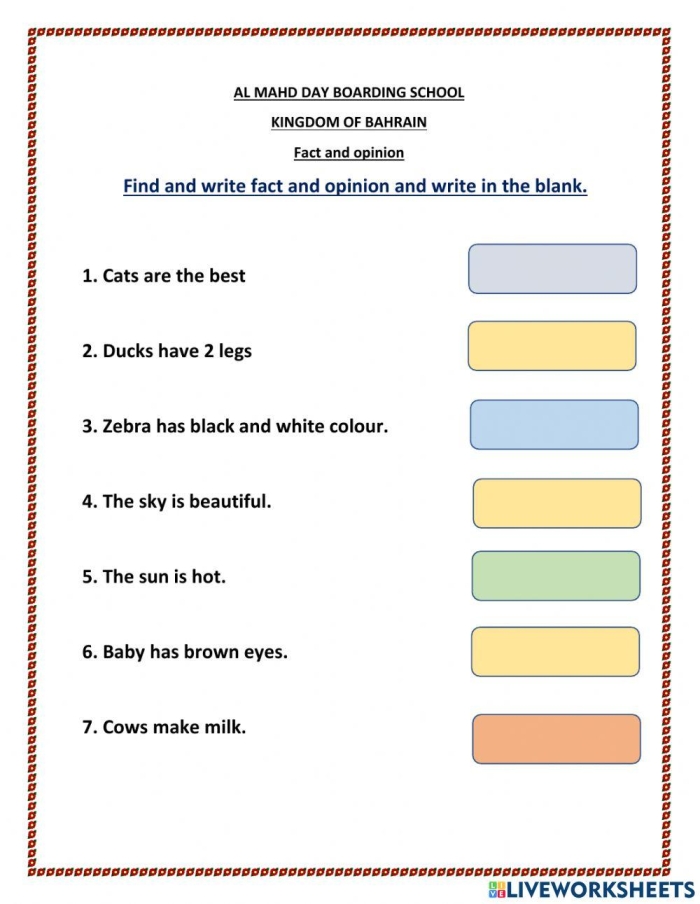
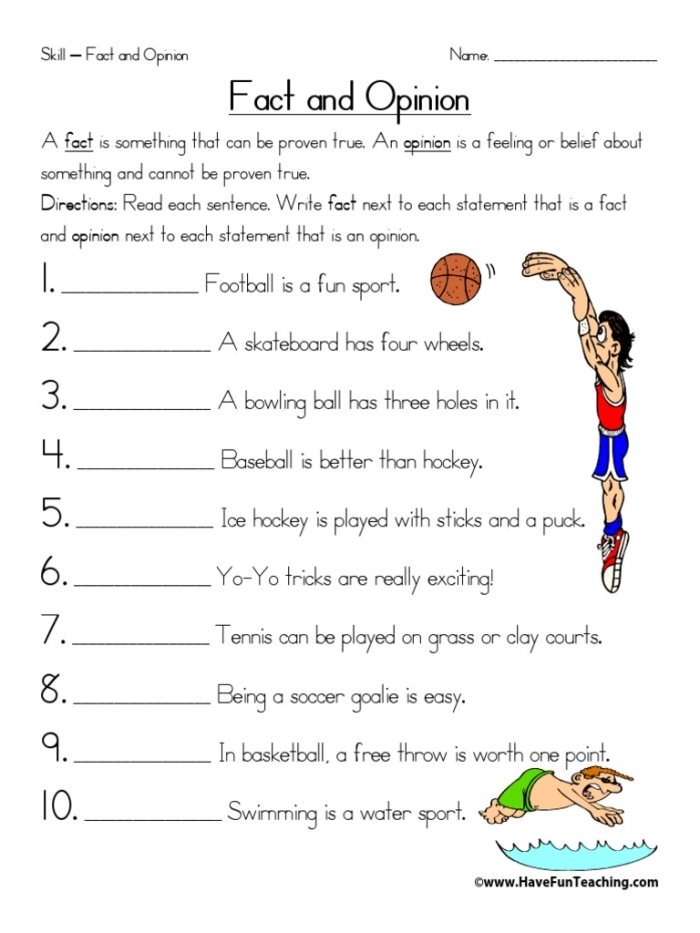
When children work through a fact or opinion exercise with eight sentences to classify, they practice applying this distinction in real contexts. One sentence might state that cats have four legs, which is factual and verifiable. Another might claim that cats make better pets than dogs, which is purely opinion-based. By sorting through multiple examples, first graders begin internalizing the pattern rather than just memorizing a definition.
This skill connects naturally to other first-grade learning. As children develop their vocabulary, they encounter language that signals opinion: words like “best,” “worst,” “beautiful,” and “ugly” often tip them off that someone is sharing a preference rather than a fact. Understanding these nuances helps them become more careful readers and listeners.
Worksheets that combine fact and opinion practice with other vocabulary activities work well for reinforcement. You might pair this skill with data and graphing exercises, where facts become numbers and charts. Or integrate it alongside sight word recognition to build reading fluency while strengthening critical thinking.
Start Practicing with These Worksheets