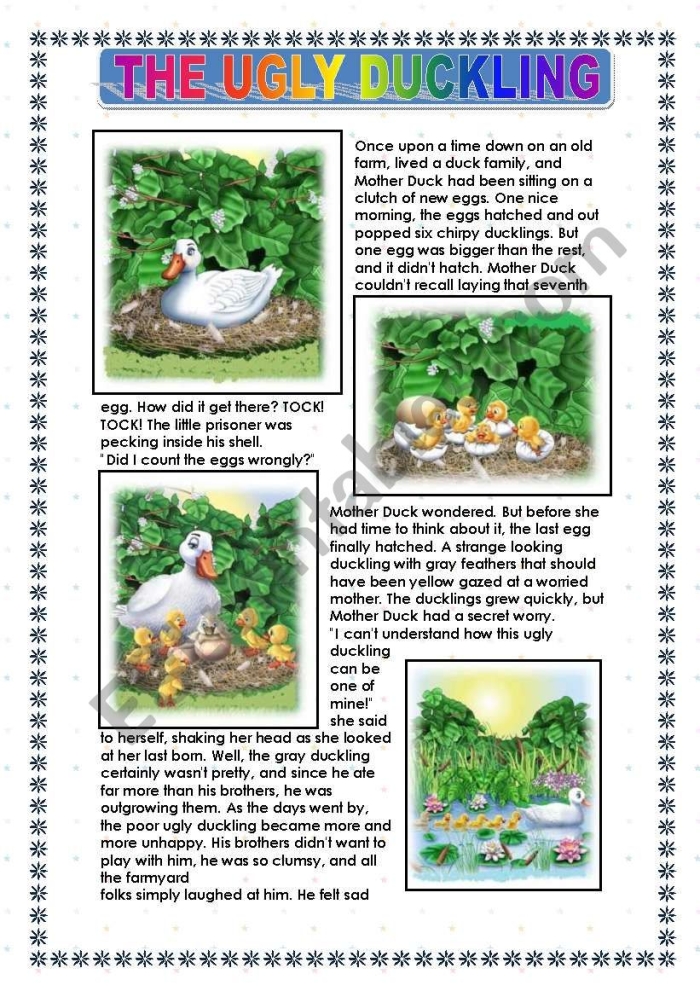
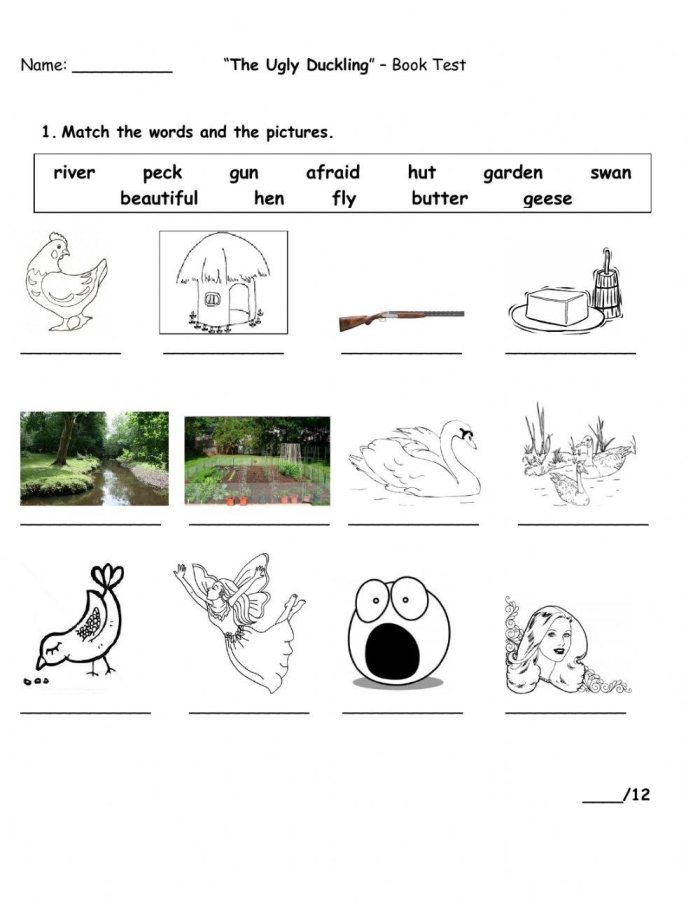
Hans Christian Andersen’s “The Ugly Duckling” works remarkably well for first grade readers who are building foundational reading skills. The story’s straightforward narrative arc, combined with its emotional core, keeps young readers engaged while they practice decoding words and following a plot from beginning to end.
What makes this tale particularly effective for early readers is its structure. The duckling faces a clear problem, struggles through the middle, and reaches a resolution. First graders can track these events without getting lost in complicated subplots. The repetition of certain phrases and the simple vocabulary choices make it accessible without feeling condescending. As children work through the story, they naturally absorb patterns in how sentences are constructed, which supports their developing grammar skills.
Beyond basic reading mechanics, “The Ugly Duckling” opens conversations about transformation and self-acceptance. Young readers see themselves reflected in the protagonist’s journey, whether they feel different from their peers or worry about fitting in. This emotional connection motivates them to keep reading, which is half the battle when building reading stamina in first grade.
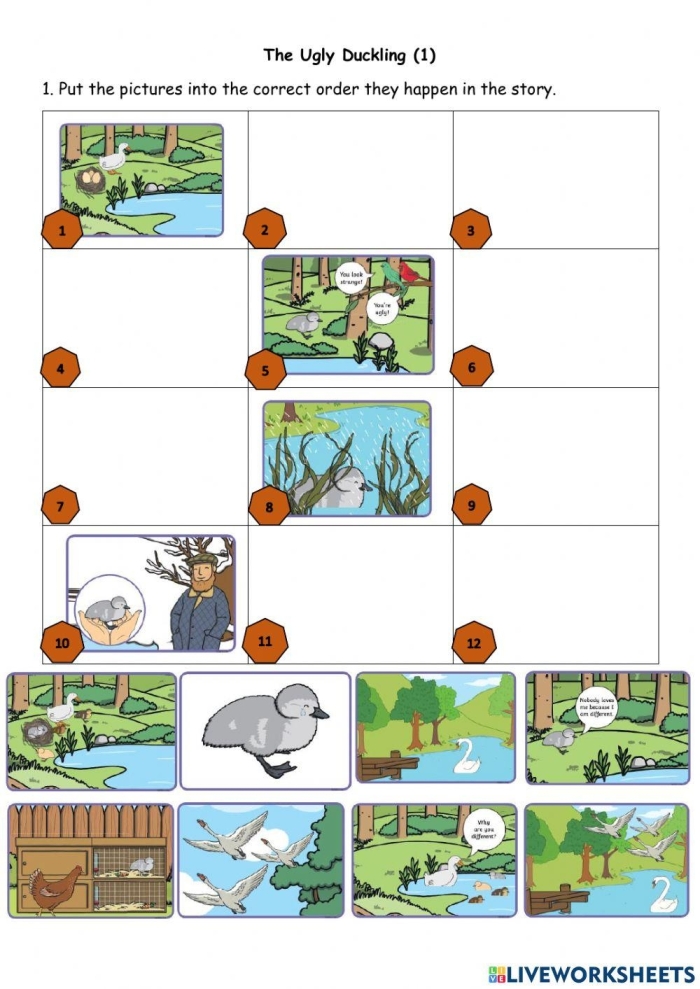
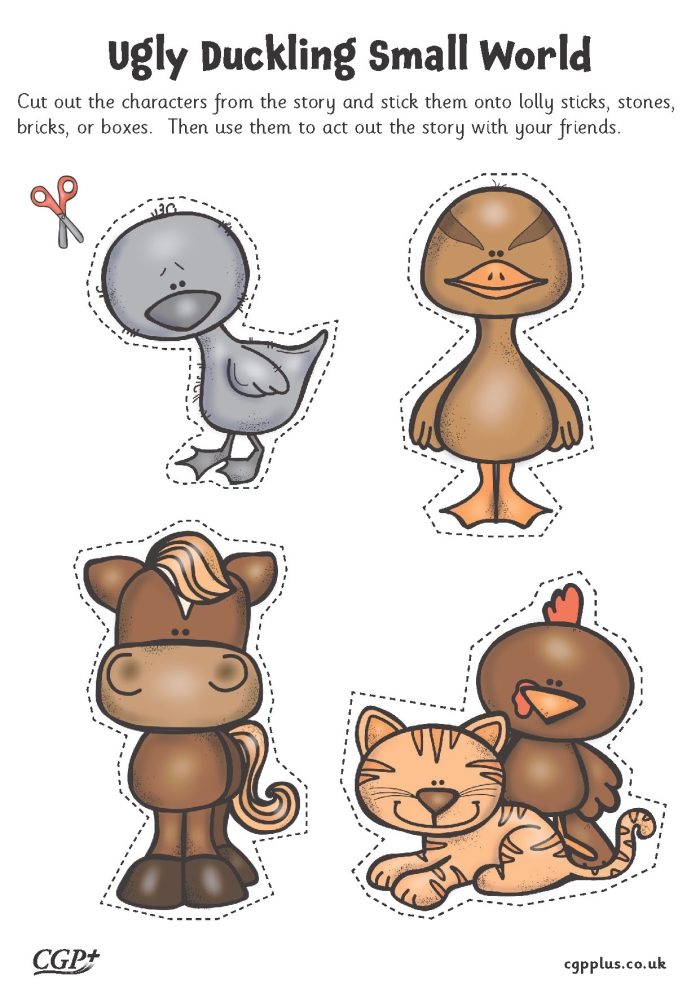
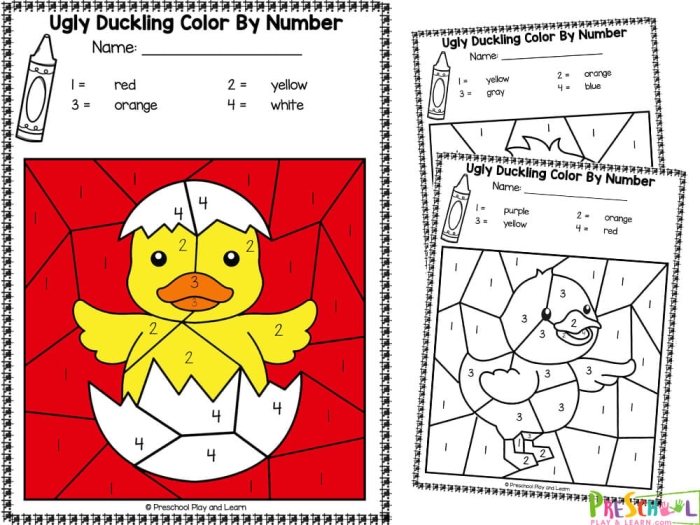
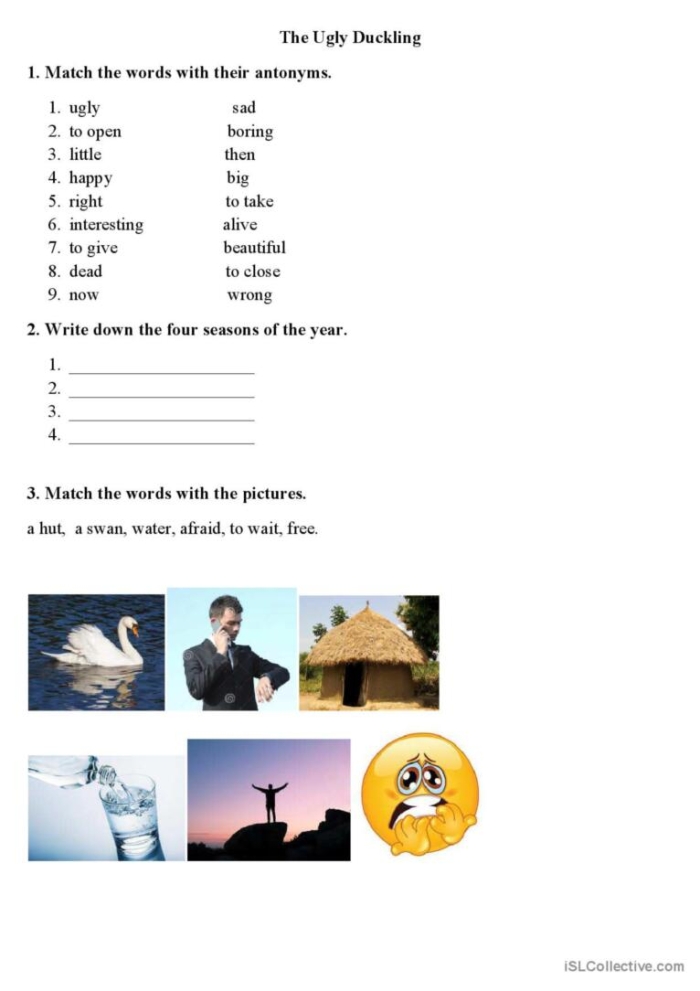
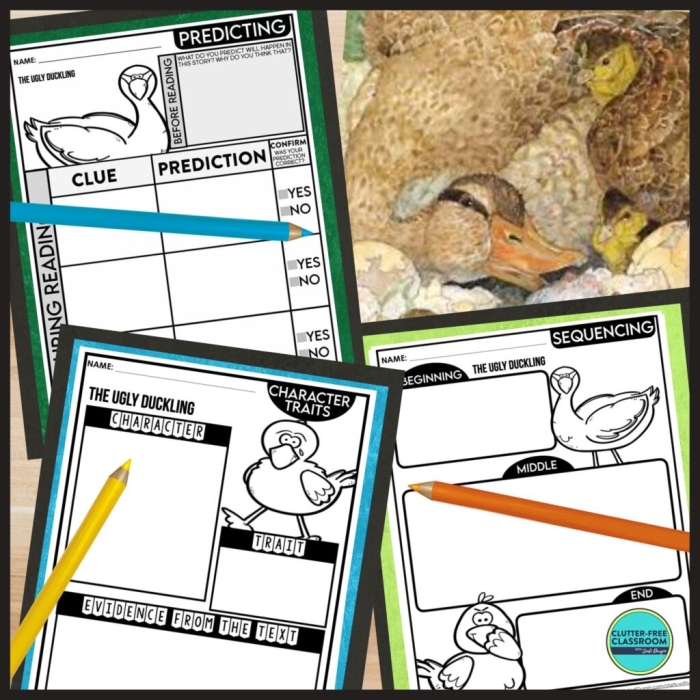
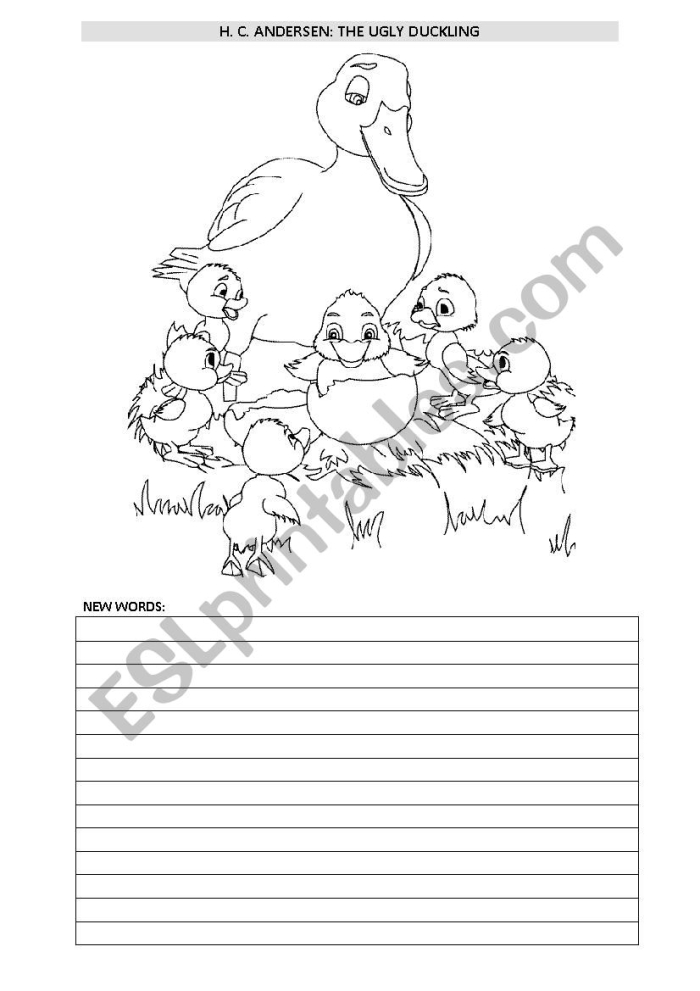
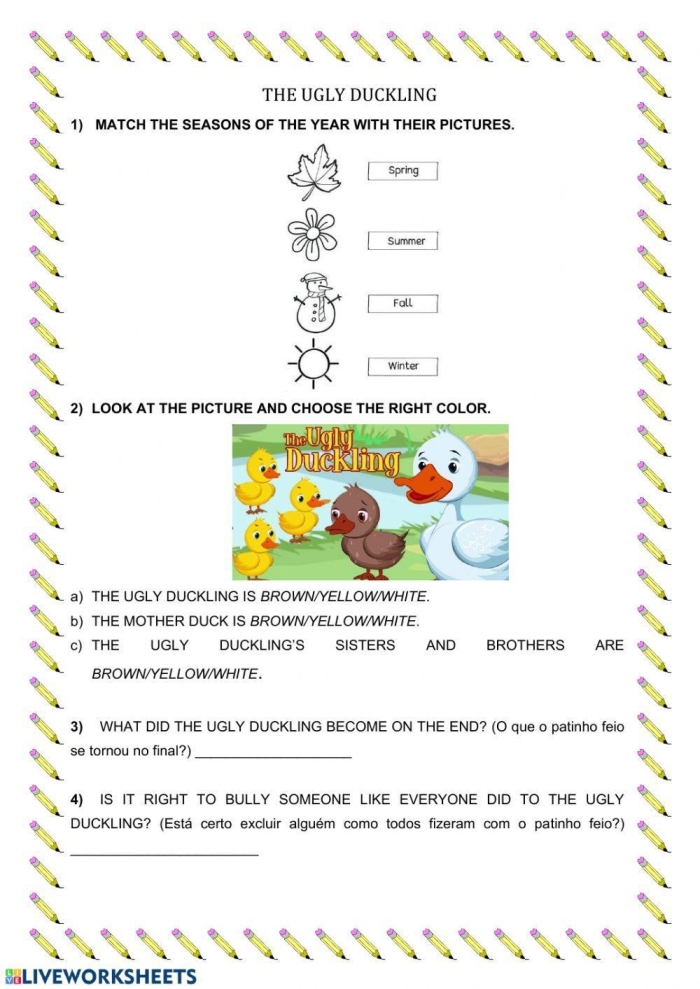
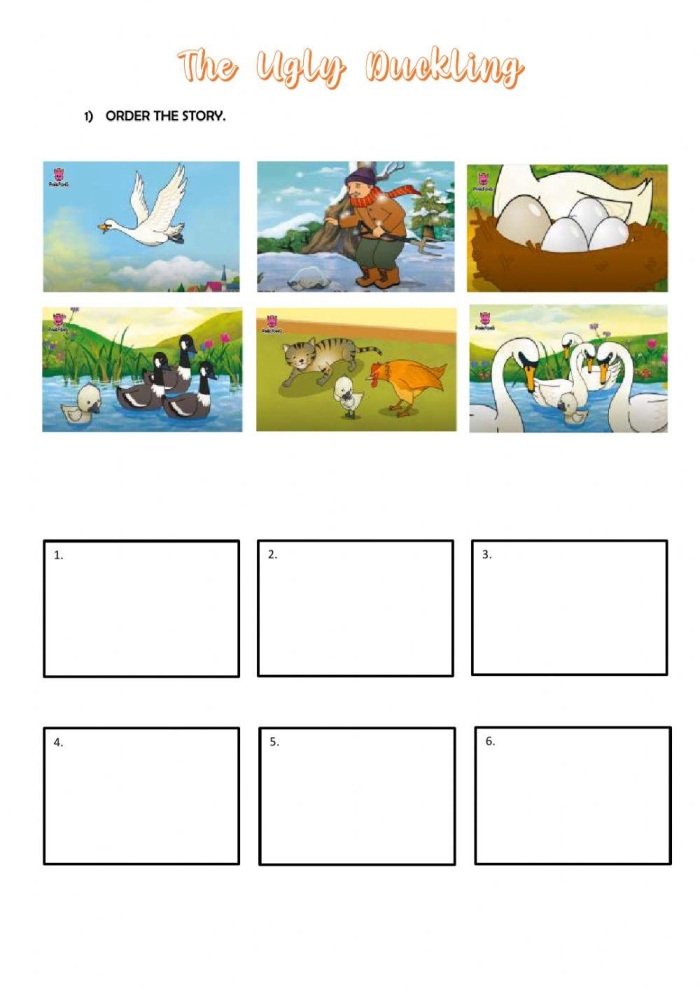
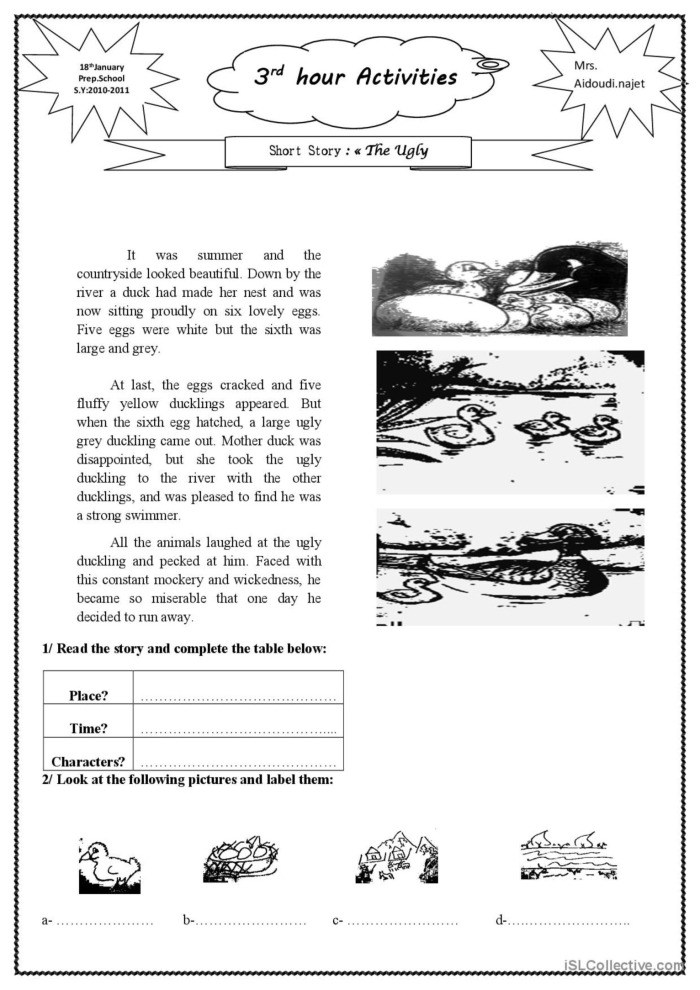
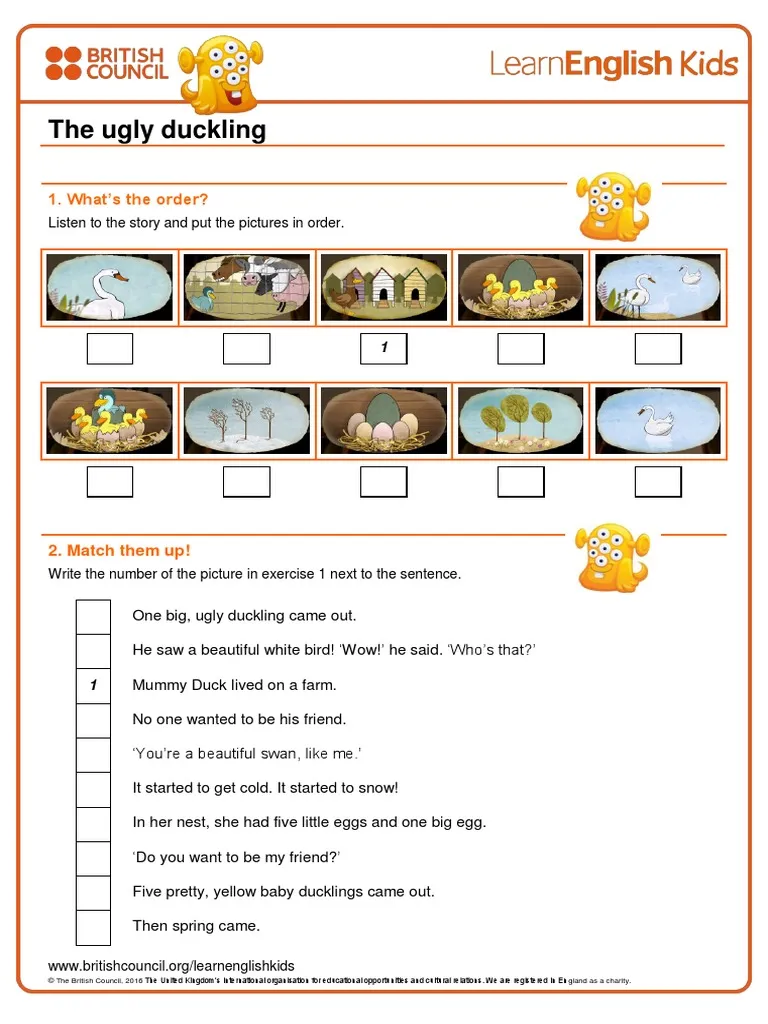
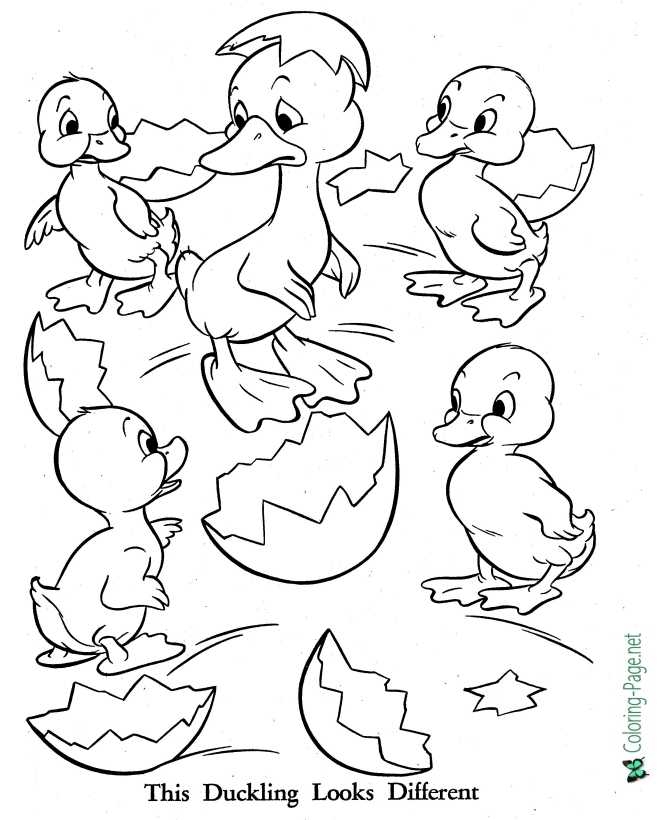
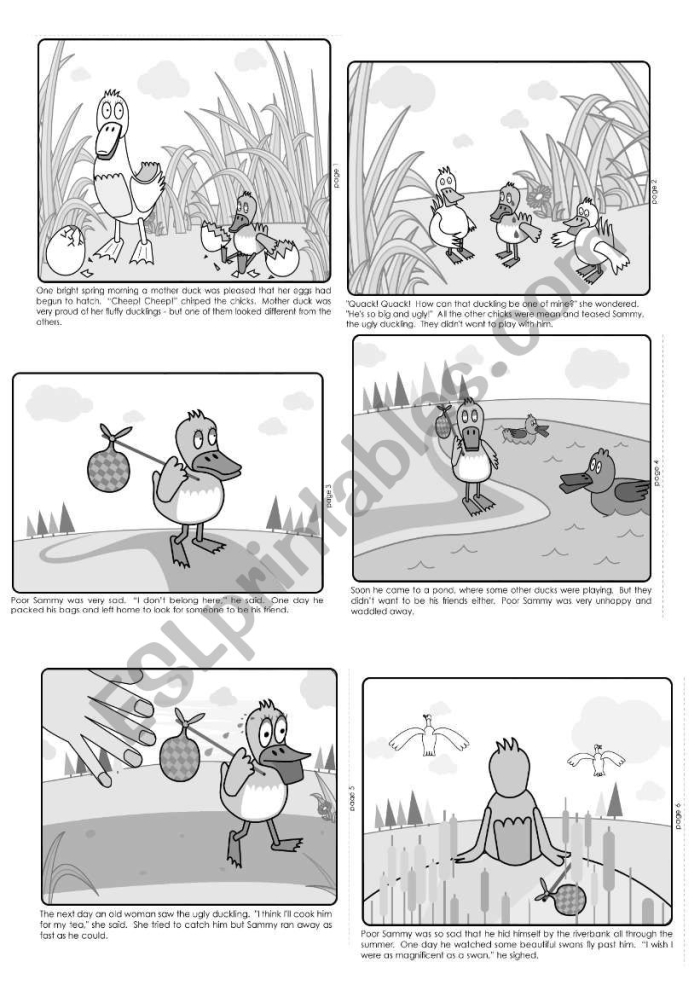
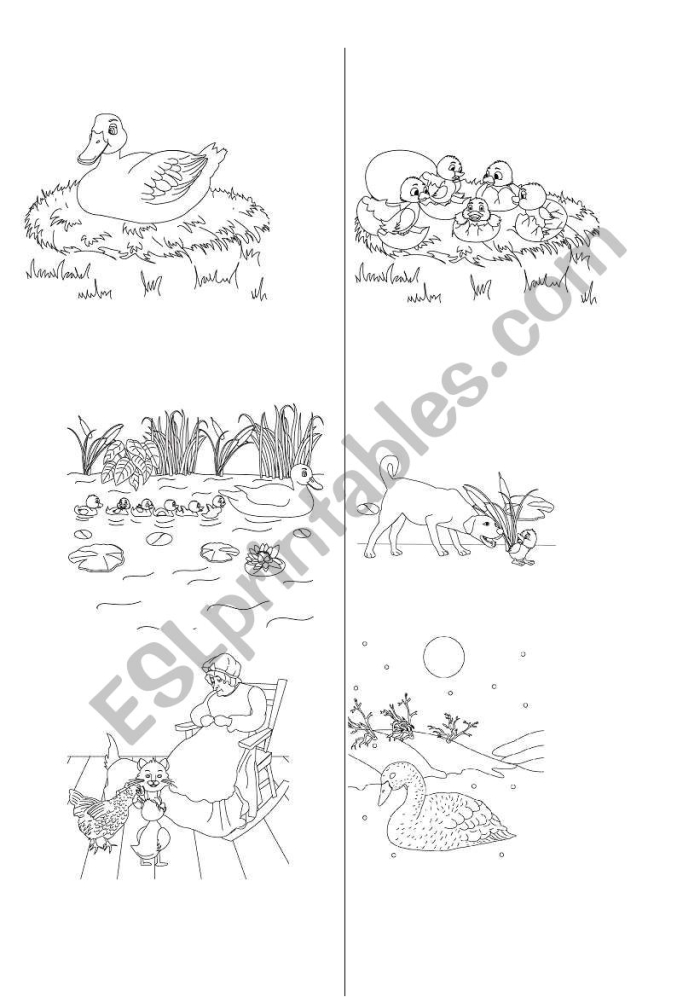
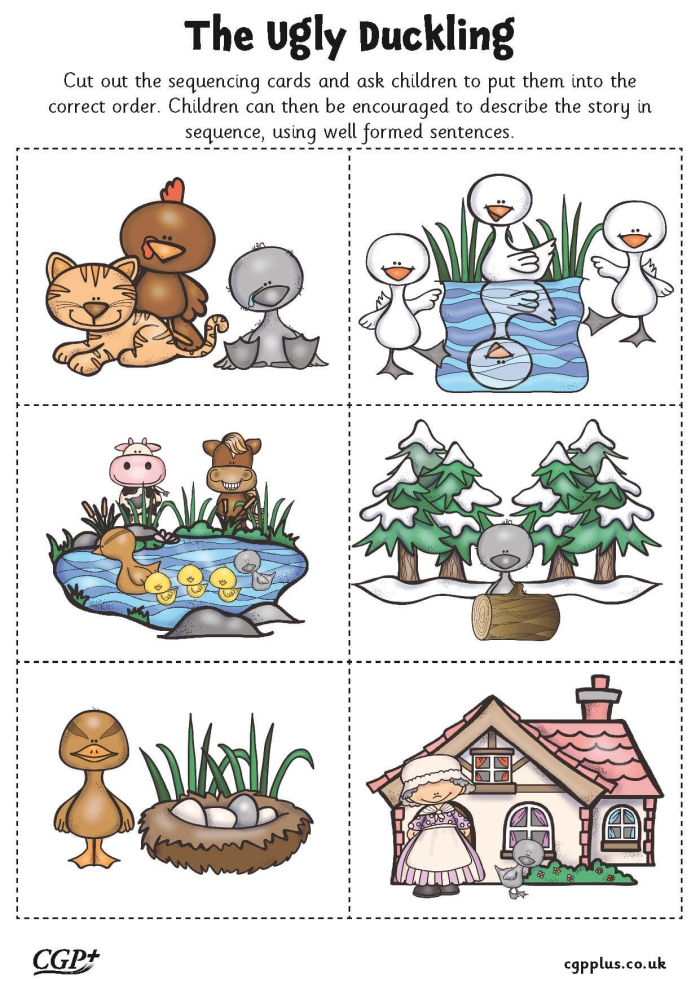
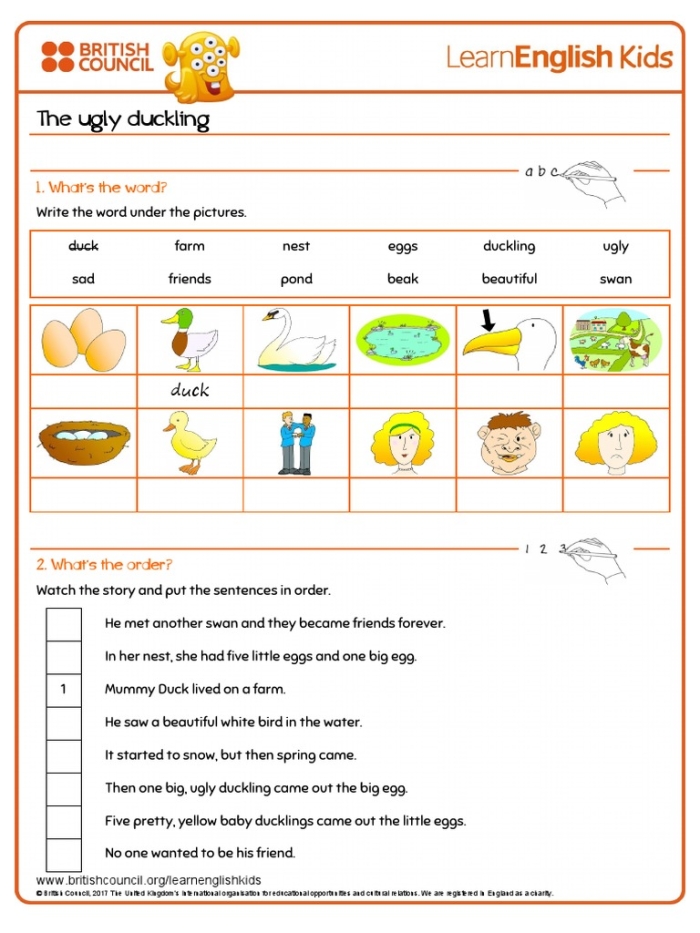
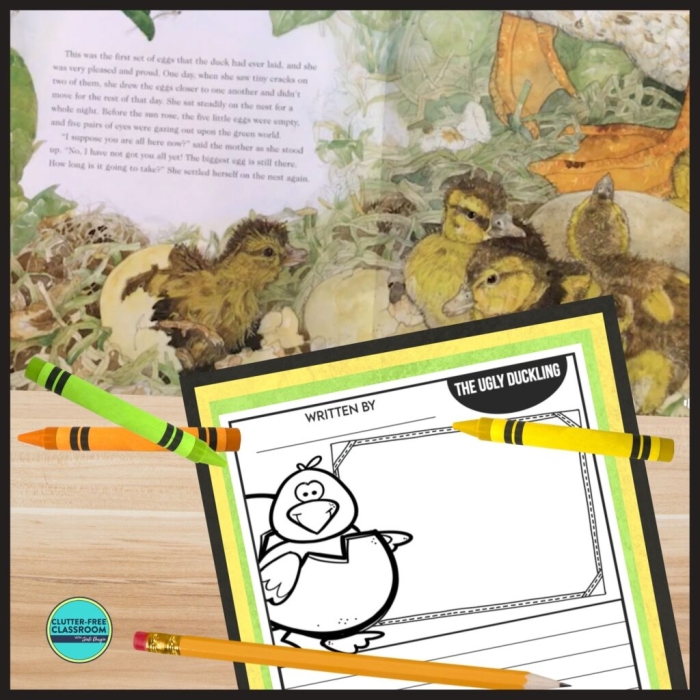
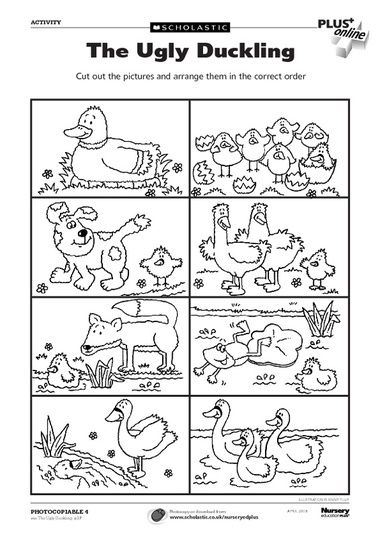
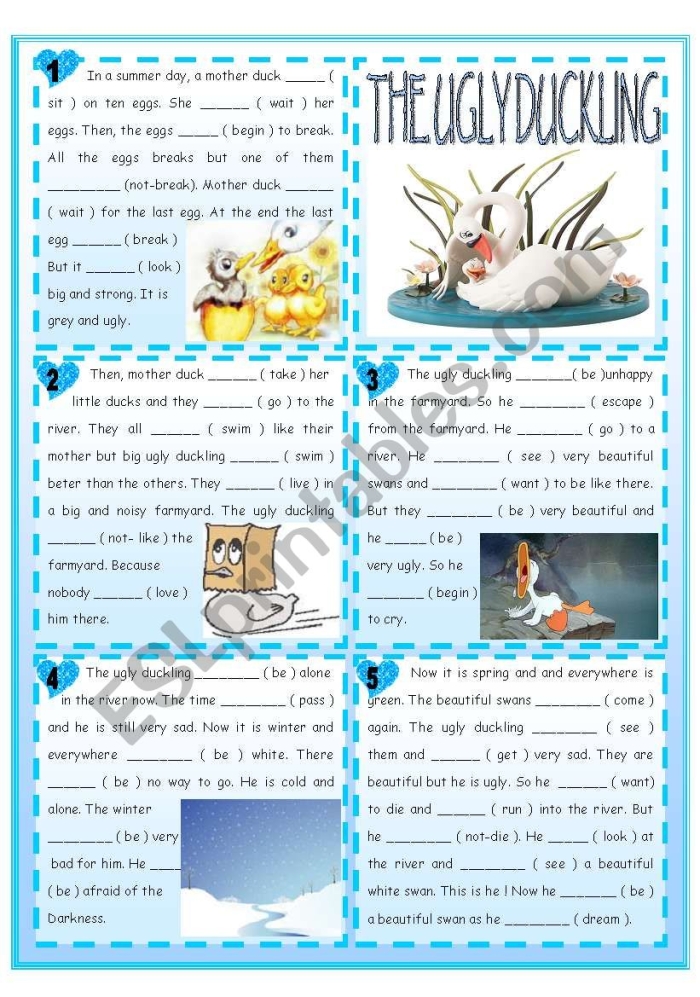
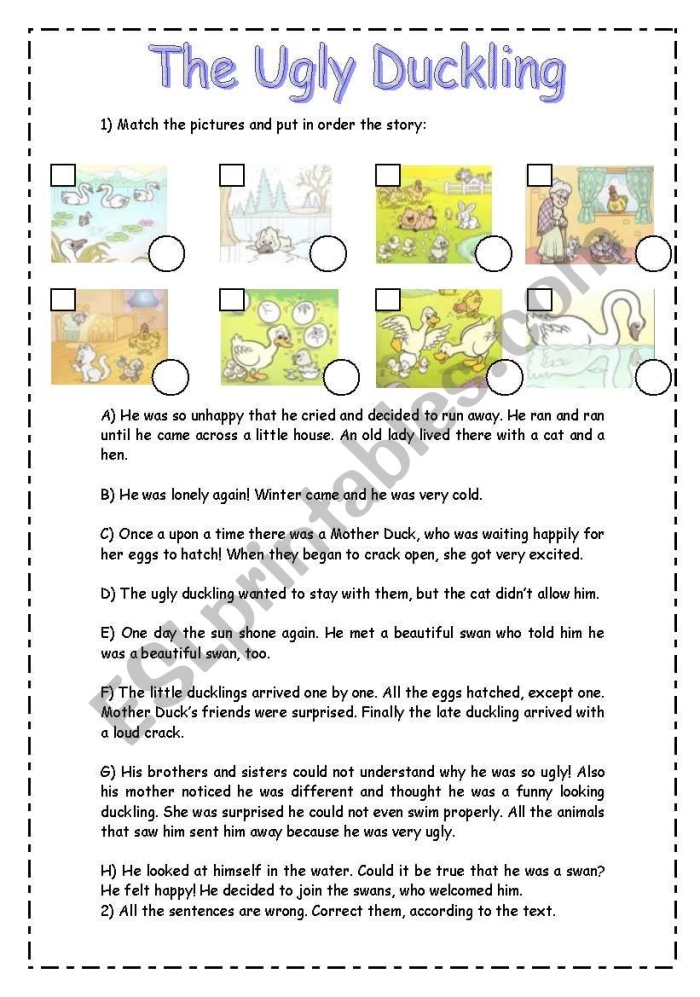
Pairing the story with related activities deepens comprehension. Worksheets that ask children to sequence events or identify character traits reinforce what they’ve read. You might also explore related topics like life cycles through visual activities, which connects to the duckling’s transformation. For writing practice, activities that encourage children to make predictions about story outcomes help them think critically about what they’ve learned.
The beauty of using classic fables with beginning readers is that they’ve stood the test of time for good reason. “The Ugly Duckling” continues to resonate because it speaks to universal human experiences, making it an ideal choice for first graders developing both their reading abilities and their understanding of the world around them.
Hands-On Worksheet Activities