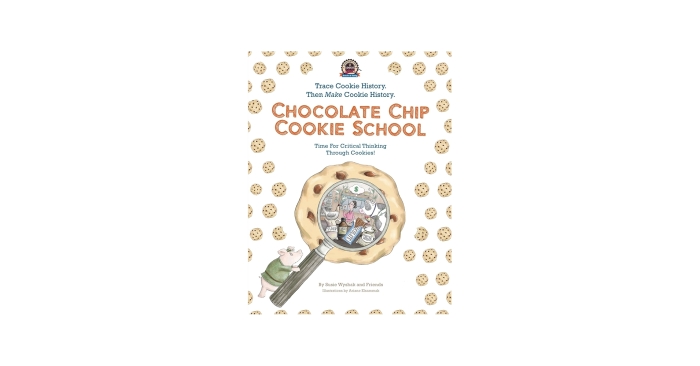
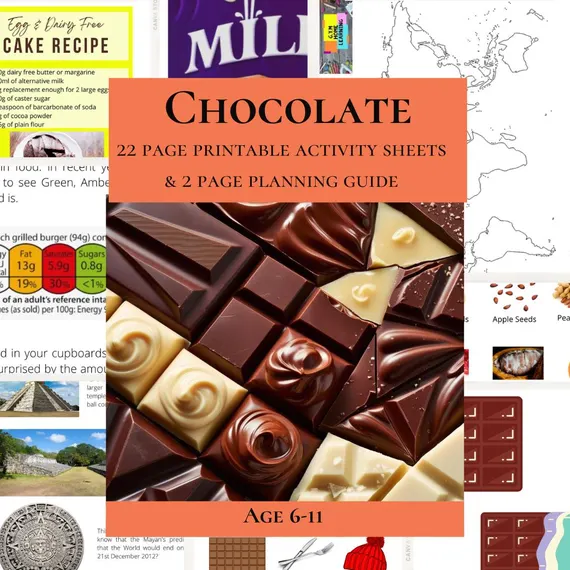
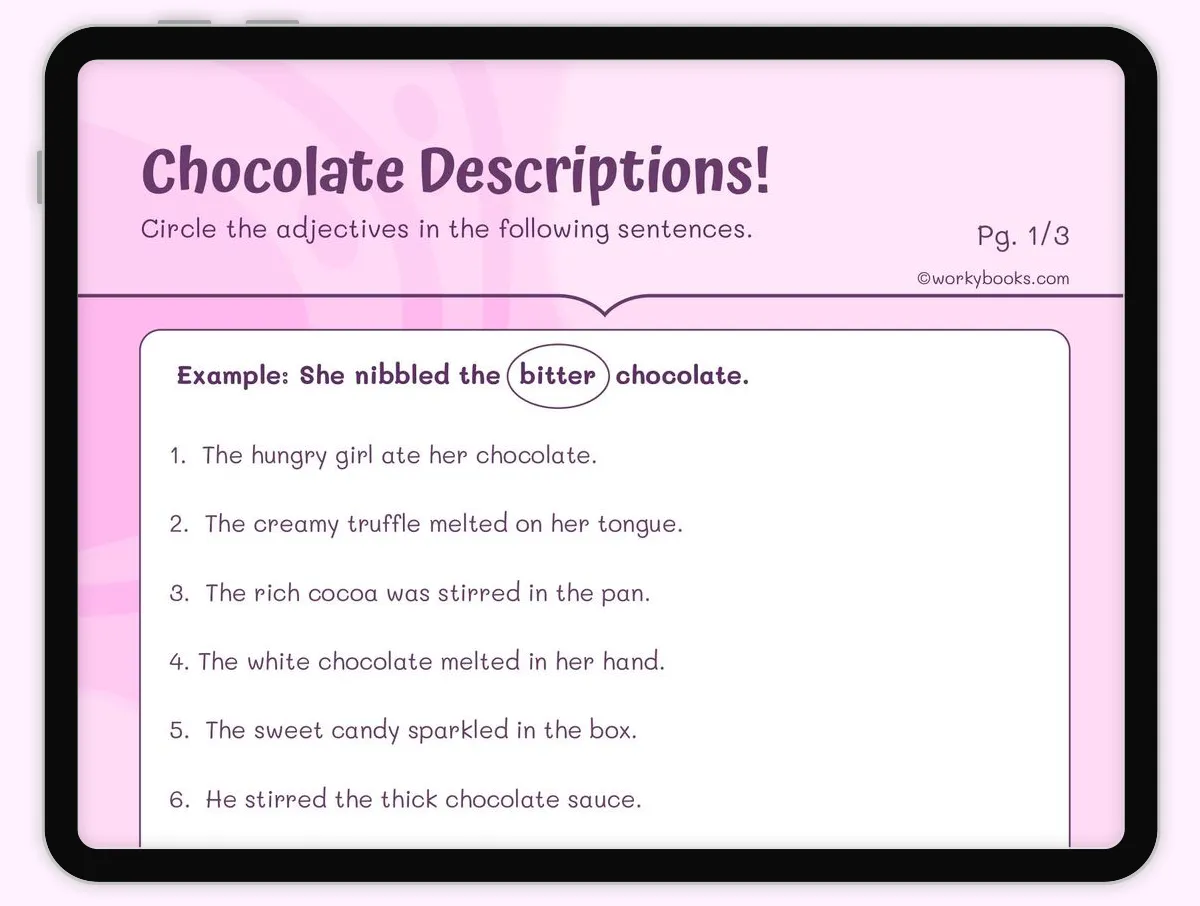
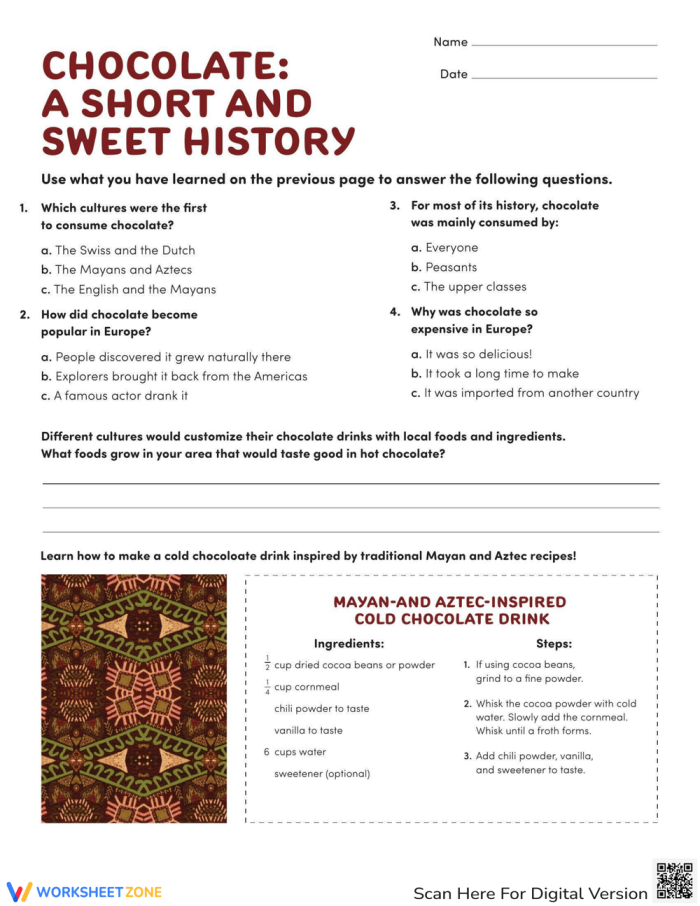
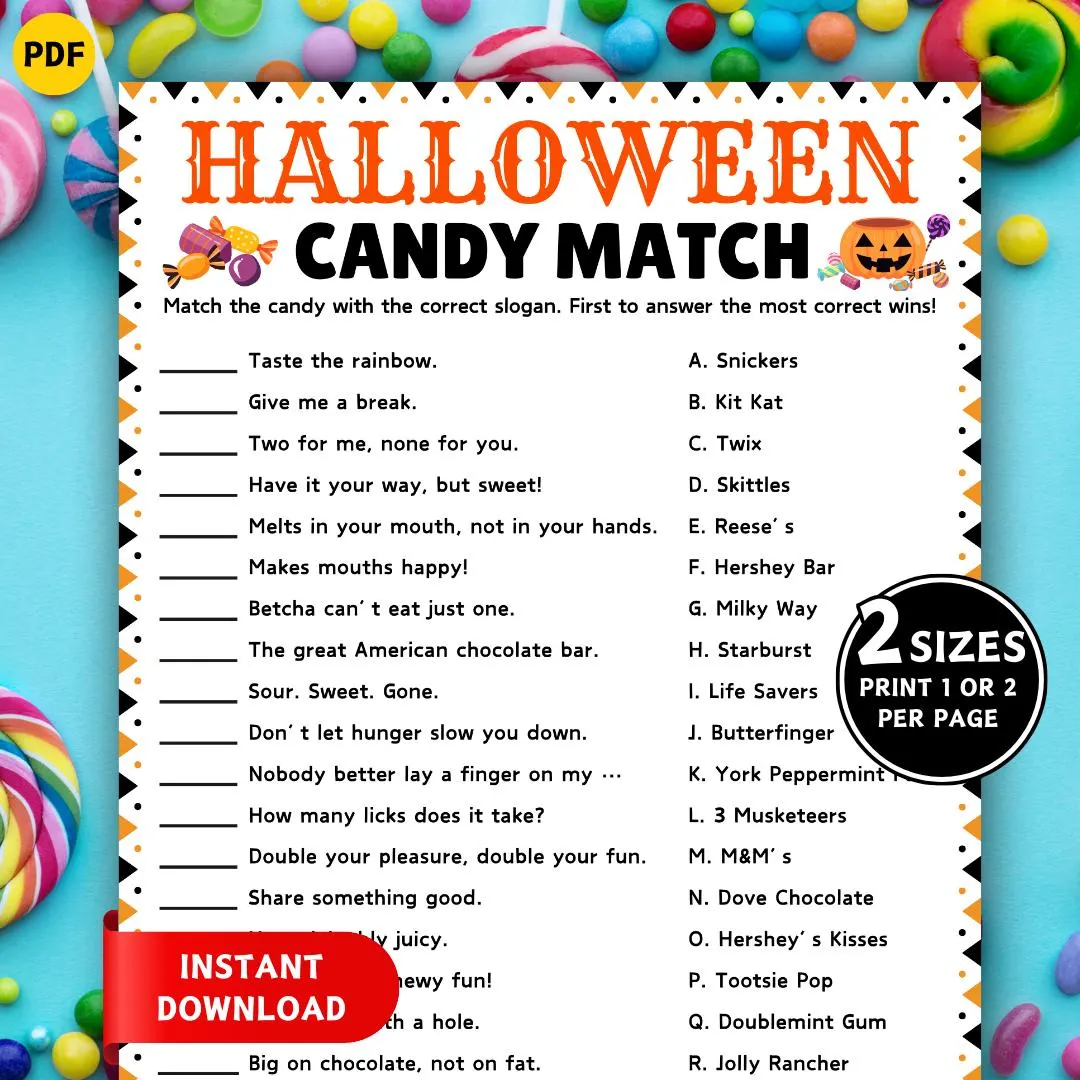
Chocolate wasn’t always a sweet treat wrapped in foil and sold at checkout counters. This worksheet takes fourth graders on a journey through chocolate’s transformation from a bitter ceremonial drink to the candy bars we recognize today. By working through these activities, students discover how a plant used by ancient civilizations eventually became one of the world’s most beloved foods.
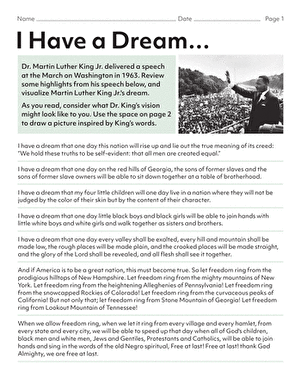
The Aztecs and Mayans valued cacao beans so highly that they used them in religious ceremonies and as currency. These ancient cultures prepared chocolate as a spiced, frothy beverage reserved for the wealthy and powerful. When Spanish conquistadors encountered cacao in the 16th century, they brought the plant back to Europe, where it remained an exclusive luxury for centuries. The worksheet helps students understand this dramatic shift in how societies viewed and consumed chocolate.
The real turning point came in the 1800s with industrialization. Innovations in processing and manufacturing made chocolate affordable for ordinary people. The invention of the chocolate candy bar changed everything, making chocolate portable and convenient. Students learn how these practical developments shaped modern candy production and consumption.
What makes this worksheet particularly effective for fourth graders is how it combines history with practical learning. Many versions incorporate chocolate history content with decimal problems, connecting math skills to real-world context. Students might calculate prices of chocolate products across different time periods or convert historical measurements using decimals.
This approach reinforces that math isn’t abstract. When fourth graders work on converting fractions and decimals using chocolate production data, the numbers suddenly feel relevant. The worksheet demonstrates how understanding history and mastering mathematical skills work together to build stronger overall comprehension.
Start Practicing with These Worksheets