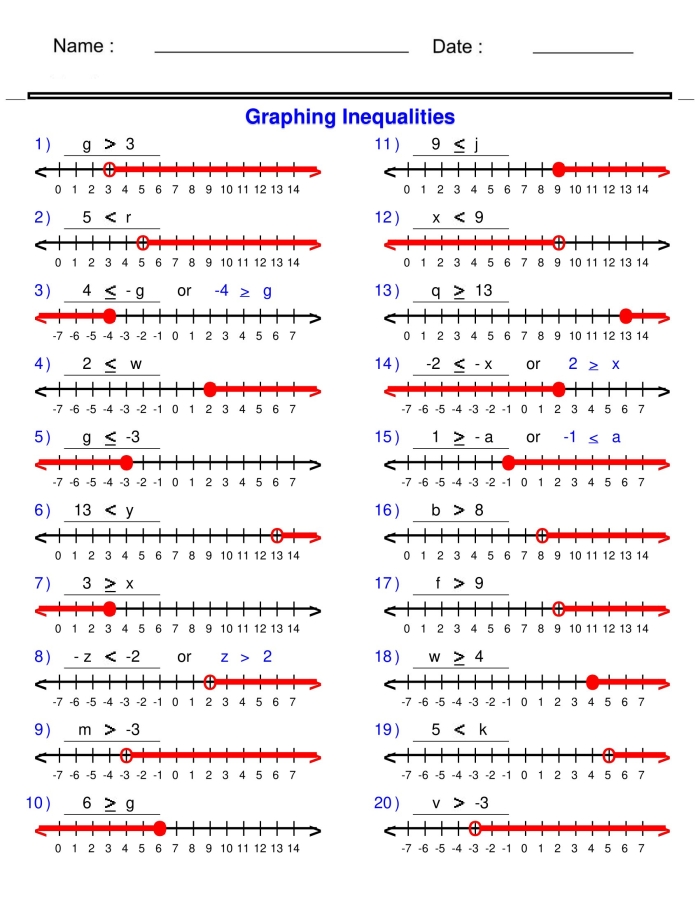
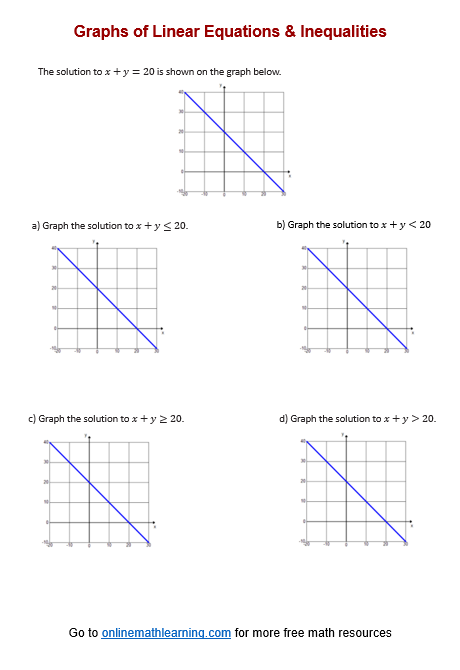
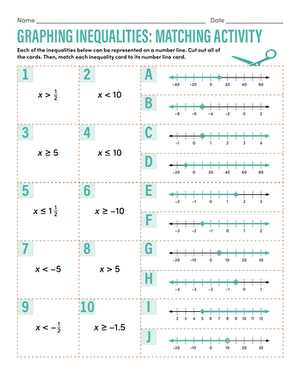
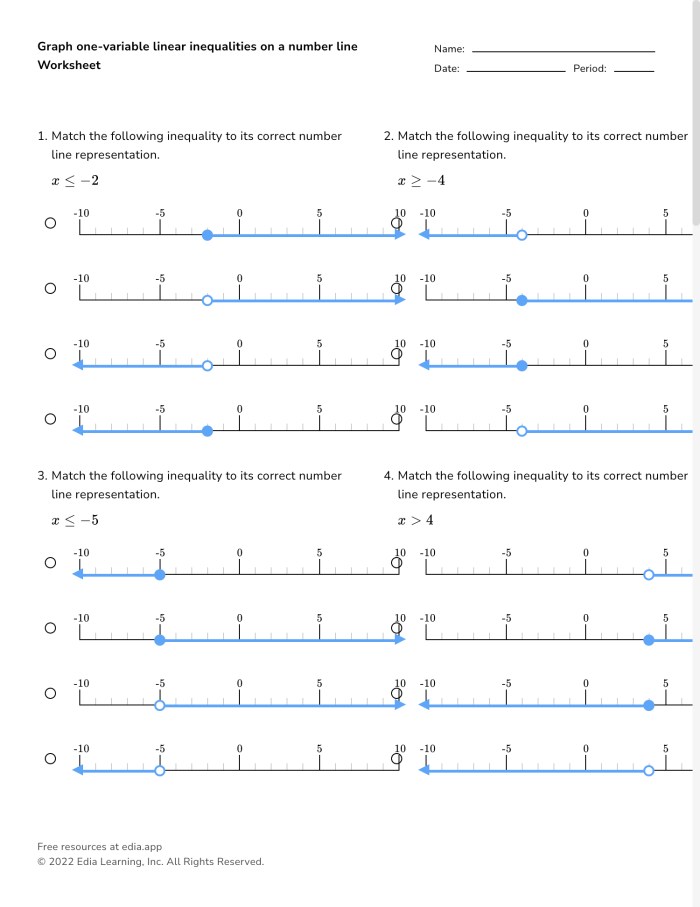
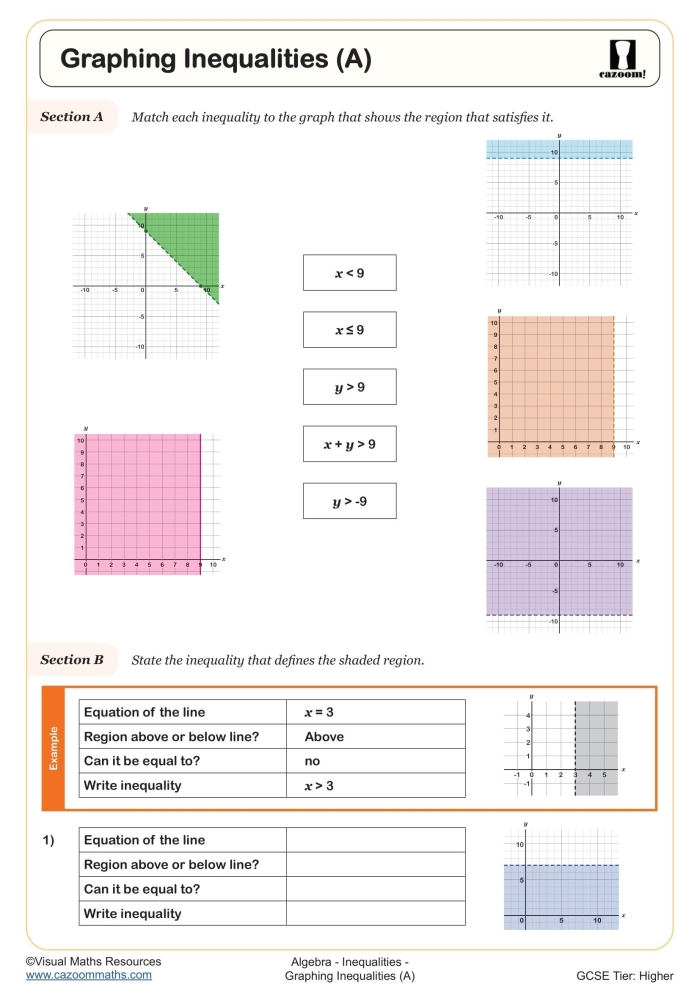
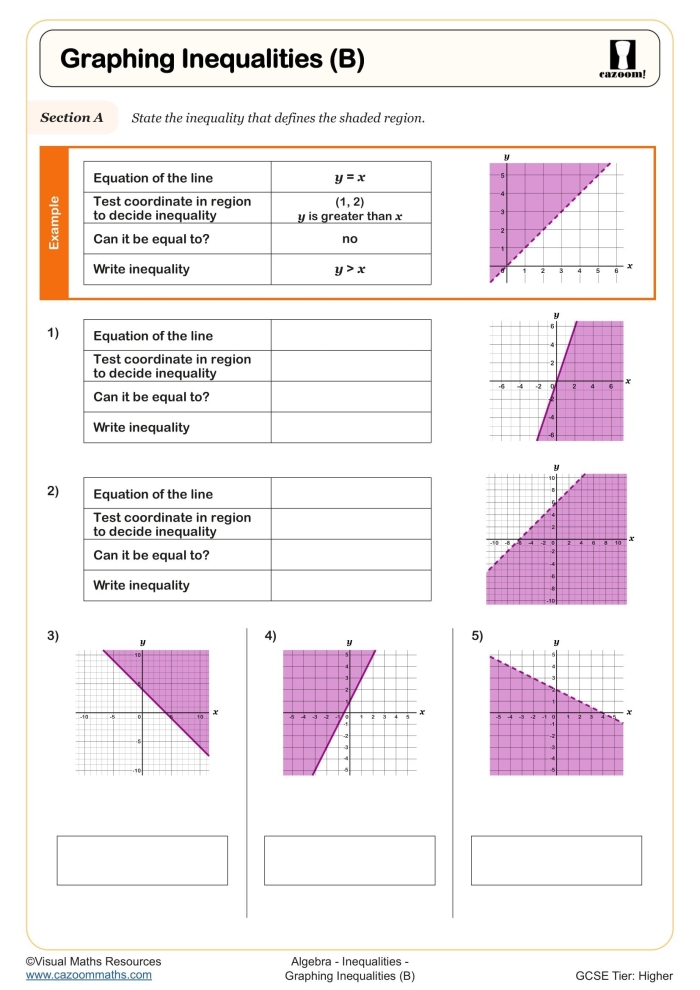
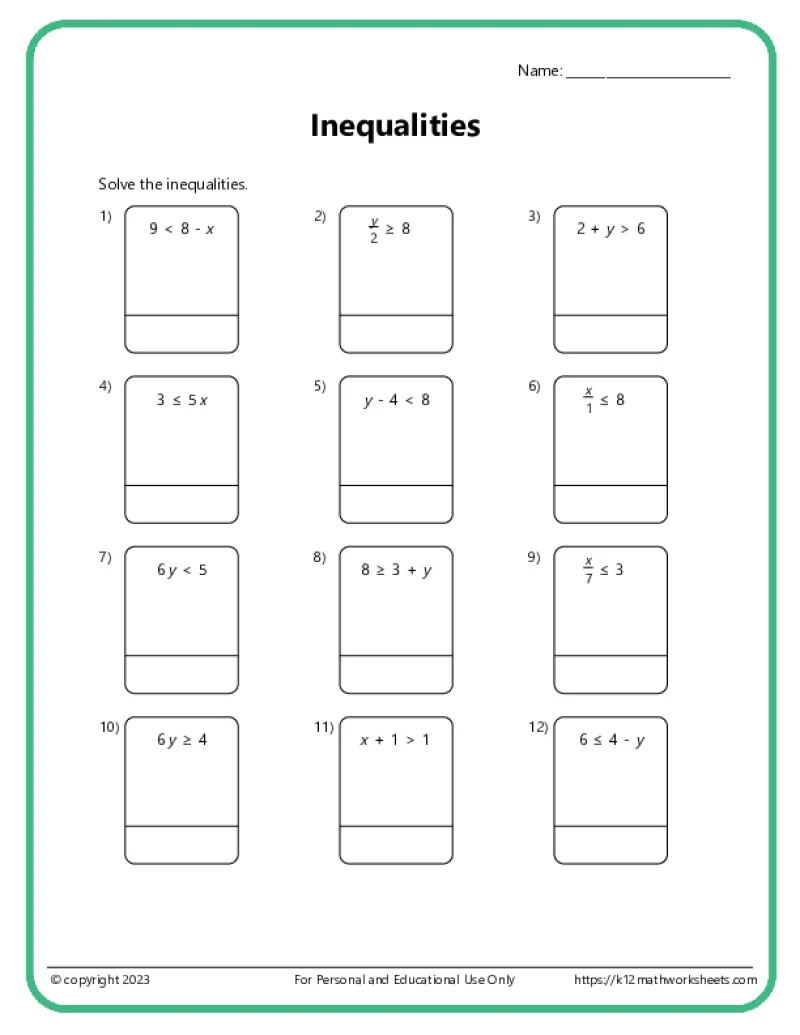
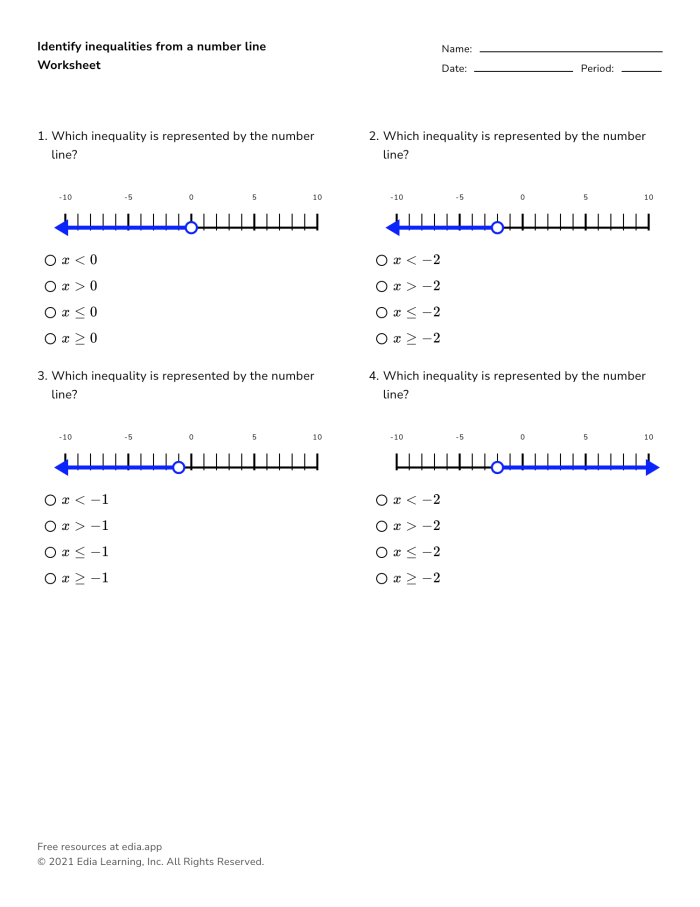
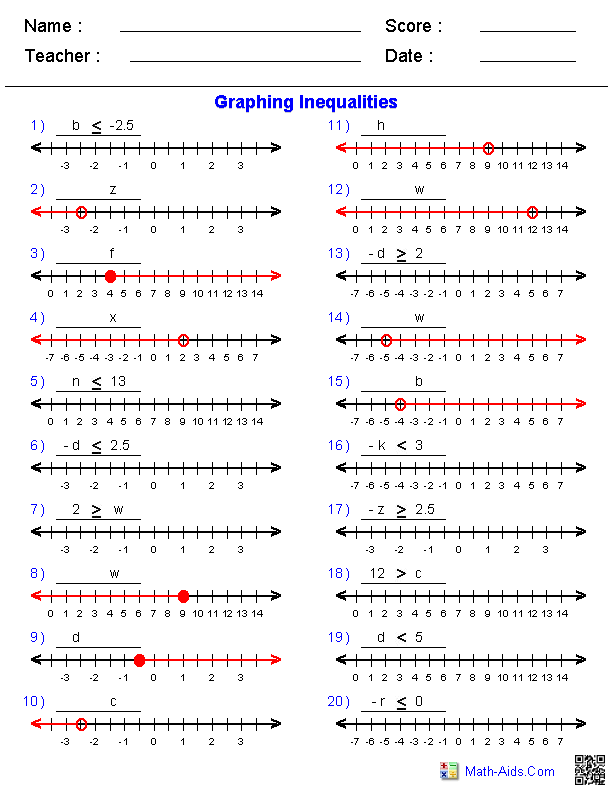
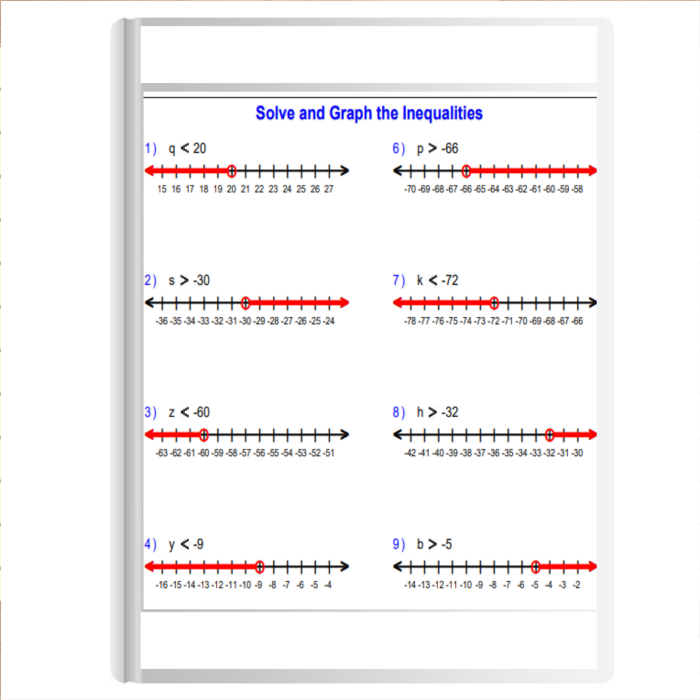
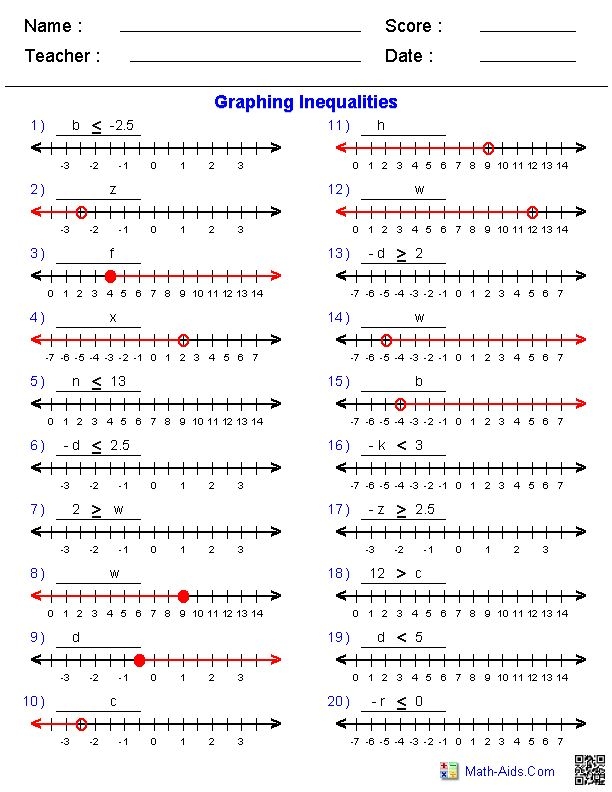
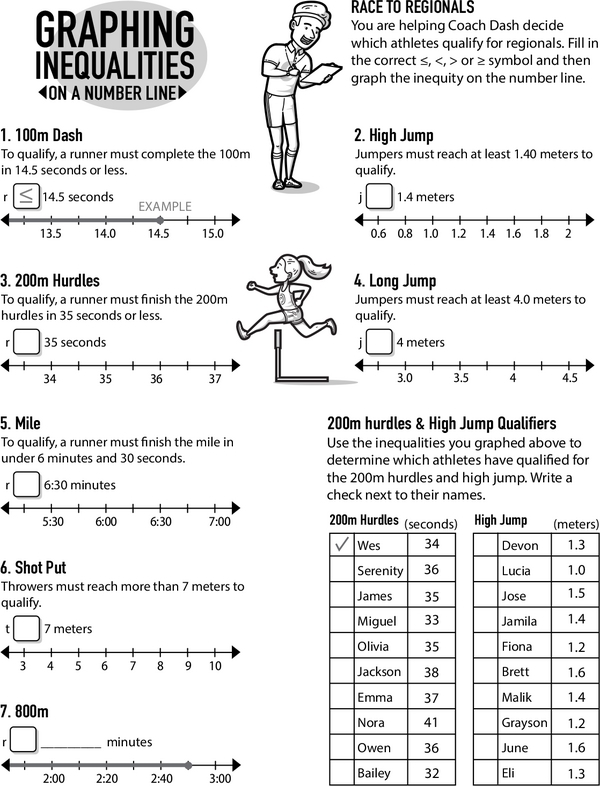
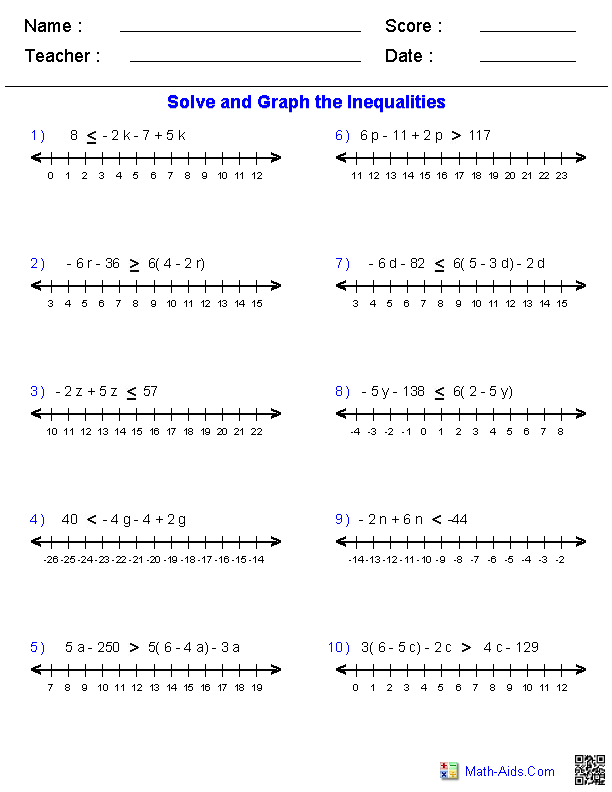
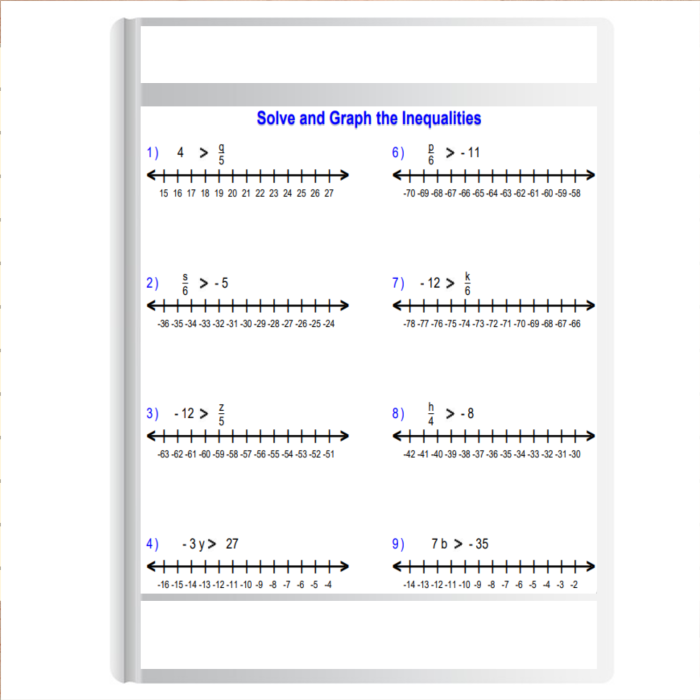
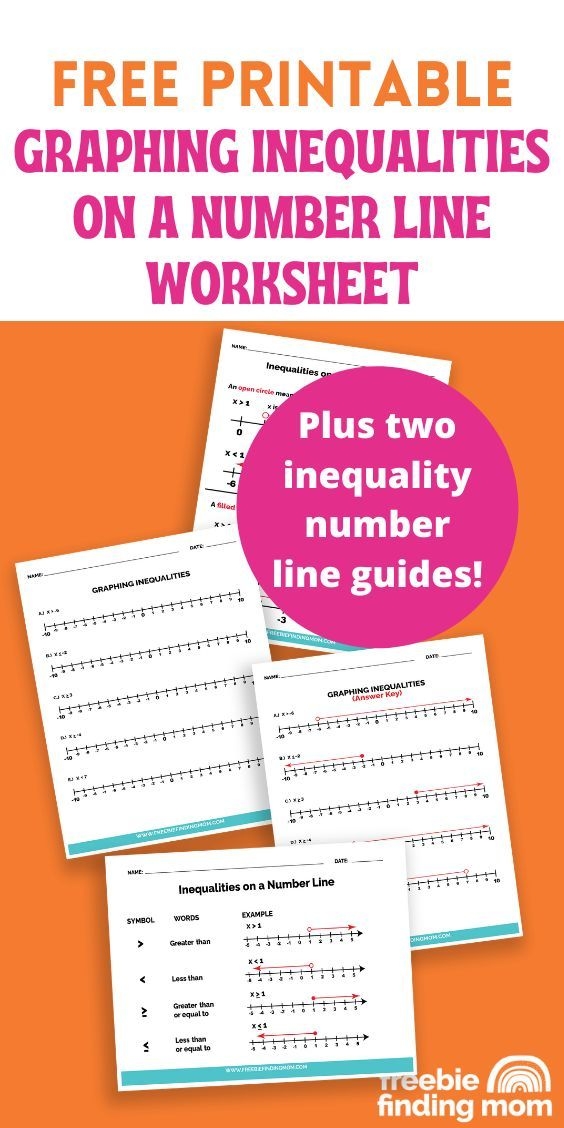
Number lines become your best friend once you understand how to mark and shade inequalities on them. Most sixth grade students find this skill clicks faster when they work through concrete examples rather than just reading about the concept. A solid worksheet gives you that hands-on practice you need to build confidence with patterns in mathematical relationships.
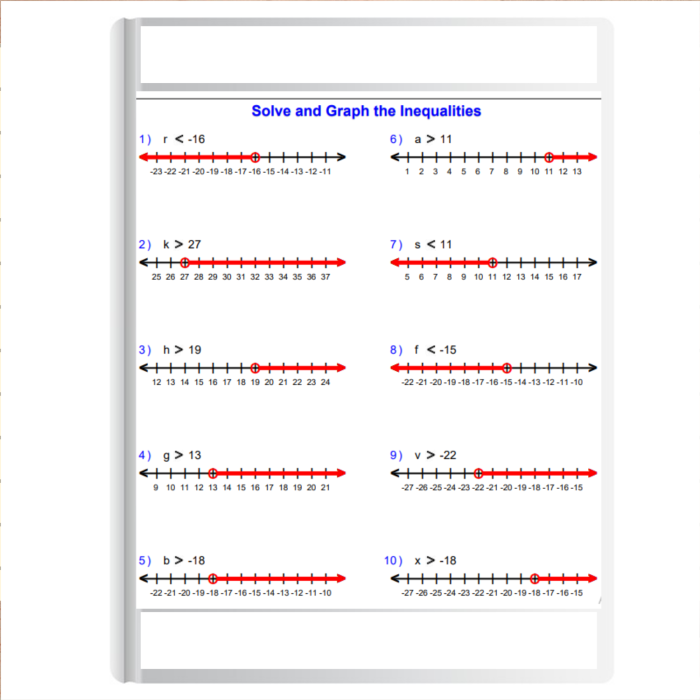
When you graph an inequality like x > 3 or x ≤ 5, you’re showing which numbers satisfy the condition. The open circle means the number itself doesn’t count, while the closed circle includes it. This distinction matters more than it might seem, because one small mistake changes your entire answer. Working through multiple problems helps you internalize these rules without thinking about them.
The real learning happens when you practice with varied inequality types. Some worksheets mix greater than, less than, and combined inequalities all together. You might see something like 2 < x ≤ 7, which requires shading a specific region on the line. These compound inequalities show up constantly in sixth grade patterns and algebra, so getting comfortable now saves frustration later.
Beyond pure mechanics, graphing inequalities teaches you to think about ranges and relationships. You start seeing how different constraints create different solution sets. This thinking connects to other math skills too. For instance, when you work on finding the greatest common factor, you’re also identifying sets of numbers that share properties.
A quality worksheet includes clear number lines with enough space to mark your circles and shading. It should progress from simple one-step inequalities to more complex versions. The best ones also ask you to write the inequality that matches a given graph, which forces you to reverse your thinking and strengthens understanding.
Spending time on these worksheets now builds the foundation for algebra and more advanced math. Your number sense improves, and you develop comfort with abstract mathematical thinking that serves you well across other subjects like formal writing and problem-solving generally.
Try These Printable Worksheets