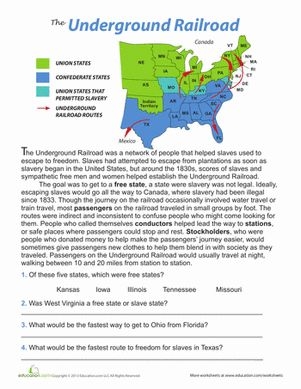
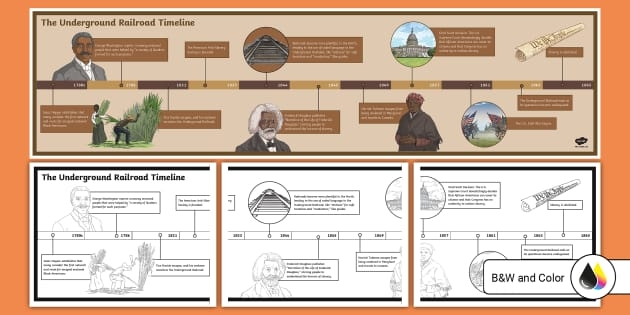
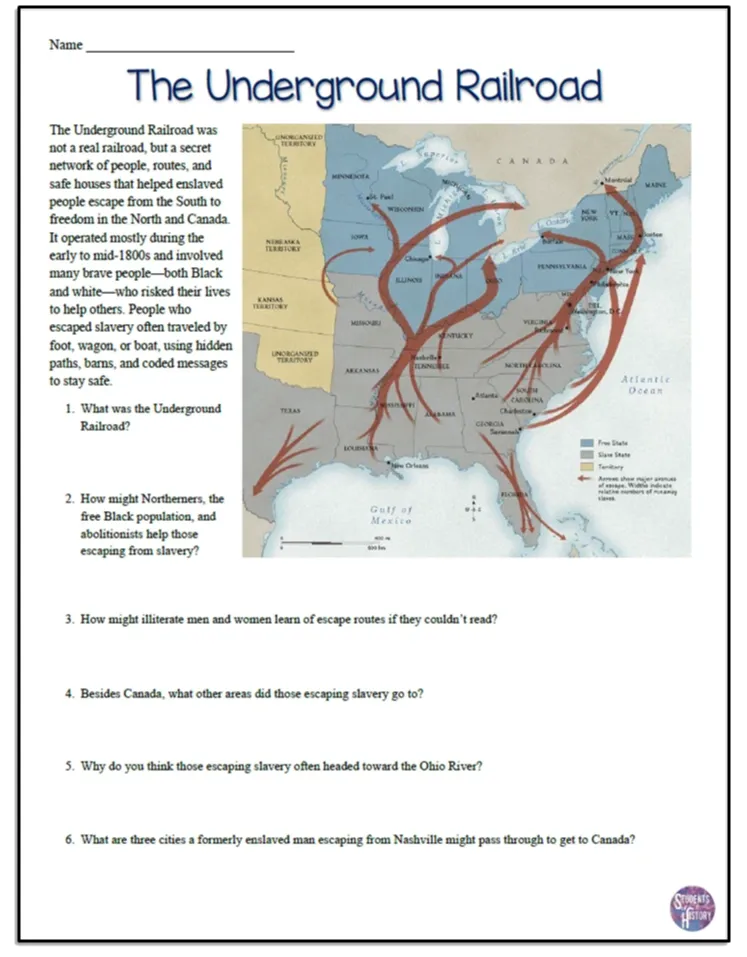
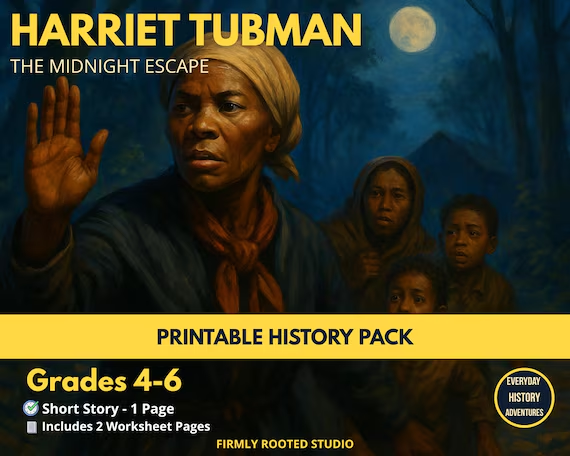
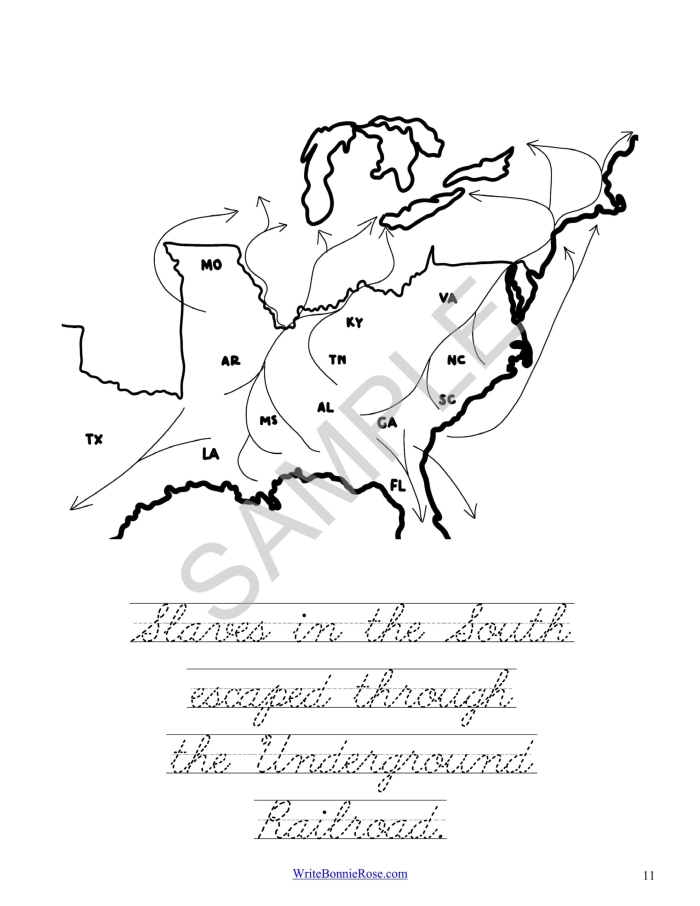
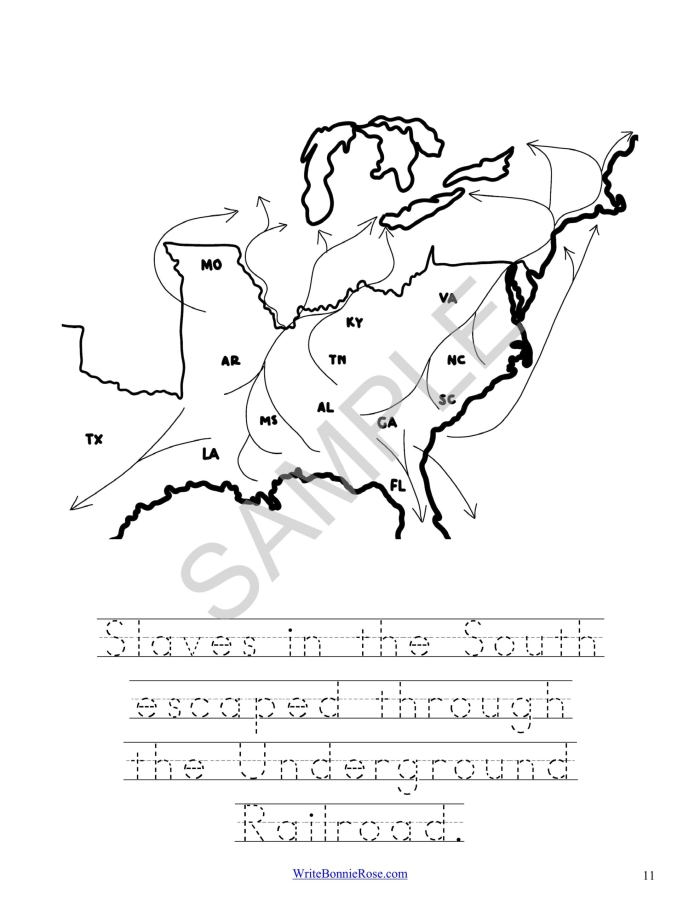
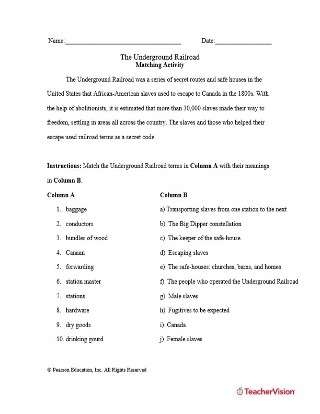
Between the 1500s and 1860s, thousands of enslaved people risked everything to escape bondage by following a secret network of safe houses, routes, and helpers known as the Underground Railroad. This wasn’t a railroad with tracks or trains, but rather a system of safe stops where freedom seekers could rest, eat, and receive directions to the next station on their journey north toward free states and Canada.
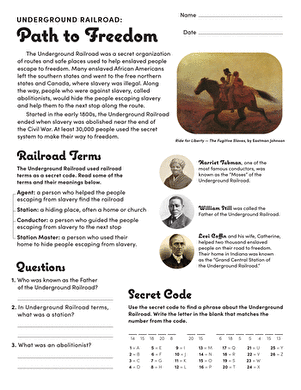
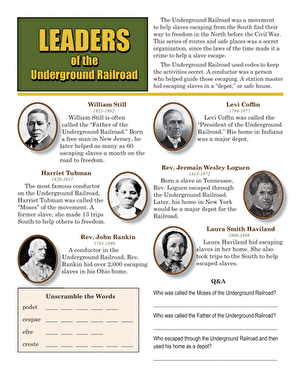
The Underground Railroad operated across the entire country, though it was most active in the border states between slave and free territories. People called “conductors” guided runaways along the routes, while “station masters” provided shelter in their homes, barns, and churches. The network relied entirely on volunteers, many of them Quakers and other religious groups who believed slavery was morally wrong. Without these brave individuals, countless people would never have reached freedom.
For fourth grade students learning about American history, understanding the Underground Railroad connects to larger lessons about courage, resistance, and the long struggle for equality. When teaching this topic, pairing it with engaging activities helps students grasp the human dimension of history. For example, students can practice reading comprehension while learning about real escape routes, or work through shifting points of view by imagining the perspectives of different people involved in the network.
Worksheets focused on the Underground Railroad can incorporate multiple learning skills at once. Students might use division and addition to calculate distances between stations, or analyze figurative language in historical accounts and slave narratives. These approaches make history memorable and connect it to core academic skills.
Learning about the Underground Railroad teaches young students that ordinary people can create extraordinary change when they work together toward justice.
Hands-On Worksheet Activities