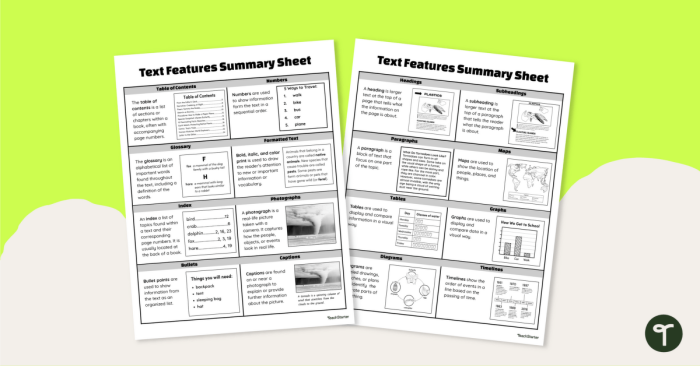
When third graders encounter nonfiction text, they often focus on reading words without understanding how the page itself helps them learn. Nonfiction text features like headings, captions, bold words, and images serve as signposts that guide readers through information. Teaching learners to recognize and use these features transforms how they approach unfamiliar topics, and the Winter Olympics provides the perfect subject for this skill.
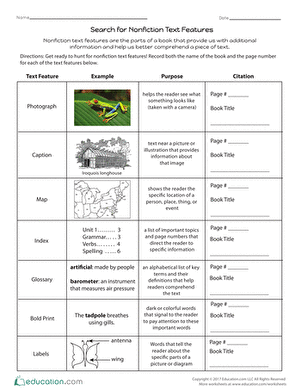
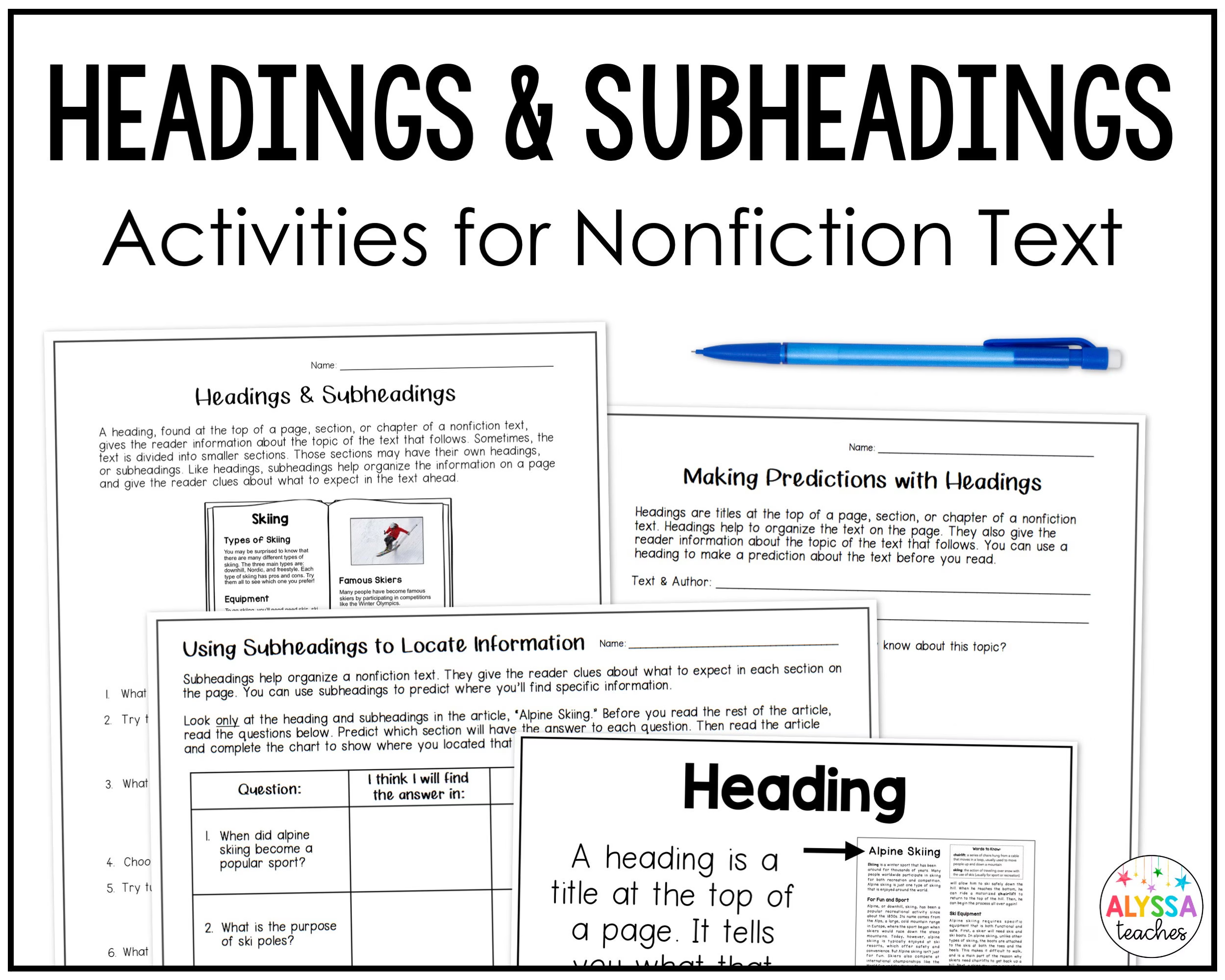
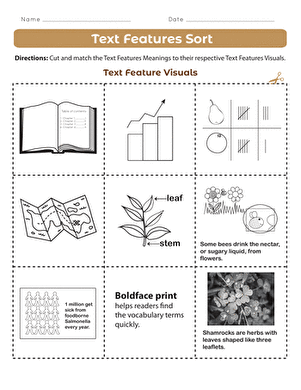
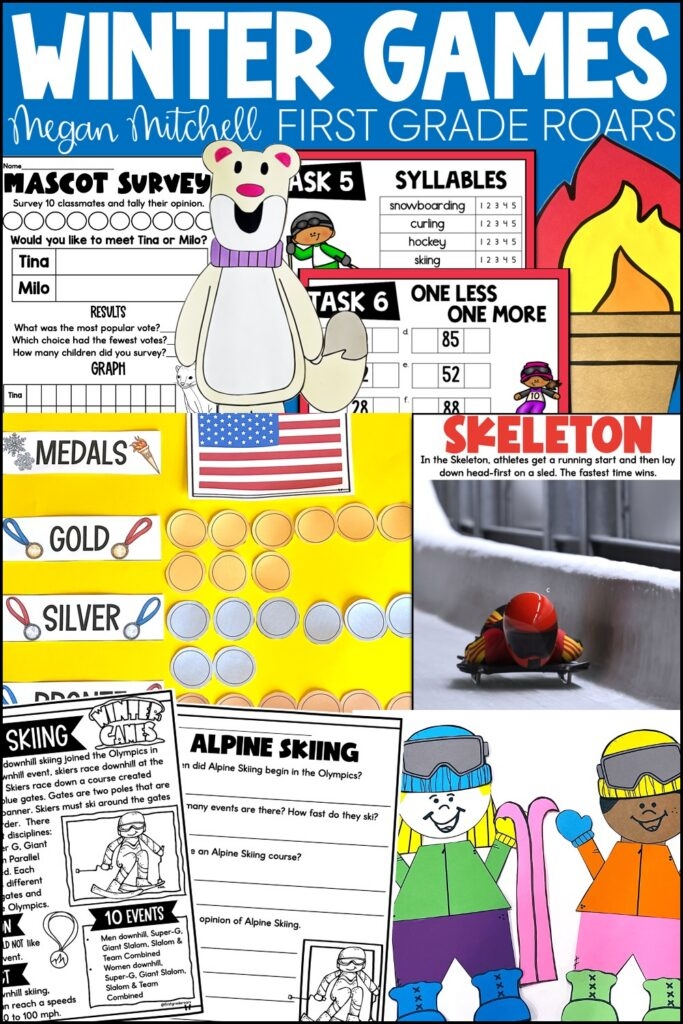
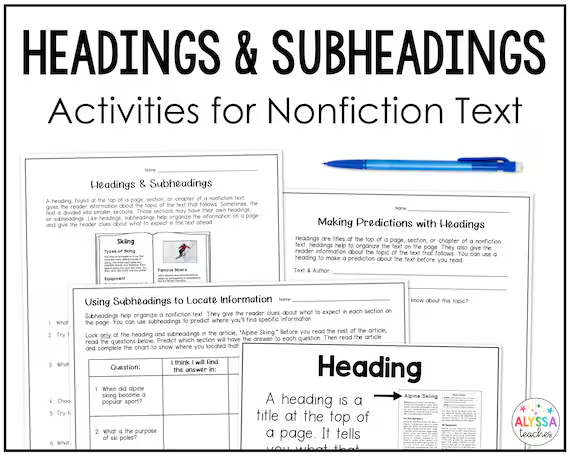
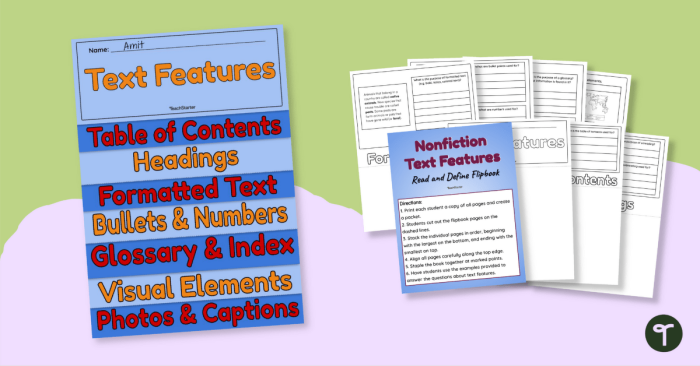
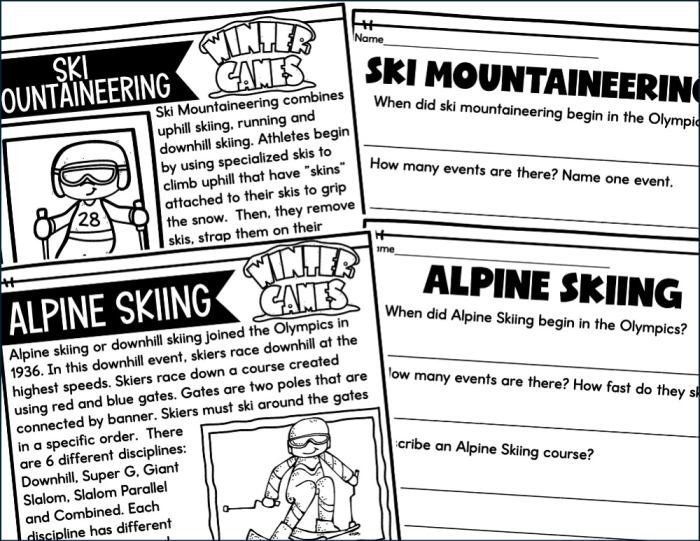
The Winter Olympics offers rich material for practicing text feature recognition. Students encounter bold athlete names, subheadings that organize different sports, photographs showing snowboarders mid-jump or figure skaters in motion, and captions that explain what’s happening in each image. When third graders learn to read a caption before diving into a paragraph, they already have context. They know what to expect. This strategy reduces confusion and builds confidence when tackling denser text.
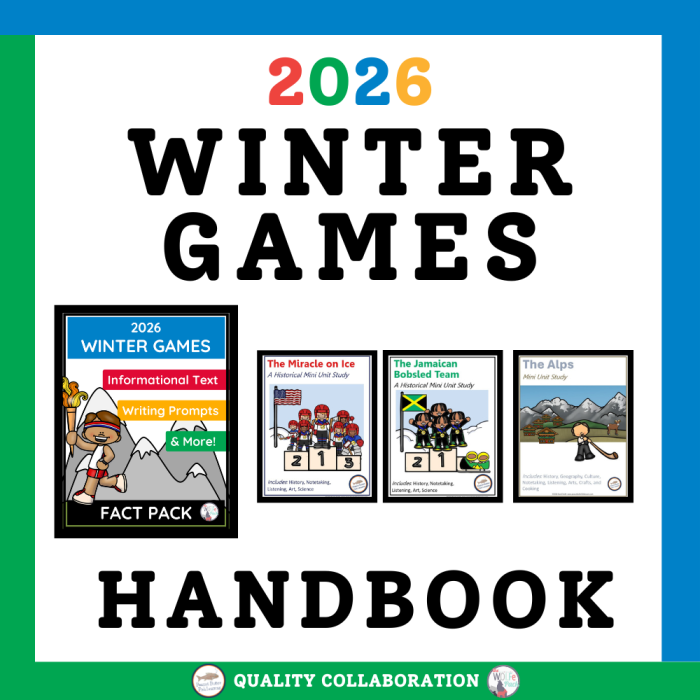
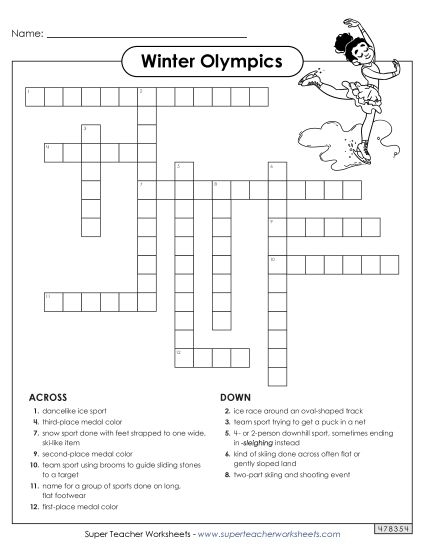
Working with Winter Olympics content also connects naturally to history lessons. Students learn when the Winter Olympics started, which countries have hosted the games, and how the event has changed over time. This historical perspective helps learners understand that the Winter Olympics isn’t just about current athletes, but a tradition spanning decades. Similar to how students explore East Coast states history through structured activities, practicing with nonfiction text features builds reading independence.
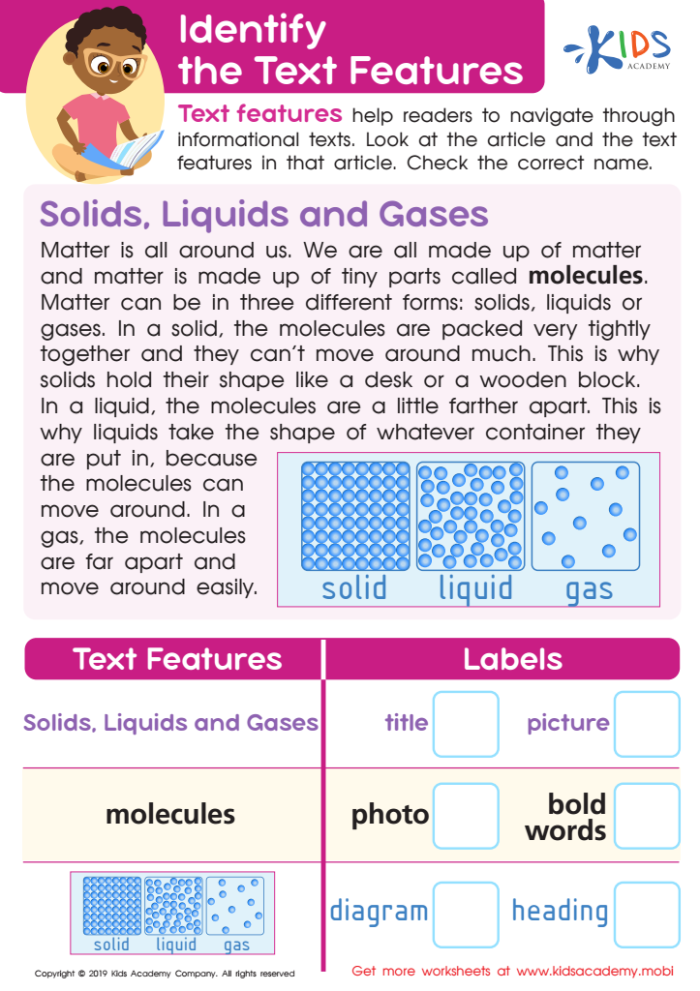
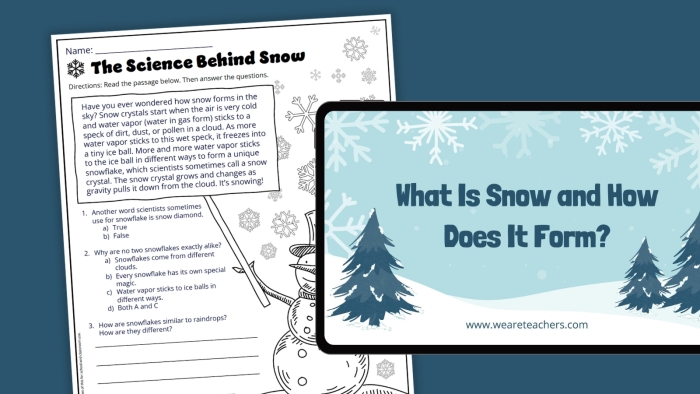
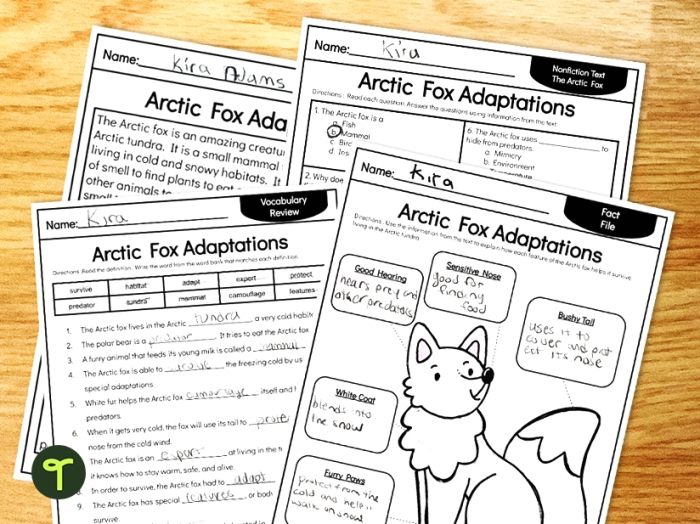
Effective practice involves having learners identify specific features within a short Winter Olympics passage. They might circle all the bold words, list what they learned from a photograph’s caption, or explain how a heading helped them predict what the next paragraph would cover. This active engagement ensures they’re not passively reading but actively using the text’s design to construct meaning.
By the end of these lessons, third graders recognize that nonfiction writers deliberately choose how to arrange information on a page. They see that understanding structure and language work together, making reading faster and comprehension stronger. These skills extend far beyond Winter Olympics texts into science articles, history passages, and any nonfiction material they encounter.
Start Practicing with These Worksheets