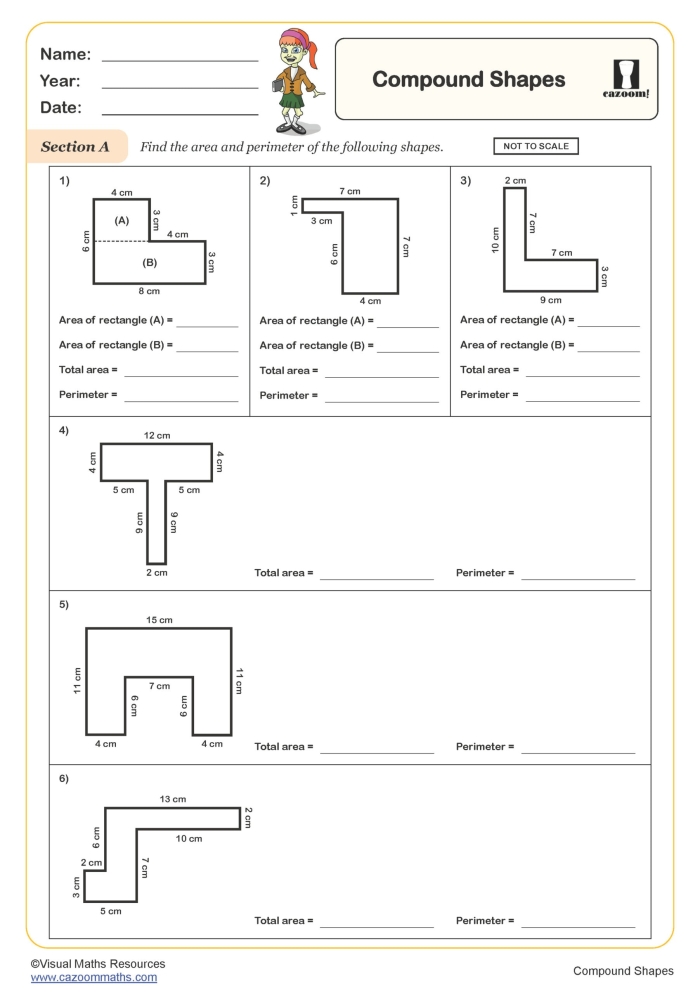
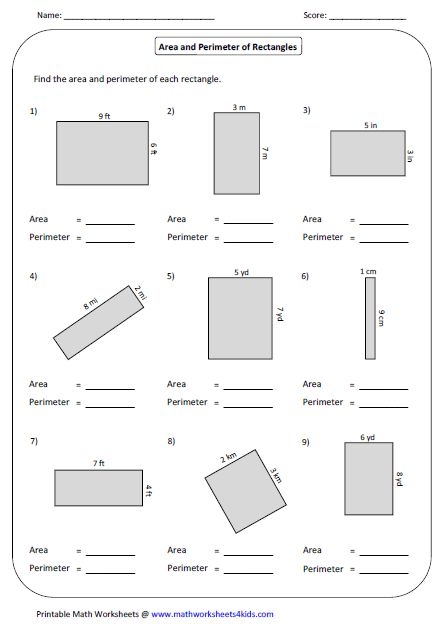
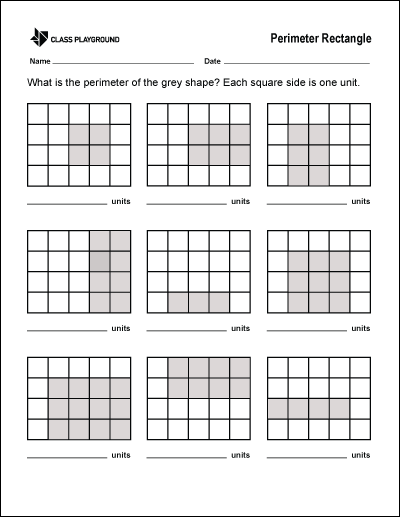
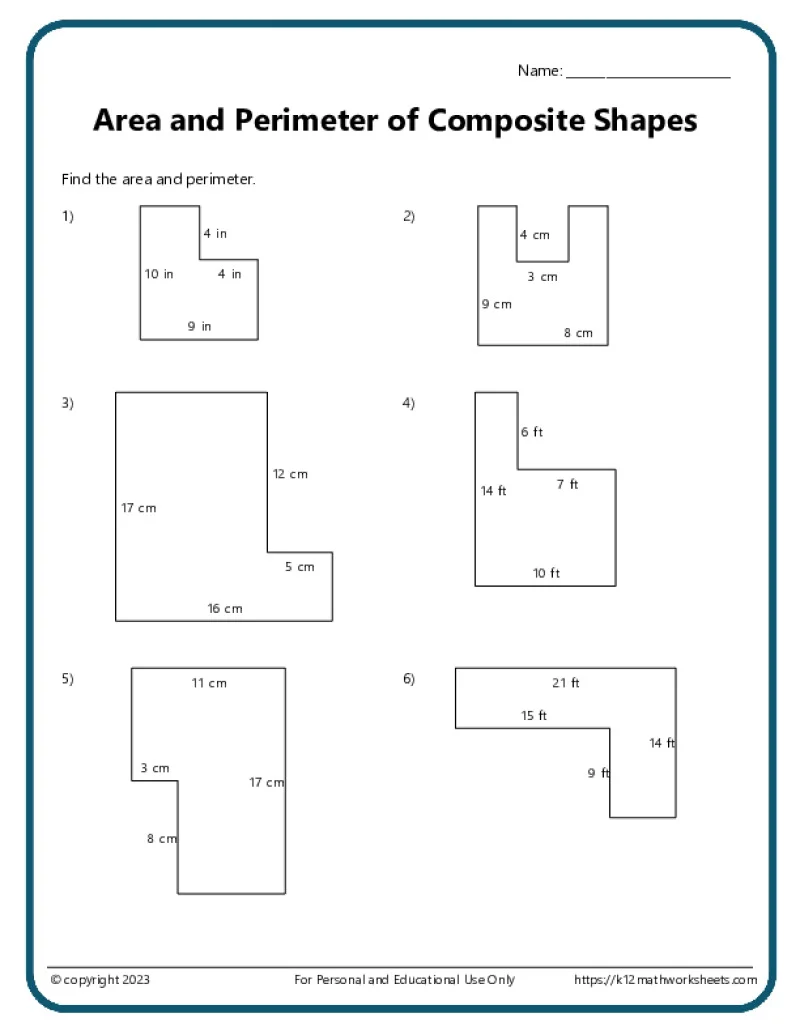
Rectangles are hiding mathematical secrets that fourth grade students can unlock with focused practice. The key to mastering these shapes lies in understanding two distinct measurements: area and perimeter. While they sound similar, they measure completely different things, and confusing them is one of the most common mistakes young learners make.
Perimeter tells you the distance around the outside of a rectangle. Imagine walking along the edges of a rectangular playground. You start at one corner, walk along the length, then the width, then back along the length again, and finally back along the width. Add all four sides together, and you have the perimeter. The formula is straightforward: perimeter equals 2 times the length plus 2 times the width. This measurement uses linear units like inches, centimeters, or feet.
Area, on the other hand, measures the space inside the rectangle. Think of it as how much material you would need to cover the entire surface. For a rectangle, multiply the length by the width. The result uses square units, such as square inches or square centimeters. This distinction between linear and square units helps students remember which measurement is which.
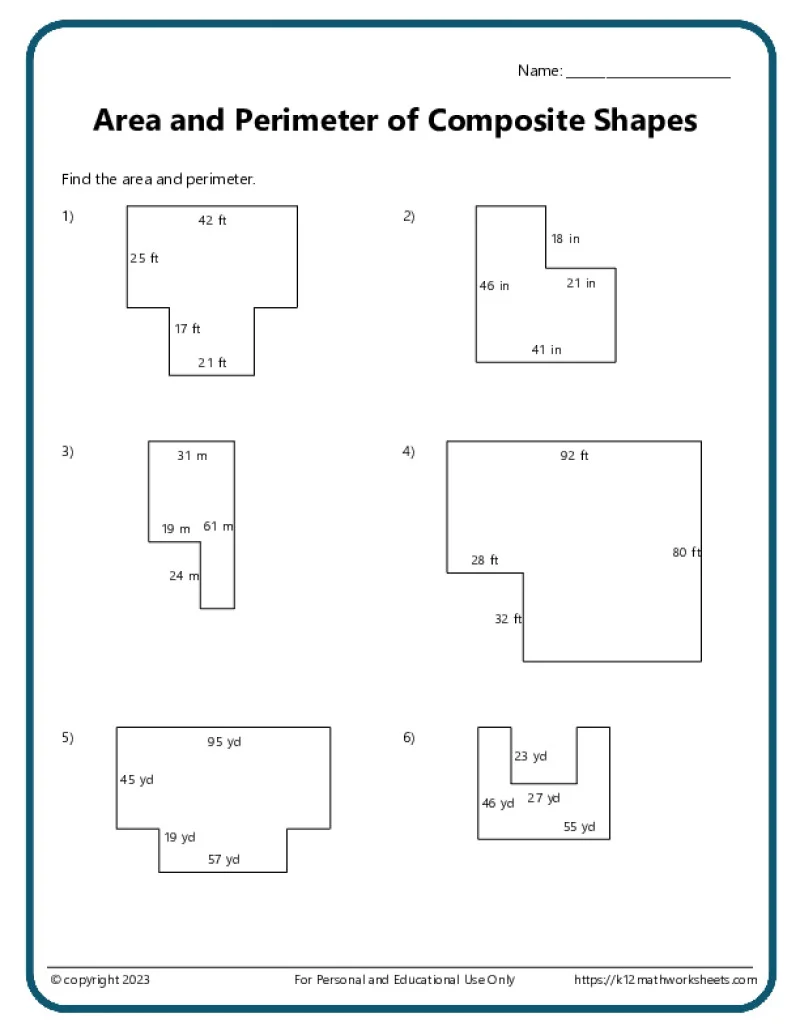
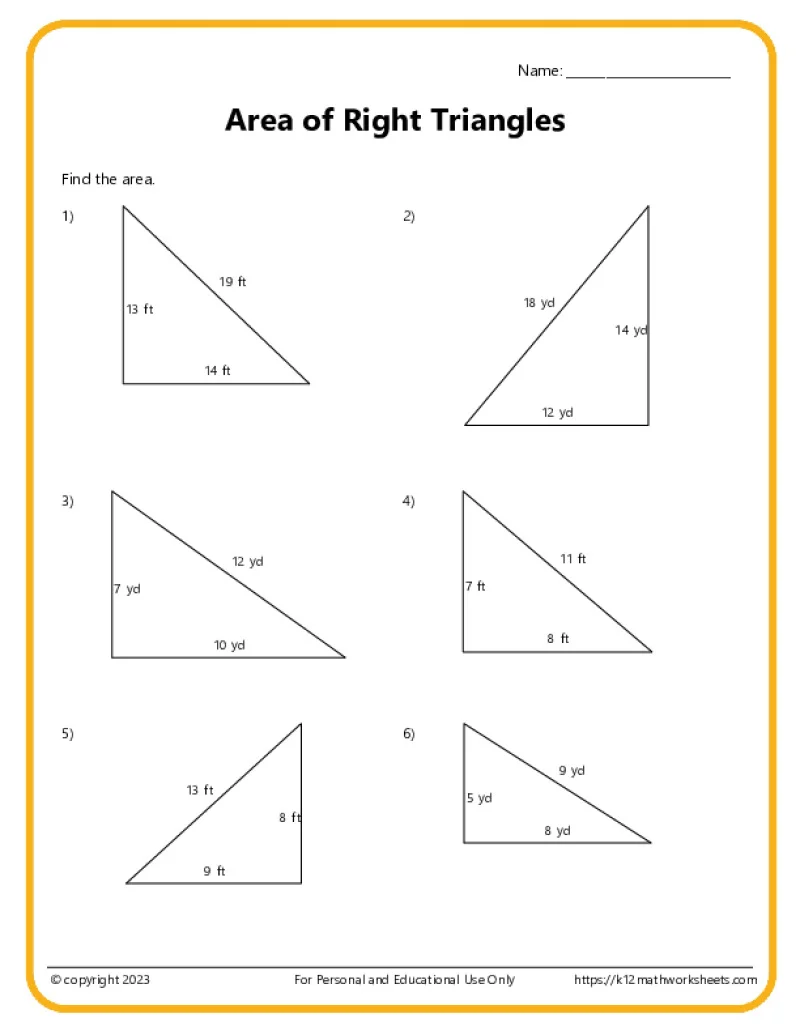
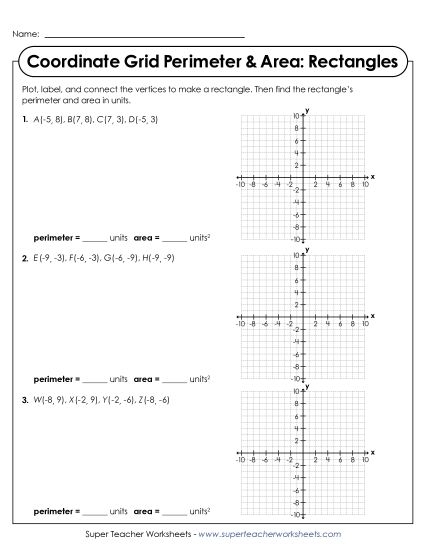
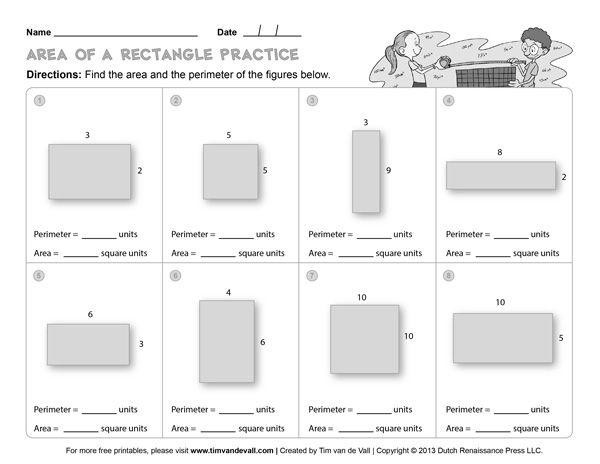
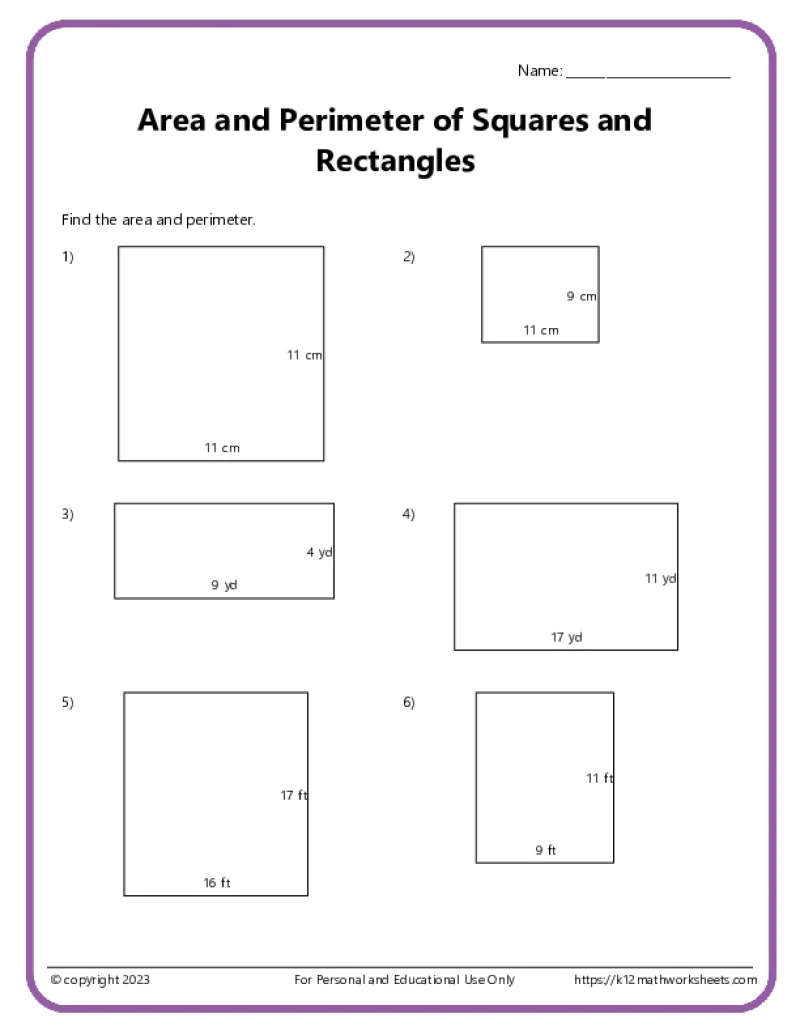
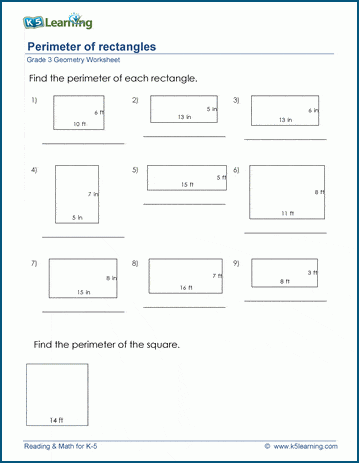
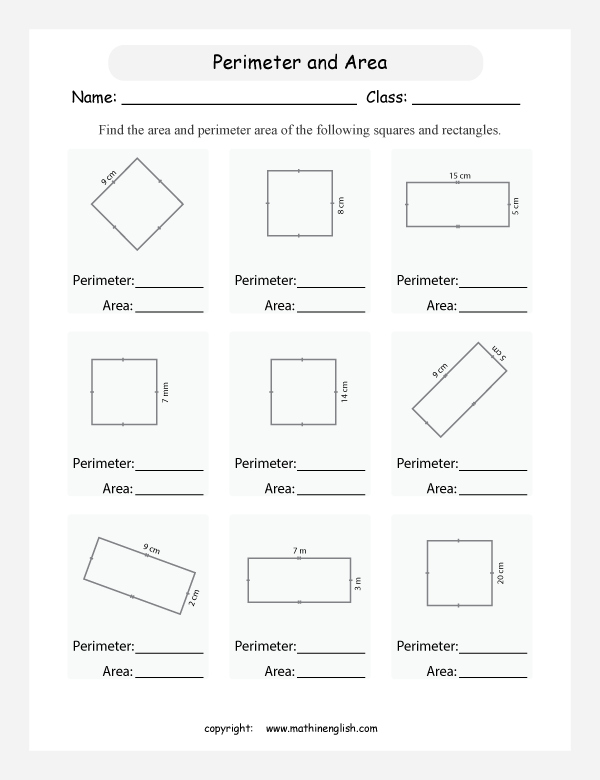
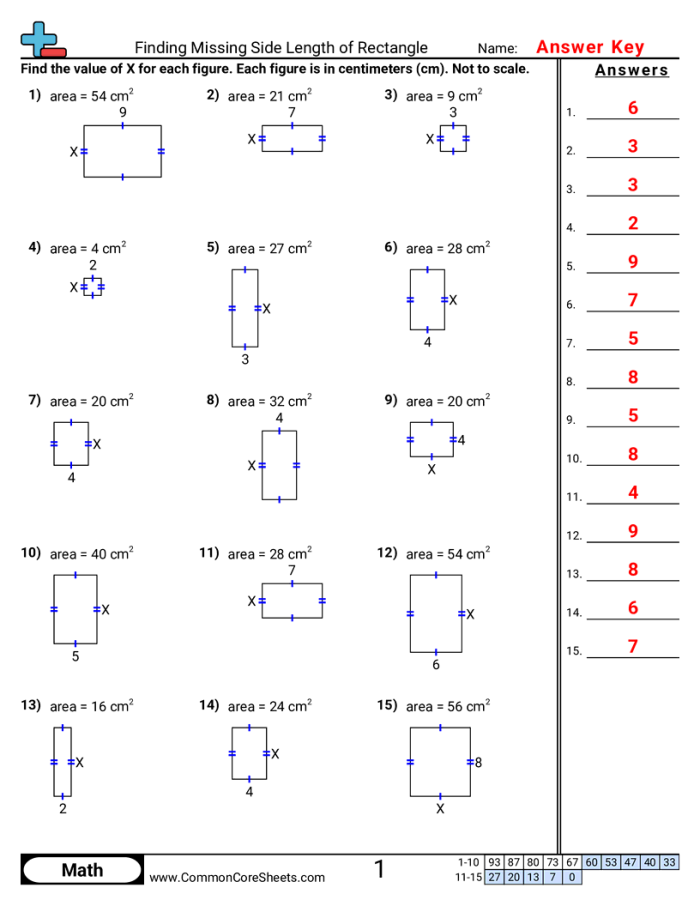
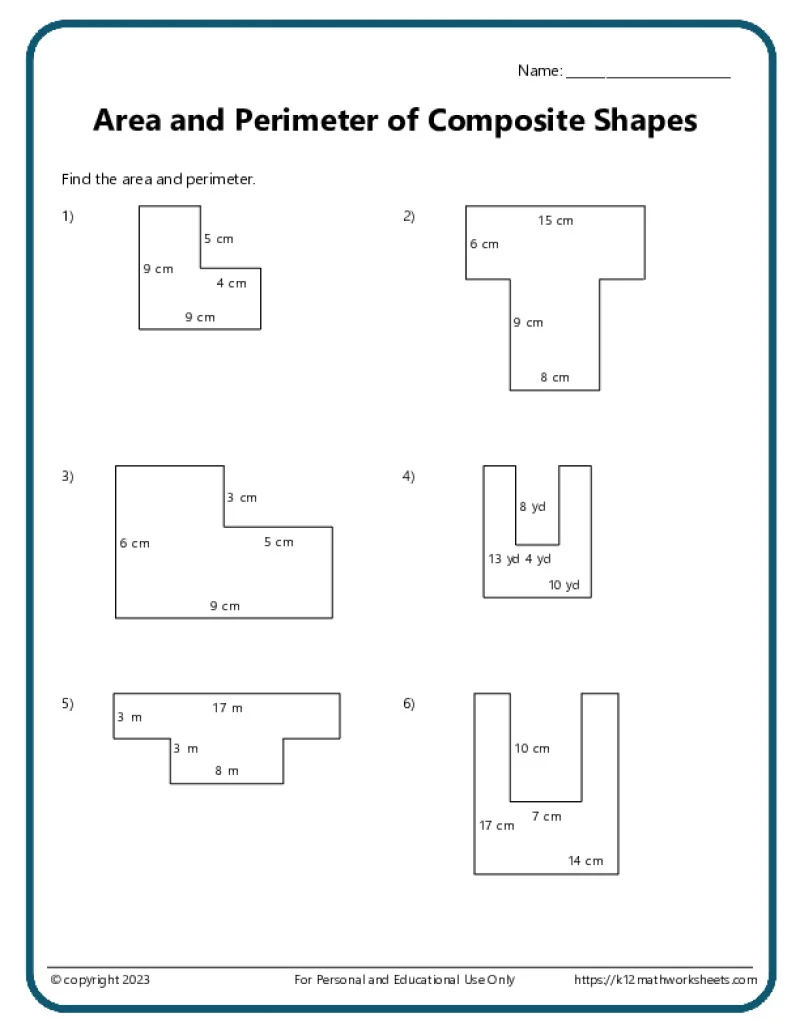
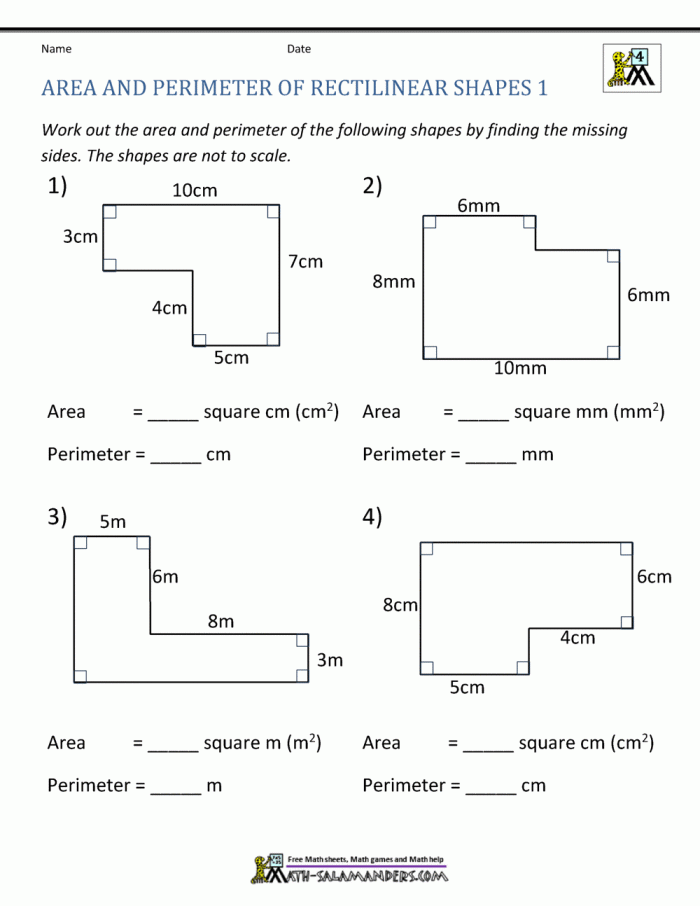
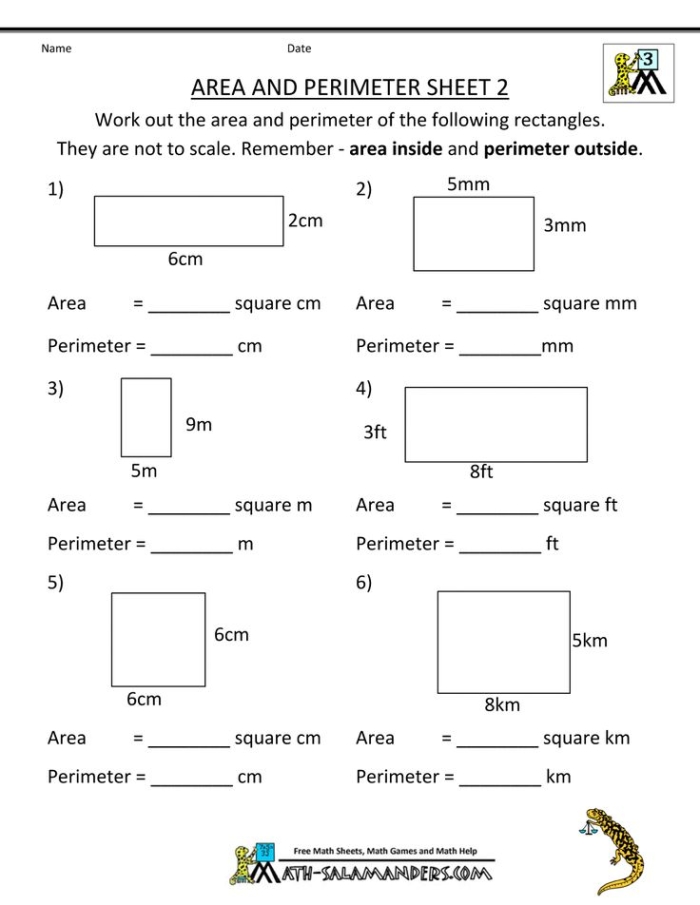
A solid practice page about area and perimeter of a rectangle gives students the repetition they need to internalize these concepts. Working through multiple problems with different rectangle dimensions builds confidence and speed. Fourth grade math often includes foundational skills like fraction work, and understanding rectangles provides a visual foundation for more advanced geometry.
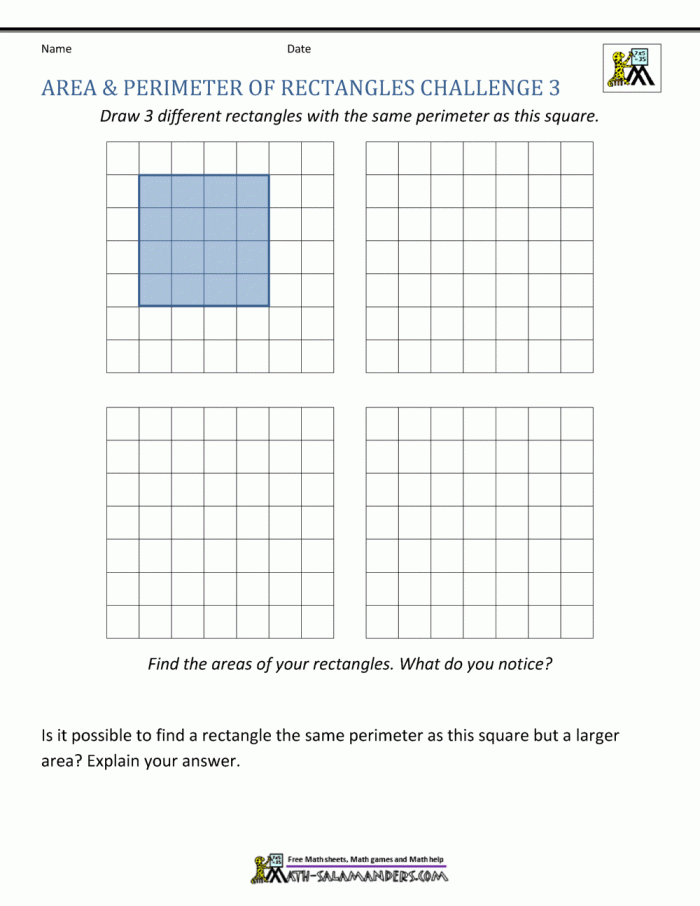
When students complete practice problems regularly, they develop the mental agility to spot patterns. They notice that a long, thin rectangle can have the same perimeter as a short, wide one, yet completely different areas. This realization deepens their understanding of how shapes work. With consistent effort, any fourth grader can become a math ninja who tackles rectangle problems with ease.
Hands-On Worksheet Activities