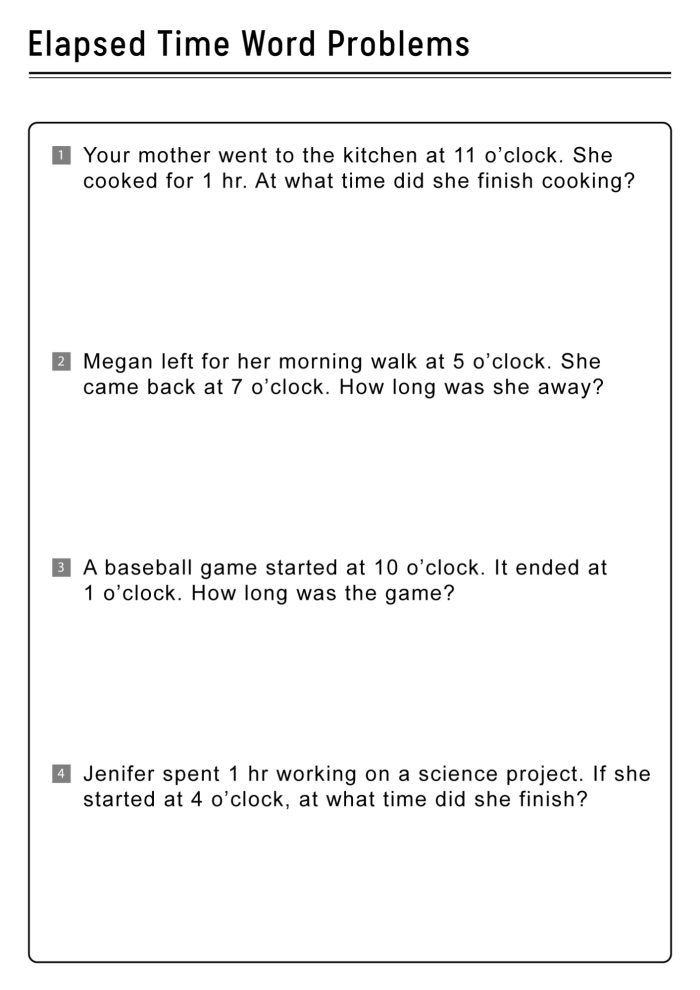
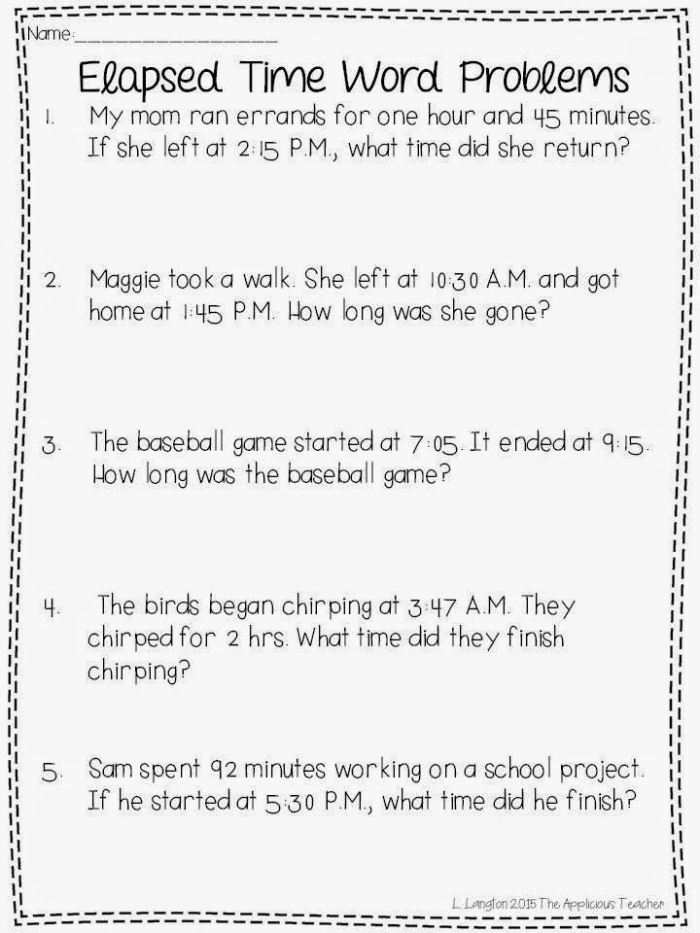
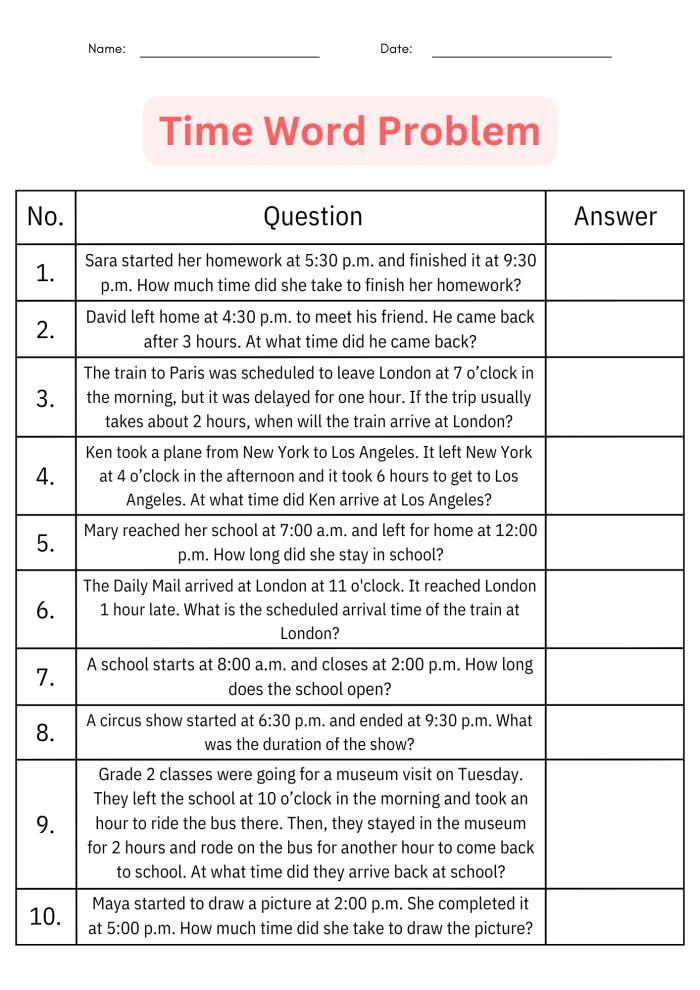
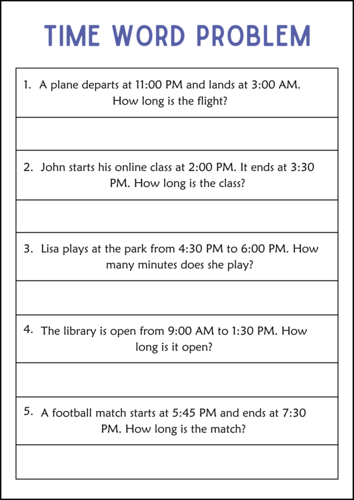
Elapsed time problems require students to think about time as a measurable quantity that moves forward, which is surprisingly tricky for third graders who are still building their understanding of how clocks work. When you introduce elapsed time word problems to your class, you’re asking them to do more than read a clock face—you’re asking them to calculate the distance between two moments.
Third grade is the ideal time to build this skill because students have already mastered basic addition and subtraction. Elapsed time naturally extends what they know about adding three-digit numbers by applying those operations to minutes and hours. When a student figures out that a movie starting at 2:15 and ending at 3:30 lasted 75 minutes, they’re using the same mathematical thinking they use for regular addition problems, just with a real-world context.
The best approach involves giving students concrete scenarios they can visualize. Rather than abstract problems, anchor your lessons in their daily experiences: recess periods, classroom activities, or time spent on homework. A word problem about how long it takes to walk from one classroom to another feels more relevant than a generic time calculation.
When students work through elapsed time problems, they learn to break time into manageable chunks. Some students naturally count up from the start time to the end time, while others prefer counting backward. Both strategies work, and allowing flexibility helps different learners find their rhythm. You might also connect this skill to other measurement concepts by incorporating measurement activities in your classroom that reinforce how we divide and measure different quantities.
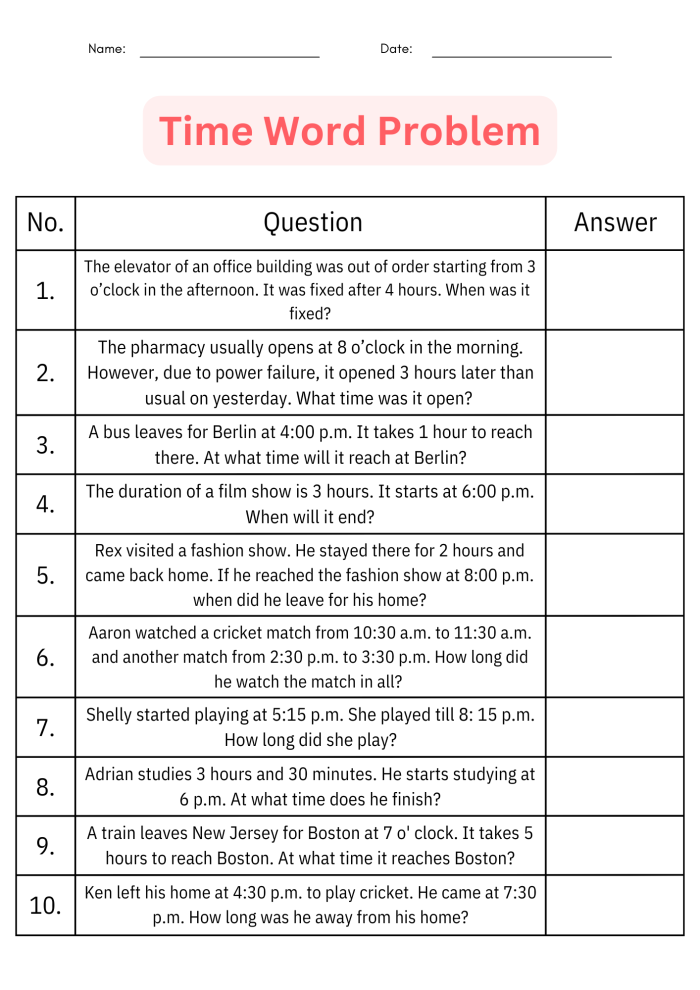
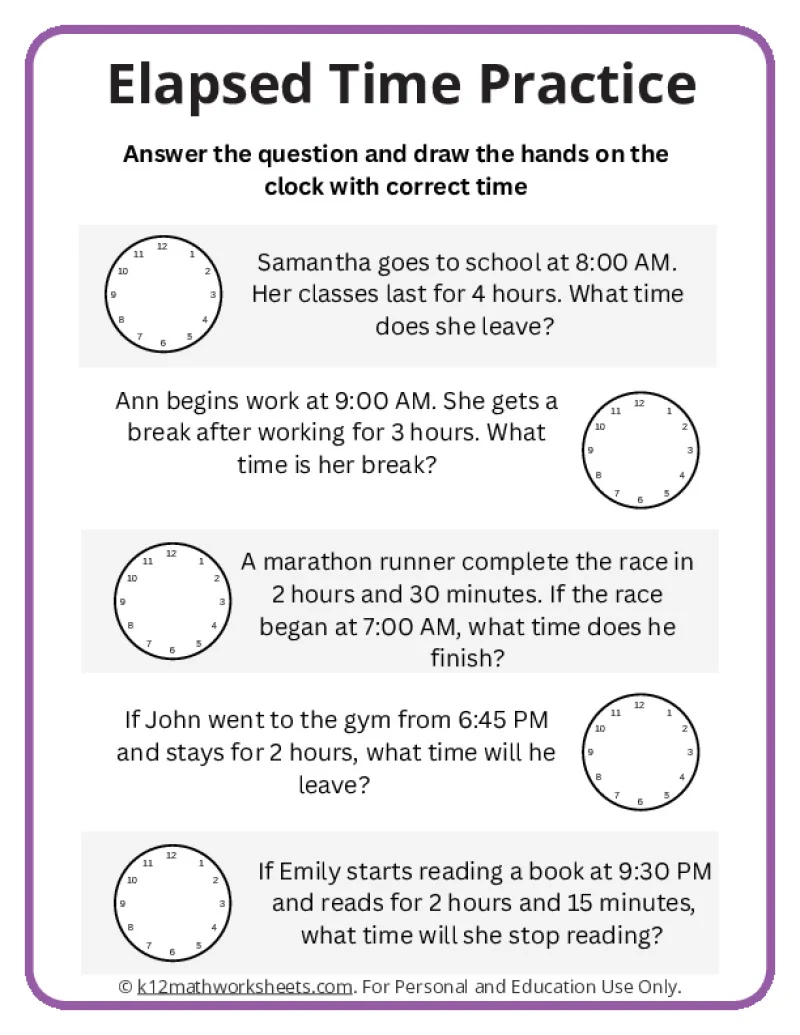
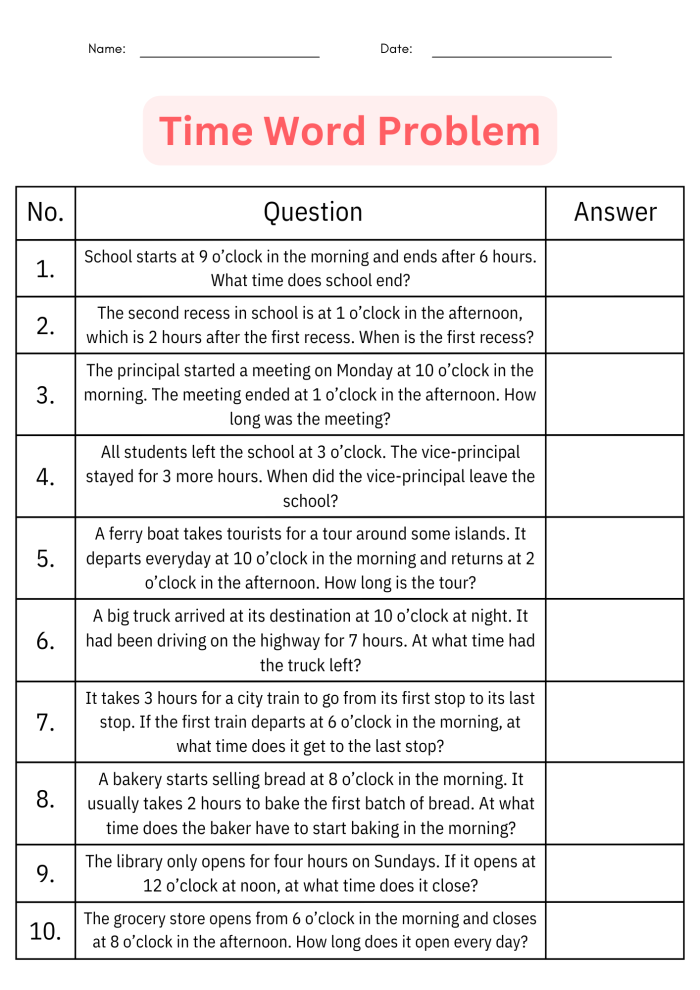
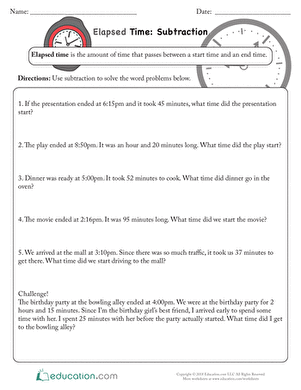
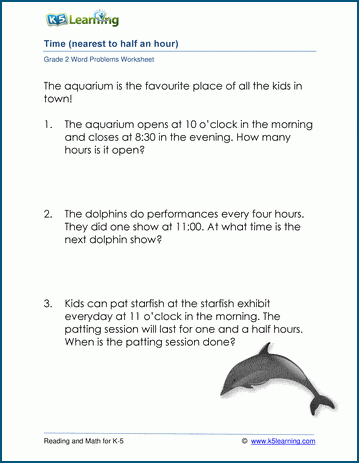
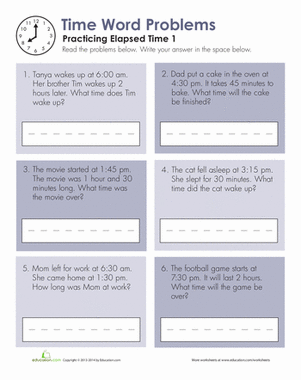
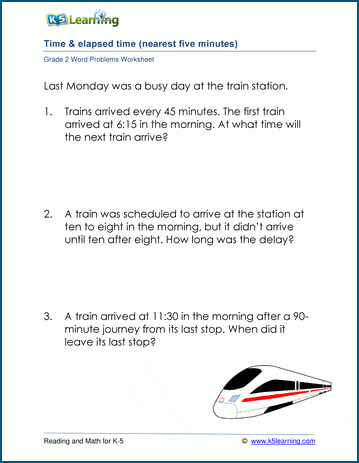
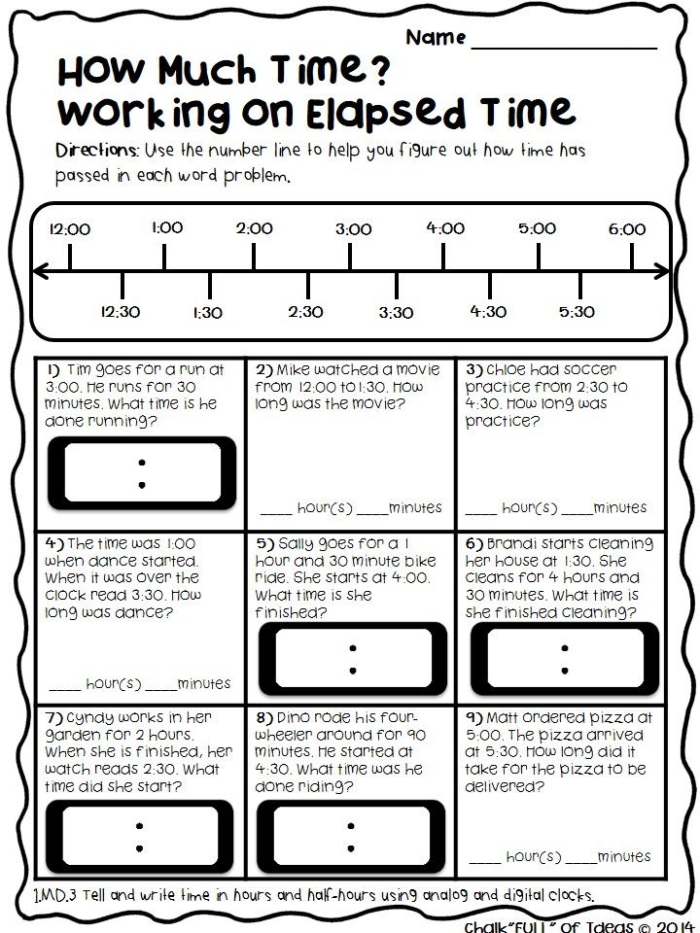
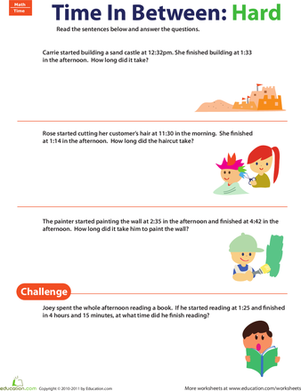
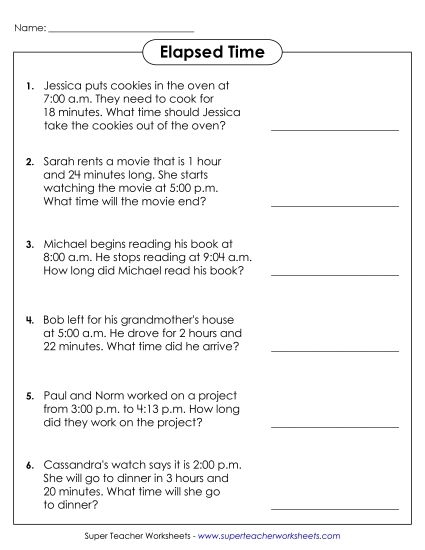
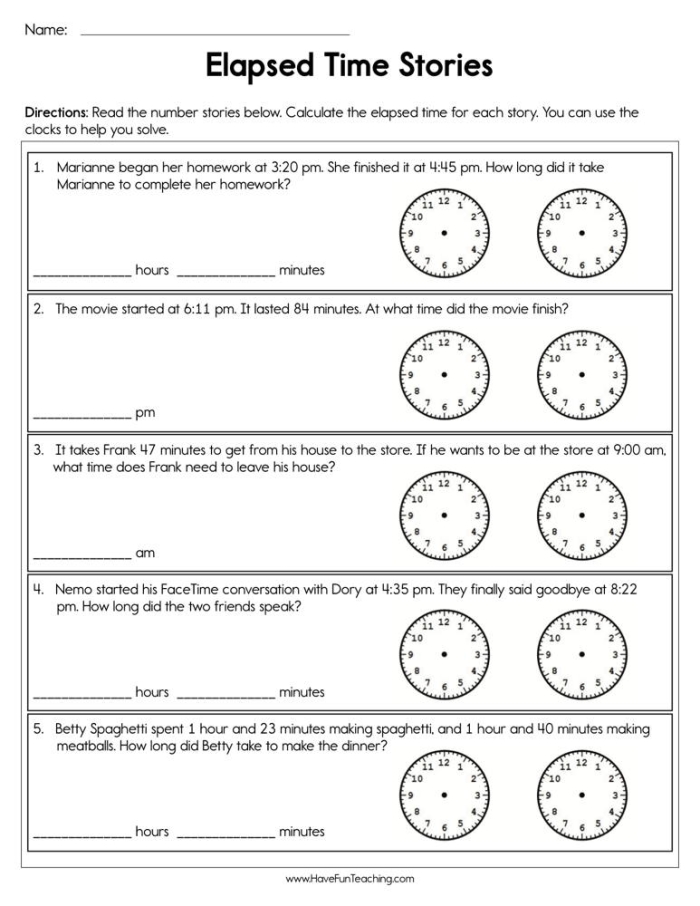
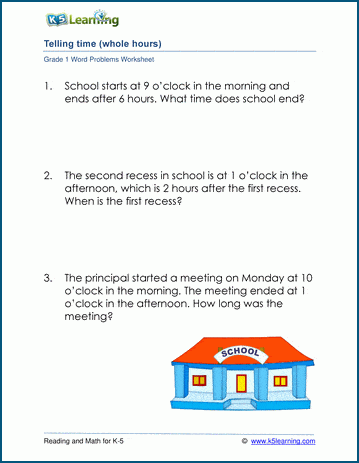
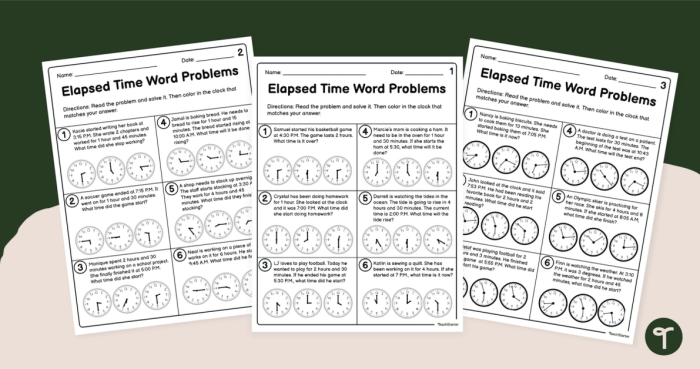
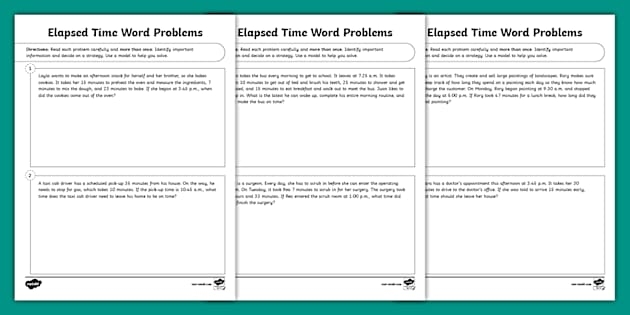
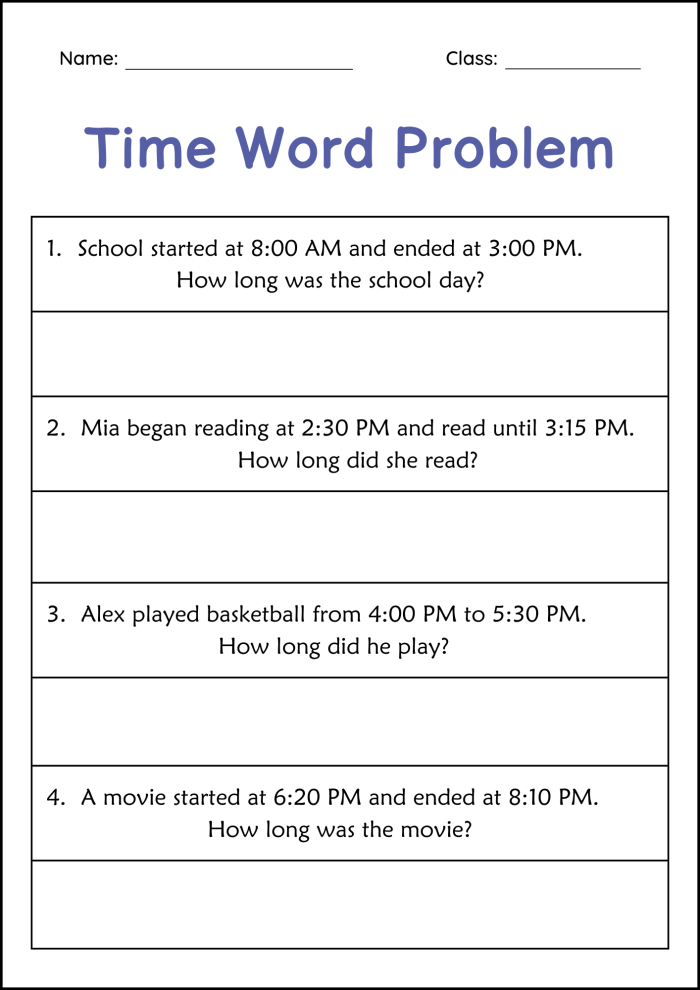
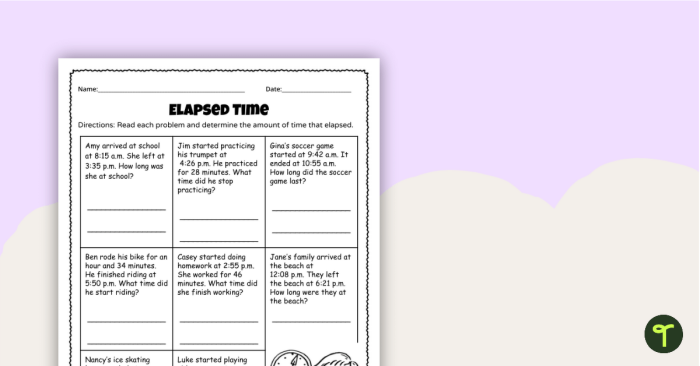
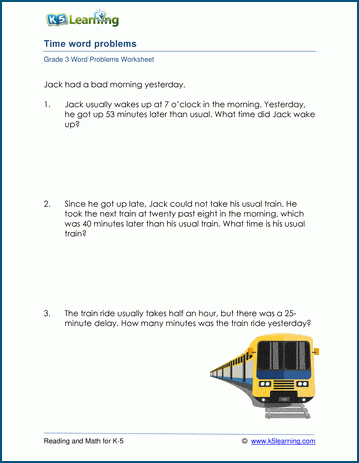
Consistent practice with varied scenarios helps students internalize the process. Using worksheets that present problems in different formats—some with digital clocks, others with analog—ensures your students develop flexible thinking rather than relying on a single method.
Hands-On Worksheet Activities