Middle school students often struggle to connect abstract concepts like photosynthesis to the larger systems that sustain life on Earth. A well-designed worksheet can bridge that gap by helping sixth grade learners visualize how plants convert sunlight into chemical energy while simultaneously cycling matter through ecosystems.
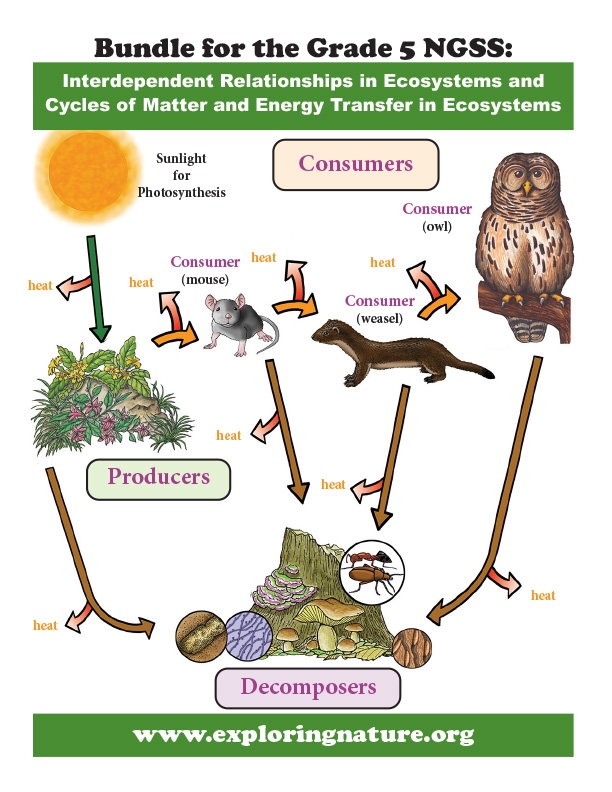
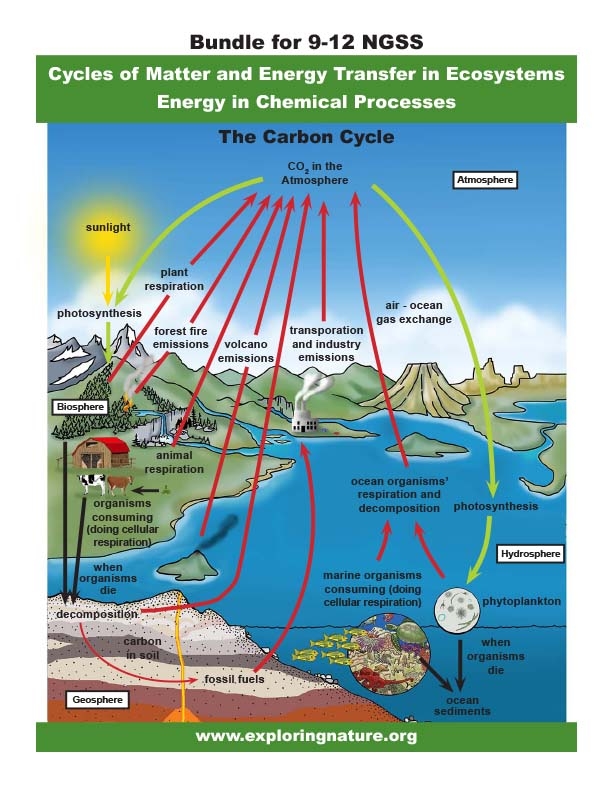
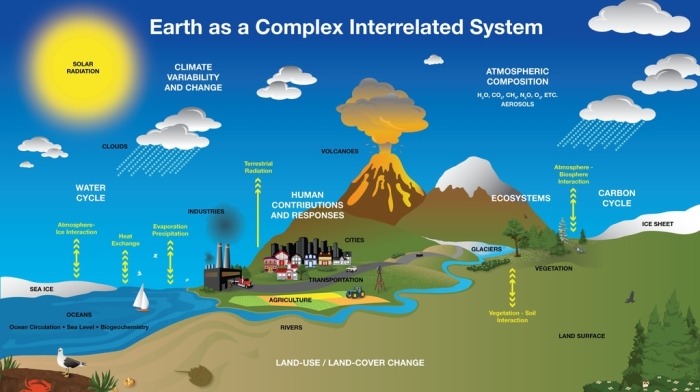
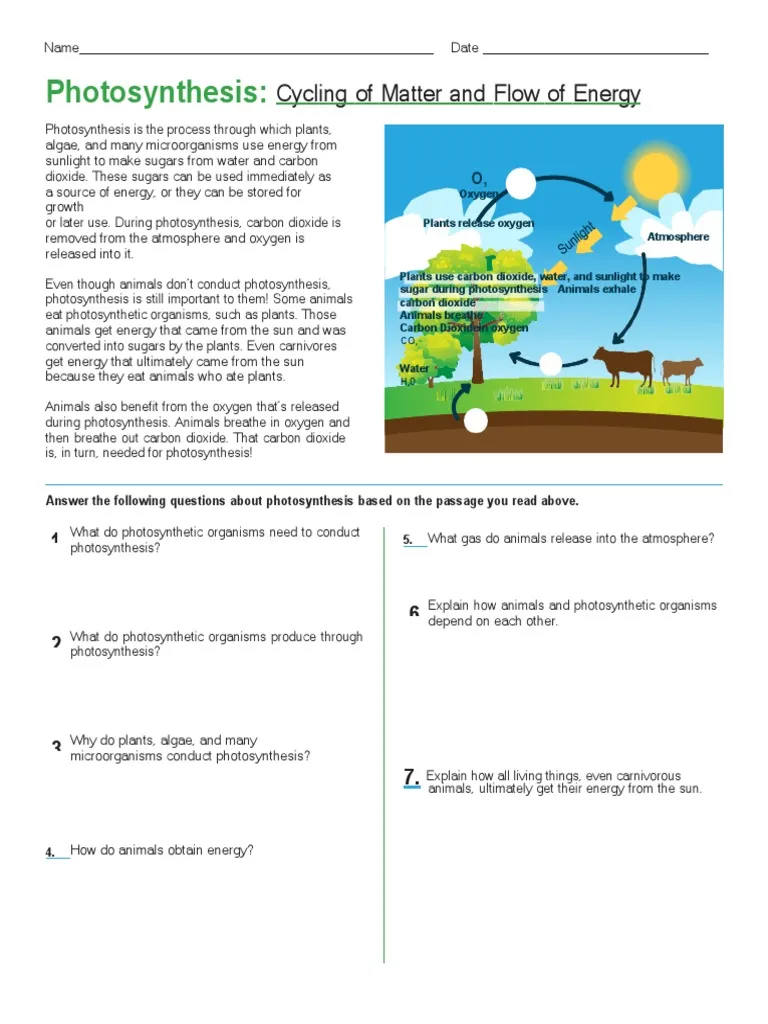
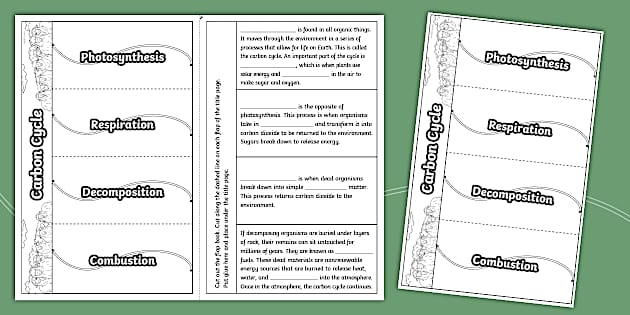
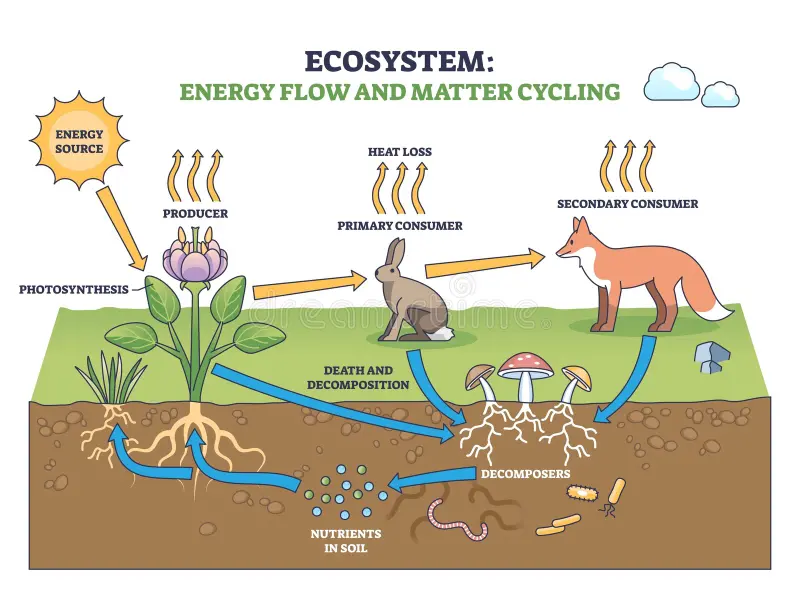
Photosynthesis sits at the foundation of nearly every food chain on the planet. When students understand how chlorophyll captures light energy and transforms carbon dioxide and water into glucose and oxygen, they begin to grasp why plants matter beyond just being decorative. The process reveals something fundamental: energy flows through living systems in one direction, while matter cycles continuously. A plant takes in carbon from the air, uses it to build leaves and stems, and eventually returns that carbon to the soil when it decomposes. This cyclical pattern repeats endlessly.
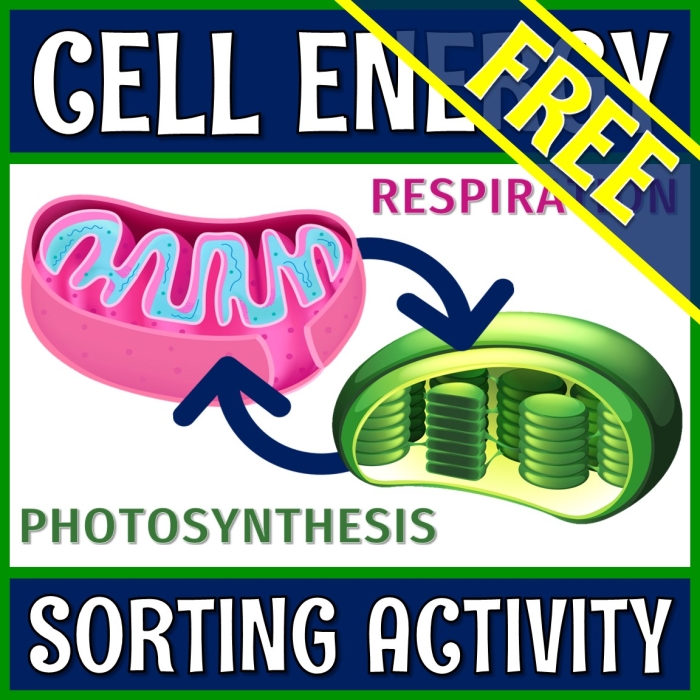
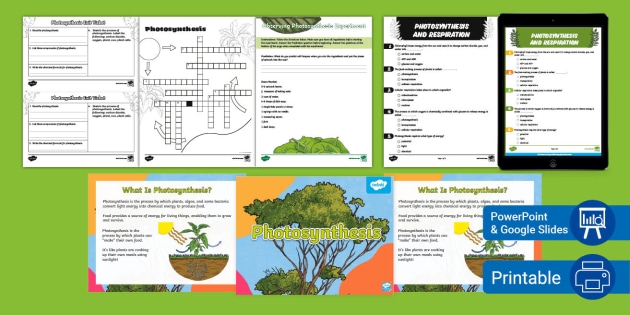
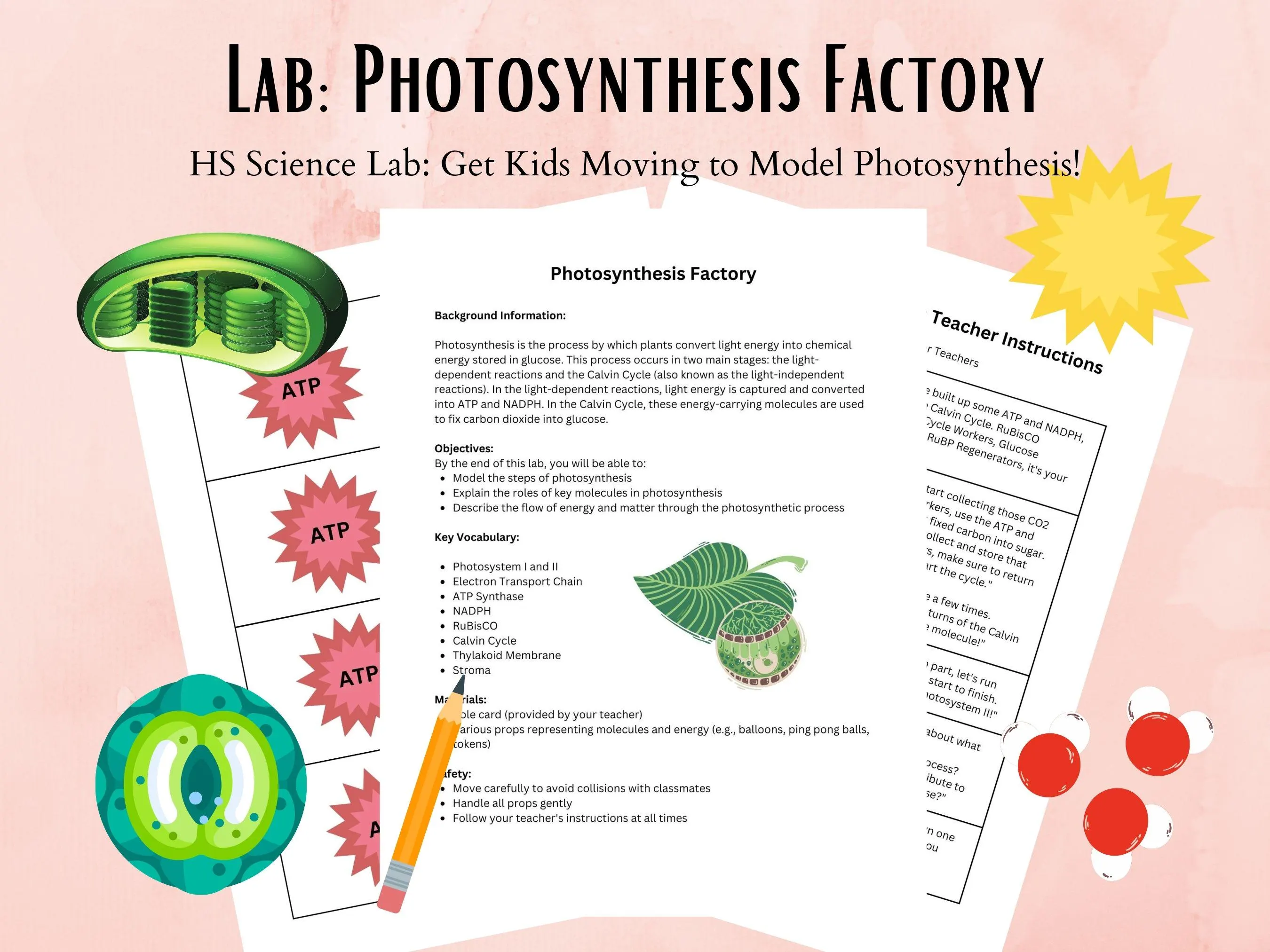
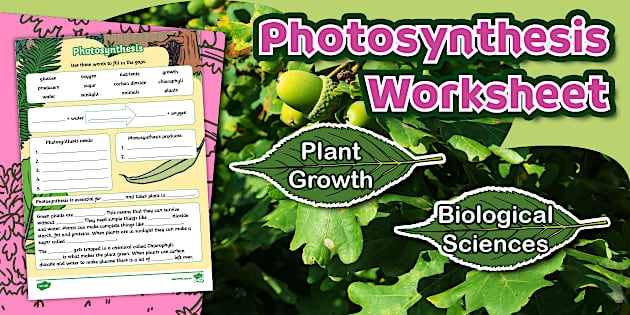
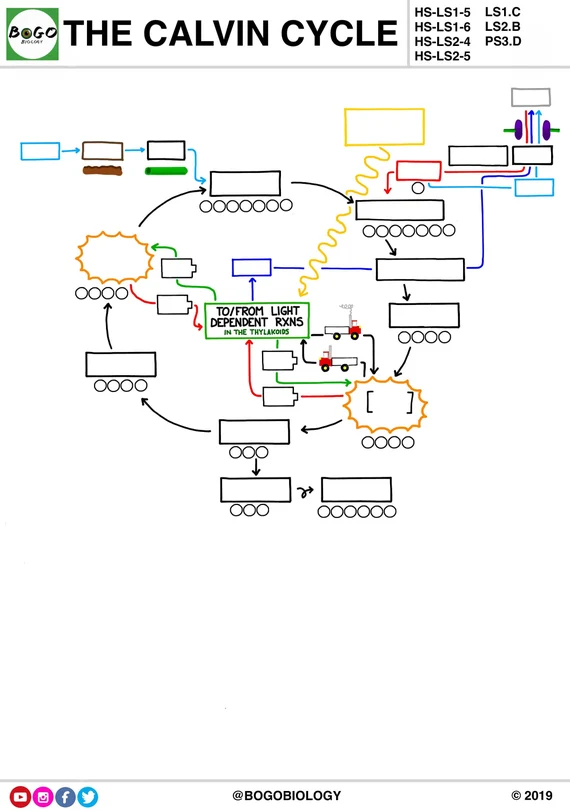
An effective worksheet guides students through these mechanisms step by step. It might ask them to label the inputs and outputs of photosynthesis, trace the path of a carbon atom through multiple organisms, or explain why a plant needs both sunlight and nutrients from soil. These activities work best when paired with clear diagrams showing chloroplasts, the light-dependent reactions, and the Calvin cycle. For sixth graders developing their grammar and mechanics skills, worksheets that require written explanations also reinforce sentence construction and scientific vocabulary.
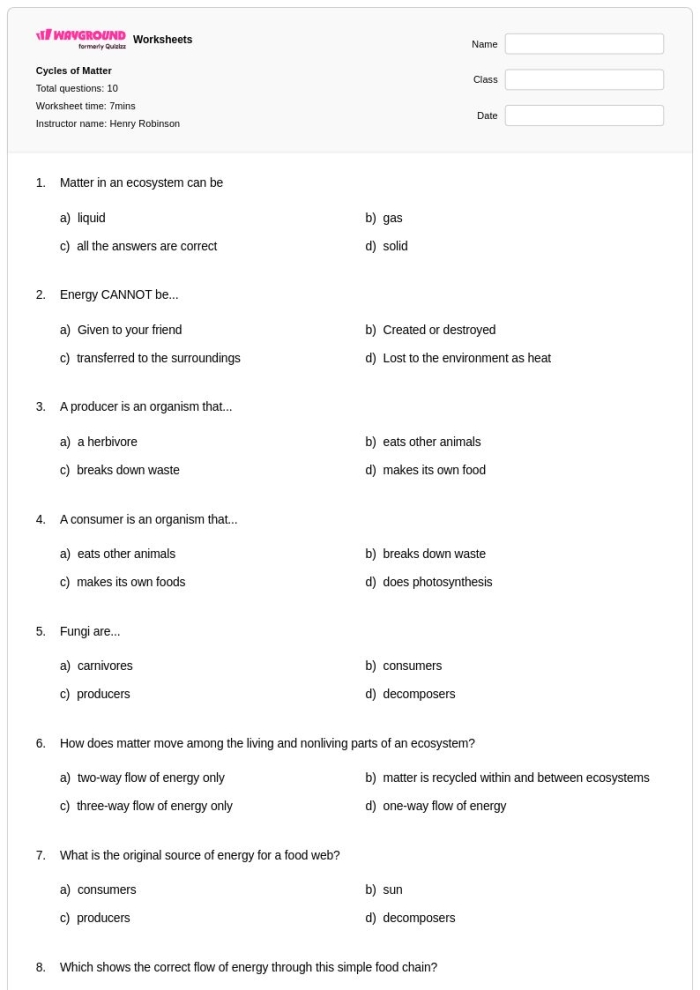
The value of this approach extends beyond photosynthesis itself. When students practice analyzing how energy and matter move through systems, they develop critical thinking skills applicable across life science. They start seeing connections between seemingly separate topics, whether studying the cell cycle and mitosis or exploring ecosystems more broadly.
Pairing photosynthesis worksheets with complementary resources strengthens learning. Students benefit from reinforcing their ability to write clear expressions of scientific ideas and use accurate scientific terminology. Reading about natural systems, such as how the baobab tree sustains life in harsh environments, gives context to photosynthetic processes in real organisms.
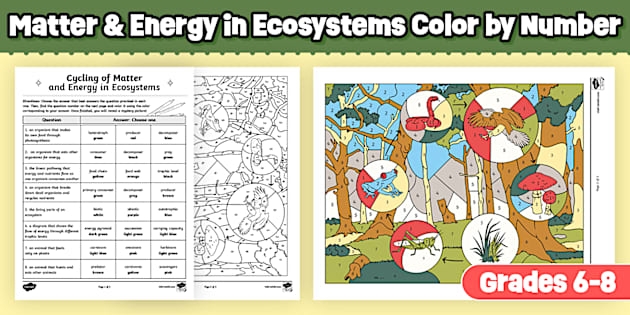
The most effective worksheets avoid overwhelming students with excessive detail while still maintaining scientific accuracy. They create space for students to think, draw, and write their own understanding rather than simply filling in blanks. This approach builds genuine comprehension of how matter and energy cycle on Earth, preparing students for more advanced biology concepts in later grades.
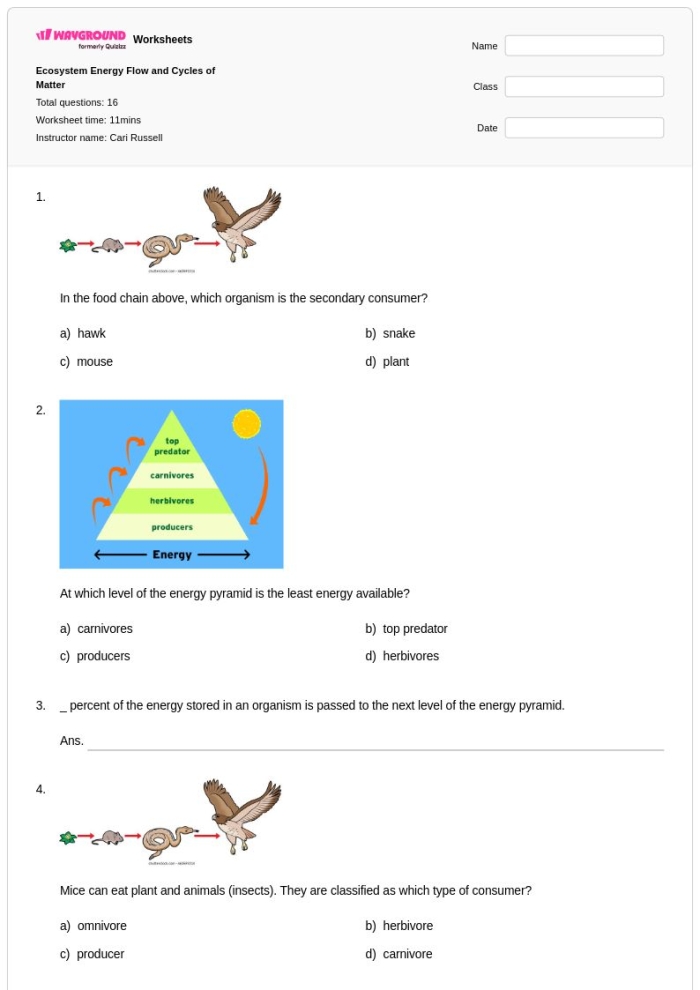
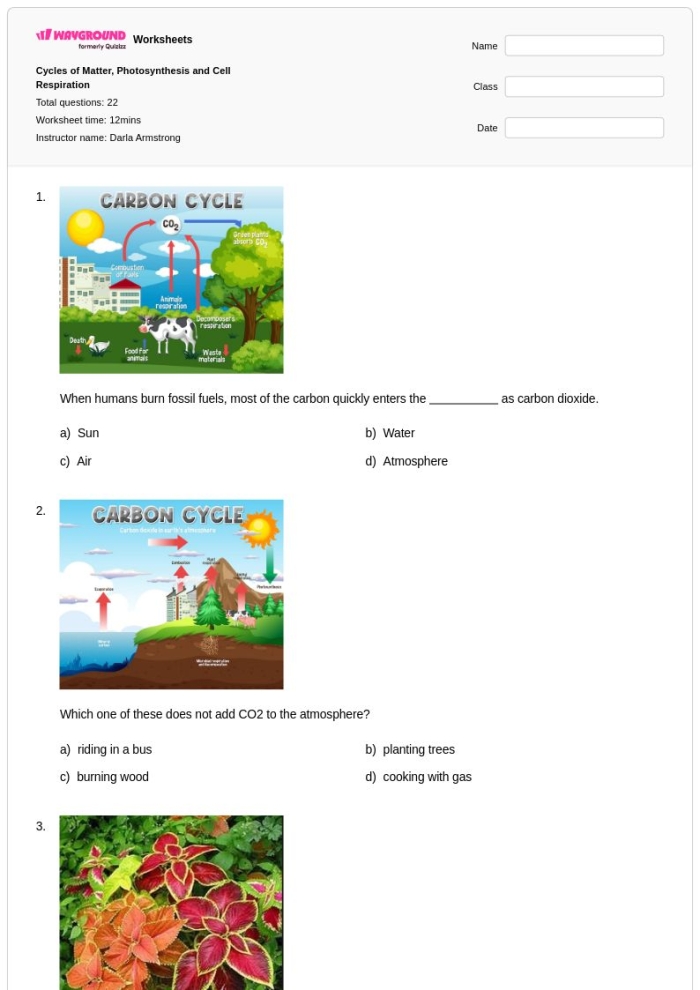
Worksheet Practice Section