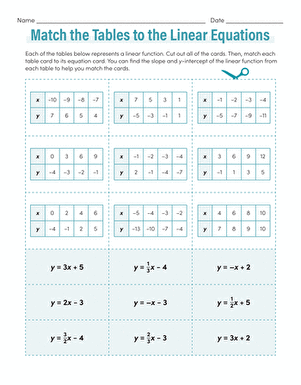
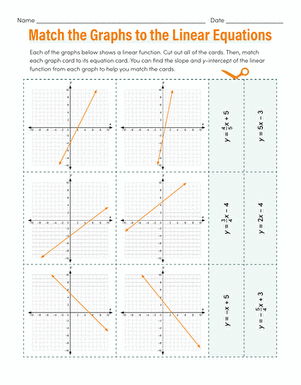
When eighth graders first encounter linear functions, they often see them in isolation: a table here, a graph there, an equation somewhere else. The real learning happens when students can move fluidly between these representations and understand that they’re all describing the same mathematical relationship.
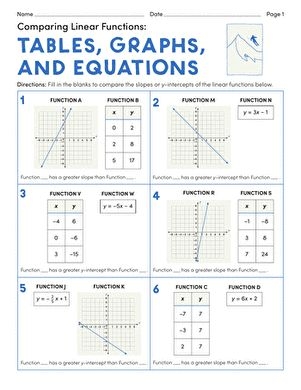
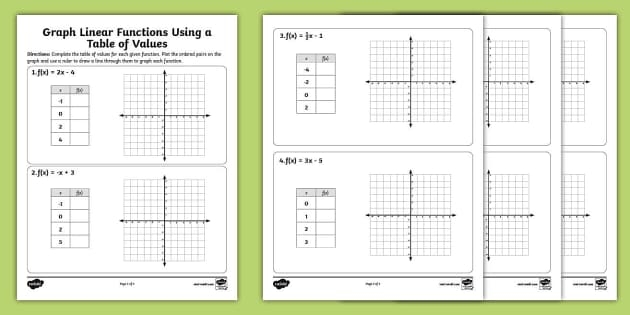
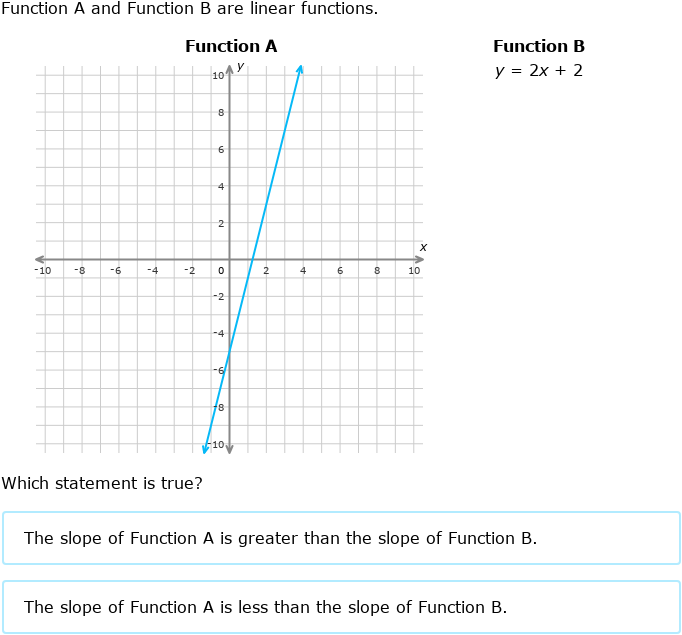
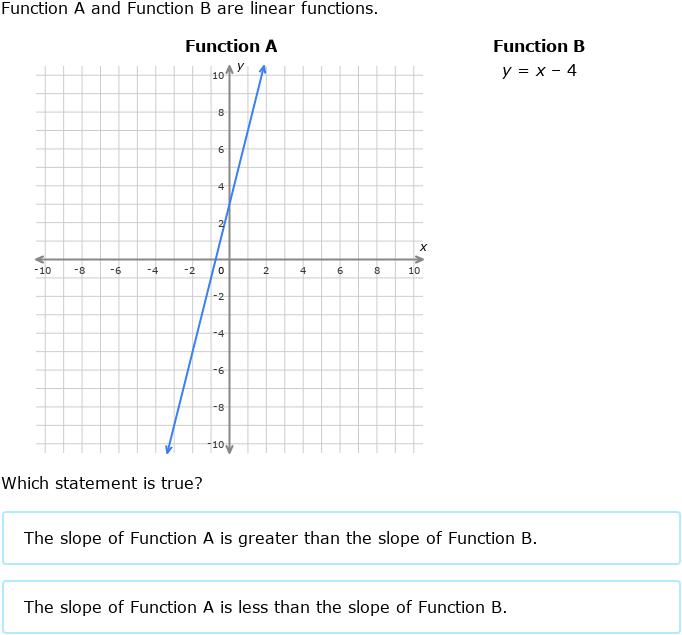
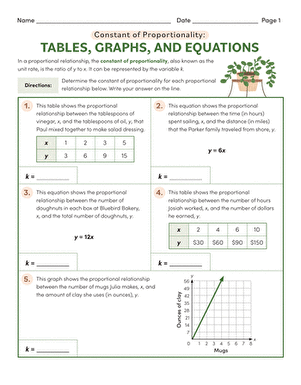
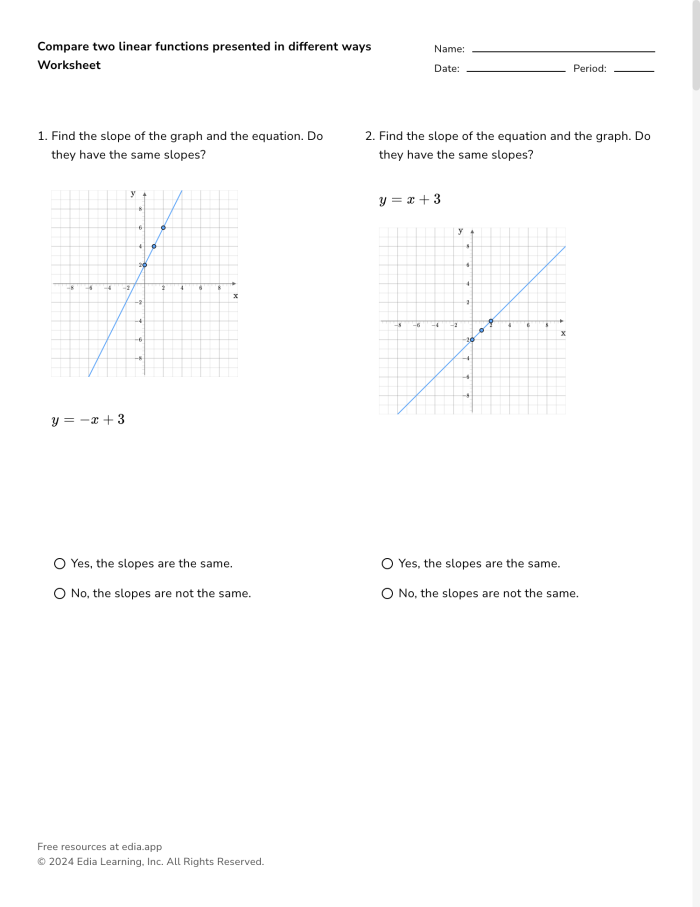
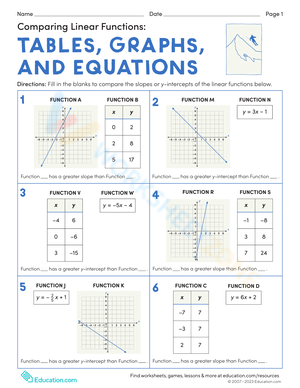
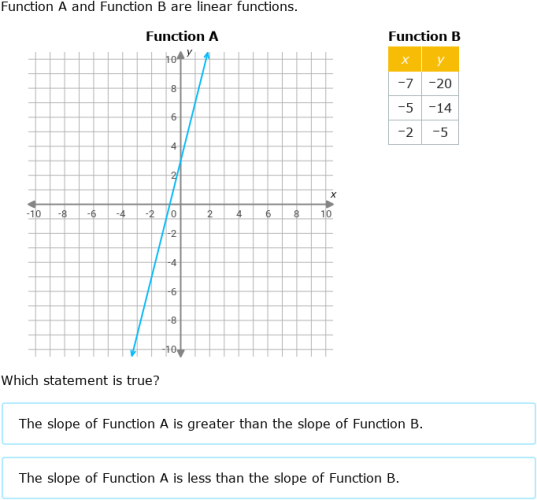
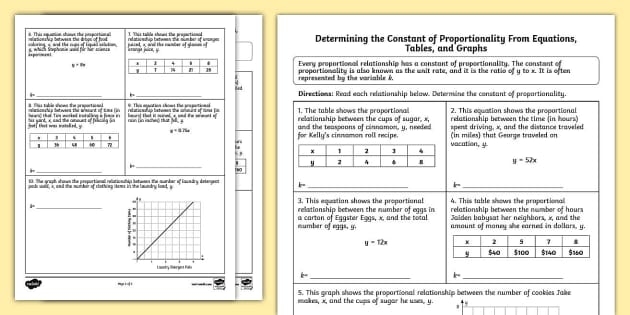
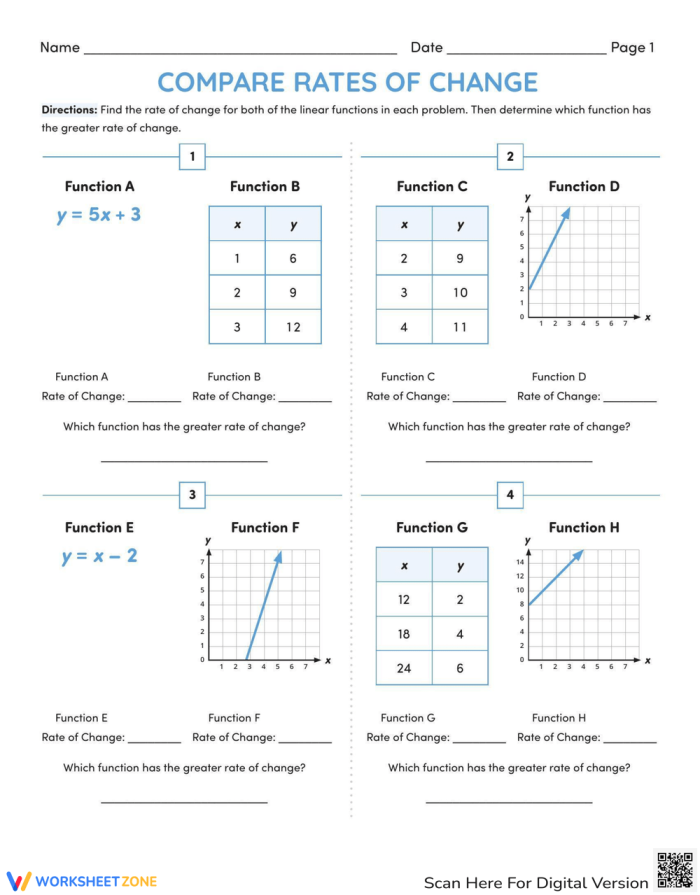
A strong worksheet on comparing linear functions pushes students beyond plugging numbers into formulas. It asks them to look at a table of values and recognize the constant rate of change, then connect that same pattern to the slope in an equation, and finally see it reflected in the steepness of a line on a graph. This kind of translation between representations is where algebra clicks for many students.
The practical benefit becomes clear when students tackle real-world problems. If you’re comparing phone plans, you might see one represented as a table showing monthly costs, another as an equation, and a third as a graph. Being able to move between these forms lets you actually make sense of which plan is cheaper at different usage levels, rather than just following a procedure.
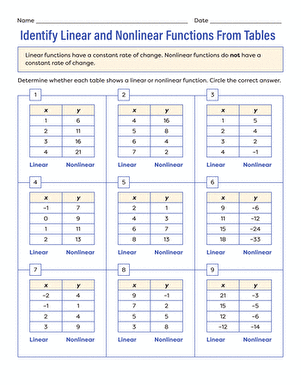
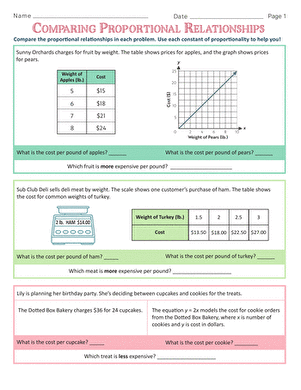
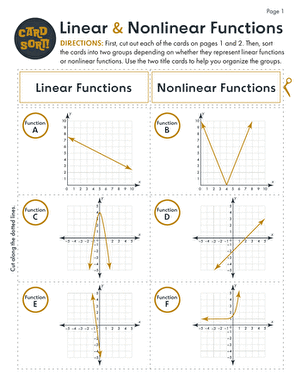
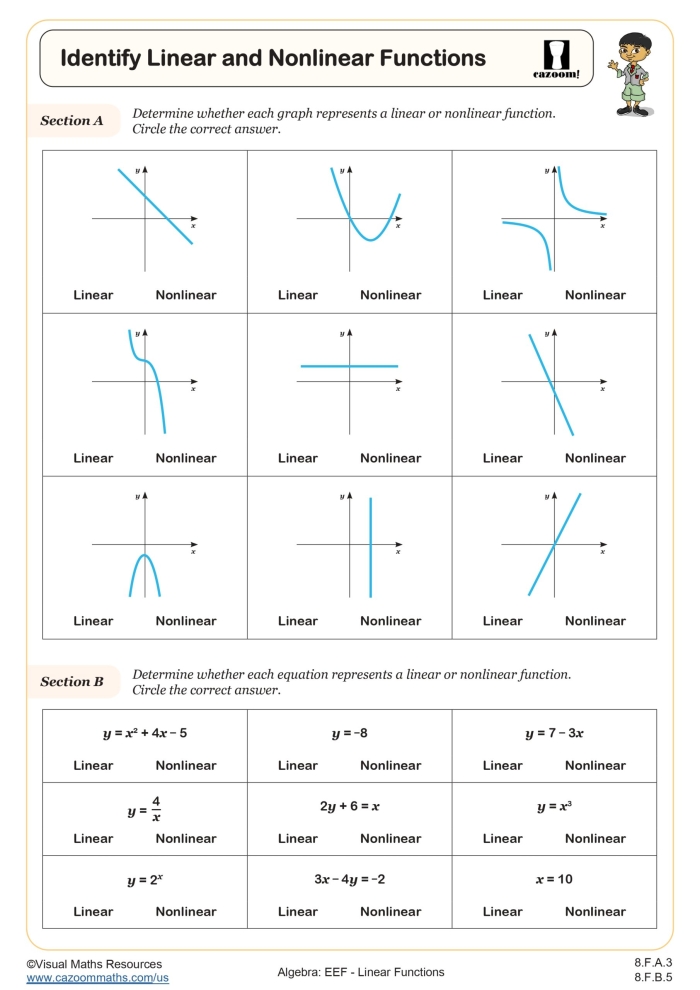
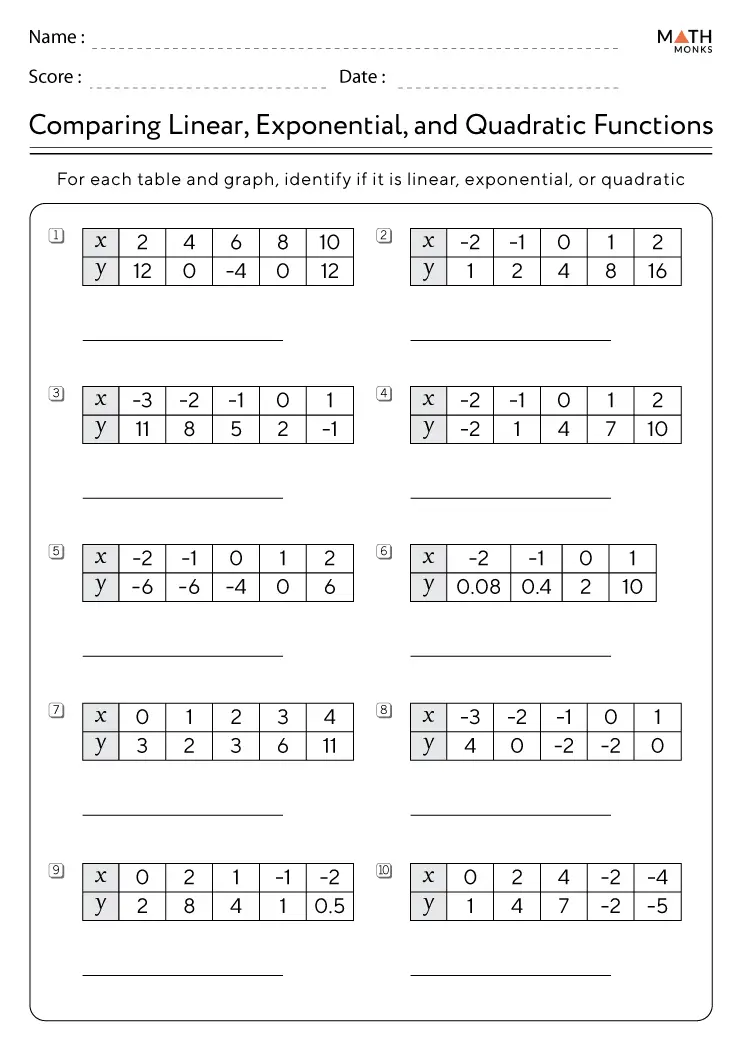
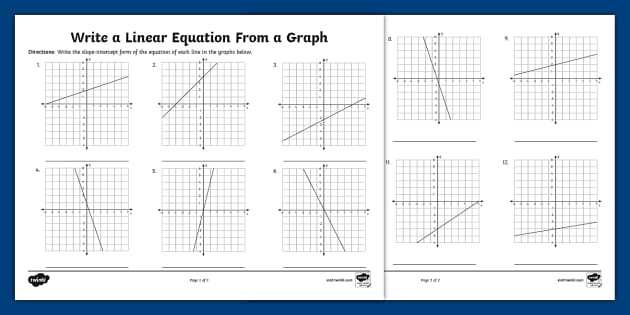
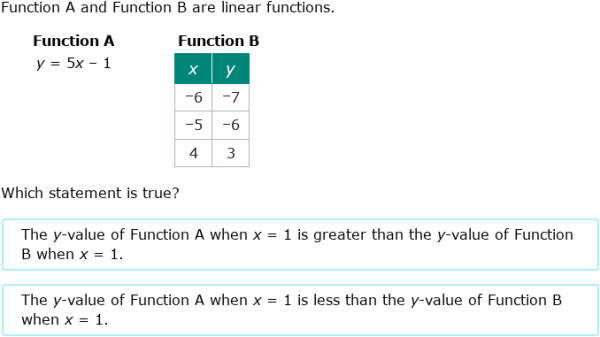
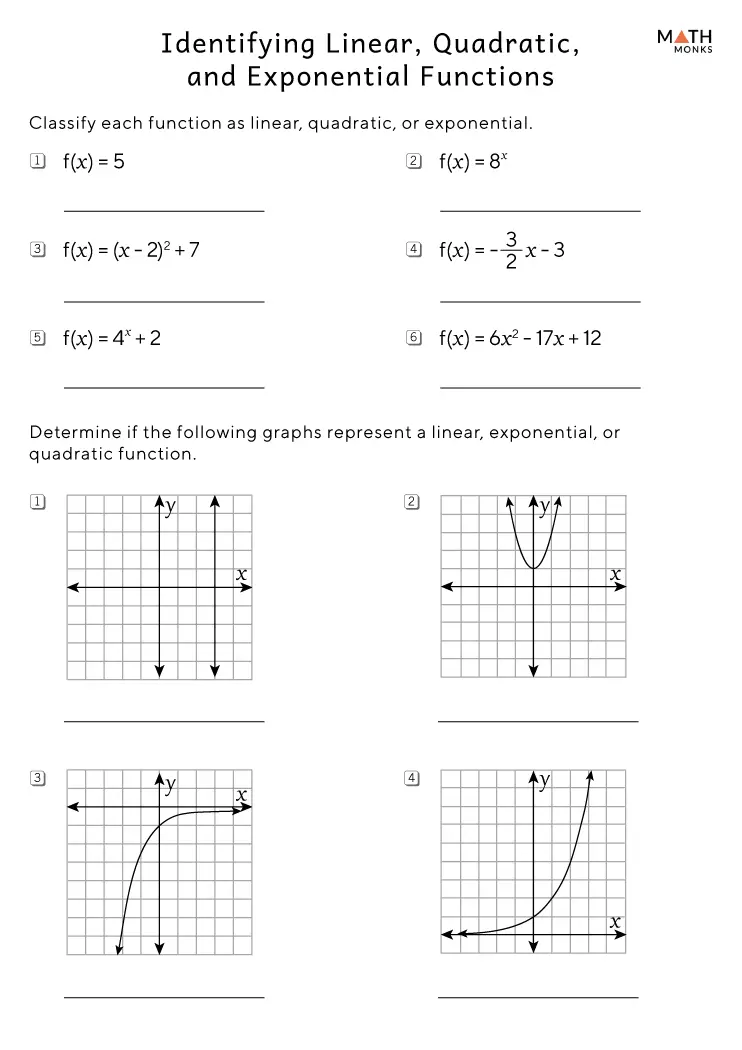
Eighth-grade algebra worksheets that focus on this skill typically include exercises where students identify the slope and y-intercept from different formats, determine whether two functions are equivalent across representations, or predict missing values by understanding the underlying linear relationship. Some worksheets also incorporate elements like scatter plots to explore linear patterns in data or comparisons with nonlinear functions to highlight what makes linear relationships distinct.
Students who master this skill find it easier to progress toward solving systems of equations and understanding function behavior more broadly. The ability to recognize and translate between tables, graphs, and equations becomes foundational for higher mathematics.
Practice with These Worksheets