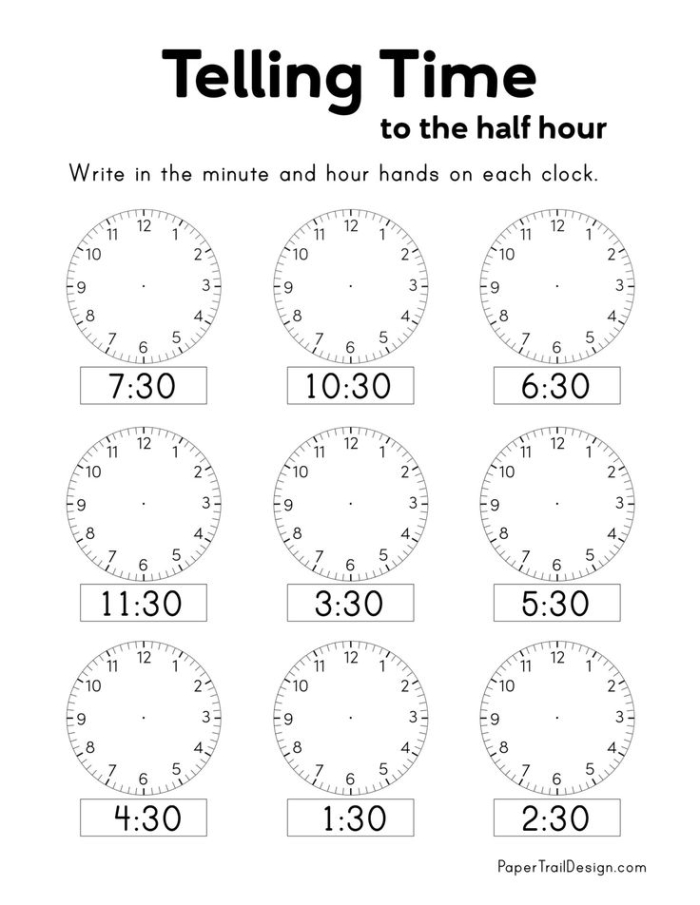
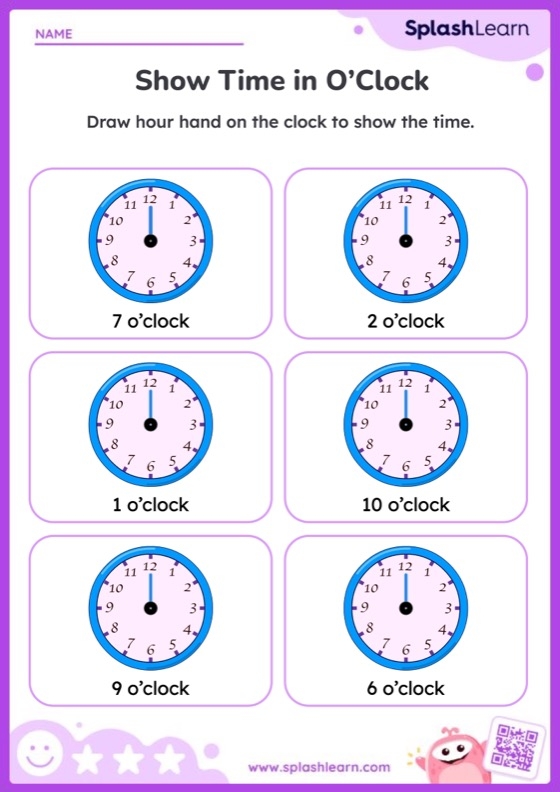
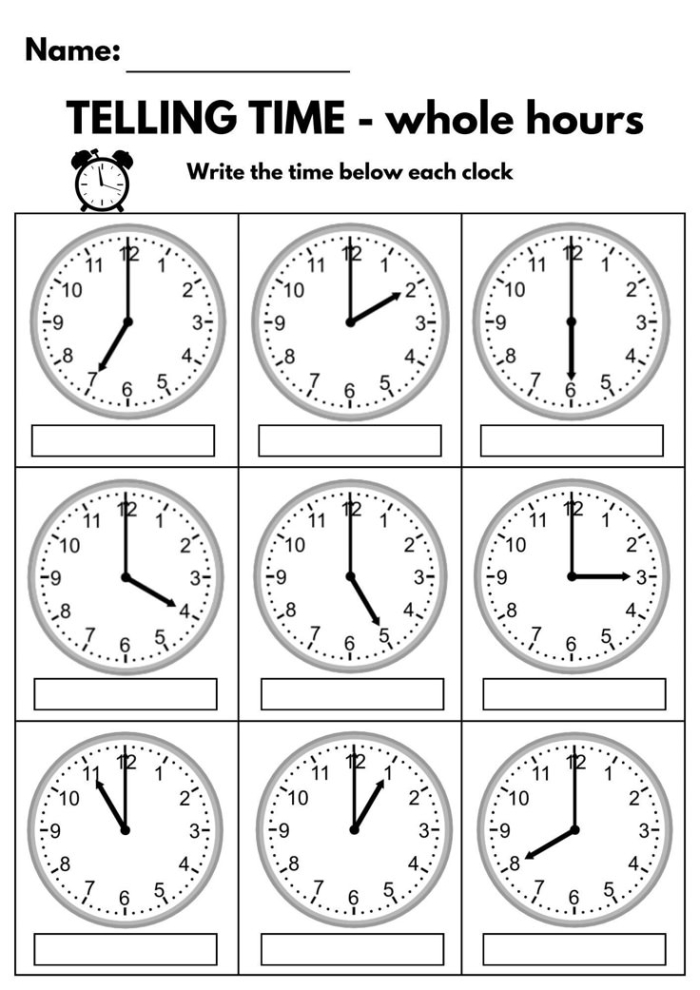
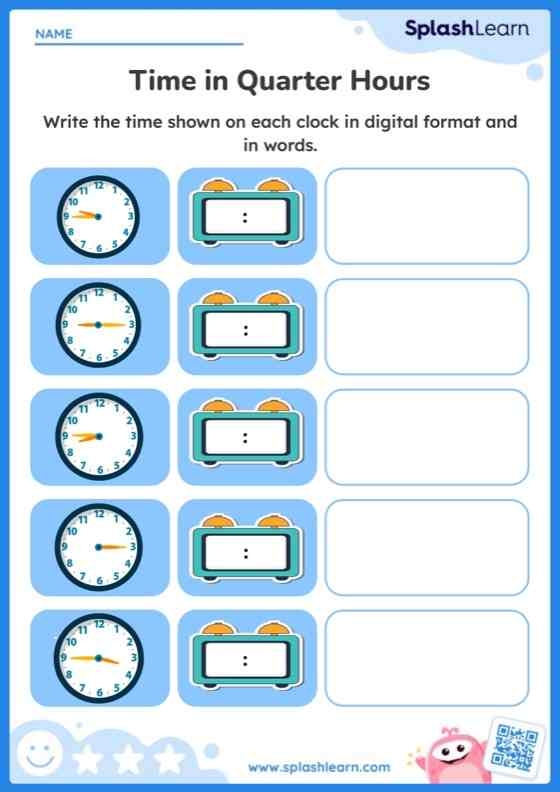
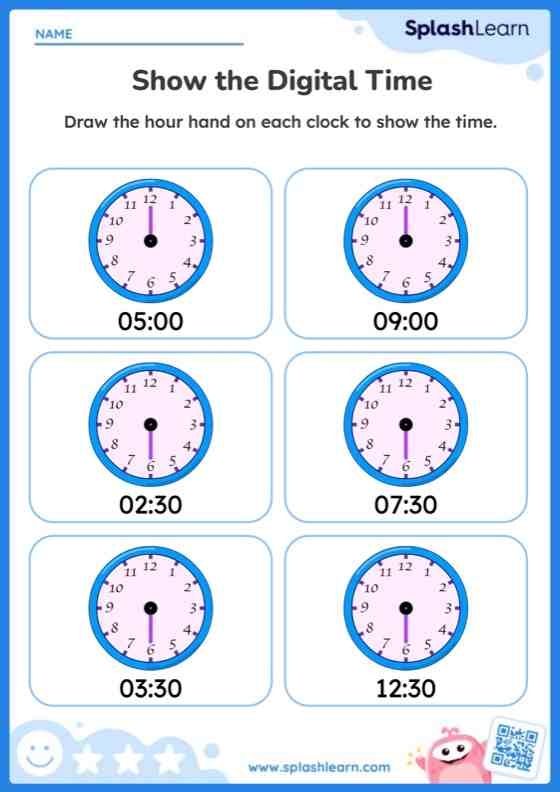
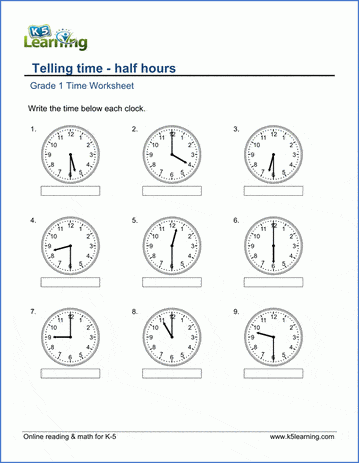
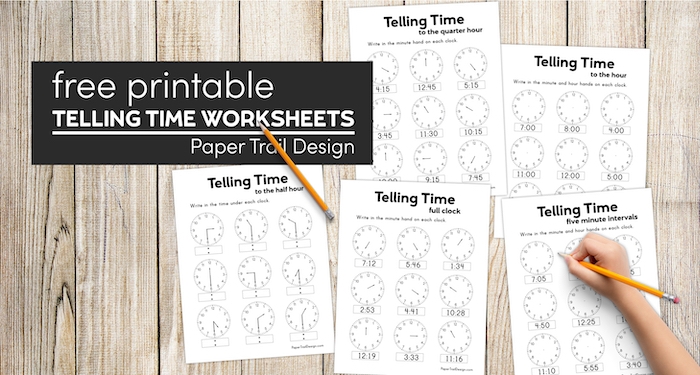
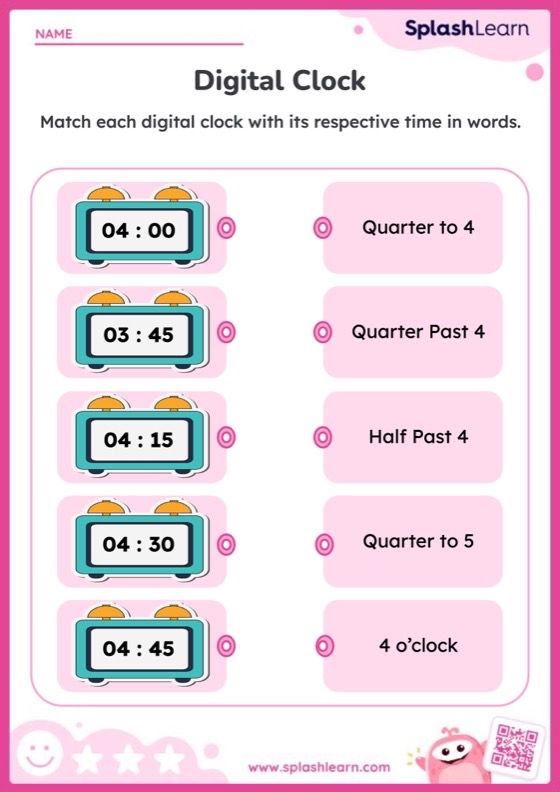
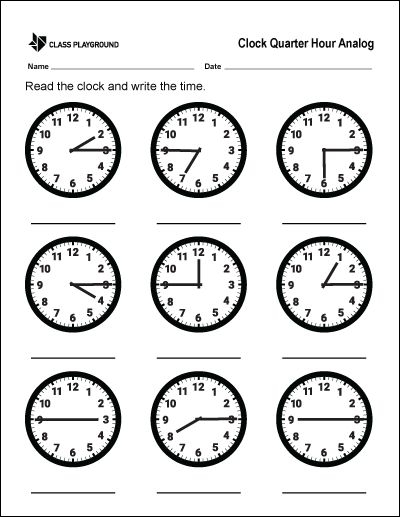
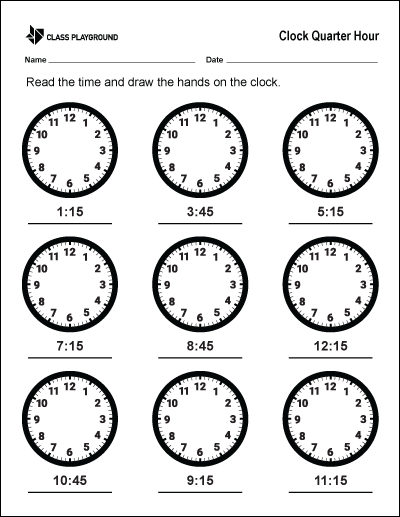
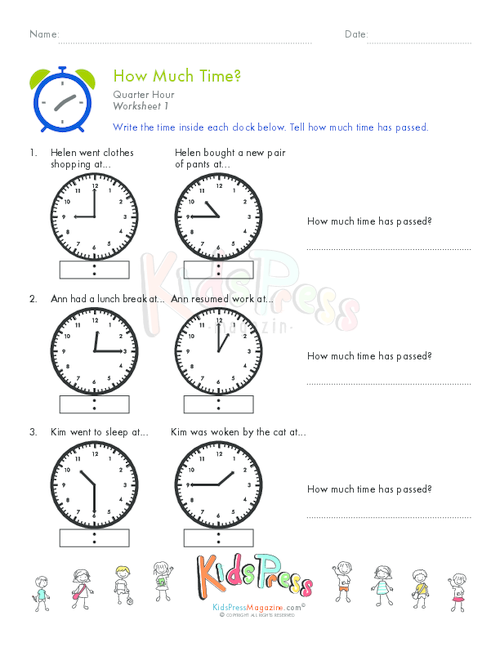
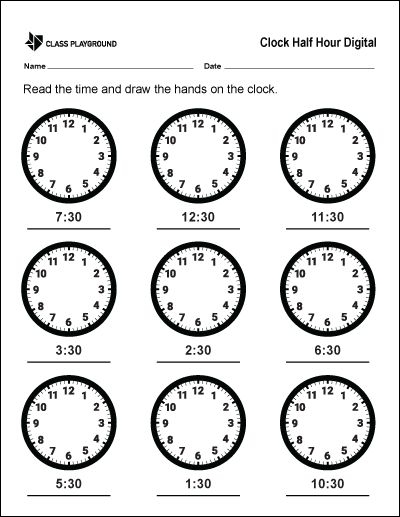
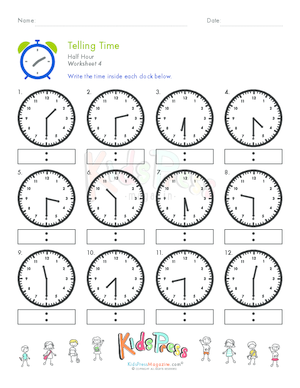
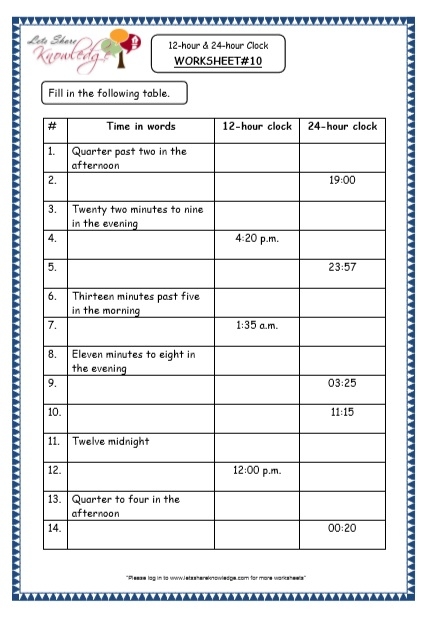
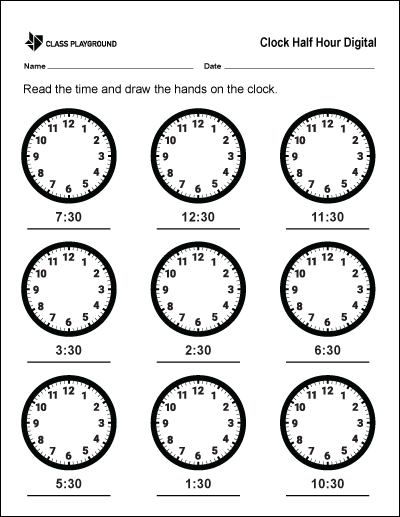
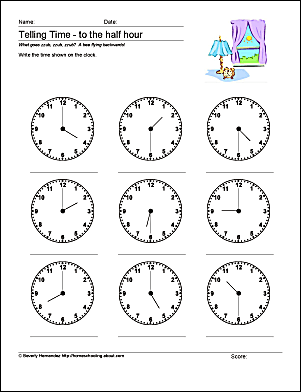
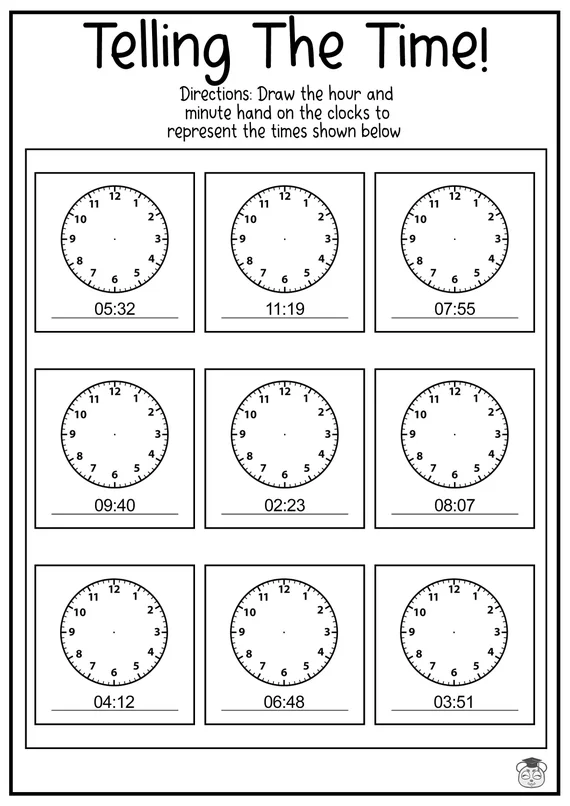
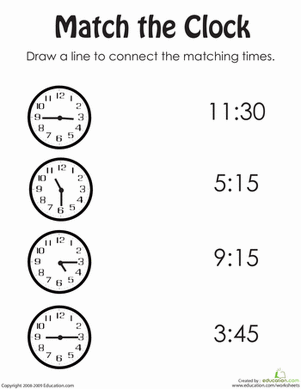
Teaching your first grader to tell time on the hour is one of those foundational skills that clicks into place surprisingly fast when you practice it the right way. Most children this age can recognize numbers and understand basic sequences, so matching clock faces to written times becomes an engaging puzzle rather than an overwhelming task.
The key to success is starting simple and staying consistent. When you focus on hour times first, you’re removing the complexity of minutes altogether. Your child sees the hour hand pointing at a number and learns that this position always means the same thing. A clock with the hour hand on the 3 always means 3 o’clock, whether it’s morning or afternoon. This repetition builds automaticity, and before long, your first grader will glance at a clock and know the time without counting or hesitating.
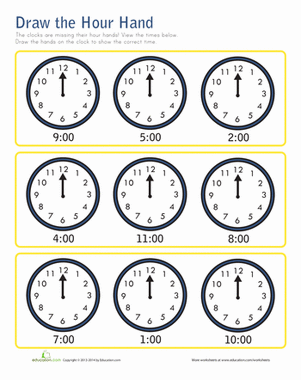
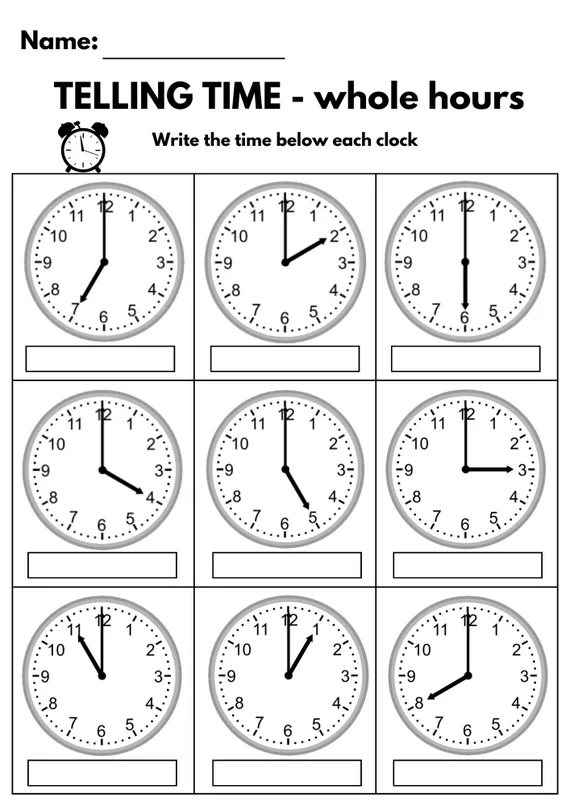
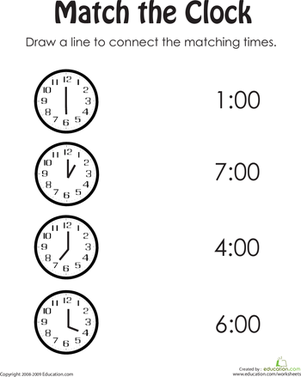
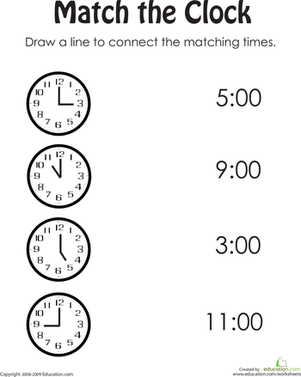
Matching exercises work particularly well because they let children see multiple clock faces at once and compare them. When a worksheet shows four different clocks alongside times like 2:00, 5:00, 7:00, and 9:00, your student has to look closely at where the hour hand sits on each one. This visual discrimination strengthens their ability to notice small differences and connect them to specific times.
You can pair these matching activities with other first grade geometry and math practice. After working through counting tens and ones exercises, a time-telling worksheet feels like a natural next step since it uses similar number recognition skills. If your child enjoys writing, telling time word problems combine reading comprehension with practical math application.
Practice these matching activities two or three times per week, and you’ll notice your first grader developing genuine confidence around clocks and time. This head start makes second grade math transitions much smoother.
Use These Worksheets Today