Teaching your first grader to understand position and direction is one of those skills that seems simple on the surface but actually builds the foundation for everything from reading maps to following instructions. When children grasp these spatial concepts early, they develop better coordination, improve their ability to follow multi-step directions, and gain confidence in navigating their physical world.
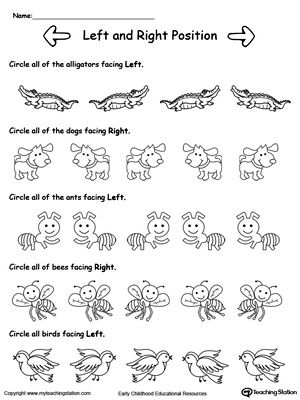
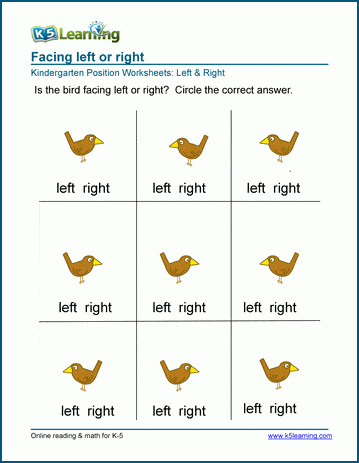
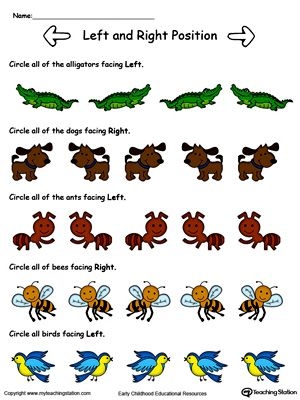
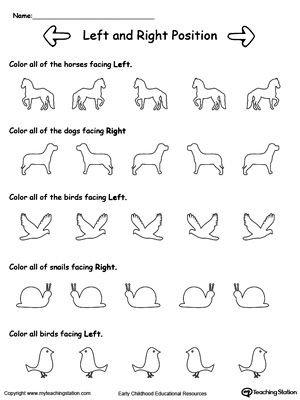
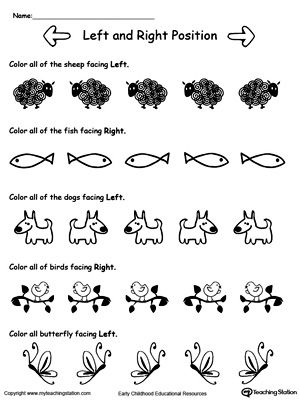
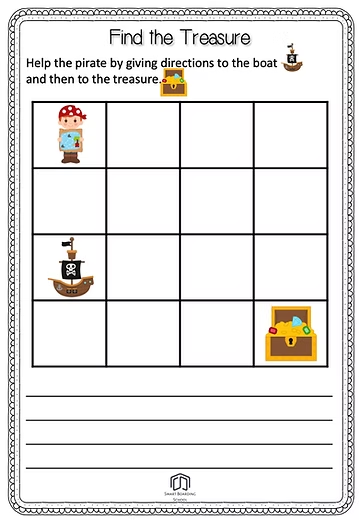
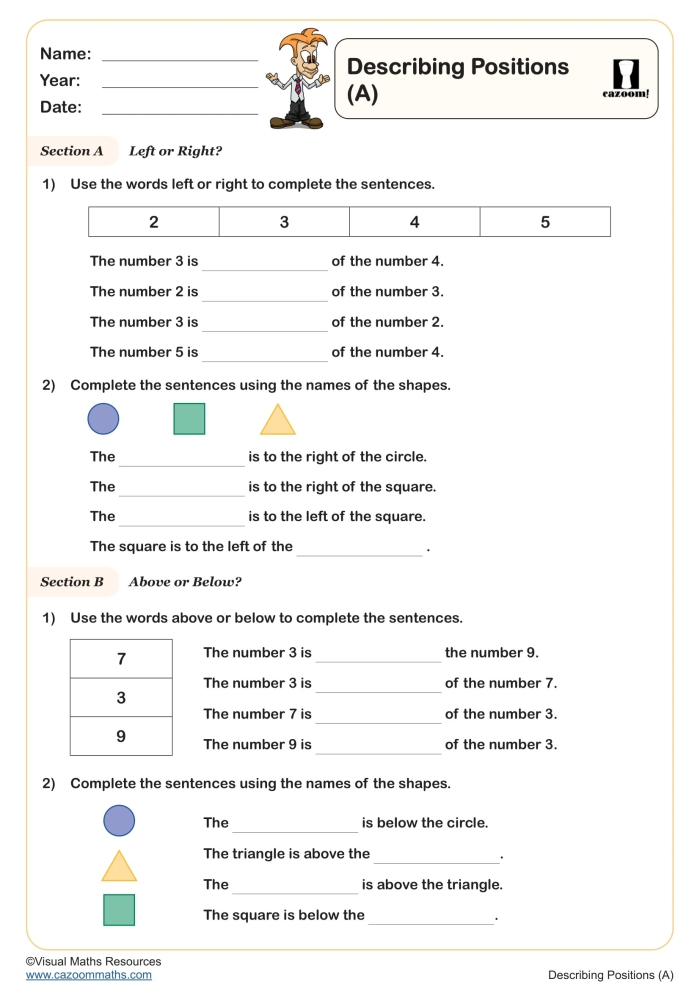
At the first grade level, position and direction learning starts with the basics: left and right. Many children naturally gravitate toward one side, so explicitly teaching them to identify both directions takes repetition and practice. You might notice your child mixing these up initially, and that’s completely normal. The brain is still developing the neural pathways that distinguish left from right, which doesn’t fully solidify until around age six or seven for most kids.
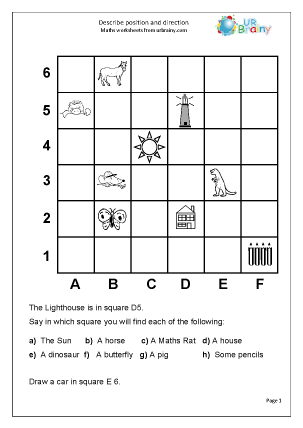
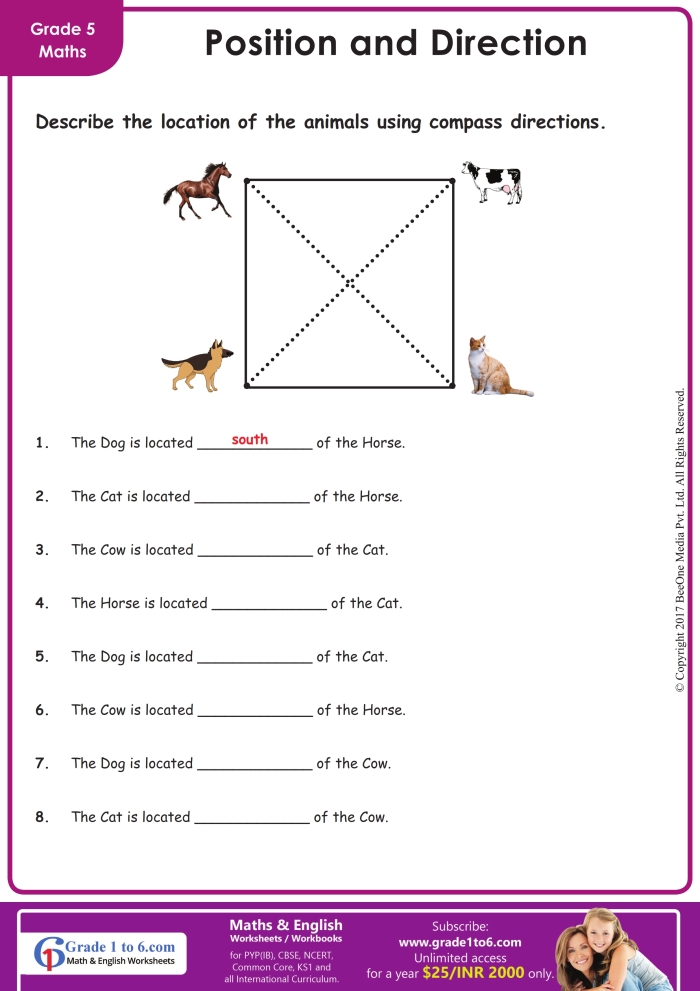
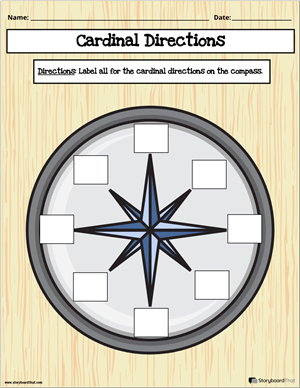
Beyond left and right, cardinal directions introduce north, south, east, and west. While this might seem advanced for first graders, introducing these terms through games and visual activities makes the concept stick. You can use a compass during outdoor play or point out directions on a map together. The key is making it tangible rather than abstract.
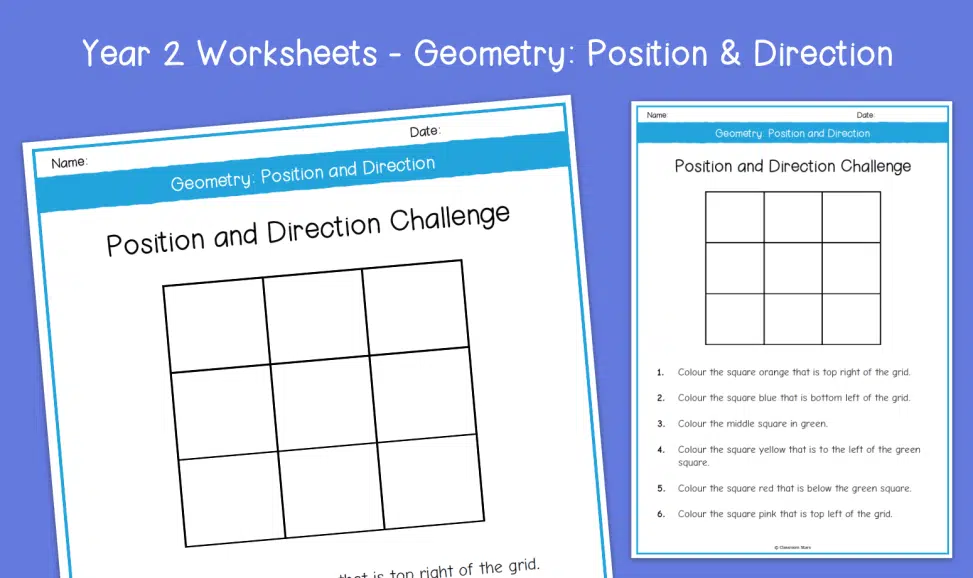
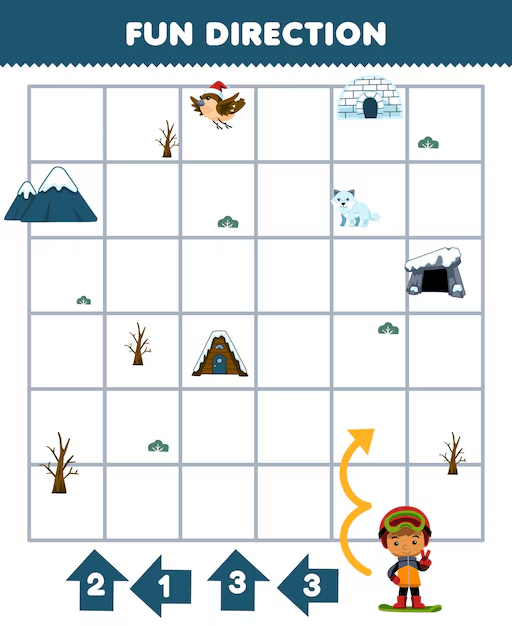
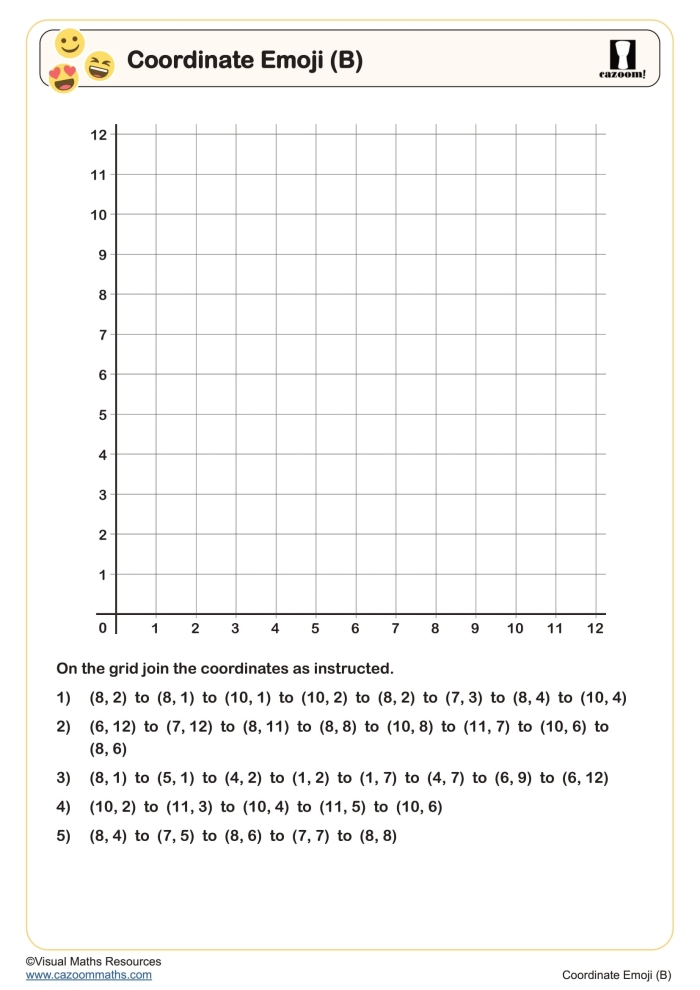
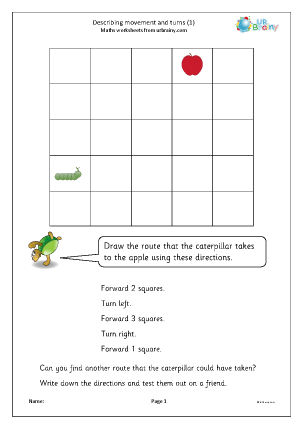
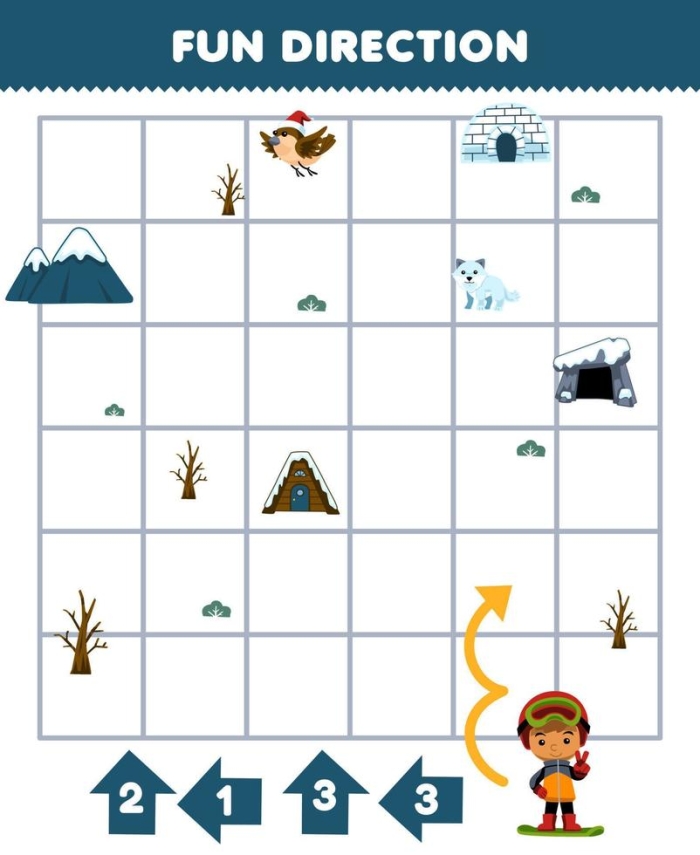
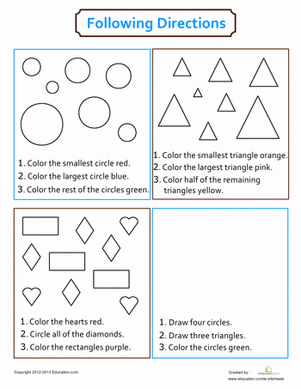
Worksheets designed for this skill level help reinforce what you’re teaching at home. Activities like color by simple subtraction exercises can incorporate directional language, asking children to move their pencil left or right. Similarly, number line subtraction activities naturally embed positional thinking as children move along a line.
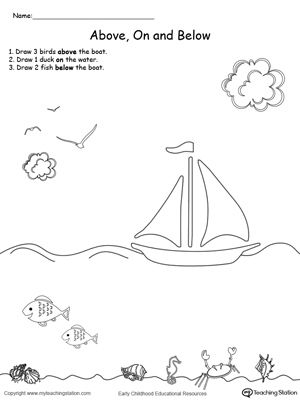
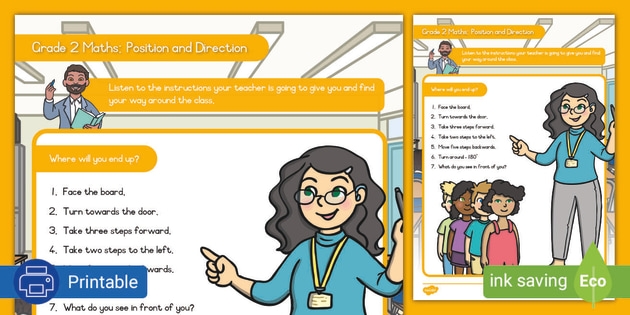
Make position and direction part of daily conversation. Ask your child to pass something from their left hand, point to the direction of the playground, or describe where the dog is sitting relative to the couch. These informal moments reinforce learning far more effectively than worksheets alone, turning spatial awareness into an intuitive skill your child carries forward.
Printable Worksheets for Practice